 4.9 Rating | 23.000+ Procedures | European Medical Team
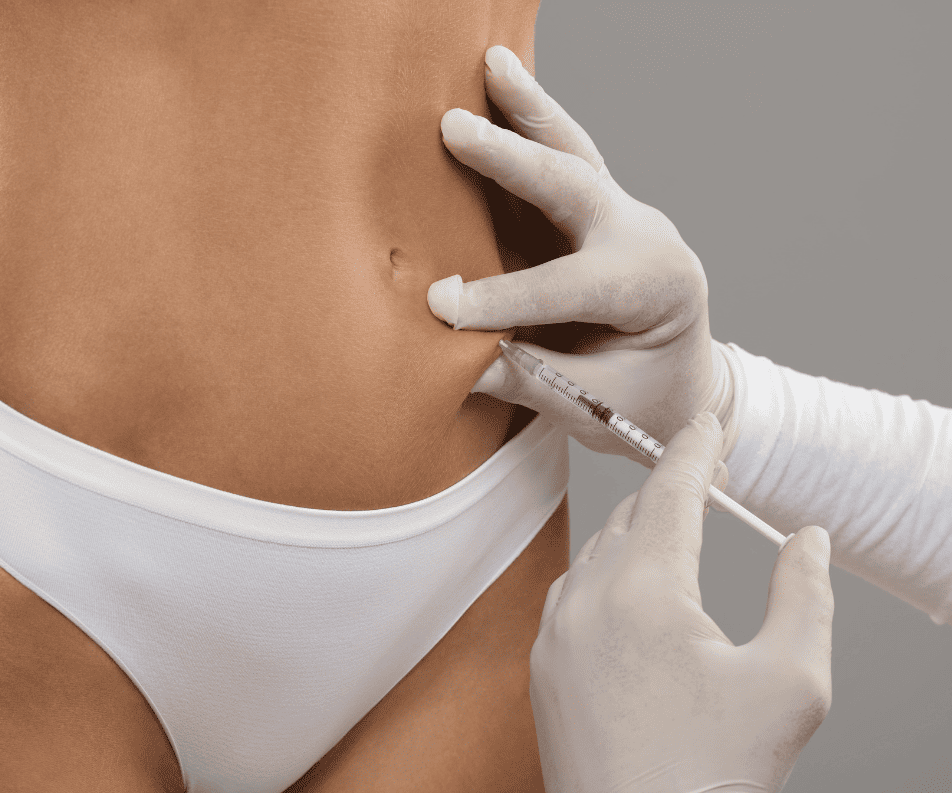
Table of contents:

Lipolysis explained: how the treatment works
Ideal candidate for lipolysis: key factors to consider
Lipolysis session: step-by-step
Lipolysis before and after: recovery timeline
Recovery tips after lipolysis for smoother healing
Potential risks of lipolysis to be aware of
Why choose KEIT Day Hospital for lipolysis treatment?
In this article you will learn how lipolysis works, who benefits most from the treatment and what to expect during each session. You will also discover how results develop, how long they last, which risks to consider and why KEIT Day Hospital is a trusted choice for safe, effective and long-lasting fat reduction.
Book your FREEOnline Consultation Now
Lipolysis explained: how the treatment works
Lipolysis works by injecting a specialised fat-dissolving solution, typically a combination of Liposome and Carnitine directly into the adipose layer, where it breaks down fat cells through a controlled inflammatory and metabolic process. The solution disrupts adipocyte membranes, allowing the stored fat to be released and naturally processed by the lymphatic system.
At the same time, these ingredients stimulate microcirculation, enhance cellular metabolism and improve local lipolytic activity, helping the treated area gradually become smoother and more refined. Since the formulation includes lidocaine, discomfort is minimal and most patients begin noticing visible changes after the first few sessions as swelling subsides and the fat breakdown process continues.
Ideal candidate for lipolysis: key factors to consider
You may be a suitable candidate if you:
-
Have small, localized fat deposits that persist despite diet and exercise.
-
Want targeted contour improvement without surgery.
-
Prefer gradual, session-based fat reduction.
-
Do not have active skin infections in the treatment area.
A professional consultation determines whether lipolysis alone or in combination with other body-contouring treatments (such as radiofrequency or cavitation) is most appropriate.
Lipolysis session: step-by-step
Consultation:
Assessment of fat distribution, skin quality and treatment goals.
Preparation:
Cleansing and disinfection of the treatment area.
Injection phase:
The lipolysis solution (Liposome + Carnitine + lidocaine) is injected with fine needles into adipose tissue.
Shaping:
Gentle manual blending may be performed to ensure even diffusion.
Post-care guidance:
Clear instructions are provided to support healing and optimize results.
A typical session takes 15–20 minutes and treatment plans usually include 3–5 sessions, spaced 2 weeks apart for optimal fat reduction.
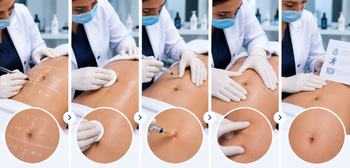
(i) Image illustrating the lipolysis injection treatment
Lipolysis before and after: recovery timeline
Recovery is smooth and does not interfere with daily activities.
Immediately after:
Mild redness, swelling or warmth in the treated area.
Days 1–3:
Slight blushing, tenderness or puffiness is common.
Days 3–7:
Minor bruising may appear but fades within 7–10 days
Weeks 2–4:
Noticeable fat reduction becomes visible, especially after the second or third session.
Results are long-term and can be permanent if body weight is maintained.
Recovery tips after lipolysis for smoother healing
To support proper healing and enhance your results:
-
Hydrate the treated area with a gentle moisturiser.
-
Avoid intense exercise for the first 24 hours.
-
Avoid sun exposure and apply SPF to protect the skin.
-
Do not massage the area unless instructed.
-
Maintain stable body weight for long-lasting results.
Potential risks of lipolysis to be aware of
Lipolysis is mostly safe when performed by trained professionals, but some temporary effects may occur:
-
Common effects: Mild bruising, redness, swelling or tenderness.
-
Specific reactions: Temporary skin blushing or heat in the treated area.
-
Rare risks: Infection or prolonged sensitivity if aftercare is not followed.
Proper evaluation, sterile technique and professional application significantly minimise risks.
Why choose KEIT Day Hospital for lipolysis treatment?
KEIT Day Hospital is a healthcare facility dedicated to surgery and aesthetic medicine in Tirana, Albania, founded in 2011 by Dr Skerdilajd Faria. With over 23,000 procedures performed across the KEIT brand's various areas of activity, the facility combines medical expertise, professional technologies, safety protocols and personalised patient care.
Lipolysis treatment is performed as part of KEIT Day Hospital's aesthetic medicine services, with the support of a multidisciplinary medical team and equipped hospital infrastructure. The treatment process includes an assessment of fat deposits, selection of the lipolytic formulation, planning of injections and monitoring of the results. The aim is to gradually reduce localised fat in the submental region, improve jawline definition and achieve a more harmonious profile while respecting the patient's individual anatomical characteristics.

1. Dedicated aesthetic medicine facilities and technologies for injectable treatments
KEIT Day Hospital has clinical facilities dedicated to aesthetic medicine treatments, organised to ensure appropriate standards of hygiene, procedural precision and patient...
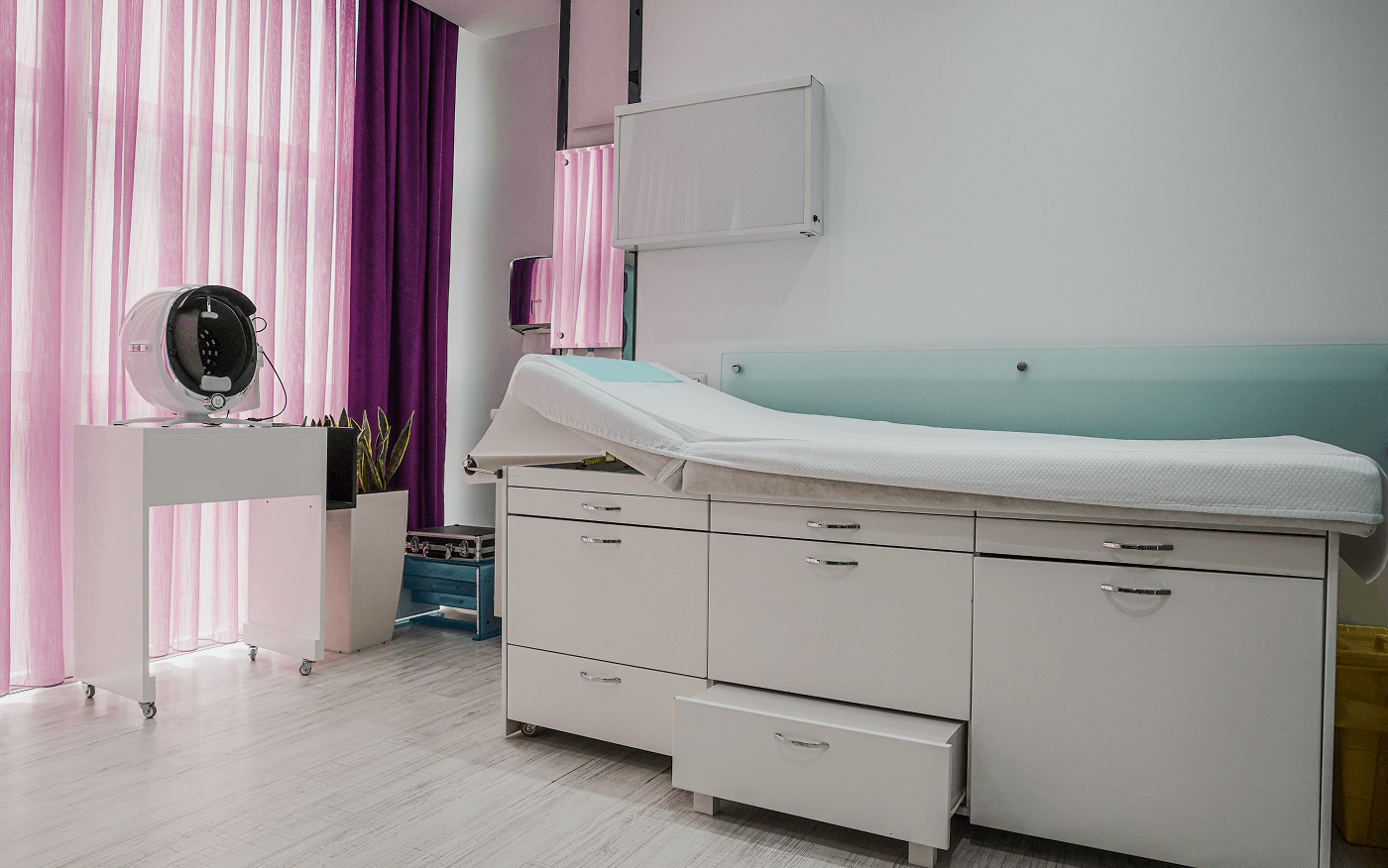
KEIT Day Hospital has clinical facilities dedicated to aesthetic medicine treatments, organised to ensure appropriate standards of hygiene, procedural precision and patient comfort.
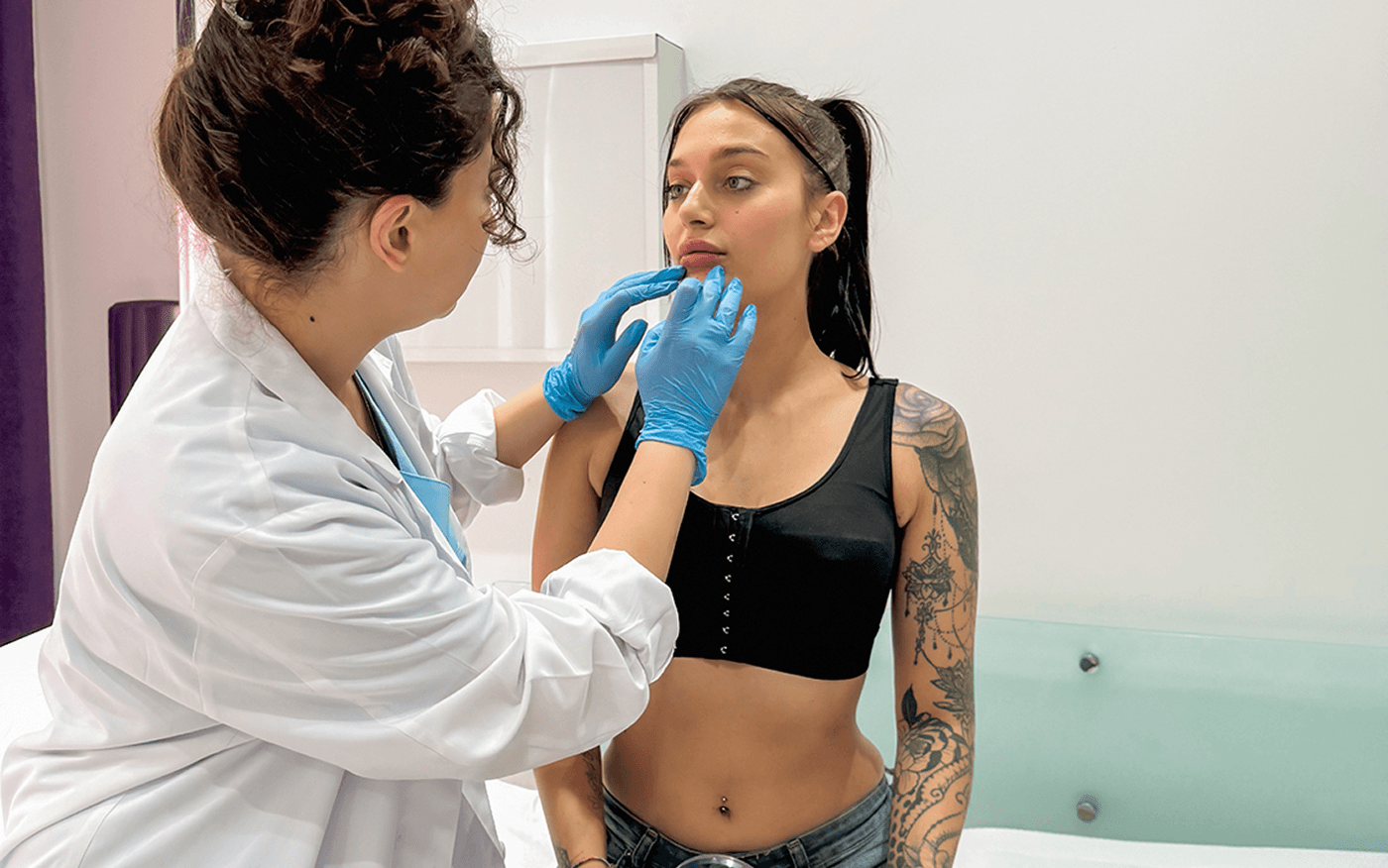
For double chin lipolysis, the doctor assesses the distribution of submental fat, the thickness of the fatty tissue and skin quality, using instruments and materials specifically designed for injectable procedures. Treatment is performed using fine, sterile, single-use needles, selected according to the anatomical characteristics and injection technique.
The organisation of the clinical facilities and the availability of medical resources allow the different stages of the procedure to be managed, from skin preparation and disinfection to observation immediately after treatment.
2. Qualified doctors and multidisciplinary medical team support
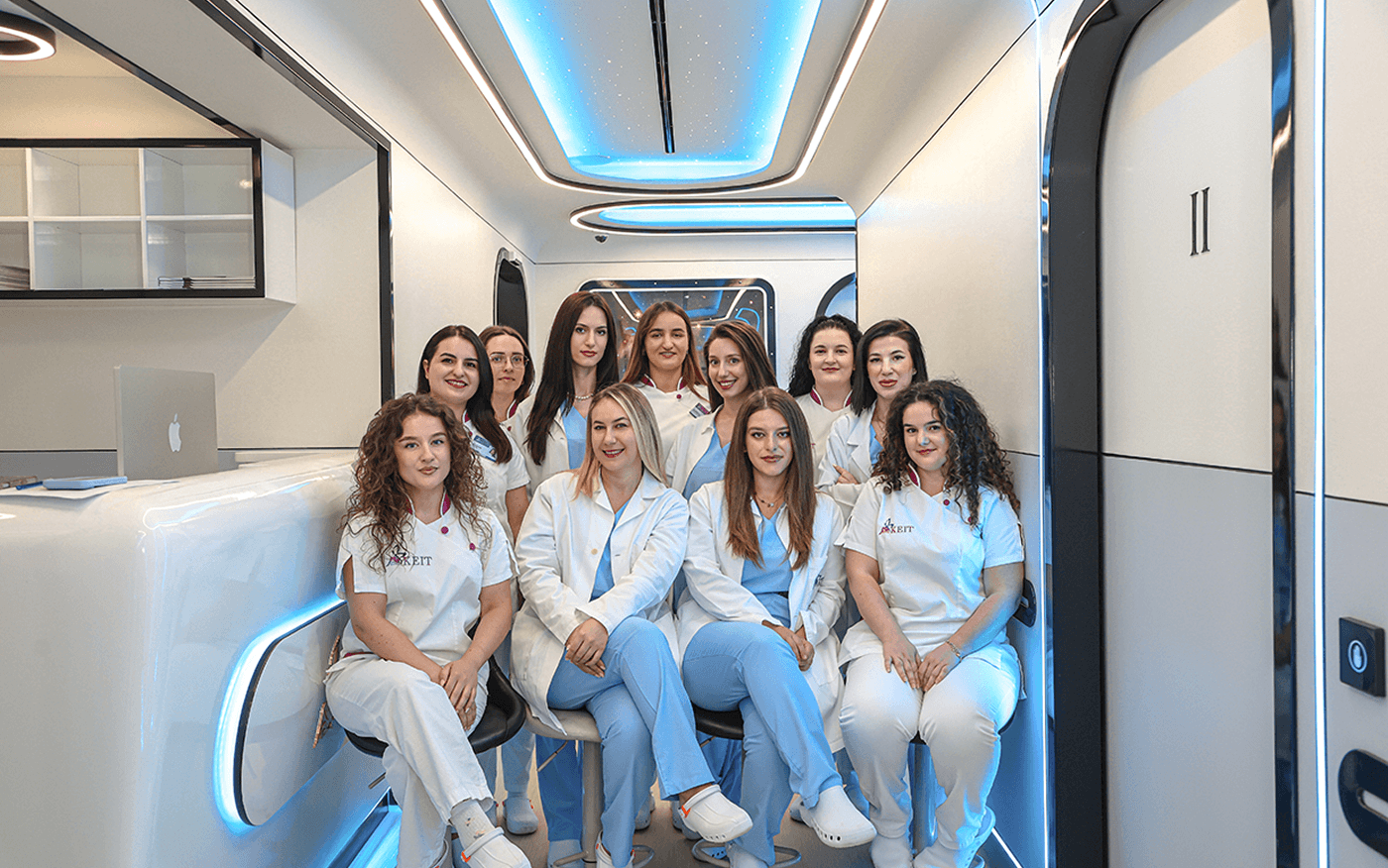
KEIT Day Hospital works with medical professionals experienced in aesthetic medicine, injectable techniques and facial and neck anatomy. In submental lipolysis, knowledge...
KEIT Day Hospital works with medical professionals experienced in aesthetic medicine, injectable techniques and facial and neck anatomy. In submental lipolysis, knowledge of anatomical structures is essential for identifying the fatty tissue to be treated, determining injection depth and considering the position of nerves, blood vessels and surrounding structures.
Treatment is personalised according to the amount of localised fat, the distribution of fat deposits and skin quality, avoiding unnecessary injections and prioritising gradual, proportionate fat reduction.
An additional advantage is the presence of a multidisciplinary medical team within KEIT Day Hospital, allowing specialists in anaesthesia and intensive care or other medical disciplines to be involved when additional assessments or specific medical assistance are required.

3. Medical assessment and personalised aesthetic treatment planning
Before lipolysis treatment, the doctor carries out an individual assessment of submental fat distribution, skin elasticity, facial profile proportions and the patient's...
Before lipolysis treatment, the doctor carries out an individual assessment of submental fat distribution, skin elasticity, facial profile proportions and the patient's expectations. The consultation includes taking a medical history, with particular attention to allergies, medications being taken, previous aesthetic treatments, skin infections and possible contraindications.
Assessment of the submental region makes it possible to distinguish localised fat deposits from conditions associated with skin laxity, jaw structure or other anatomical characteristics. Treatment is not planned using standard quantities of lipolytic solution, but according to the size of the treatment area, the thickness of the fatty tissue and the degree of correction actually required. When lipolysis is not the most appropriate solution, the doctor assesses the available alternatives and discusses their limitations with the patient.
4. Product quality, sterilisation, and material traceability
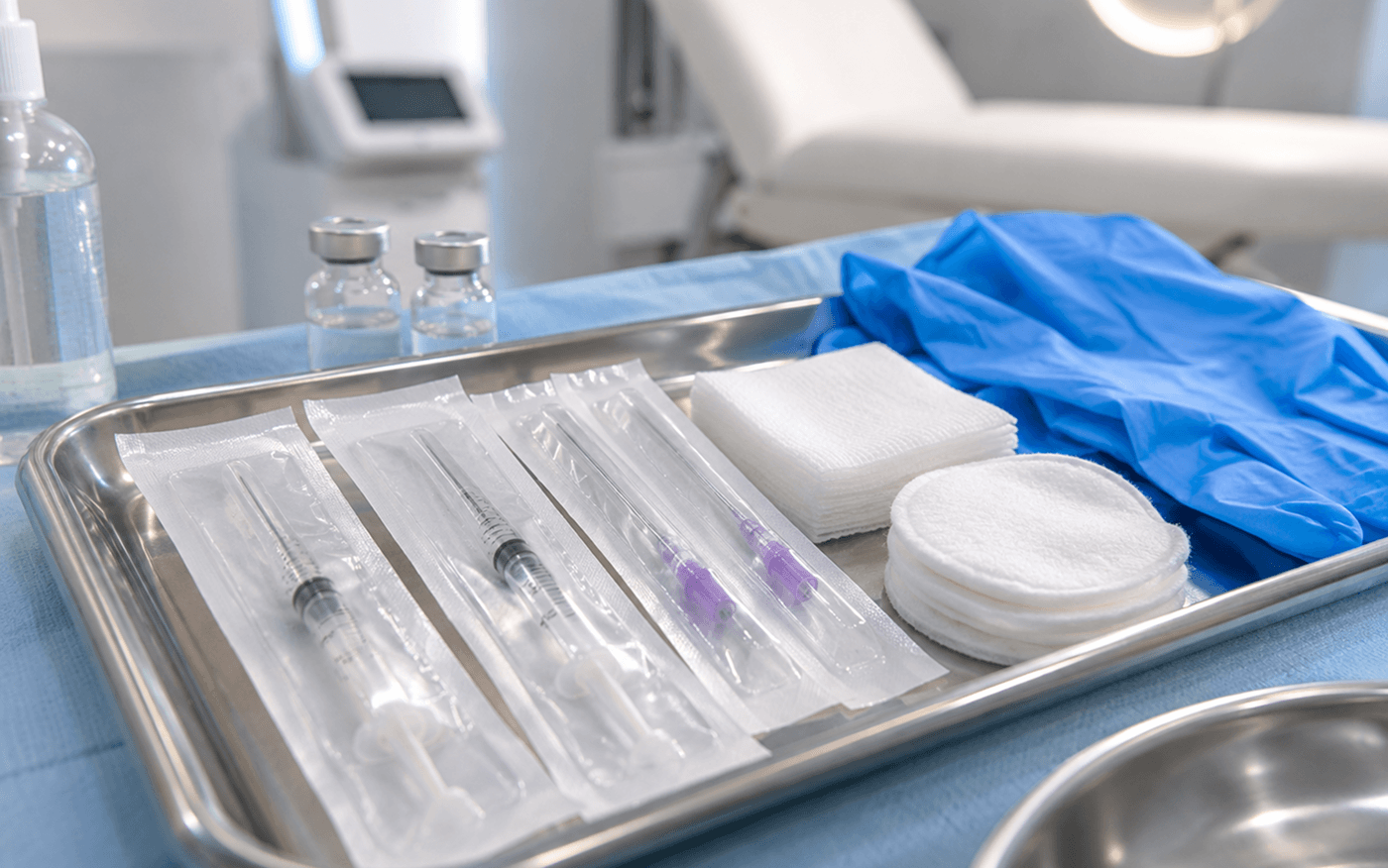
KEIT Day Hospital follows hygiene and infection prevention protocols that include disinfecting clinical areas, skin antisepsis and the use of sterile, single-use...
KEIT Day Hospital follows hygiene and infection prevention protocols that include disinfecting clinical areas, skin antisepsis and the use of sterile, single-use devices during injectable treatments. For lipolysis treatment, particular attention is paid to proper skin preparation, needle handling and checking the packaging of the products used.
Each lipolytic preparation is identified by its brand name, composition, batch number and traceability information, which are recorded in the patient's clinical documentation. The choice of formulation takes into account the product's indications for use, the characteristics of the anatomical area, any contraindications and the treatment objectives. These checks contribute to the safety and traceability of the procedure.
5. Medical safety, complication management, and hospital infrastructure
Injectable lipolysis is a minimally invasive procedure, generally performed without general anaesthesia. To improve patient comfort, local anaesthesia measures may be used...
Injectable lipolysis is a minimally invasive procedure, generally performed without general anaesthesia. To improve patient comfort, local anaesthesia measures may be used when indicated and compatible with the preparation being administered. Even non-surgical fat reduction treatments require medical expertise and adequate preparation for managing complications.
In addition to temporary effects such as swelling, redness, tenderness or bruising, infections, nodules, contour irregularities and tissue injuries may occur. In the submental region, certain lipolytic formulations may also cause specific complications, such as temporary changes in the smile due to involvement of nerve structures or difficulty swallowing. Prompt recognition of symptoms and activation of appropriate medical protocols are essential for managing any complications.
One of KEIT Day Hospital's distinguishing features is the availability of hospital infrastructure and a multidisciplinary medical team. The facility has three equipped operating theatres, specialists in anaesthesia and intensive care, equipment for monitoring vital signs, emergency management devices and a postoperative recovery room. These resources provide additional medical support, alongside the specific protocols required to manage complications associated with lipolytic treatments.
6. Personalised care and follow-up after treatment
At KEIT Day Hospital, patient care continues after the lipolysis treatment sessions have been completed. Patients receive personalised instructions on precautions to...
At KEIT Day Hospital, patient care continues after the lipolysis treatment sessions have been completed. Patients receive personalised instructions on precautions to follow, temporary effects that may occur and warning signs requiring immediate medical assessment.
Follow-up is determined according to the patient's individual response to treatment and the agreed treatment schedule. Follow-up appointments allow the doctor to assess the progressive reduction of submental fat, contour symmetry and the possible presence of irregularities. When indicated, the doctor may schedule additional sessions after assessing the tissue response and the resolution of local reactions.
For international patients, care may also continue remotely through communication with medical staff and guidance on necessary follow-up appointments. KEIT Day Hospital also provides an emergency contact number, available 24 hours a day, 7 days a week.
7. Transparency, informed consent and clinical documentation
KEIT Day Hospital places particular emphasis on transparent information and treatment documentation. Before lipolysis treatment, patients receive explanations about the selected formulation,...
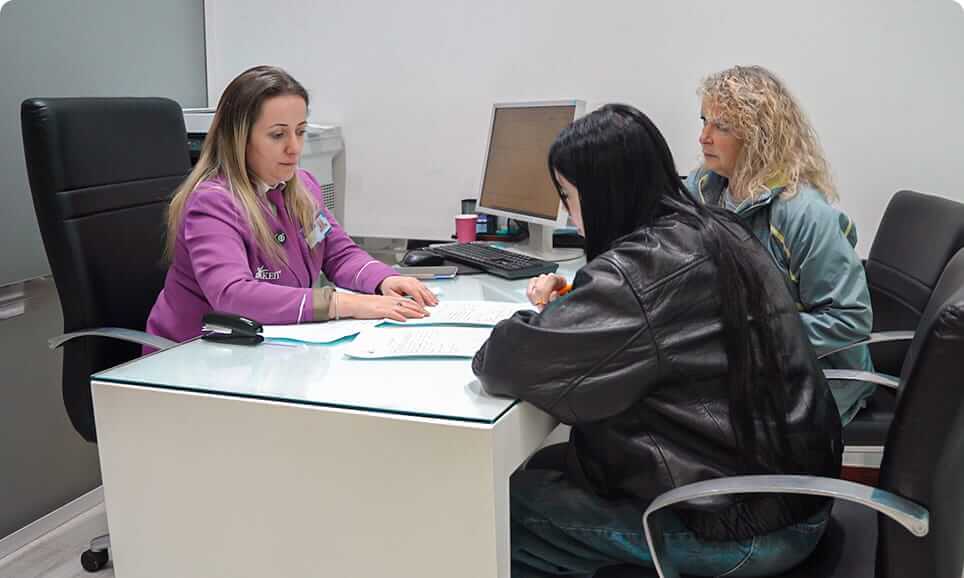
KEIT Day Hospital places particular emphasis on transparent information and treatment documentation. Before lipolysis treatment, patients receive explanations about the selected formulation, the areas to be treated, the approximate number of sessions, expected benefits, the timeframe for results to become visible and potential risks.
Clinical documentation records the preparation's brand name, batch number, quantity administered and injection sites, ensuring traceability of the procedure. When appropriate and with the patient's consent, photographic documentation is taken to compare the initial appearance with the changes observed during and after treatment. The informed consent form, treatment quotation and administrative documentation also allow patients to understand the clinical and financial aspects of the treatment process before starting treatment.
FAQ
Frequently asked questions
How long does a lipolysis session last?

A session lasts 15–20 minutes, depending on the number of areas treated.
How many sessions will I need?
Most patients require 3–5 sessions, spaced 2 weeks apart, depending on the area and amount of fat being treated.
When will I see results?
Visible improvement typically appears after 2–3 sessions, with results progressing after each treatment.
How long do results last?
Results are long-term and can be permanent if body weight is maintained.
Is the treatment painful?
No. Lidocaine is mixed with the lipolysis solution, making the procedure comfortable with minimal discomfort.