 4.9 Rating | 23.000+ Procedures | European Medical Team
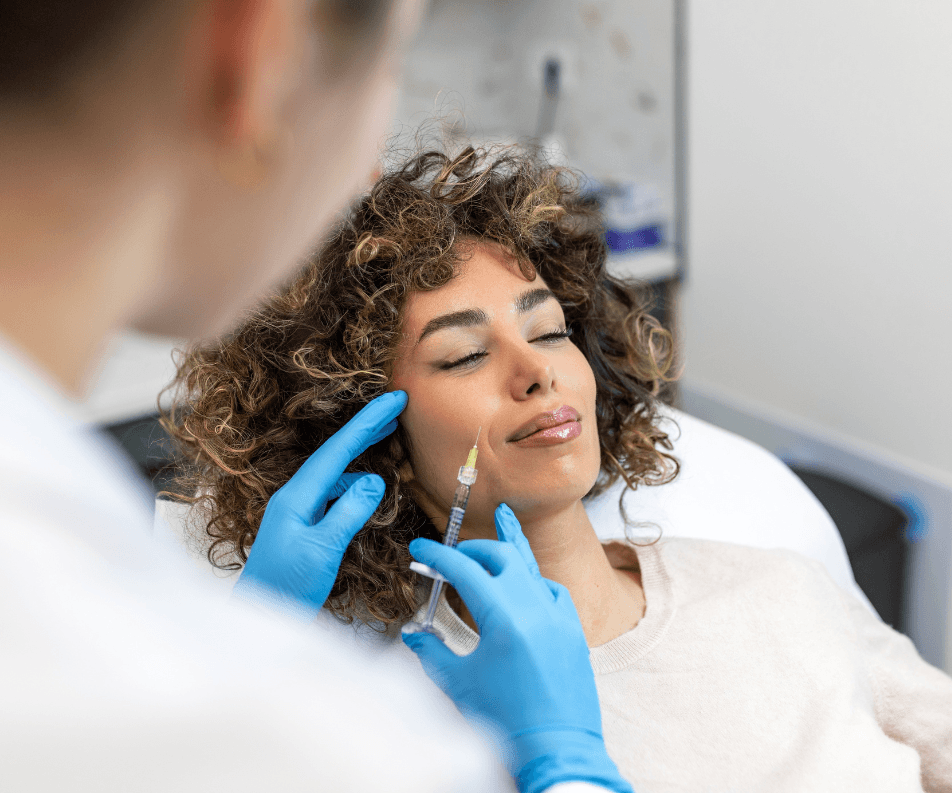
Table of contents:

Rejuran treatment explained: how the procedure works
Ideal candidate for Rejuran treatment: key factors to consider
Rejuran treatment session: step-by-step
Rejuran treatment before and after: recovery timeline
Recovery tips after the Rejuran treatment
Potential risks of Rejuran treatment to be aware of
Why choose KEIT Day Hospital for Rejuran treatment
In this article, you’ll learn what Rejuran treatment is, how it works, and who can benefit most from this skin-rejuvenating therapy. You’ll also discover what happens during each session, the recovery timeline, potential risks, and why KEIT Day Hospital is a trusted choice for safe, effective, and natural-looking skin revitalization.
 Book your FREEOnline Consultation Now

Rejuran treatment explained: how the procedure works
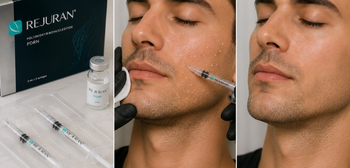
Rejuran works by delivering PDRN (polydeoxyribonucleotide), derived from salmon DNA, directly into the dermis to stimulate fibroblast activity, enhance collagen regeneration, and repair cellular damage. This treatment targets fine lines, dullness, enlarged pores, and early signs of aging. Injections are administered via microneedling or microinjections to ensure even distribution across the skin. Each session lasts 30–45 minutes and is well tolerated. For enhanced rejuvenation, Rejuran can be combined with multivitamin or PRP treatments, providing synergistic effects for improved skin texture, elasticity, and hydration.
Ideal candidate for Rejuran treatment: key factors to consider
You may be a suitable candidate for the Rejuan treatment if you:
-
Have early signs of aging, including fine lines or mild wrinkles.
-
Experience dullness, dehydration, or uneven skin texture.
-
Seek improved skin elasticity, firmness, and radiance.
-
Are in good overall health with no active infections or autoimmune skin conditions.
-
Are committed to following recommended aftercare and treatment schedule.
A medical professional will assess your skin condition to determine the optimal PDRN formula, injection depth, and treatment frequency for personalized, effective results.
Rejuran treatment session: step-by-step
Rejuran treatments follow a clinically supervised protocol designed for comfort and optimal results.
Consultation:
Evaluation of skin condition, concerns, and overall suitability for PDRN therapy.
Preparation:
Cleansing of the skin and application of topical numbing to enhance comfort.
Injection phase:
PDRN serum is delivered via microinjections or microneedling to promote regeneration.
Post-procedure care:
Application of soothing serums or creams to support healing and reduce irritation.
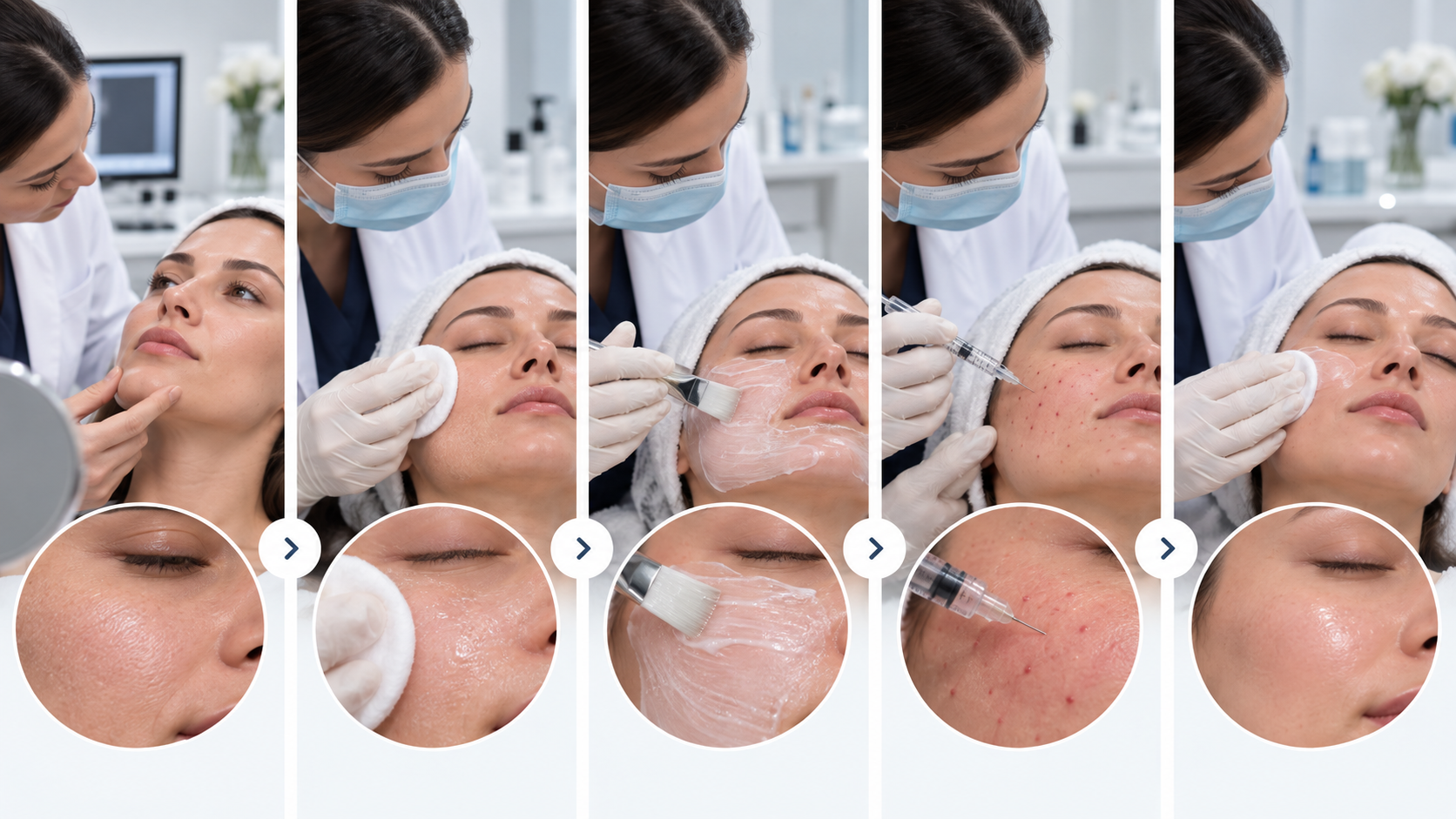
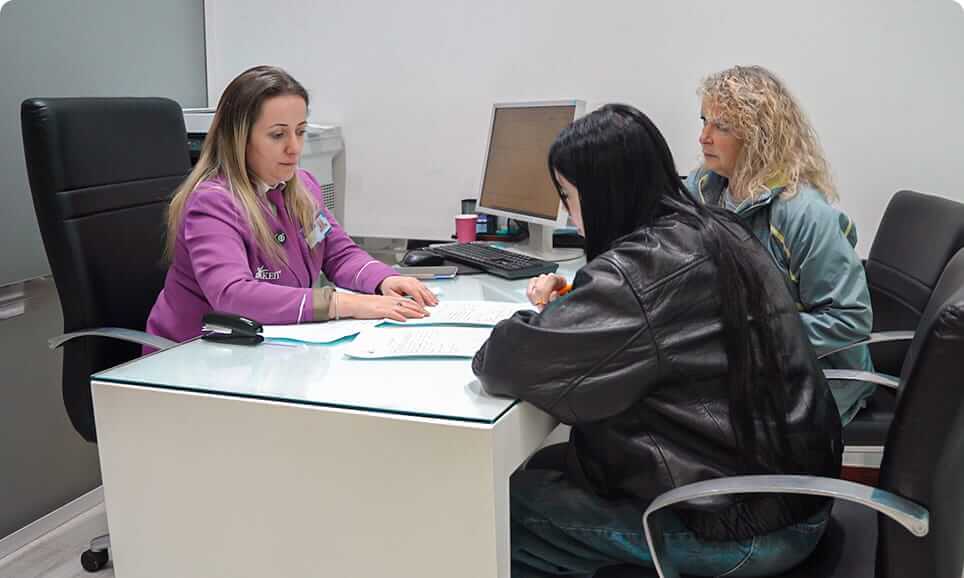
(i) Image illustrating the Rejuran treatment
Rejuran treatment before and after: recovery timeline
Recovery is minimal, allowing patients to return to normal activities immediately.
Immediately after:
Mild redness, slight swelling, or tiny pinpoint marks may appear..
Days 1–2:
Skin may feel slightly tight; hydration and gentle skincare advised.
Week 1:
Early improvement in texture and radiance become noticeable.
Weeks 2–4:
Collagen stimulation enhances elasticity; skin appears firmer and more resilient.
Month 2–3:
Full rejuvenation effect develops, with fine lines visibly reduced and overall skin quality improved.
Recovery tips after the Rejuran treatment
To optimise skin healing and results after Rejuan treatment:
-
Limit sun exposure and apply SPF daily to protect sensitive treated areas.
-
Avoid massaging, scrubbing, or applying pressure to the treated skin for 24–48 hours.
-
Maintain hydration and follow a gentle skincare routine to support skin regeneration.
-
Refrain from facials, chemical peels, or laser procedures for 1–2 weeks to prevent irritation.
Potential risks of Rejuran treatment to be aware of
Rejuran treatment is generally safe, but some mild and temporary side effects may occur:
-
Common effects: Redness, mild swelling, or slight tenderness at injection sites.
-
Specific risks: Temporary bruising, minor itching, or pinpoint scabs.
-
Rare risks: Infection, allergic reaction, or uneven results if post-treatment care is not followed.
Proper medical evaluation and strict adherence to post-treatment instructions significantly minimize these risks.
Why choose KEIT Day Hospital for Rejuran treatment
KEIT Day Hospital is a healthcare facility dedicated to surgery and aesthetic medicine in Tirana, Albania, founded in 2011 by Dr Skerdilajd Faria. With over 23,000 procedures performed across the KEIT brand's various areas of activity, the facility combines medical expertise, professional technologies, safety protocols and personalised patient care.
Rejuran treatment is performed as part of KEIT Day Hospital's aesthetic medicine services, with the support of a multidisciplinary medical team and equipped hospital infrastructure. The treatment process includes an assessment of skin condition, selection of the polynucleotide-based formulation, planning of microinjections and monitoring of the results. The aim is to improve skin quality, hydration and elasticity, reduce the early signs of ageing and respect the patient's individual characteristics.
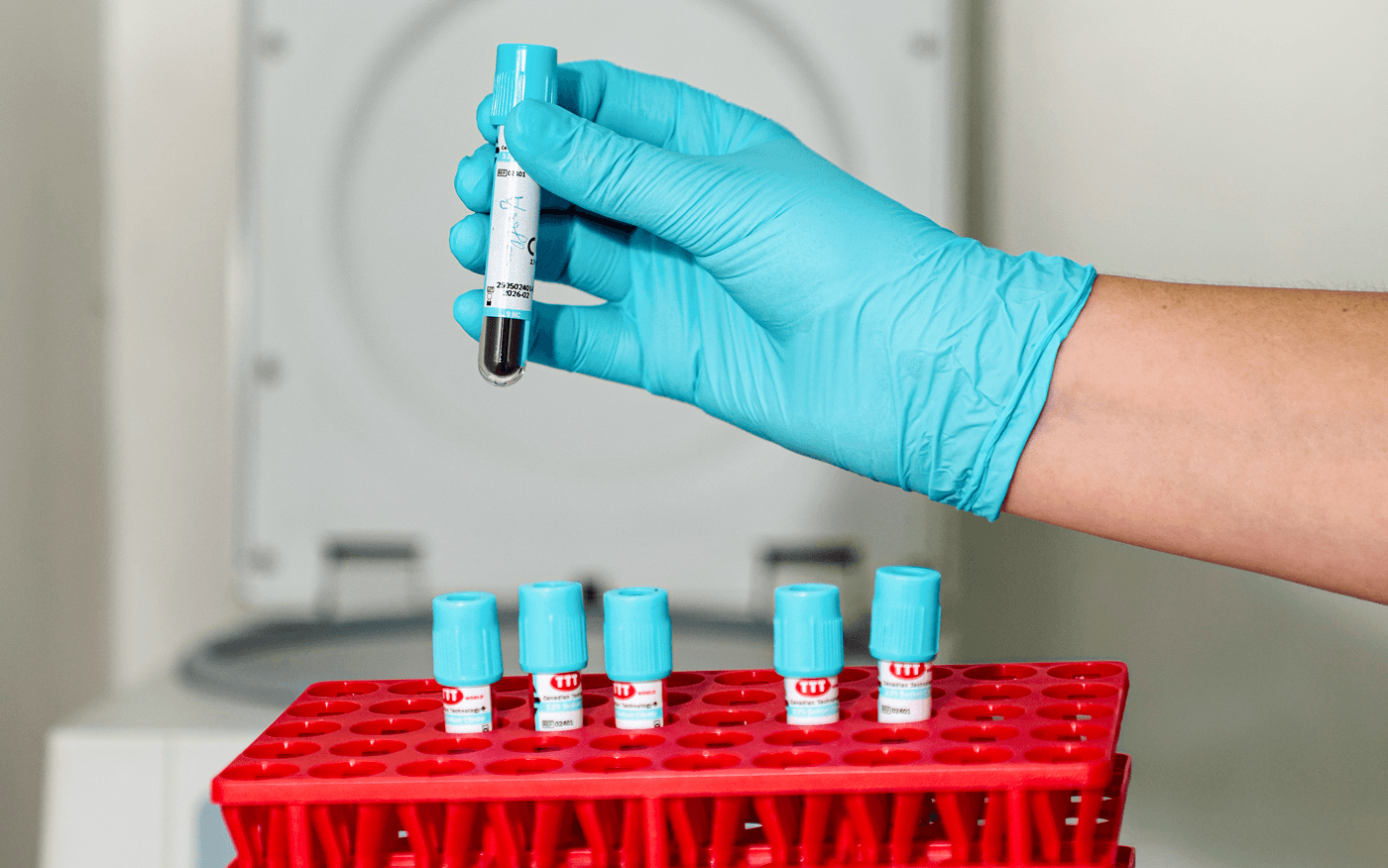
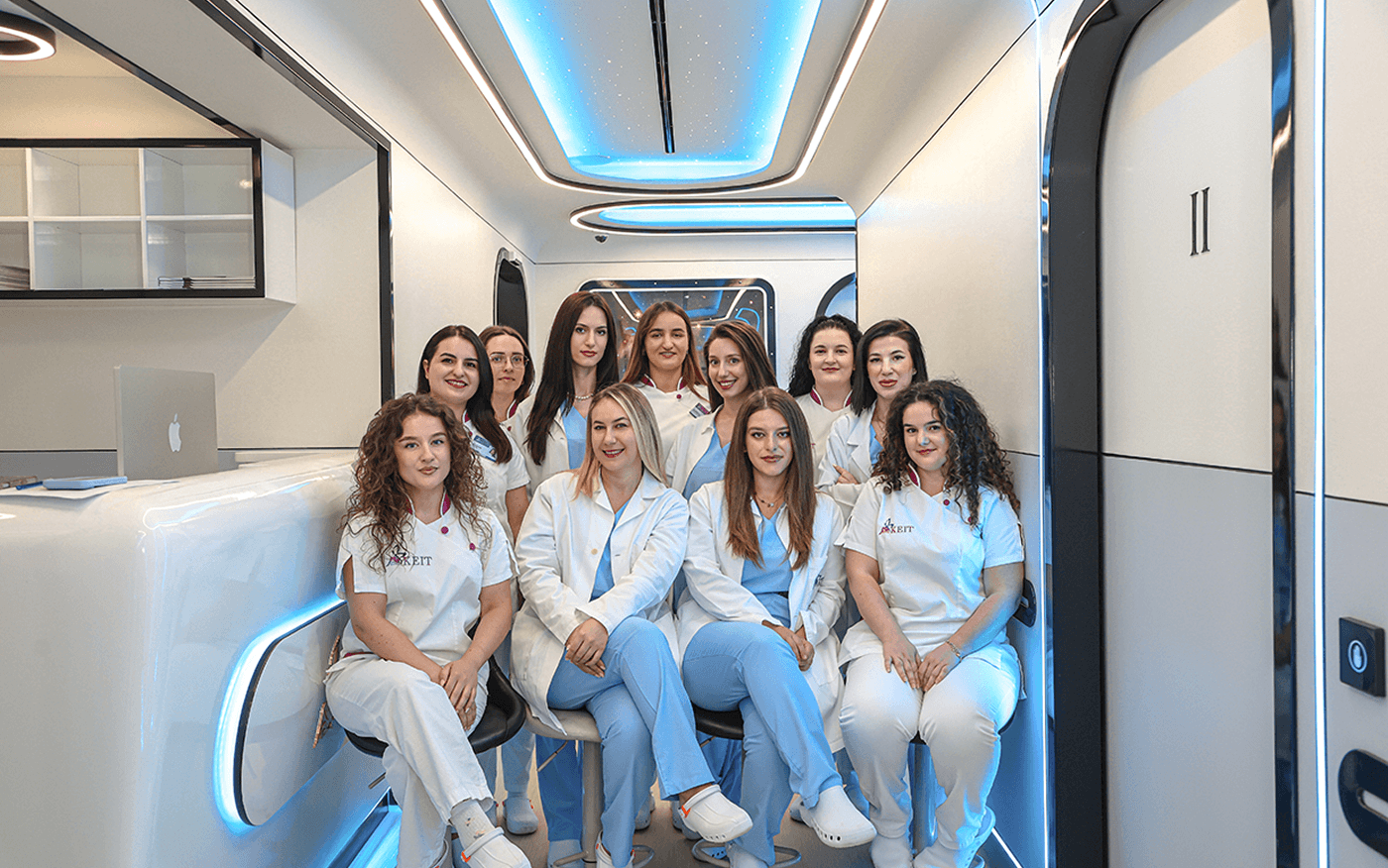
1. Dedicated aesthetic medicine facilities and technologies for regenerative treatments
KEIT Day Hospital has clinical facilities dedicated to aesthetic medicine treatments, organised to ensure appropriate standards of hygiene, procedural precision and patient...
KEIT Day Hospital has clinical facilities dedicated to aesthetic medicine treatments, organised to ensure appropriate standards of hygiene, procedural precision and patient comfort.
For Rejuran treatment, the doctor assesses skin condition and identifies areas showing dehydration, loss of elasticity, fine lines or irregularities in skin texture. The product is administered through microinjections, using fine, sterile, single-use needles and techniques selected according to the anatomical characteristics of the area.
The organisation of the clinical facilities and the availability of medical resources allow the different stages of the procedure to be managed, from skin preparation to observation immediately after treatment.
2. Qualified doctors and multidisciplinary medical team support
KEIT Day Hospital works with medical professionals experienced in aesthetic medicine, skin biostimulation treatments and injectable techniques. For Rejuran treatment, knowledge of...
KEIT Day Hospital works with medical professionals experienced in aesthetic medicine, skin biostimulation treatments and injectable techniques. For Rejuran treatment, knowledge of skin anatomy is essential for identifying injection areas, selecting the appropriate depth and distributing the product in a controlled manner.
Treatment is personalised according to skin quality, the presence of fine lines and the degree of elasticity loss, prioritising a gradual and natural improvement in the skin's appearance.
An additional advantage is the presence of a multidisciplinary medical team within KEIT Day Hospital, allowing specialists in anaesthesia and intensive care or other medical disciplines to be involved when additional assessments or specific medical assistance are required.

3. Medical assessment and personalised aesthetic planning
Before Rejuran treatment, the doctor carries out an individual assessment of skin hydration, elasticity, texture and the presence of superficial wrinkles. The...
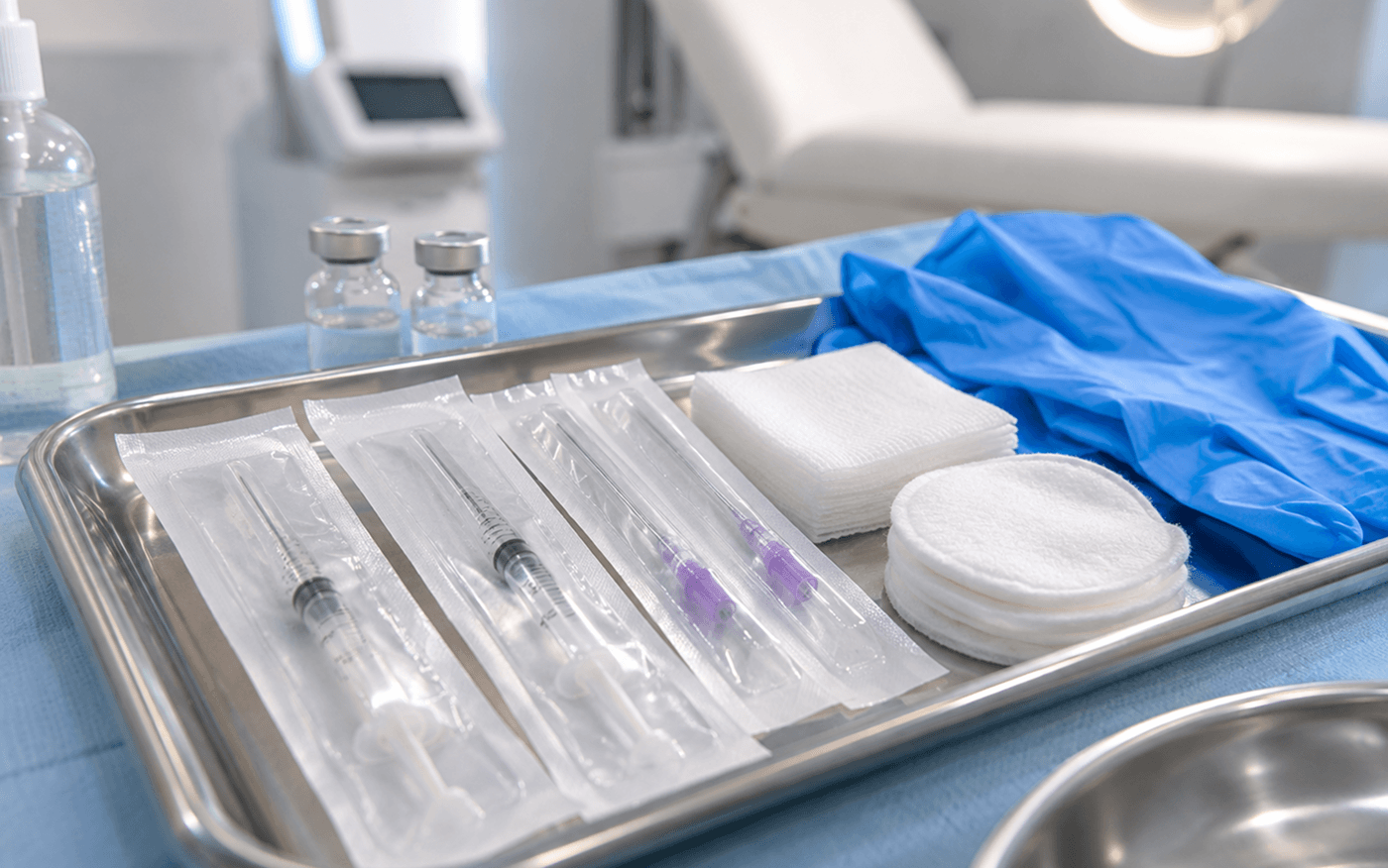
Before Rejuran treatment, the doctor carries out an individual assessment of skin hydration, elasticity, texture and the presence of superficial wrinkles. The consultation includes taking a medical history, with particular attention to allergies, previous reactions to fish-derived products, medications being taken, previous aesthetic treatments, skin infections and possible contraindications.
The assessment makes it possible to identify areas that may benefit from treatment and establish a personalised treatment plan. The selected formulation, number of sessions and intervals between applications are determined according to the initial skin condition, the product's indications and the patient's aesthetic goals. When Rejuran is not the most appropriate solution, the doctor assesses possible alternative treatments and discusses their benefits and limitations.
4. Product quality, sterilisation and material traceability
KEIT Day Hospital follows hygiene and infection prevention protocols that include disinfecting clinical areas, skin antisepsis and the use of sterile, single-use...
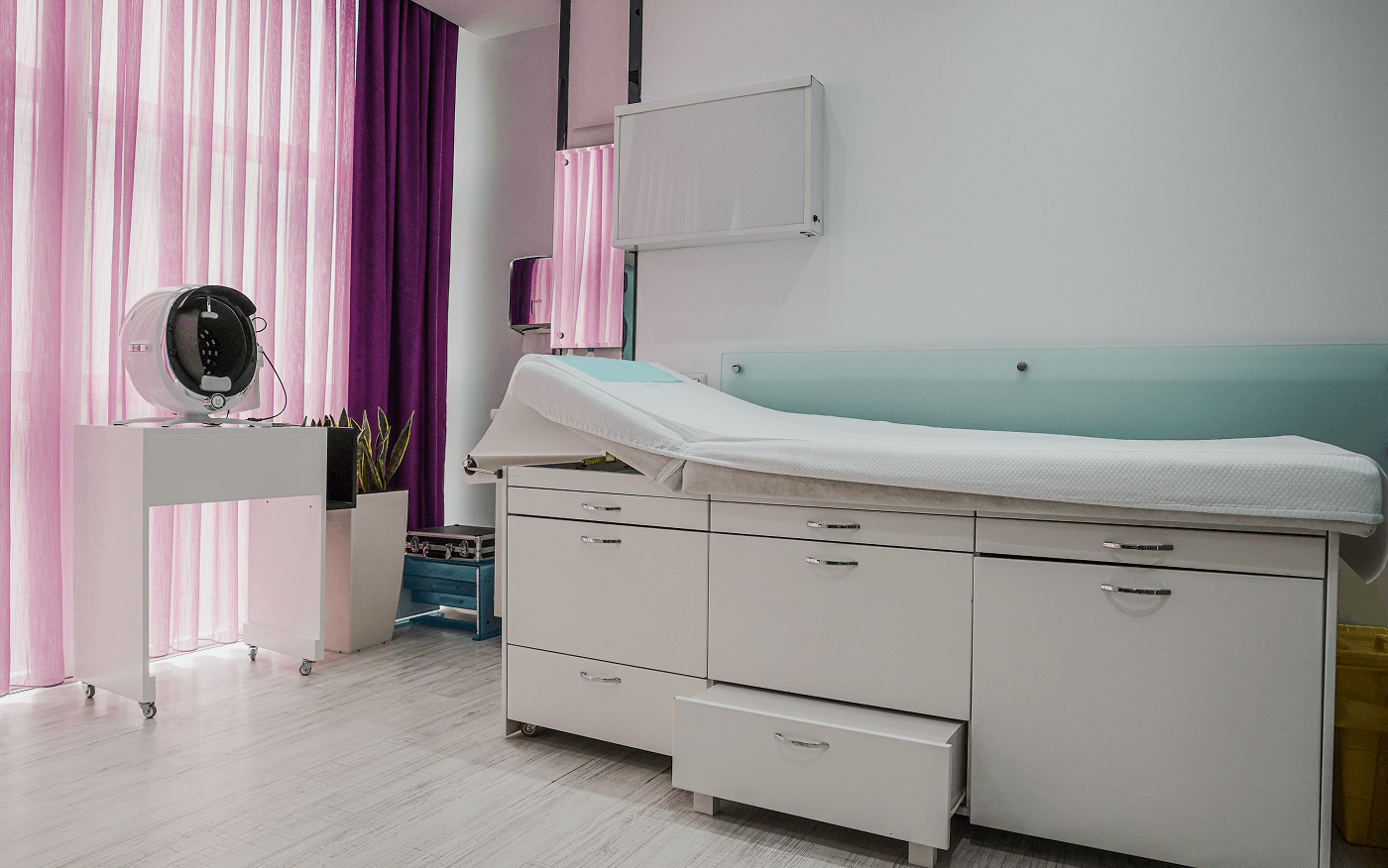
KEIT Day Hospital follows hygiene and infection prevention protocols that include disinfecting clinical areas, skin antisepsis and the use of sterile, single-use devices during injectable treatments. For Rejuran treatment, particular attention is paid to skin preparation, needle handling and checking the product packaging.
Rejuran is a range of products containing purified polynucleotides derived from salmon DNA, used in treatments aimed at improving skin quality. The choice of formulation and administration method takes into account the product's instructions for use and individual needs. The brand name, batch number, quantity administered and treated areas are recorded in the clinical documentation, ensuring traceability of the procedure.
5. Medical safety, complication management and hospital infrastructure
Rejuran treatment is a minimally invasive procedure, generally performed without general anaesthesia. When necessary, a topical anaesthetic may be applied to improve...
Rejuran treatment is a minimally invasive procedure, generally performed without general anaesthesia. When necessary, a topical anaesthetic may be applied to improve patient comfort. Polynucleotide-based injectable treatments also require medical expertise and adequate preparation for managing complications.
In addition to temporary effects such as redness, swelling and minor bruising, allergic reactions, infections, nodules or persistent inflammation may occur. Prompt recognition of symptoms and activation of appropriate medical protocols are essential for safely managing any complications.
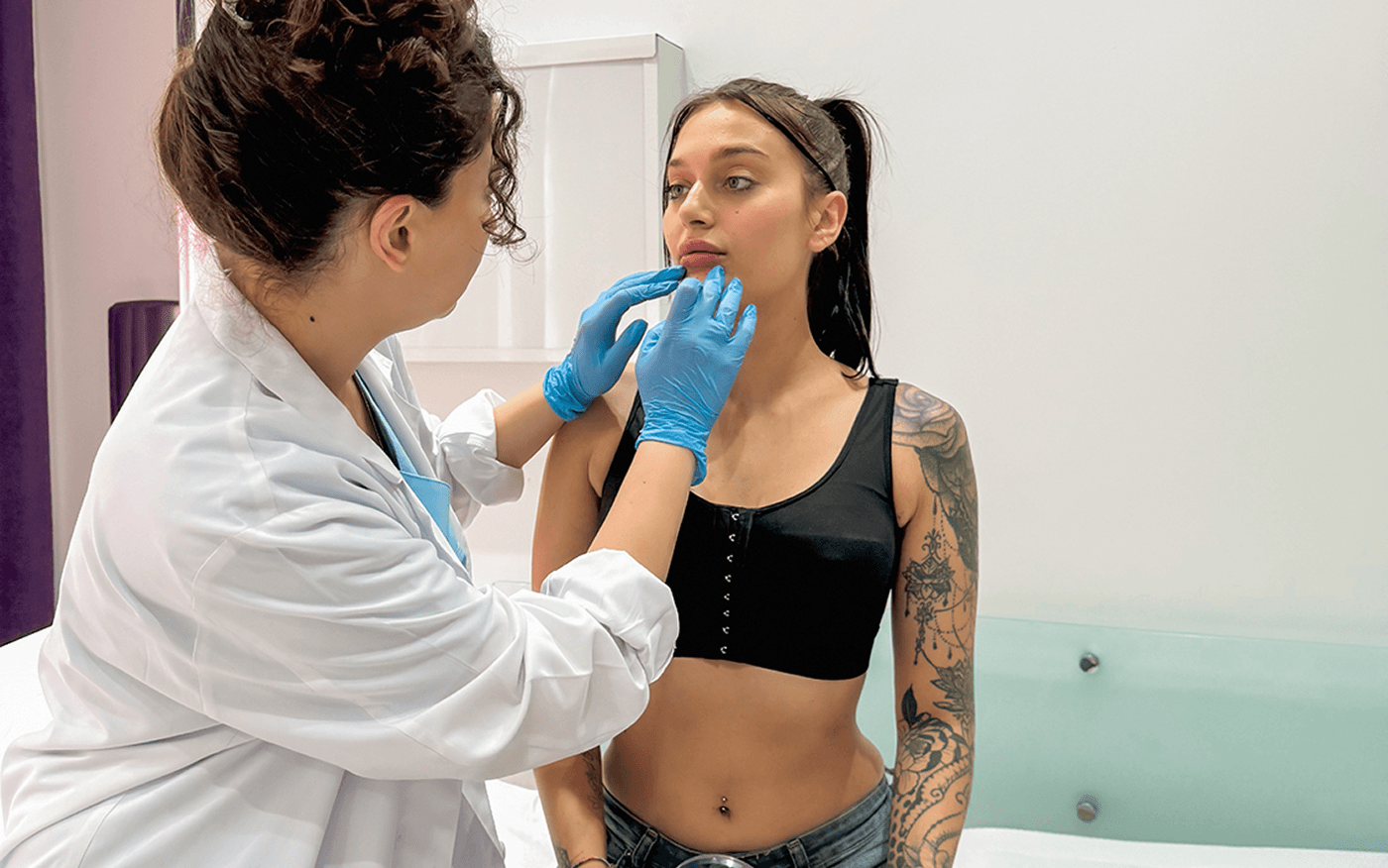
One of KEIT Day Hospital's distinguishing features is the availability of hospital infrastructure and a multidisciplinary medical team. The facility has three equipped operating theatres, specialists in anaesthesia and intensive care, equipment for monitoring vital signs, emergency management devices and a postoperative recovery room. These resources provide additional medical support, alongside the specific protocols required to manage complications associated with injectable treatments.
6. Personalised care and follow-up after treatment
At KEIT Day Hospital, patient care continues after Rejuran treatment has been completed. Patients receive personalised instructions on skincare, hydration, sun protection...
At KEIT Day Hospital, patient care continues after Rejuran treatment has been completed. Patients receive personalised instructions on skincare, hydration, sun protection and precautions to follow during the first few days.
Follow-up is determined according to the patient's individual response to treatment. Follow-up appointments, when indicated, allow the doctor to assess changes in skin texture, elasticity and hydration, while checking for any persistent reactions and the need for additional sessions.
For international patients, care may also continue remotely through communication with medical staff and guidance on necessary follow-up appointments. KEIT Day Hospital also provides an emergency contact number, available 24 hours a day, 7 days a week.
7. Transparency, informed consent and clinical documentation
KEIT Day Hospital places particular emphasis on transparent information and treatment documentation. Before Rejuran treatment, patients receive explanations about the selected formulation,...
KEIT Day Hospital places particular emphasis on transparent information and treatment documentation. Before Rejuran treatment, patients receive explanations about the selected formulation, the areas to be treated, the approximate number of sessions, expected benefits, the limitations of the available clinical evidence and potential risks.
Clinical documentation records the product's brand name, batch number, quantity administered and injection sites, ensuring traceability of the procedure. When appropriate and with the patient's consent, photographic documentation is taken to compare the initial skin condition with the results obtained. The informed consent form, treatment quotation and administrative documentation also allow patients to understand the clinical and financial aspects of the treatment process before undergoing treatment.
FAQ
Frequently asked questions
How many Rejuran sessions do I need?

Typically 3–4 sessions spaced 3–4 weeks apart. Maintenance every 6–12 months helps sustain results.
What is Rejuran PDRN?
Rejuran PDRN is salmon DNA-derived polydeoxyribonucleotide that stimulates collagen production and tissue repair.
Is Rejuran safe for sensitive skin?
Yes. Rejuran is minimally invasive and generally safe for most skin types. Patch testing is recommended for sensitive individuals.
When will I see results after Rejuran treatment?
Initial improvements in hydration and glow are visible within a week, with full collagen regeneration effects in 2–3 months.