 4.9 Rating | 23.000+ Procedures | European Medical Team

Table of contents:

BBL explained: how the procedure works
Ideal candidate for a BBL: key factors to consider
BBL technique: the standard two-step approach
BBL surgery: the journey to your transformation
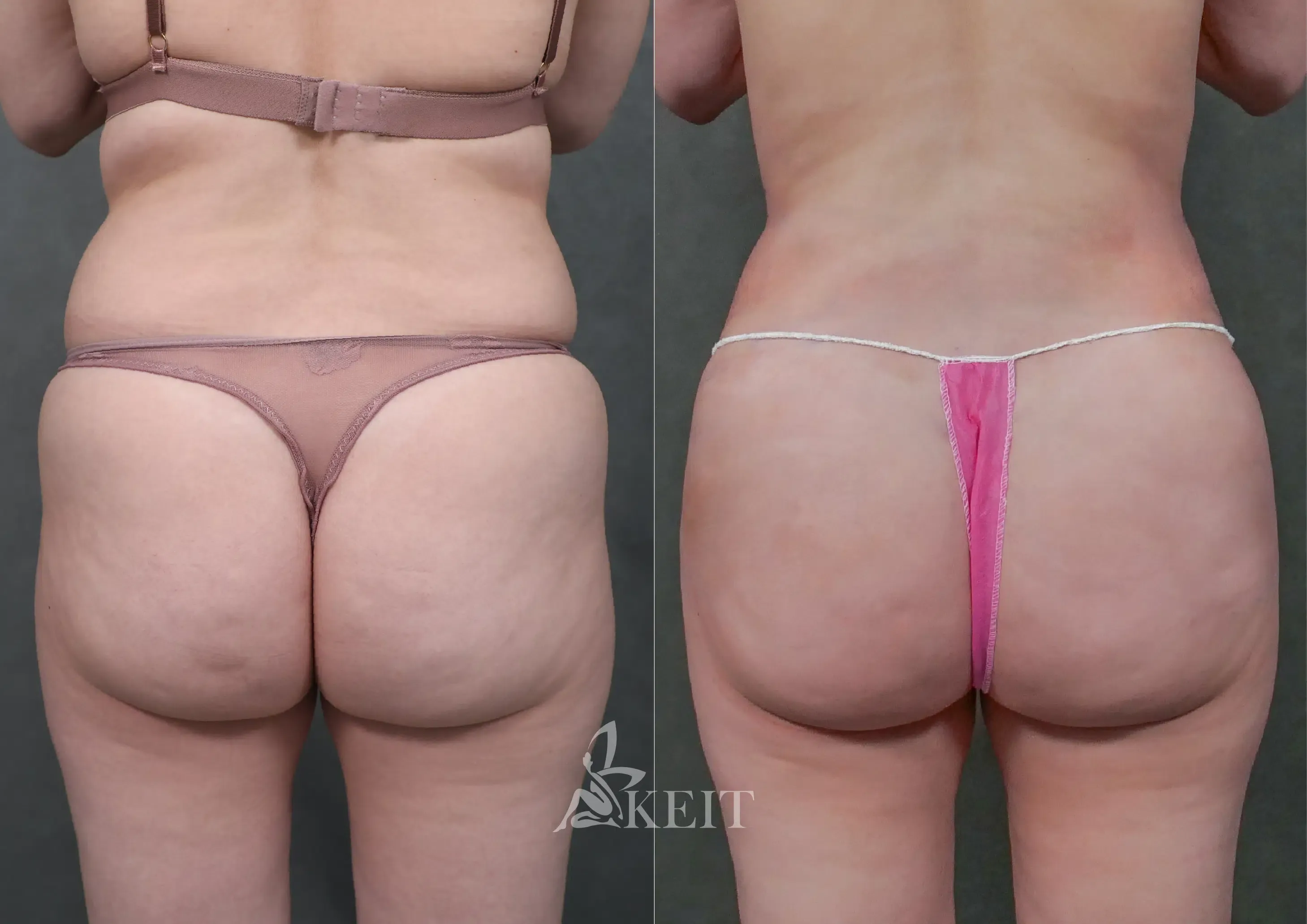
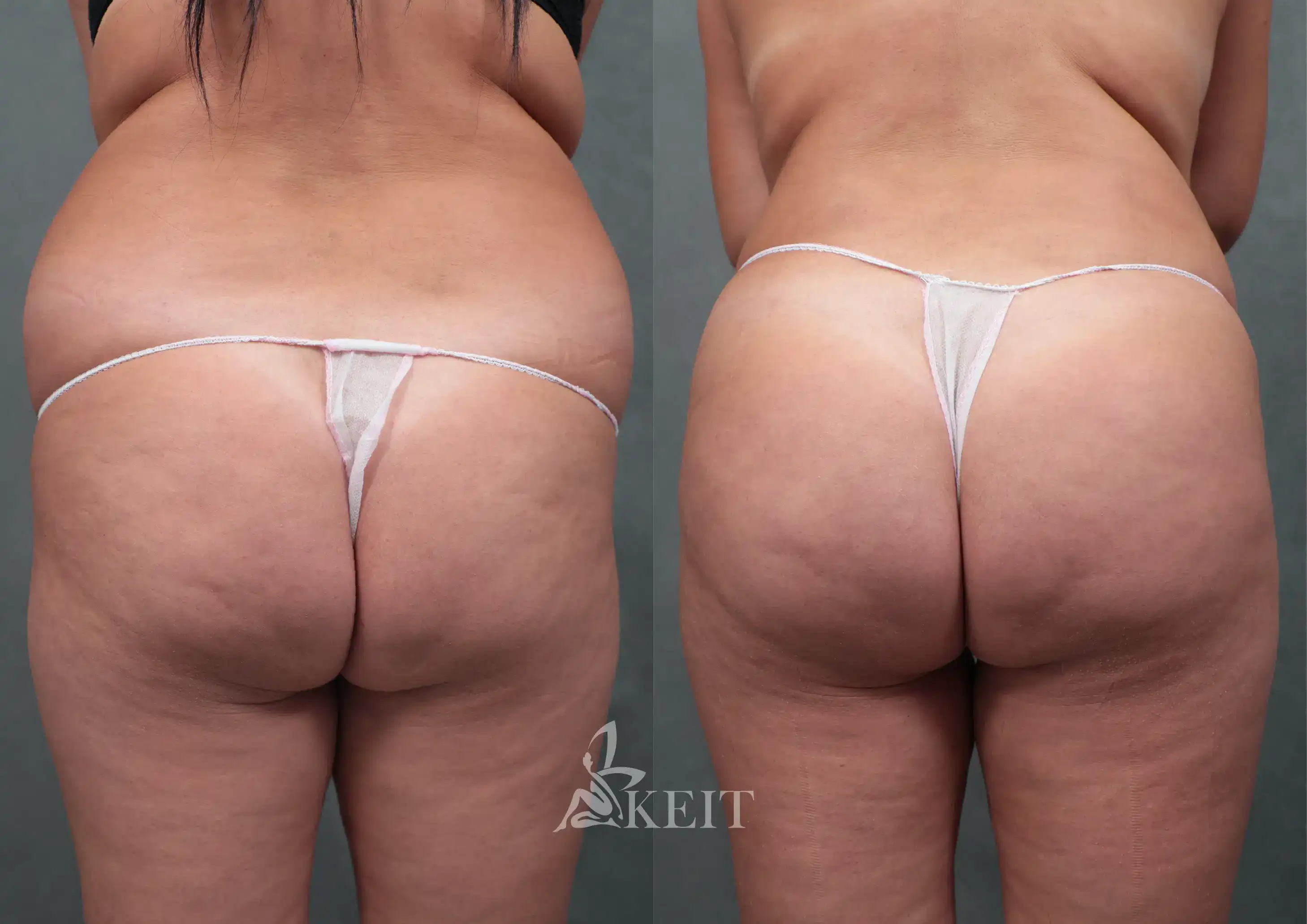
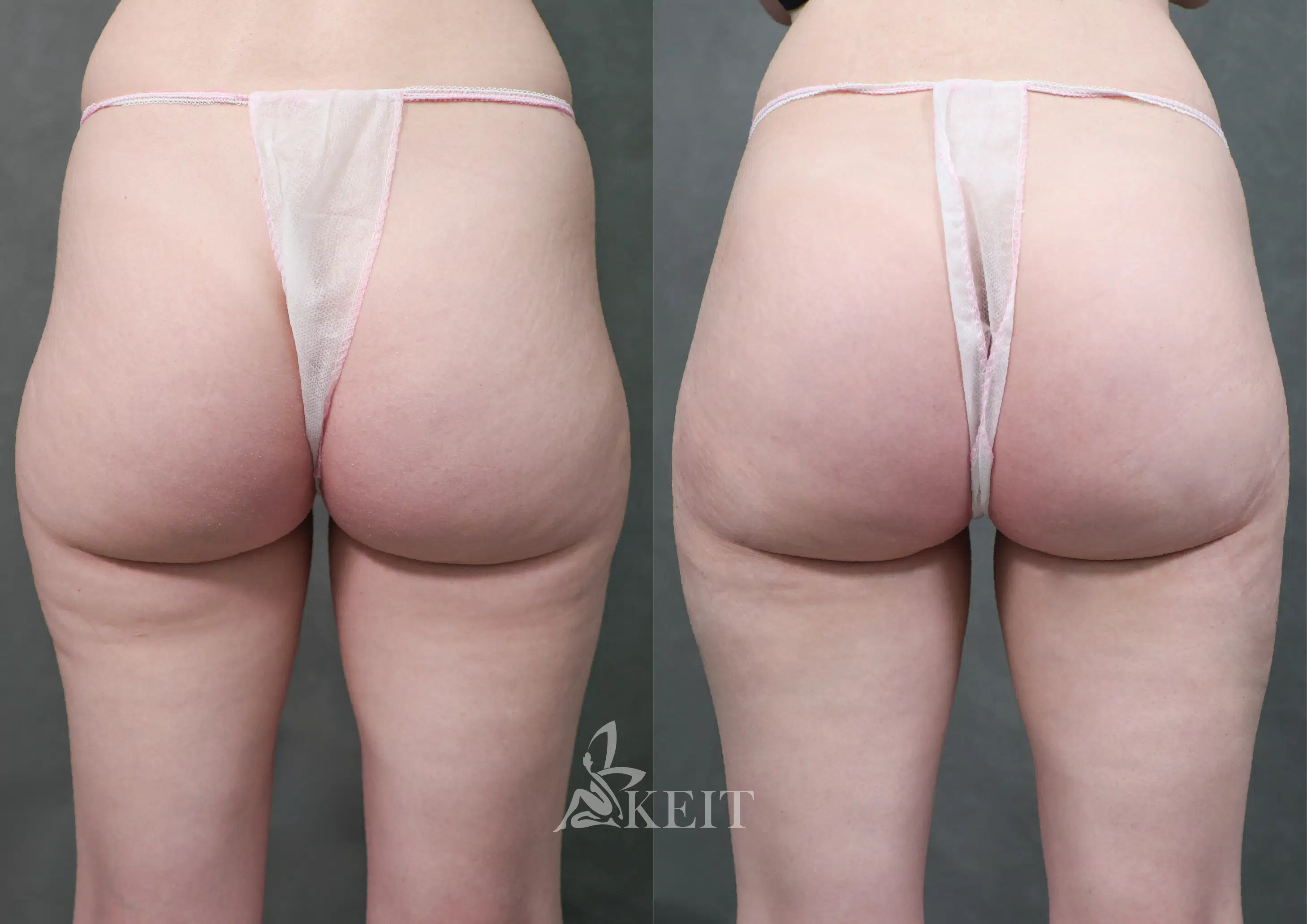
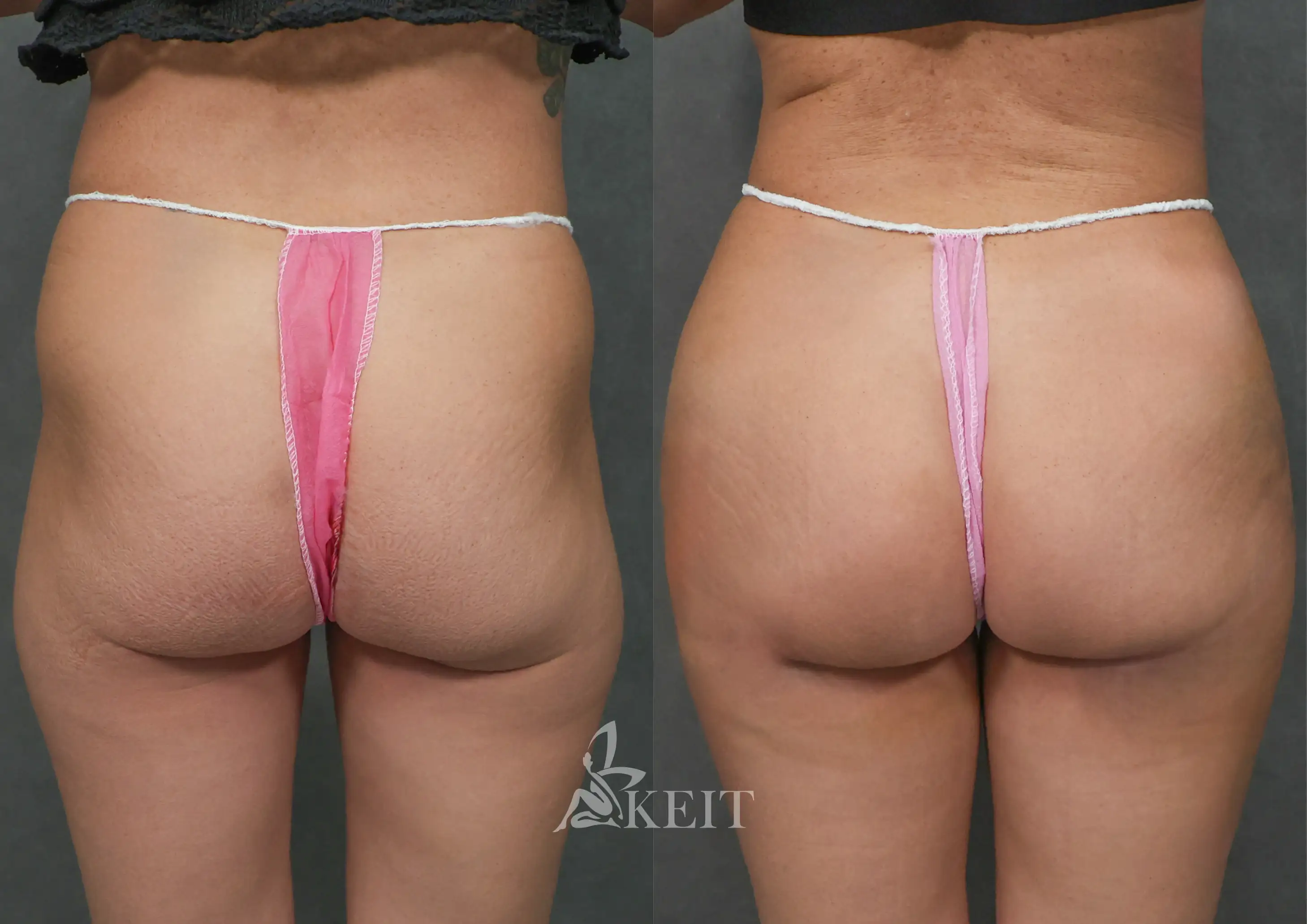
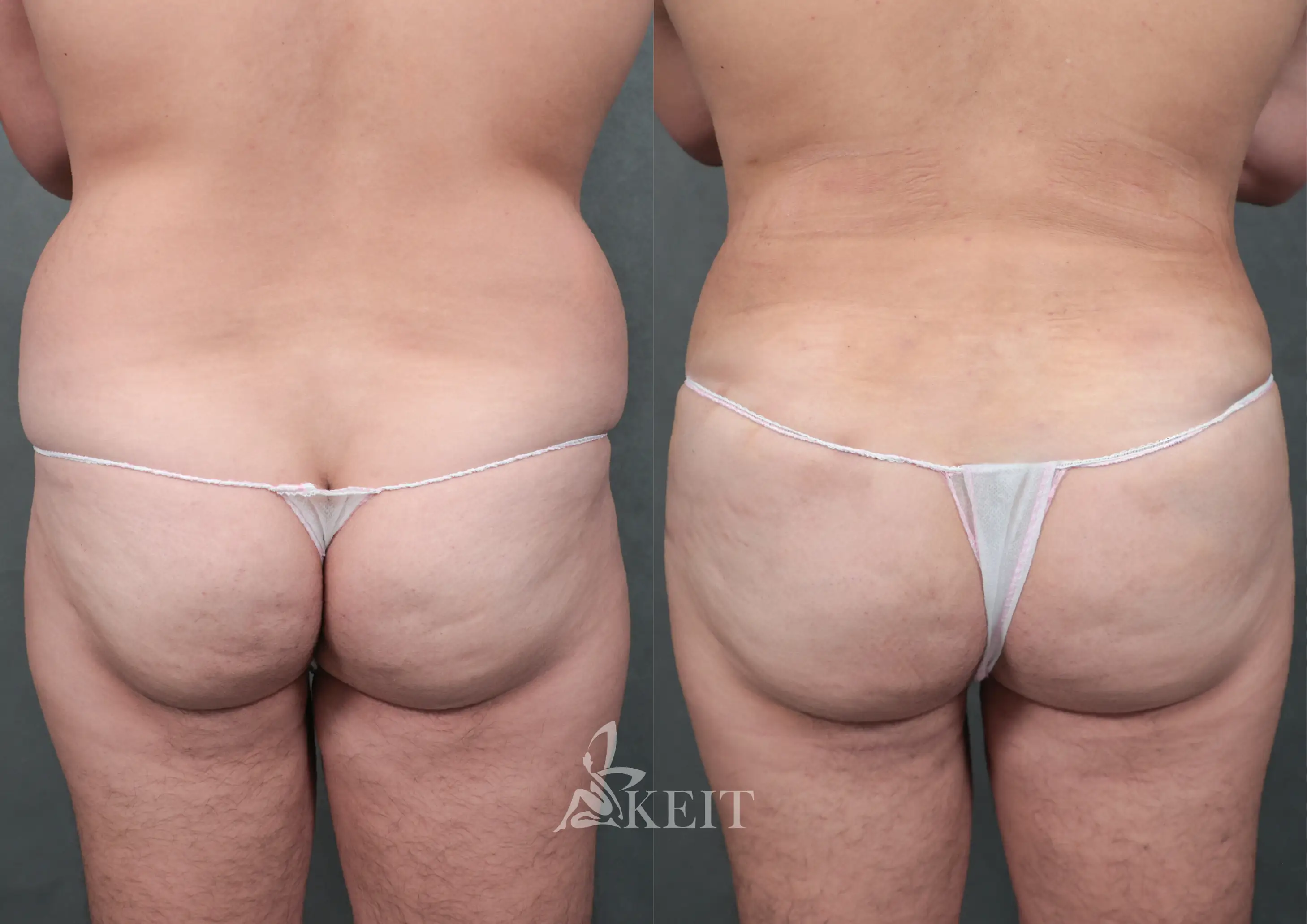
BBL before and after: buttock reshaping results
Recovery after BBL: timeline and main stages
Potential risks: what to consider before BBL surgery
Why choose KEIT Day Hospital for a BBL?
In this article, you will learn how the Brazilian Butt Lift (BBL) procedure works, who is an ideal candidate, and what results can be achieved. We will also explain what to expect before, during, and after surgery, including recovery times and potential risks. Finally, we will explore why KEIT Day Hospital in Albania is considered one of Europe's leading centres for safe, modern body contouring surgery focused on achieving natural-looking results.
 Book your FREEOnline Consultation Now

BBL explained: how the procedure works
A Brazilian Butt Lift (BBL) enhances the buttocks by using the patient’s own purified fat to reshape the waist, hips and gluteal area. The procedure consists of two steps: liposuction and lipofilling , where fat is removed from selected donor zones, processed and reinjected to improve volume, projection and contour. All fat is placed exclusively in the subcutaneous layer for maximum safety. The procedure is performed under general anesthesia and typically lasts 3–6 hours, depending on the extent of contouring required.
Ideal candidate for a BBL: key factors to consider
A BBL is ideal for individuals seeking to enhance their lower body contour using their own natural tissue. The best candidates are those who:
-
Have sufficient donor fat in areas like the abdomen, flanks, or back for harvesting.
-
Desire enhanced gluteal volume, projection and shape.
-
Are seeking a more balanced and harmonious figure.
-
Are in good overall health and medically cleared for surgery.
-
Maintain realistic expectations about the final shape and long-term results.
A thorough clinical evaluation determines the quality and quantity of fat available and identifies the specific BBL technique that provides the safest and most satisfying outcome.
BBL technique: the standard two-step approach
A BBL relies on one core, standardized surgical technique composed of two essential steps: liposuction and lipofilling. While the extent of liposuction may differ from patient to patient, the technique itself remains consistent and follows strict safety principles.
Liposuction (fat harvesting and body contouring)
Liposuction is the first stage of every Brazilian Butt Lift. Through small, discreet incisions, the surgeon removes fat from selected donor areas, most commonly the abdomen, waist, flanks, lower back, and, when appropriate, the inner or outer thighs. Treating these areas helps define the waist and torso while providing the fat required for transfer to the buttocks. The donor areas are selected according to the patient’s body shape, fat distribution, available fat volume, and desired result. The fat is gently removed using fine cannulas to preserve as many viable fat cells as possible. It is then processed and purified to remove blood, excess fluid, and damaged cells before being transferred. Liposuction may be limited to a few areas in slimmer patients or extended around the abdomen, waist, flanks, and back for more comprehensive 360-degree body contouring.
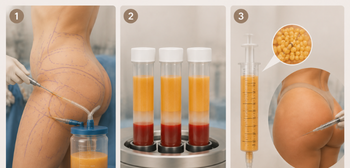
(i) Image illustrating the bbl liposuction fat harvesting technique
Lipofilling (fat transfer to the buttocks)
Lipofilling is the precise placement of the purified fat into the buttocks. Using micro-injections, the surgeon distributes fat in thin layers exclusively within the subcutaneous plane, never inside or below the muscle, to maximize safety and ensure even integration. The surgeon sculpts projection, roundness and upper-pole fullness while maintaining natural proportions with the hips and waist. The amount of fat transferred varies based on anatomy and desired outcome. Over the following months, 60–80% of the transferred fat typically integrates permanently, creating a stable and harmonious enhancement.
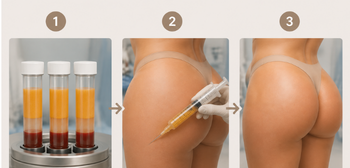
(i) Image illustrating the bbl lipofilling fat transfer technique
BBL surgery: the journey to your transformation
BBL surgery follows a highly structured pathway to ensure precision, safety, and predictable results.
Consultation and body assessment:
The process begins with a detailed clinical evaluation, focusing on fat distribution, skin quality and desired gluteal shape. The surgeon discusses your goals and designs a personalized BBL plan.
Medical evaluation:
Before surgery, every patient undergoes full medical clearance, including blood tests, ECG and consultations with the anesthetist and cardiologist to ensure fitness and safety for the procedure.
Pre-operative preparation:
Patients receive explicit instructions regarding fasting, medication restrictions, pre-operative showering protocols and guidance on the required post-operative compression garment.
Procedure day:
Surgery is performed under general totally intravenous anesthesia, lasts 3–6 hours and a compression garment is applied at the end.
BBL before and after: buttock reshaping results
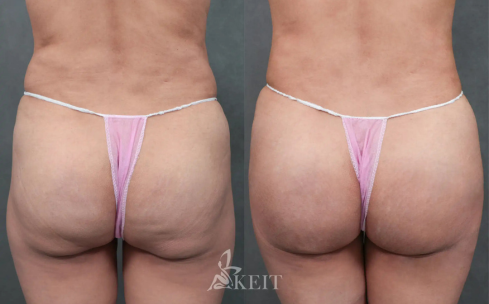
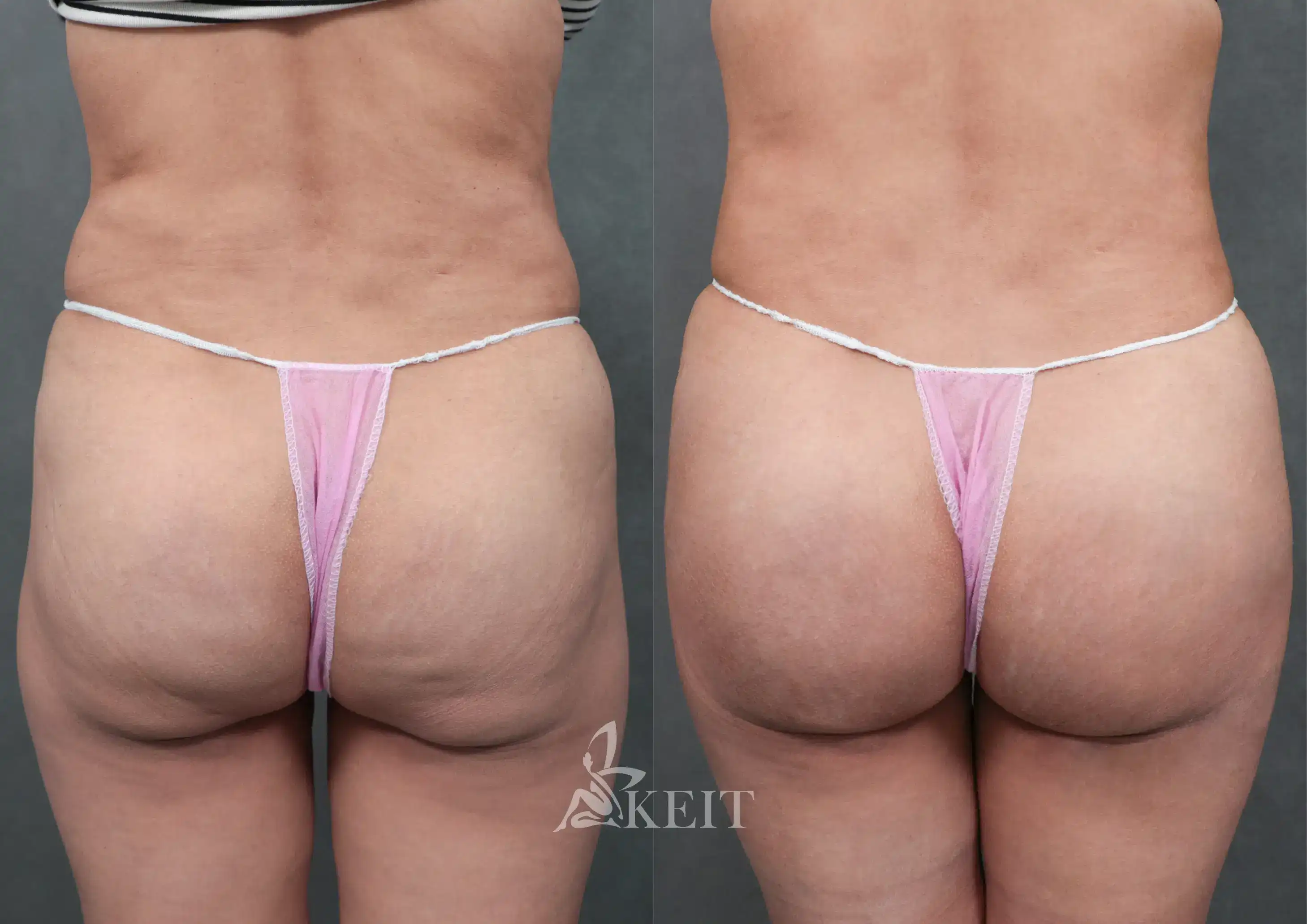
The results of a BBL depend on the amount of fat available, the initial body shape, the areas treated with liposuction, and the amount of fat that survives after transfer. Before-and-after images show examples of silhouette reshaping and increased buttock projection achieved after surgery.
Recovery after BBL: timeline and main stages
Recovery after a BBL is gradual, with shape and contour improving week by week. The most critical component is adherence to the sitting restrictions to ensure maximum fat survival.
Days 1–5:
Mild swelling and tightness appear. Strict adherence to the no-direct-sitting protocol (using a specialized BBL pillow) is essential. Most patients resume very light activities within 48–72 hours.
Week 1:
Bruising and discomfort begin to fade.
Weeks 2–4:
Swelling continues to improve and patients can return to non-strenuous routines, strictly observing sitting protocols.
Months 3–6:
The final shape refines as the grafted fat stabilizes and the remaining swelling resolves.
Final results:
The body appears lifted, firmer and naturally contoured, with long-term correction of the silhouette.
Potential risks: what to consider before BBL surgery
When performed by an experienced surgical team adhering to the latest safety guidelines, a BBL is safe and low-risk. Understanding potential effects helps set realistic expectations.
-
Common effects: Temporary numbness, swelling and minor asymmetry in the initial weeks.
-
Specific risks: Fat resorption (a portion of the transferred fat will naturally be lost), minor contour irregularities in the liposuction areas, or temporary stiffness.
-
Rare risks: Infection, hematoma, or, most importantly, the serious risk associated with injecting fat into the muscle (which is strictly prevented by modern, subcutaneous injection techniques).
Proper post-operative care and follow-up help ensure smooth healing and optimal, safe results.
Read the evidence reviews
- Brazilian butt lift (BBL): safety, complications and evidence-based practice (2023–2025)
- Lipofilling in cosmetic surgery: safety and complications (2021–2025 evidence round-up)
- Pulmonary embolism in aesthetic surgery: incidence and prevention (PubMed meta-analysis round-up)
- Venous thromboembolism in cosmetic surgery: risk factors and prevention
Why choose KEIT Day Hospital for a BBL?
KEIT Day Hospital is a hospital facility dedicated to aesthetic surgery in Tirana, Albania, founded in 2011 by Dr. Skerdilajd Faria. With over 23,000 procedures performed, KEIT Day Hospital has developed a structured model of surgical care that combines the expertise of international surgeons, hospital infrastructure, medical technologies, safety protocols, and long-term patient monitoring.
For Brazilian Butt Lift (BBL), this approach covers every stage of the surgical process, from assessing donor areas and planning body contouring to preoperative examinations, surgery, and recovery monitoring. Particular attention is given to the safety of fat transfer, a fundamental aspect of this procedure.

1. Hospital infrastructure dedicated to cosmetic surgery
KEIT Day Hospital has 3 operating theatres, 2 inpatient wards with 10 rooms and 20 beds, an in-house laboratory, and a postoperative...
KEIT Day Hospital has 3 operating theatres, 2 inpatient wards with 10 rooms and 20 beds, an in-house laboratory, and a postoperative resuscitation room, allowing the entire surgical process to be organised within the same facility.
The operating theatres are equipped with ventilation systems featuring HEPA filters, laminar airflow above the operating table, and positive air pressure. These technologies help control air quality and reduce the risk of contamination in the surgical environment. The facilities also include electric operating tables, Surgiris LED surgical lighting systems, Karl Storz surgical instruments, and modern equipment for monitoring patients' vital signs.
The inpatient rooms are also designed to support patient safety and care during recovery. In addition to centralised oxygen supply and medical suction systems, they feature three alarm systems: a bedside device, a portable wrist-worn device, and intelligent sensors integrated into the bed and room environment. These systems alert healthcare staff when a patient requires assistance or when a situation requiring assessment is detected.
2. Surgeons selected according to their specialisation and experience
KEIT Day Hospital works with an international team of approximately 30 surgeons, including 27 Italian surgeons, specialising in plastic surgery, otolaryngology, and...
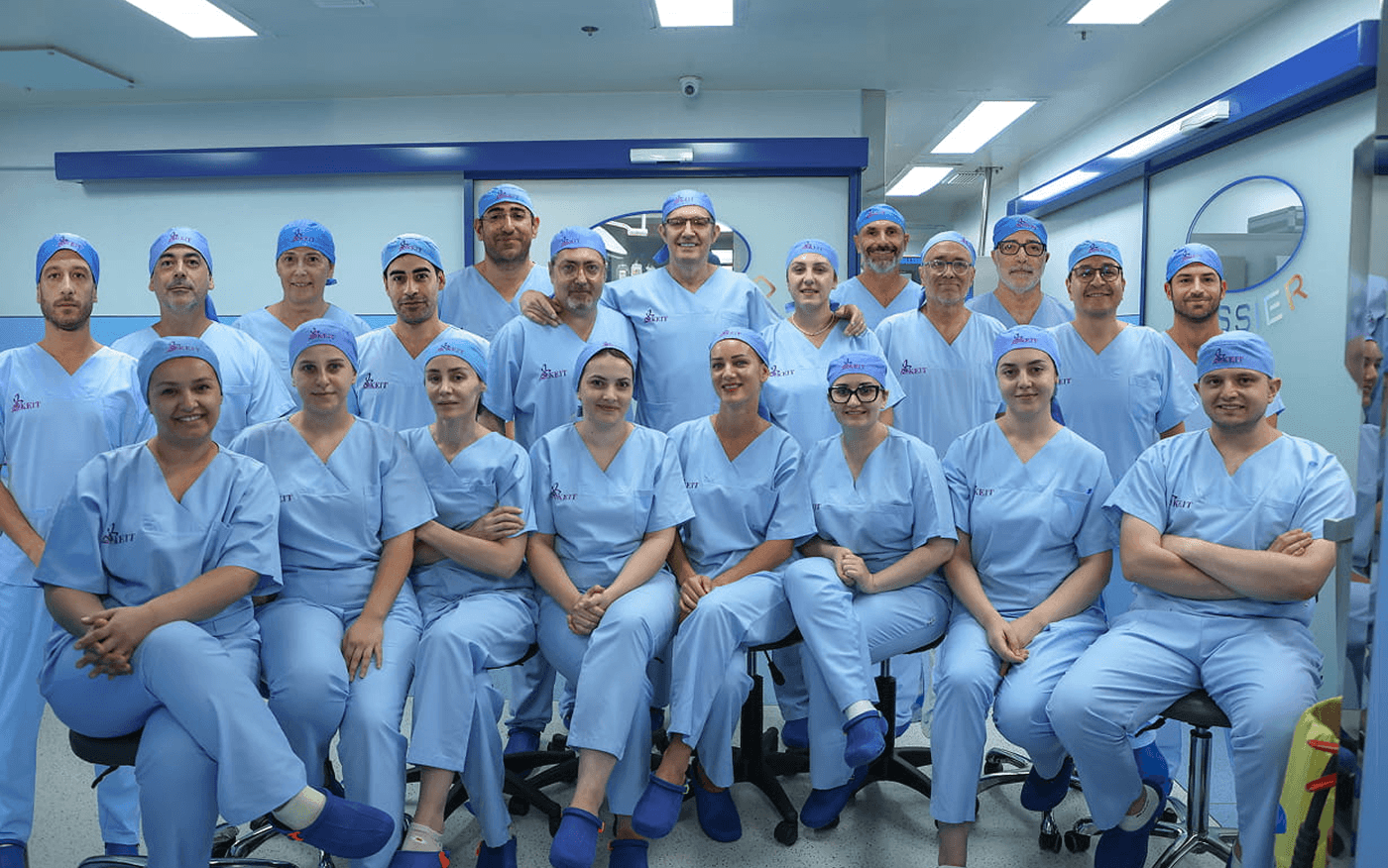
KEIT Day Hospital works with an international team of approximately 30 surgeons, including 27 Italian surgeons, specialising in plastic surgery, otolaryngology, and oral and maxillofacial surgery. A distinguishing feature of the clinic's organisation is the selection of surgeons according to their specialisation and experience in the specific procedure. For particularly complex operations, surgical teams consisting of two or more surgeons may be assembled.
For BBL, surgeon selection must take into account specific experience in liposuction and autologous fat transfer to the gluteal region. Surgical planning includes assessing fat distribution, the amount of available fat, skin quality, and the proportions between the waist, hips, and buttocks. The objective is to identify the areas to be treated with liposuction and determine the volume of fat that can be transferred safely, avoiding excessive correction and aiming for a result proportionate to the patient's body structure.
An essential aspect of BBL safety is placing fat exclusively within the subcutaneous tissue, avoiding injection into or beneath the gluteal muscle. Safety recommendations for this procedure also call for the use of real-time intraoperative ultrasound to monitor cannula positioning during fat injection. The actual availability and use of this technology must be verified against the surgical protocol adopted by the facility.
The surgeons at KEIT Day Hospital regularly attend international congresses, training courses, and conferences to update their professional knowledge and stay informed about scientific developments and surgical techniques within their respective specialities.
3. Comprehensive medical assessment before surgery
At KEIT Day Hospital, preparation for Brazilian Butt Lift involves a structured medical assessment process. According to the clinic's protocol, every patient...
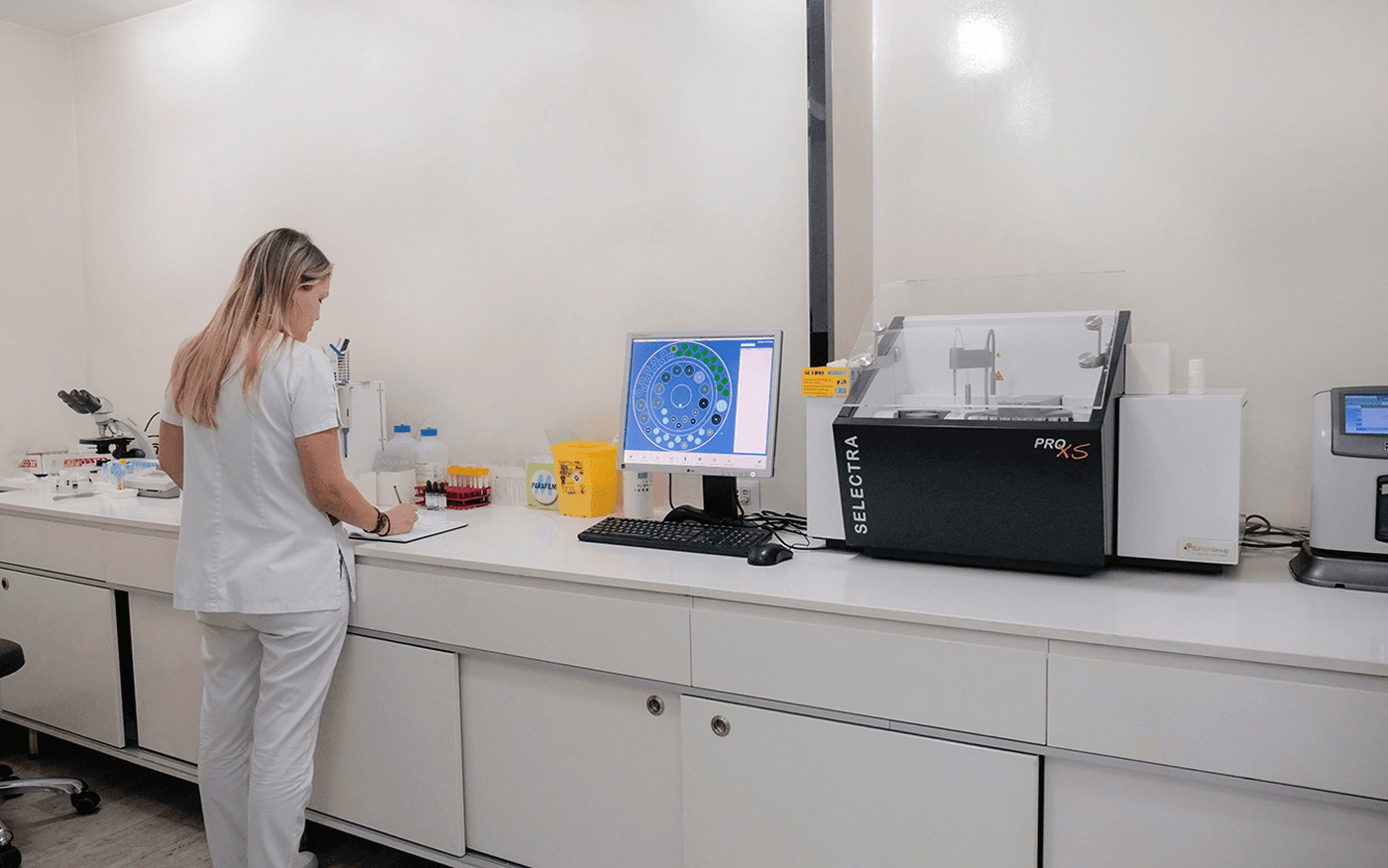
At KEIT Day Hospital, preparation for Brazilian Butt Lift involves a structured medical assessment process. According to the clinic's protocol, every patient undergoes at least two consultations with the surgeon, an anaesthesiology assessment, a cardiology assessment, blood and urine tests, and an electrocardiogram (ECG). These examinations are coordinated within the facility, which has an in-house laboratory for preoperative testing.
These assessments allow the medical team to evaluate the patient's overall health, identify potential risk factors, and determine their suitability for surgery and anaesthesia. For BBL, particular attention is paid to body weight stability, body mass index (BMI), the amount of fat available in donor areas, and factors that may increase the risk of complications, such as smoking, certain cardiovascular conditions, previous thromboembolic events, or coagulation disorders. The extent of the planned liposuction and the amount of adipose tissue that can be harvested and transferred without compromising safety are also assessed.
This approach allows BBL to be planned by considering not only aesthetic goals but also anatomical characteristics, procedural limitations, and individual medical conditions. When the desired volume cannot be achieved safely, the surgical plan must be adjusted to the patient's actual anatomical and clinical possibilities.
4. Advanced sterilisation and infection prevention protocols
KEIT Day Hospital follows infection control protocols developed in collaboration with specialists in infectious diseases and microbiology, with organised inspections of clinical...
KEIT Day Hospital follows infection control protocols developed in collaboration with specialists in infectious diseases and microbiology, with organised inspections of clinical environments and sterilisation processes. Air filtration systems undergo regular maintenance and replacement, while operating theatres are cleaned and disinfected after every procedure.
During surgery, sterile single-use surgical kits and fluid-resistant materials are used to help maintain a sterile operating field. Disposable materials carry identification labels containing information about manufacturing, expiry dates, and traceability, which is recorded in the patient's medical documentation.
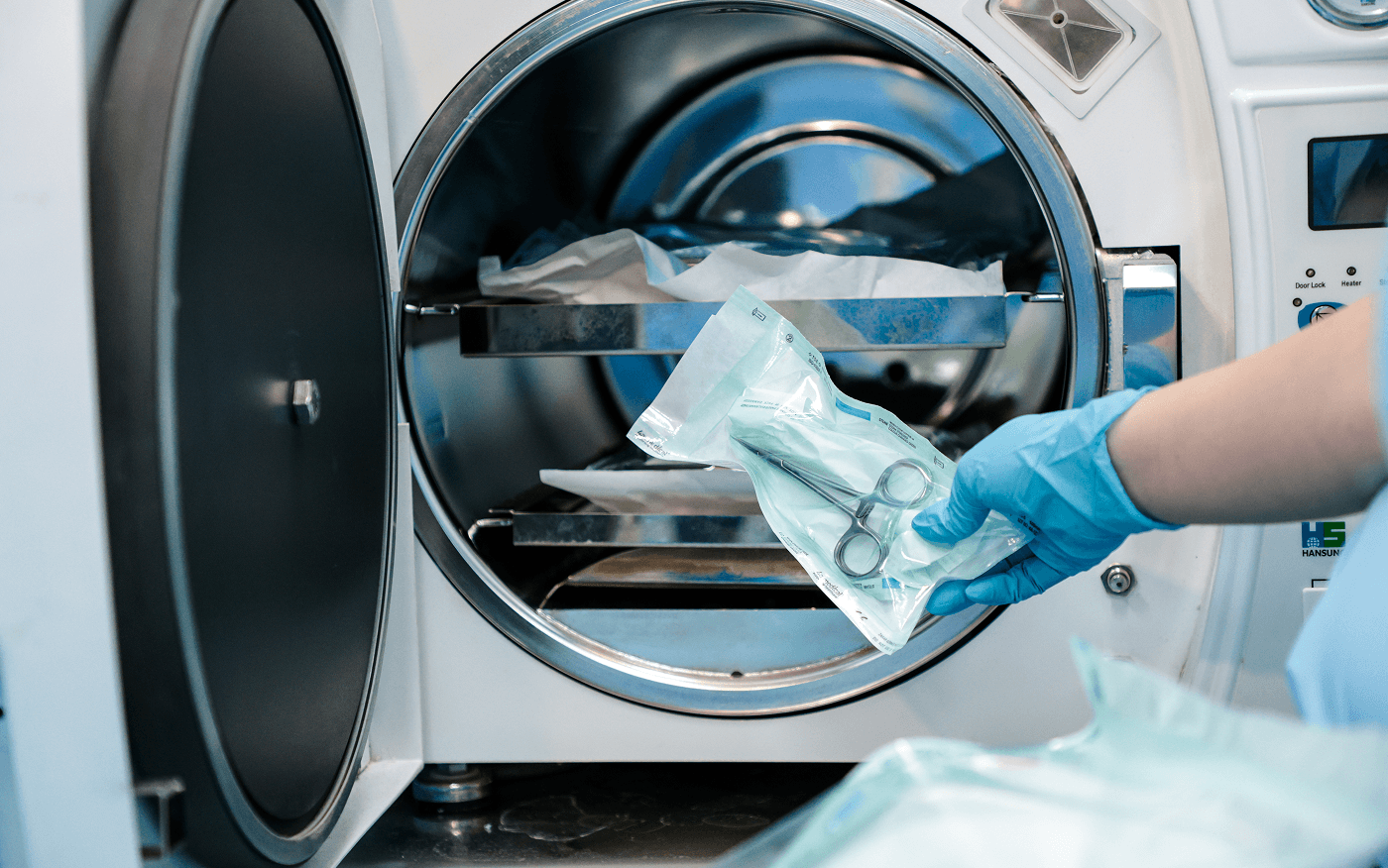
Surgical instruments are cleaned and sterilised after each use, following documented procedures supported by records from the equipment used. This system enables sterilisation processes to be verified and traced. The clinic also conducts periodic microbiological testing of its environments and follows antibiotic prophylaxis protocols when indicated by the medical assessment.
Together, these measures, from the management of sterile materials to sterilisation traceability and microbiological monitoring, form an essential part of the procedures adopted by KEIT Day Hospital to reduce the risk of surgical infections.
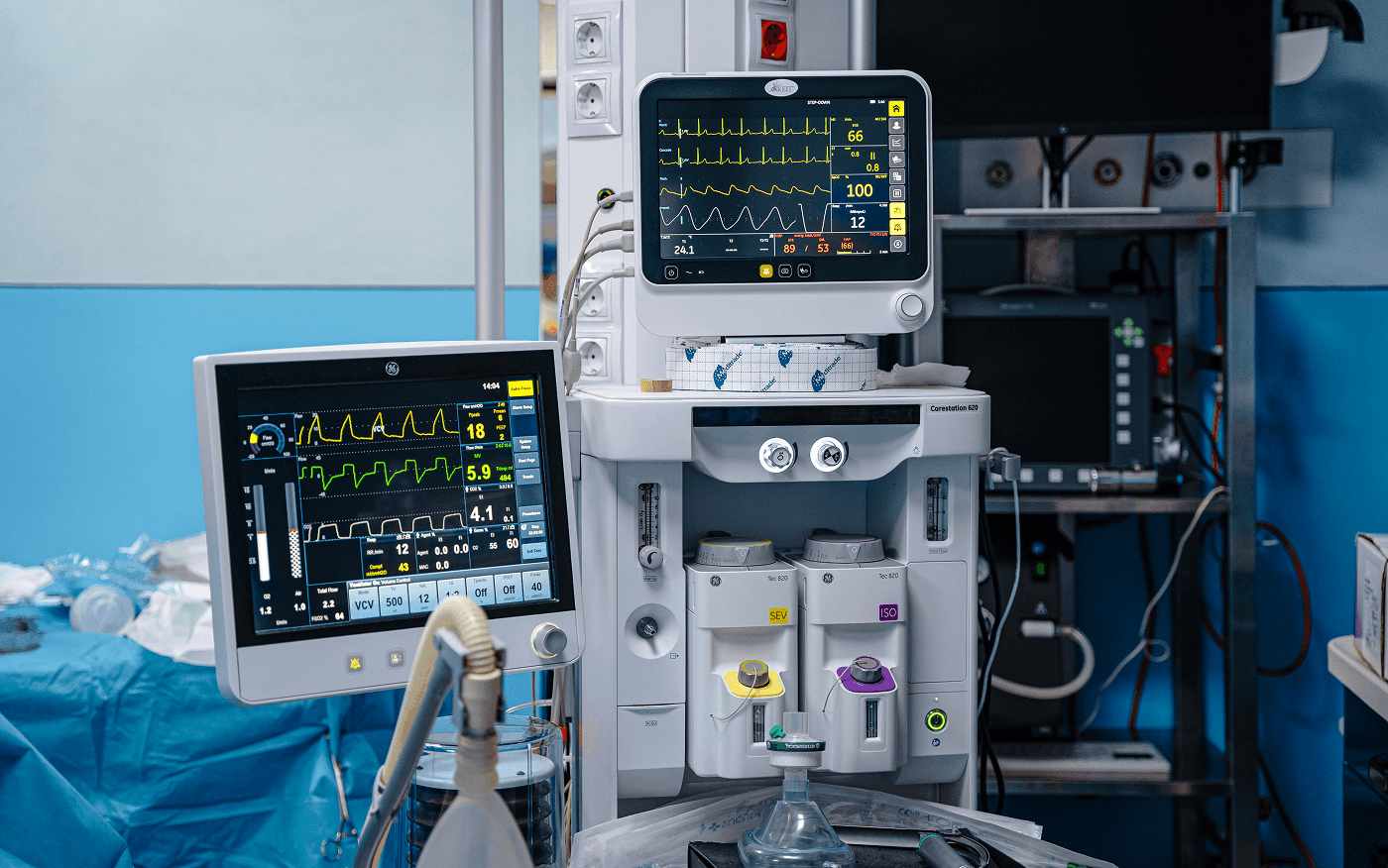
5. TIVA anaesthesia, continuous monitoring, and emergency preparedness
Preparedness At KEIT Day Hospital, surgical procedures requiring general anaesthesia are performed, according to the clinic's protocol, using TIVA (Total Intravenous Anaesthesia),...
Preparedness
At KEIT Day Hospital, surgical procedures requiring general anaesthesia are performed, according to the clinic's protocol, using TIVA (Total Intravenous Anaesthesia), a technique based on the intravenous administration of anaesthetic medications. This technique may support recovery from anaesthesia and help reduce postoperative nausea and vomiting, depending on the patient's characteristics and the anaesthetic protocol used. Brazilian Butt Lift is generally performed under general anaesthesia, with an anaesthetic plan tailored to the duration of surgery, the extent of liposuction, and fluid management during the procedure.
During surgery, the anaesthesia team continuously monitors the patient's vital signs using General Electric equipment available in all three operating theatres. The facility also has centralised systems for oxygen distribution, compressed air, and medical suction, as well as equipment for difficult airway management, cardiac defibrillators, emergency medications, and backup power and medical gas supply systems.
To manage potential emergencies, KEIT Day Hospital has a postoperative resuscitation room equipped with a ventilator, multiparameter monitors, a defibrillator, intravenous infusion pumps, and other equipment for supporting vital functions. According to the clinic's reported history, this room has not yet been used to treat major complications, but it remains equipped and ready for use in the event of unforeseen circumstances.
In BBL procedures, emergency preparedness is particularly important because of the risk of pulmonary fat embolism, a rare but potentially fatal complication. Prevention requires appropriate fat injection techniques and specific monitoring during fat transfer, as well as an established pathway for immediate emergency management and transfer to an intensive care unit when necessary.
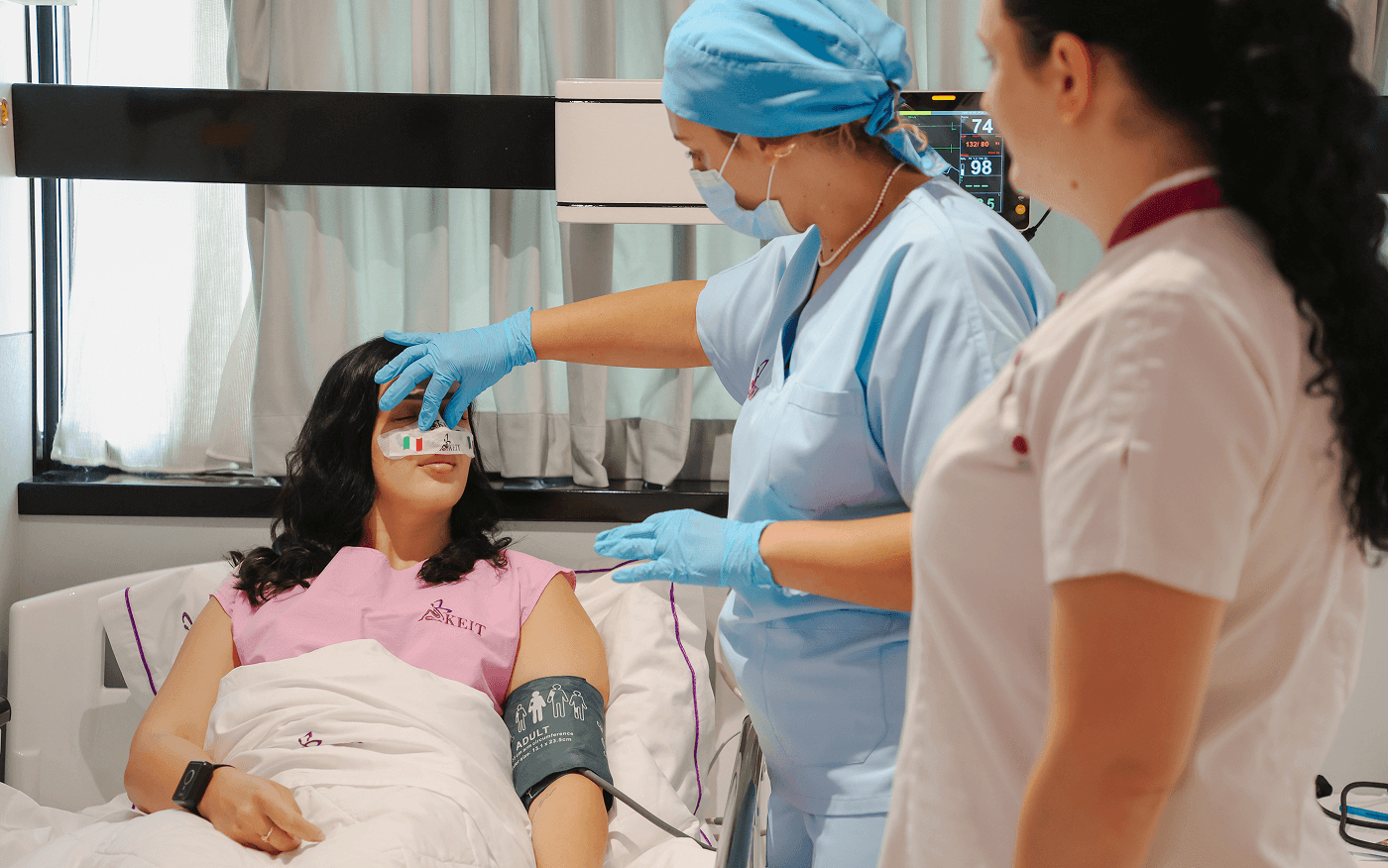
6. Personalised care and follow-up for up to one year after surgery
At KEIT Day Hospital, patient care continues after the surgical procedure has been completed. Patients generally spend one night at the hospital,...
At KEIT Day Hospital, patient care continues after the surgical procedure has been completed. Patients generally spend one night at the hospital, during which they are monitored and cared for by healthcare staff. In particular circumstances, the hospital stay may be extended according to clinical needs.
After discharge, each patient is supported by four professionals: a coordinator, a nurse responsible for dressings and wound care, a doctor, and the operating surgeon. Follow-up appointments are generally scheduled at 1, 3, 6, and 12 months after surgery, allowing the medical team to monitor healing, identify potential problems, and assess how the surgical result develops over time.
For BBL, follow-up care includes assessing the areas treated with liposuction, swelling, the healing of small incisions, and changes in buttock volume following fat transfer. The surgeon also monitors potential body contour irregularities, asymmetries, or fluid collections and provides instructions on wearing compression garments, maintaining appropriate resting positions, and gradually resuming daily activities and physical exercise. Recommendations regarding direct pressure on the buttocks are personalised according to the technique used and the progress of healing. For international patients, care may continue after they return to their home country through communication with the medical team and follow-up appointments arranged according to individual needs.
KEIT Day Hospital also provides patients with an emergency contact number, available 24 hours a day, 7 days a week, to request assistance if needed after surgery.
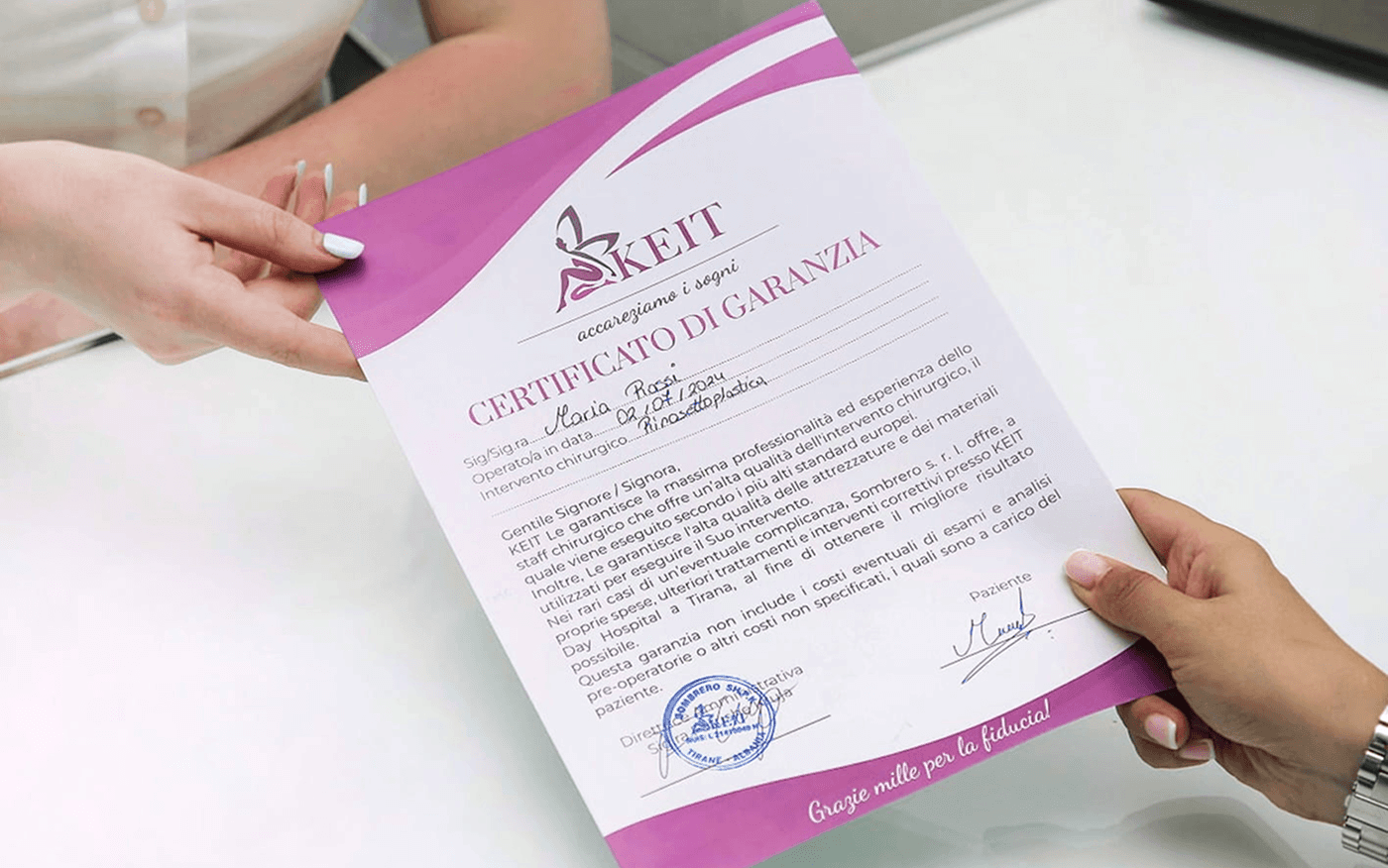
7. Official guarantee, transparency, and comprehensive medical documentation
One of the defining features of the services provided at KEIT Day Hospital is the emphasis on transparency and documentation throughout the...
One of the defining features of the services provided at KEIT Day Hospital is the emphasis on transparency and documentation throughout the surgical process. A complete medical record is prepared for every procedure, documenting preoperative assessments, the operation performed, the surgical techniques used, and information relating to postoperative recovery.
The clinic also uses photographic documentation taken before and after surgery to monitor the development of surgical results, in accordance with personal data protection requirements and medical confidentiality. Each patient receives a service contract, an official invoice, and an informed consent form, which is sent before surgery to allow sufficient time to review information about the procedure, potential risks, benefits, and alternative treatment options.
KEIT Day Hospital also provides an Official Guarantee Certificate, which defines the clinic's responsibilities and the conditions under which expenses may be covered in the event of complications during or after surgery, as specified in the document. The specific guarantee conditions are communicated to the patient before the operation, allowing them to understand the applicable terms and limitations of coverage in advance.
FAQ
Frequently asked questions
How long does a BBL procedure take?

A BBL typically lasts between 3 and 6 hours, depending on the extent of the liposuction and the volume of fat to be transferred.
Is BBL surgery painful?
No. Modern TIVA anesthesia ensures full comfort during the procedure. After surgery, mild tightness or swelling may occur but is easily managed with medication.
When can I return to normal activities?
Most patients resume light activities within 2–3 days, while full recovery occurs over 3–6 months as swelling resolves and fat stabilizes. Strict no-sitting protocols must be followed for the first few weeks.
Will the results be permanent?
Yes. The fat that survives the initial grafting phase (typically 60-80%) is permanent. Maintaining a stable weight and healthy lifestyle helps preserve results.
How much fat do I need for a BBL?
A BBL requires adequate donor fat from areas such as the abdomen, flanks, back or thighs. During your evaluation, the surgeon determines whether you have enough fat for safe harvesting and how much volume can be realistically transferred to achieve a balanced, natural contour.