 4.9 Rating | 23.000+ Procedures | European Medical Team
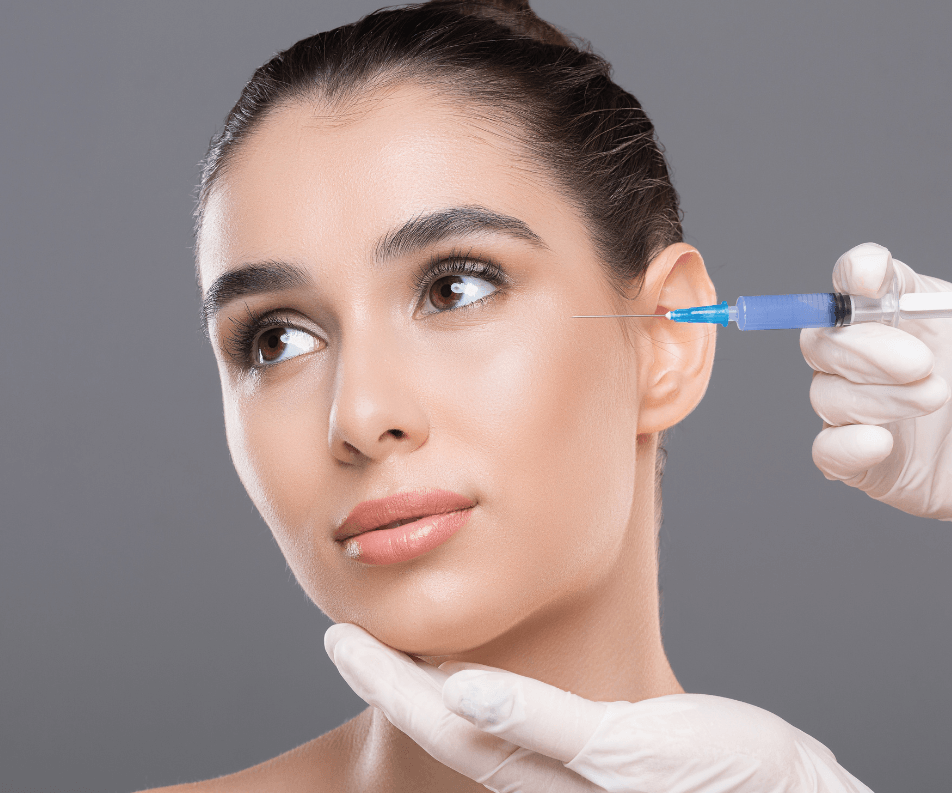
Table of contents:

PRP treatment for face: how the procedure works
Ideal candidate for PRP treatment for face: key factors to consider
PRP treatment for face: step-by-step session
PRP treatment for neck: rejuvenating delicate skin
PRP treatment for face before and after: the recovery timeline
Recovery tips after PRP treatment for face
Potential risks of PRP treatment for face to be aware of
Why choose KEIT Day Hospital for PRP treatment for face?
In this article, you’ll learn how PRP treatment for the face works, who is an ideal candidate, what happens during each step of the procedure and how PRP can be applied to the neck to boost collagen and improve skin tone. You’ll also discover how recovery progresses, how long results last, which risks to consider, and why KEIT Day Hospital is a trusted choice for safe, natural, and long-lasting skin rejuvenation.
 Book your FREEOnline Consultation Now

PRP treatment for face: how the procedure works
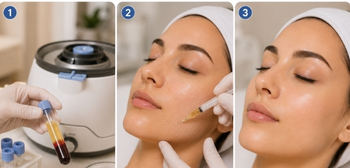
The PRP treatment for face works by isolating Platelet-Rich Plasma from a small blood sample through centrifugation, creating a concentrate rich in growth factors. During the session, this biologically active plasma is injected or applied via microneedling to stimulate fibroblasts, enhance collagen production and increase dermal hydration. A full treatment takes 40–60 minutes and is entirely autologous. Most patients require 2–3 sessions spaced 3–4 weeks apart, with results typically lasting 6–12 months depending on skin quality and lifestyle.
Ideal candidate for PRP treatment for face: key factors to consider
You may be a suitable candidate for a PRP facial if you:
-
Want brighter, smoother and more radiant skin.
-
Have fine lines, dullness or early signs of aging.
-
Wish to improve acne scars or uneven texture.
-
Prefer a natural, regenerative approach without fillers.
A professional evaluation determines the ideal PRP plan for your skin.
PRP treatment for face: step-by-step session
The PRP treatment for face follows a precise medical protocol designed for safety and predictable rejuvenation.
Consultation and assessment:
Evaluation of texture, elasticity and specific concerns.
Blood collection:
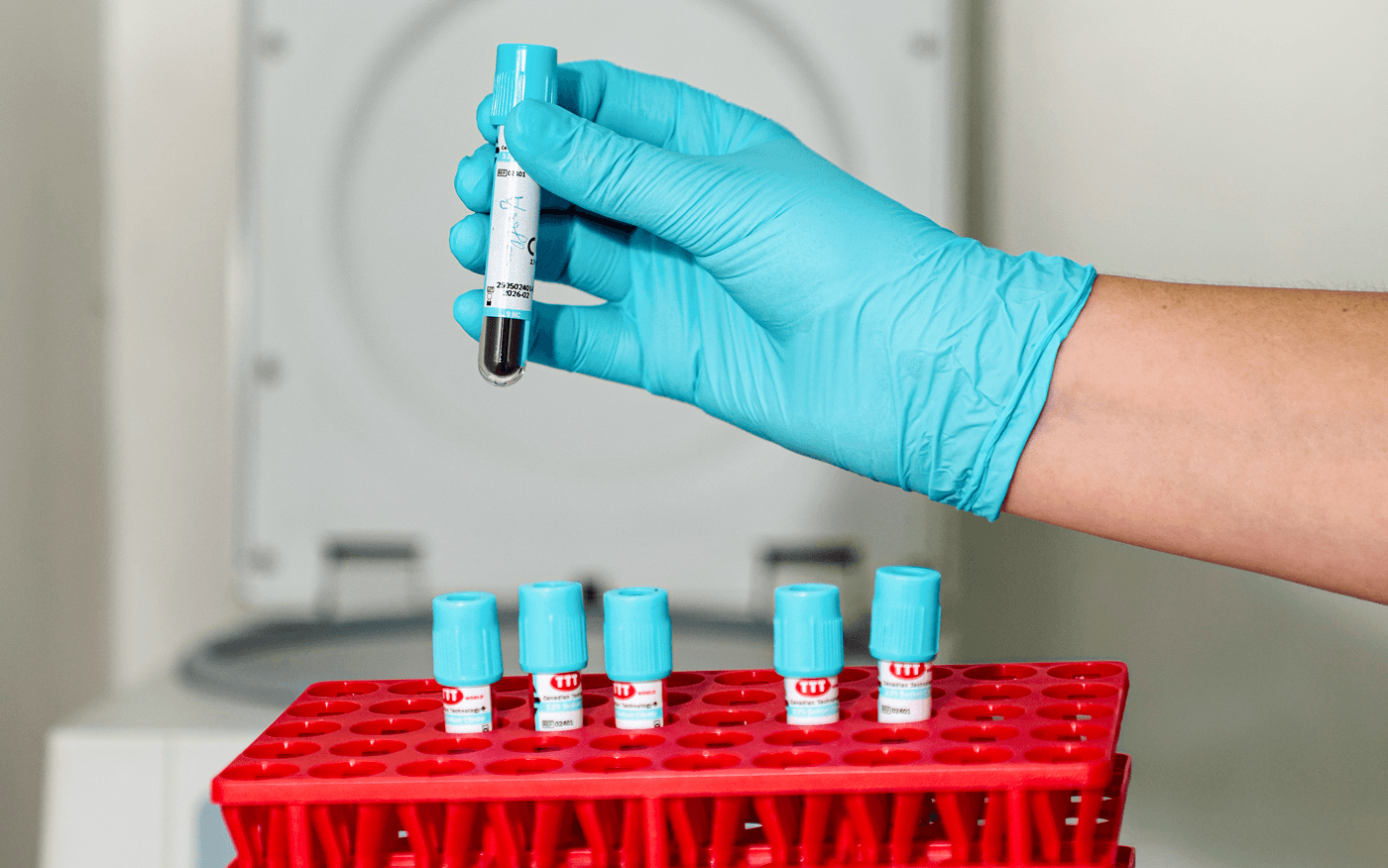
A small sample is drawn and centrifuged to isolate platelet-rich plasma.
Preparation:
The face is cleansed, disinfected and numbing cream may be applied.
Treatment phase:
PRP is injected or applied with microneedling to stimulate collagen and regeneration.
Coverage check:
The practitioner ensures even plasma distribution across all treated areas.
End of session:
Key instructions for the initial time of healing are reviewed.
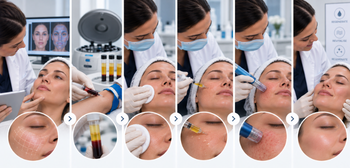
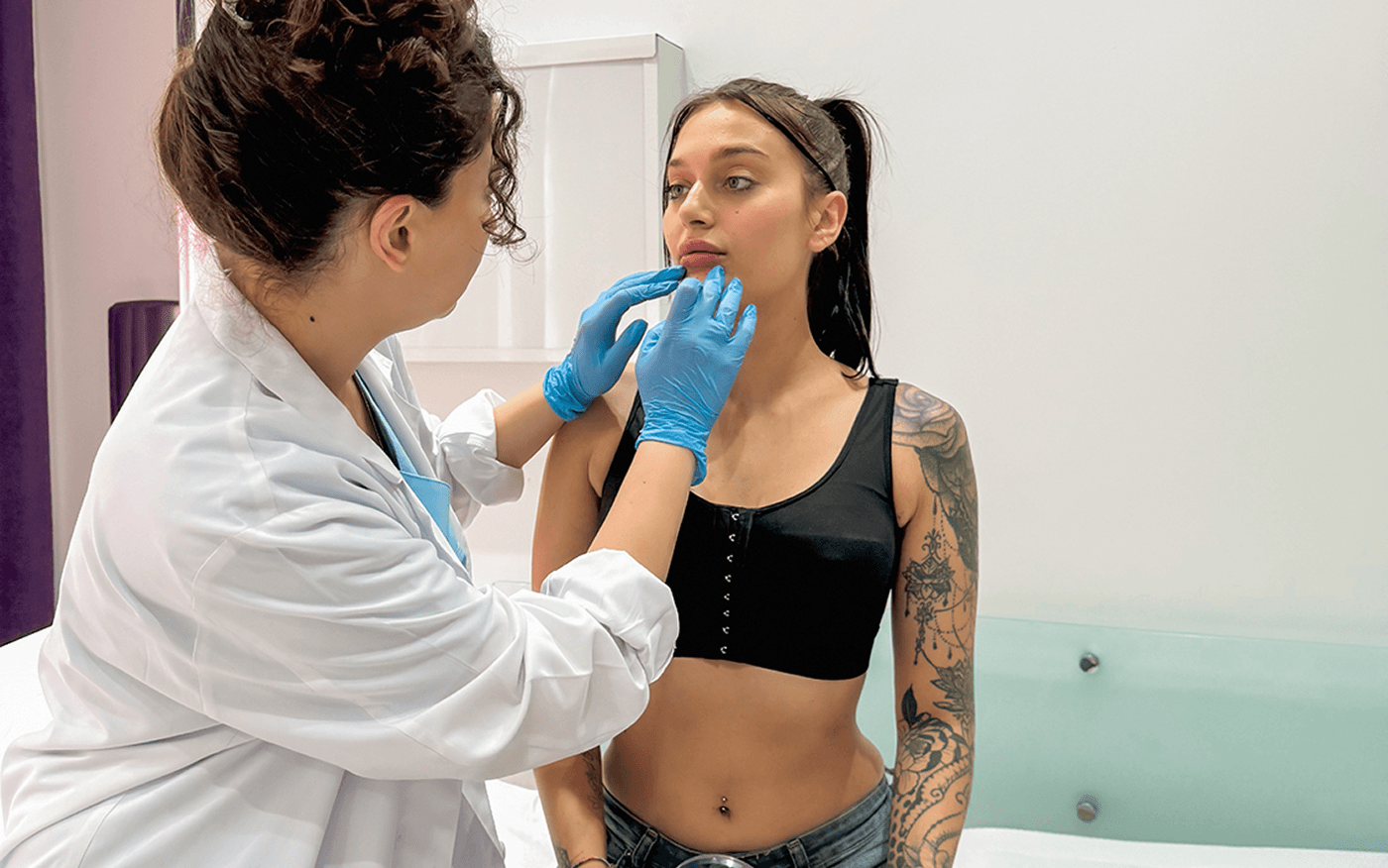
(i) Image illustrating the PRP treatment for face
PRP treatment for neck: rejuvenating delicate skin
PRP treatment for the neck uses the patient’s own Platelet-Rich Plasma to stimulate collagen production, improve skin elasticity, and reduce fine lines or mild sagging. The plasma is applied via injections or microneedling across the neck area, promoting natural rejuvenation without fillers or surgery. This minimally invasive approach provides gradual improvement in skin texture, firmness, and tone with minimal downtime.
PRP treatment for face before and after: the recovery timeline
Healing is minimal, and results appear progressively as collagen increases.
-
Immediately after: Mild redness or warmth and the skin may look slightly fuller.
-
Days 1–2: Redness fades and the skin feels firmer and more hydrated.
-
Days 3–7: Texture smooths as microneedling marks (if present) disappear.
-
Weeks 3–6: Brighter tone and improved elasticity as collagen rebuilds.
-
Months 2–3: Full results appear, especially after 2–3 PRP facial sessions.
Recovery tips after PRP treatment for face
Simple habits help maximise collagen stimulation and protect the skin:
-
Avoid touching the face for 4–6 hours and skip makeup until the next day.
-
Pause active skincare (retinol, acids, scrubs) for 48–72 hours.
-
Apply daily SPF and avoid direct sun exposure.
-
Avoid steam rooms, saunas and intense exercise for 24–48 hours.
-
Stay well-hydrated to support regeneration.
Potential risks of PRP treatment for face to be aware of
The PRP facial is considered very safe, but mild temporary reactions may occur.
-
Common effects: Redness, swelling or small bruises at injection points.
-
Specific risks: Temporary tightness or uneven texture after microneedling.
-
Rare risks: Infection or prolonged redness.
Proper aftercare and a qualified practitioner greatly minimise these risks.
Why choose KEIT Day Hospital for PRP treatment for face?
KEIT Day Hospital is a healthcare facility dedicated to surgery and aesthetic medicine in Tirana, Albania, founded in 2011 by Dr Skerdilajd Faria. With over 23,000 procedures performed across the KEIT brand's various areas of activity, the facility combines medical expertise, professional technologies, safety protocols and personalised patient care.
PRP treatment for the face is performed as part of KEIT Day Hospital's aesthetic medicine services, with the support of a multidisciplinary medical team and equipped hospital infrastructure. The treatment process includes an assessment of skin condition, collection and preparation of platelet-rich plasma, planning of its administration and monitoring of the results. The aim is to promote skin regeneration processes, improve skin texture and radiance, and reduce the early signs of ageing while respecting the patient's individual characteristics.
1. Dedicated aesthetic medicine facilities and technologies for regenerative treatments
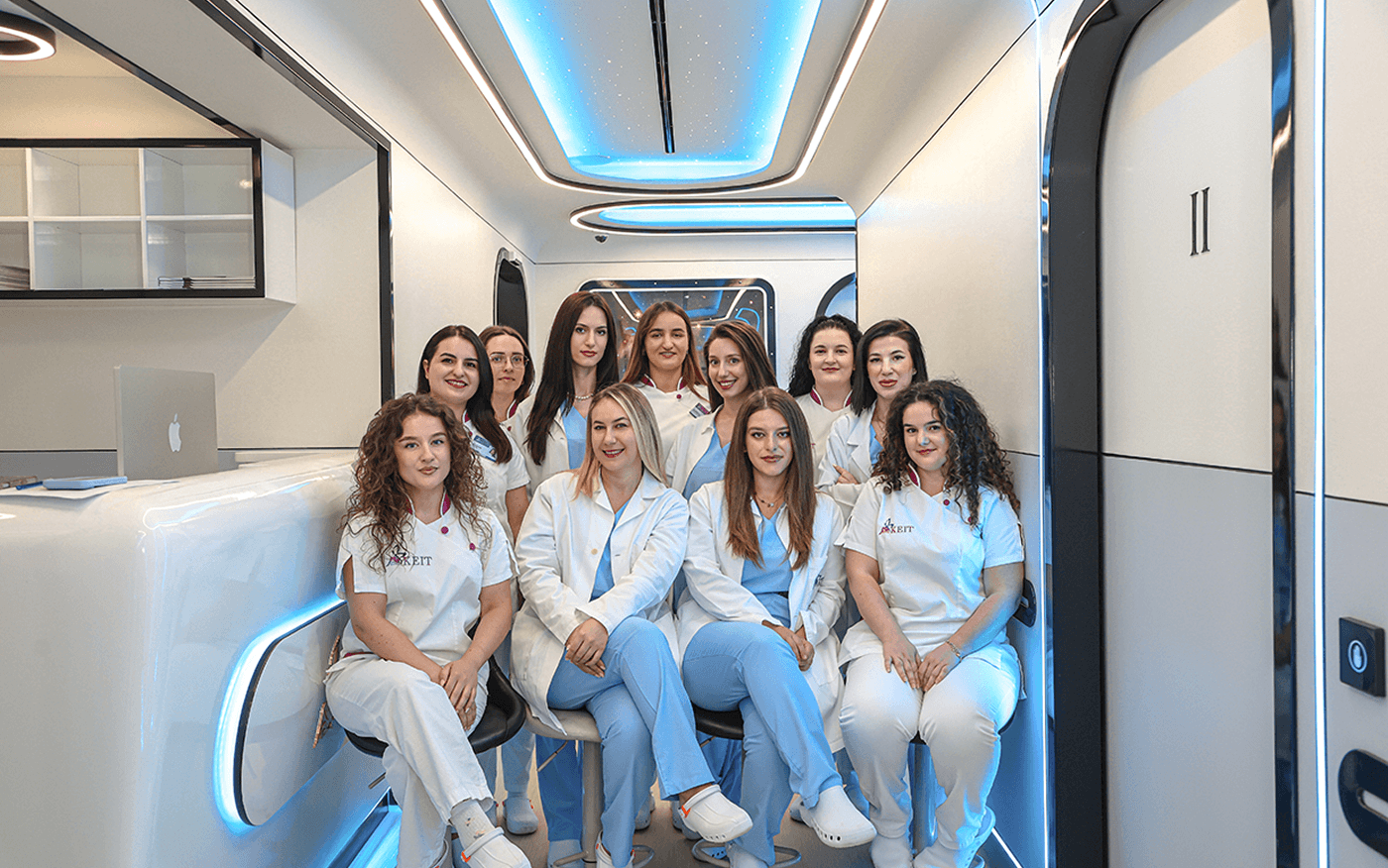
KEIT Day Hospital has clinical facilities dedicated to aesthetic medicine treatments, organised to ensure appropriate standards of hygiene, procedural precision and patient...
KEIT Day Hospital has clinical facilities dedicated to aesthetic medicine treatments, organised to ensure appropriate standards of hygiene, procedural precision and patient comfort.
For PRP treatment for the face, the doctor assesses skin texture, elasticity and the areas that may benefit from the procedure, using instruments specifically designed for collecting, preparing and administering plasma. The treatment involves the use of centrifugation systems and sterile, single-use materials, as well as fine needles or microneedling devices when indicated.
The organisation of the clinical facilities and the availability of medical resources allow the different stages of the procedure to be managed, from blood sample collection to PRP application and observation immediately after treatment.
2. Qualified doctors and multidisciplinary medical team support
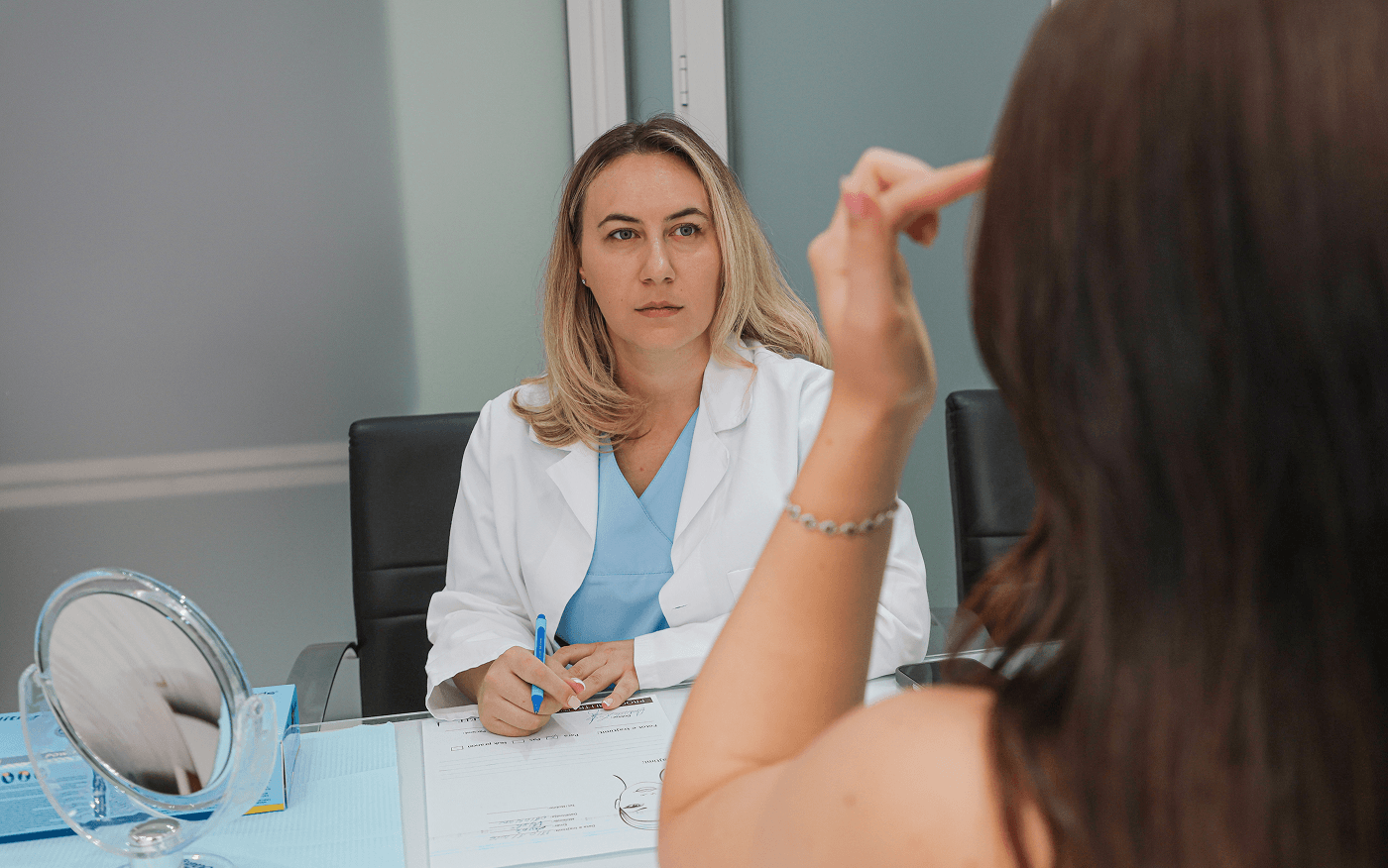
KEIT Day Hospital works with medical professionals experienced in aesthetic medicine, PRP administration techniques and skin anatomy. For PRP facial treatment, knowledge...
KEIT Day Hospital works with medical professionals experienced in aesthetic medicine, PRP administration techniques and skin anatomy. For PRP facial treatment, knowledge of skin structure is essential for selecting the areas to be treated, identifying the application technique and determining the depth of any injections.
The protocol is personalised according to skin quality, the presence of fine lines, superficial scars or texture irregularities, while also considering the individual characteristics of the plasma obtained from the patient.
An additional advantage is the presence of a multidisciplinary medical team within KEIT Day Hospital, allowing specialists in anaesthesia and intensive care or other medical disciplines to be involved when additional assessments or specific medical assistance are required.
3. Medical assessment and personalised aesthetic treatment planning
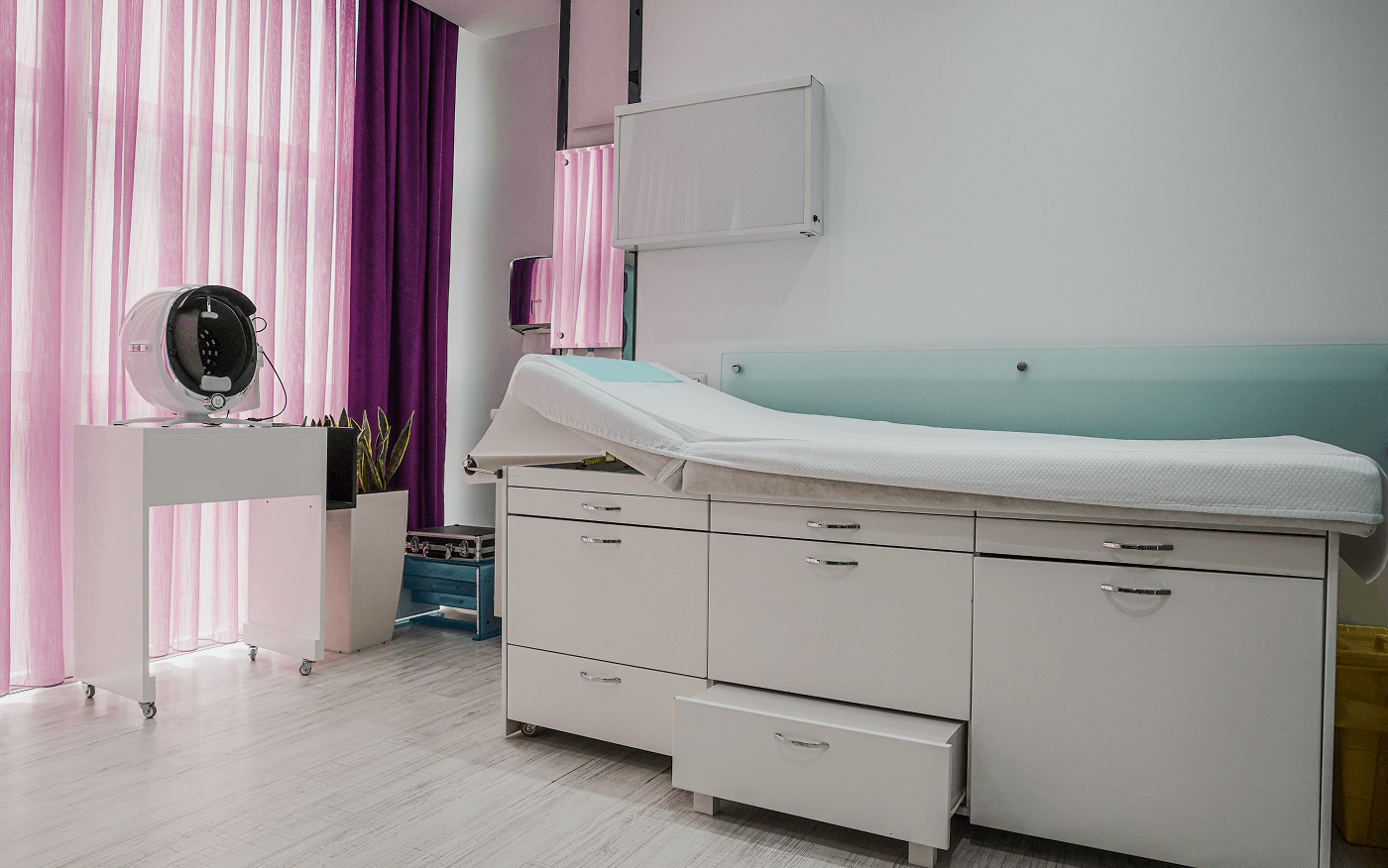
Before PRP treatment for the face, the doctor carries out an individual assessment of skin type, texture, elasticity and the patient's expectations....
Before PRP treatment for the face, the doctor carries out an individual assessment of skin type, texture, elasticity and the patient's expectations. The consultation includes taking a medical history, with particular attention to blood clotting disorders, platelet abnormalities, medications being taken, active infections, previous aesthetic treatments and possible contraindications.
Assessment of skin condition makes it possible to distinguish the early signs of ageing from more pronounced changes, such as deep wrinkles or significant skin laxity, which may require different treatments. The treatment process is not planned according to a fixed number of sessions but according to skin characteristics, the administration technique and realistic goals.
When PRP is not the most appropriate solution, the doctor assesses the available alternatives and discusses their limitations with the patient.
4. Medical safety, complication management, and hospital infrastructure
PRP treatment for the face is a minimally invasive procedure involving blood collection followed by plasma administration through microinjections or in combination...
PRP treatment for the face is a minimally invasive procedure involving blood collection followed by plasma administration through microinjections or in combination with microneedling. It generally does not require general anaesthesia, although a topical anaesthetic may be used when indicated.
In addition to temporary effects such as redness, swelling, tenderness or minor bruising, infections, persistent irritation or reactions associated with blood collection and the administration procedure may occur. The autologous origin of PRP reduces the risk of immune reactions to the biological material but does not eliminate the other risks associated with treatment.
Correct sample identification, adherence to sterile conditions and prompt recognition of abnormal reactions are essential for preventing and managing any complications.
One of KEIT Day Hospital's distinguishing features is the availability of hospital infrastructure and a multidisciplinary medical team. The facility has three equipped operating theatres, specialists in anaesthesia and intensive care, equipment for monitoring vital signs, emergency management devices and a postoperative recovery room. These resources provide additional medical support, alongside the specific protocols required to manage complications associated with regenerative treatments.
5. Personalised care and follow-up after treatment
At KEIT Day Hospital, patient care continues after PRP treatment for face has been completed. Patients receive personalised instructions on skincare, sun...
At KEIT Day Hospital, patient care continues after PRP treatment for face has been completed. Patients receive personalised instructions on skincare, sun protection, products to avoid temporarily and warning signs requiring medical assessment.
Follow-up is determined according to the patient's individual response and the agreed treatment schedule. Follow-up appointments allow the doctor to assess changes in skin texture, radiance and elasticity, while also checking tolerance to the procedure. When indicated, the doctor may schedule additional sessions or modify the treatment plan based on the response observed.
For international patients, care may also continue remotely through communication with medical staff and guidance on necessary follow-up appointments. KEIT Day Hospital also provides an emergency contact number, available 24 hours a day, 7 days a week.
6. Transparency, informed consent and clinical documentation
KEIT Day Hospital places particular emphasis on transparent information and treatment documentation. Before PRP treatment for the face, patients receive explanations about...
KEIT Day Hospital places particular emphasis on transparent information and treatment documentation. Before PRP treatment for the face, patients receive explanations about how the plasma is collected and prepared, the administration technique, the approximate number of sessions, expected benefits, the limitations of the available evidence and potential risks.
Clinical documentation records information relating to blood collection, PRP preparation, the areas treated and the administration methods, ensuring traceability of the procedure. When appropriate and with the patient's consent, photographic documentation is taken to compare the initial appearance with the results observed during and after treatment. The informed consent form, treatment quotation and administrative documentation also allow patients to understand the clinical and financial aspects of the treatment process before starting treatment.
FAQ
Frequently asked questions
How many PRP sessions do I need for best results?

Most patients benefit from a series of 2–3 sessions spaced 3–4 weeks apart, depending on their skin condition and goals. A maintenance treatment every 6–12 months helps prolong the results and keep the skin firm and radiant.
Is PRP safe for all skin types and tones?
Yes. PRP is considered extremely safe for all skin types because it uses your own plasma, reducing the risk of irritation or adverse reactions. It is suitable for fair, medium and darker skin tones without increasing the risk of pigmentation issues.
Can PRP help with acne scars and texture irregularities?
Absolutely. PRP stimulates collagen and tissue repair, making it effective for improving mild to moderate acne scars, uneven texture and fine lines. Results develop gradually as the skin rebuilds itself from within.
Can I do PRP treatment for face if I recently had fillers or Botox?
Yes, but timing matters. PRP can be performed 2 weeks after Botox and at least 4 weeks after fillers, depending on the area treated. Your practitioner will create a schedule to ensure all treatments complement each other safely.
Is there any age limit for PRP treatment for face?
There is no strict age limit, but most patients range from their mid-20s to late 50s. Younger patients use PRP for prevention and glow, while mature patients use it to improve texture, firmness and overall skin quality.