 4.9 Rating | 23.000+ Procedures | European Medical Team

Table of contents:

Gastric balloon explained: how the procedure works
Ideal candidate for a gastric balloon: key factors to consider
Gastric balloon procedure: step-by-step
Recovery after gastric balloon: timeline and main stages
Recovery tips after gastric balloon placement
Potential risks of gastric balloon treatment to be aware of
Why Choose KEIT Day Hospital for a Gastric Balloon?
In this article, you’ll learn how a gastric balloon works, who benefits most from the procedure, and what to expect during the procedure. You’ll also discover how results develop, recovery tips, which risks to consider, and why KEIT Day Hospital is a trusted choice for safe and effective non-surgical weight management.
 Book your FREEOnline Consultation Now

Gastric balloon explained: how the procedure works
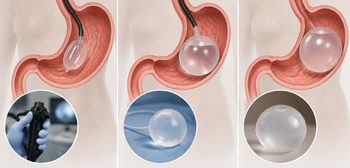
A gastric balloon works by creating a temporary space in the stomach, reducing its capacity to help patients feel full sooner and consume fewer calories. There are three main types:
-
Endoscopic gastric balloons: Inserted into the stomach via a minimally invasive endoscopic procedure under light sedation. Once in place, the balloon is filled with saline to occupy space and slow digestion.
-
Swallowable or capsule gastric balloons: Ingested as a capsule that inflates automatically in the stomach, providing a non-endoscopic option for creating fullness.
-
Adjustable gastric balloons: Placed endoscopically and can be inflated or deflated after placement to optimize comfort and effectiveness.
All types function by reducing gastric volume, slowing gastric emptying, and promoting satiety. This article focuses on the endoscopic gastric balloon, which is the standard clinical method for precise placement, reliable results, and structured follow-up care.
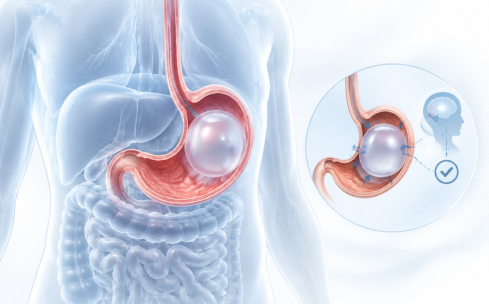
(i) Image illustrating the main gastric balloon types
Ideal candidate for a gastric balloon: key factors to consider
You may be a suitable candidate if you:
-
Have a Body Mass Index (BMI) between 27–35 with previous unsuccessful weight loss attempts.
-
Are motivated to follow dietary and lifestyle programs alongside the balloon.
-
Are aged 18–65 with no contraindicating gastrointestinal conditions.
-
Have no active stomach ulcers, severe reflux, or previous bariatric surgery that may interfere with balloon placement or safety.
Gastric balloon procedure: step-by-step
A gastric balloon placement follows a clinically supervised protocol to ensure safety and effectiveness:
Consultation:
Comprehensive evaluation of medical history, weight, lifestyle, and suitability for the gastric balloon.
Preparation:
Administration of mild sedation and positioning for comfort and safety.
Balloon insertion via endoscopy:
The deflated balloon is guided into the stomach under visual control to ensure precise placement.
Balloon inflation:
The balloon is filled with sterile saline to the prescribed volume, creating a space that limits food intake.
Post-procedure monitoring:
Observation for a short period to ensure patient stability before discharge, with guidance on diet, hydration, and activity restrictions.
Recovery after gastric balloon: timeline and main stages
Recovery is gradual, with patients adapting diet and activity while weight loss progresses.
Immediately after:
Mild nausea, bloating, or abdominal discomfort is normal. Patients may be advised to follow a liquid diet initially.
First week:
Gradual introduction of soft foods; monitoring for intolerance or persistent discomfort.
Weeks 2–4:
Patients adapt to the balloon; early weight loss begins. Diet progression and light physical activity are encouraged.
1–6 months:
Continued weight loss is monitored, and follow-up visits ensure proper adjustment and support. The balloon is typically removed after 4–6 months, depending on the treatment plan.
Recovery tips after gastric balloon placement
To optimize results and reduce complications:
-
Follow dietary guidelines and stay hydrated.
-
Avoid strenuous activity for the first few days.
-
Monitor for persistent vomiting, severe abdominal pain, or other unusual symptoms.
-
Attend all scheduled follow-up appointments for weight tracking and balloon management.
Potential risks of gastric balloon treatment to be aware of
Gastric balloons are generally safe under medical supervision, but some temporary reactions may occur:
-
Common effects: Nausea, vomiting, abdominal discomfort, or bloating.
-
Specific risks: Balloon deflation, migration, or reflux.
-
Rare risks: Gastric perforation, obstruction, or intolerance requiring early removal.
Proper medical supervision, patient adherence, and follow-up care significantly reduce these risks.
Why Choose KEIT Day Hospital for a Gastric Balloon?
KEIT Day Hospital is a hospital facility dedicated to aesthetic surgery in Tirana, Albania, founded in 2011 by Dr. Skerdilajd Faria. With over 23,000 procedures performed, KEIT Day Hospital has developed a structured model of care that combines the expertise of healthcare professionals, hospital infrastructure, medical technologies, safety protocols, and patient monitoring.
For gastric balloon treatment, the patient pathway requires a different approach from traditional aesthetic surgery. The treatment involves the temporary placement of a device inside the stomach, generally through an endoscopic procedure without surgical incisions. Safety and effectiveness depend on appropriate patient selection, the experience of the medical team, the choice of device, and a care programme that supports weight loss, balloon removal, and long-term maintenance of results.
1. Hospital infrastructure dedicated to cosmetic surgery
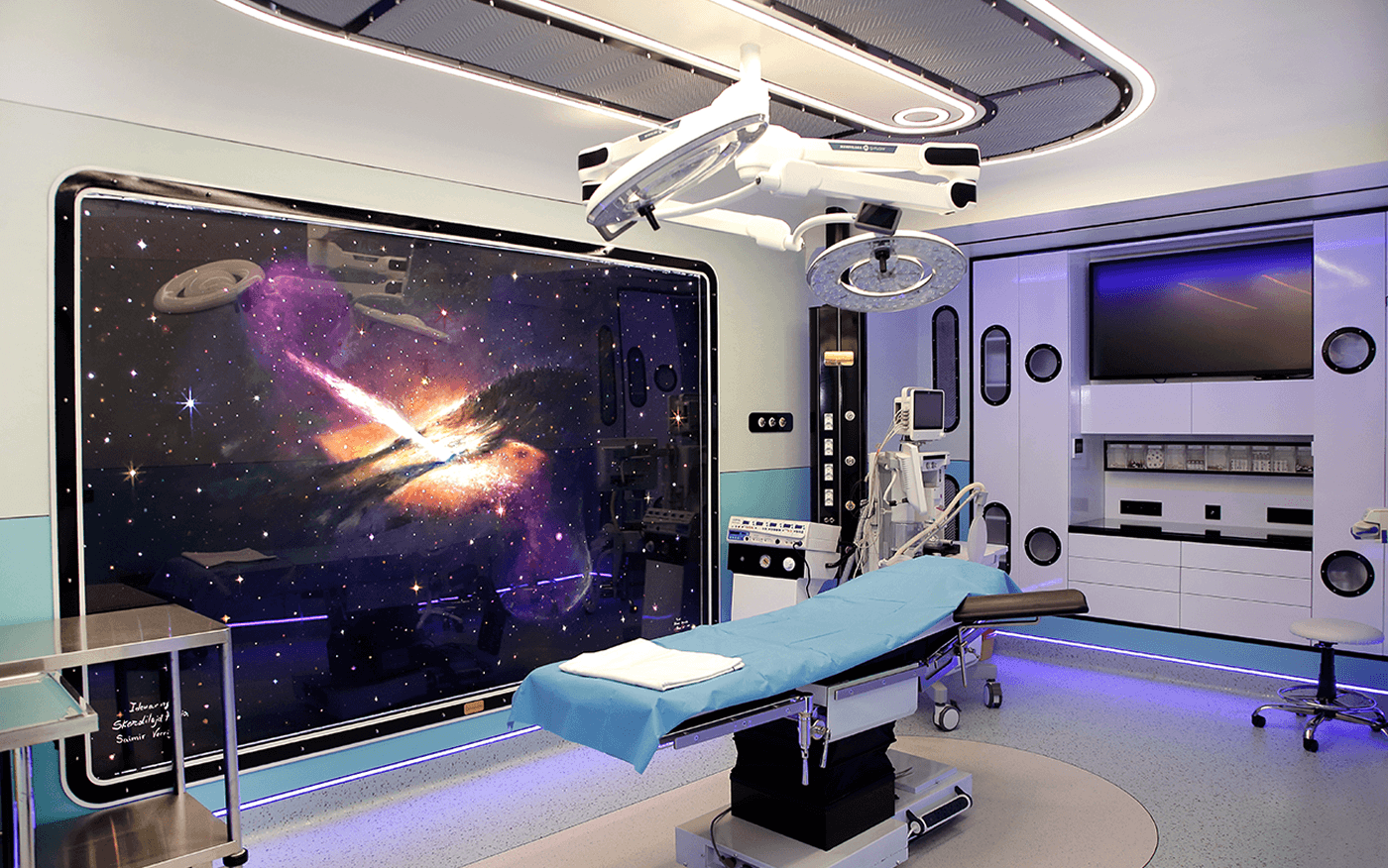
KEIT Day Hospital has 3 operating theatres, 2 inpatient wards with 10 rooms and 20 beds, an in-house laboratory, and a postoperative...
KEIT Day Hospital has 3 operating theatres, 2 inpatient wards with 10 rooms and 20 beds, an in-house laboratory, and a postoperative resuscitation room, allowing surgical procedures and postoperative care to be organised within the same facility.
The operating theatres are equipped with ventilation systems featuring HEPA filters, laminar airflow above the operating table, and positive air pressure. These technologies help control air quality and reduce the risk of contamination in the surgical environment. The facilities also include electric operating tables, Surgiris LED surgical lighting systems, Karl Storz surgical instruments, and modern equipment for monitoring patients' vital signs.
The inpatient rooms are also designed to support patient safety and care during recovery. In addition to centralised oxygen supply and medical suction systems, they feature three alarm systems: a bedside device, a portable wrist-worn device, and intelligent sensors integrated into the bed and room environment. These systems alert healthcare staff when a patient requires assistance or when a situation requiring assessment is detected.
For gastric balloon treatment, in addition to general hospital infrastructure, it is essential to have appropriate endoscopic equipment, monitoring systems for use during sedation, and instruments for placing and subsequently removing the device. The availability and specifications of this equipment must be verified according to the balloon model used and the planned treatment protocol.
2. Surgeons selected according to their specialisation and experience
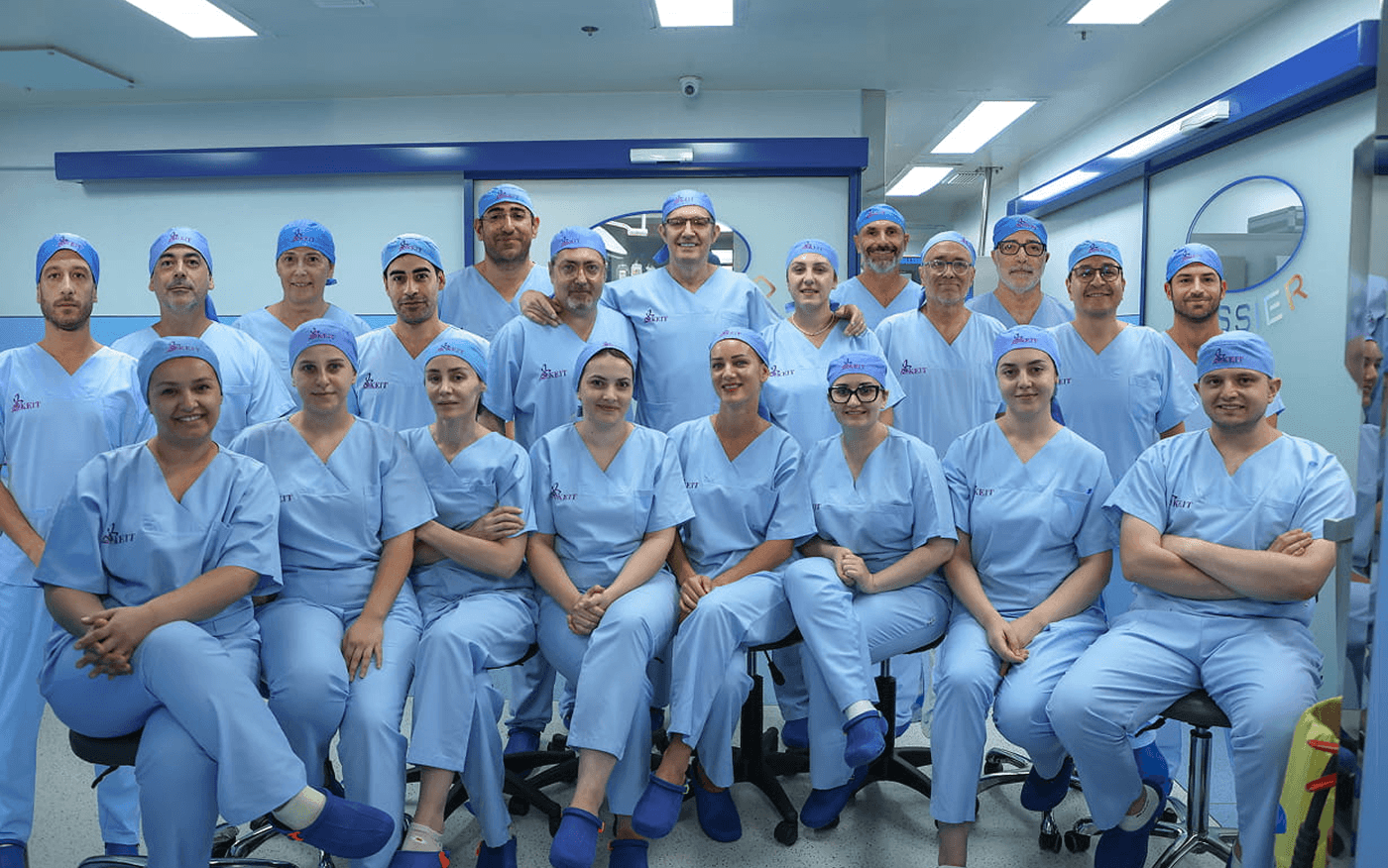
KEIT Day Hospital works with an international team of approximately 30 surgeons, including 27 Italian surgeons, specialising in plastic surgery, otolaryngology, and...
KEIT Day Hospital works with an international team of approximately 30 surgeons, including 27 Italian surgeons, specialising in plastic surgery, otolaryngology, and oral and maxillofacial surgery. A distinguishing feature of the clinic's organisation is the selection of medical professionals according to their specialisation and experience in the specific procedure.
For endoscopic gastric balloon treatment, placement and removal require specific expertise in gastrointestinal endoscopy. The doctor must be familiar with the device's characteristics, the indications and contraindications for treatment, and the management of potential complications. Assessing body weight and metabolic health also requires a multidisciplinary approach, which may involve specialists in gastroenterology, clinical nutrition, and obesity management.
The choice of gastric balloon must be personalised according to the patient's body mass index (BMI), medical history, stomach condition, and weight-loss goals. It is also important that patients receive realistic information about expected results, treatment duration, and the need to change their eating habits to maintain the benefits after the device has been removed.
The surgeons at KEIT Day Hospital regularly attend international congresses, training courses, and conferences to update their professional knowledge and stay informed about scientific developments and surgical techniques within their respective specialities.
3. Comprehensive medical assessment before surgery
At KEIT Day Hospital, preparation for surgical procedures involves a structured medical assessment process. According to the clinic's protocol, every patient undergoing...
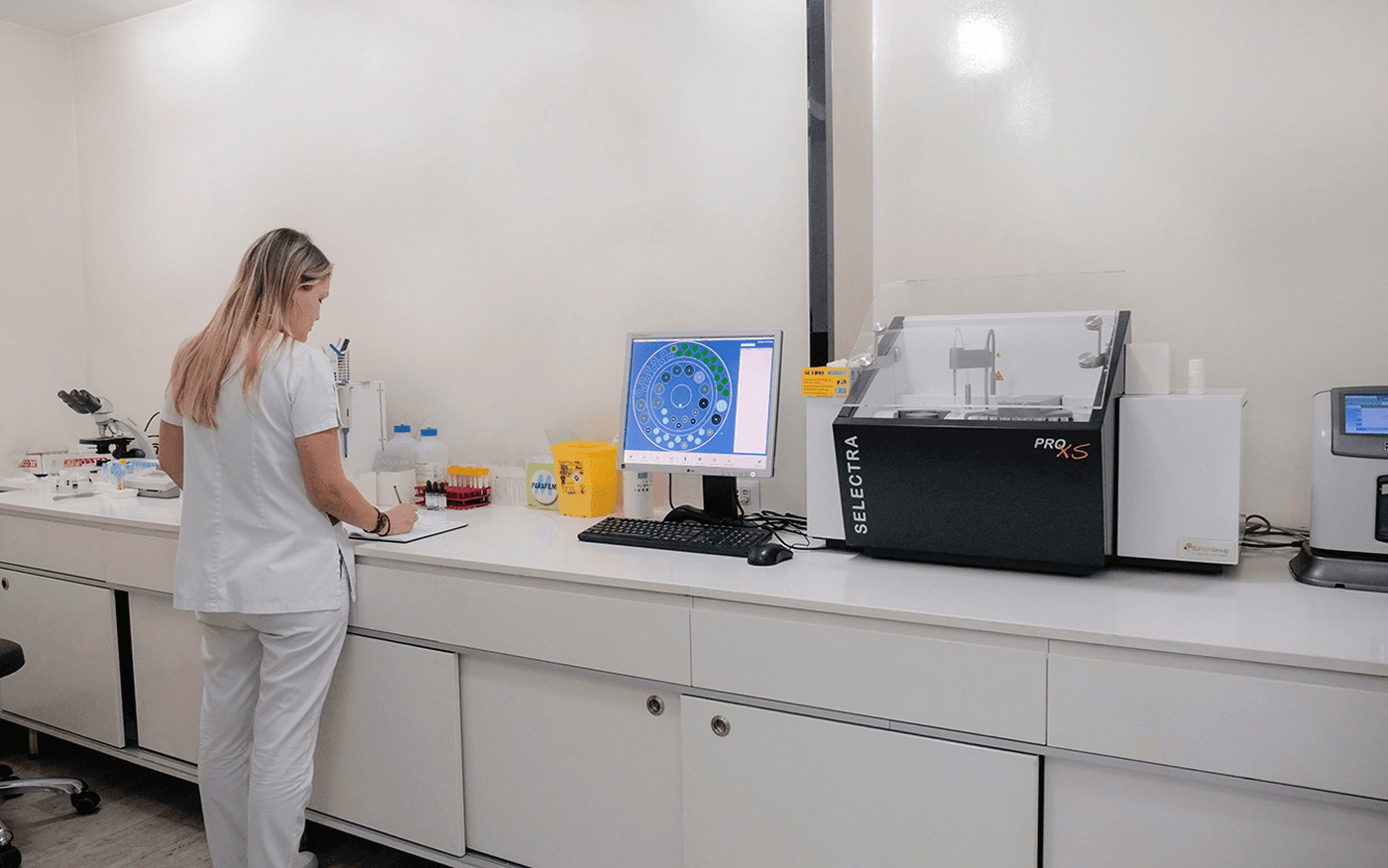
At KEIT Day Hospital, preparation for surgical procedures involves a structured medical assessment process. According to the clinic's protocol, every patient undergoing surgery has at least two consultations with the surgeon, an anaesthesiology assessment, a cardiology assessment, blood and urine tests, and an electrocardiogram (ECG). These examinations are coordinated within the facility, which has an in-house laboratory for preoperative testing. For gastric balloon treatment, which is not a traditional surgical procedure, the necessary examinations must be determined according to the device, the planned sedation, and the patient's individual medical condition.
The preliminary assessment includes reviewing body mass index, weight history, eating habits, and any previous attempts at weight loss. Particular attention is paid to gastrointestinal conditions, such as gastric ulcers, significant oesophagitis, or severe gastro-oesophageal reflux, as well as any previous stomach surgery that could contraindicate placement of the device.
The doctor also considers the presence of metabolic conditions, medications being taken, psychological health, and the patient's ability to follow dietary recommendations and attend scheduled follow-up appointments. When necessary, additional investigations, including an endoscopic assessment, may be requested.
This approach helps determine whether a gastric balloon is an appropriate option or whether other therapeutic strategies would be preferable. The objective is to identify a treatment compatible with the patient's health condition, avoid procedures that are not indicated, and establish realistic expectations regarding weight loss.
4. Advanced sterilisation and infection prevention protocols
KEIT Day Hospital follows infection control protocols developed in collaboration with specialists in infectious diseases and microbiology, with organised inspections of clinical...
KEIT Day Hospital follows infection control protocols developed in collaboration with specialists in infectious diseases and microbiology, with organised inspections of clinical environments and sterilisation processes. Air filtration systems undergo regular maintenance and replacement, while operating theatres are cleaned and disinfected after every procedure.
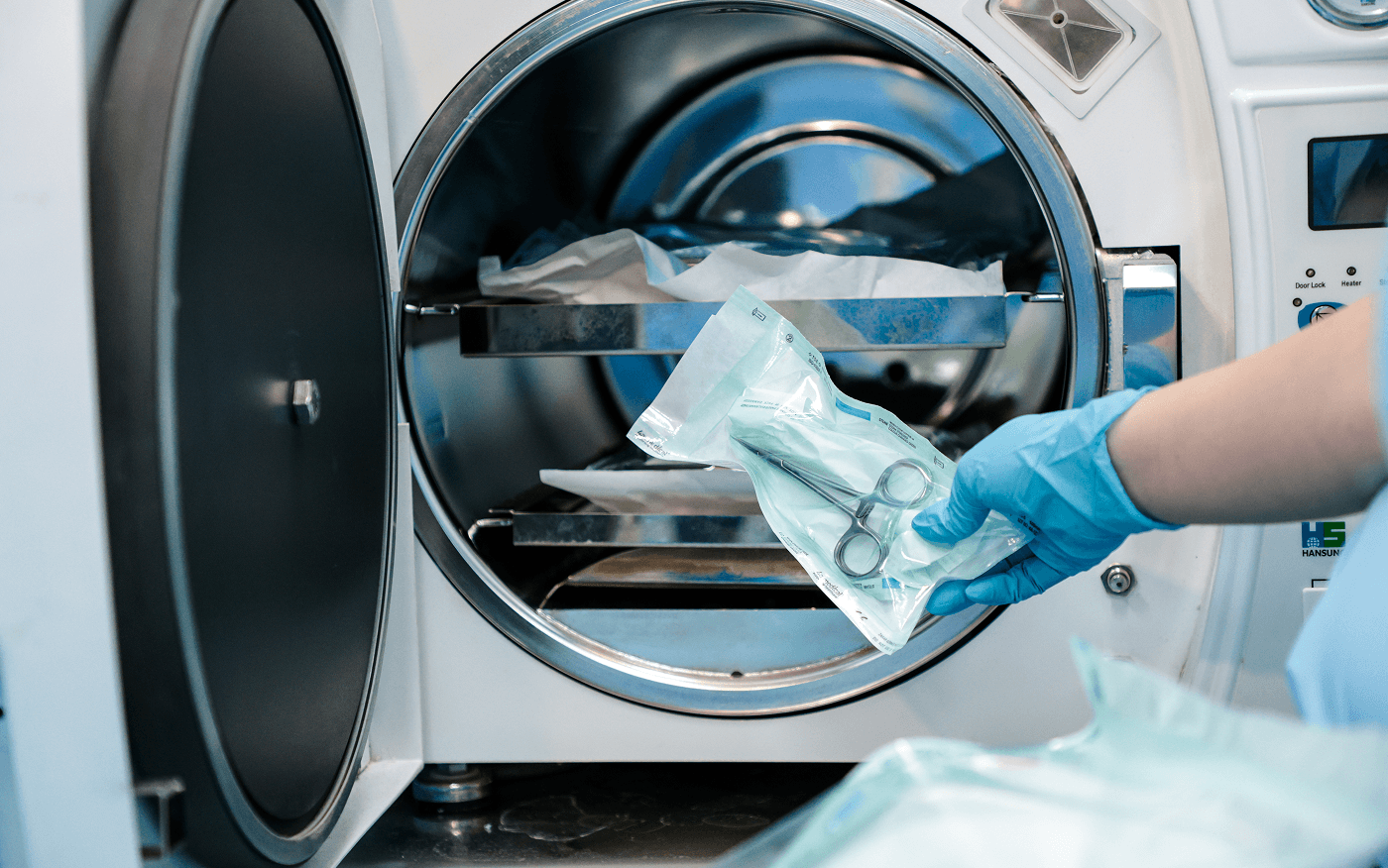
For endoscopic gastric balloon treatment, infection control also requires specific procedures for reprocessing reusable endoscopic instruments through validated cleaning and high-level disinfection processes, or sterilisation when required for the device. Single-use materials must be used according to the manufacturer's instructions, while the traceability of the balloon and instruments used contributes to treatment documentation. Together, these measures form an important part of infection prevention and safety management during invasive procedures.
5. Sedation,continuous monitoring, and emergency preparedness
At KEIT Day Hospital, surgical procedures requiring general anaesthesia are performed, according to the clinic's protocol, using TIVA (Total Intravenous Anaesthesia), a...
At KEIT Day Hospital, surgical procedures requiring general anaesthesia are performed, according to the clinic's protocol, using TIVA (Total Intravenous Anaesthesia), a technique based on the intravenous administration of anaesthetic medications. This technique may support recovery from anaesthesia and help reduce postoperative nausea and vomiting, depending on the patient's characteristics and the anaesthetic protocol used.
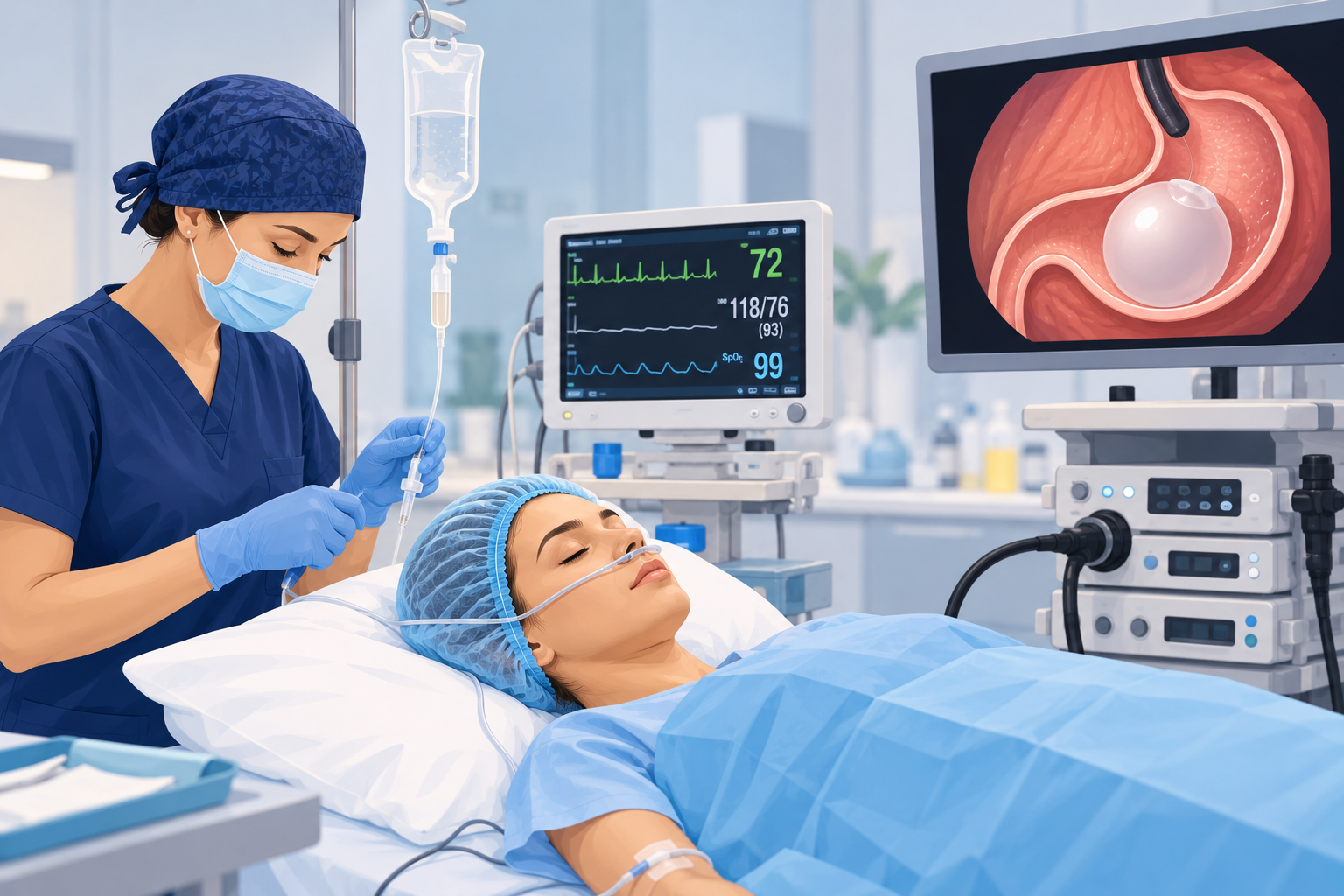
However, endoscopic gastric balloon placement does not necessarily require general anaesthesia. It may be performed under sedation, with the depth of sedation determined by the patient's medical condition, the type of device, and the complexity of the procedure. During treatment, it is important to monitor breathing, oxygenation, heart rate, and other parameters specified by the anaesthetic protocol.
KEIT Day Hospital has General Electric equipment for monitoring vital signs in all three operating theatres, centralised systems for oxygen distribution, compressed air, and medical suction, as well as equipment for difficult airway management, cardiac defibrillators, emergency medications, and backup power and medical gas supply systems.
To manage potential emergencies, KEIT Day Hospital also has a postoperative resuscitation room equipped with a ventilator, multiparameter monitors, a defibrillator, intravenous infusion pumps, and other equipment for supporting vital functions. According to the clinic's reported history, this room has not yet been used to treat major complications, but it remains equipped and ready for use in the event of unforeseen circumstances.
For gastric balloon treatment, it is particularly important to establish a pathway for managing gastrointestinal complications, including persistent intolerance, dehydration, balloon deflation or migration, and situations requiring early endoscopic removal.
6. Personalised care and follow-up for up to one year after surgery
At KEIT Day Hospital, patient care continues after the surgical procedure or treatment has been completed. For surgical procedures, patients generally spend...
At KEIT Day Hospital, patient care continues after the surgical procedure or treatment has been completed. For surgical procedures, patients generally spend one night at the hospital, during which they are monitored and cared for by healthcare staff. In the case of gastric balloon treatment, however, patients may be discharged on the same day when their medical condition allows and they tolerate the initial recovery period adequately.
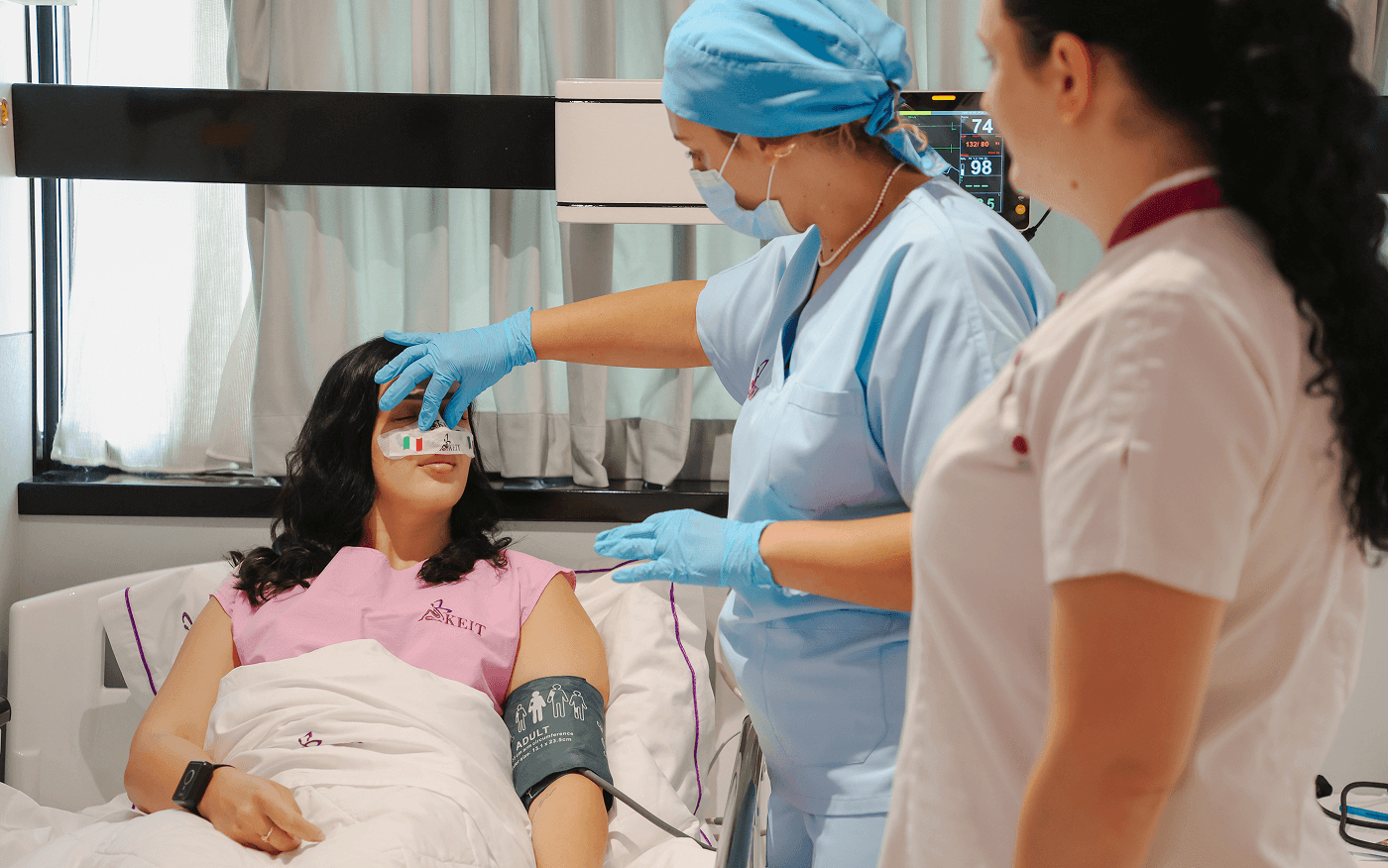
According to the clinic's surgical care model, each patient is supported after discharge by four professionals: a coordinator, a nurse responsible for dressings and wound care, a doctor, and the operating surgeon. Surgical follow-up appointments are generally scheduled at 1, 3, 6, and 12 months. For gastric balloon treatment, however, a specific follow-up schedule must be established, tailored to the duration of the device and the progress of weight loss.
During the first few weeks, care focuses primarily on the stomach's adaptation to the balloon, managing nausea and vomiting, maintaining hydration, and gradually reintroducing foods. In the following months, follow-up appointments allow the medical team to monitor weight, assess tolerance of the device, and adjust the nutritional programme when necessary.
Follow-up care also includes planning balloon removal within the period specified by the manufacturer and establishing a strategy to maintain the results achieved. Because the device is temporary, dietary and behavioural support remains important even after its removal, when patients must continue independently managing the habits developed during treatment.
KEIT Day Hospital also provides patients with an emergency contact number, available 24 hours a day, 7 days a week, to request assistance if needed after the procedure.
7. Official guarantee, transparency, and comprehensive medical documentation
One of the defining features of the services provided at KEIT Day Hospital is the emphasis on transparency and documentation throughout the...
One of the defining features of the services provided at KEIT Day Hospital is the emphasis on transparency and documentation throughout the surgical process. A complete medical record is prepared for every procedure, documenting preoperative assessments, the procedure performed, the techniques used, and information relating to postoperative recovery.
The clinic also uses photographic documentation taken before and after aesthetic procedures to monitor the development of results, in accordance with personal data protection requirements and medical confidentiality. For gastric balloon treatment, results are primarily monitored by recording body weight, body mass index, clinical progress, and response to treatment.
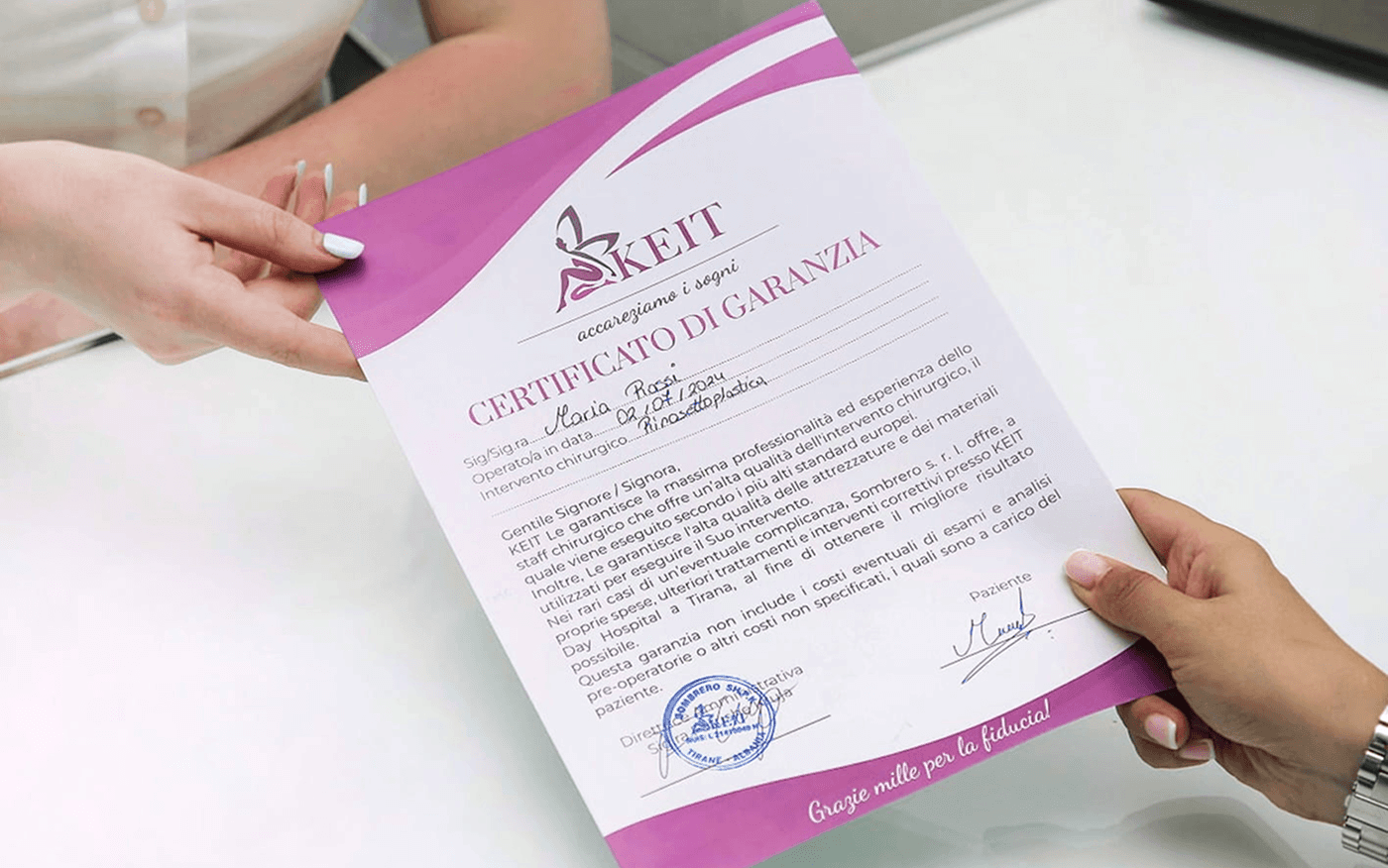
Each patient receives a service contract, an official invoice, and an informed consent form, which is sent before the procedure to allow sufficient time to review information about the treatment, potential risks, benefits, and alternative treatment options. For gastric balloon treatment, the documentation should also specify the device model, the maximum period it may remain in the stomach, the removal schedule, and the circumstances that could require early removal.
KEIT Day Hospital also provides an Official Guarantee Certificate for the surgical procedures to which it applies. This certificate defines the clinic's responsibilities and the conditions under which expenses may be covered in the event of complications during or after surgery, as specified in the document. For gastric balloon treatment, the potential applicability of the guarantee and its specific conditions must be confirmed before treatment, allowing patients to understand the applicable terms, responsibilities, and any limitations of coverage in advance.
FAQ
Frequently asked questions
How long does the balloon stay in the stomach?

The balloon remains for 4–6 months, depending on the treatment plan and patient progress.
How much weight can I expect to lose?
Patients can generally lose 10–20% of their initial body weight when combined with lifestyle and dietary guidance.
Is the procedure painful?
Placement is minimally invasive under mild sedation, with only minor discomfort during recovery.
Can I remove the balloon earlier if needed?
Yes, early removal is possible in case of intolerance, complications, or medical necessity.
Who should avoid a gastric balloon?
Individuals with prior bariatric surgery, stomach ulcers, severe reflux, or certain gastrointestinal conditions should avoid the procedure.