Clinic protocols

Protocols Designed Around Patient Care & Safety
Protocols Designed Around Patient Care & Safety
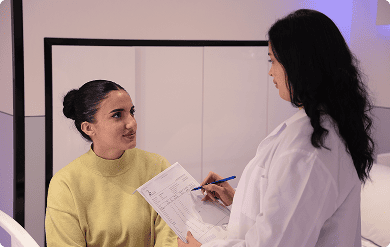 Patient Safety
Defines the preoperative assessment required to determine whether a patient is medically fit to undergo surgery.
 Patient Safety
Ensures patients receive clear information about the procedure, risks, limitations, costs and documentation before providing informed consent.
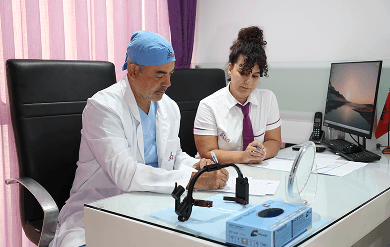 Patient Safety
Defines processes for monitoring clinical quality, reporting incidents and conducting audits to support continuous improvement.
 Surgical Control
Establishes safety checks and traceability requirements for procedures involving implants and prostheses.
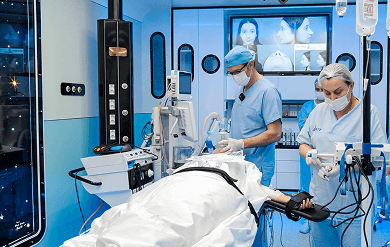 Surgical Control
Defines the coordinated surgical and anaesthetic response to intraoperative emergencies, including patient stabilisation, escalation and documentation.
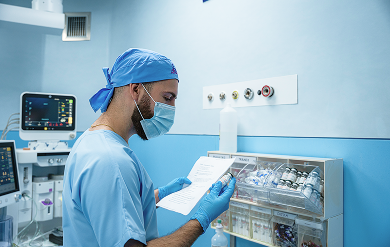 Surgical Control
Standardises Sign In, Time Out, Sign Out and surgical item counts for all procedures performed in the operating theatre.
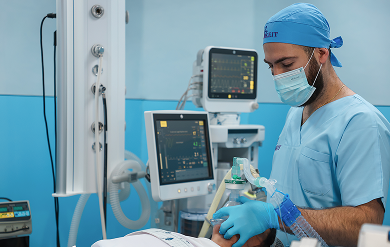 Anaesthetic Safety
Defines the TIVA pathway, including intravenous anaesthesia, dedicated infusion pumps and continuous perioperative monitoring.
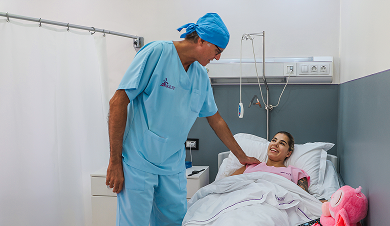 Anaesthetic Safety
Sets out PONV risk assessment, multimodal prophylaxis, postoperative monitoring and rescue treatment.
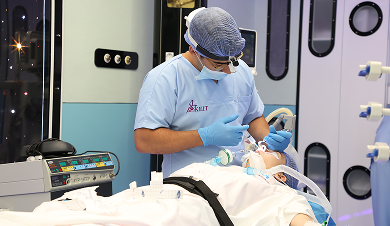 Anaesthetic Safety
Defines the assessment and management of anticipated or unexpected difficult airways.
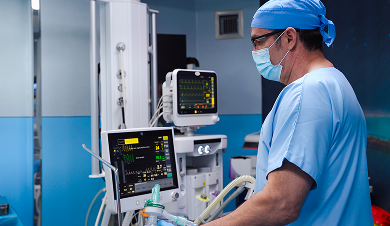 Anaesthetic Safety
Defines the early recognition and emergency management of malignant hyperthermia, including dantrolene administration and intensive monitoring.
 Anaesthetic Safety
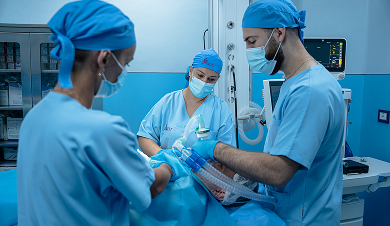
Establishes the team response to anaesthetic emergencies, including early recognition, role assignment, stabilisation and emergency algorithms.
 Anaesthetic Safety
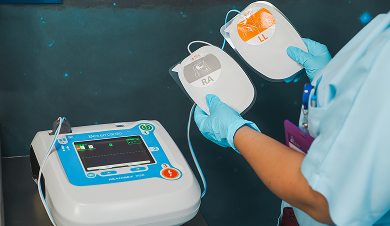
Defines BLS-D / ALS response for in-hospital cardiac arrest, including rapid resuscitation and clinical escalation.
 Hospital Infection Control
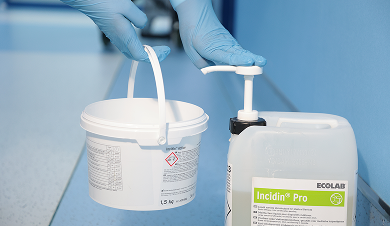
Establishes measures to prevent, identify and control healthcare-associated infections within the facility.
 Hospital Infection Control
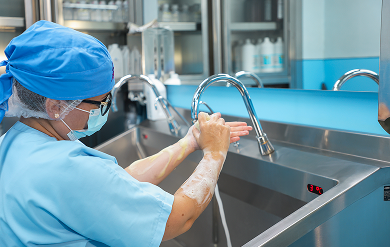
Defines requirements for hand hygiene, sterile barriers and skin preparation to reduce infection risk.
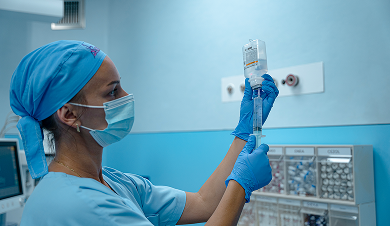 Hospital Infection Control
Defines the appropriate use and timing of antibiotic prophylaxis for surgical procedures.
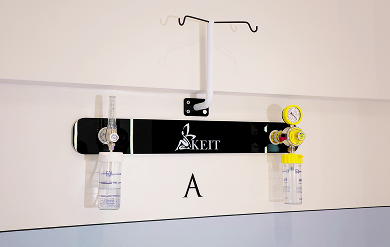 Hospital Infection Control
Sets standards for operating theatre ventilation and Air Handling Unit (AHU) management to maintain controlled air quality.
 Hospital Infection Control
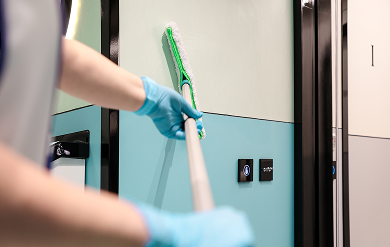
Defines environmental sanitisation procedures and microbiological surveillance to verify cleaning effectiveness.
 Hospital Infection Control
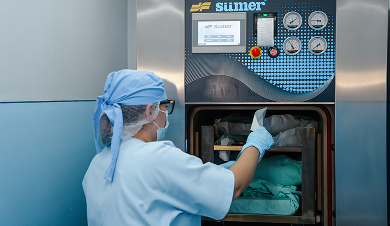
Defines instrument sterilisation, documentation and traceability throughout the reprocessing cycle.
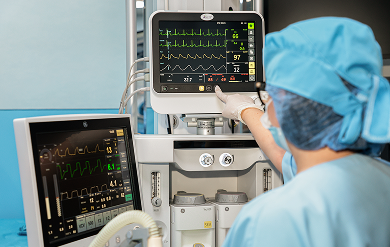 Medication & Equipment
Establishes pre-use checks for the anaesthesia machine and medical equipment to confirm safe operation.
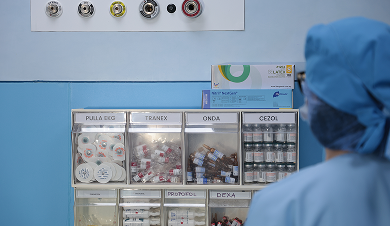 Medication & Equipment
Defines the identification, storage, labelling, double-checking, administration and monitoring of high-risk medications.
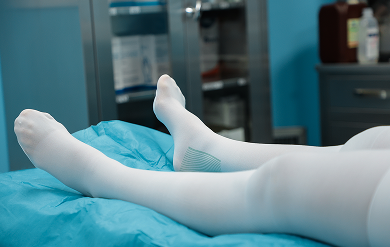 Prevention & Management of Complications
Defines measures for assessing and reducing the risk of venous thromboembolism in surgical patients.
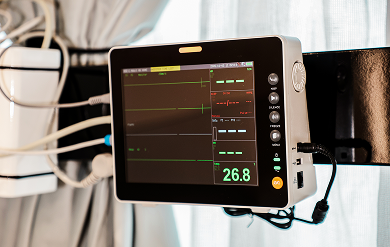 Prevention & Management of Complications
Defines structured PACU handoff, continuous postoperative monitoring, management of early complications and safe discharge criteria.
 Prevention & Management of Complications
Sets procedures for checking alarm systems, responding to ward emergencies, clinical escalation and documenting response times.
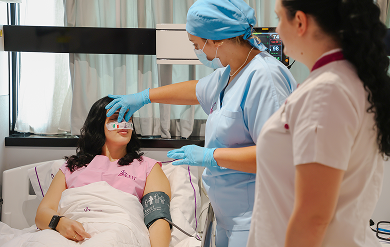 Prevention & Management of Complications
Defines postoperative follow-up, warning-sign communication, clinical triage, complication management and documentation after discharge.
 Prevention & Management of Complications
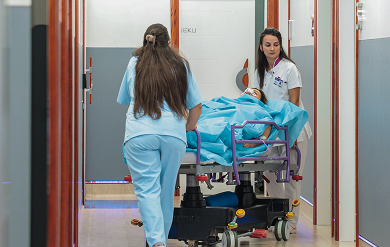
Defines patient stabilisation, transfer preparation, receiving-facility communication, supported transport and structured clinical handoff.
 Prevention & Management of Complications
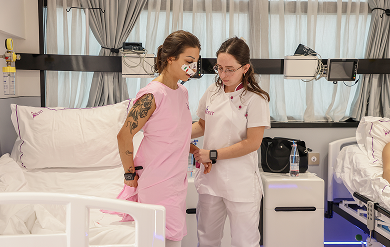
Defines fall-risk assessment, assisted mobilisation, environmental precautions and event reporting for postoperative patients.
 Facility Safety
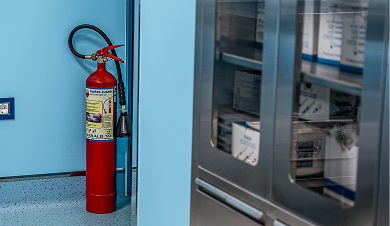
Defines fire-prevention measures and emergency response procedures for the operating theatre.
 Facility Safety
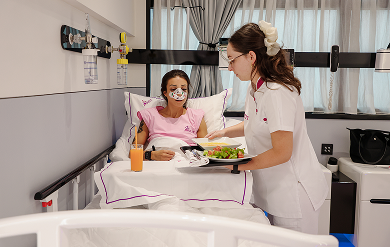
Defines HACCP controls for the preparation, storage, transport and distribution of patient meals, including special diets and traceability.
 Facility Safety
Defines occupational risk assessment, PPE use, exposure management, accident reporting and staff safety training.
At KEIT Day Hospital, every procedure follows written clinical protocols, from the first consultation to full recovery. They cover seven areas: patient safety, surgical control, anesthesia safety, hospital infections control, medication and devices, prevention and treatment of complications, and facility safety.
KEIT is an ISO certified, licensed Day Hospital. The same protocols apply to every service, whether it is rhinoplasty, a hair transplant, dental implants or an aesthetic treatment, and they are followed by our medical team at every stage of your care.