 4.9 Rating | 23.000+ Procedures | European Medical Team
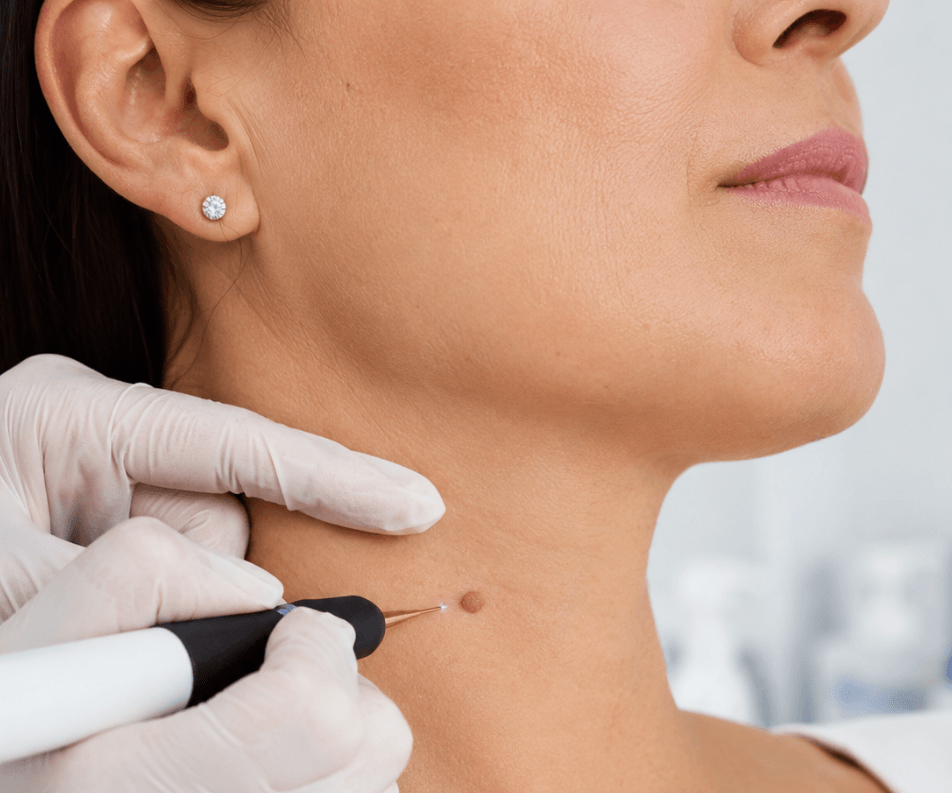
Table of contents:

Plasma arch explained: how the treatment works
Ideal candidate for plasma arch: key factors to consider
Plasma arch session: step-by-step
Treating xanthelasma with plasma arch treatment
Removing moles with plasma arch treatment
Plasma arch treatment for wart removal
Removing calluses with plasma arch treatment
Plasma arch before and after: recovery timeline
Recovery tips after plasma arch for smooth healing
Potential risks of plasma arch to be aware of
Why choose KEIT Day Hospital for plasma arch treatment?
In this article, you will learn how plasma arch works, who is best suited for the treatment, and what to expect during each step of the session. You will also discover how plasma arch is used for treating xanthelasma, moles, warts, and calluses, how the skin heals afterward, how long results last, which risks to consider, and why KEIT Day Hospital is a trusted choice for safe, precise, and long-lasting correction of lesions, wrinkles, and localized skin laxity.
Book your FREEOnline Consultation Now
Plasma arch explained: how the treatment works
Plasma arch works by ionising the gas in the air to generate a small, focused plasma spark that lightly interacts with the skin surface. This controlled micro-arch vaporises targeted tissue, allowing accurate removal of moles, fibromas, skin tags and warts. When used for rejuvenation, it creates microscopic thermal points that contract the skin and stimulate fibroblast activity, encouraging the production of new collagen and elastin. This makes plasma arch particularly effective in delicate areas such as the eyelids, upper lip and crow’s feet.
Ideal candidate for plasma arch: key factors to consider
You may be a suitable candidate if you:
-
Have benign skin lesions (moles, skin tags, fibromas, warts).
-
Want to treat wrinkles, fine lines or mild skin laxity.
-
Seek non-surgical eyelid tightening or improvement of smoker’s lines.
-
Have no active skin infections or inflammation in the treated area.
Plasma arch session: step-by-step
A plasma arch session follows a structured medical protocol to ensure precision and comfort:
Consultation:
Skin and lesions are evaluated to determine suitability.
Preparation:
The area is cleansed and numbed with topical anesthetic cream.
Plasma application:
The device creates small plasma points to remove lesions or contract tissue for tightening.
Refinement:
The practitioner checks symmetry, coverage and correction.
Protection:
Steri-strips or healing ointments are applied.
A standard session lasts 15–30 minutes, but multiple or larger areas may require 30–90 minutes, including anesthesia time.
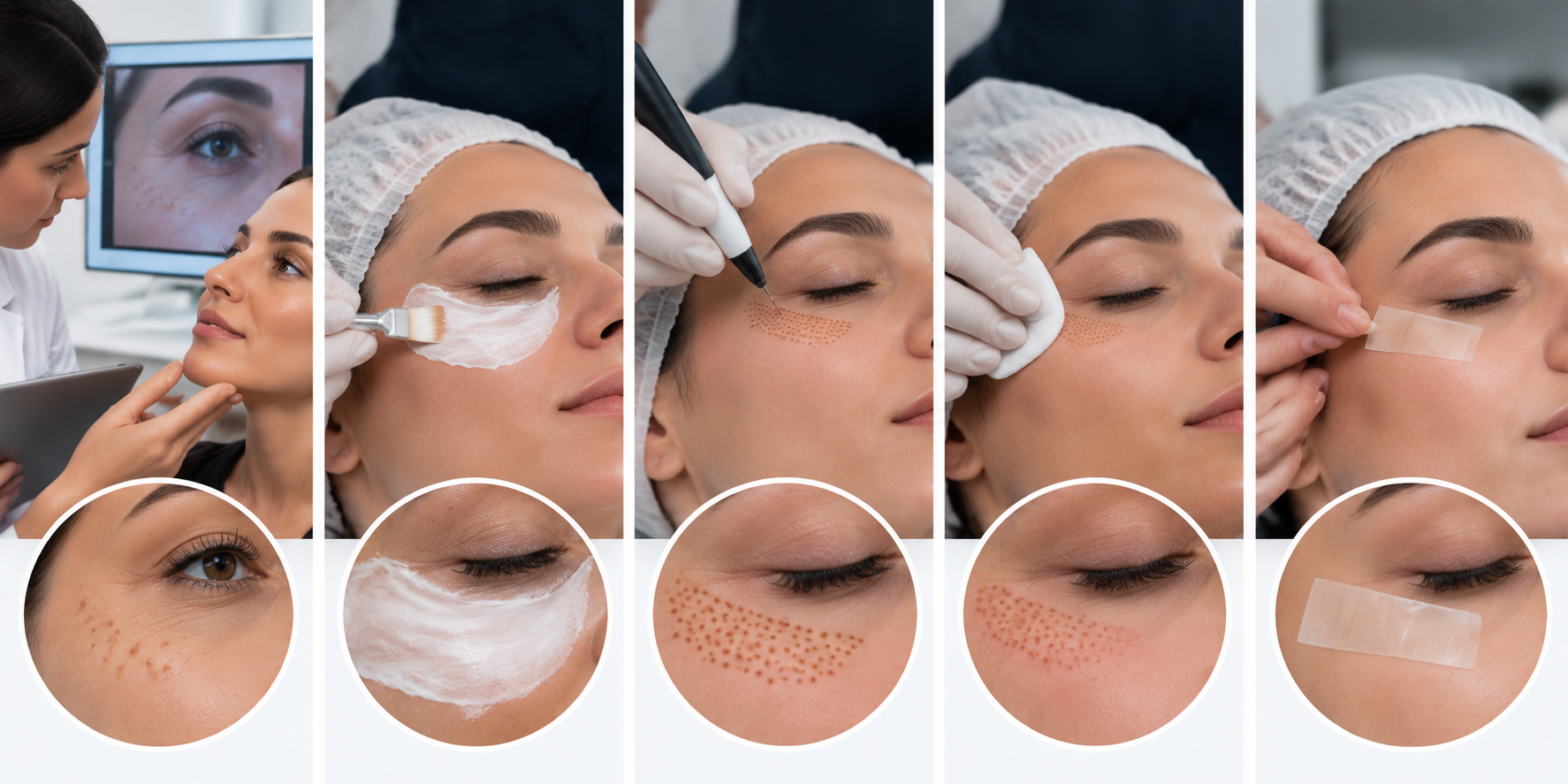
(i) Image illustrating the plasma arch treatment
Treating xanthelasma with plasma arch treatment
Plasma arch therapy effectively removes xanthelasma (cholesterol deposits on the eyelids) by using a focused plasma micro-arch to vaporize the lesions without damaging the surrounding skin. This procedure offers precise targeting, minimal scarring, and rapid healing, making it highly suitable for delicate areas, such as the eyelids.
Removing moles with plasma arch treatment
Plasma arch therapy allows precise removal of benign moles by delivering a controlled plasma arch that vaporizes the lesion without affecting surrounding skin. The procedure minimizes bleeding, reduces the risk of scarring, and promotes rapid healing, making it a safe and effective option for mole removal on sensitive or visible areas.
Plasma arch treatment for wart removal
Plasma arch treatment removes warts by delivering a precise plasma arch that targets the lesion without harming surrounding tissue. This minimally invasive approach reduces bleeding, minimizes scarring, and accelerates healing, making it effective for treating warts on sensitive or exposed areas.
Removing calluses with plasma arch treatment
Plasma arch therapy removes calluses by precisely vaporizing thickened skin layers without damaging surrounding healthy tissue. The treatment provides targeted correction, reduces discomfort, and promotes faster healing, making it effective for calluses on the feet, hands, or other pressure-prone areas.
Plasma arch before and after: recovery timeline
Healing progresses through clear stages:
Immediately after:
Small brown crusts appear at each plasma point and mild warmth is normal.
Days 1–3:
Crusts dry and slight swelling may occur, especially around the eyes.
Days 4–7:
Crusts fall naturally, revealing fresh pink skin.
Weeks 2–4:
Redness reduces and skin becomes smoother and more even.
Weeks 8–12:
Final tightening appears as collagen and elastin regenerate.
Lesion removal is permanent, while tightening continues to improve. If more sessions are needed, they must be spaced 6–12 weeks apart.
Recovery tips after plasma arch for smooth healing
To ensure optimal healing:
-
Apply gentamicin or another topical antibiotic for several days.
-
Use steri-strips or dressings as advised.
-
Avoid washing the area for 24–48 hours.
-
Do not pick crusts; let them fall naturally.
-
Avoid sun exposure and apply SPF 50 daily.
-
Avoid heat, sweating and steam until crusts detach.
Potential risks of plasma arch to be aware of
Plasma arch is generally safe when performed by trained professionals, but temporary skin reactions can occur after treatment.
-
Common effects: Redness, swelling, warmth, small crusts and mild tenderness in the treated area.
-
Specific reactions: Temporary tightness, pinpoint scabbing or uneven healing if the skin is irritated, dehydrated or exposed to sun too early.
-
Rare risks: Post-inflammatory hyperpigmentation, infection, delayed healing or small marks if aftercare is not followed correctly.
Proper skin assessment, precise application and strict aftercare help reduce these risks.
Why choose KEIT Day Hospital for plasma arch treatment?
KEIT Day Hospital is a healthcare facility dedicated to surgery and aesthetic medicine in Tirana, Albania, founded in 2011 by Dr Skerdilajd Faria. With over 23,000 procedures performed across the KEIT brand's various areas of activity, the facility combines medical expertise, professional technologies, safety protocols and personalised patient care.
Plasma arch treatment is performed as part of KEIT Day Hospital's aesthetic medicine services, with the support of a multidisciplinary medical team and equipped hospital infrastructure. The treatment process includes an assessment of skin lesions and skin condition, selection of the areas to be treated, planning of energy application and monitoring of healing. The aim is to correct selected skin imperfections, treat certain benign lesions and improve localised skin laxity while respecting anatomical characteristics and the safety of surrounding tissues.
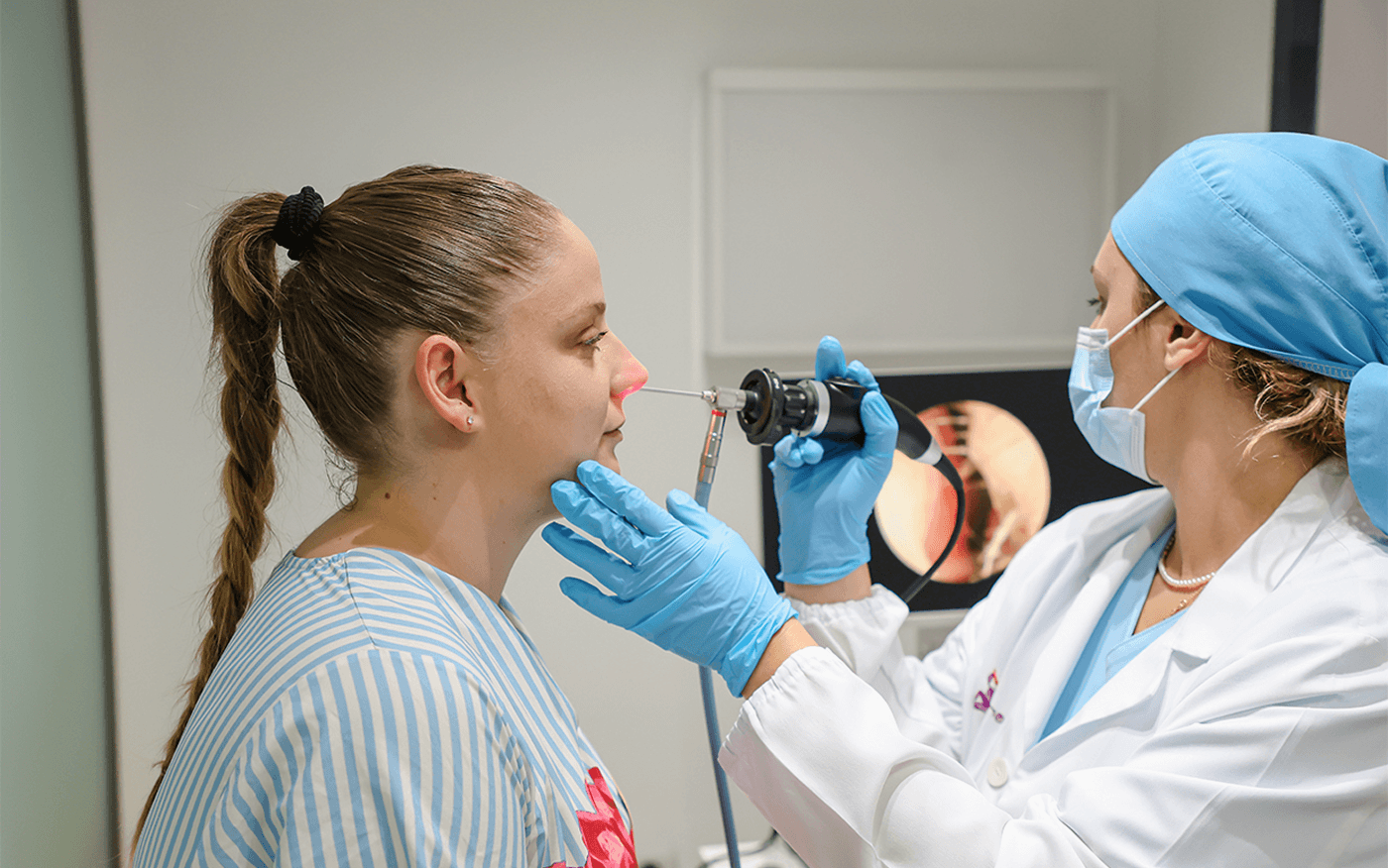
1. Dedicated aesthetic medicine facilities and technologies for skin correction
KEIT Day Hospital has clinical facilities dedicated to aesthetic medicine treatments, organised to ensure appropriate standards of hygiene, procedural precision and patient...
KEIT Day Hospital has clinical facilities dedicated to aesthetic medicine treatments, organised to ensure appropriate standards of hygiene, procedural precision and patient comfort.
For plasma arch treatment, the doctor assesses the size, location and characteristics of the areas requiring correction, using devices that generate a micro-plasma arch to produce a controlled thermal effect on the skin surface. The intensity and distribution of the application points are determined according to the type of treatment and the sensitivity of the affected area.
The organisation of the clinical facilities and the availability of medical resources allow the different stages of the procedure to be managed, from skin preparation to protection of the treated area and observation immediately afterwards.
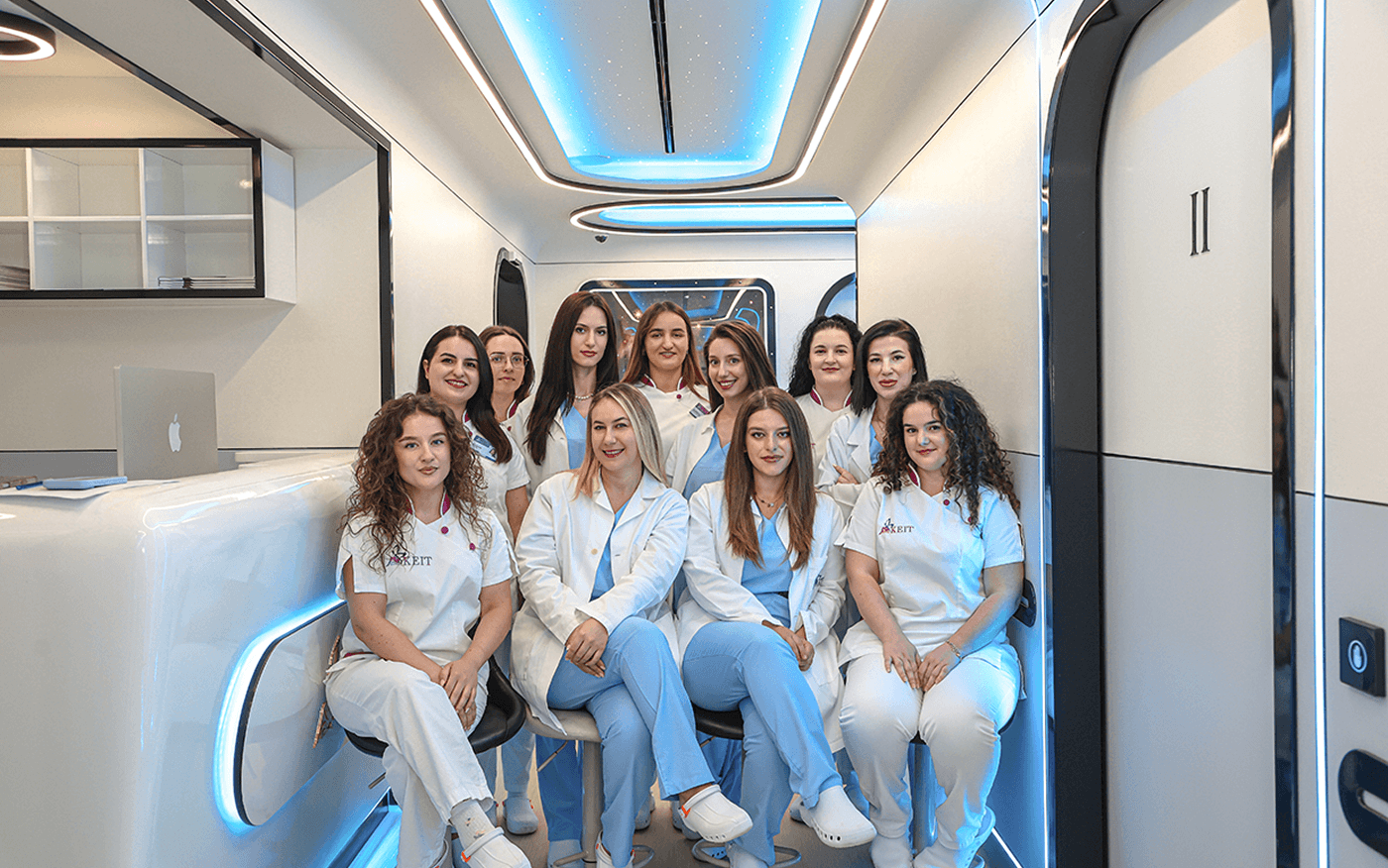
2. Qualified doctors and multidisciplinary medical team support
KEIT Day Hospital works with medical professionals experienced in aesthetic medicine, skin anatomy and the use of devices for superficial thermal treatments....
KEIT Day Hospital works with medical professionals experienced in aesthetic medicine, skin anatomy and the use of devices for superficial thermal treatments. For plasma arch treatment, knowledge of skin characteristics and surrounding anatomical structures is essential for selecting lesions suitable for treatment, adjusting energy application and limiting the involvement of healthy tissues.
The procedure is personalised according to the nature of the imperfection, skin thickness and anatomical location, with particular attention to delicate areas such as the eyelids and perioral region.
An additional advantage is the presence of a multidisciplinary medical team within KEIT Day Hospital, allowing specialists in dermatology or other medical disciplines to be involved when additional diagnostic assessments or specific medical assistance are required.
3. Medical assessment and personalised aesthetic treatment planning
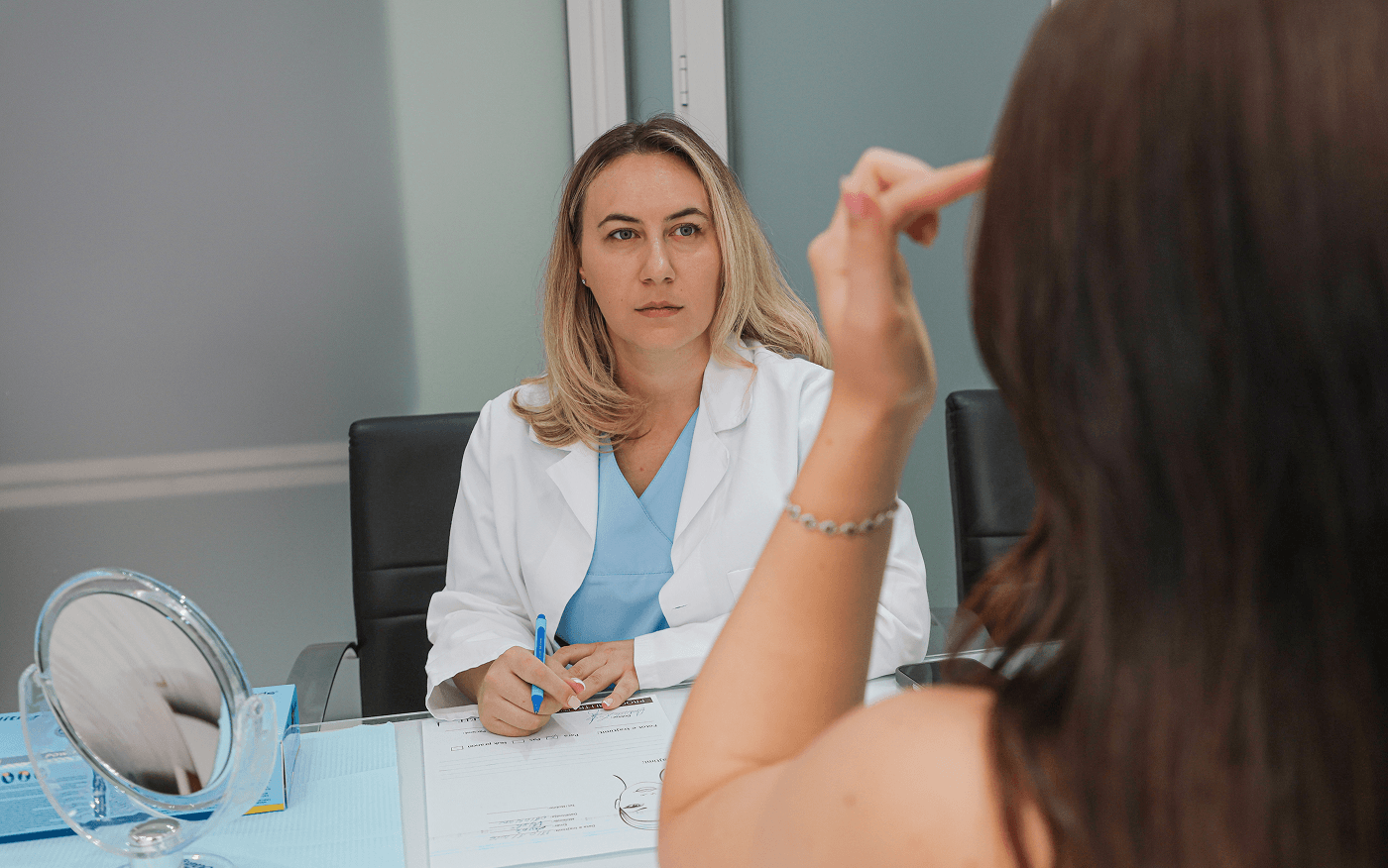
Before plasma arch treatment, the doctor carries out an individual assessment of skin characteristics, the nature of the lesions, their anatomical location...
Before plasma arch treatment, the doctor carries out an individual assessment of skin characteristics, the nature of the lesions, their anatomical location and the patient's expectations. The consultation includes taking a medical history, with particular attention to dermatological conditions, medications being taken, previous treatments, a tendency to develop abnormal scars, skin infections and possible contraindications.
The preliminary assessment makes it possible to distinguish lesions that appear benign from those requiring further diagnostic evaluation. For suspicious or pigmented lesions, an appropriate dermatological assessment is essential before considering any destructive treatment, as vaporisation may prevent subsequent histological examination of the tissue.
The treatment plan is determined according to the clinical indication, the extent of the area and the expected skin response. When plasma arch treatment is not the most appropriate solution, the doctor assesses the available alternatives and discusses their limitations with the patient.
4. Device quality, sterilisation and material traceability
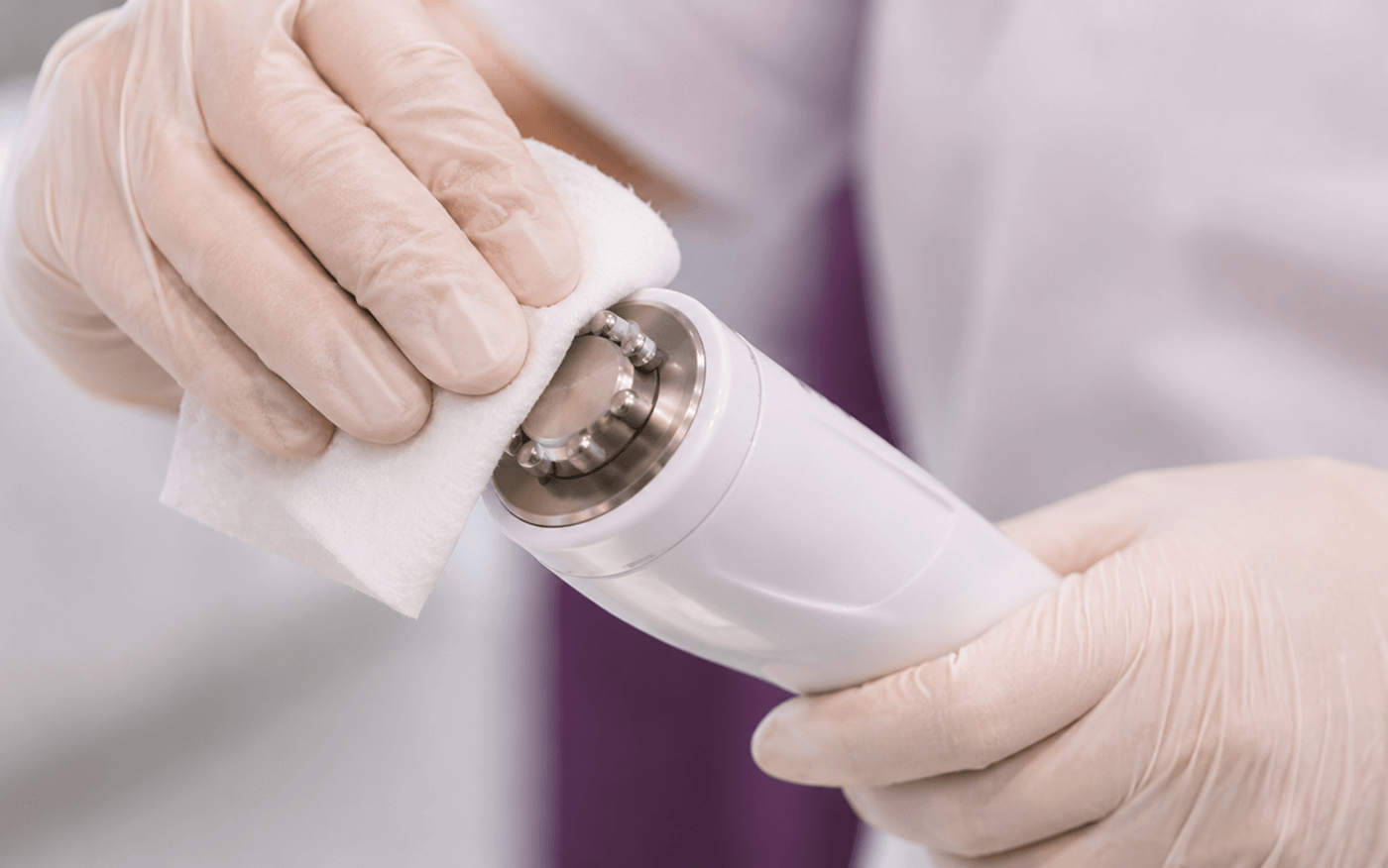
KEIT Day Hospital follows hygiene and infection prevention protocols that include disinfecting clinical areas, skin antisepsis and the proper handling of instruments...
KEIT Day Hospital follows hygiene and infection prevention protocols that include disinfecting clinical areas, skin antisepsis and the proper handling of instruments used during treatments. For plasma arch treatment, particular attention is paid to skin preparation, applicator hygiene and protection of the surrounding areas.
Devices are used according to the manufacturer's instructions, with appropriate checks of operating conditions and maintenance procedures. Accessories that come into contact with the patient are managed using single-use materials or reprocessing procedures compatible with the characteristics of the instrument.
These checks contribute to the safety, hygiene and proper performance of the treatment.
5. Medical safety, complication management, and hospital infrastructure
Plasma arch treatment is a non-surgical procedure that produces controlled thermal micro-injuries on the skin surface. It is generally performed with topical...
Plasma arch treatment is a non-surgical procedure that produces controlled thermal micro-injuries on the skin surface. It is generally performed with topical anaesthesia when indicated. Appropriate patient selection and energy adjustment are essential for limiting the risk of tissue damage.
In addition to temporary effects such as redness, swelling, tenderness and the formation of small scabs, burns, infections, pigmentation changes, scarring or delayed healing may occur. In periocular areas, specific precautions are necessary to protect the eyes and reduce the risk of local complications.
Prompt recognition of abnormal reactions and activation of appropriate medical protocols are essential for managing any complications.
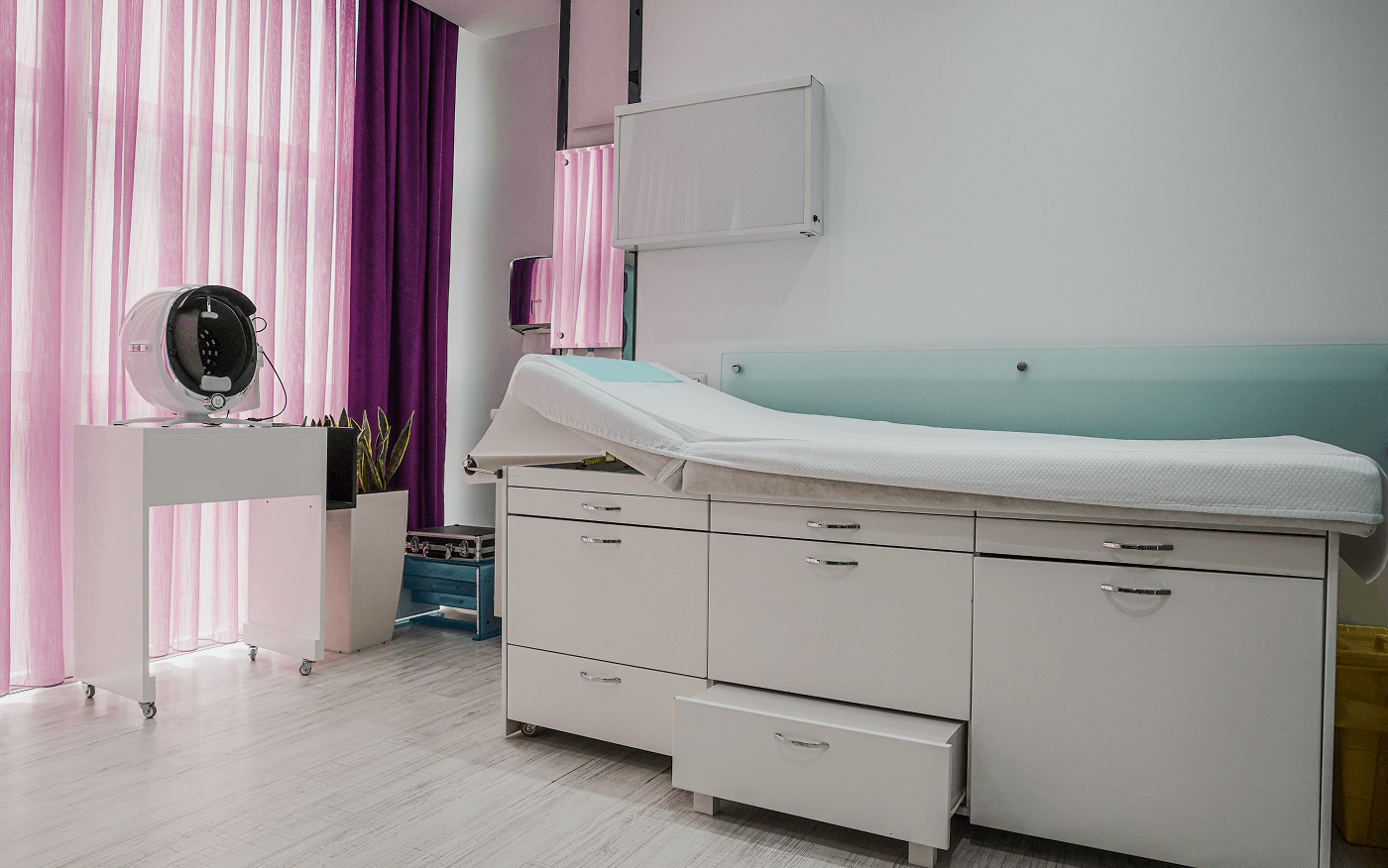
One of KEIT Day Hospital's distinguishing features is the availability of hospital infrastructure and a multidisciplinary medical team. The facility has three equipped operating theatres, specialists in anaesthesia and intensive care, equipment for monitoring vital signs, emergency management devices and a postoperative recovery room. These resources provide additional medical support, alongside the specific protocols required to manage complications associated with thermal skin treatments.
6. Personalised care and follow-up after treatment
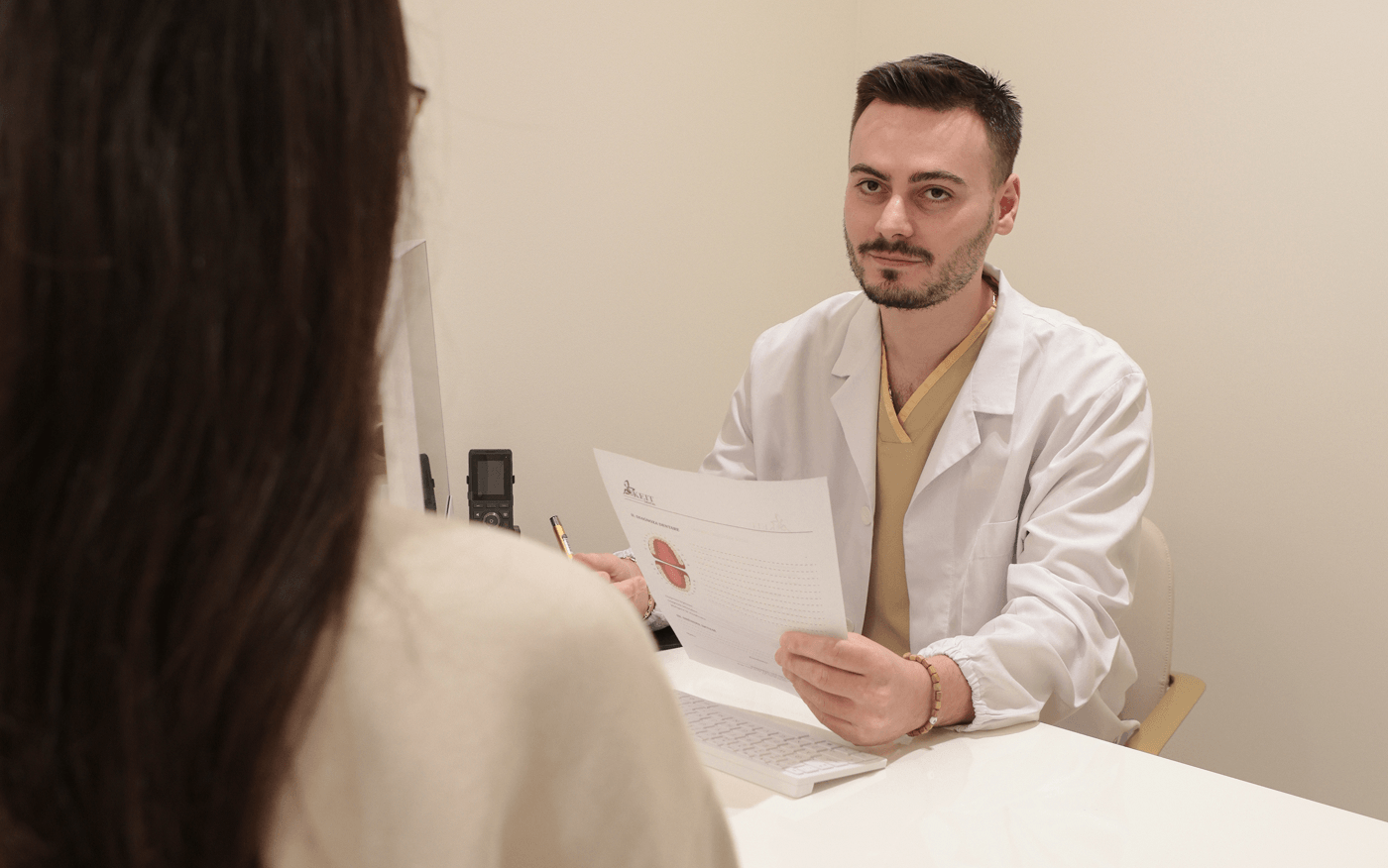
At KEIT Day Hospital, patient care continues after plasma arch treatment has been completed. Patients receive personalised instructions on cleaning the treated...
At KEIT Day Hospital, patient care continues after plasma arch treatment has been completed. Patients receive personalised instructions on cleaning the treated area, protecting the scabs, using prescribed dressings and recognising warning signs that require medical assessment.
Follow-up is determined according to the patient's individual response and the nature of the procedure. Follow-up appointments allow the doctor to assess skin healing, the reduction of redness, the possible presence of pigmentation changes and the result achieved. When indicated, the doctor may schedule further assessments before considering another session.
For international patients, care may also continue remotely through communication with medical staff and guidance on necessary follow-up appointments. KEIT Day Hospital also provides an emergency contact number, available 24 hours a day, 7 days a week.
7. Transparency, informed consent and clinical documentation
KEIT Day Hospital places particular emphasis on transparent information and treatment documentation. Before plasma arch treatment, patients receive explanations about the areas...
KEIT Day Hospital places particular emphasis on transparent information and treatment documentation. Before plasma arch treatment, patients receive explanations about the areas to be treated, the technique used, expected benefits, healing times, potential risks and the possible need for additional sessions.
Clinical documentation records the location and characteristics of the lesions treated, relevant operating parameters and any skin reactions, allowing the progress of healing to be monitored. When appropriate and with the patient's consent, photographic documentation is taken to compare the initial appearance with the treatment result. The informed consent form, treatment quotation and administrative documentation also allow patients to understand the clinical and financial aspects of the procedure before undergoing treatment.
FAQ
Frequently asked questions
How long does a plasma arch session last?

A session lasts 15–30 minutes, but larger or multiple areas may require 30–90 minutes, including numbing time.
How many treatments will I need?
Most lesions require one session, while tightening or wrinkle treatments may need 2–3 sessions. Sessions must be spaced 6–12 weeks apart.
When will I see the final results?
Initial tightening is visible immediately, with full results developing over 8–12 weeks as collagen and elastin regenerate.
Are the results permanent?
Lesion removal results are permanent. Tightening results are long-lasting and typically remain visible for 2–5 years, depending on skin quality and lifestyle.
Is the procedure painful?
No. The treated area is numbed with topical anesthetic cream, making the procedure comfortable with only mild warmth or tingling.