 4.9 Rating | 23.000+ Procedures | European Medical Team
Table of contents:

Hair transplant explained: how the procedure works
Ideal candidate for a hair transplant: key factors to consider
FUE hair transplant technique: precision, natural results and faster recovery
Hair transplant surgery: the journey to your transformation
Hair transplant before and after: results and regrowth
Recovery after a hair transplant: timeline and main stages
Potential risks: what to consider before hair transplantation
Why choose KEIT Hair Clinic for a hair transplant?
In this article, you will learn how hair transplantation works, who is an ideal candidate, and which techniques can deliver natural-looking, long-lasting results. We will also explain what to expect before, during, and after the procedure, including recovery times and potential risks. Finally, we will explore why KEIT Day Hospital in Albania has become one of Europe's leading destinations for advanced hair transplantation with natural-looking, permanent results.
 Book your FREEOnline Consultation Now

Hair transplant explained: how the procedure works
A hair transplant restores natural hair growth through autotransplantation, using your own follicles from areas genetically resistant to baldness. These follicles, called grafts, are extracted one by one and implanted into thinning or bald areas, following the natural angle, depth, and direction of your original hair. The procedure is performed under local anesthesia and lasts between 4 and 8 hours, depending on the number of grafts required. Patients return home the same day and recovery is fast and comfortable.
Ideal candidate for a hair transplant: key factors to consider
Hair transplantation is ideal for patients experiencing pattern baldness, hairline recession, or thinning across the scalp. The best candidates are those who:
-
Have androgenetic alopecia or other stable forms of hair loss.
-
Possess a healthy donor area with dense follicles.
-
Are in good overall health and medically fit for surgery.
-
Have realistic expectations regarding density and outcomes.
A personalized assessment by a specialist determines whether the donor area provides sufficient grafts for optimal, long-lasting coverage.
FUE hair transplant technique: precision, natural results and faster recovery
KEIT Day Hospital specialises in the FUE (Follicular Unit Extraction) hair transplant technique, one of the most advanced hair transplant methods for permanent results. This minimally invasive procedure allows individual hair follicles to be extracted from the donor area and implanted into areas affected by hair loss, following the natural direction and pattern of hair growth.
Micro FUE hair transplant: precise follicular extraction and natural growth
Micro FUE is an advanced form of Follicular Unit Extraction that uses ultra-fine micro-punches, typically measuring 0.6–0.8 mm, to remove individual follicles while minimising trauma to the scalp and avoiding visible linear scars. Each graft is carefully selected, prepared and implanted to achieve natural density and a balanced hairline.
The procedure is performed under local anaesthesia and usually takes 4–8 hours, depending on the number of grafts required. Recovery is generally quick, with mild redness or swelling improving within a few days. New hair growth develops gradually, with visible results appearing within 6–12 months, creating a natural and long-lasting improvement in hair density.
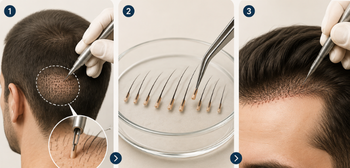
(i) Image illustrating the Micro FUE hair transplant technique
Hair transplant surgery: the journey to your transformation
Your hair transplant journey is structured in several precise phases to guarantee comfort, safety, and consistent results.
Consultation and design:
The process begins with a detailed analysis of your scalp, donor density, and hairline symmetry. The surgeon designs a personalized restoration plan that harmonizes with your facial proportions and aesthetic goals.
Medical evaluation:
Before surgery, you will undergo a complete medical assessment, including blood tests, an ECG, an anesthesiology evaluation and a visit with the cardiologist to ensure you are fully cleared and safe for the procedure.
Pre-operative preparation:
Before surgery day, patients receive complete instructions, including temporary medication restrictions, hair washing guidelines and dietary recommendations to ensure ideal scalp condition and safety.
Procedure day:
The surgery is performed under local anesthesia in a sterile, European-standard operating room. Each follicle is carefully extracted and implanted according to the pre-designed plan. The operation typically lasts between 4 and 8 hours, depending on the graft number.
Hair transplant before and after: results and regrowth
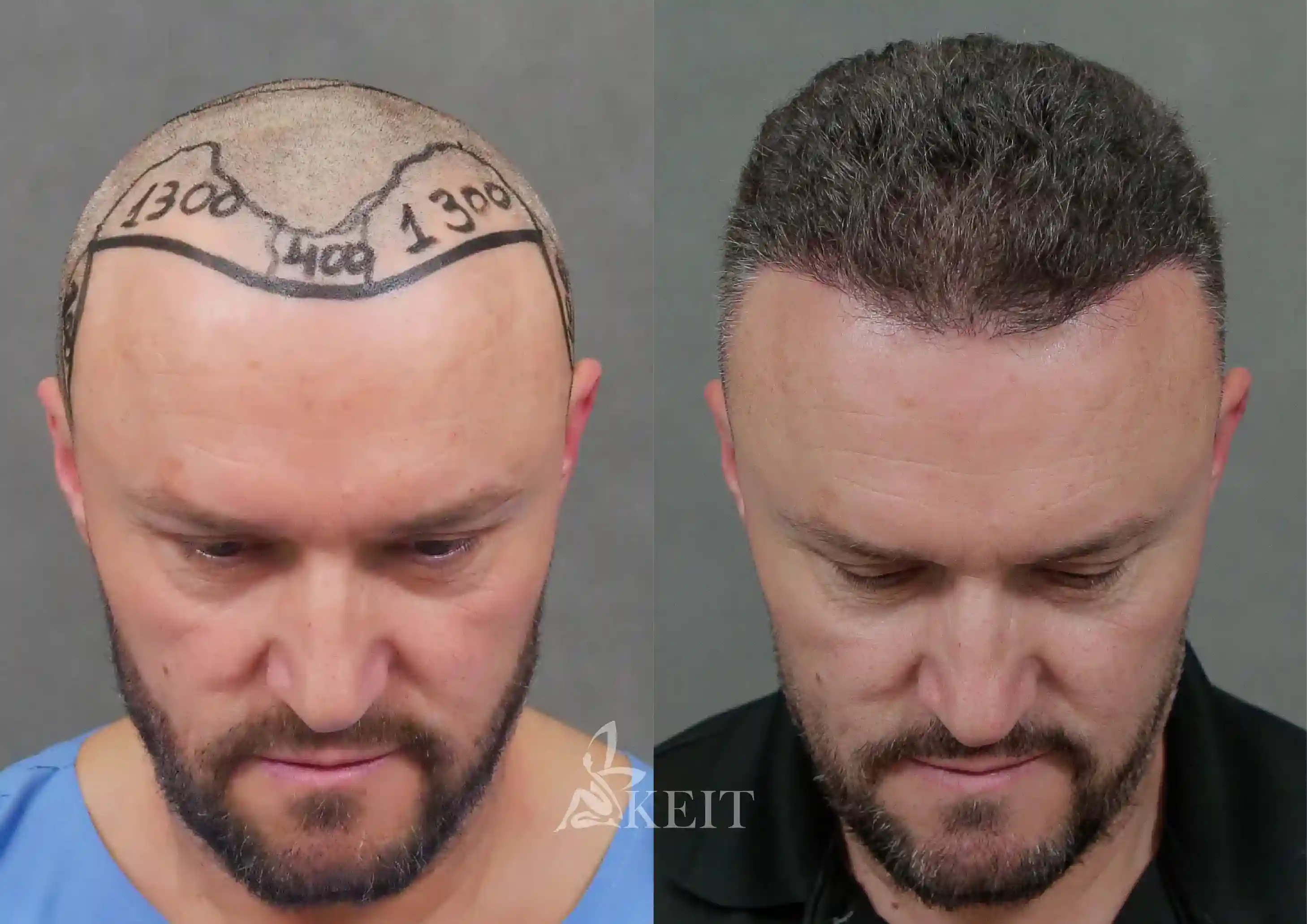
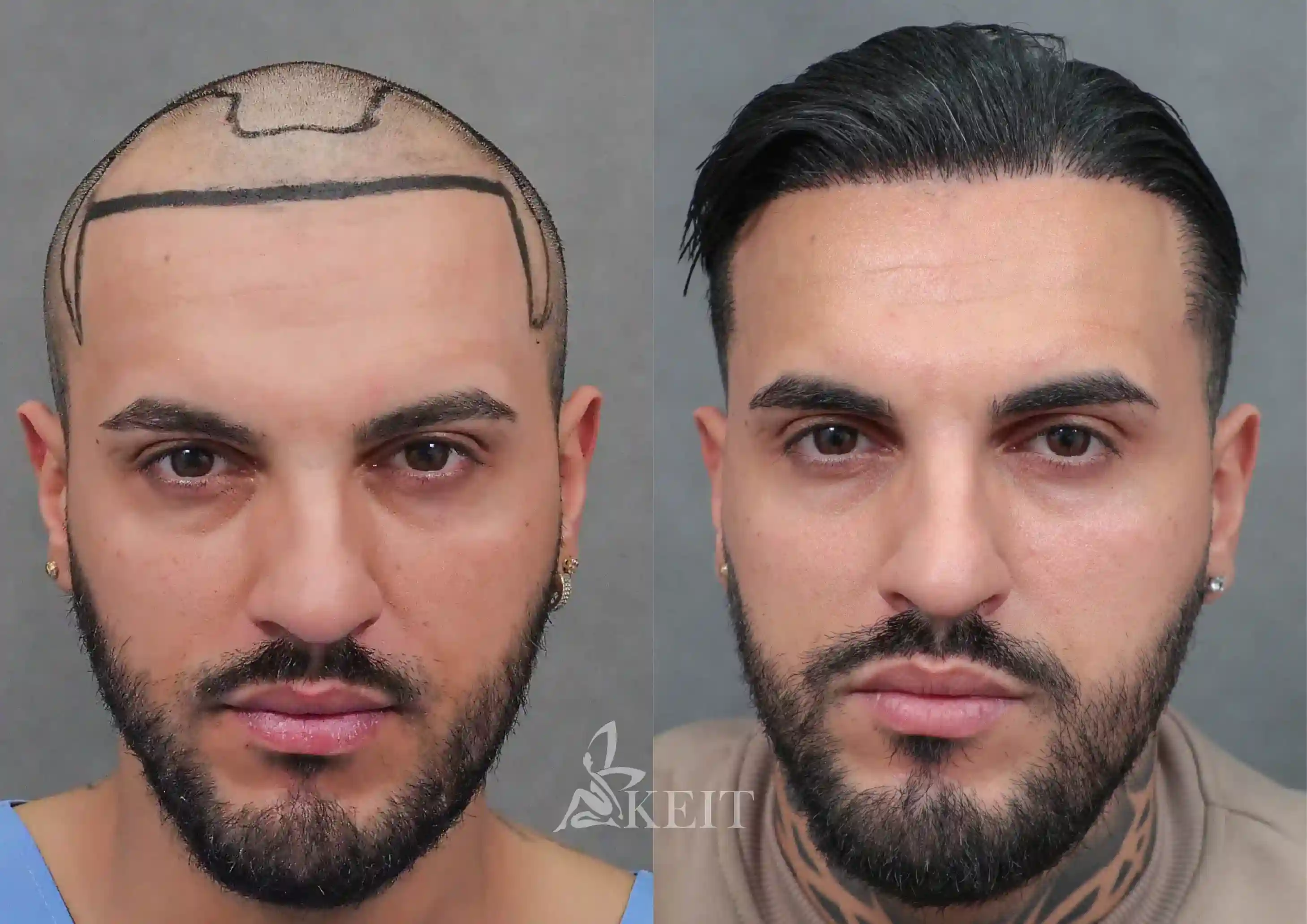
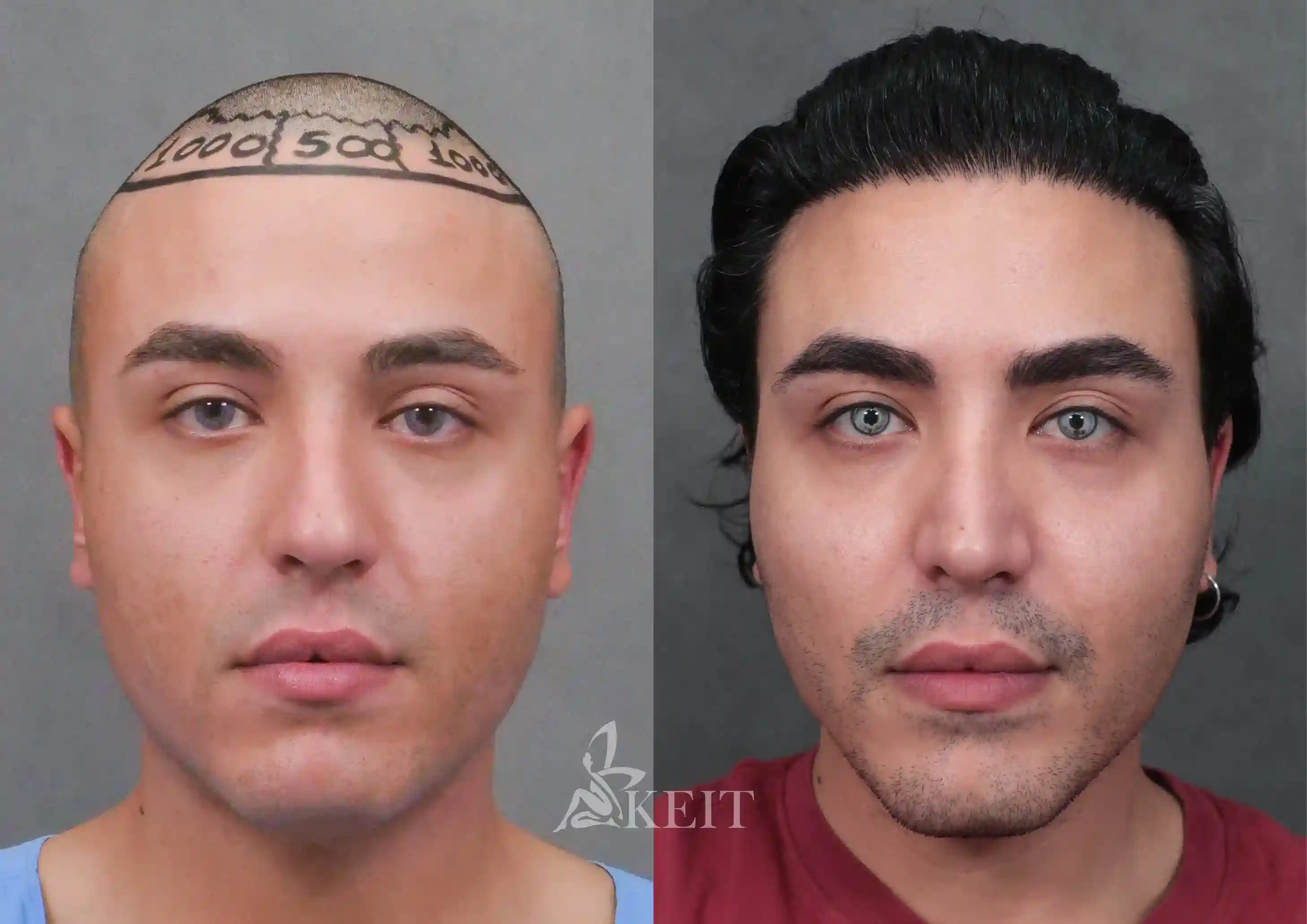
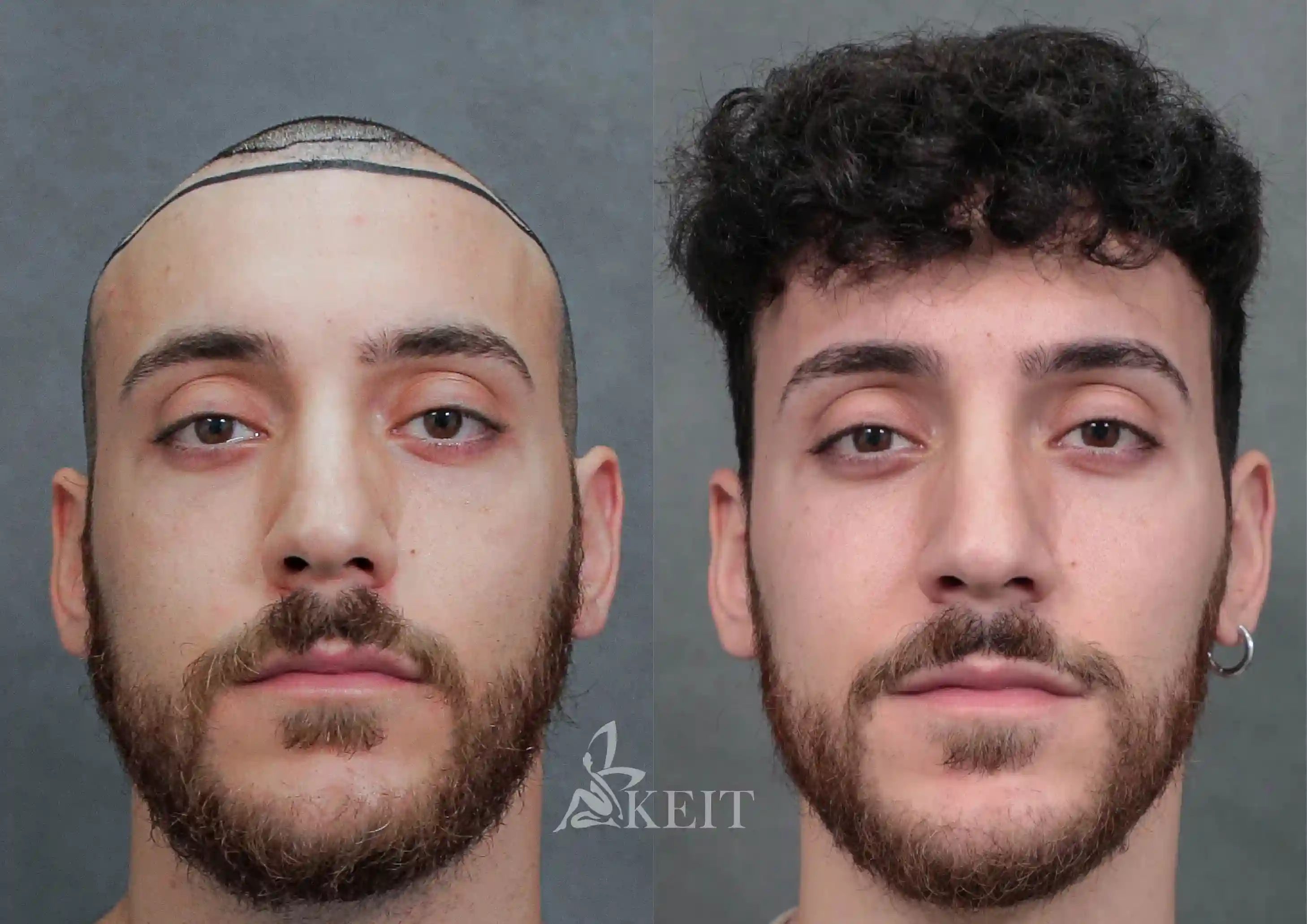
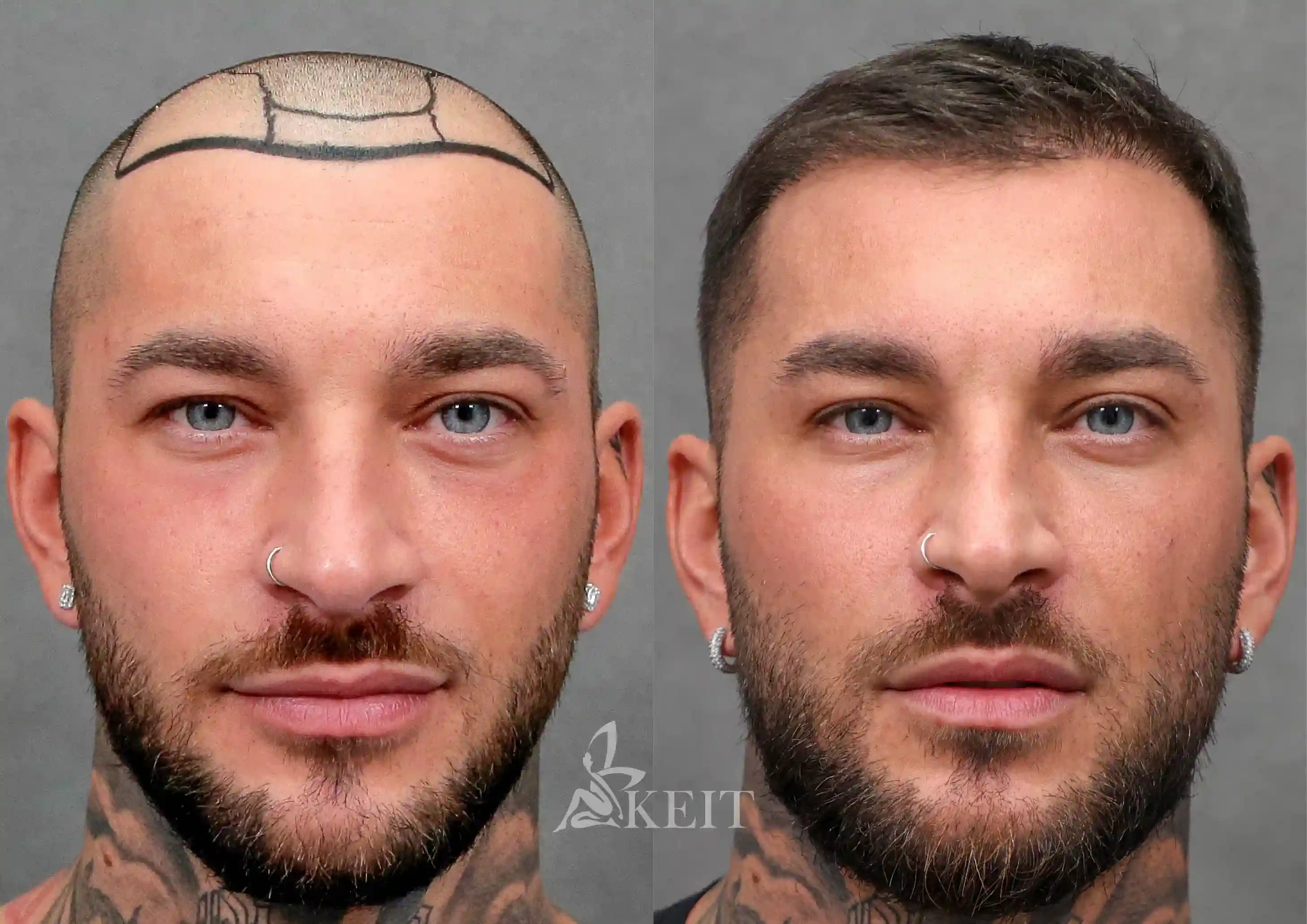
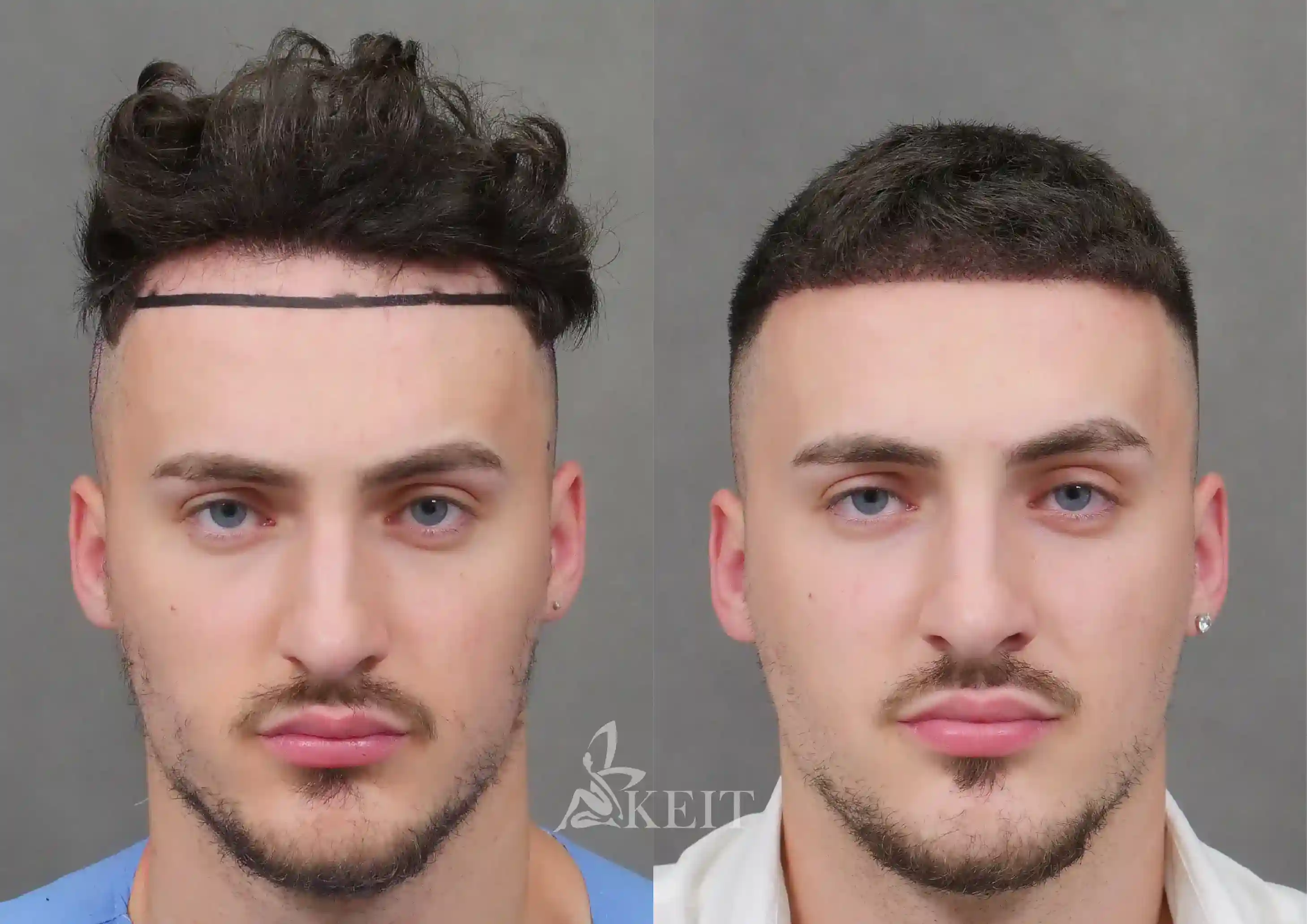
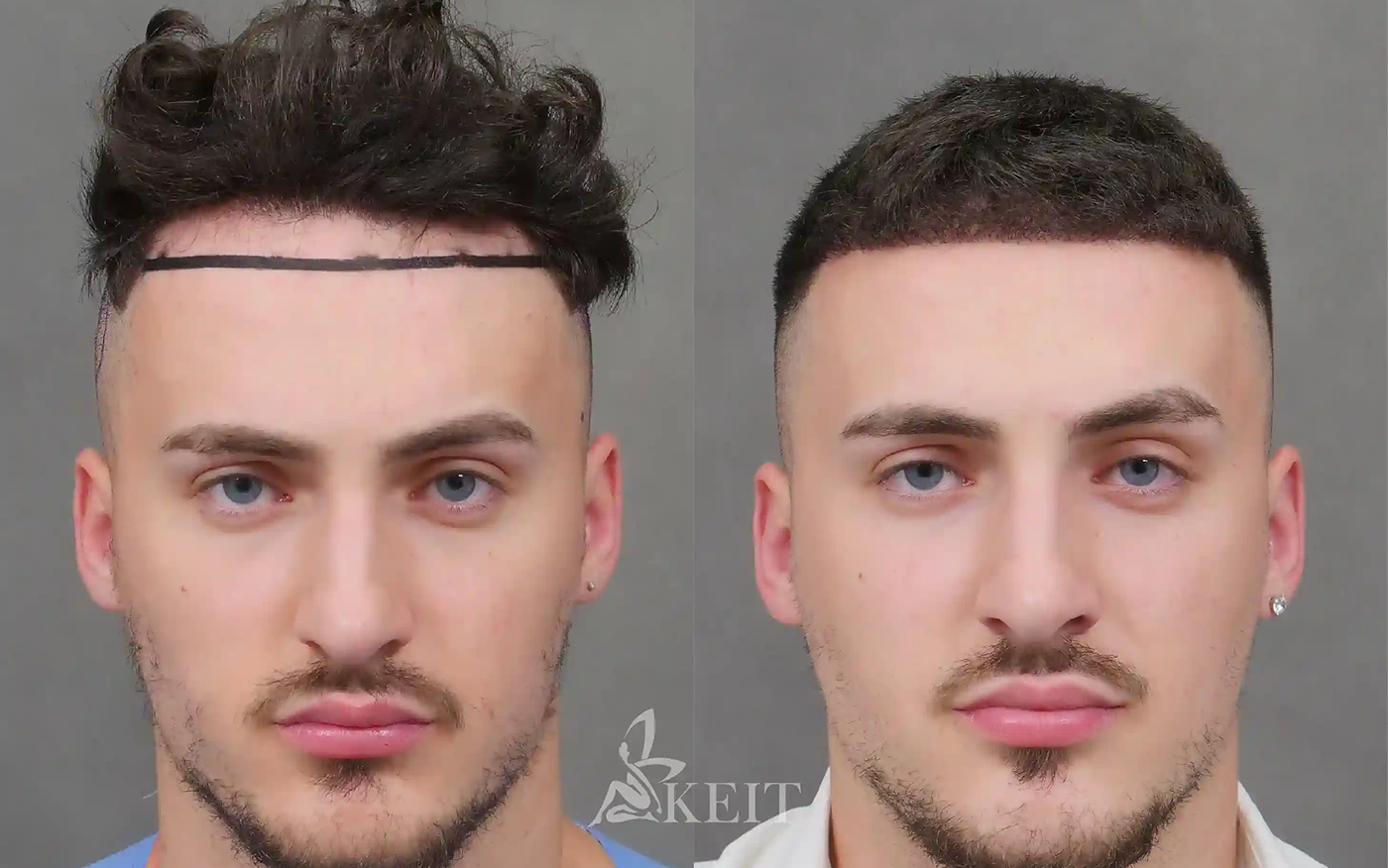
The results of a hair transplant depend on the number of grafts, the quality of the donor area, the area treated, and individual hair growth characteristics. Before-and-after images show examples of increased density, improved hairline, and hair regrowth in the treated areas over time.
Recovery after a hair transplant: timeline and main stages
Recovery after a hair transplant is typically smooth and uncomplicated.
Days 1–3:
Mild swelling or redness may appear and most patients resume normal activity after 48 hours.
Week 1:
Tiny scabs form and fall off naturally by day 7–10.
Weeks 3–8:
Transplanted hairs temporarily shed (shock loss), a normal part of follicle renewal.
Months 3–6:
Fine new hairs begin to grow.
Months 6–12:
Hair thickens, achieving visible improvement and density.
12 months +:
The final result appears, with full, natural-looking coverage and permanent growth.
Potential risks: what to consider before hair transplantation
When performed by an experienced surgical team, hair transplantation is a safe and low-risk procedure, but understanding potential effects helps ensure proper expectations.
-
Common side effects: Temporary redness, slight swelling, or tightness of the scalp.
-
Specific risks: Uneven early regrowth or minor follicle shedding, which self-corrects as the new hair cycle begins.
-
Rare risks: Infection, bleeding, or cyst formation that are prevented through sterile technique and post-operative care.
Following your surgeon’s guidance and attending follow-up visits are key to ensuring perfect graft survival and optimal aesthetic results.
Read the evidence reviews
Why choose KEIT Hair Clinic for a hair transplant?
KEIT Hair Clinic is a specialised hair transplant clinic in Tirana, Albania, operating under the KEIT brand, founded in 2011 by Dr. Skerdilajd Faria. With over 23,000 procedures performed across the KEIT brand's various areas of activity, the clinic combines specialist expertise, hair transplantation technologies, safety protocols, and personalised patient care.
KEIT Hair Clinic has dedicated facilities for hair transplantation and can draw on the multidisciplinary medical support and hospital infrastructure of KEIT Day Hospital when a patient's clinical condition requires more complex care. The treatment process includes diagnosing alopecia, assessing the donor area, designing the hairline, extracting and implanting follicular units, and monitoring hair growth for up to 12 months.
1. Official guarantee, transparency, and comprehensive medical documentation
KEIT Hair Clinic places particular emphasis on treatment transparency and clinical documentation. Before transplantation, patients receive information about the technique to be...
KEIT Hair Clinic places particular emphasis on treatment transparency and clinical documentation. Before transplantation, patients receive information about the technique to be used, the estimated number of follicular units, the areas to be treated, potential risks, and realistically achievable results. Photographic documentation taken before and after the procedure records the initial condition and allows hair growth to be monitored over time, while respecting medical confidentiality.
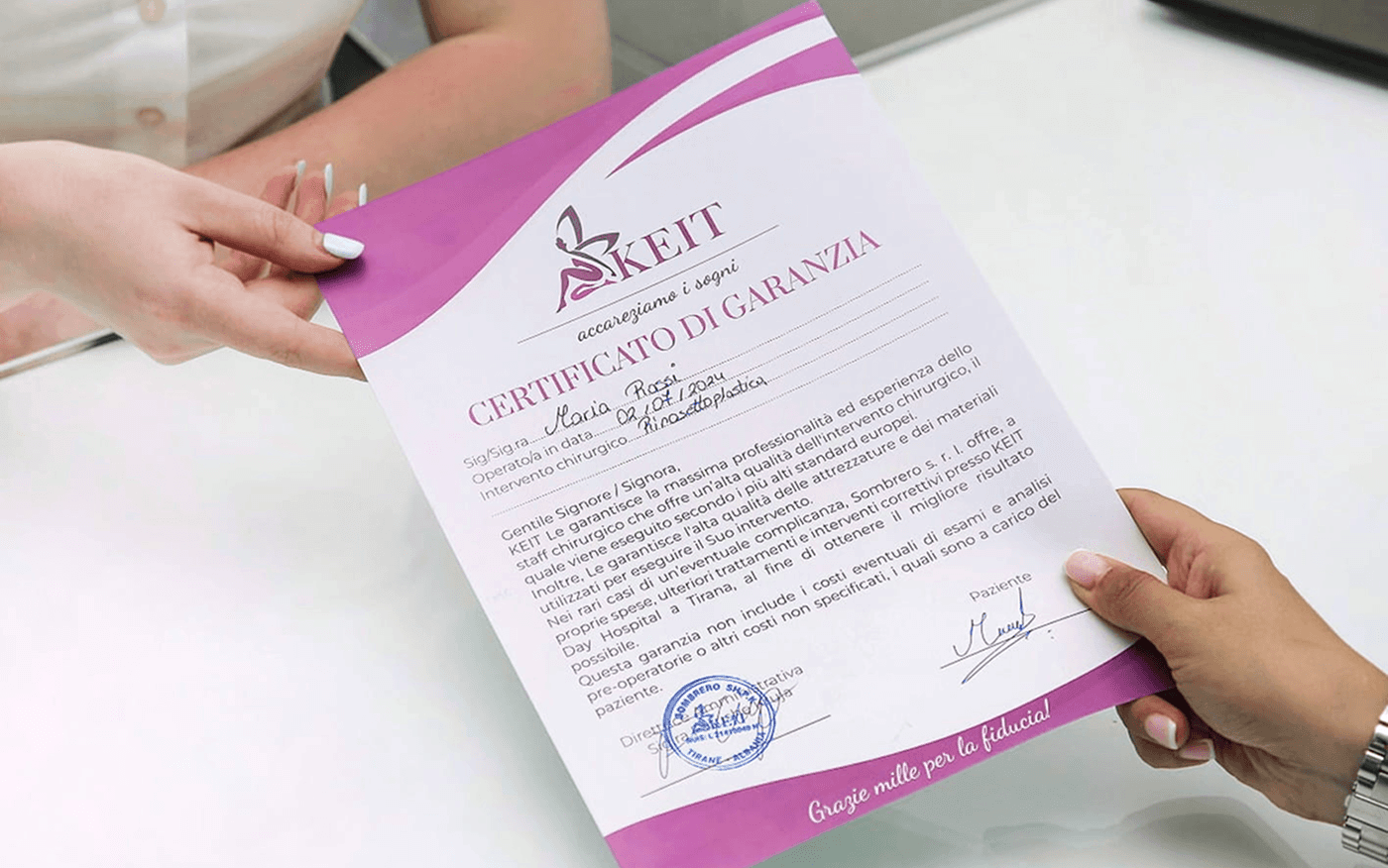
The KEIT brand also provides an Official Guarantee Certificate, which defines the facility's responsibilities and the terms of assistance and coverage applicable to the treatment, as specified in the contractual documentation. The guarantee conditions are communicated to patients before the procedure, clearly distinguishing the clinic's commitments from the biological outcomes of hair growth, which may vary according to individual characteristics.
2. Dedicated hair transplant clinic and micro FUE Technologies
KEIT Hair Clinic has dedicated clinical facilities for hair transplantation, organised to accommodate the different stages of the procedure, from patient preparation...
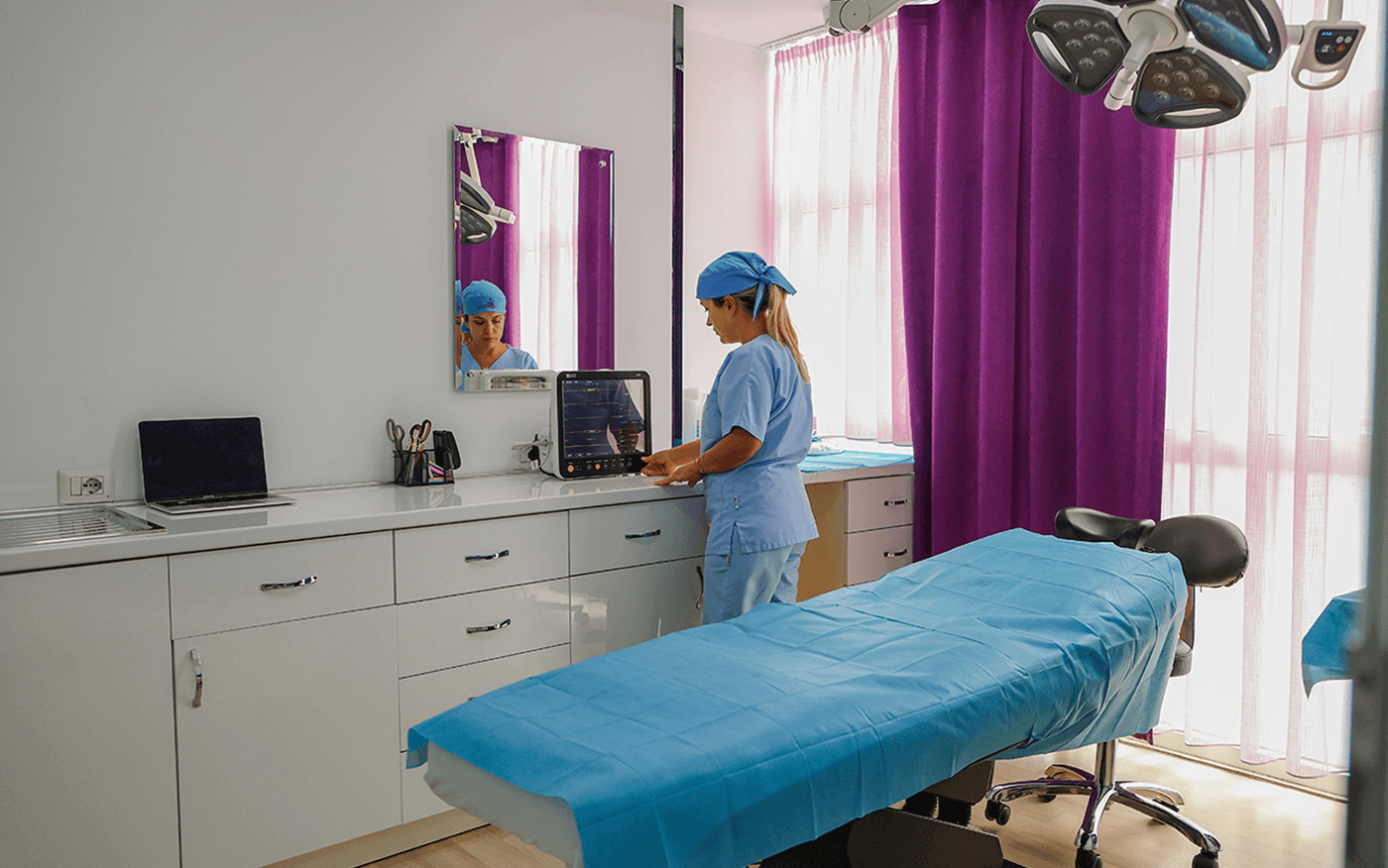
KEIT Hair Clinic has dedicated clinical facilities for hair transplantation, organised to accommodate the different stages of the procedure, from patient preparation to follicular unit extraction and implantation. The Micro FUE (Follicular Unit Extraction) technique involves extracting individual follicular units using micro-punch instruments, with the diameter selected according to the characteristics of the patient's hair and scalp. Sapphire blades may also be used to prepare the recipient sites, depending on the technique selected.
The Micro FUE technique avoids the linear scar associated with the FUT technique, leaving small, pinpoint scars in the donor area. The organisation of the clinical facilities, dedicated surgical instruments, and established clinical protocols allow the different stages of treatment to be coordinated, with particular attention to precision, follicle protection, and patient comfort.
3. Specialised medical team, rotating shifts, and personalised planning
At KEIT Hair Clinic, each patient is simultaneously attended to by three professionals specialising in hair transplantation, who alternate during the procedure...
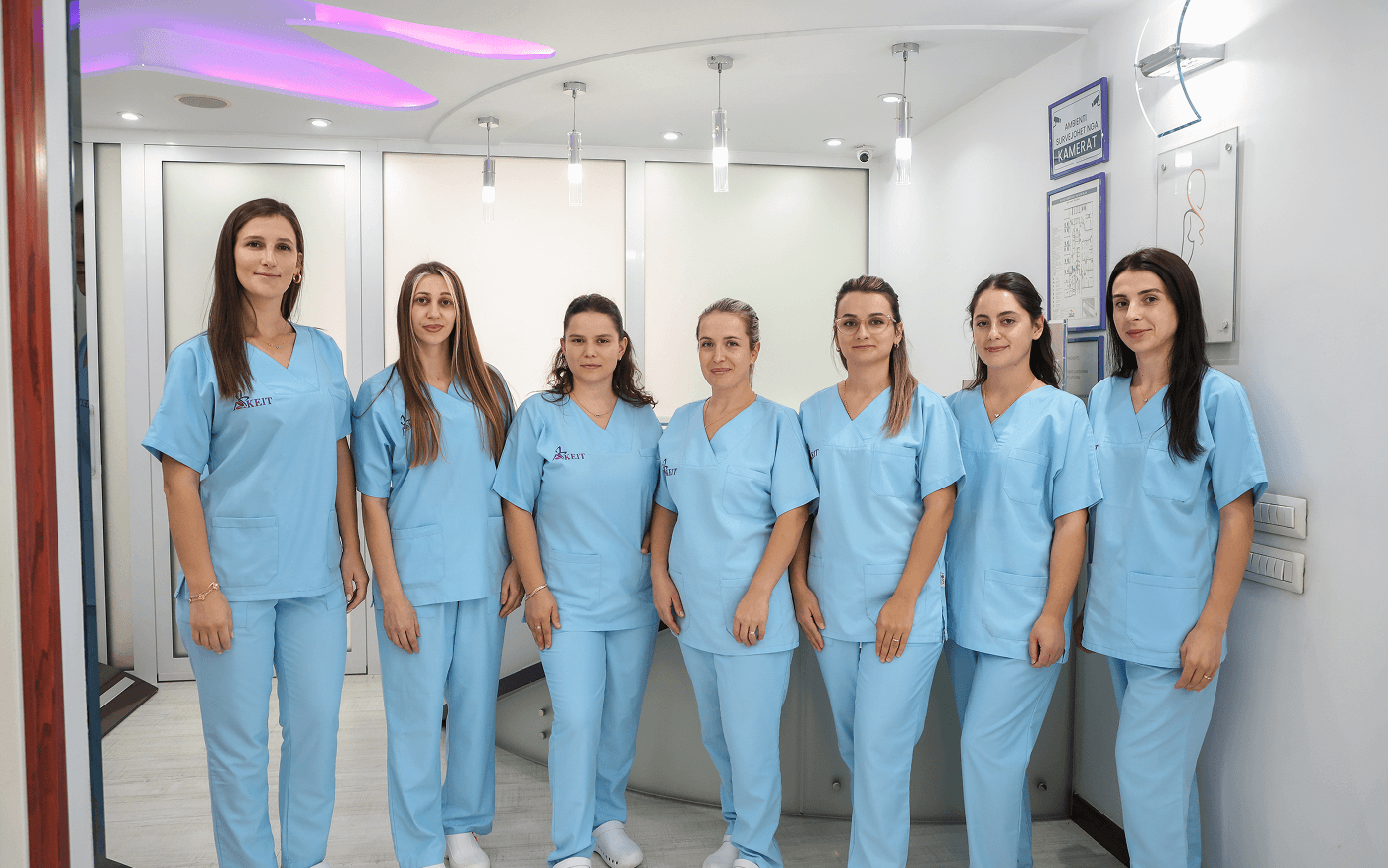
At KEIT Hair Clinic, each patient is simultaneously attended to by three professionals specialising in hair transplantation, who alternate during the procedure with a second team of three additional specialists. This rotating-shift system allows team members to take breaks during lengthy transplant sessions, reducing physical and mental fatigue and helping maintain attention, concentration, and precision throughout the different stages of treatment.
Each hair transplant is planned according to the density of the donor area, follicular characteristics, the extent of alopecia, and the patient's facial proportions. Particular attention is given to designing the frontal hairline and distributing the grafts according to the natural direction and angle of hair growth.
Planning also focuses on preserving the donor area, avoiding excessive extraction that could compromise hair density and limit the possibility of future procedures. The objective is not simply to transplant the highest possible number of grafts, but to perform every stage carefully and precisely, supported by a team organised to maintain consistent work quality even during longer procedures.
4. Alopecia giagnosis, comprehensive preoperative check-up, and multidisciplinary assessment
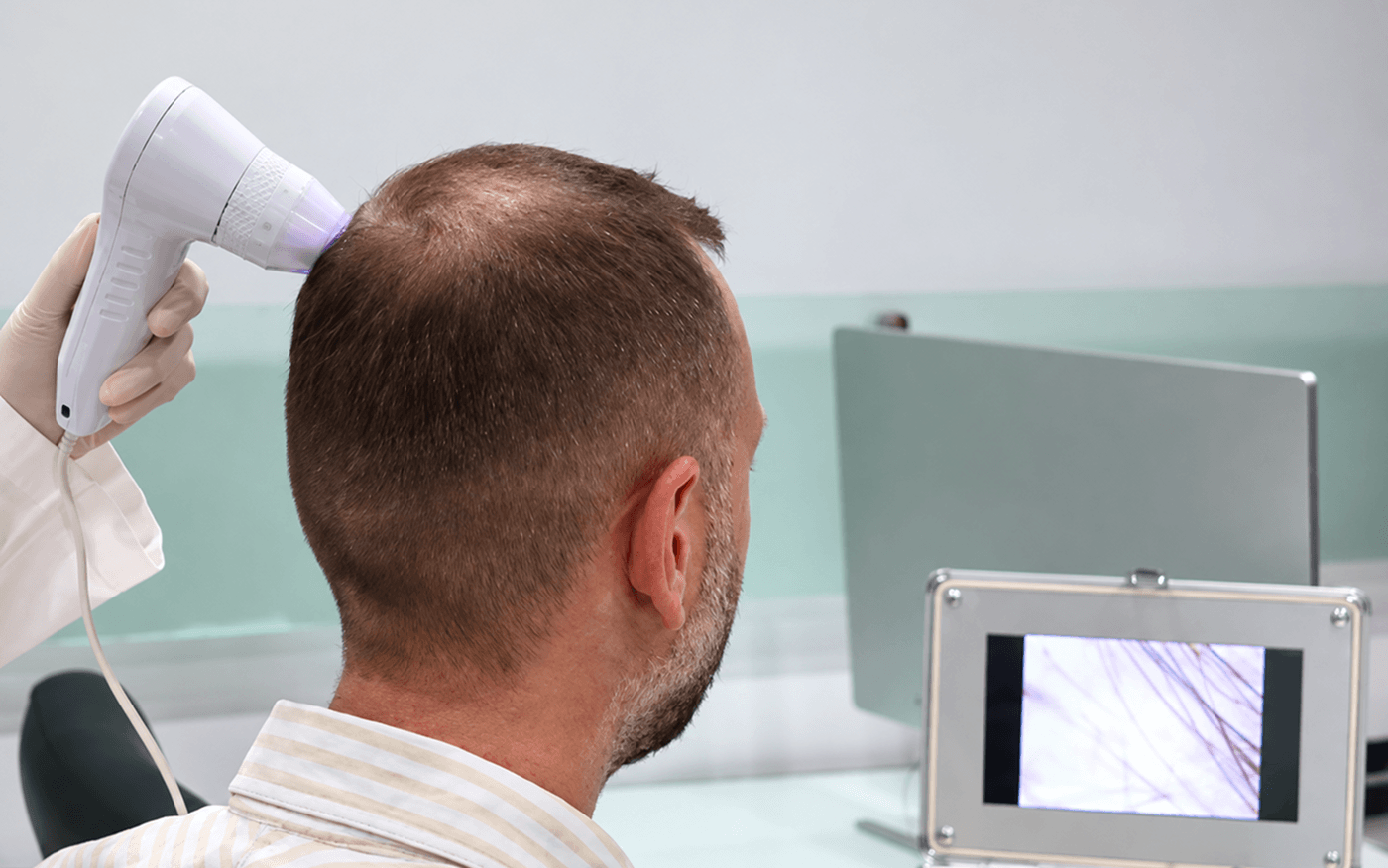
Before transplantation, KEIT Hair Clinic conducts an individual assessment of hair loss, scalp condition, and the availability of follicles in the donor...
Before transplantation, KEIT Hair Clinic conducts an individual assessment of hair loss, scalp condition, and the availability of follicles in the donor area. This evaluation helps identify the type of alopecia, assess its progression, and determine whether the patient is a suitable candidate for transplantation.
One of KEIT's distinguishing features is its approach to preoperative medical preparation. Although hair transplantation is performed under local anaesthesia, patients undergo a comprehensive medical check-up and multidisciplinary assessment, following the rigorous protocols adopted by the facility for surgical procedures. These examinations include blood and urine tests, coagulation tests, an electrocardiogram (ECG), and specialist consultations with an anaesthesiologist and a cardiologist. When necessary, additional specialists are involved, and further diagnostic investigations are requested.
These assessments help evaluate the patient's overall health, identify potential risk factors, and determine their suitability for the procedure and local anaesthesia. During the consultation, the estimated number of grafts, treatment areas, and realistically achievable results are also established, taking into account the potential future progression of alopecia.
At KEIT Hair Clinic, the fact that hair transplantation is performed under local anaesthesia does not diminish the importance of medical preparation. Every patient undergoes a structured and thorough preoperative assessment before proceeding with treatment.
5. Donor area preservation, graft protection, and sterilisation
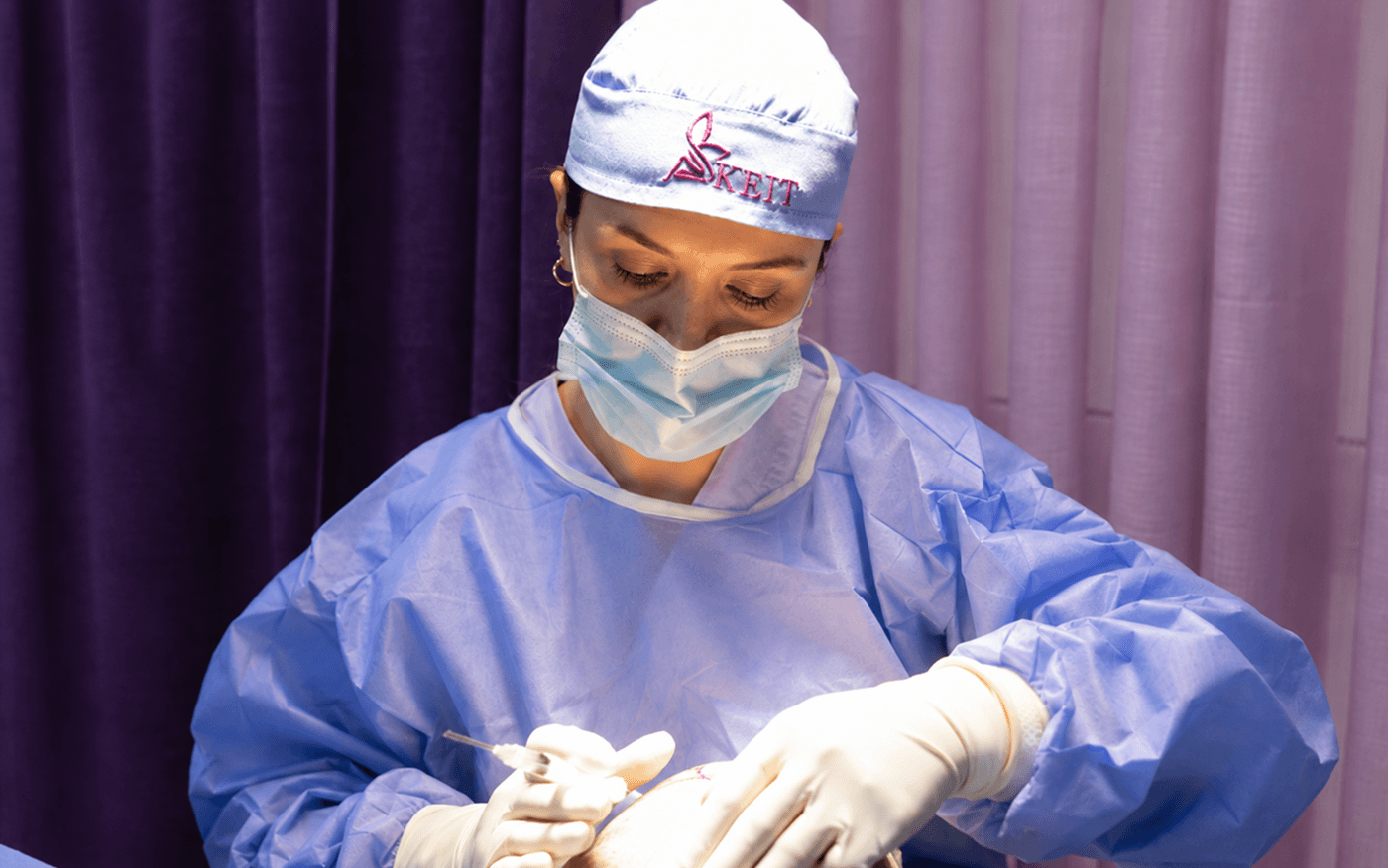
One of the fundamental aspects of hair transplantation is the proper management of follicular units, from extraction through to implantation. At KEIT...
One of the fundamental aspects of hair transplantation is the proper management of follicular units, from extraction through to implantation. At KEIT Hair Clinic, follicle extraction is planned according to the density and availability of the donor area's follicles, with the aim of preserving its natural appearance and avoiding excessive depletion of follicular reserves.
During the procedure, grafts are handled carefully and maintained under appropriate conditions to minimise dehydration and potential damage to follicular tissue. The clinic also follows infection prevention protocols, including the preparation and disinfection of clinical environments, the use of sterile single-use materials, and the controlled handling of surgical instruments.
Preserving the donor area, handling grafts correctly, and adhering to sterilisation protocols are essential elements in maintaining treatment quality and supporting subsequent hair growth.
6. Local anaesthesia, patient monitoring, and access to hospital infrastructure
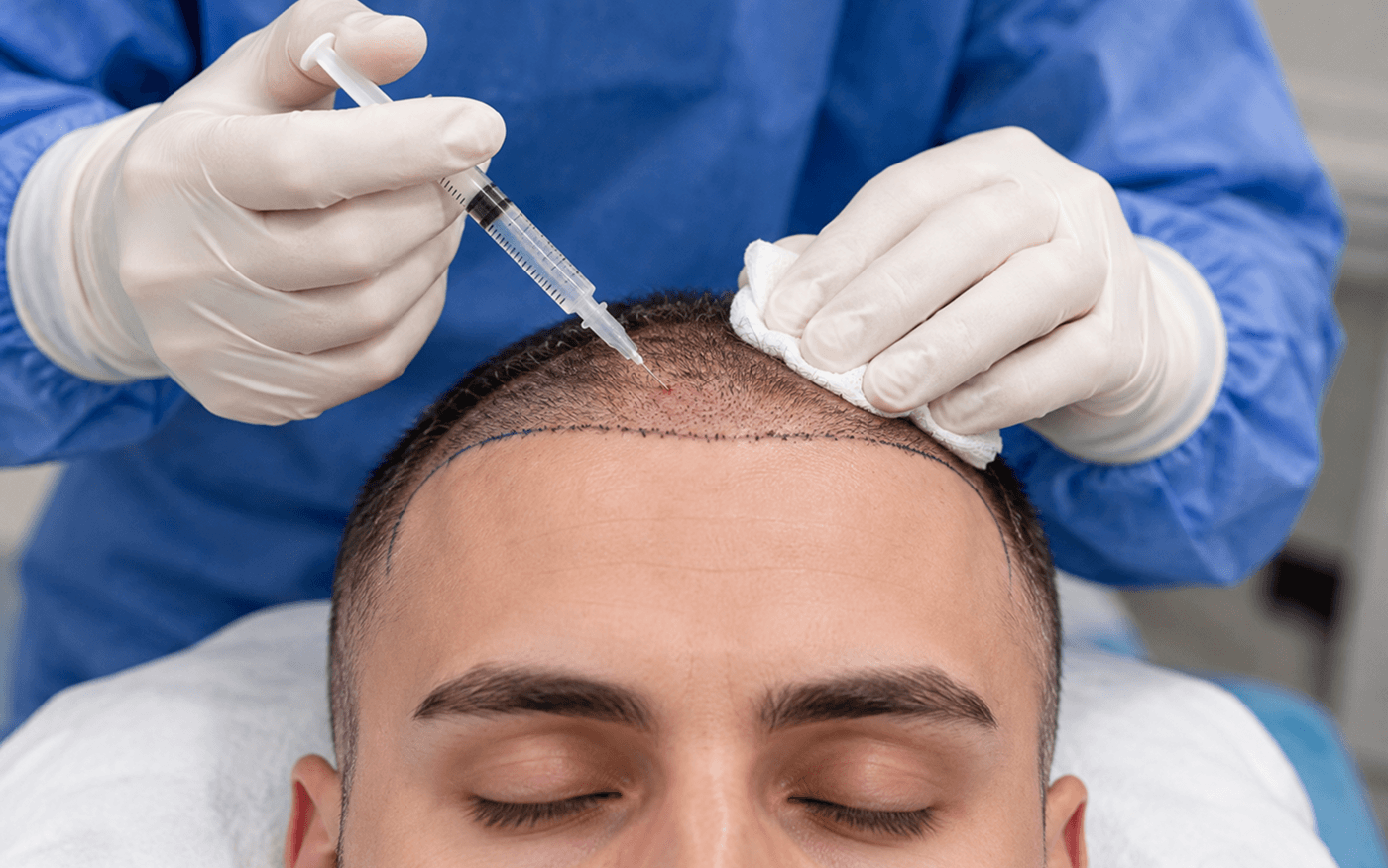
Micro FUE hair transplantation is generally performed under local anaesthesia, which helps control pain in the extraction and implantation areas while allowing...
Micro FUE hair transplantation is generally performed under local anaesthesia, which helps control pain in the extraction and implantation areas while allowing the patient to remain conscious throughout the procedure. Although general anaesthesia is not normally required, hair transplantation remains a surgical procedure that requires appropriate medical supervision. As the procedure may last several hours, healthcare professionals pay close attention to the patient's overall condition, comfort, and potential need for breaks.
Integration with KEIT Day Hospital provides an additional level of medical and organisational support. The facility has three fully equipped operating theatres, inpatient wards with 20 beds, equipment for monitoring vital signs, and a postoperative recovery and resuscitation room. In cases requiring additional clinical support, specialists in anaesthesia and intensive care, cardiology, and other medical disciplines can intervene according to the facility's established protocols.
These resources, together with the multidisciplinary preoperative assessment, allow hair transplantation to be organised within a structured healthcare system, with particular attention to preventing and managing potential complications.
7. Post-transplant care and hair growth monitoring for up to 12 months
At KEIT Hair Clinic, patient care continues after the hair transplant procedure has been completed. Each patient is supported by a dedicated...
At KEIT Hair Clinic, patient care continues after the hair transplant procedure has been completed. Each patient is supported by a dedicated team comprising professionals specialising in Micro FUE hair transplantation, a nurse, a patient assistant, and a clinical coordinator. The follow-up protocol includes check-ups at 7 days, 1 month, 3 months, 6 months, and 12 months after the procedure to assess scalp healing, donor area condition, and the progression of hair growth.
For international patients, monitoring also continues remotely through periodic photographs and communication with the medical team. The clinic additionally provides a 24/7 emergency contact number, allowing patients to request assistance whenever necessary. This structured follow-up process ensures continued support throughout the different stages of hair growth, providing personalised recommendations and progressively assessing the results.
FAQ
Frequently asked questions
How long does a hair transplant take?

A hair transplant typically lasts between 4 and 8 hours, depending on the number of grafts and the size of the area that needs coverage. The exact duration also depends on the chosen technique, as well as the complexity of the design.
Is it painful?
No. The procedure is performed under local anesthesia, meaning patients remain relaxed and completely pain-free throughout surgery. Afterward, there may be mild scalp tightness or redness, which usually subsides within a few days and can be managed with prescribed medication and proper aftercare.
When will I see results?
Early signs of new growth appear around 3–4 months after the procedure as transplanted follicles begin their natural growth cycle. Noticeable improvement develops between 6 and 12 months, with the final, full-density result becoming visible once the hair thickens and matures.
Are the results permanent?
Yes. The transplanted follicles are genetically resistant to baldness, which means they will continue to grow for a lifetime. Proper post-operative care and a healthy lifestyle help preserve both the donor and transplanted areas for durable, natural-looking results.
How natural will it look?
Very natural. Each follicular graft is implanted at a precise angle, direction, and depth to mimic your original hair pattern. This meticulous placement allows the new hair to blend seamlessly with existing strands, ensuring balanced coverage, density, and natural movement.