 4.9 Rating | 23.000+ Procedures | European Medical Team
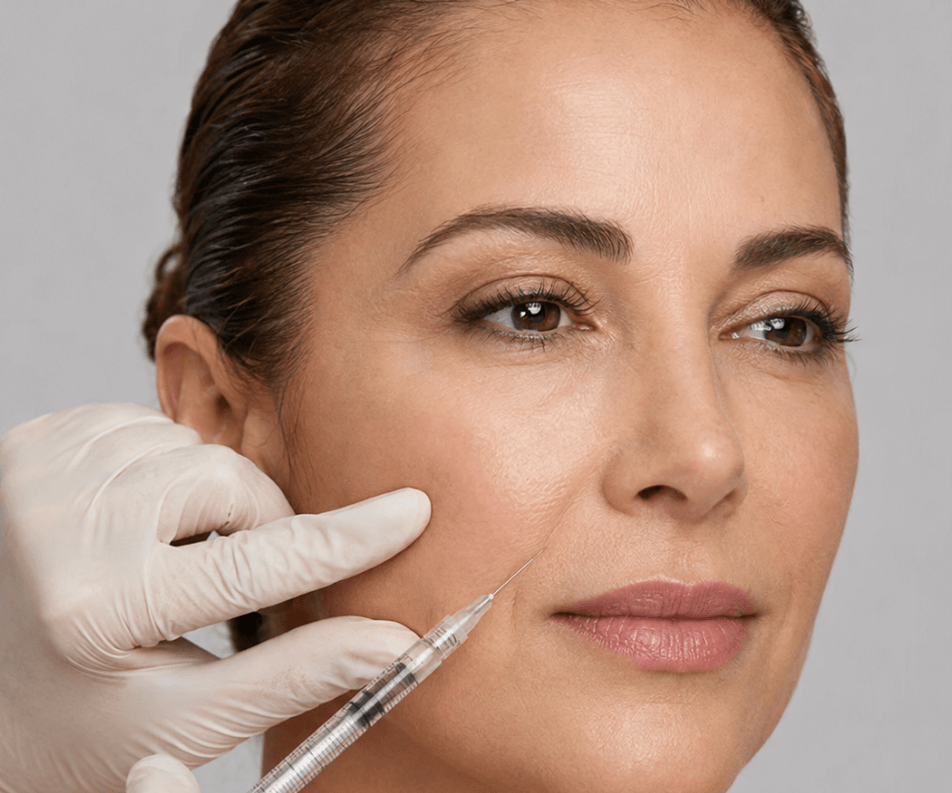
Table of contents:

Nasolabial fold filler explained: how the treatment works
Ideal candidate for nasolabial folds filler: key factors to consider
Nasolabial lines filler session: step-by-step
Nasolabial fold filler before and after: the recovery timeline
Recovery tips after nasolabial filler
Potential risks of nasolabial fold filler to be aware of
Why choose KEIT Day Hospital for your nasolabial fold filler?
In this article, you’ll learn how nasolabial fold filler works, who is the ideal candidate, what the session involves, how recovery progresses, how long results last and why KEIT Day Hospital is a trusted choice for natural, balanced and safe nasolabial fold filler results.
 Book your FREEOnline Consultation Now

Nasolabial fold filler explained: how the treatment works
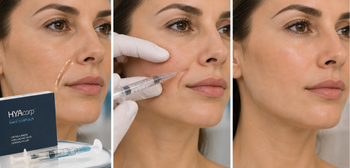
Nasolabial fold filler works by injecting hyaluronic acid, often HYAcorp, into the deep dermal and subcutaneous layers surrounding the nasolabial crease. This restores volume lost from mid-face deflation, reduces shadowing and improves the contour between the cheek and upper lip. In some patients, additional support points in the lateral or mid-face are treated to lift the fold indirectly. The filler integrates smoothly with the tissues and a full session takes 20–30 minutes, providing immediate improvement. Most hyaluronic acid fillers used for this treatment contain lidocaine to maximise comfort.
Ideal candidate for nasolabial folds filler: key factors to consider
You may be a suitable candidate if you:
-
Have visible or deepening nasolabial lines.
-
Experience mid-face volume loss contributing to fold depth.
-
Want to soften smile lines without surgery.
-
Prefer a reversible, hyaluronic acid–based treatment.
A professional consultation identifies the correct technique and filler placement for your anatomy.
Nasolabial lines filler session: step-by-step
A sulcus filler session follows a structured and safe medical protocol:
Consultation and assessment:
Evaluation of fold depth, mid-face support and facial proportions.
Preparation:
Cleansing, disinfection and optional numbing cream.
Injection phase:
HYAcorp filler containing lidocaine is injected using fine needles or micro-cannulas to soften the fold and restore support.
Refinement:
Adjustments are made to ensure symmetry, smooth contours and natural expression.
Post-care instructions:
Guidance is provided to minimise swelling and support proper settling.
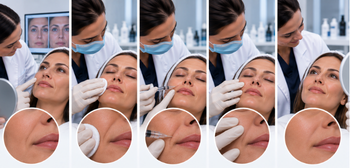
(i) Image illustrating the nasolabial fold filler treatment
Nasolabial fold filler before and after: the recovery timeline
Most individuals experience a smooth recovery, with results stabilising over the first two weeks.
Immediately after:
The area appears softer; mild swelling may be present.
Days 1–3:
Swelling decreases and the shape becomes clearer.
Days 4–7:
Filler integrates more uniformly into the tissue.
Week 2:
Final results appear with natural, balanced improvement.
Results typically last 9–12 months, depending on metabolism, filler properties and lifestyle.
Recovery tips after nasolabial filler
These recommendations support proper healing and long-lasting results:
-
Avoid touching or massaging the area for 24 hours.
-
Sleep slightly elevated the first night.
-
Avoid intense exercise, heat exposure and steam rooms for 24–48 hours.
-
Stay well hydrated to support tissue integration.
-
Use SPF daily to protect collagen and overall skin health.
Potential risks of nasolabial fold filler to be aware of
Nasolabial filler is mostly safe when performed by an experienced injector, but some reactions may occur.
-
Common effects: Short-lasting warmth, slight redness or mild swelling immediately after treatment.
-
Specific risks: Temporary asymmetry or slight lumpiness while the filler integrates into the tissue.
-
Rare risks: Vascular complications (very rare), migration (uncommon but possible) and infection (rare, especially without proper hygiene).
Read the evidence review
Why choose KEIT Day Hospital for your nasolabial fold filler?
KEIT Day Hospital is a healthcare facility dedicated to surgery and aesthetic medicine in Tirana, Albania, founded in 2011 by Dr Skerdilajd Faria. With over 23,000 procedures performed across the KEIT brand's various areas of activity, the facility combines medical expertise, professional technologies, safety protocols and personalised patient care.
Nasolabial fold filler treatment is performed as part of KEIT Day Hospital's aesthetic medicine services, with the support of a multidisciplinary medical team and equipped hospital infrastructure. The treatment process includes an assessment of facial proportions, selection of hyaluronic acid, planning of injections and monitoring of the results. The aim is to reduce the depth of nasolabial folds, improve tissue support in the midface and create a more harmonious transition between the cheeks and upper lip while preserving natural facial expressions.
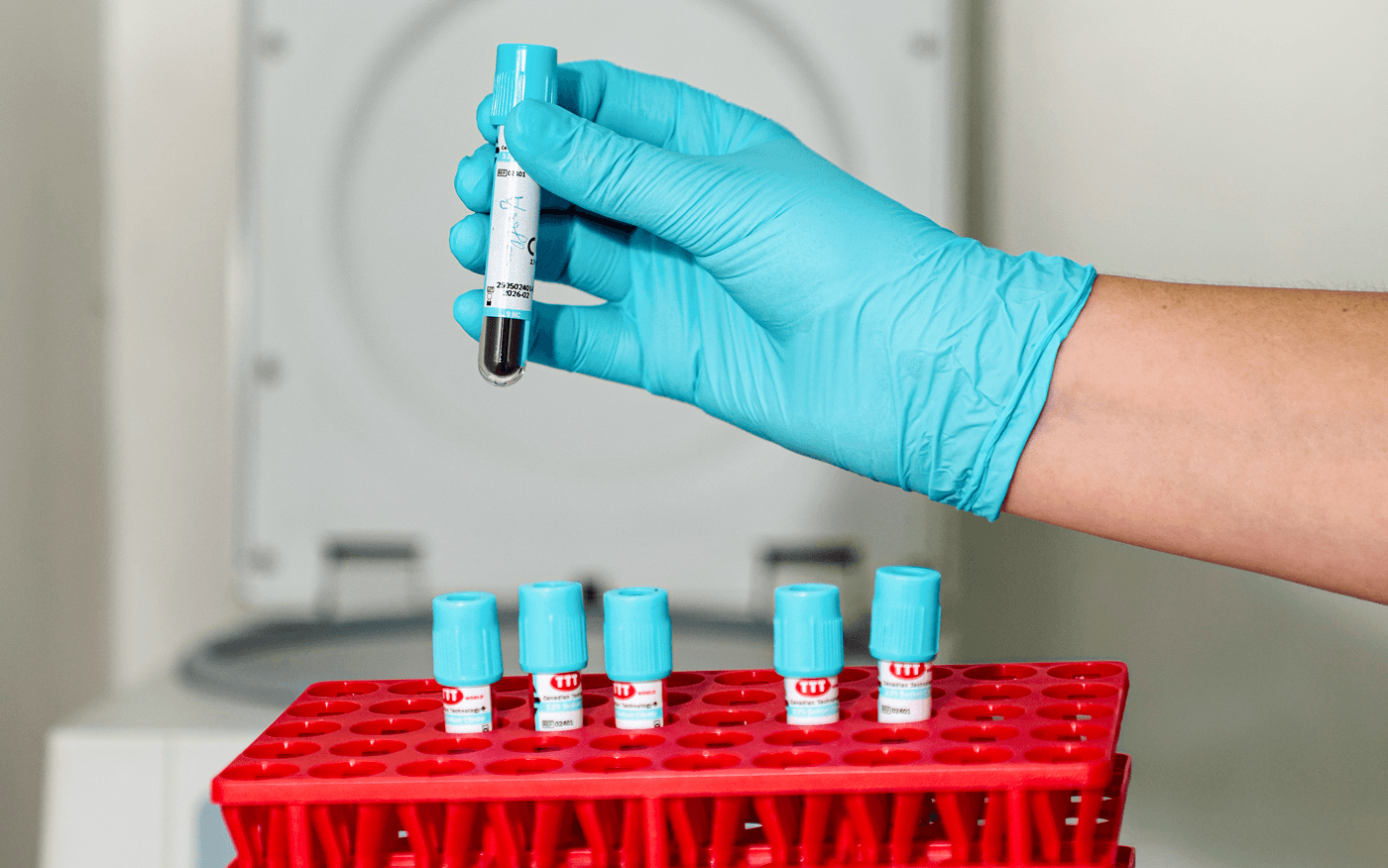
1. Dedicated aesthetic medicine facilities and technologies for regenerative treatments
KEIT Day Hospital i kushton vëmendje të veçantë transparencës së informacionit dhe dokumentimit të trajtimeve. Përpara trajtimit PRP për flokët, pacienti merr...
KEIT Day Hospital i kushton vëmendje të veçantë transparencës së informacionit dhe dokumentimit të trajtimeve. Përpara trajtimit PRP për flokët, pacienti merr shpjegime mbi mënyrën e marrjes së gjakut dhe përgatitjes së plazmës, zonat që do të trajtohen, numrin e përafërt të seancave, përfitimet e pritshme, kohën e shfaqjes së rezultateve dhe rreziqet e mundshme.
Dokumentacioni klinik regjistron informacionin lidhur me marrjen e gjakut, përgatitjen e PRP-së, zonat e trajtuara të skalpit dhe metodat e aplikimit, duke garantuar gjurmueshmërinë e procedurës. Kur është e përshtatshme dhe me pëlqimin e pacientit, realizohet dokumentimi fotografik për të krahasuar gjendjen fillestare me rezultatet e vërejtura gjatë dhe pas trajtimit. Formulari i pëlqimit të informuar, preventivi dhe dokumentacioni administrativ i mundësojnë gjithashtu pacientit të njihet me karakteristikat klinike dhe ekonomike të procesit përpara fillimit të trajtimit.
2. Qualified doctors and multidisciplinary medical team support
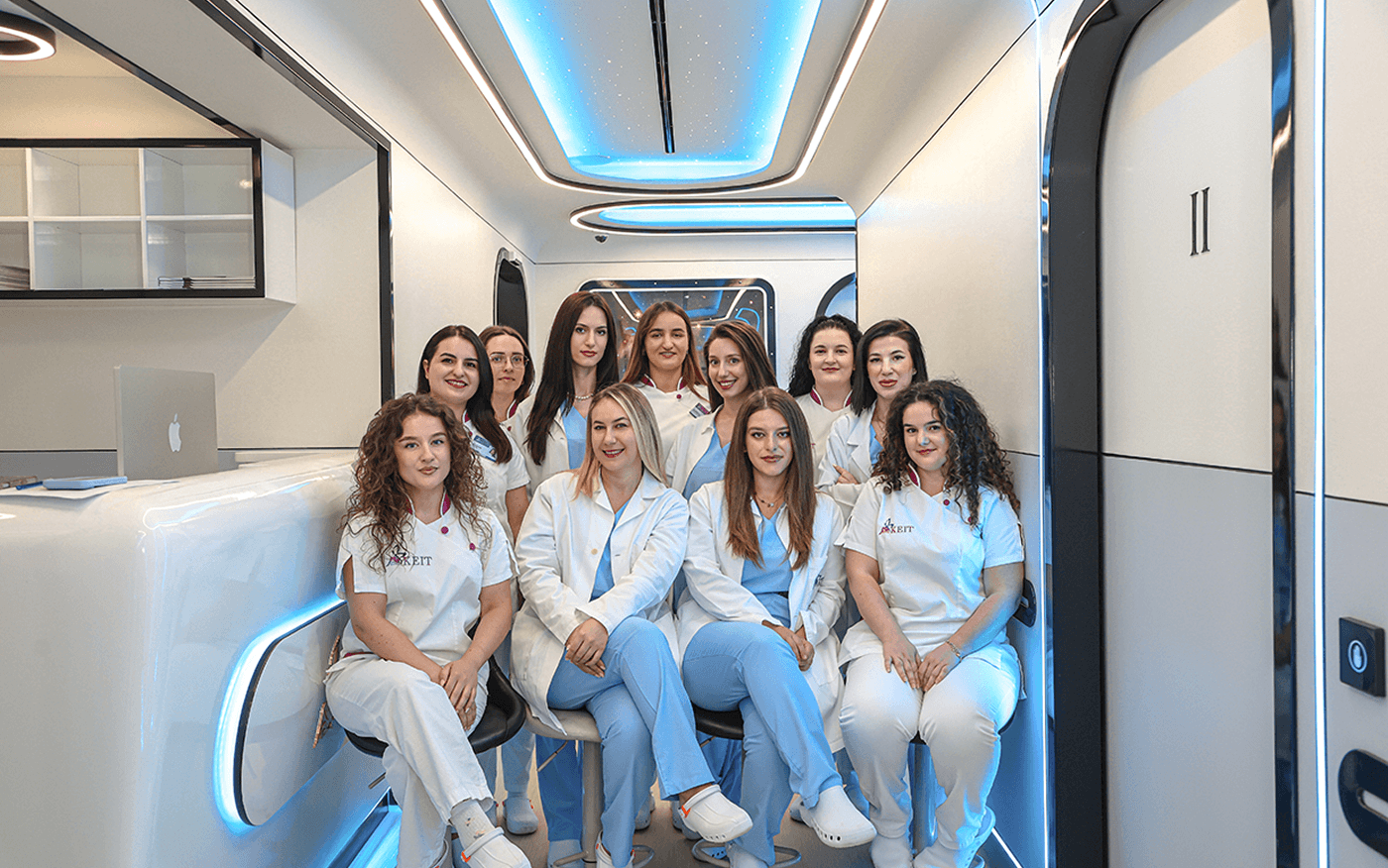
KEIT Day Hospital works with medical professionals experienced in aesthetic medicine, facial anatomy and hyaluronic acid injection techniques. In the treatment of...
KEIT Day Hospital works with medical professionals experienced in aesthetic medicine, facial anatomy and hyaluronic acid injection techniques. In the treatment of nasolabial folds, knowledge of the distribution of facial fat compartments and the course of blood vessels, particularly the facial artery and its branches, is essential for planning injections and reducing the risk of complications.
The procedure is personalised according to the depth of the fold, loss of cheek volume and facial proportions. In some patients, treating the fold directly may be appropriate, while in others, the doctor may consider supportive treatment in the midface region to achieve a more balanced result.
An additional advantage is the presence of a multidisciplinary medical team within KEIT Day Hospital, allowing specialists in anaesthesia and intensive care or other medical disciplines to be involved when additional assessments or specific medical assistance are required.

3. Medical assessment and personalised aesthetic treatment planning
Before nasolabial fold filler treatment, the doctor carries out an individual assessment of the depth of the folds, skin quality, facial volume...
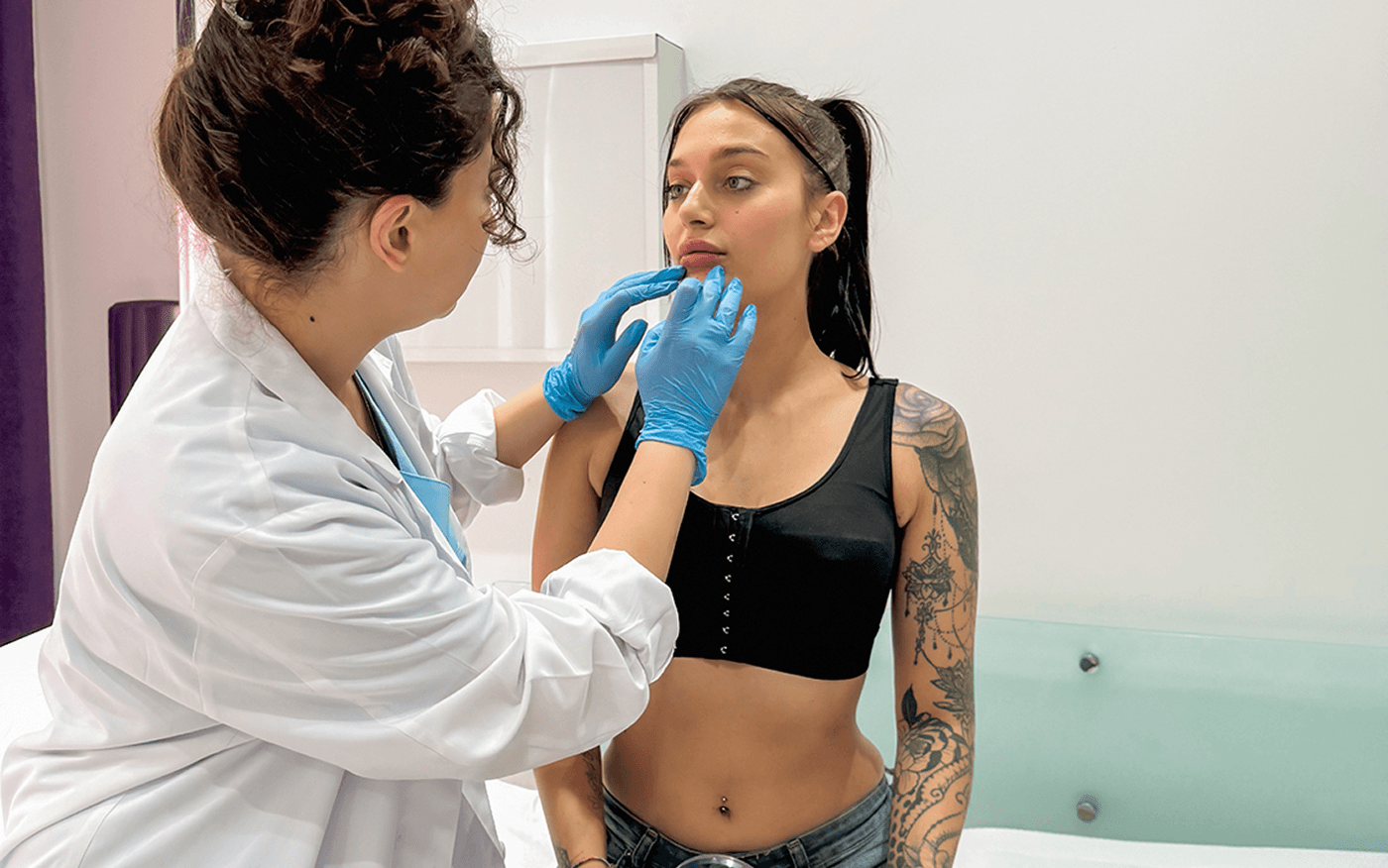
Before nasolabial fold filler treatment, the doctor carries out an individual assessment of the depth of the folds, skin quality, facial volume distribution and the patient's expectations. The consultation includes taking a medical history, with particular attention to allergies, medications being taken, previous filler treatments, active infections and possible contraindications.
Facial assessment, both at rest and while smiling, makes it possible to distinguish folds caused by volume loss from those related to anatomical structure or facial muscle movements. Treatment is not planned according to standard quantities of product but according to the depth of the fold, tissue support and overall facial balance. When fillers are not the most appropriate solution, the doctor assesses the available alternatives and discusses their limitations with the patient.
4. Device quality, sterilisation and material traceability
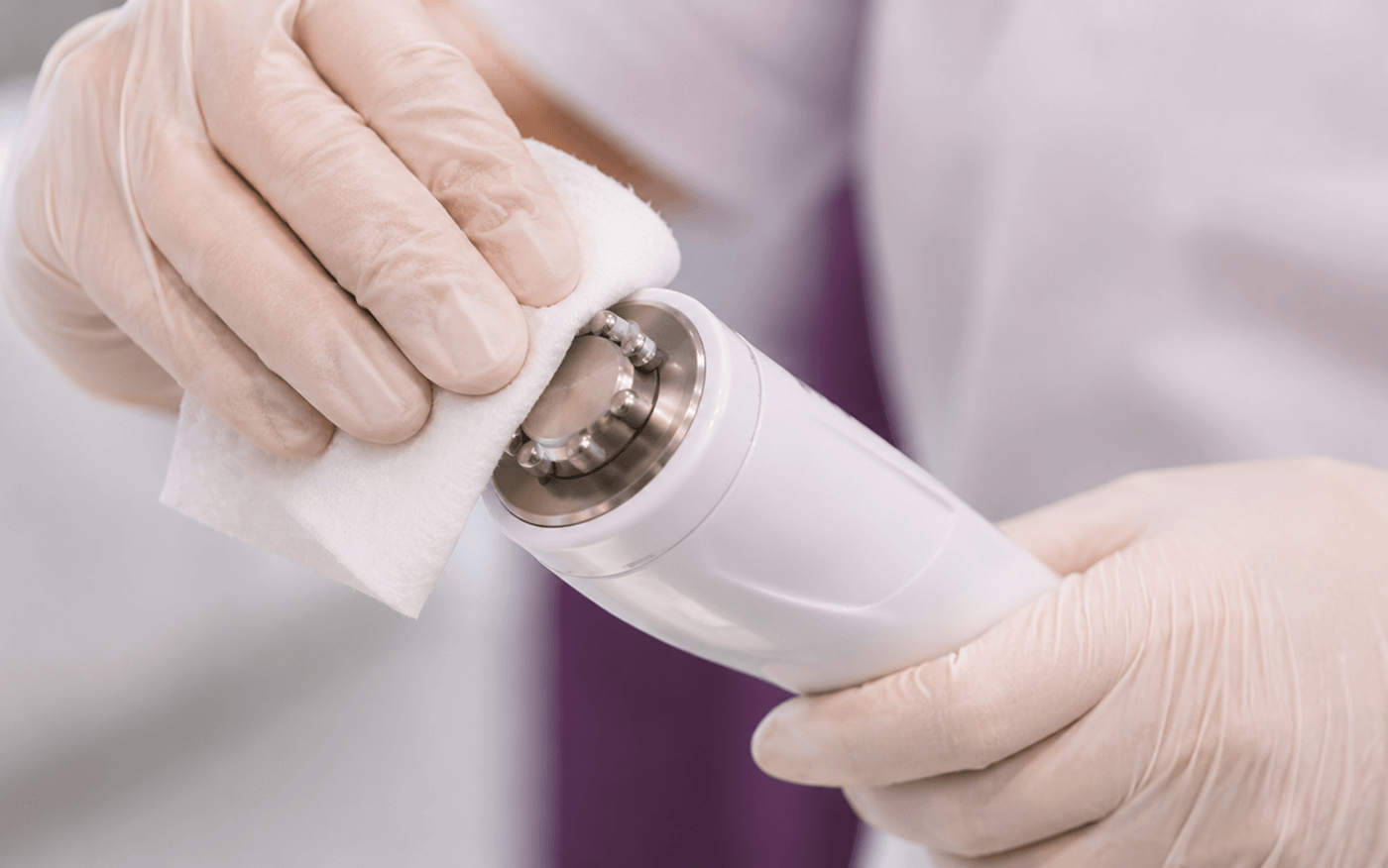
KEIT Day Hospital follows hygiene and infection prevention protocols that include disinfecting clinical areas, skin antisepsis and the use of sterile, single-use...
KEIT Day Hospital follows hygiene and infection prevention protocols that include disinfecting clinical areas, skin antisepsis and the use of sterile, single-use devices during injectable treatments. For nasolabial fold filler treatment, particular attention is paid to skin preparation, the handling of needles and microcannulas, and checking the packaging of the products used.
The choice of hyaluronic acid takes into account the rheological properties of the preparation, the intended injection depth and the degree of support required. The product must be appropriate for the selected indication and anatomical plane, with characteristics compatible with the mobility and aesthetic requirements of the nasolabial region.
Each preparation is identified by its brand name, batch number and traceability information, which are recorded in the patient's clinical documentation. These checks contribute to safety and the proper handling of the materials used.
5. Medical safety, complication management, and hospital infrastructure
Nasolabial fold filler treatment is a minimally invasive procedure, generally performed without general anaesthesia. To improve patient comfort, preparations containing lidocaine or...
Nasolabial fold filler treatment is a minimally invasive procedure, generally performed without general anaesthesia. To improve patient comfort, preparations containing lidocaine or a topical anaesthetic may be used when indicated.
In addition to temporary effects such as redness, swelling, tenderness or minor bruising, irregularities, asymmetry, nodules, infections or inflammatory reactions may occur. A rare but particularly serious complication is vascular occlusion caused by the accidental injection of filler into a blood vessel, which can lead to ischaemia and skin necrosis. In exceptional circumstances, embolisation of the material may cause eye damage and loss of vision.
Knowledge of vascular anatomy, appropriate technique selection and immediate recognition of signs of ischaemia are essential for reducing risks. If vascular occlusion caused by hyaluronic acid is suspected, the specific medical protocol must be activated promptly. This may include the use of hyaluronidase and, when indicated, urgent transfer to specialist services.
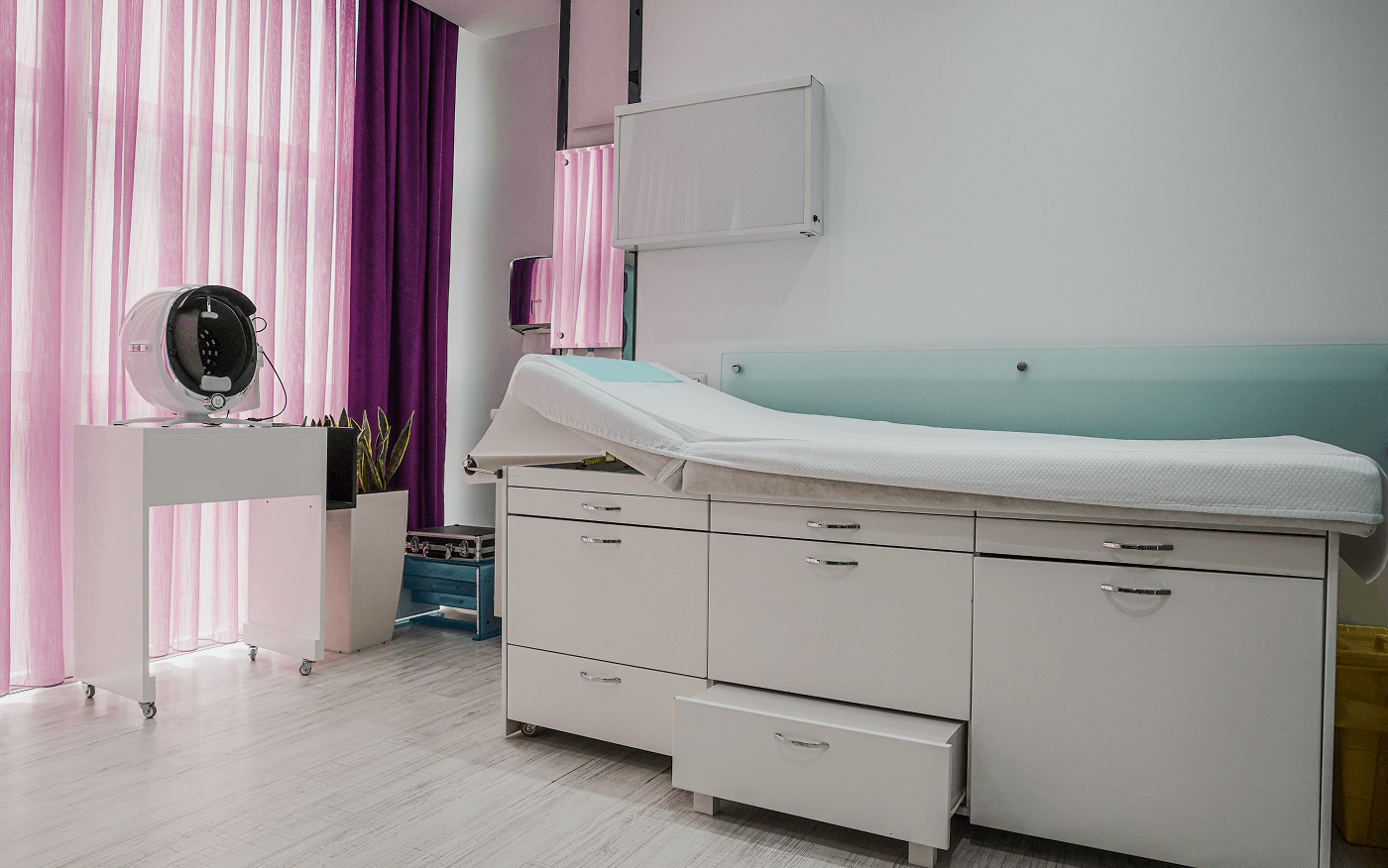
One of KEIT Day Hospital's distinguishing features is the availability of hospital infrastructure and a multidisciplinary medical team. The facility has three equipped operating theatres, specialists in anaesthesia and intensive care, equipment for monitoring vital signs, emergency management devices and a postoperative recovery room. These resources provide additional medical support, alongside the specific protocols required to manage complications associated with dermal fillers.
6. Personalised care and follow-up after treatment
At KEIT Day Hospital, patient care continues after nasolabial fold filler treatment has been completed. Patients receive personalised instructions on precautions to...
At KEIT Day Hospital, patient care continues after nasolabial fold filler treatment has been completed. Patients receive personalised instructions on precautions to follow, temporary effects that may occur and warning signs requiring immediate medical assessment.
Follow-up is determined according to the patient's individual response to treatment. A follow-up appointment after approximately 10–14 days, when indicated, allows the doctor to assess the results once the initial swelling has subsided, checking the symmetry of the nasolabial folds, volume distribution and the presence of any irregularities.
Patients are also informed of the need to seek immediate medical attention if they experience severe or increasing pain, abnormal changes in skin colour, visual disturbances or other suspicious symptoms, without waiting for the scheduled follow-up appointment.
For international patients, care may also continue remotely through communication with medical staff and guidance on necessary follow-up appointments. KEIT Day Hospital also provides an emergency contact number, available 24 hours a day, 7 days a week.
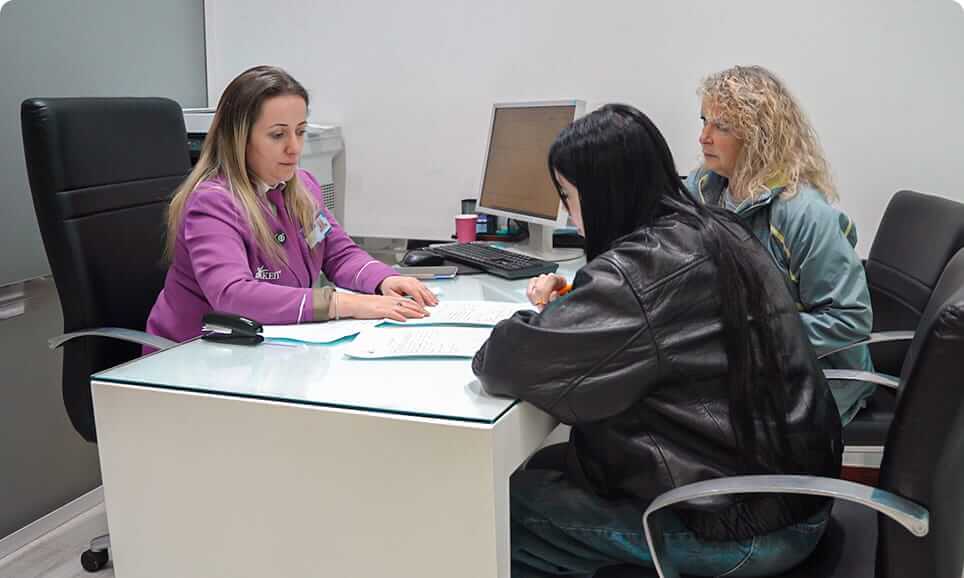
7. Transparency, informed consent and clinical documentation
KEIT Day Hospital places particular emphasis on transparent information and treatment documentation. Before nasolabial fold filler treatment, patients receive explanations about the...
KEIT Day Hospital places particular emphasis on transparent information and treatment documentation. Before nasolabial fold filler treatment, patients receive explanations about the technique used, the areas to be treated, the approximate quantity of hyaluronic acid, expected benefits, the estimated duration of results and potential risks.
Clinical documentation records the filler's brand name, batch number, quantity administered, injection sites and any reactions observed, ensuring traceability of the procedure. When appropriate and with the patient's consent, photographic documentation is taken to compare the initial appearance with the treatment result. The informed consent form, treatment quotation and administrative documentation also allow patients to understand the clinical and financial aspects of the treatment process before starting treatment.
FAQ
Frequently asked questions
How long does nasolabial fold filler last?

Most results last 9–12 months, depending on metabolism, filler thickness and skincare habits.
Is the procedure painful?
Discomfort is minimal. Most fillers contain lidocaine, and a numbing cream may be used beforehand. Patients typically feel only light pressure or brief stinging.
Can I return to normal activities immediately?
Yes. You can resume most daily activities right away, but avoid heat, strenuous exercise and pressure on the area for 24–48 hours.
Will the results look natural?
Yes, when performed by an experienced injector who balances mid-face support and nasolabial depth, ensuring a subtle, refreshed appearance.
Can the filler be dissolved if needed?
Yes. Hyaluronic acid fillers can be dissolved using hyaluronidase, allowing full or partial correction.