















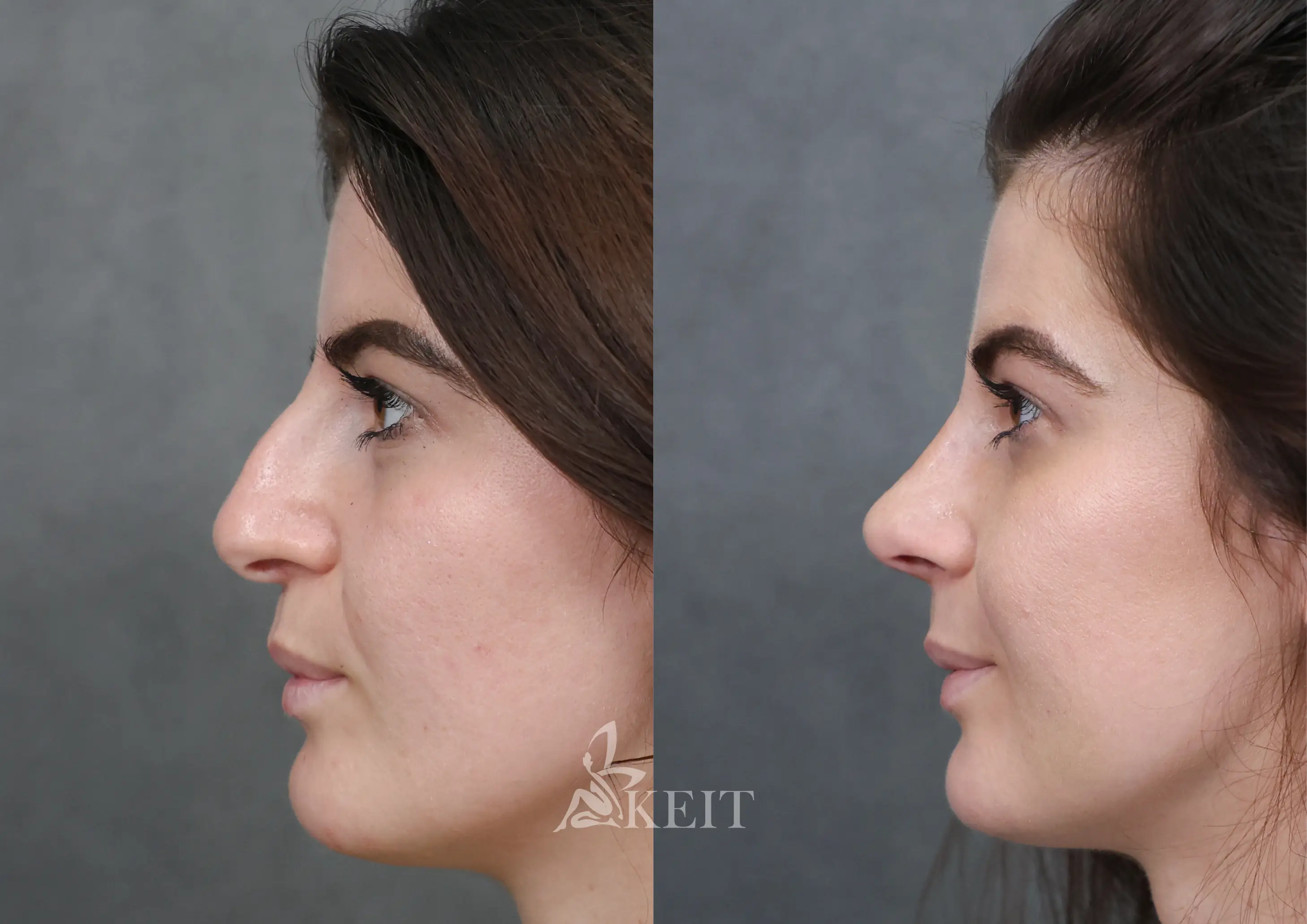
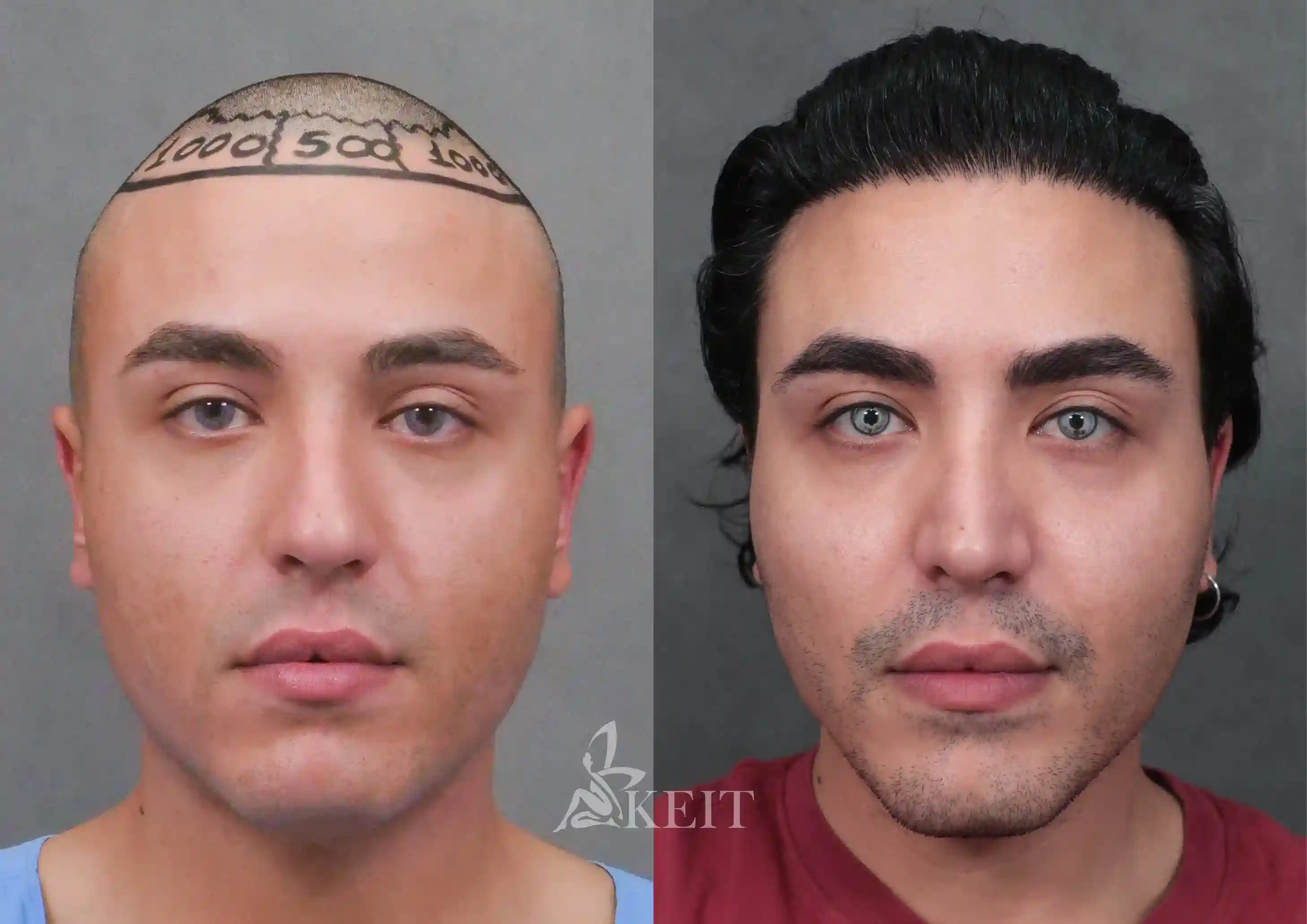
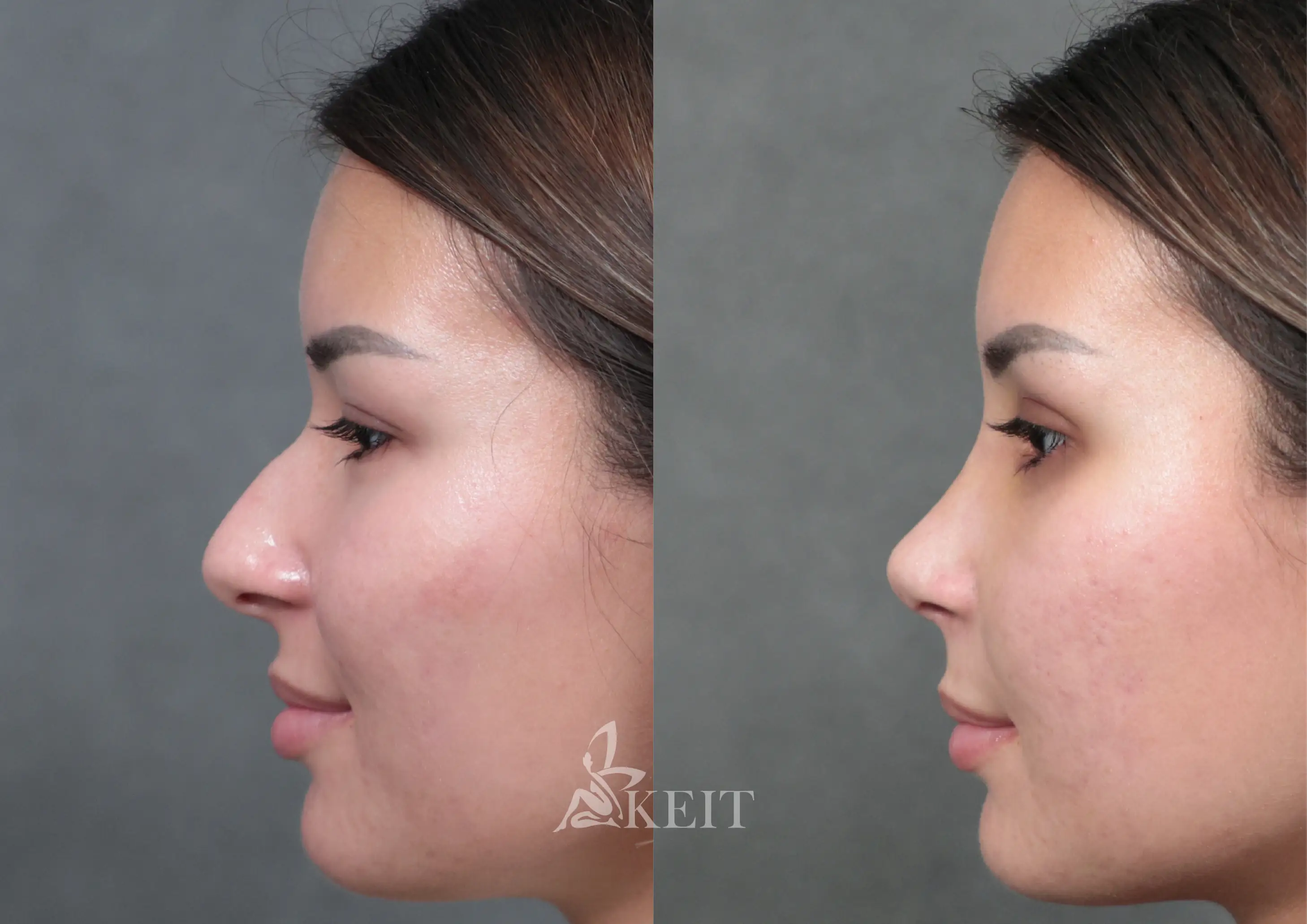
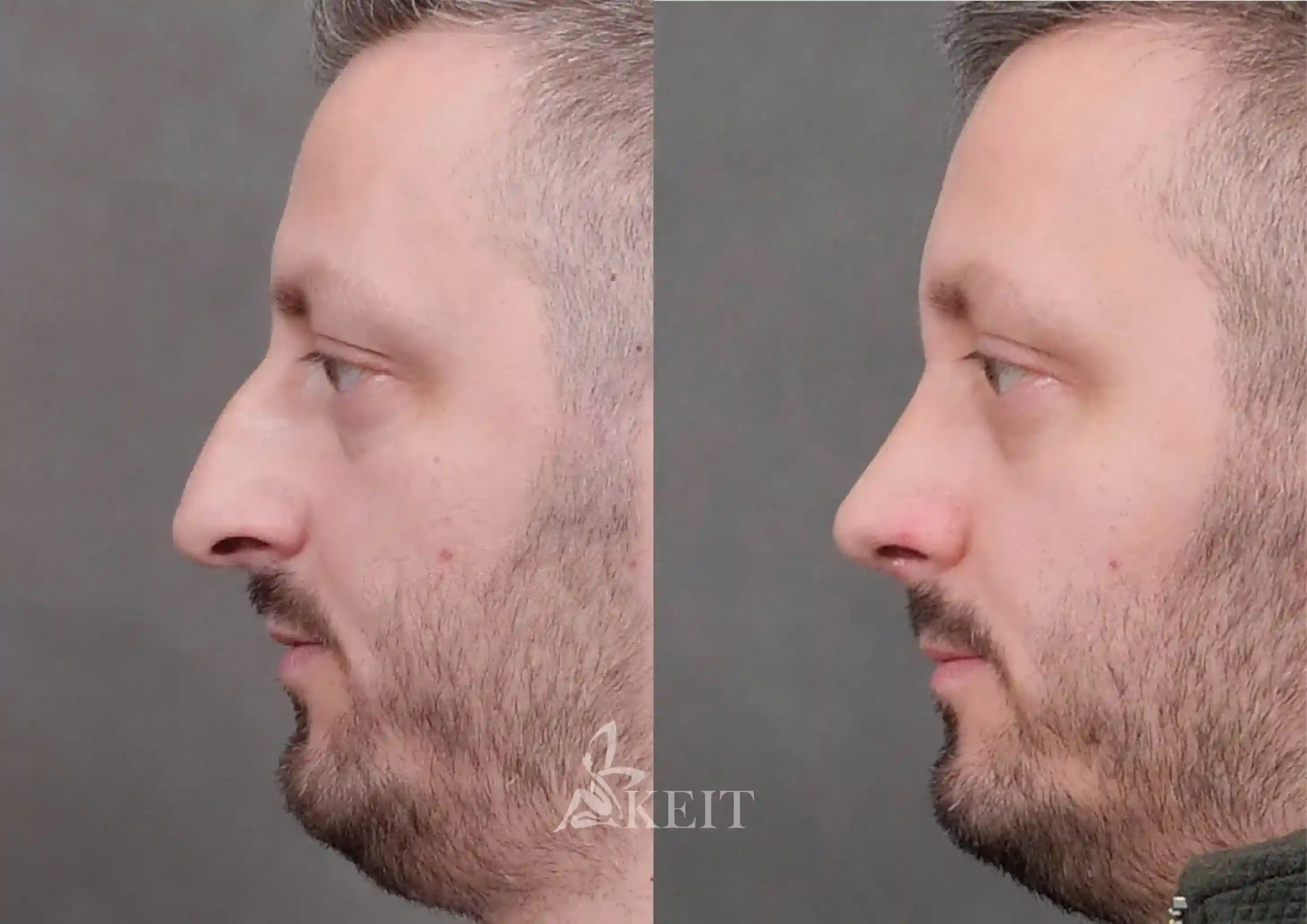
 Rhinoplasty

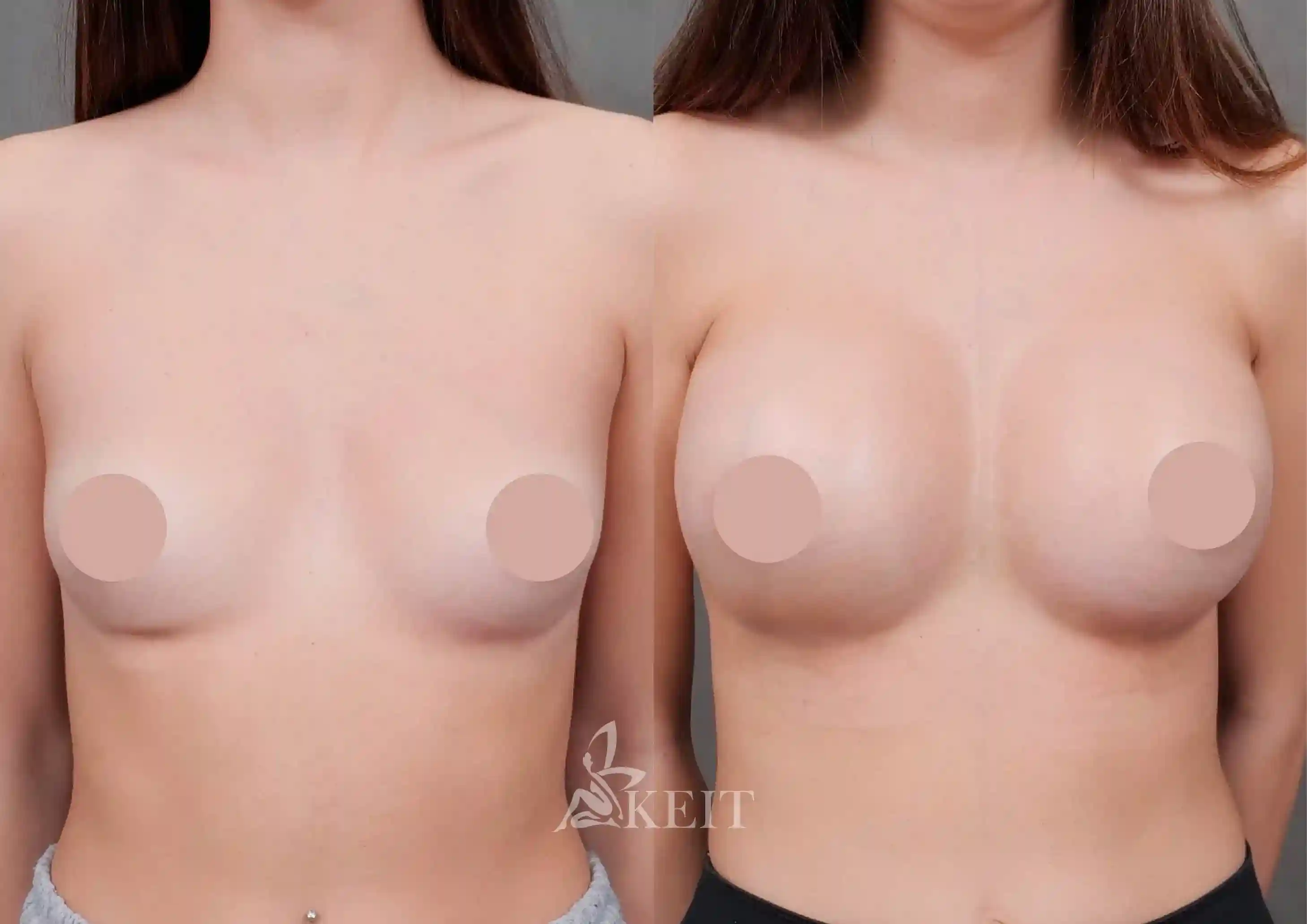
 Breast Augmentation
 Breast Reduction


































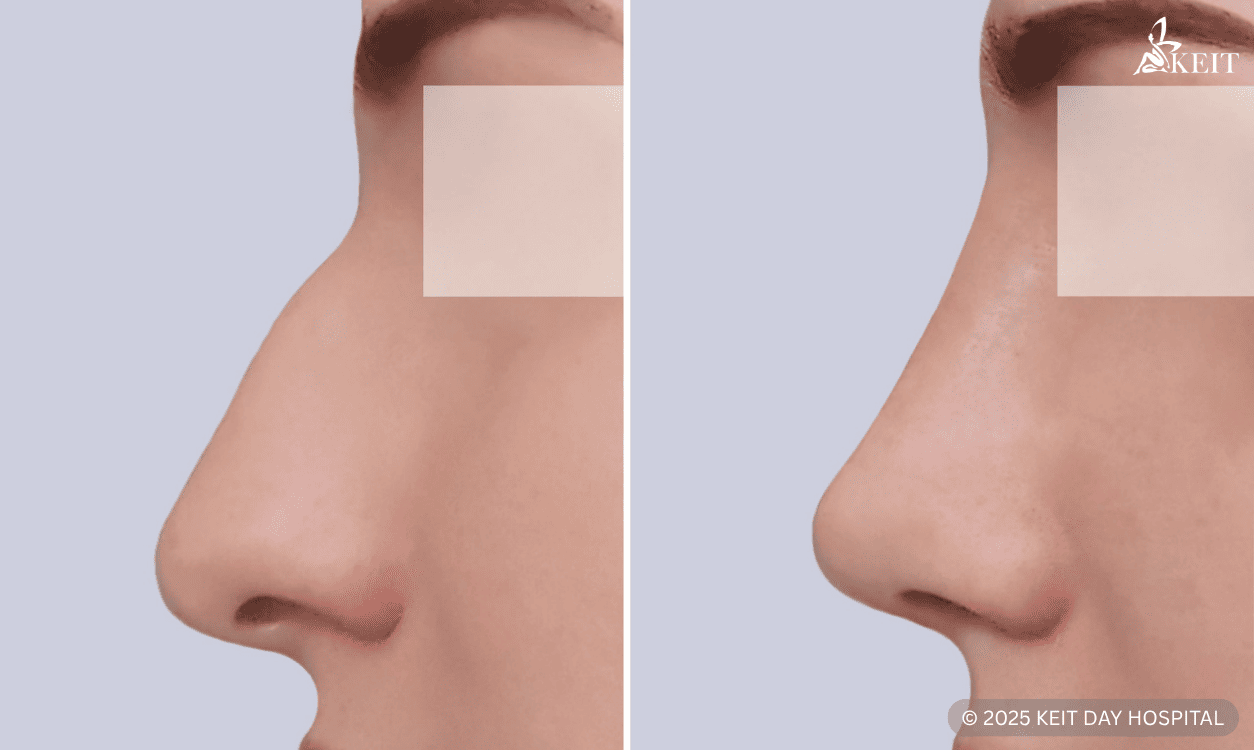
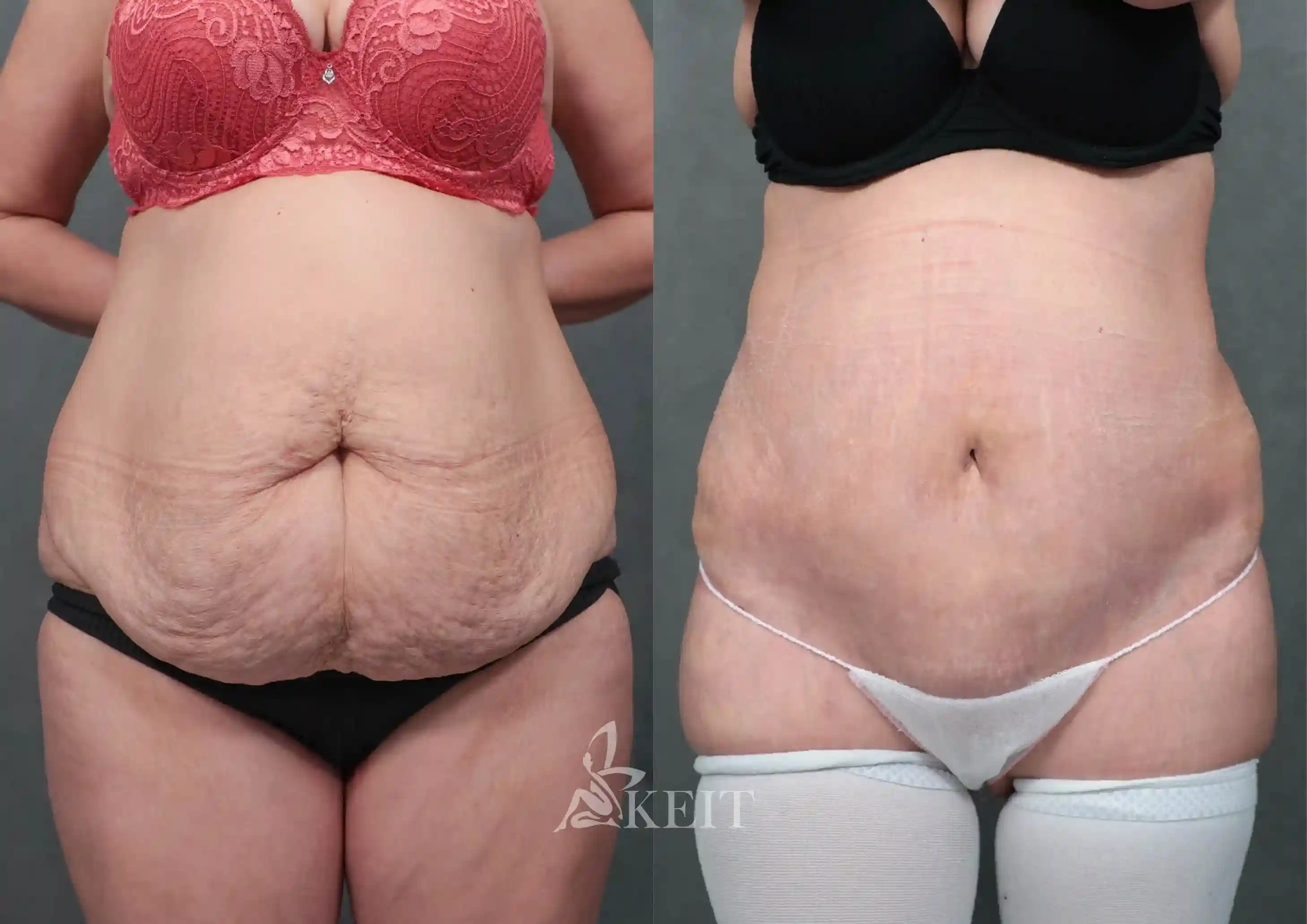
 Aesthetic Treatments
 Breast augmentation
 Hair transplant






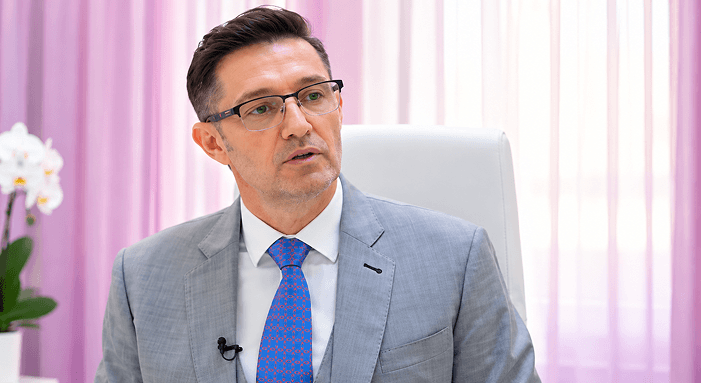
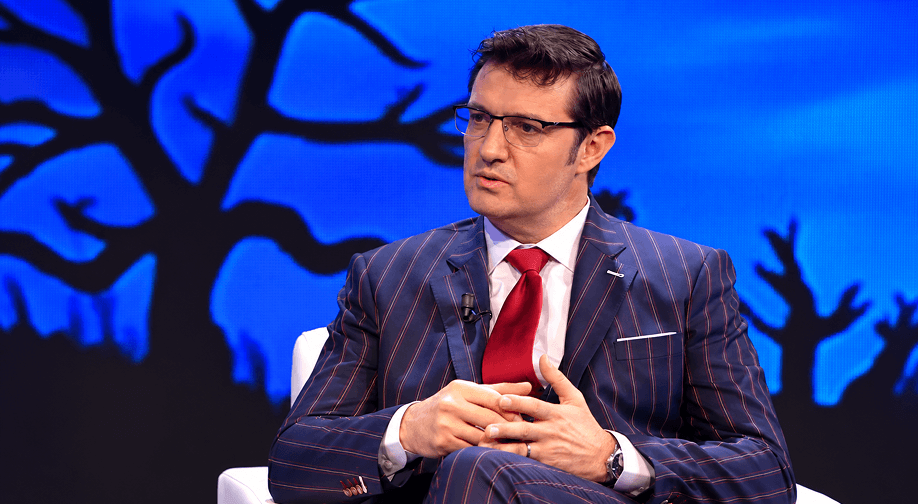
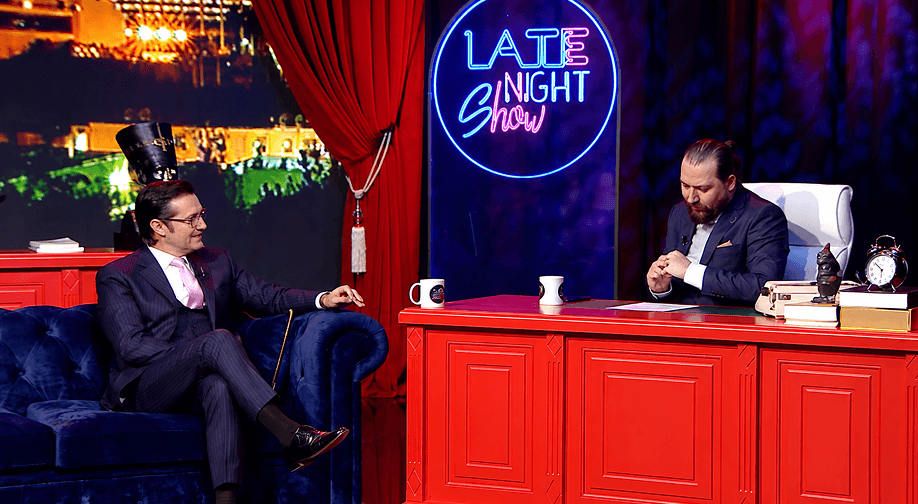
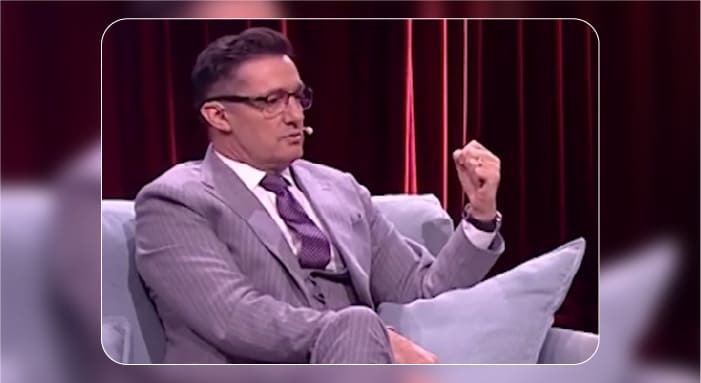
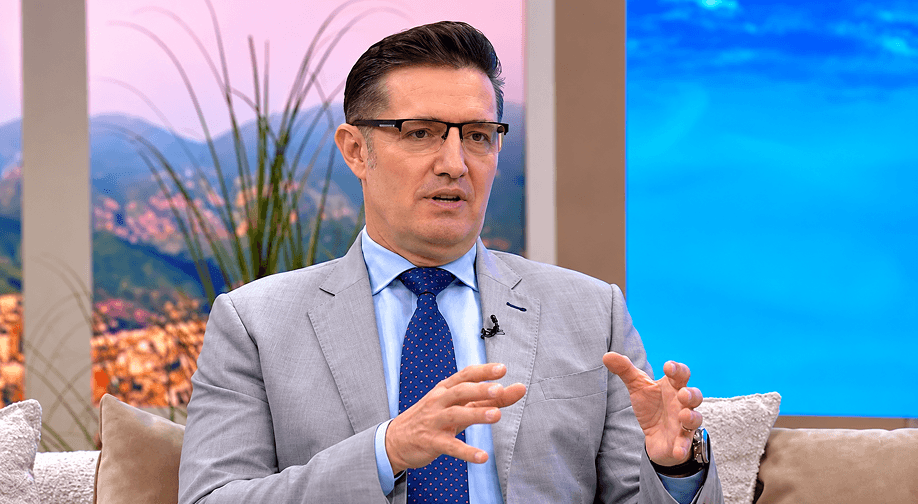
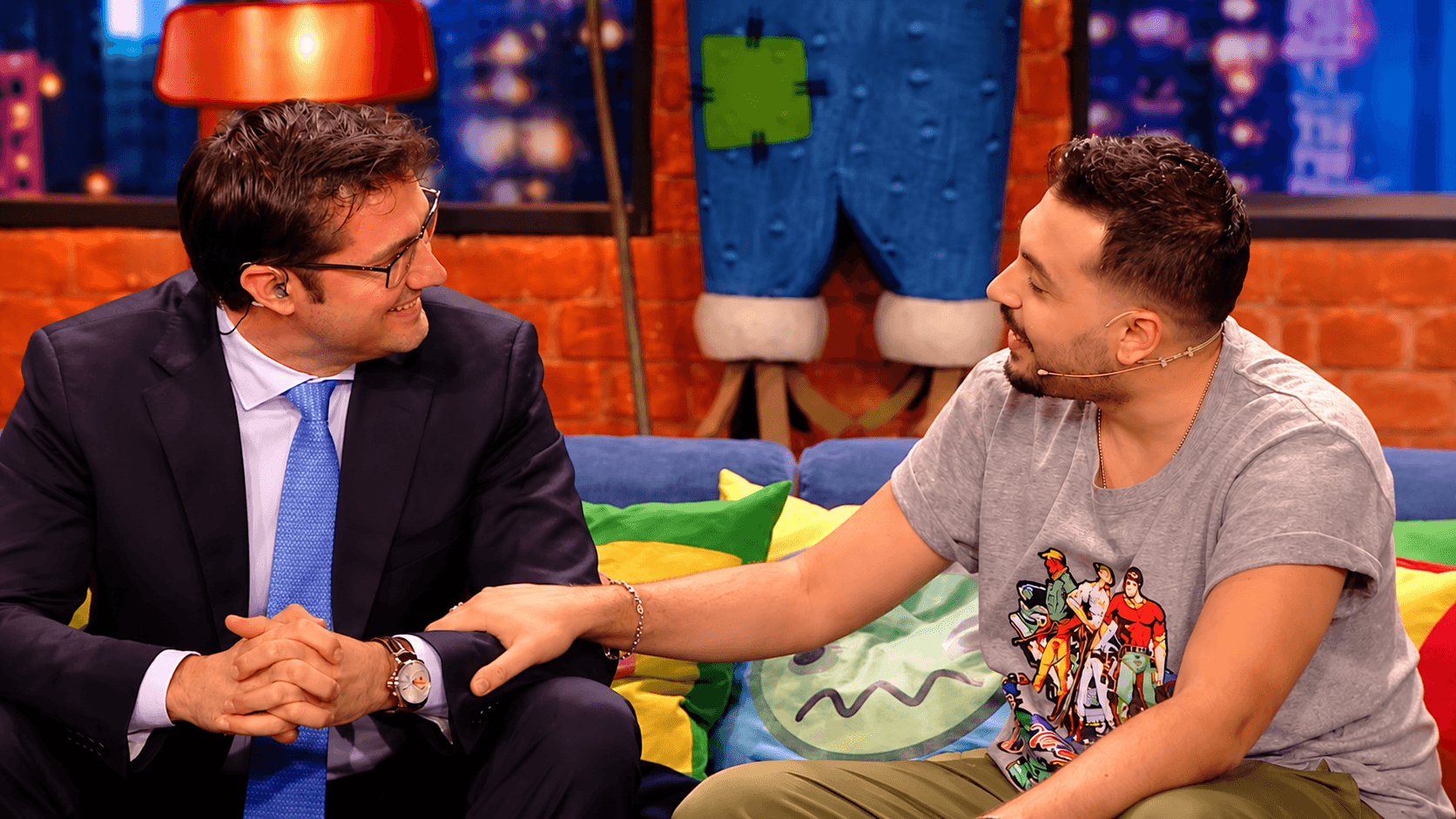
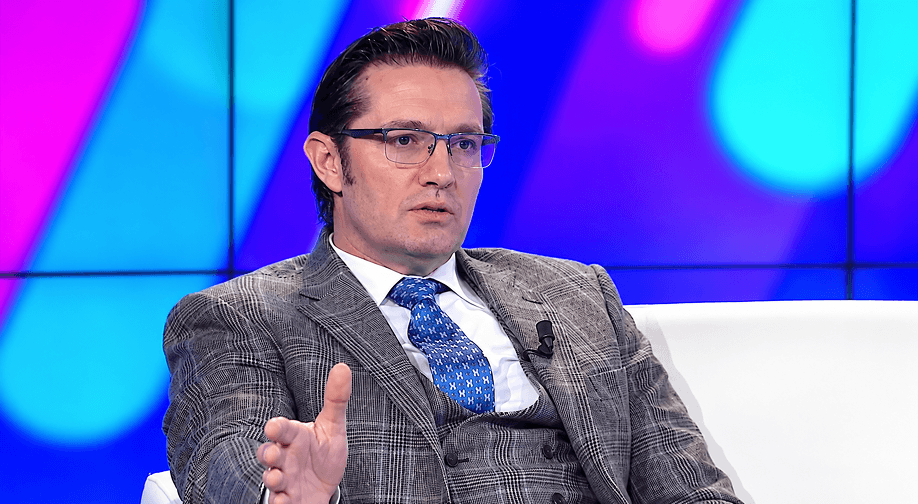
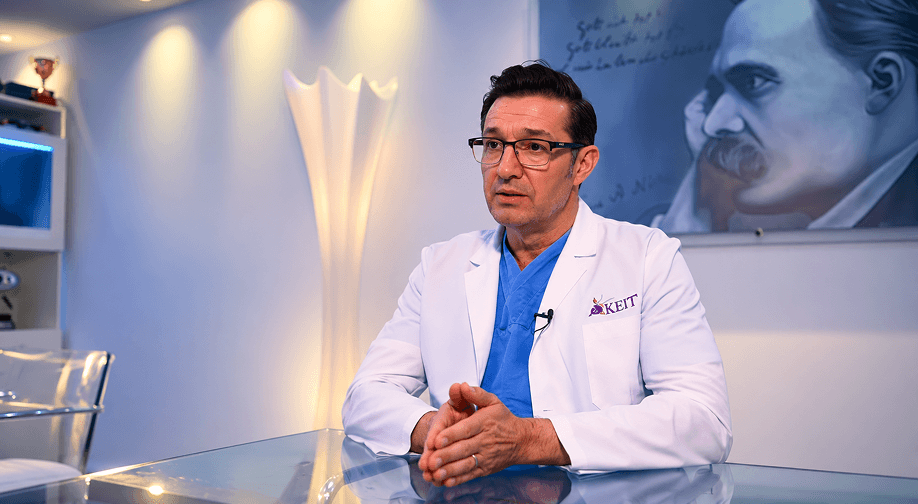
From Tirana to Italy: the story of Skerdi Faria, the doctor with a big heart
16 June 2025

Tirana. Then Italy, the country that is his second home. The story of Dr. Skerdi Faria — a doctor — is marked by dedication and care for his patients. But before becoming a doctor, a leading entrepreneur and a respected public figure, he was simply a boy from Tirana who grew up in a humble family of teachers and had to face great hardship from a young age. “I remember my Tirana, then moving a few years later with my family to Ballsh, where I spent my childhood,” he says.
He had a close relationship with his parents, both teachers, who passed on to him a love of knowledge and honesty. After secondary school, Faria was awarded the Gold Medal by the Ministry of Education. “But those years also coincided with one of the most difficult periods for many Albanian families,” he recalls.
“When I started General Medicine in Tirana, the conditions were extreme. I shared a room of just 12 square metres with four other students, in a dormitory without heating and often without food. Despite everything, the desire to study never faded. The situation got worse when, with the change of regime, both my parents lost their jobs,” he says softly.
Dr. Skerdi also had to work to pay for his studies. He started by selling wine left over in state warehouses, then plastic flowers, and finally motor oil at the roadside. When that business also failed because a petrol station opened nearby, he used every cent he had saved to open a small restaurant near the faculty, which he called “Bar Ristorante Doktori”. “I woke up at five in the morning to cook, went to lectures and then came back to serve in the restaurant. In the evening I studied,” he adds.
Financial difficulties forced him to interrupt his studies for a year and return to Ballsh. Even there, however, he did not give up: he turned the house into a small cinema for the neighbourhood children, using the only colour television in the area. That year he taught himself Italian, without any outside help.
In 1995 he graduated in General Medicine from the University of Tirana with an excellent average of 9.5, among the best of his year. He was immediately hired by the Institute of Public Health, where at his first interview Prof. Edi Kakarriqi told him: “Here you become a scientist, but you stay poor.” A bitter truth that reflected the reality of a system with limited resources, low salaries and few prospects for growth.
Working at the institute, however, allowed him to collaborate with experts from the Istituto Superiore di Sanità in Rome. In those years he learned to use a computer — a skill still rare in Albania in the 1990s — and worked at a relentless pace, even at weekends, preparing presentations and research. Thanks to this commitment, he was selected to present his studies at an international conference in Rome in February 1997.
It was then that he made the decision that would change his life forever: he did not return to Albania. In March of that year the country plunged into chaos because of the civil war. Nobody was waiting for him in Italy; he had no family, no financial support and no regular documents. But he had a clear goal: never give up.
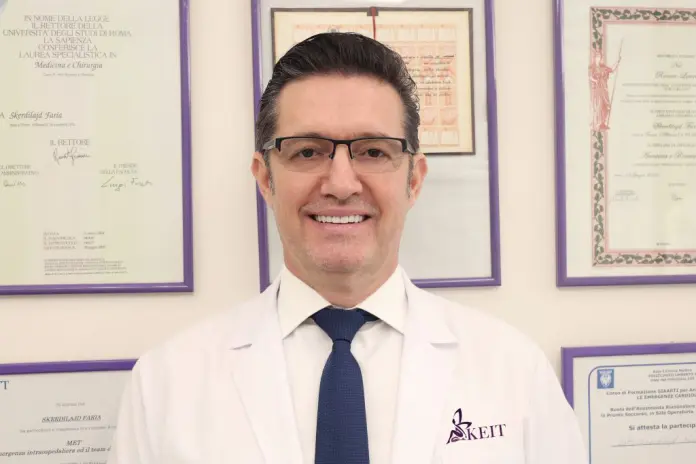
Thanks to the contacts he had made through his work, he managed to obtain an internship at the Istituto Superiore di Sanità in Rome. To support himself, he worked as a waiter and as a gym instructor. In 2002 he completed his specialisation in Hygiene and Preventive Medicine at “La Sapienza” University of Rome. In 2004 he obtained recognition of his medical degree at the same university. In 2006 he also completed a PhD on hospital infections, again at “La Sapienza”.
Driven by his passion for critical care medicine, he undertook a second specialisation, this time in Anaesthesia and Intensive Care at “Tor Vergata” University, one of the leading centres in Italy. He completed it in 2009, after years of great sacrifice, divided between shifts in operating rooms and extra jobs to support his family.
In those years he managed to bring his fiancée and his parents to Italy, supporting them in every way. They all lived together in a small 60-square-metre flat in a working-class area of Rome, where they shared everything: expenses, meals, affection. His two children, Elena and Giorgio, were also born in that home, and he wanted to give them a more dignified life. For a time he also hosted a couple of emigrant cousins, so that eight people lived together with a single bathroom.
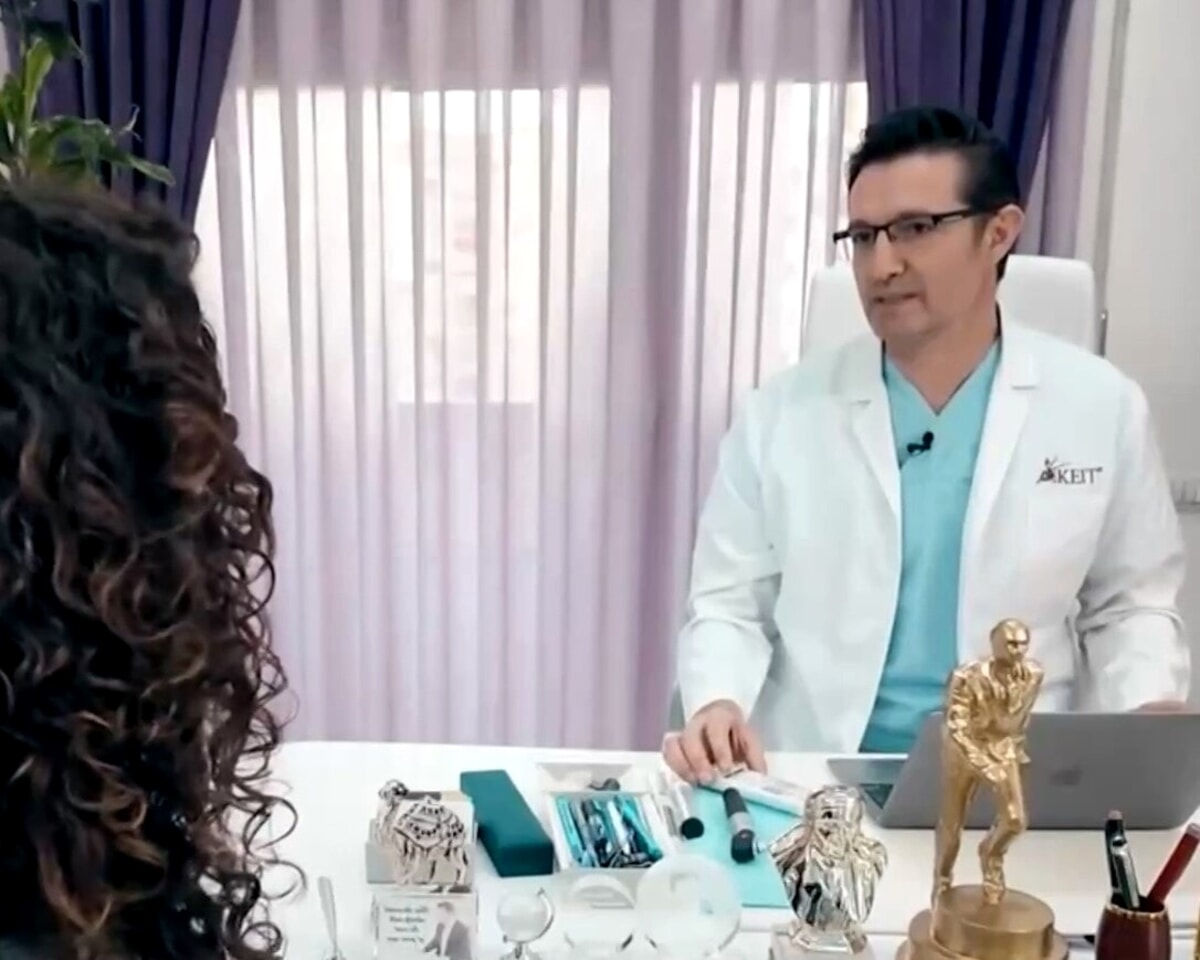
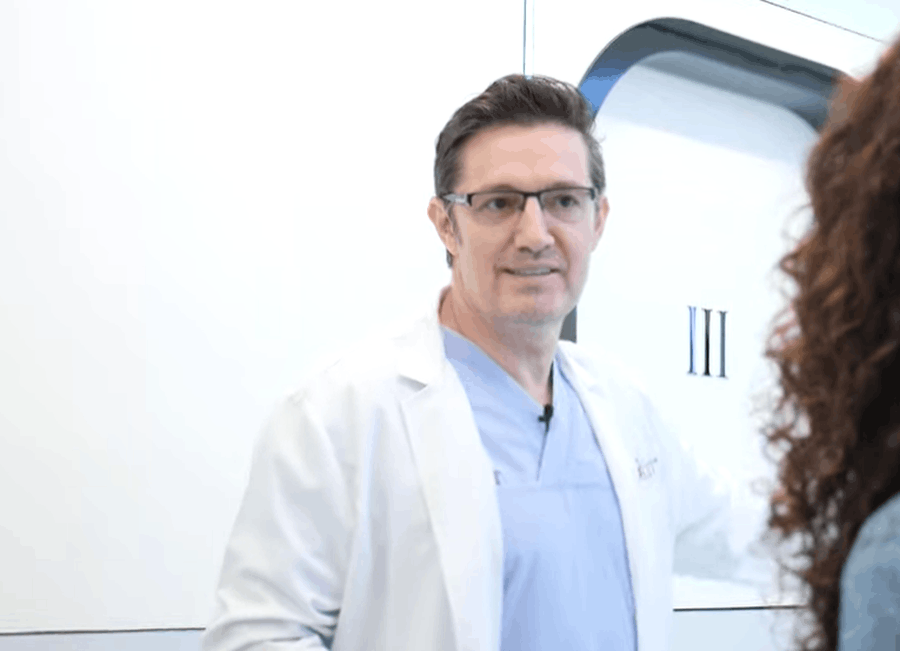
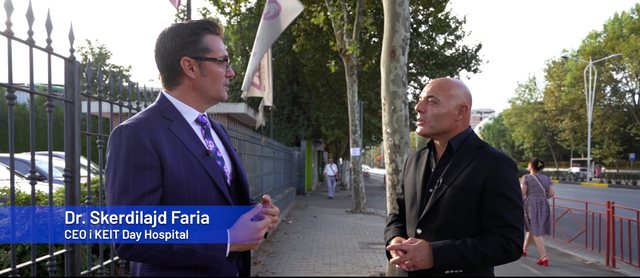
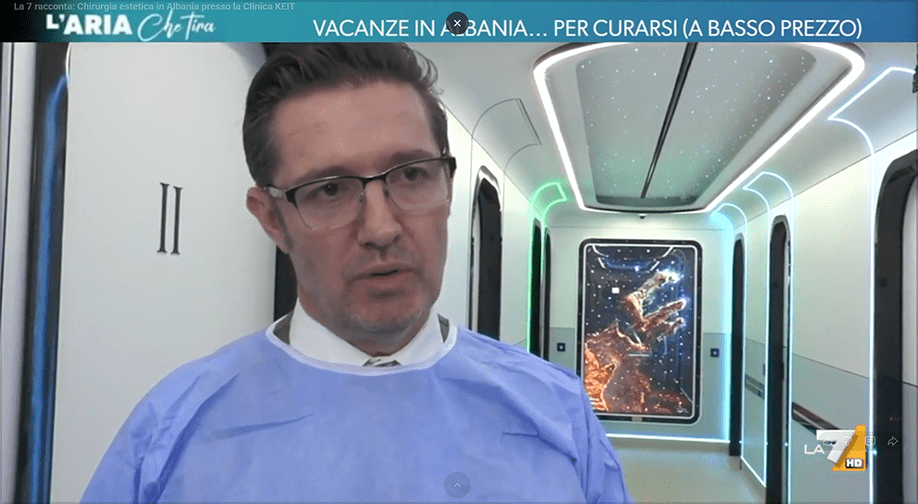
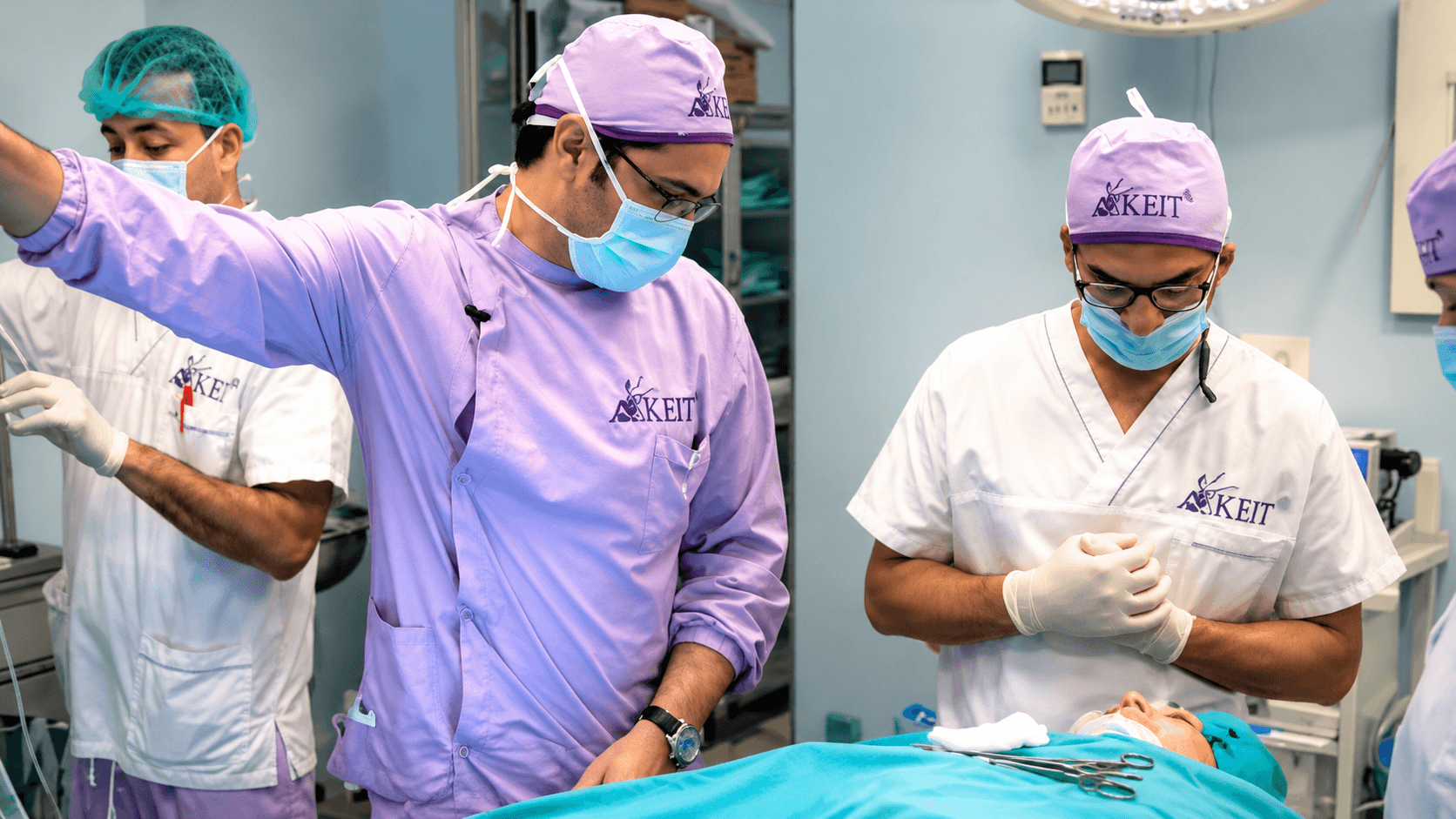
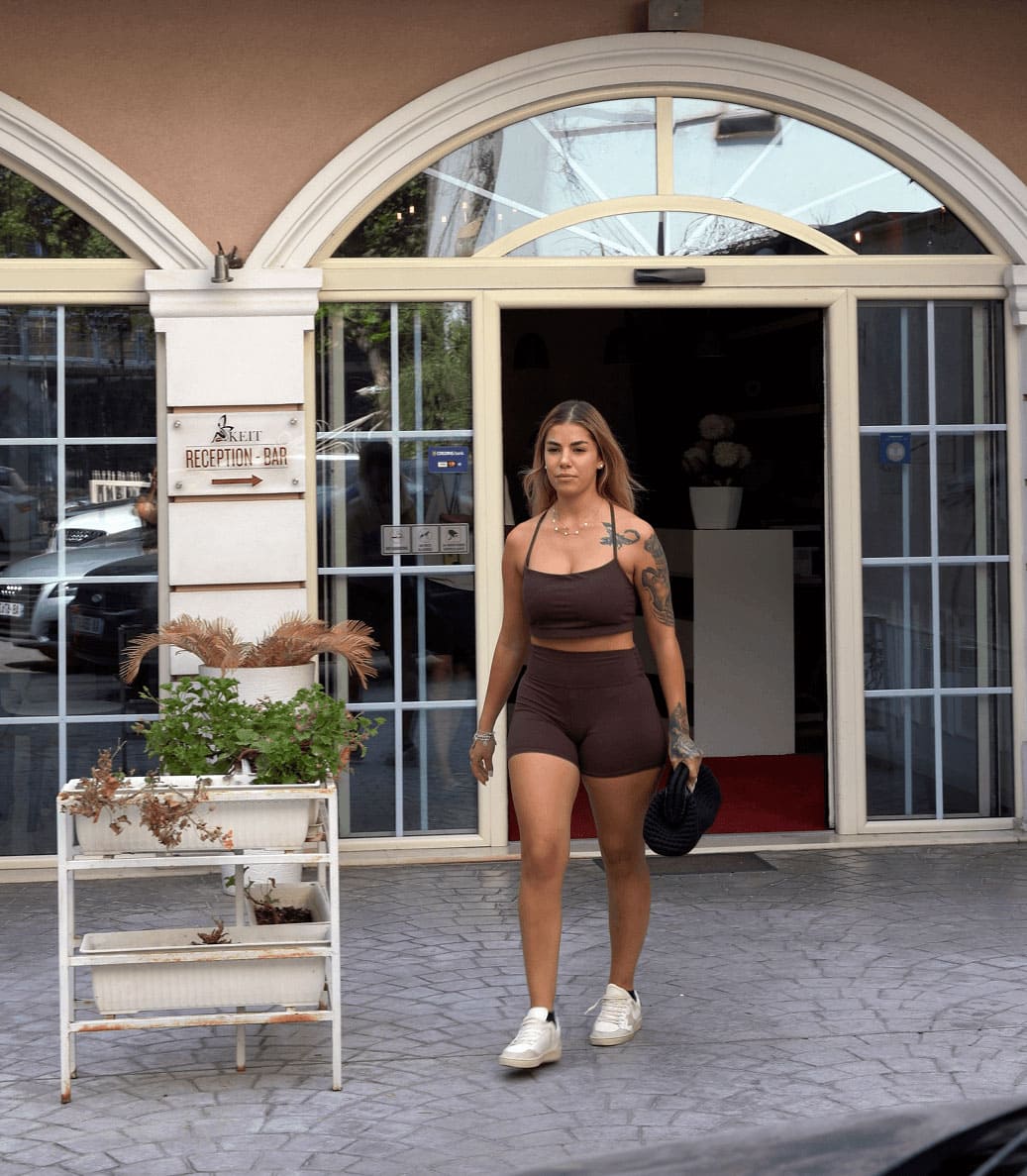
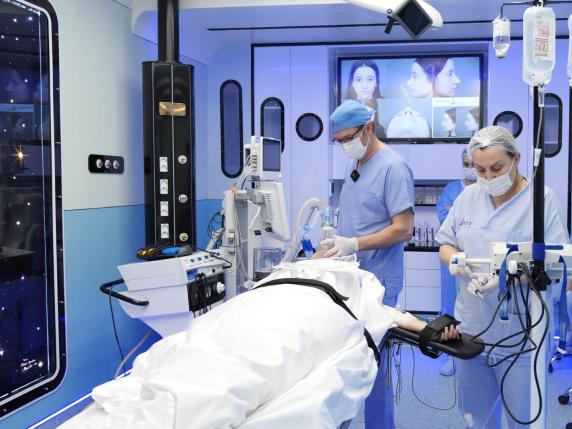
After years working as an anaesthesiologist in Italian hospitals, and with some savings put aside, he decided to return to Albania. He started with a small facility in collaboration with Italian orthopaedic surgeons. In 2011 he founded KEIT Day Hospital. KEIT was born in an apartment of just 80 square metres, but with a clear vision and extraordinary commitment. The beginnings were difficult: cosmetic surgery was still a taboo in Albania.
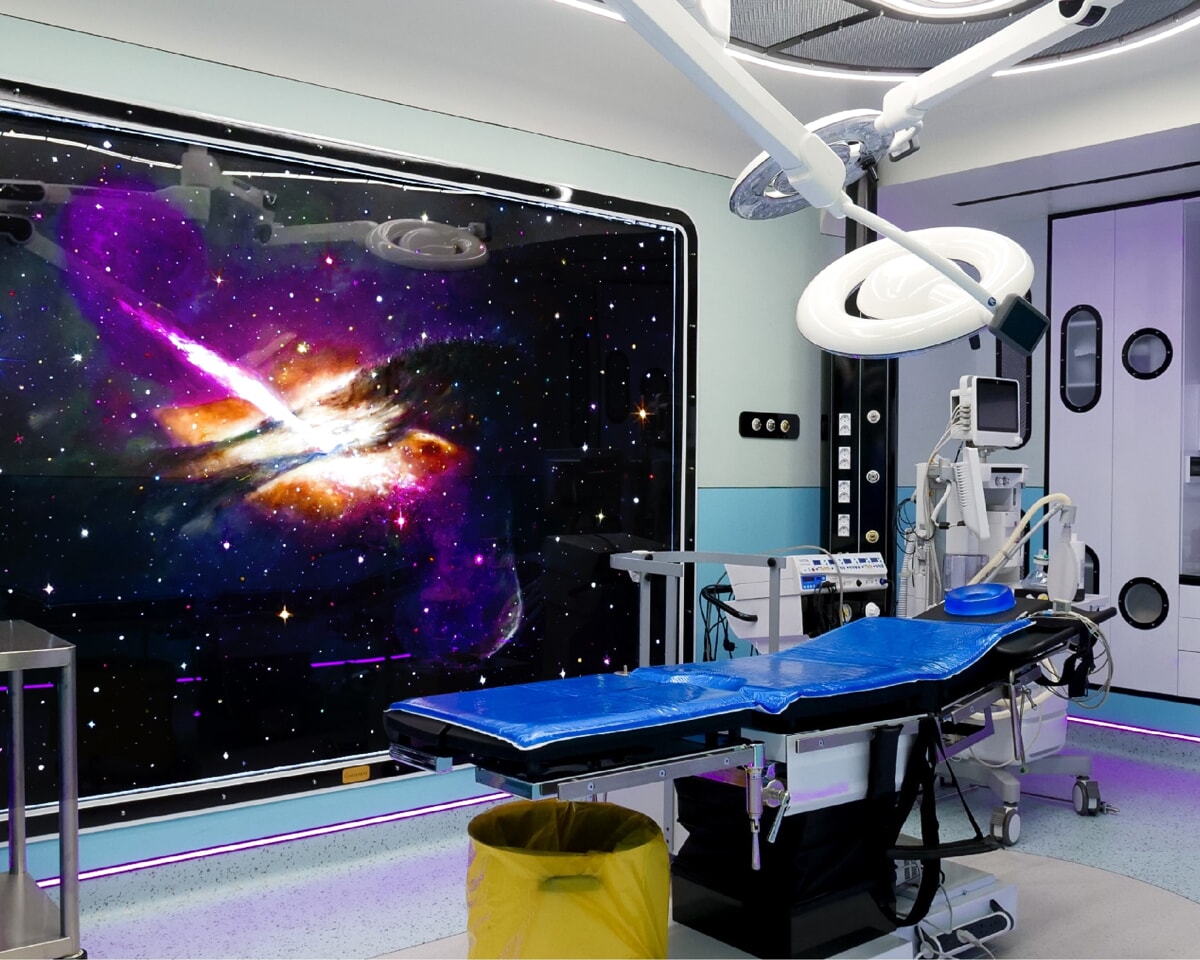
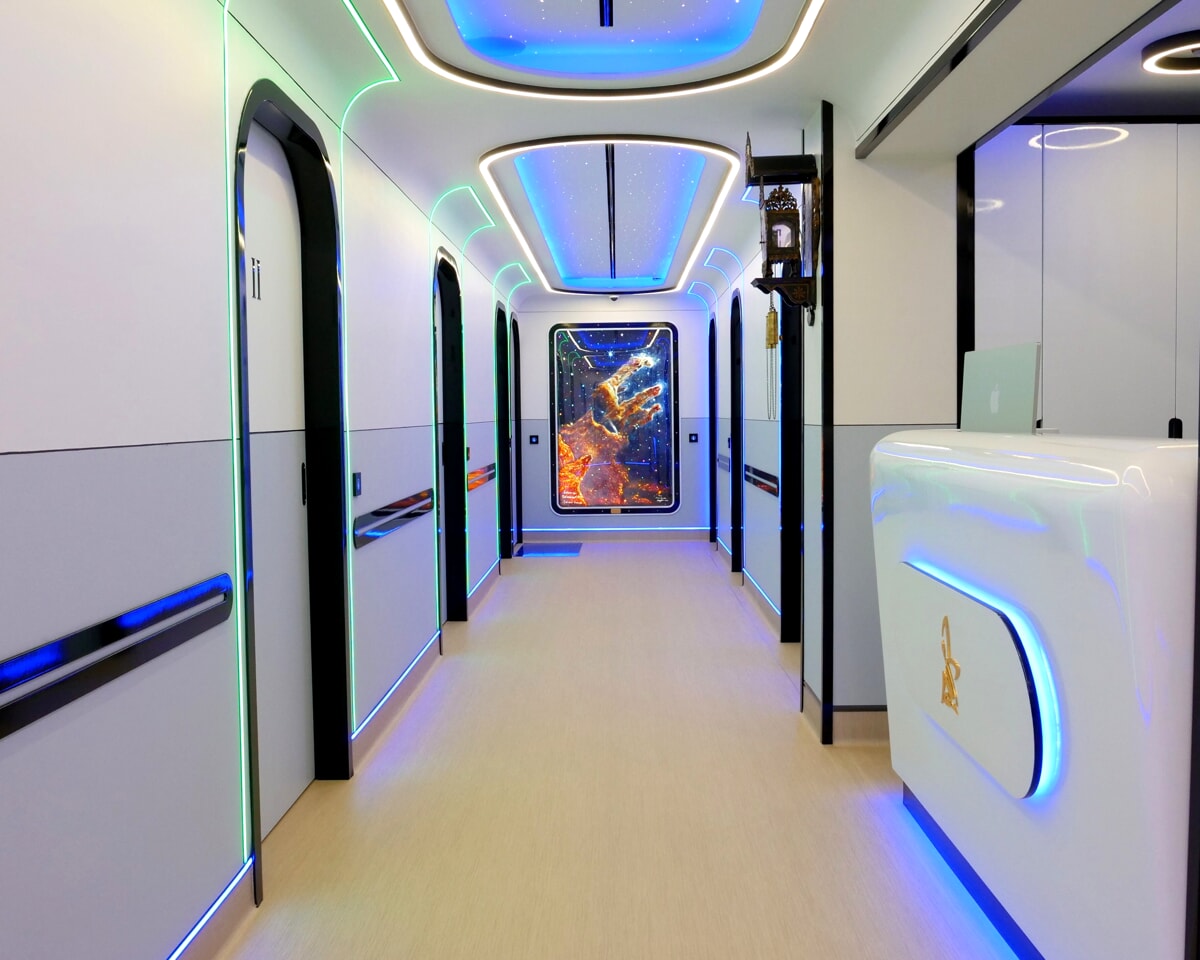
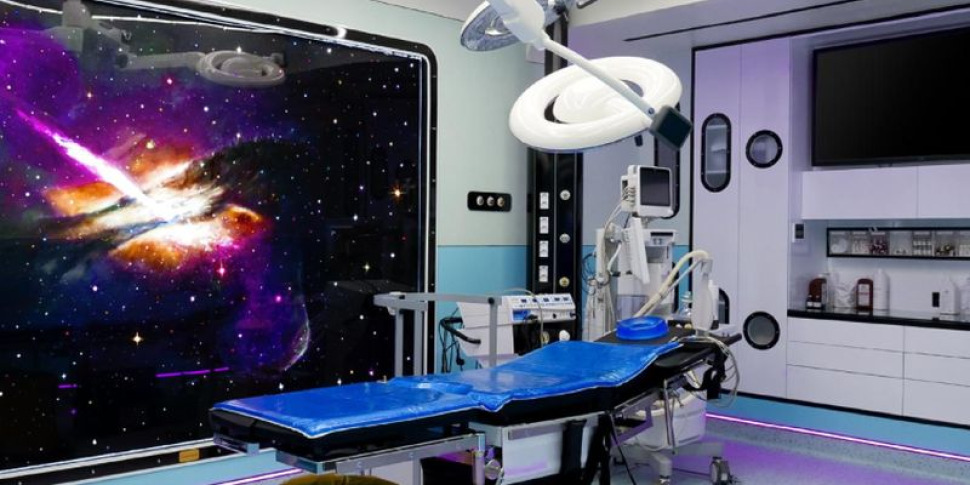
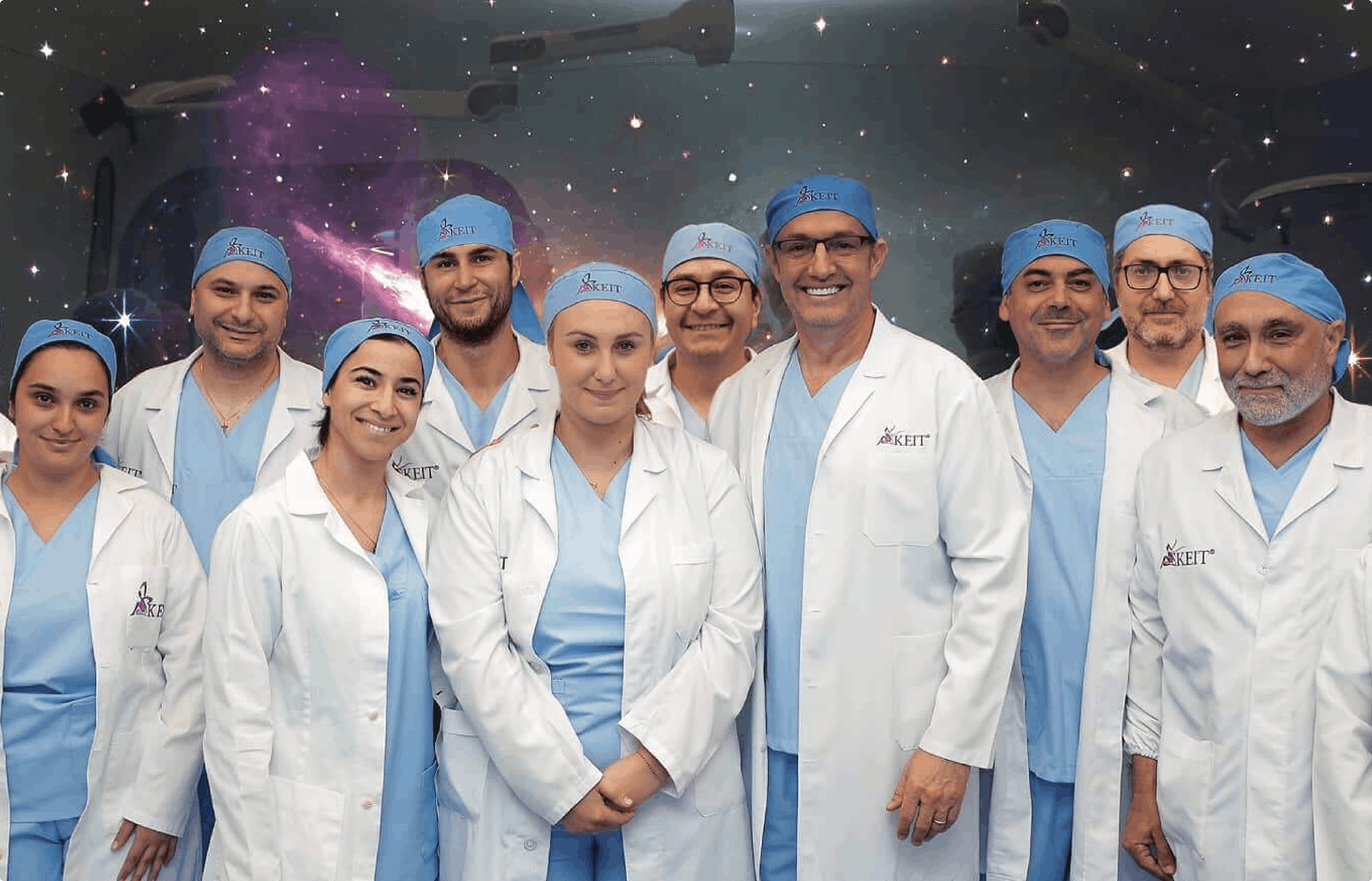
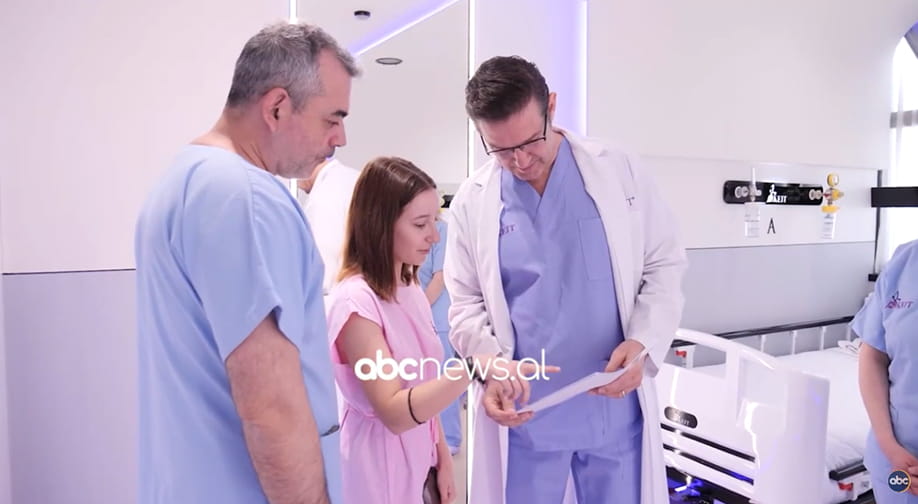
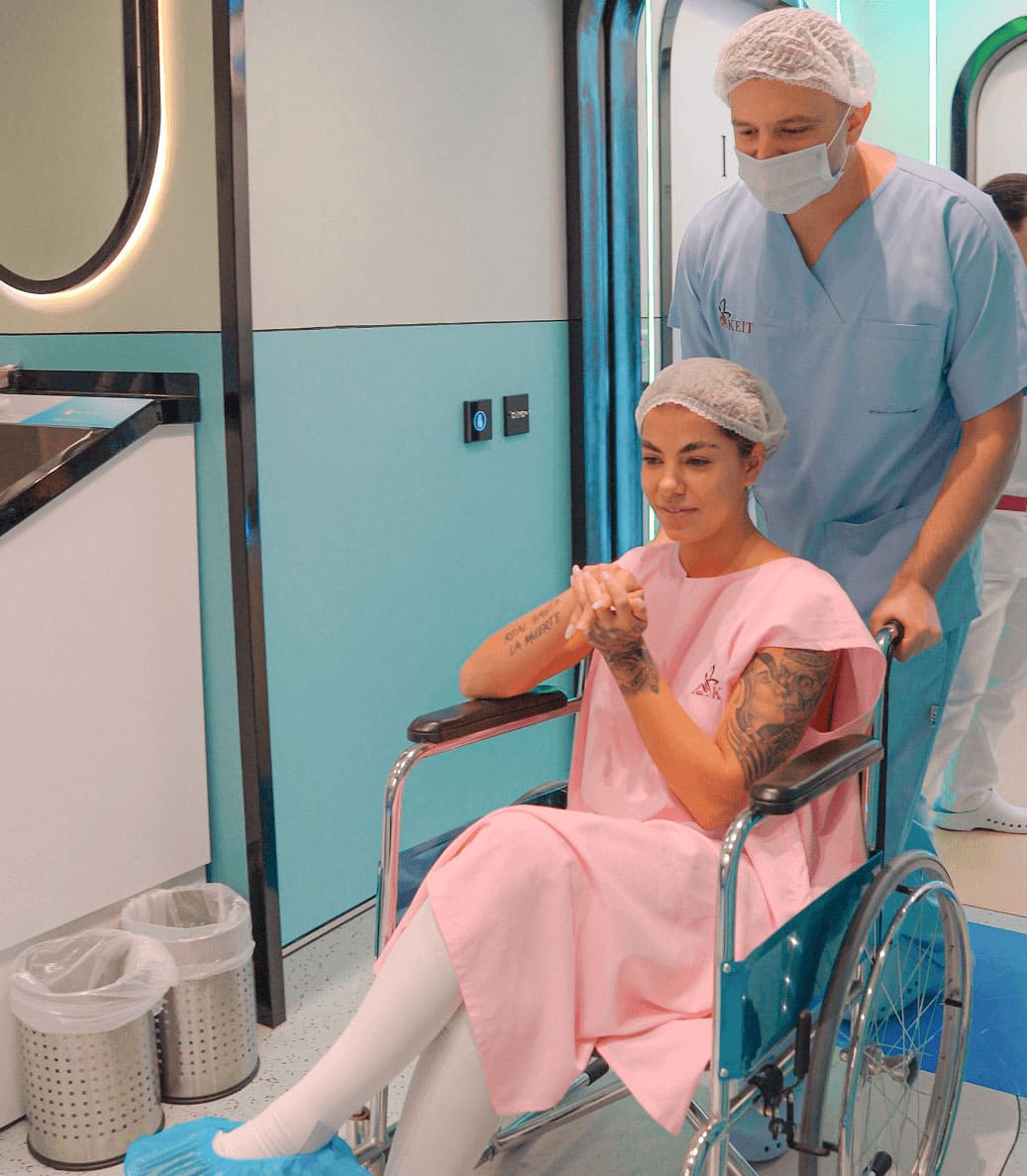
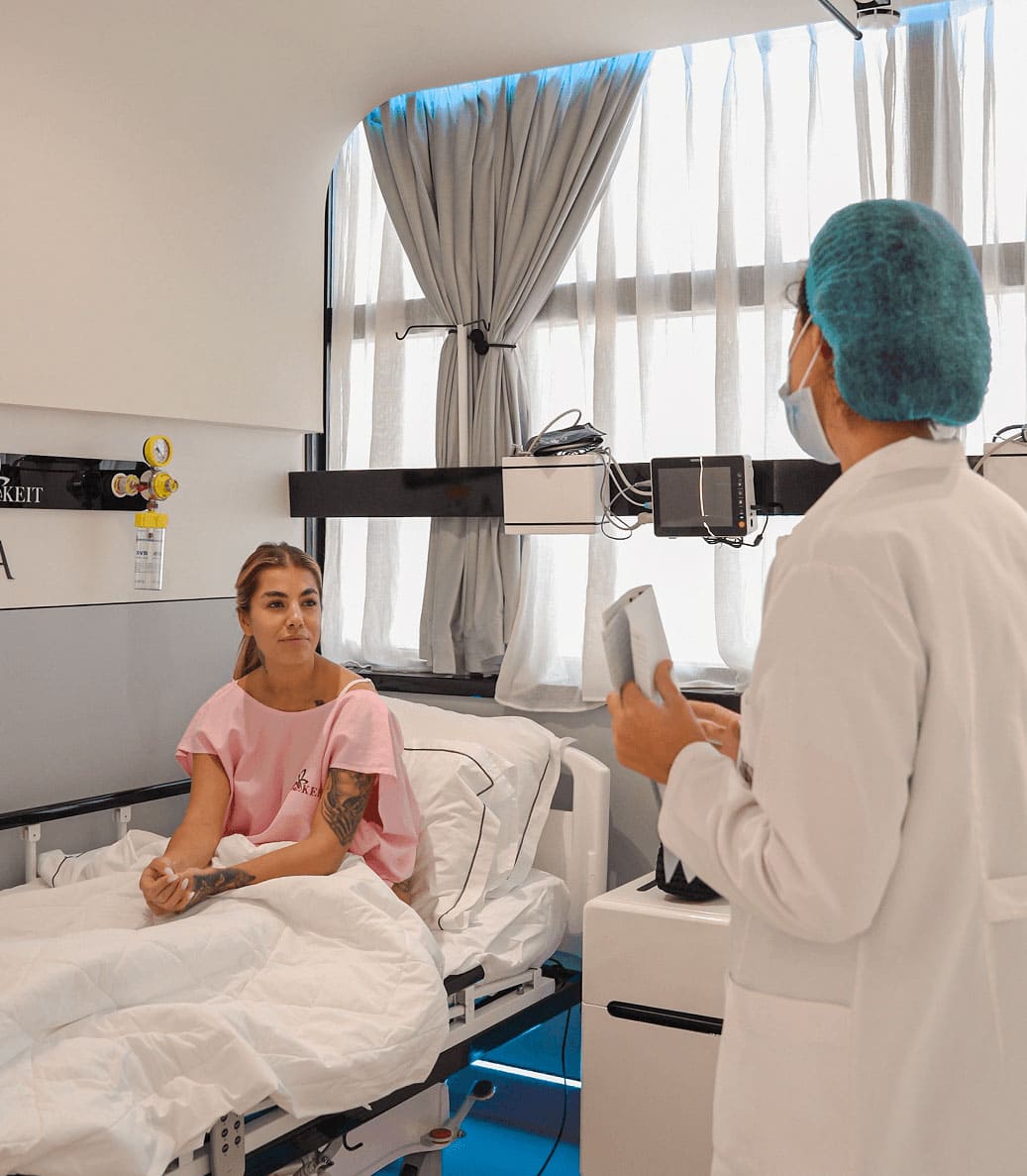
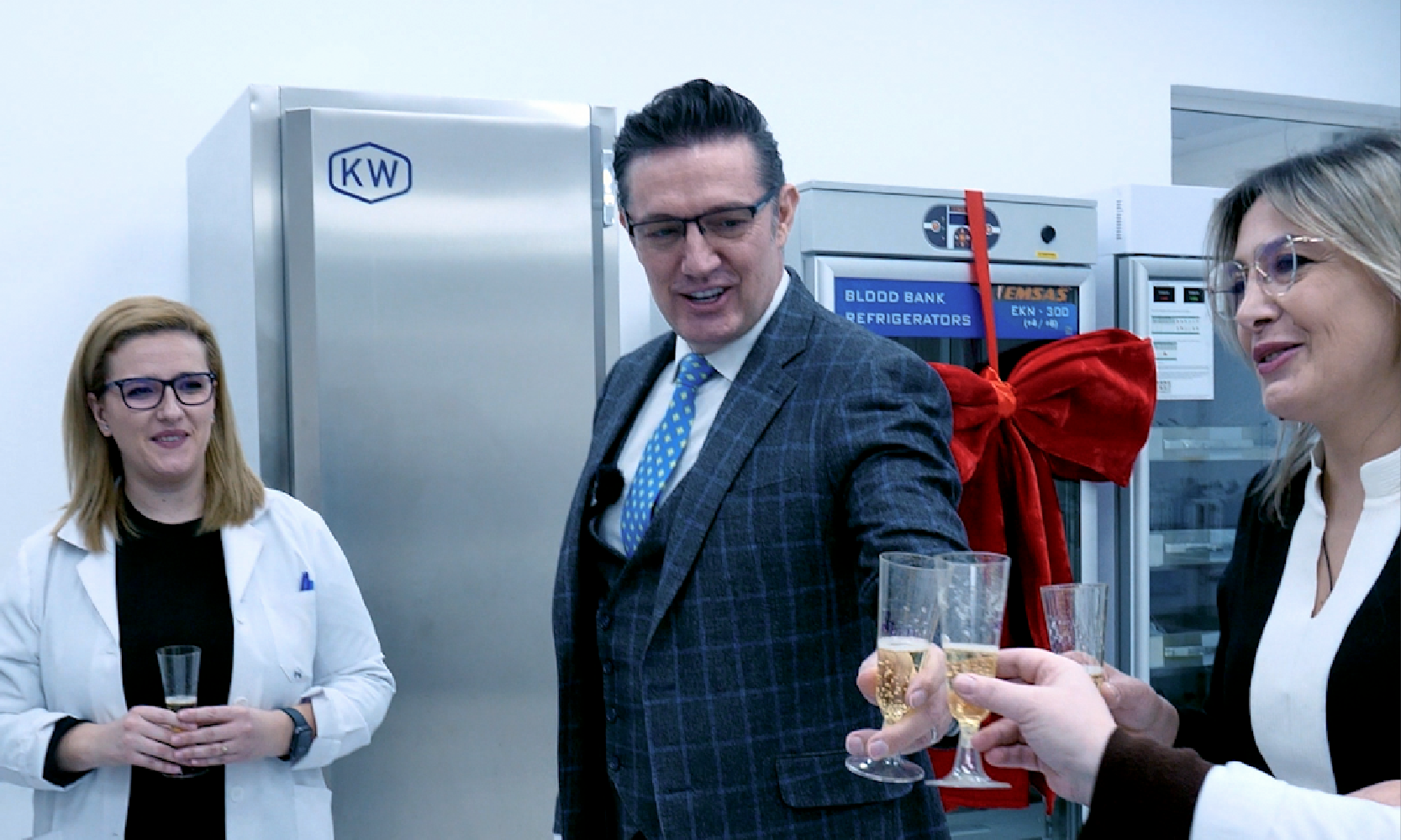
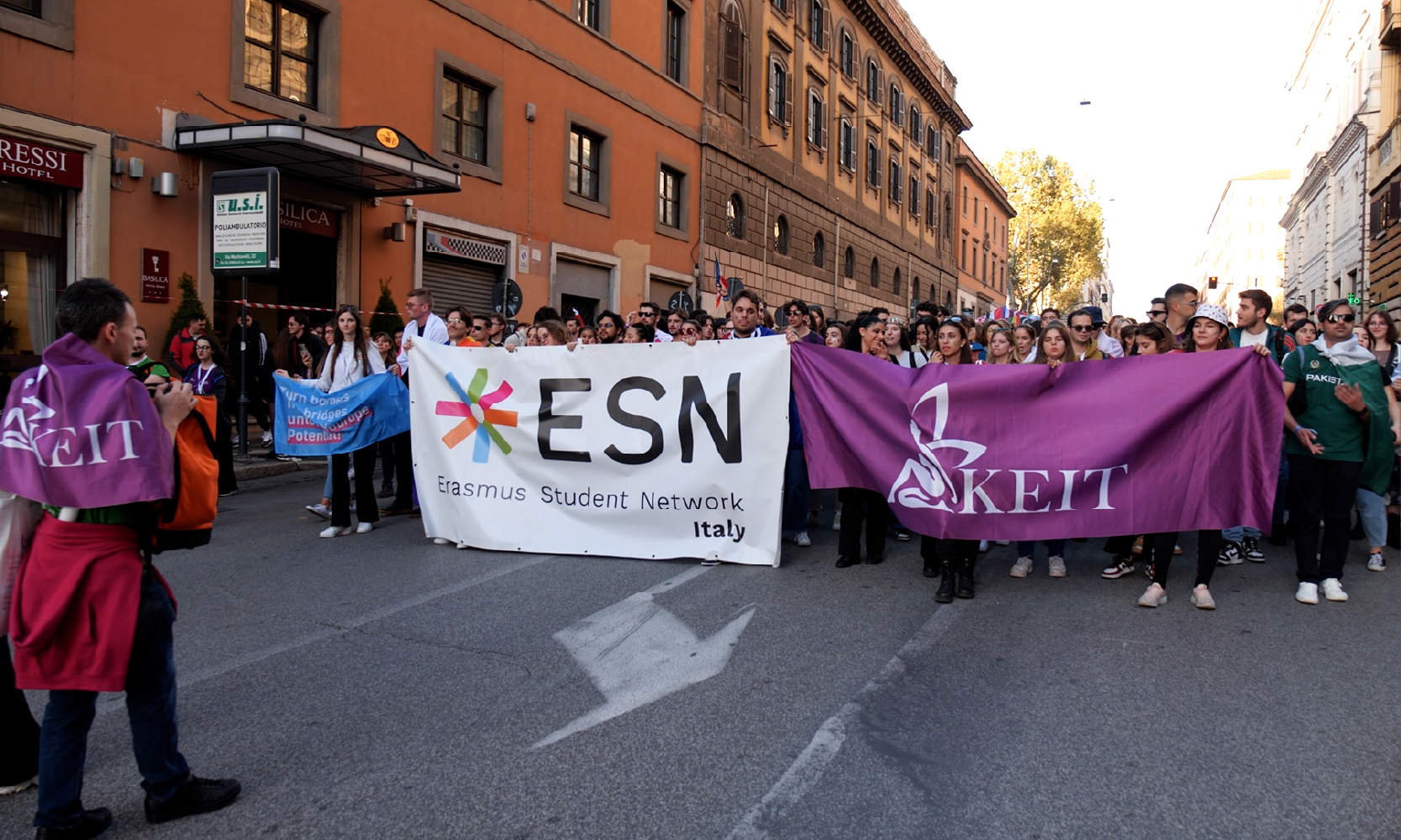
Today KEIT is a day hospital, a modern facility of more than 2,500 square metres, with over 200 employees and an international team of surgeons, including 27 Italians. With thousands of patients from Albania, Italy and other European countries, KEIT today is synonymous with excellence, professionalism and humanity in cosmetic surgery.