 4.9 Rating | 23.000+ Procedures | European Medical Team
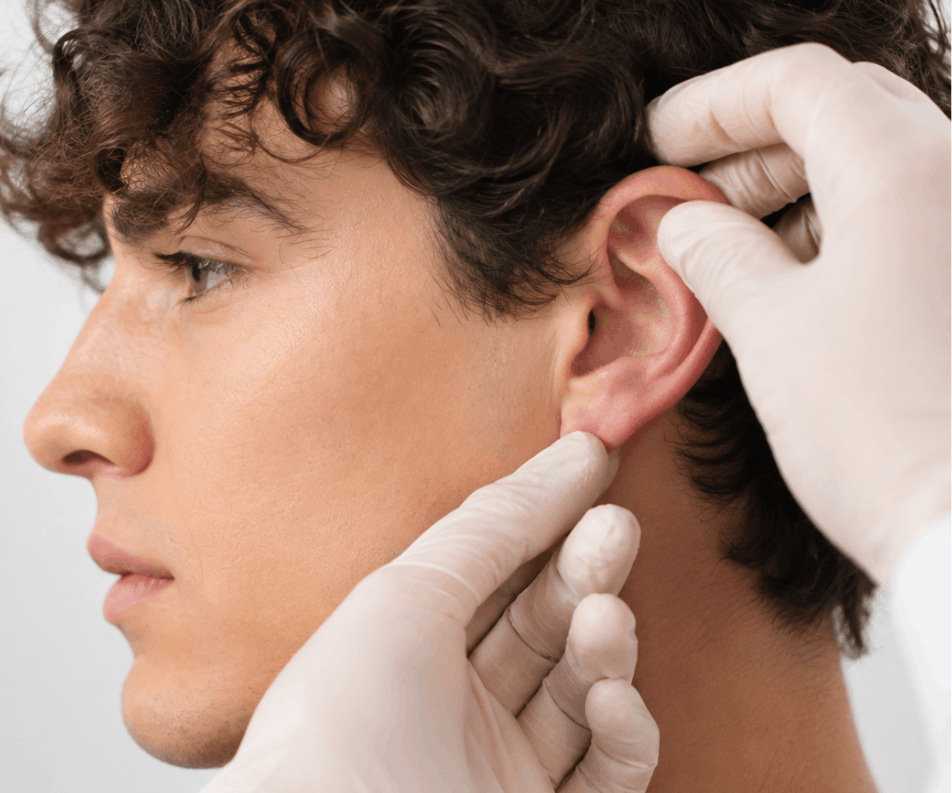
TABLE OF CONTENTS:

Otoplasty explained: how ear pinning surgery works
Ideal candidate for otoplasty: key factors to consider
Otoplasty methods: unilateral and bilateral correction
Otoplasty surgery: the journey to your transformation
Otoplasty before and after: ear reshaping results
Recovery after otoplasty: timeline and main stages
Potential risks: what to consider before otoplasty
Why choose KEIT Day Hospital for otoplasty?
In this article you will learn how otoplasty works, who makes an ideal candidate and which ear reshaping methods achieve the most natural and long-lasting results. You will also understand what to expect before, during and after surgery, including the recovery timeline and potential risks. Finally, this article explains how choosing a trusted medical institution such as KEIT Day Hospital, known for its Italian surgeons and strict European standards, ensures a safe surgical experience and naturally balanced, harmonious results.
 Book your FREEOnline Consultation Now

Otoplasty explained: how ear pinning surgery works
Otoplasty is typically performed under local anesthesia, with the option of sedation or general anesthesia depending on the case. The procedure usually lasts between 40 and 90 minutes, depending on whether one or both ears are being corrected. A small incision is made behind the ear to access and reshape the cartilage. By refining or repositioning the cartilage with fine sutures, the ear is brought closer to the head with a natural contour. The incision is then closed discreetly in the crease behind the ear, leaving an almost invisible scar.
Ideal candidate for otoplasty: key factors to consider
Ideal candidates for otoplasty include individuals who have prominent or protruding ears, asymmetry between the ears or dissatisfaction with the ear shape since childhood. The procedure is suitable for adults and children from age five, when the ear cartilage is fully developed. Candidates should be in good general health, have realistic expectations and understand the recovery timeline.
Otoplasty methods: unilateral and bilateral correction
Otoplasty surgery can correct one ear or both, depending on the patient’s anatomy and symmetry goals.
Unilateral otoplasty: correcting one protruding ear
Unilateral otoplasty focuses on reshaping a single ear when only one side protrudes or appears asymmetric. A small incision is made behind the ear to access the cartilage, which is then folded, refined or repositioned to match the opposite ear. The procedure takes 40–90 minutes and is typically performed under local anesthesia, with optional light sedation for added comfort. Most patients return to light activities within a week, wearing a protective headband for the first days to stabilise the new position.
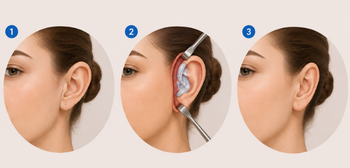
(i) Image illustrating the unilateral otoplasty technique
Bilateral otoplasty: symmetry and balance for both ears
Bilateral otoplasty treats both ears at the same time and is the most common approach for patients with bilateral prominence. Through discreet incisions behind each ear, the surgeon reshapes and secures the cartilage to reduce projection and restore balanced, proportional contours. The procedure lasts 40–90 minutes, usually under local anesthesia or with general anesthesia depending on the case or patient's preferences. Recovery is similar to unilateral correction, with a headband worn full-time for 5–7 days and at night for an additional two weeks.
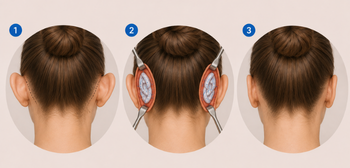
(i) Image illustrating the bilateral otoplasty technique
Otoplasty surgery: the journey to your transformation
Your ear pinning surgery journey involves several key steps designed for safety, comfort and personalized planning.
Consultation and planning:
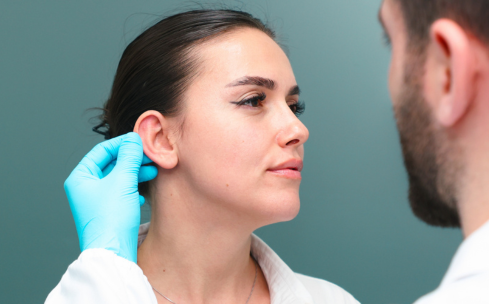
You will meet your surgeon to discuss concerns, review ear anatomy and define realistic goals based on your facial proportions.
Medical evaluation:
Pre-operative tests include blood work, an ECG, a full medical assessment and dedicated visits with both the cardiologist and the anesthetist to confirm that you are fully prepared for surgery.
Pre-operative preparation:
You will receive detailed instructions regarding fasting, hygiene, skincare, medication adjustments and how to prepare your home for recovery.
Surgery day:
Otoplasty is performed in a fully equipped, European-standard operating room. The procedure lasts between 40 and 90 minutes, performed under local anesthesia with the option of sedation or general anesthesia depending on whether unilateral or bilateral otoplasty is planned.
Otoplasty before and after: ear reshaping results
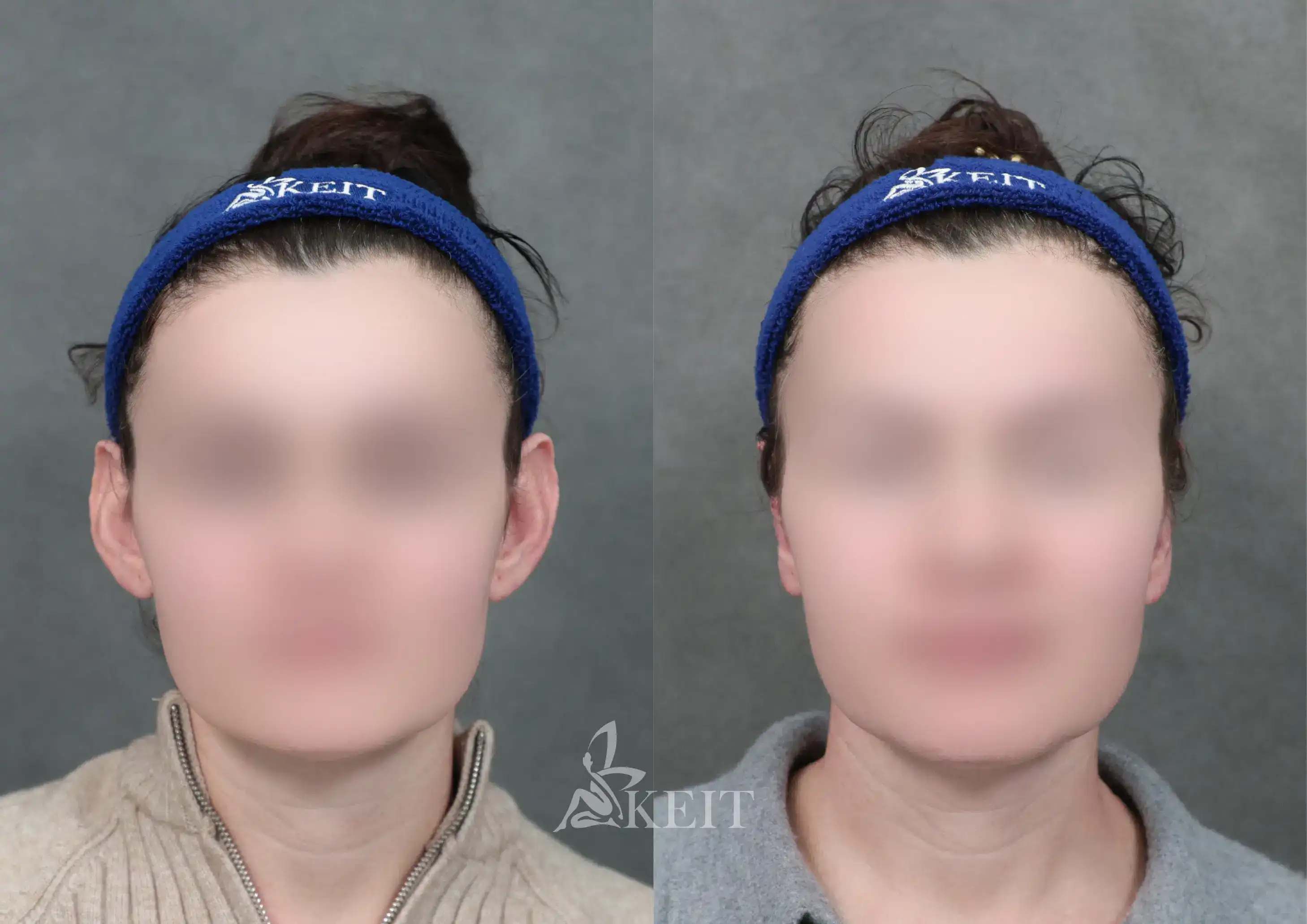
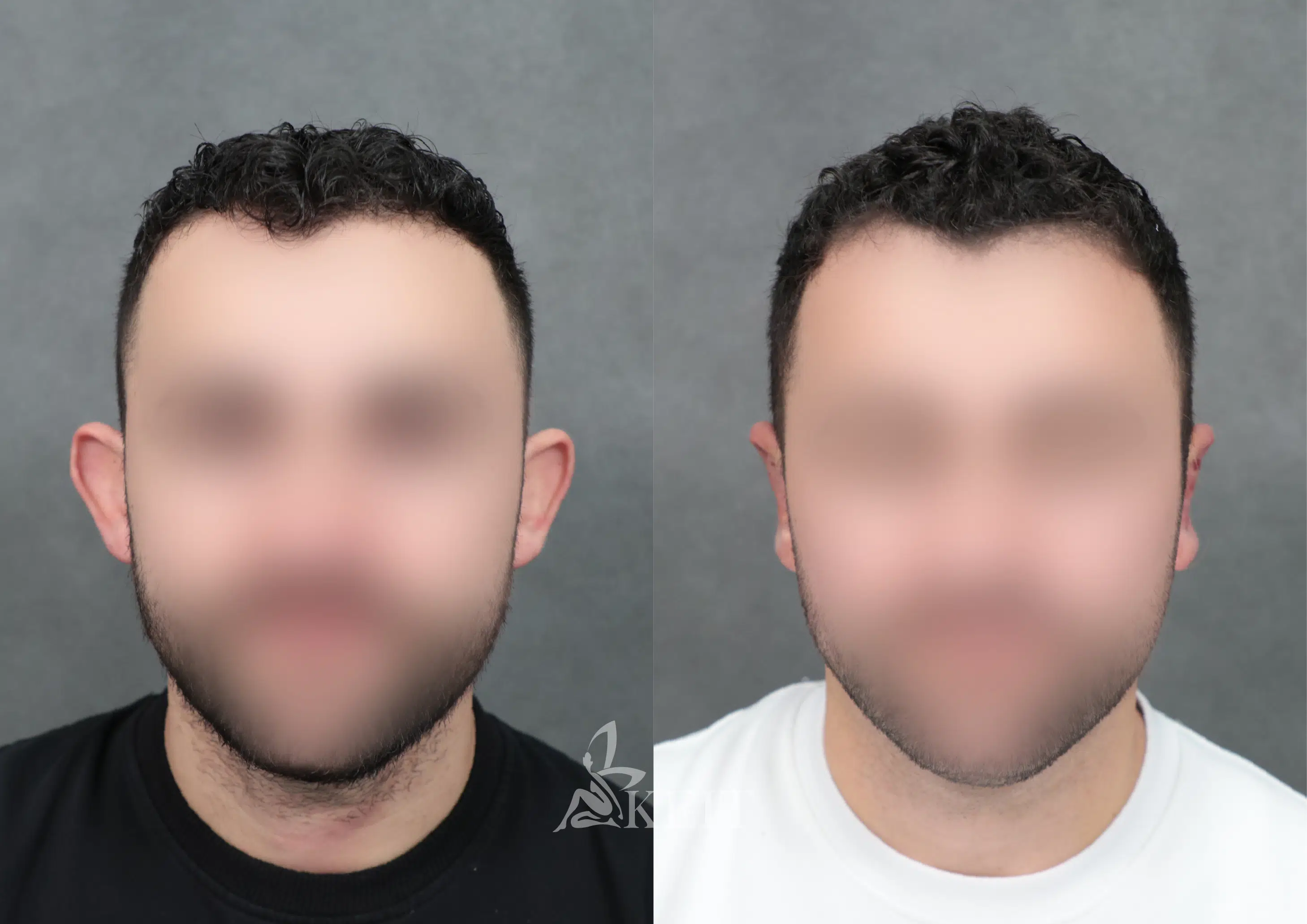
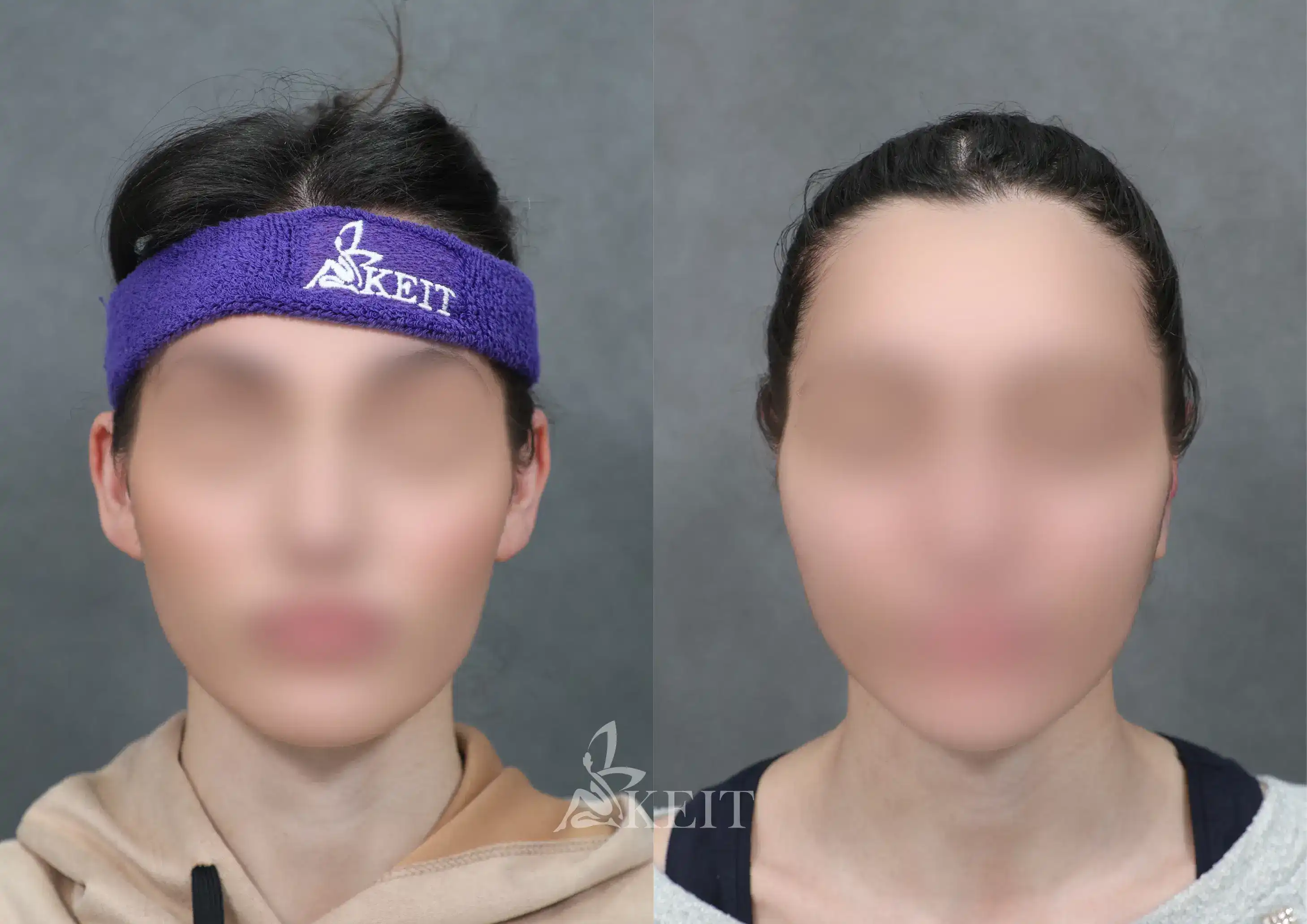
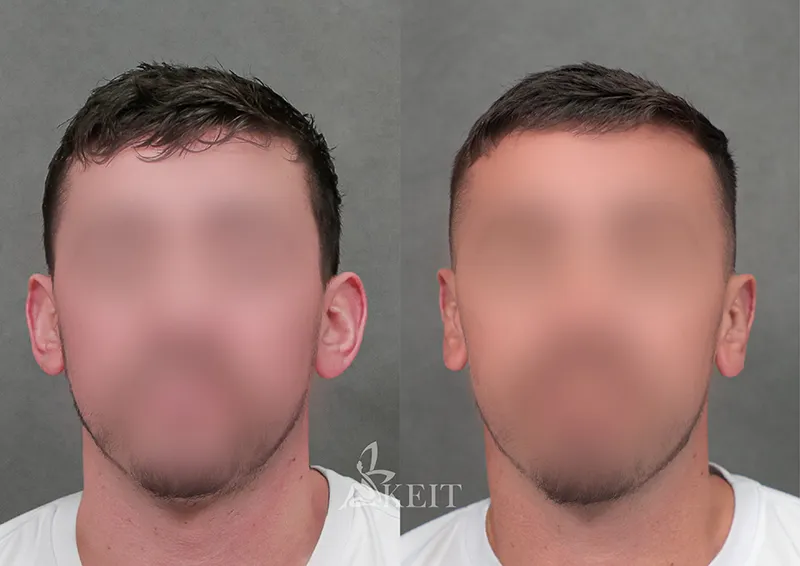
The results of otoplasty depend on the initial shape and position of the ears, the anatomy of the ear cartilage, and the type of correction performed. Before-and-after images show examples of the reshaping achieved following the procedure.
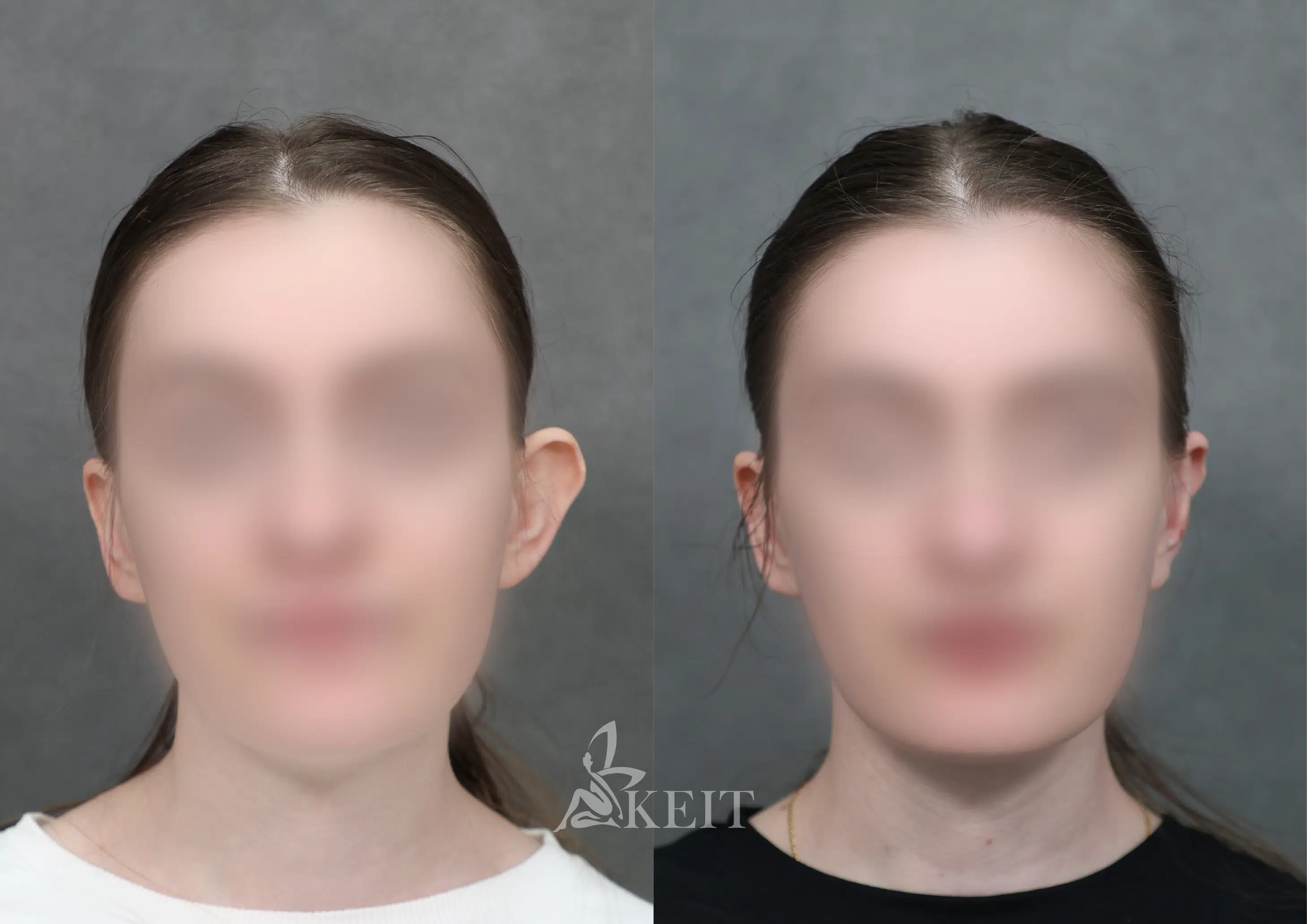
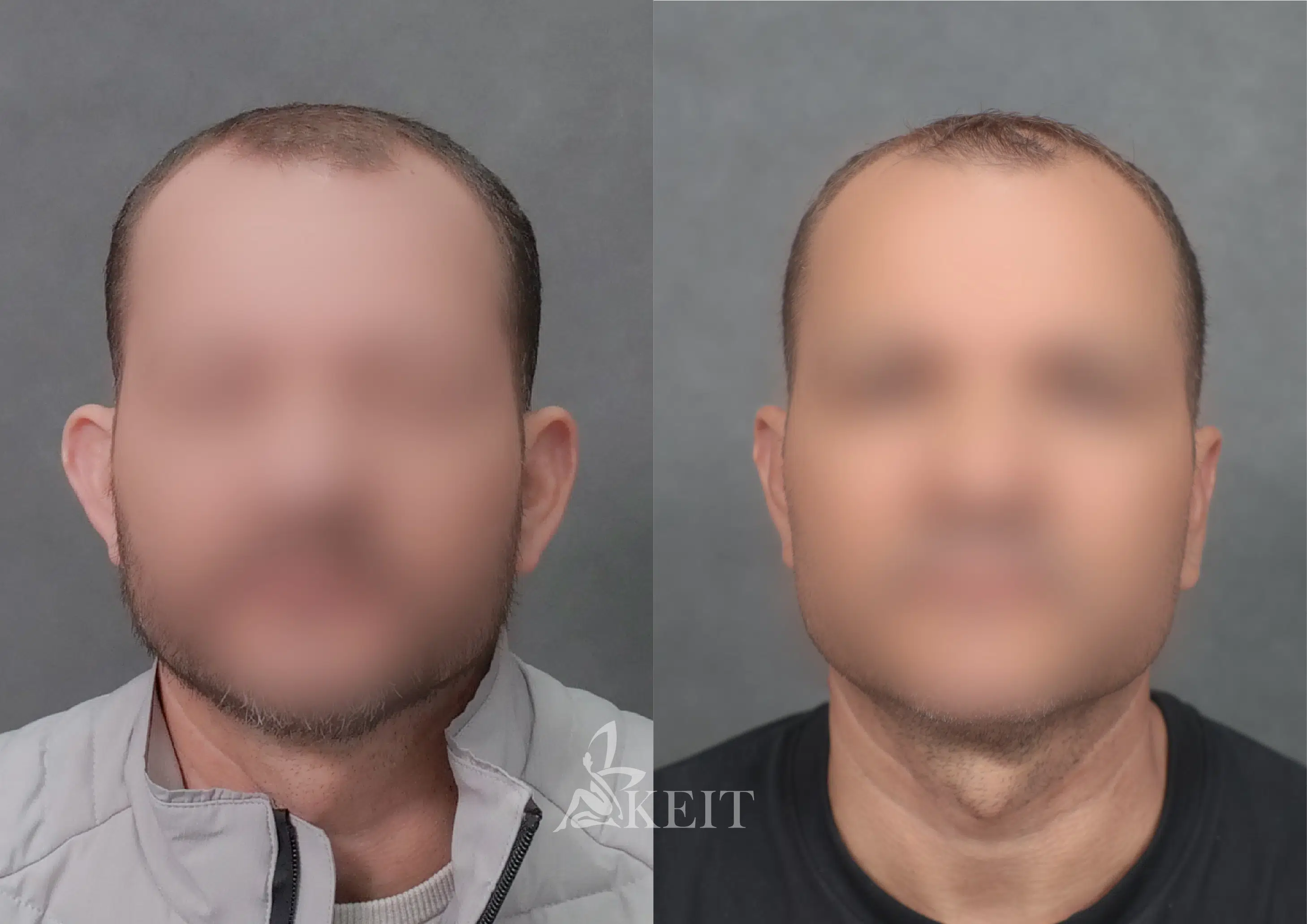
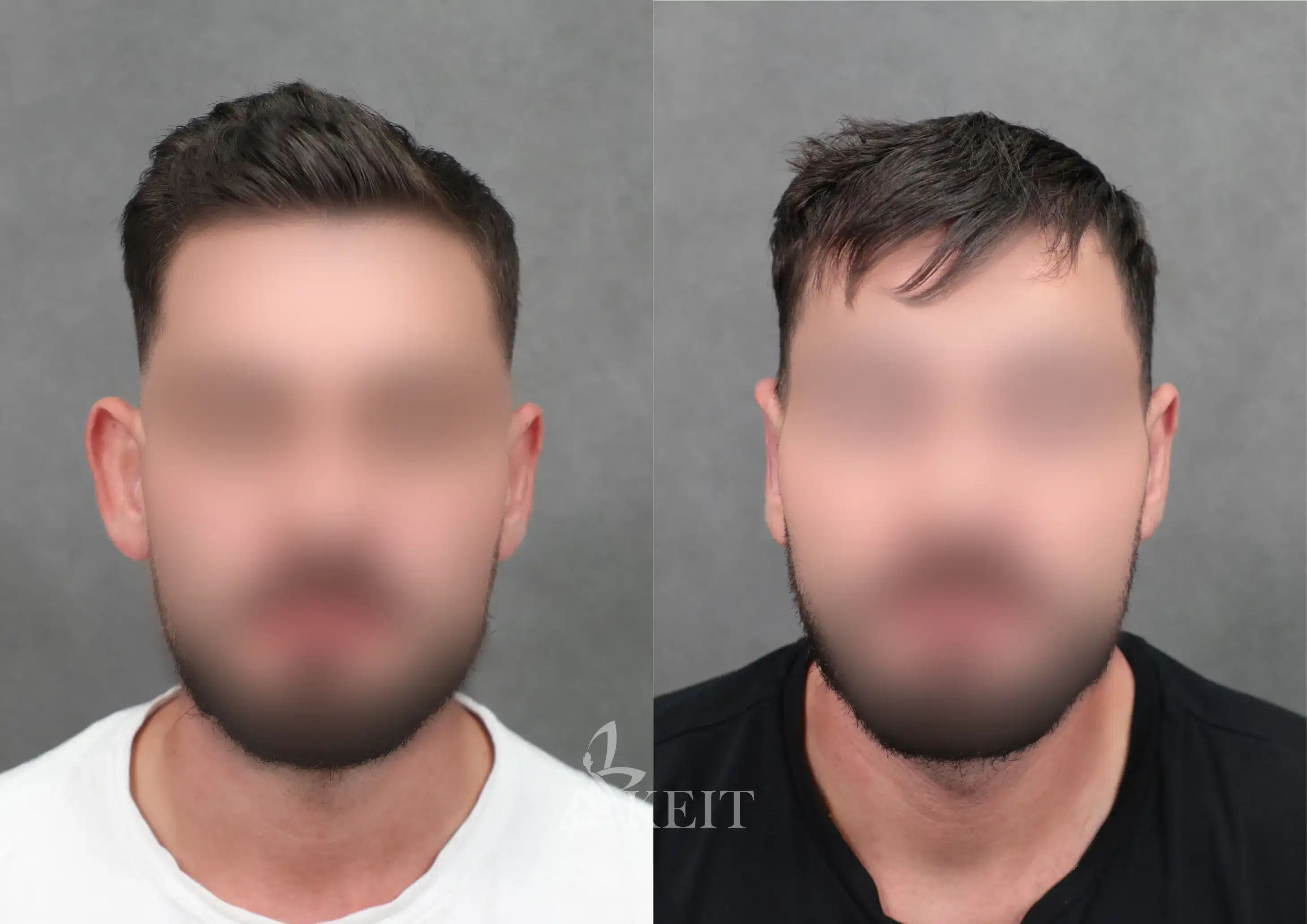
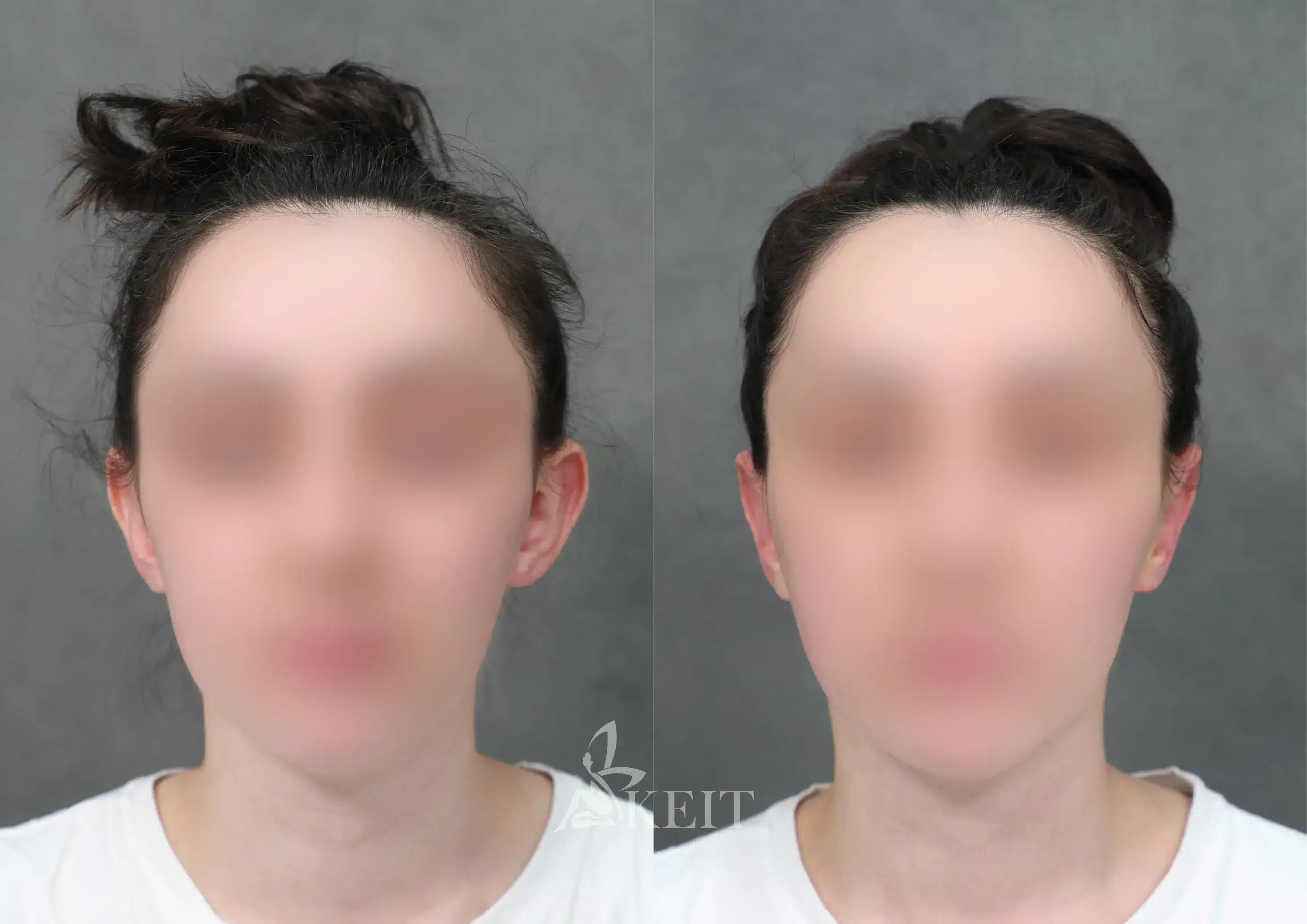
Recovery after otoplasty: timeline and main stages
Recovery after otoplasty is usually smooth and predictable.
Initial recovery:
A protective headband is worn continuously for 5 to 7 days to stabilize the new ear position and reduce swelling.
Return to routine:
Most patients resume normal daily activities after 7 to 10 days.
Night-time protection:
The headband is worn at night for an additional two weeks to protect the ears while sleeping.
Activity restrictions:
Avoid sports or activities that could impact the ears for about one month.
Final results:
Most swelling resolves within a few weeks, with final ear shape becoming stable after the first month.
Potential risks: what to consider before otoplasty
Although otoplasty is widely considered safe, understanding potential risks helps patients make a fully informed decision.
-
Common risks include mild swelling, bruising, temporary numbness or sensitivity around the ears.
-
Specific risks may include subtle asymmetry, small contour irregularities or visible scarring if aftercare instructions are not followed.
-
Rare risks include hematoma, infection or recurrence of ear prominence if sutures loosen over time.
Your surgeon will review your personal risk profile and create a customized plan to minimize complications.
Why choose KEIT Day Hospital for otoplasty?
KEIT Day Hospital is a hospital facility dedicated to cosmetic surgery in Tirana, Albania, founded in 2011 by Dr Skerdilajd Faria. With over 23,000 procedures performed, KEIT has developed a structured approach to surgical care that combines the expertise of international surgeons, hospital infrastructure, medical technology, safety protocols, and long-term patient monitoring.
For otoplasty, this approach covers every stage of the surgical process: from assessing the shape, position, and symmetry of the ears and selecting the cartilage reshaping technique to preoperative evaluations, surgery, and monitoring the healing process and the stability of the aesthetic result.
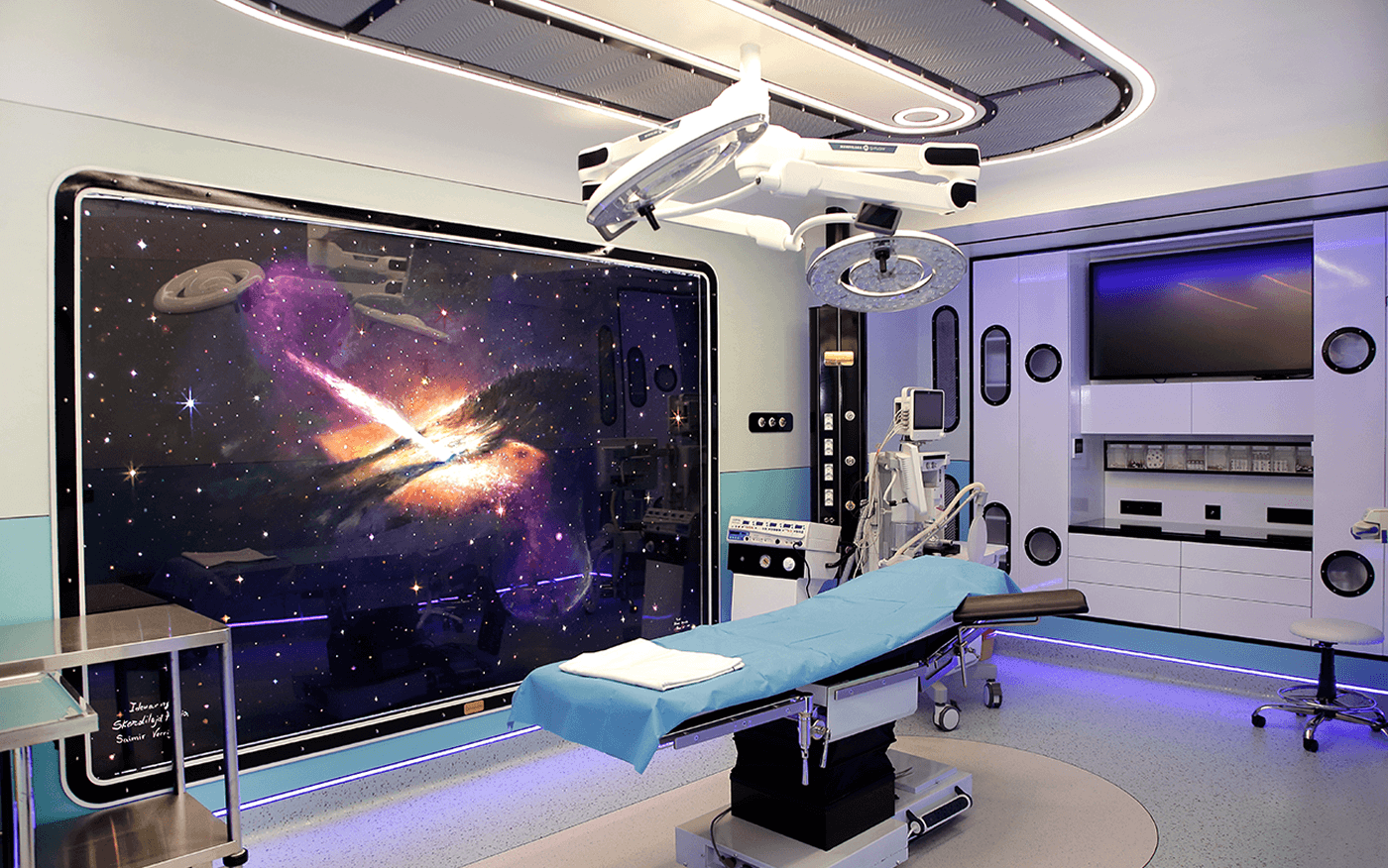
1. Hospital infrastructure dedicated to cosmetic surgery
KEIT Day Hospital has 3 operating theatres, 2 inpatient wards with 10 rooms and 20 beds, an in-house laboratory, and a postoperative...
KEIT Day Hospital has 3 operating theatres, 2 inpatient wards with 10 rooms and 20 beds, an in-house laboratory, and a postoperative resuscitation room, allowing the entire surgical process to be managed within the same facility.
The operating theatres are equipped with ventilation systems featuring HEPA filters, laminar airflow above the operating table, and positive air pressure. These technologies help control air quality and reduce the risk of contamination in the surgical environment. The facilities also include electric operating tables, Surgiris LED surgical lighting systems, Karl Storz surgical instruments, and modern equipment for monitoring patients' vital signs.
The inpatient rooms are also designed to support patient safety and care during recovery. In addition to centralised oxygen and medical suction systems, they feature three alarm systems: a bedside device, a portable wrist-worn device, and smart sensors integrated into the bed and room environment. These systems alert healthcare staff when a patient requires assistance or when a situation requiring assessment is detected.
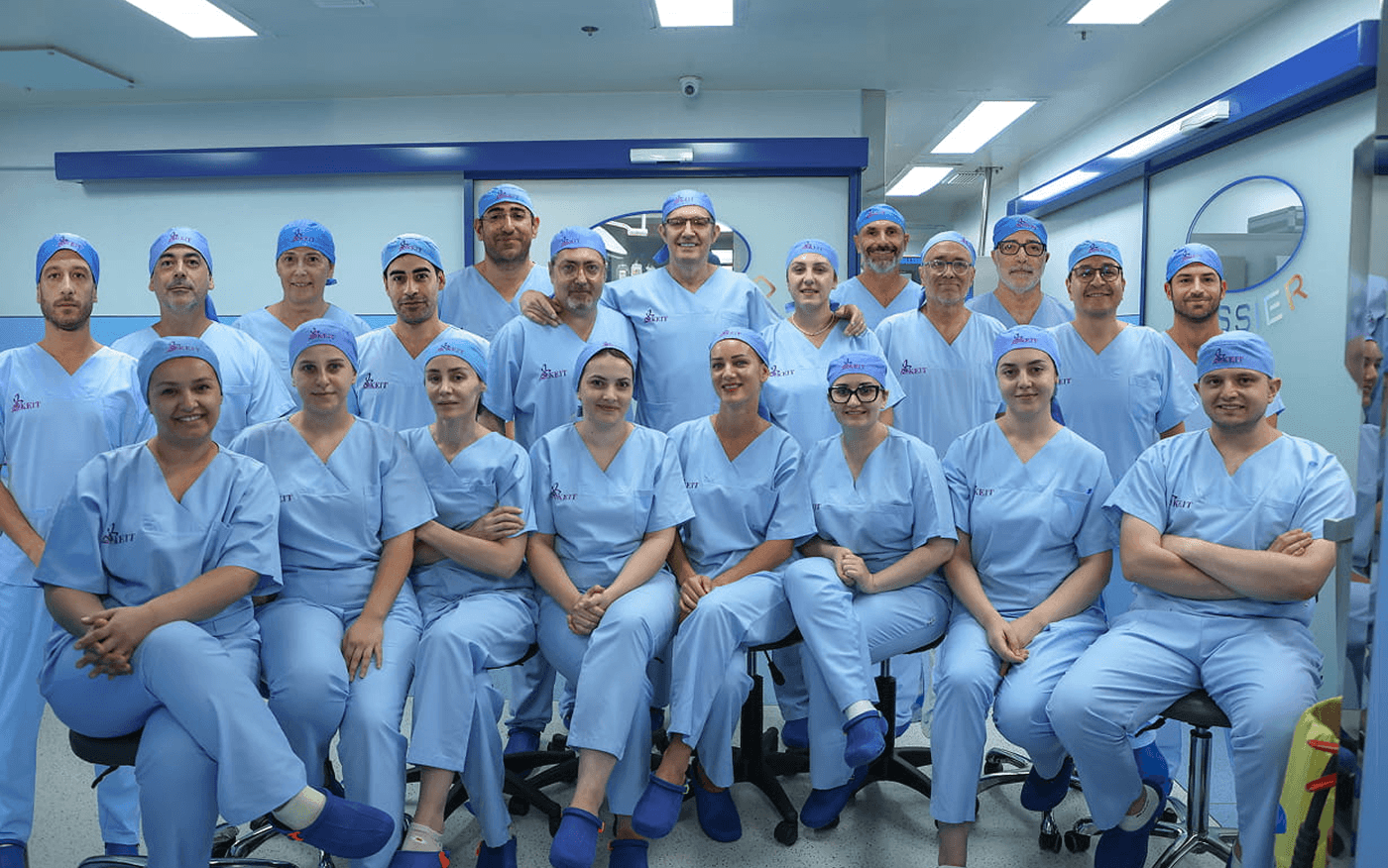
2. Surgeons selected according to their specialisation and experience
KEIT works with an international team of approximately 30 surgeons, including 27 Italian surgeons, specialising in plastic surgery, otolaryngology, and oral and...
KEIT works with an international team of approximately 30 surgeons, including 27 Italian surgeons, specialising in plastic surgery, otolaryngology, and oral and maxillofacial surgery. A distinctive feature of the clinic's organisation is that surgeons are selected according to their specialisation and experience in the specific procedure. For particularly complex operations, teams of two or more surgeons may be assembled.
For otoplasty, the surgeon assesses the shape and consistency of the ear cartilage, the degree of ear prominence, the definition of the antihelical fold, and the relationship between the outer ear and the head. These factors allow a personalised correction to be planned, determining whether one or both ears require surgery and identifying the most appropriate techniques for reshaping and repositioning the cartilage. The aim is to reduce ear prominence, improve symmetry, and achieve a natural result that respects the proportions of the face.
KEIT Day Hospital surgeons regularly attend international congresses, training courses, and conferences to update their skills and keep abreast of scientific developments and surgical techniques within their respective specialities.
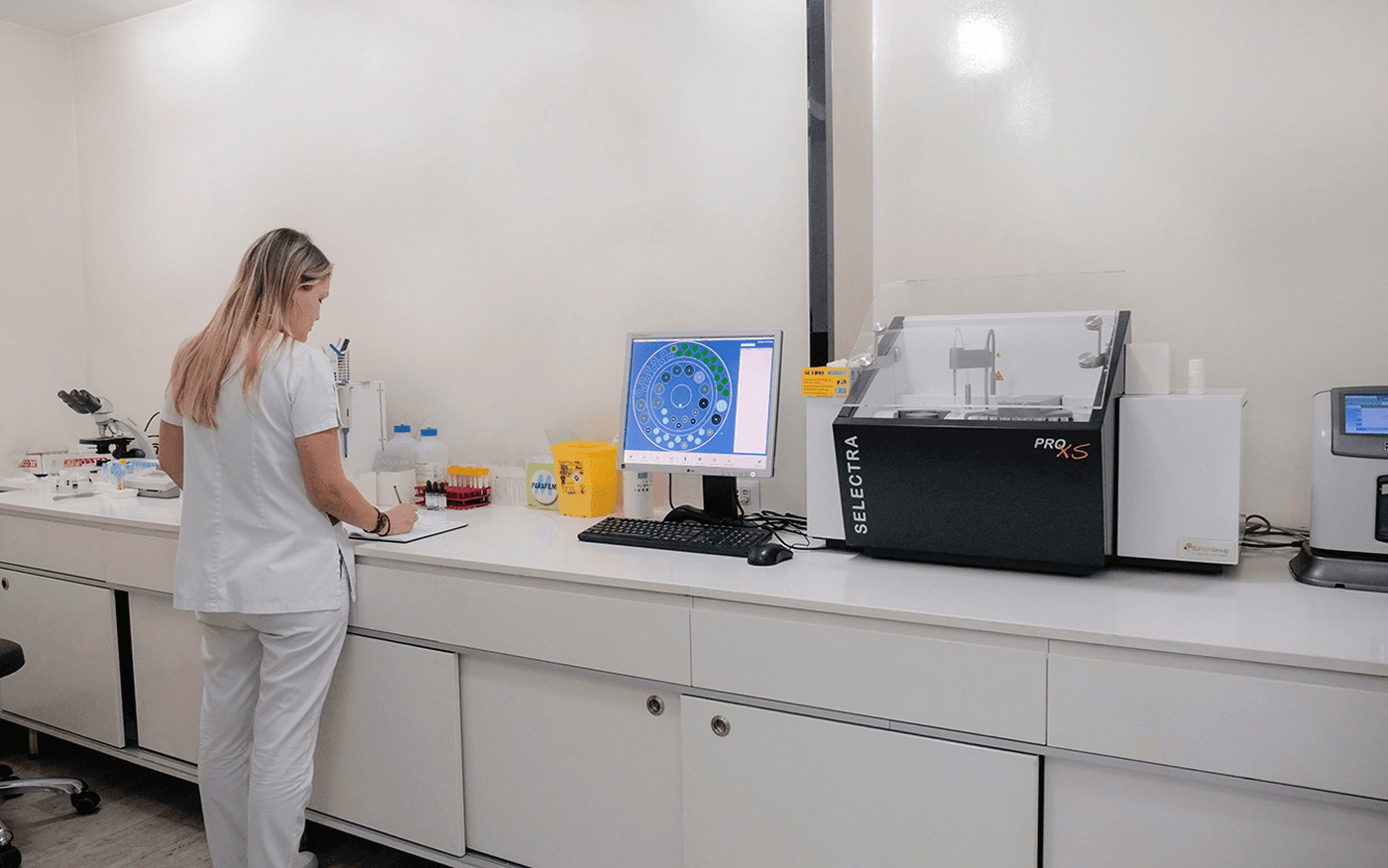
3. Comprehensive medical assessment before surgery
At KEIT Day Hospital, preparation for otoplasty involves a structured medical assessment process. According to the clinic's protocol, every patient undergoes at...
At KEIT Day Hospital, preparation for otoplasty involves a structured medical assessment process. According to the clinic's protocol, every patient undergoes at least two consultations with the surgeon, an anaesthetic assessment, a cardiology consultation, blood and urine tests, and an electrocardiogram (ECG). These evaluations are coordinated within the facility, which has an in-house laboratory for preoperative testing.
These assessments help evaluate the patient's general health, identify potential risk factors, and determine their suitability for surgery and the planned anaesthetic technique. For otoplasty, the specialist assessment also considers any congenital asymmetries, cartilage abnormalities, and previous ear surgery that could influence surgical planning. In paediatric patients, the child's age, development of the outer ear, and ability to understand and cope with the surgical process are also considered, with the involvement of parents or those with parental responsibility.
This approach allows surgical ear correction to be planned by considering not only aesthetic goals but also individual anatomical characteristics, clinical conditions, and patient safety.

4. Advanced sterilisation and infection prevention protocols
KEIT Day Hospital follows infection control protocols developed in collaboration with infectious disease and microbiology specialists, involving systematic checks of the surgical...
KEIT Day Hospital follows infection control protocols developed in collaboration with infectious disease and microbiology specialists, involving systematic checks of the surgical environment and sterilisation processes. Air filtration systems undergo regular maintenance and replacement, while operating theatres are cleaned and disinfected after every procedure.
During surgery, single-use sterile kits and fluid-resistant materials are used to help maintain a sterile surgical field. Disposable materials have identification labels containing information about their manufacture, expiry dates, and traceability, which is recorded in the patient's medical documentation.
Surgical instruments are cleaned and sterilised after each use, following procedures documented through records generated by the equipment used. This system allows sterilisation processes to be verified and traced. The clinic also conducts regular microbiological testing of its facilities and follows antibiotic prophylaxis protocols when indicated by medical assessment.
Together, these measures, from the management of sterile materials to sterilisation traceability and microbiological monitoring, form a fundamental part of KEIT Day Hospital's procedures for reducing the risk of surgical infections.
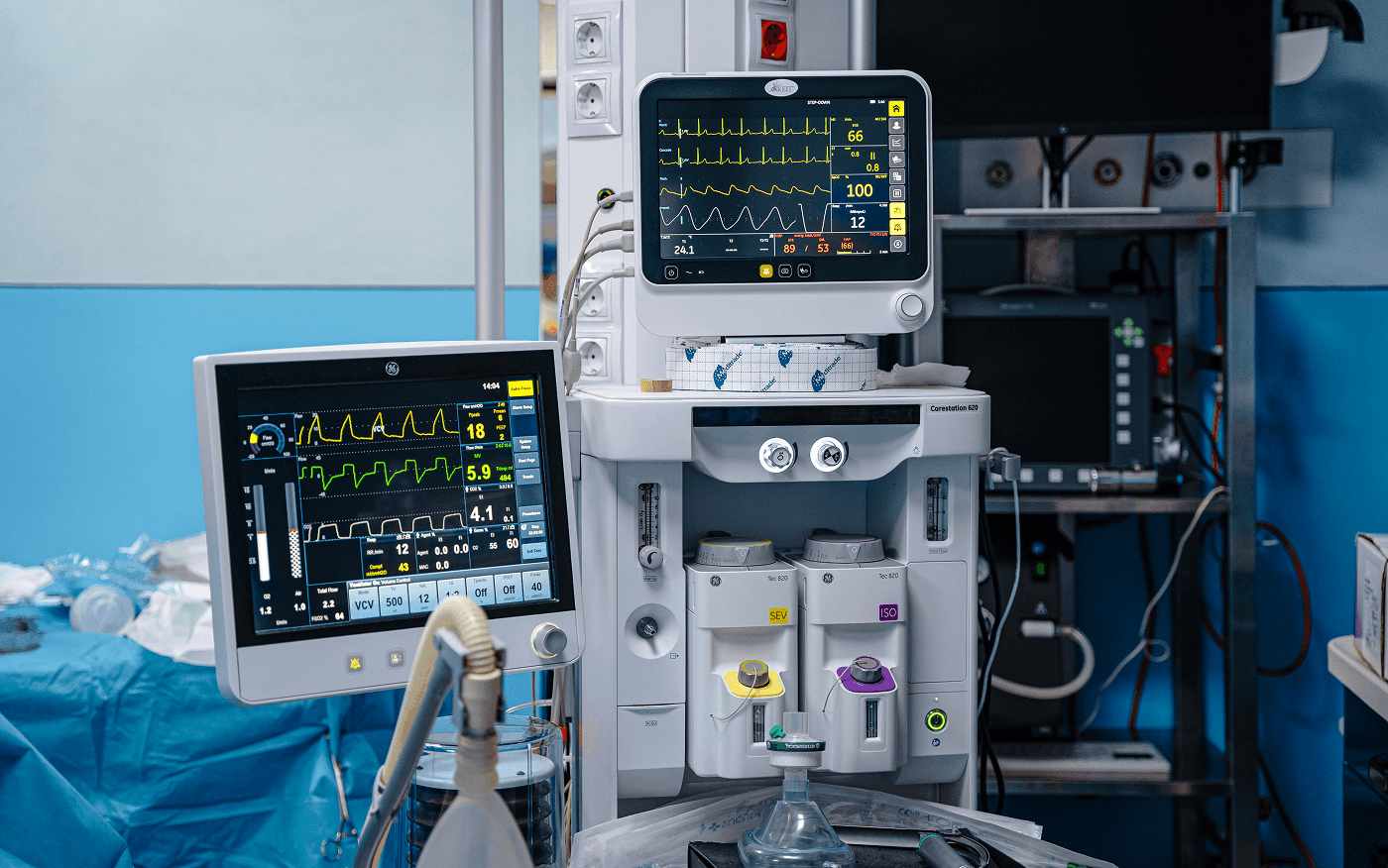
5. TIVA anaesthesia, continuous monitoring, and emergency preparedness
At KEIT Day Hospital, surgical procedures requiring general anaesthesia are performed, according to the clinic's protocol, using TIVA (Total Intravenous Anaesthesia), a...
At KEIT Day Hospital, surgical procedures requiring general anaesthesia are performed, according to the clinic's protocol, using TIVA (Total Intravenous Anaesthesia), a technique based on the intravenous administration of anaesthetic medications. Depending on the patient's characteristics and the anaesthetic protocol used, this technique may support recovery from anaesthesia and help reduce postoperative nausea and vomiting. For otoplasty, the procedure may also be performed under local anaesthesia, sometimes combined with sedation, depending on the patient's age, the complexity of the procedure, and the anaesthetic assessment.
During surgery, when general anaesthesia is required, the anaesthetic team continuously monitors the patient's vital signs using General Electric equipment installed in all three operating theatres. The facility also has centralised systems for oxygen, compressed air, and medical suction, as well as difficult airway management devices, cardiac defibrillators, emergency medications, and backup power supplies for electricity and medical gases.
To manage potential emergencies, KEIT Day Hospital has a postoperative resuscitation room equipped with a ventilator, multiparameter monitors, a defibrillator, intravenous infusion pumps, and other life-support equipment. According to the clinic's reported records, this room has not yet been used to treat major complications, but it remains fully equipped and ready for use in the event of unforeseen situations.
6. Personalised care and follow-up for up to one year after surgery
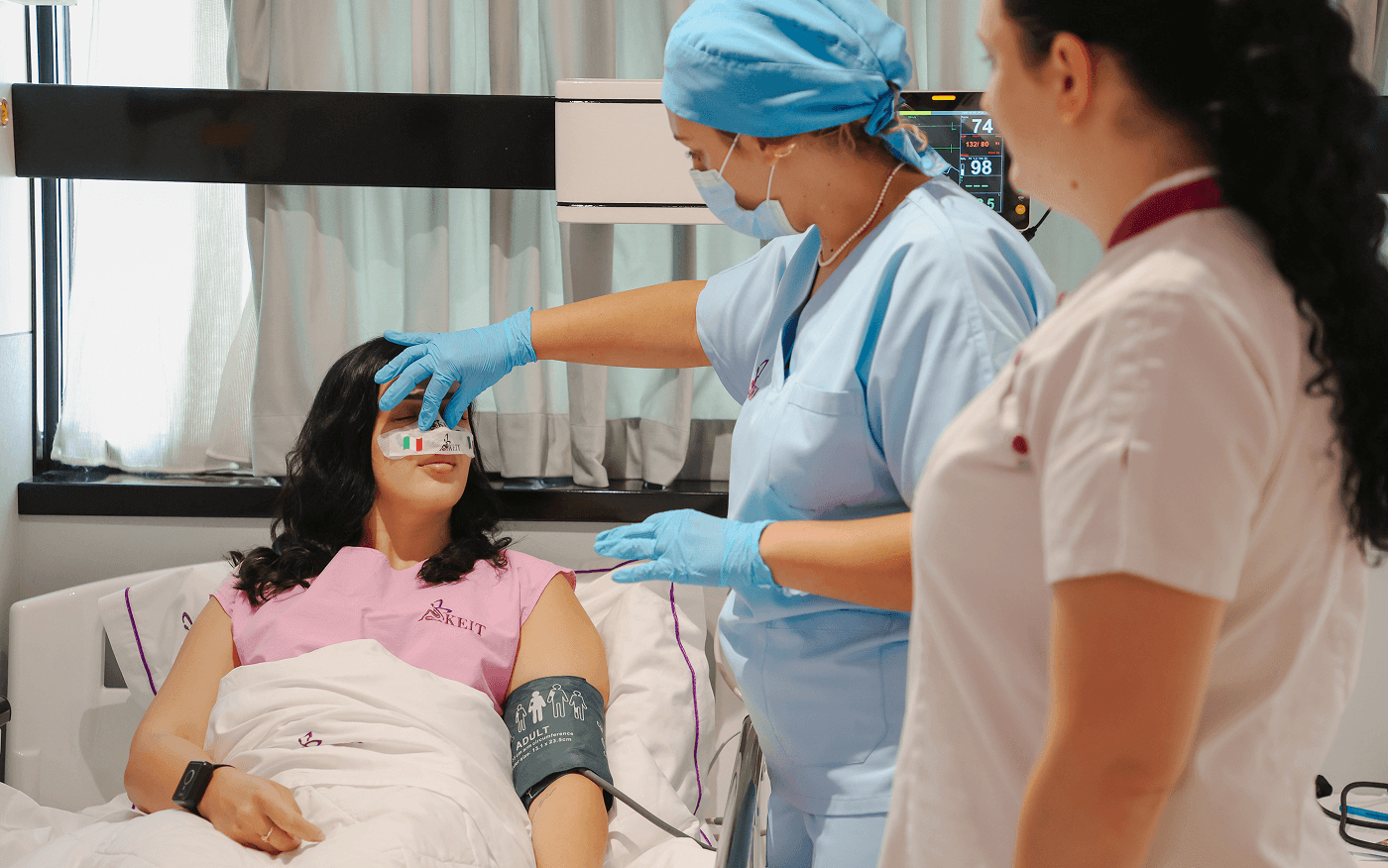
At KEIT Day Hospital, patient care continues after the surgical procedure has been completed. Patients generally spend one night in the hospital,...
At KEIT Day Hospital, patient care continues after the surgical procedure has been completed. Patients generally spend one night in the hospital, where they are monitored and cared for by healthcare staff. For otoplasty, patients may also be discharged on the same day, depending on the anaesthetic technique used, their clinical condition, and the medical team's assessment. In particular circumstances, the hospital stay may be extended according to clinical needs.
After discharge, each patient is supported by four professionals: a coordinator, a nurse responsible for wound dressings, a doctor, and the operating surgeon. Follow-up appointments are generally scheduled at 1, 3, 6, and 12 months after surgery, allowing the medical team to monitor healing, identify potential problems, and assess how the surgical result develops.
For otoplasty, follow-up care includes assessing the healing of incisions behind the ears, swelling, ear symmetry and position, and the stability of the reshaped cartilage. The surgeon also checks that the protective headband is being worn correctly and provides guidance on returning to daily activities and sports to avoid injury during healing. For international patients, care may continue after they return to their home country through communication with the medical team and follow-up appointments scheduled according to individual needs.
KEIT Day Hospital also provides patients with a 24-hour emergency contact number, available seven days a week, to request assistance if needed after surgery.
7. Official guarantee, transparency, and comprehensive medical documentation
One of the defining features of KEIT Day Hospital's services is its emphasis on transparency and documentation throughout the surgical process. A...
One of the defining features of KEIT Day Hospital's services is its emphasis on transparency and documentation throughout the surgical process. A complete medical record is prepared for every procedure, documenting preoperative assessments, the operation performed, the surgical techniques used, and information about postoperative recovery.
The clinic also uses photographs taken before and after surgery to monitor the development of the surgical result, in accordance with personal data protection requirements and medical confidentiality. Every patient receives a service contract, a tax invoice, and an informed consent form, which is sent before surgery so they have sufficient time to review information about the procedure, potential risks, benefits, and treatment alternatives.
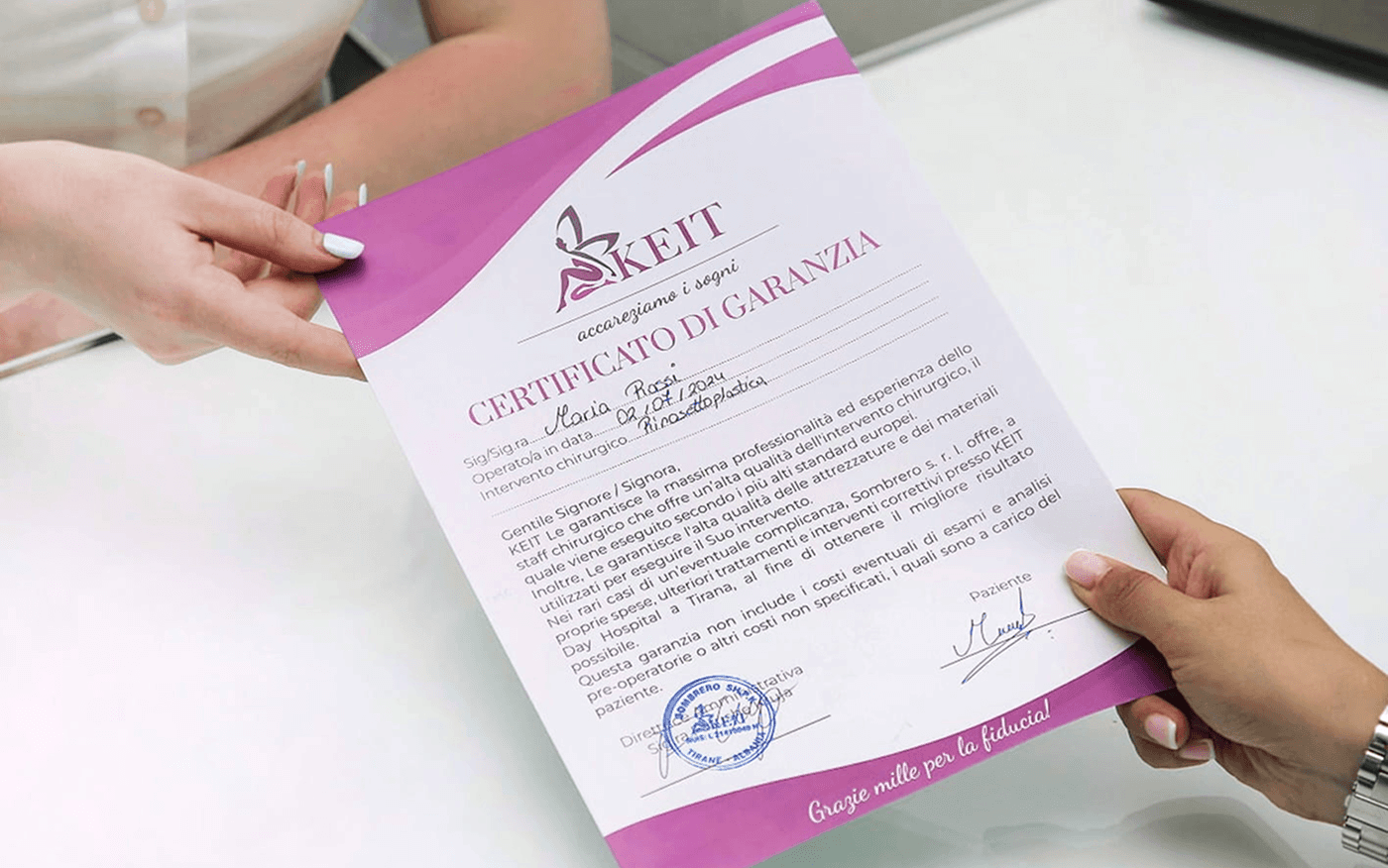
KEIT Day Hospital also provides an Official Guarantee Certificate, which defines the clinic's responsibilities and the conditions under which expenses are covered in the event of complications during or after surgery, as specified in the document. The specific guarantee conditions are communicated to the patient before the operation, allowing them to understand the terms and limits of the coverage in advance.
FAQ
Frequently asked questions
How long does otoplasty take?

Otoplasty generally takes 40–90 minutes, depending on whether the correction is unilateral or bilateral. The procedure is performed under local or general anaesthesia, depending on the individual case and the patient’s preferences.
Are there visible scars after otoplasty?
No. The incisions are placed behind the ear, within the natural fold, making the scars discreet and usually almost invisible once healing is complete.
Is otoplasty painful?
Most patients experience only mild discomfort during the first few days, which can be easily managed with prescribed medication. Wearing the protective headband helps reduce sensitivity and swelling.
When can I return to work or school?
Most patients return to their normal routine 7–10 days after surgery, once the initial swelling has improved and the headband only needs to be worn at night.
Are otoplasty results permanent?
Yes. Once the cartilage heals in its new position, otoplasty provides stable and long-lasting results. Recurrence is rare and is usually associated with trauma or improper healing.