 4.9 Rating | 23.000+ Procedures | European Medical Team
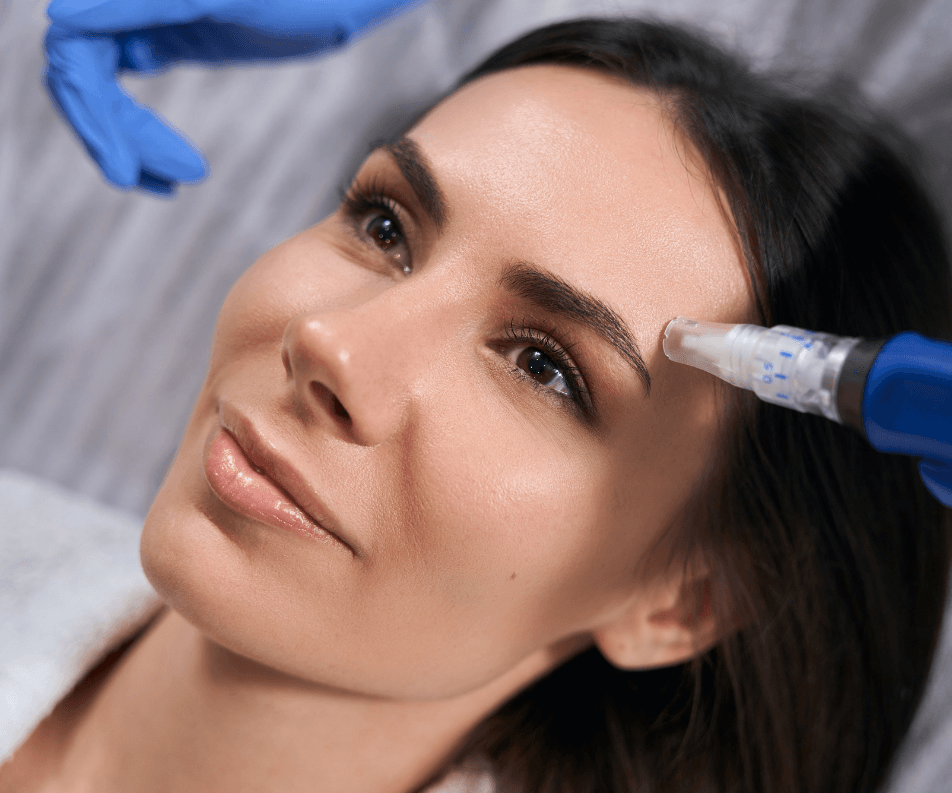
Table of contents:

How combined collagen induction therapy works
Ideal candidate for microneedling-based collagen induction therapy
Step-by-step session: microneedling, PRP and radiofrequency together
Before and after: recovery timeline after combined collagen induction therapy
Recovery tips following microneedling-enhanced collagen induction
Potential risks of combined collagen induction therapy to be aware of
Why choose KEIT Day Hospital for microneedling with PRP and radiofrequency?
In this article, you will learn how combined collagen induction therapy with microneedling, PRP, and radiofrequency works, who is an ideal candidate, and what happens during each step of the session. You will also discover how recovery progresses, how long the results typically last, which risks to be aware of, and why KEIT Day Hospital is a trusted choice for safe, effective, and natural-looking skin improvement.
 Book your FREEOnline Consultation Now

How combined collagen induction therapy works
Combined collagen induction therapy works by targeting multiple skin layers through microneedling, radiofrequency and PRP. Microneedling, performed using a Dermapen device, creates controlled micro-channels in the epidermis and superficial dermis to trigger natural repair and increase cellular turnover. Radiofrequency heats the deeper dermis, tightening existing collagen fibres and stimulating new collagen and elastin for improved firmness. PRP provides an additional regenerative boost by delivering concentrated growth factors that enhance healing and fibroblast activity. A full session lasts 40–60 minutes and is performed with a topical anaesthetic. Most patients need 4–6 sessions spaced 4 weeks apart and results usually last 8–12 months depending on age, skin quality and lifestyle.
Ideal candidate for microneedling-based collagen induction therapy
You may be a suitable candidate for combined collagen induction therapy if you:
-
Have acne scars, pigmentation marks or enlarged pores.
-
Want to reduce fine wrinkles and early skin laxity.
-
Prefer a regenerative, minimally invasive alternative to lasers or surgery.
-
Want progressive but noticeable improvement with short downtime.
A professional consultation allows the practitioner to assess your skin, medical history and goals, and to tailor a protocol that best matches your needs.
Step-by-step session: microneedling, PRP and radiofrequency together
Combined collagen induction therapy follows a structured sequence to maximise effectiveness and comfort:
Topical anaesthetic:
A numbing cream is applied to ensure comfort throughout the RF and microneedling phases.
Radiofrequency (20–30 minutes):
Controlled RF energy warms the deeper dermis to contract collagen fibres and boost firmness.
Microneedling with PRP (20–30 minutes):
Fine needles create micro-channels while PRP is applied to accelerate repair, enhance texture and improve overall regeneration.
Regenerating finish:
A hydrating, hyaluronic-acid cream is applied to calm the skin, support barrier recovery and maintain moisture.
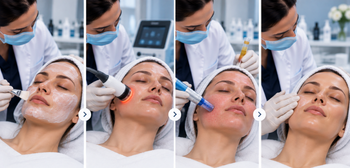
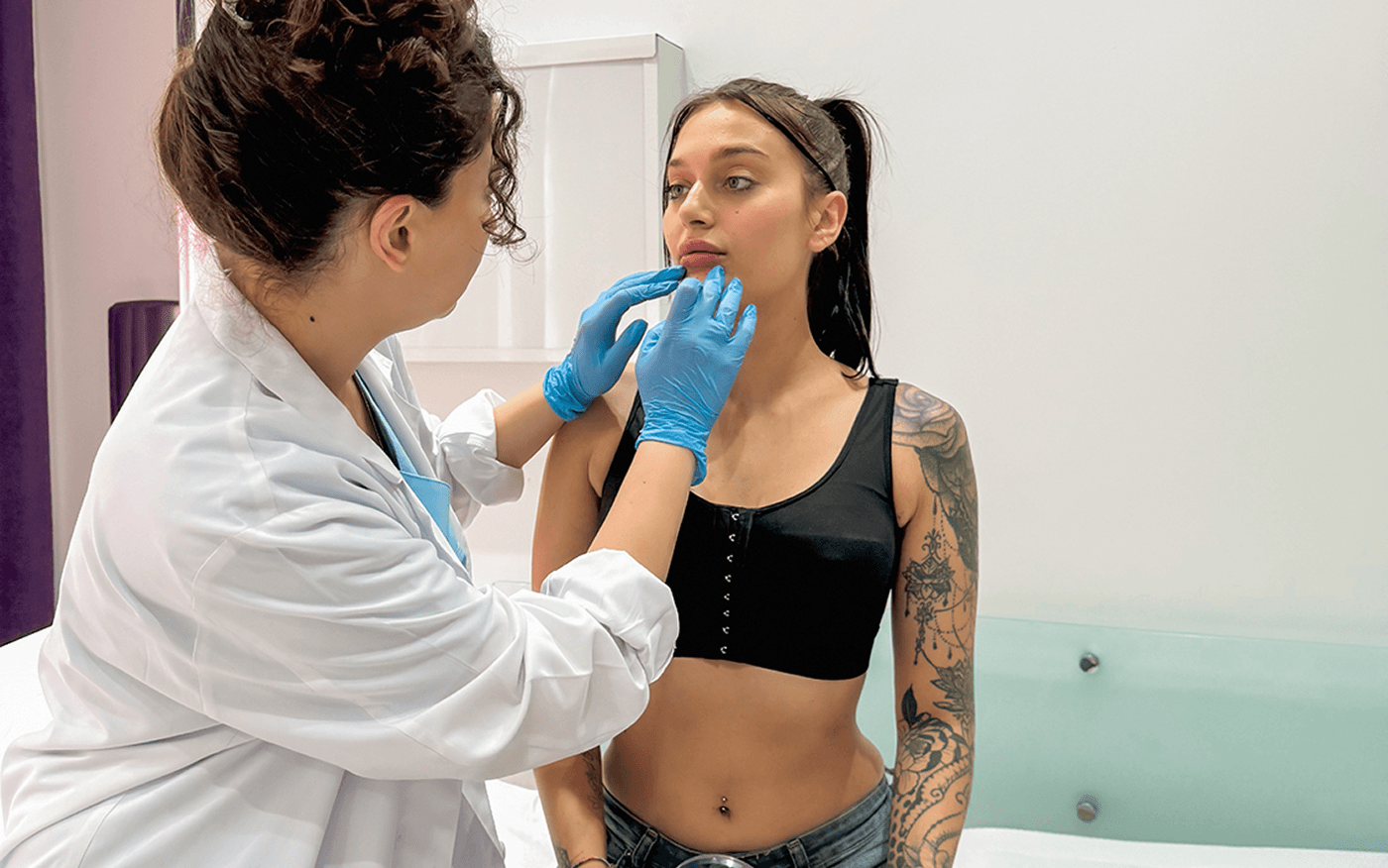
(i) Image illustrating combined collagen induction therapy
Before and after: recovery timeline after combined collagen induction therapy
Recovery is generally mild, with improvements becoming more visible over the following weeks.
Immediately after:
Mild redness, warmth and light tingling or tightness.
Days 1–3:
Redness fades and the skin may feel slightly tight or dry.
Days 4–7:
Texture smooths and the complexion looks more even.
Weeks 3–6:
Noticeable improvement in scars, pores, fine lines and overall tone as collagen rebuilds.
Recovery tips following microneedling-enhanced collagen induction
A careful aftercare routine supports healing and helps maximise treatment benefits:
-
Keep the skin well-hydrated using a gentle, non-irritating moisturiser.
-
Avoid active ingredients such as retinol, acids and scrubs for 3–5 days.
-
Apply broad-spectrum SPF daily and avoid direct sun exposure.
-
Avoid saunas, steam rooms and high-intensity workouts for 24–48 hours.
-
Do not pick, scratch or peel any dry areas as the skin renews.
Potential risks of combined collagen induction therapy to be aware of
This combined treatment is generally safe when performed by trained professionals, but mild reactions may occur.
-
Common effects: Redness, slight swelling or warmth immediately after treatment.
-
Specific risks: Temporary sensitivity, dryness or light flaking as the skin regenerates.
-
Rare risks: Infection, post-inflammatory hyperpigmentation or prolonged redness, particularly if aftercare instructions are not followed.
Why choose KEIT Day Hospital for microneedling with PRP and radiofrequency?
KEIT Day Hospital is a healthcare facility dedicated to surgery and aesthetic medicine in Tirana, Albania, founded in 2011 by Dr Skerdilajd Faria. With over 23,000 procedures performed across the KEIT brand's various areas of activity, the facility combines medical expertise, professional technologies, safety protocols and personalised patient care.
Combined collagen induction therapy is performed as part of KEIT Day Hospital's aesthetic medicine services, with the support of a multidisciplinary medical team and equipped hospital infrastructure. The treatment process includes an assessment of skin condition, planning of microneedling and radiofrequency sessions, preparation of PRP and monitoring of the results. The aim is to stimulate skin renewal processes, improve skin texture and firmness, and reduce superficial irregularities while respecting the patient's individual characteristics.
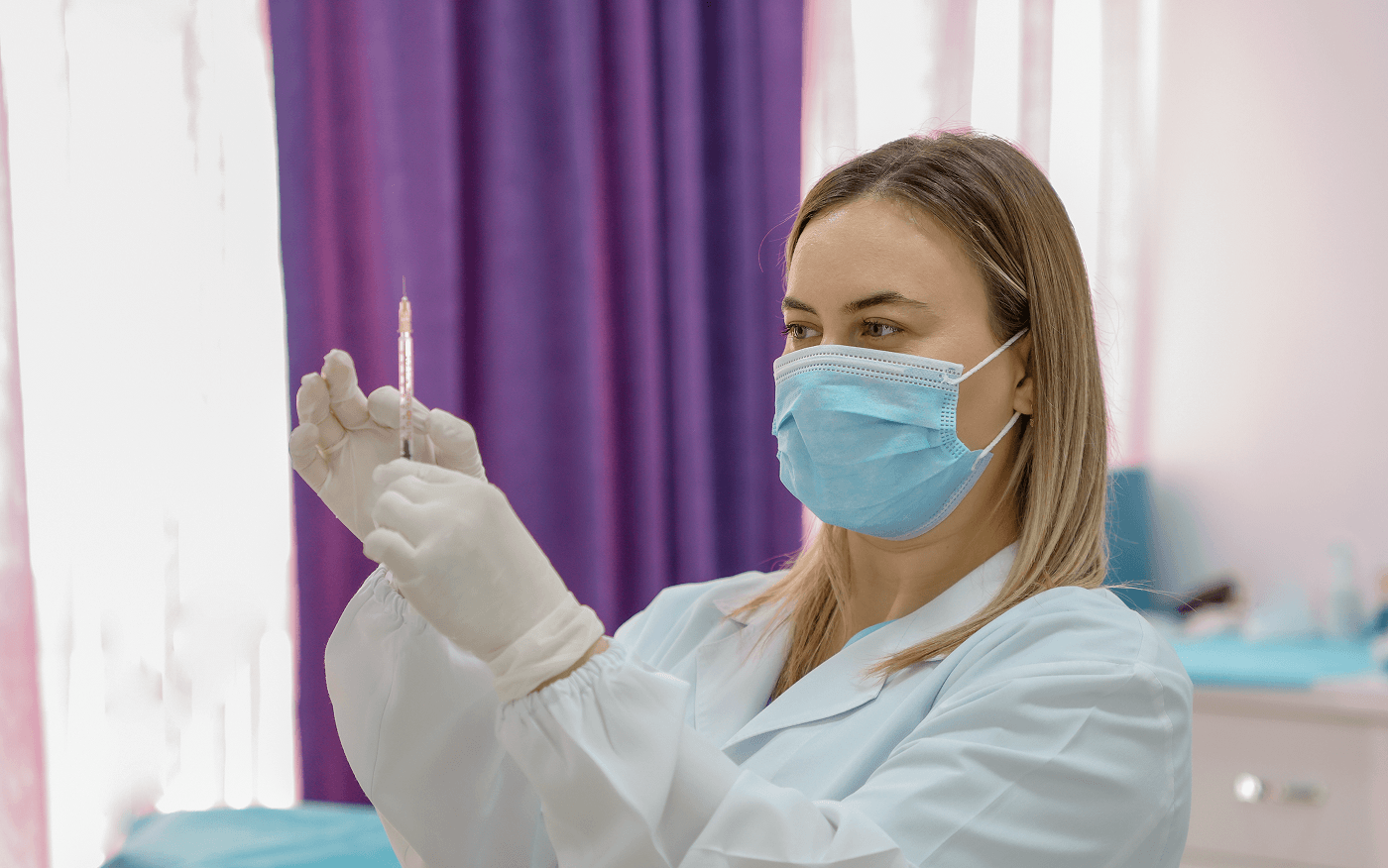
1. Dedicated aesthetic medicine facilities and technologies for injectable treatments
KEIT Day Hospital has clinical facilities dedicated to aesthetic medicine treatments, organised to ensure appropriate standards of hygiene, procedural precision and patient...
KEIT Day Hospital has clinical facilities dedicated to aesthetic medicine treatments, organised to ensure appropriate standards of hygiene, procedural precision and patient comfort.
For combined collagen induction therapy, the doctor assesses skin texture, the presence of scars and the degree of skin laxity, using devices specifically designed for microneedling and radiofrequency treatments. The procedure involves the use of handpieces with sterile, single-use microneedles and equipment that allows treatment parameters to be adjusted according to the characteristics of the skin.
The organisation of the clinical facilities and the availability of medical resources allow the different stages of the procedure to be managed, from skin and PRP preparation to the application of soothing products and observation immediately after treatment.
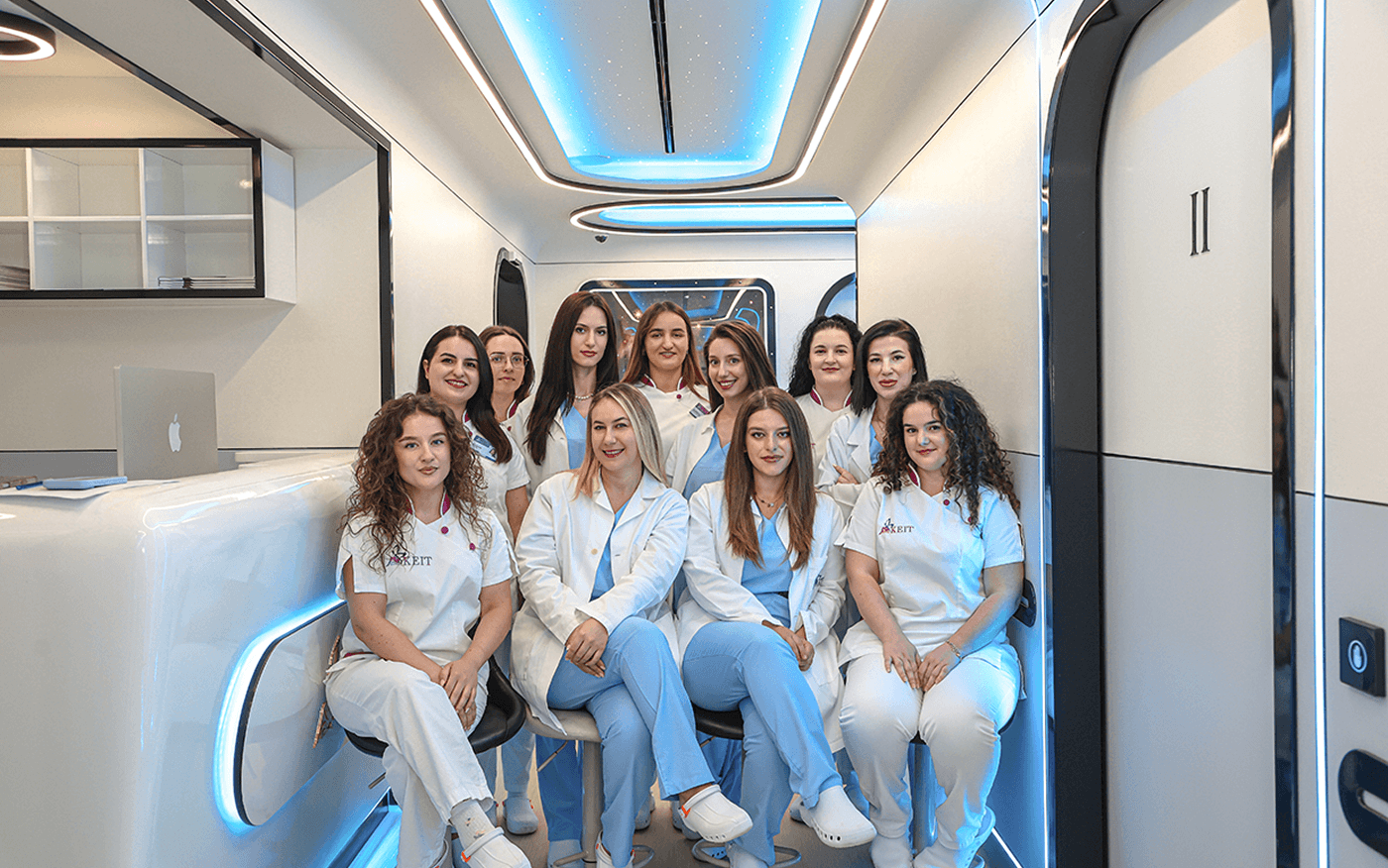
2. Qualified doctors and multidisciplinary medical team support
KEIT Day Hospital works with medical professionals experienced in aesthetic medicine, microneedling techniques and skin regeneration treatments. Knowledge of skin anatomy is...
KEIT Day Hospital works with medical professionals experienced in aesthetic medicine, microneedling techniques and skin regeneration treatments. Knowledge of skin anatomy is essential for determining microneedle depth, adjusting radiofrequency energy and identifying areas requiring particular attention.
The protocol is personalised according to skin thickness, the presence of scars, fine lines and the degree of skin laxity, avoiding excessively aggressive treatments and prioritising gradual improvements in skin quality.
An additional advantage is the presence of a multidisciplinary medical team within KEIT Day Hospital, allowing specialists in anaesthesia and intensive care or other medical disciplines to be involved when additional assessments or specific medical assistance are required.
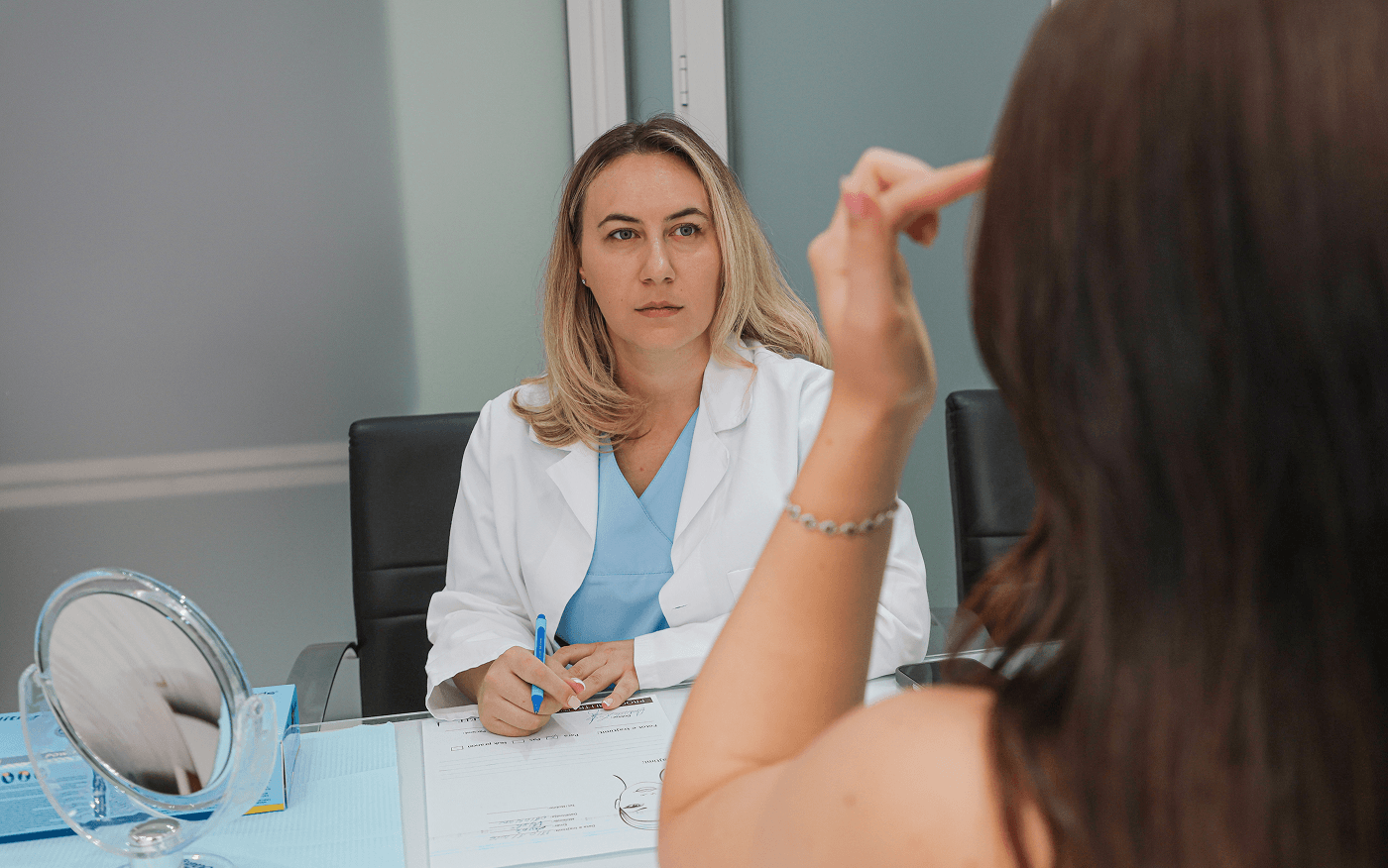
3. Medical assessment and personalised aesthetic treatment planning
Before combined collagen induction therapy, the doctor carries out an individual assessment of skin type, texture, scars, pigmentation and the patient's expectations....
Before combined collagen induction therapy, the doctor carries out an individual assessment of skin type, texture, scars, pigmentation and the patient's expectations. The consultation includes taking a medical history, with particular attention to allergies, medications being taken, blood clotting disorders, skin infections, previous aesthetic treatments and possible contraindications.
Assessment of skin condition makes it possible to distinguish superficial irregularities from deeper scars and to evaluate the presence of skin laxity or pigmentation changes. Treatment is not planned according to standard parameters but according to microneedle depth, radiofrequency intensity and the number of sessions actually required.
When combined therapy is not the most appropriate solution, the doctor assesses the available alternatives and discusses their limitations with the patient.
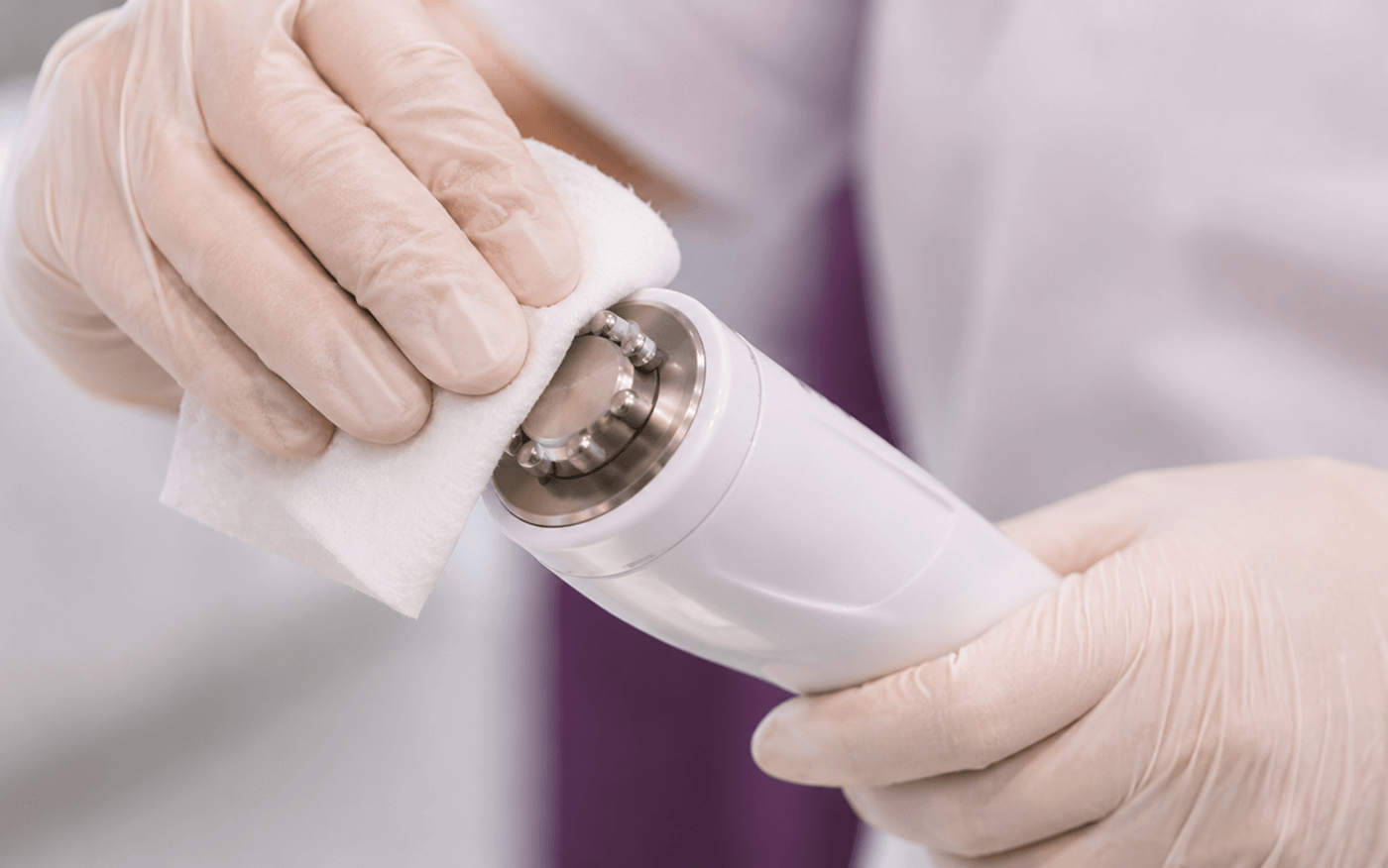
4. Device quality, sterilisation and material traceability
KEIT Day Hospital follows hygiene and infection prevention protocols that include disinfecting clinical areas, skin antisepsis and the use of sterile, single-use...
KEIT Day Hospital follows hygiene and infection prevention protocols that include disinfecting clinical areas, skin antisepsis and the use of sterile, single-use devices during treatments. For microneedling with PRP and radiofrequency, particular attention is paid to skin preparation, microneedle handling and the proper handling of blood collected to obtain platelet-rich plasma.
PRP is prepared from the patient's own blood through a centrifugation process, using appropriate materials and collection systems. The devices, consumables and relevant treatment parameters are documented according to the clinical procedures adopted.
These checks contribute to the safety, traceability and proper execution of the different stages of therapy.
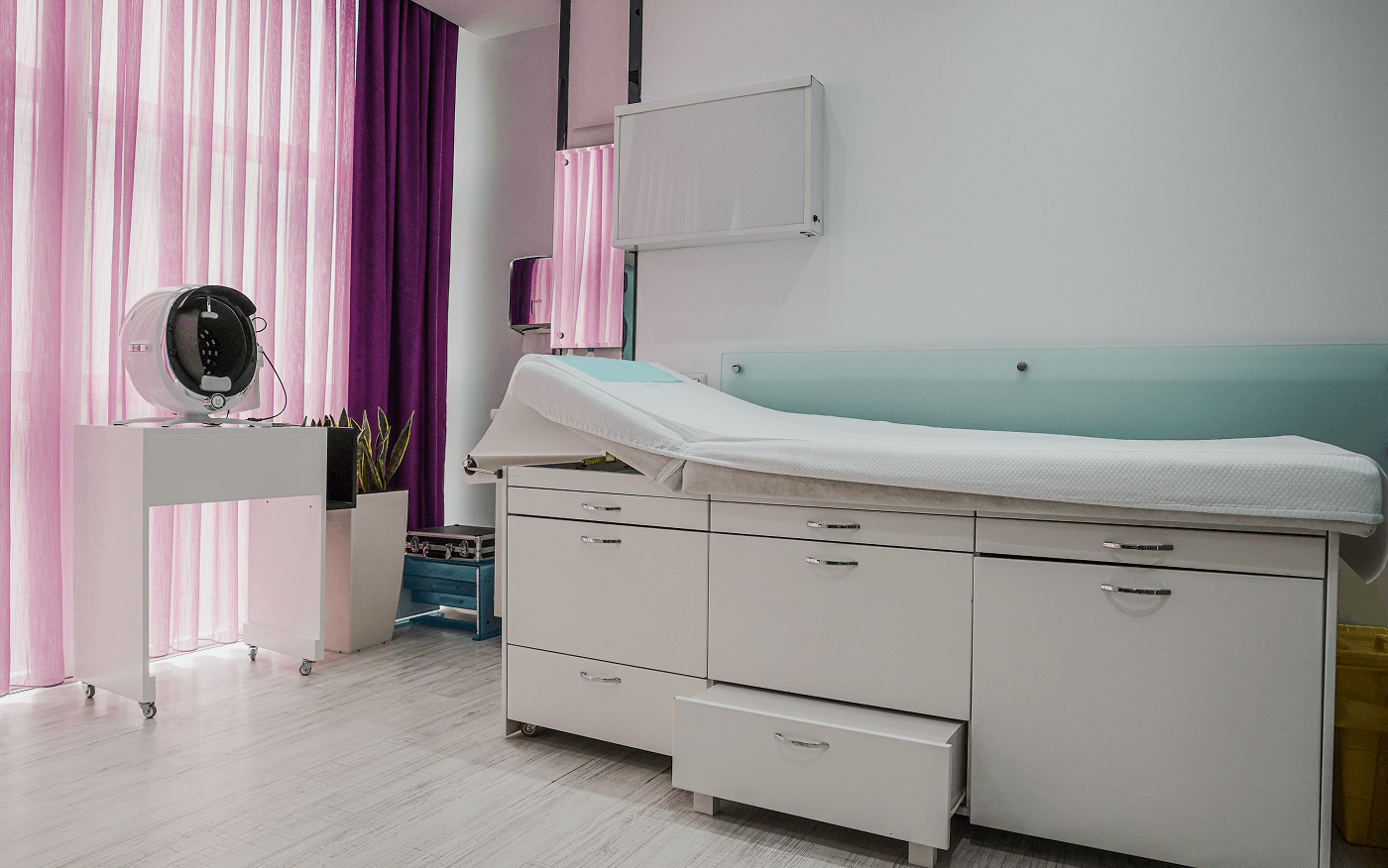
5. Medical safety, complication management, and hospital infrastructure
Combined collagen induction therapy is a minimally invasive procedure, generally performed with topical anaesthesia to improve patient comfort. Combining microneedling, radiofrequency and...
Combined collagen induction therapy is a minimally invasive procedure, generally performed with topical anaesthesia to improve patient comfort. Combining microneedling, radiofrequency and PRP requires an appropriate assessment of skin condition and correct adjustment of treatment parameters to limit the risk of injury or adverse reactions.
In addition to temporary effects such as redness, swelling or tenderness, infections, post-inflammatory hyperpigmentation, persistent irritation or, in cases of excessive energy, burns and changes in skin texture may occur. PRP preparation and application also require particular attention to sterile conditions.
Prompt recognition of abnormal reactions and activation of appropriate medical protocols are essential for managing any complications.
One of KEIT Day Hospital's distinguishing features is the availability of hospital infrastructure and a multidisciplinary medical team. The facility has three equipped operating theatres, specialists in anaesthesia and intensive care, equipment for monitoring vital signs, emergency management devices and a postoperative recovery room. These resources provide additional medical support, alongside the specific protocols required to manage complications associated with skin regeneration treatments.
6. Personalised care and follow-up after treatment
At KEIT Day Hospital, patient care continues after the microneedling sessions with PRP and radiofrequency have been completed. Patients receive personalised instructions...
At KEIT Day Hospital, patient care continues after the microneedling sessions with PRP and radiofrequency have been completed. Patients receive personalised instructions on skin hydration, sun protection, products to avoid temporarily and warning signs requiring medical assessment.
Follow-up is determined according to the patient's individual response and the agreed treatment schedule. Follow-up appointments allow the doctor to assess gradual changes in skin texture, scars and skin firmness, while also checking tolerance to treatment. When indicated, the doctor may modify the parameters of subsequent sessions or schedule maintenance treatments.
For international patients, care may also continue remotely through communication with medical staff and guidance on necessary follow-up appointments. KEIT Day Hospital also provides an emergency contact number, available 24 hours a day, 7 days a week.
7. Transparency, informed consent and clinical documentation
KEIT Day Hospital places particular emphasis on transparent information and treatment documentation. Before combined collagen induction therapy, patients receive explanations about the...
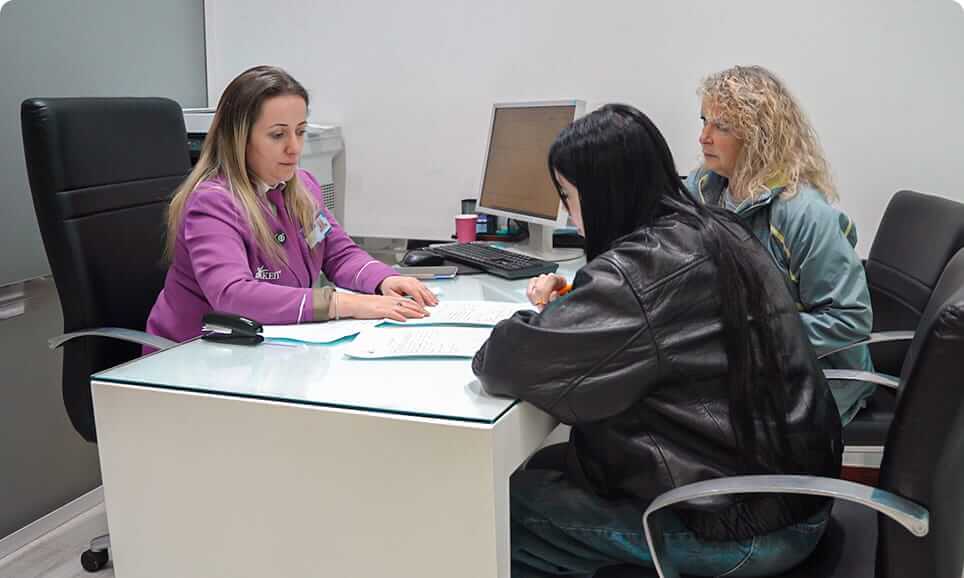
KEIT Day Hospital places particular emphasis on transparent information and treatment documentation. Before combined collagen induction therapy, patients receive explanations about the techniques used, the areas to be treated, the approximate number of sessions, expected benefits, when results may become visible and potential risks.
Clinical documentation records the areas treated, the operating parameters of microneedling and radiofrequency, information relating to PRP preparation and use, and any skin reactions. When appropriate and with the patient's consent, photographic documentation is taken to compare the initial appearance with the results observed during and after treatment. The informed consent form, treatment quotation and administrative documentation also allow patients to understand the clinical and financial aspects of the treatment process before starting treatment.
FAQ
Frequently asked questions
How many sessions are needed?

Most patients require 4–6 sessions, spaced about 4 weeks apart, depending on the severity of their concerns and the degree of improvement they wish to achieve.
Is the procedure painful?
Discomfort is usually mild. A topical anaesthetic numbing cream is applied before treatment, and most patients describe the sensation as light pricking combined with gentle warmth.
When will I see results?
Early improvements are often visible within a few days, but the most noticeable changes appear between 3–6 weeks, as collagen and elastin production gradually increases.
Can this treatment be combined with other procedures?
Yes. Combined collagen induction therapy can be paired with hydrating facials, LED therapy or selected laser treatments, depending on professional evaluation and your skin’s needs.
Is there downtime?
Downtime is minimal. Redness may last from a few hours up to a day, and makeup is usually allowed from the following day, unless your practitioner advises otherwise.