 4.9 Rating | 23.000+ Procedures | European Medical Team
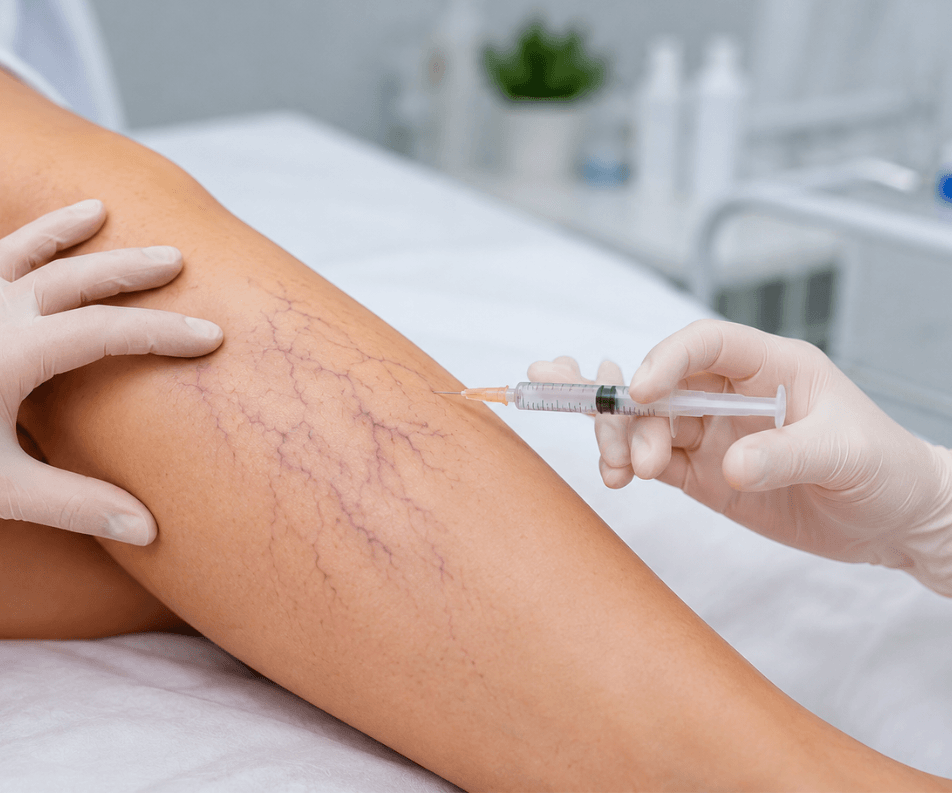
Table of contents:

Sclerotherapy explained: how the treatment works
Ideal candidate for sclerotherapy: key factors to consider
Sclerotherapy session: step-by-step
Sclerotherapy before and after: recovery timeline
Recovery tips after sclerotherapy for smoother healing
Potential risks of sclerotherapy to be aware of
Why choose KEIT Day Hospital for sclerotherapy treatment?
In this article, you’ll learn how sclerotherapy works, who benefits most from the procedure, and what happens during each session. You’ll also discover how results develop, how long they last, which risks to consider, and why KEIT Day Hospital is a trusted choice for safe, effective, and long-lasting vein improvement.
Book your FREEOnline Consultation Now
Sclerotherapy explained: how the treatment works
Sclerotherapy works by injecting a specialised sclerosing solution, most commonly Lauromacrogol 400 (Aetoxisclerol) directly into the affected veins. The solution irritates the vein walls, causing them to collapse, seal and gradually be reabsorbed by the body. Over time, the treated vein fades and disappears, improving both skin appearance and local circulation. A typical session lasts 30–45 minutes, depending on the number and size of veins treated. No anesthesia is required because the needle is extremely fine and the solution causes only minimal discomfort.
Ideal candidate for sclerotherapy: key factors to consider
You may be a suitable candidate if you:
-
Have visible spider veins or small superficial varicose veins.
-
Experience cosmetic concerns or mild discomfort from enlarged capillaries.
-
Want a non-surgical and quick treatment for clearer-looking skin.
-
Do not have active skin infections in the treatment area.
A medical evaluation determines whether sclerotherapy alone or combined with other vascular treatments is most appropriate.
Sclerotherapy session: step-by-step
A sclerotherapy session follows a precise medical protocol to ensure safety and optimal vein closure:
Consultation:
Detailed assessment of vein size, location and severity.
Preparation:
Cleansing and disinfection of the treatment area.
Injection phase:
The sclerosant (Lauromacrogol 400) is injected using a very thin, non-traumatic needle.
Vein compression:
Gentle pressure may be applied to help the vein collapse.
Post-treatment protection:
Elastic compression stockings are recommended for the first few days.
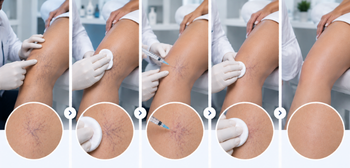
(i) Image illustrating the sclerotherapy treatment
Sclerotherapy before and after: recovery timeline
Recovery is mild, but results develop slowly as the treated veins reabsorb.
Immediately after:
Slight redness, swelling or minor stinging may occur.
Days 1–3:
Bruising may appear and tenderness is normal.
Week 2–3:
Spider veins begin to fade; early improvement becomes visible.
Weeks 3–6:
Treated small veins show significant fading.
3–4 months:
Larger superficial veins complete the reabsorption process.
Results are permanent for the treated veins, but new veins can form over time. Most patients need 1–4 sessions, spaced several weeks apart, depending on the extent of the veins.
Recovery tips after sclerotherapy for smoother healing
To support proper healing and ensure the best results:
-
Avoid sun exposure on the treated area.
-
Wear compression stockings for the first 3 days.
-
Avoid long periods of standing during the first few days.
-
Do not soak in hot baths, saunas or steam rooms.
-
Avoid vigorous exercise for 24–48 hours.
Potential risks of sclerotherapy to be aware of
Sclerotherapy is medically safe when performed by trained professionals, but some temporary reactions can occur:
-
Common effects: Minor bruising, redness or mild swelling.
-
Specific reactions: Temporary skin discoloration or firmness along the treated vein.
-
Rare risks: Allergic reactions, small clots, or inflammation if aftercare is not followed.
Proper evaluation and professional injection technique significantly minimise risks.
Why choose KEIT Day Hospital for sclerotherapy treatment?
KEIT Day Hospital is a healthcare facility dedicated to surgery and aesthetic medicine in Tirana, Albania, founded in 2011 by Dr Skerdilajd Faria. With over 23,000 procedures performed across the KEIT brand's various areas of activity, the facility combines medical expertise, professional technologies, safety protocols and personalised patient care.
Sclerotherapy is performed as part of KEIT Day Hospital's medical services, with the support of a multidisciplinary medical team and equipped hospital infrastructure. The treatment process includes an assessment of venous conditions, selection of the sclerosing solution, planning of microinjections and monitoring of the results. The aim is to reduce the visibility of spider veins and small varicose veins, improve the appearance of the treated areas and address any associated symptoms, while respecting the patient's individual vascular characteristics.
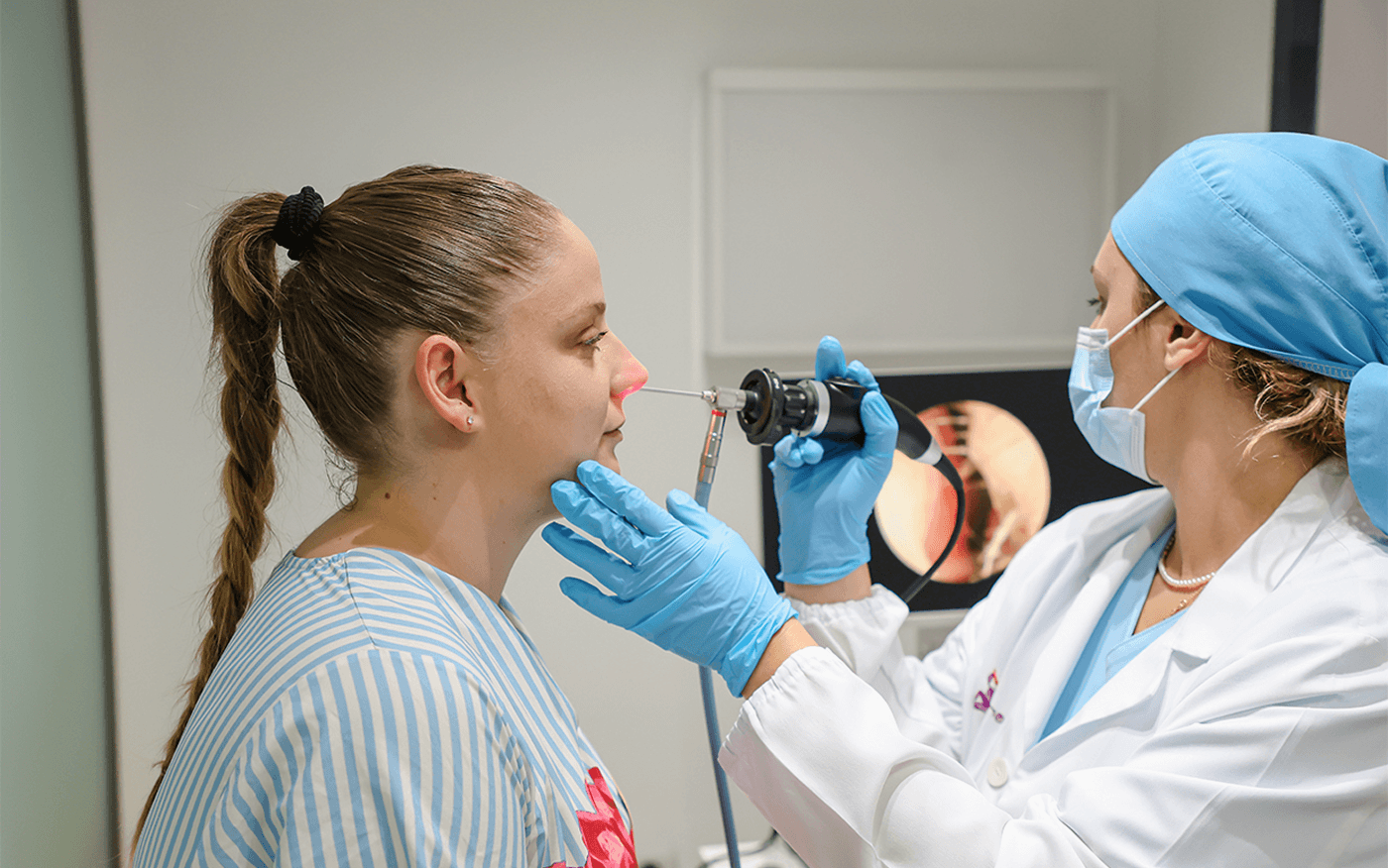
1. Dedicated medical treatment facilities and equipment for sclerotherapy
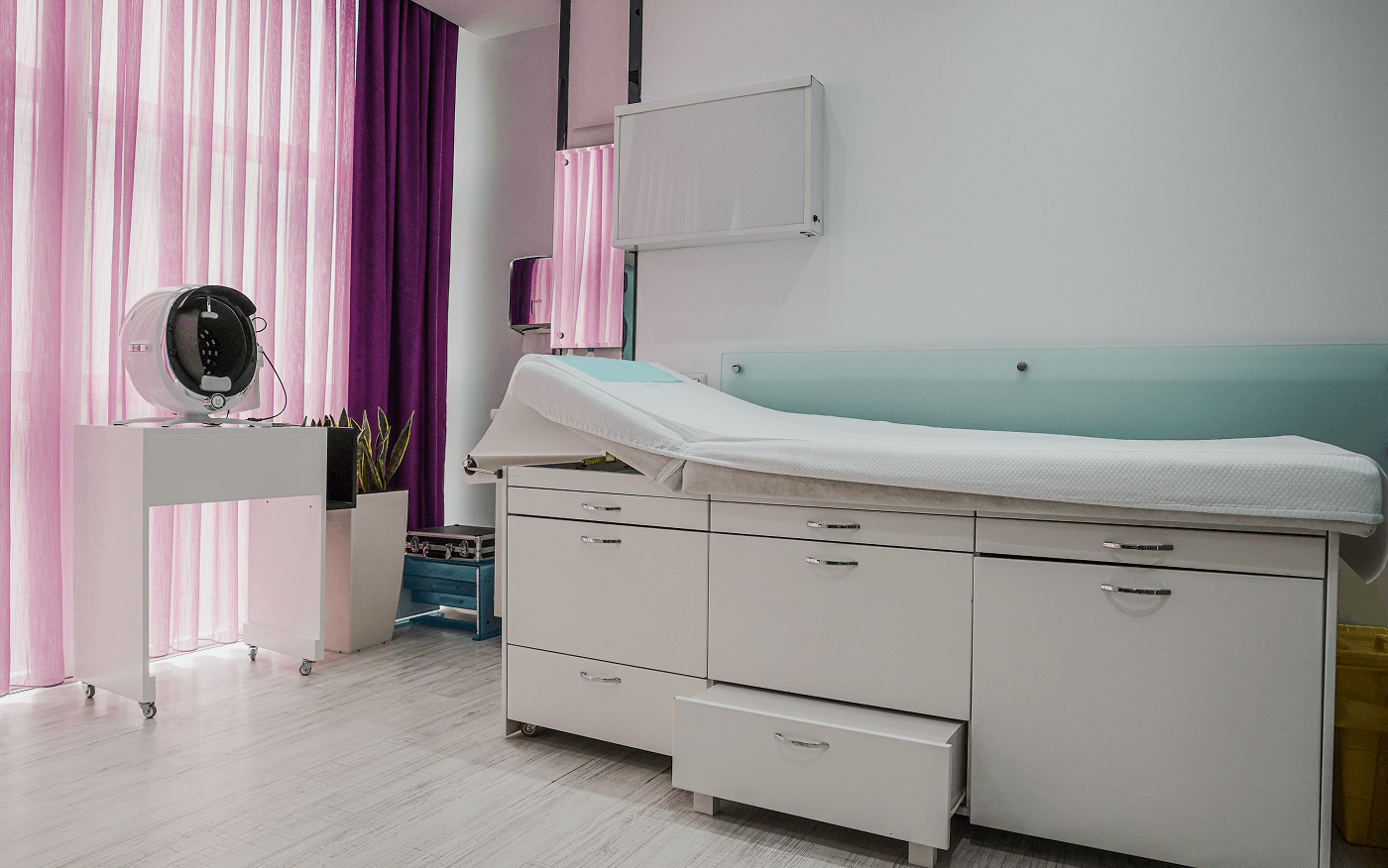
KEIT Day Hospital has clinical facilities dedicated to medical treatments, organised to ensure appropriate standards of hygiene, procedural precision and patient comfort....
KEIT Day Hospital has clinical facilities dedicated to medical treatments, organised to ensure appropriate standards of hygiene, procedural precision and patient comfort.
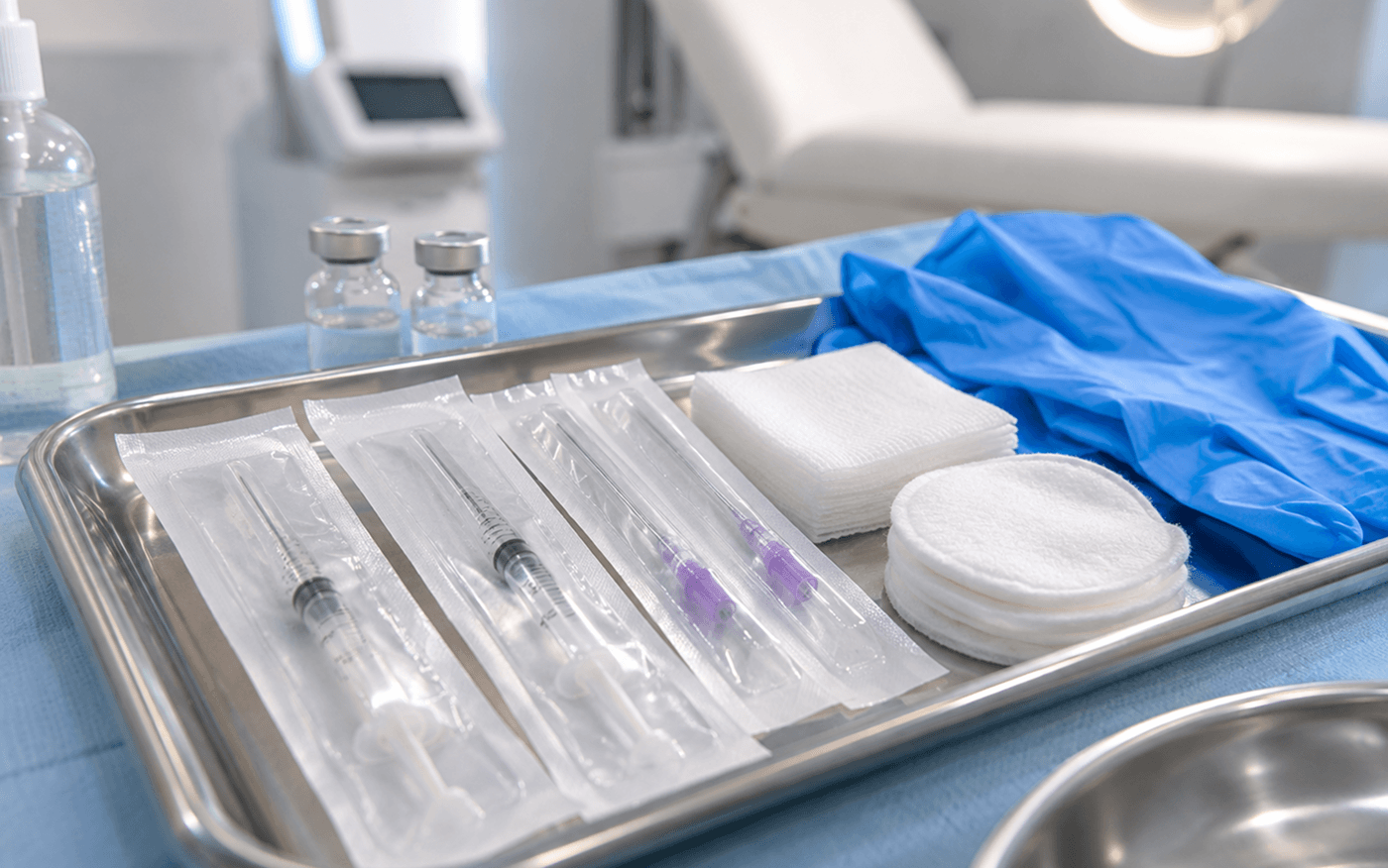
During sclerotherapy, the doctor identifies the veins to be treated and assesses their distribution, diameter and superficial characteristics, using appropriate instruments to administer the sclerosing solution. The procedure involves the use of fine, sterile, single-use needles selected according to the size and location of the affected vessels.
The organisation of the clinical facilities and the availability of medical resources allow the different stages of treatment to be managed, from skin preparation and disinfection to any necessary compression measures and observation immediately after the procedure.
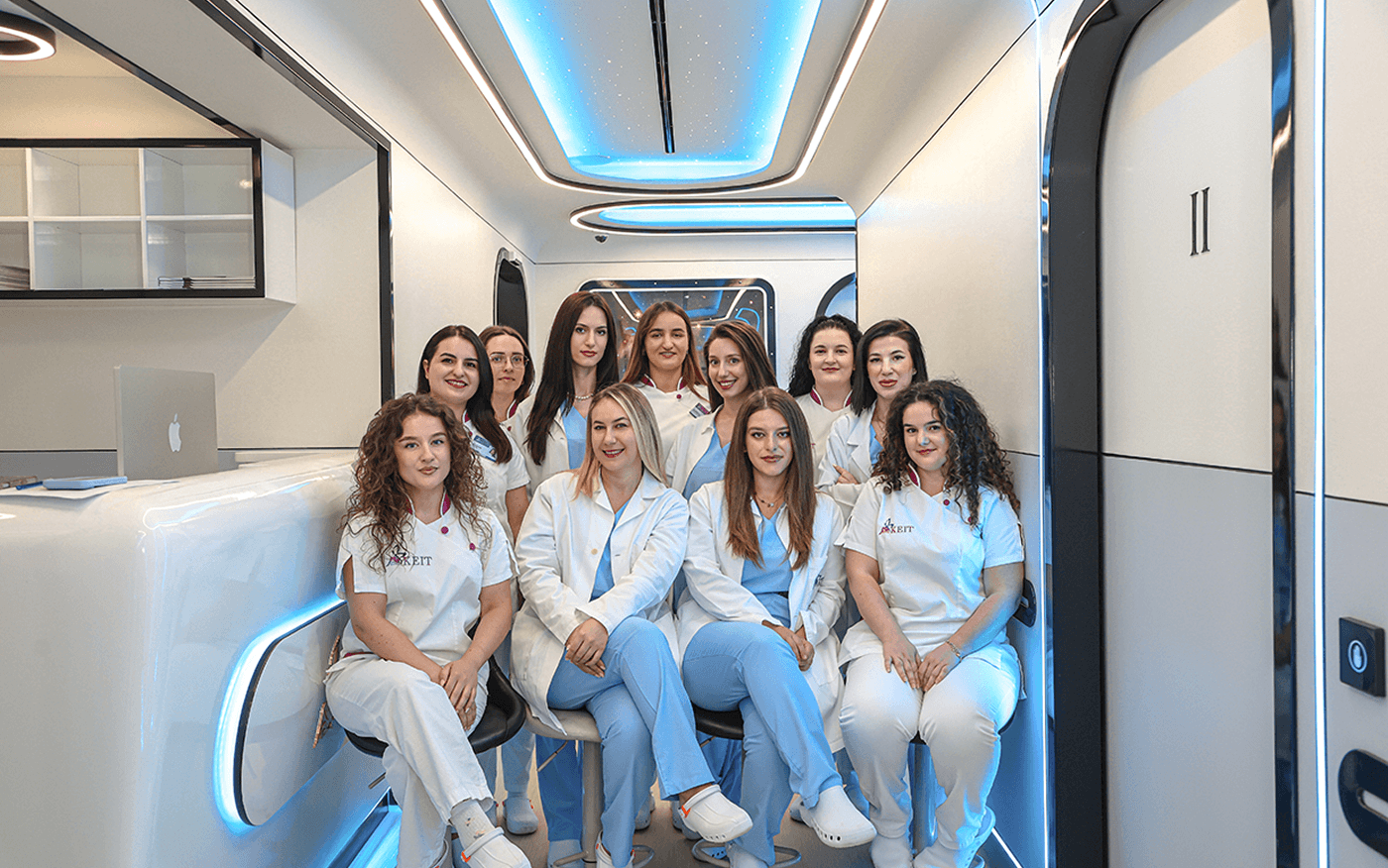
2. Qualified doctors and multidisciplinary medical team support
KEIT Day Hospital works with medical professionals who assess and perform treatments, with particular attention to the specific expertise required for vascular...
KEIT Day Hospital works with medical professionals who assess and perform treatments, with particular attention to the specific expertise required for vascular procedures. In sclerotherapy, knowledge of venous anatomy and circulatory mechanisms is essential for identifying suitable vessels, selecting the injection technique and reducing the risk of complications.
Treatment is personalised according to the distribution of spider veins, vein diameter and the possible presence of underlying venous insufficiency. When indicated, the assessment may require further diagnostic investigations or consultation with a vascular specialist before proceeding.
An additional advantage is the presence of a multidisciplinary medical team within KEIT Day Hospital, allowing specialists in anaesthesia and intensive care or other medical disciplines to be involved when additional assessments or specific medical assistance are required.

3. Medical assessment and personalised aesthetic treatment planning
Before sclerotherapy, the doctor carries out an individual assessment of the superficial veins, their distribution, any associated symptoms and the patient's expectations....
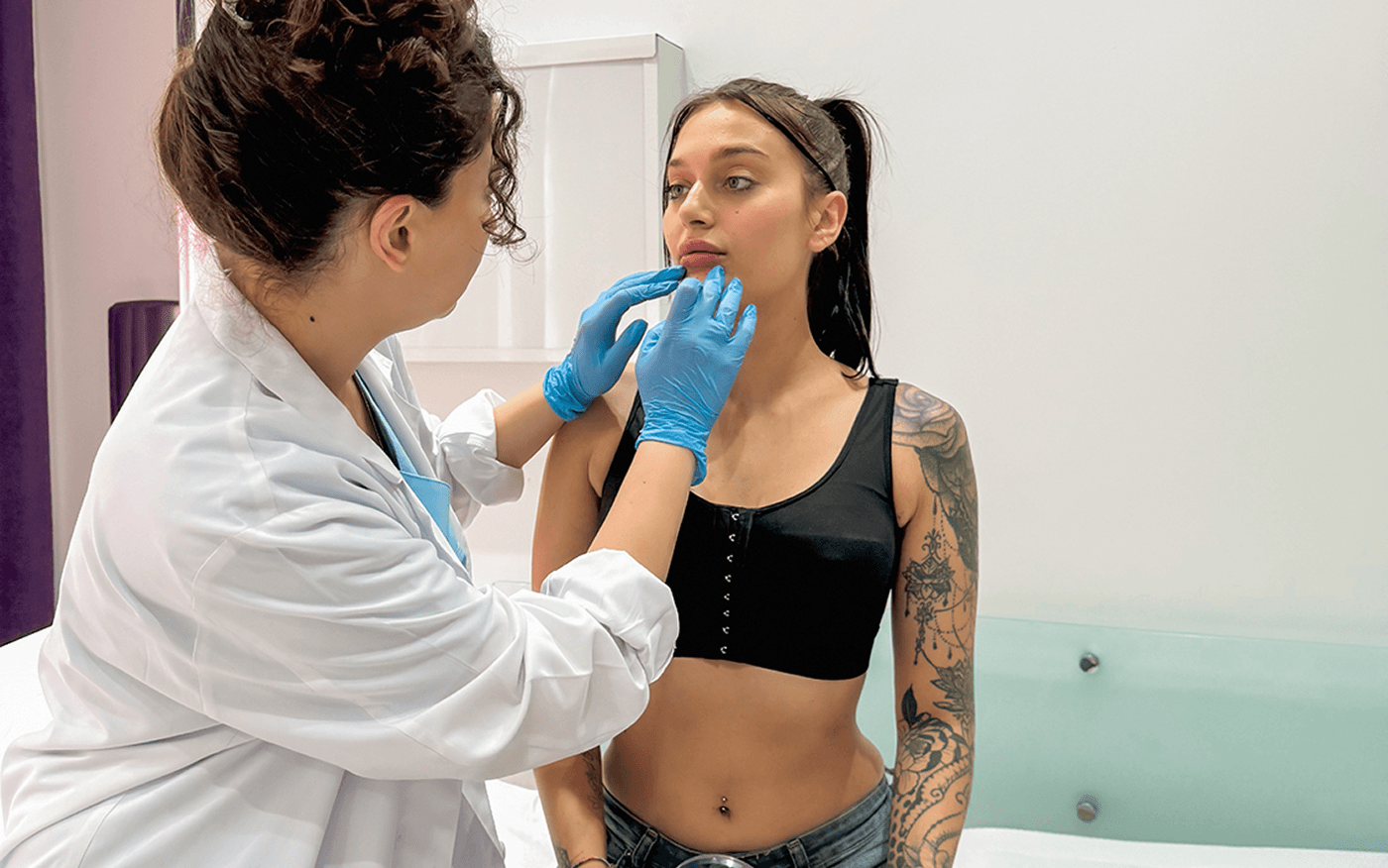
Before sclerotherapy, the doctor carries out an individual assessment of the superficial veins, their distribution, any associated symptoms and the patient's expectations. The consultation includes taking a medical history, with particular attention to previous episodes of thrombosis, circulatory disorders, medications being taken, allergies, pregnancy, immobility and possible contraindications.
The clinical examination makes it possible to distinguish spider veins and small reticular veins from varicose veins associated with more significant venous insufficiency. When necessary, a venous Doppler ultrasound allows a more detailed assessment of circulation and helps identify any venous reflux that may require a different therapeutic approach.
The treatment plan is determined according to the type and extent of the veins, the formulation and concentration of the sclerosing agent and the approximate number of sessions. When sclerotherapy is not the most appropriate solution, the doctor assesses the available alternatives and discusses their limitations with the patient.
4. Product quality, sterilisation, and material traceability
KEIT Day Hospital follows hygiene and infection prevention protocols that include disinfecting clinical areas, skin antisepsis and the use of sterile, single-use...
KEIT Day Hospital follows hygiene and infection prevention protocols that include disinfecting clinical areas, skin antisepsis and the use of sterile, single-use devices during injectable treatments. In sclerotherapy, particular attention is paid to skin preparation, needle handling and checking the packaging of the sclerosing solution.
The product is selected according to the clinical indication, vessel characteristics and planned administration method. Clinical documentation records the product's brand name, concentration, quantity used, batch number and treated areas, ensuring traceability of the preparation. These checks contribute to procedural safety and the proper handling of the materials and medications used.
5. Medical safety, complication management, and hospital infrastructure
Sclerotherapy is a minimally invasive procedure involving the injection of a sclerosing agent into selected blood vessels. It is generally performed without...
Sclerotherapy is a minimally invasive procedure involving the injection of a sclerosing agent into selected blood vessels. It is generally performed without general anaesthesia but requires careful assessment of circulatory conditions and an appropriate administration technique.
In addition to temporary effects such as minor bruising, redness, tenderness and hardening of the treated veins, hyperpigmentation, the appearance of new superficial capillaries, venous inflammation or allergic reactions may occur. Less common but potentially serious complications include skin damage with ulceration, deep vein thrombosis and thromboembolic events. Some complications may occur even when the treatment is performed correctly.
Appropriate patient selection, adherence to recommended doses and administration methods, and prompt recognition of abnormal symptoms are essential for reducing risks and managing any complications.
One of KEIT Day Hospital's distinguishing features is the availability of hospital infrastructure and a multidisciplinary medical team. The facility has three equipped operating theatres, specialists in anaesthesia and intensive care, equipment for monitoring vital signs, emergency management devices and a postoperative recovery room. These resources provide additional medical support, alongside the specific protocols required to manage vascular complications and reactions to sclerosing agents.
6. Personalised care and follow-up after treatment
At KEIT Day Hospital, patient care continues after sclerotherapy has been completed. Patients receive personalised instructions on physical activity, walking, the possible...
At KEIT Day Hospital, patient care continues after sclerotherapy has been completed. Patients receive personalised instructions on physical activity, walking, the possible use of compression stockings, skin protection and warning signs requiring medical assessment.
Follow-up is determined according to the patient's individual response and the agreed treatment schedule. Follow-up appointments allow the doctor to assess the gradual resorption of treated veins, the appearance of any pigmentation changes and the presence of residual vessels. When indicated, the doctor may schedule additional sessions or further vascular investigations based on the results observed.
Patients are also informed of the need to seek immediate medical attention if they experience symptoms such as significant swelling in one leg, severe pain, difficulty breathing or chest pain.
For international patients, care may also continue remotely through communication with medical staff and guidance on necessary follow-up appointments. KEIT Day Hospital also provides an emergency contact number, available 24 hours a day, 7 days a week.
7. Transparency, informed consent and clinical documentation
KEIT Day Hospital places particular emphasis on transparent information and treatment documentation. Before sclerotherapy, patients receive explanations about the characteristics of the...
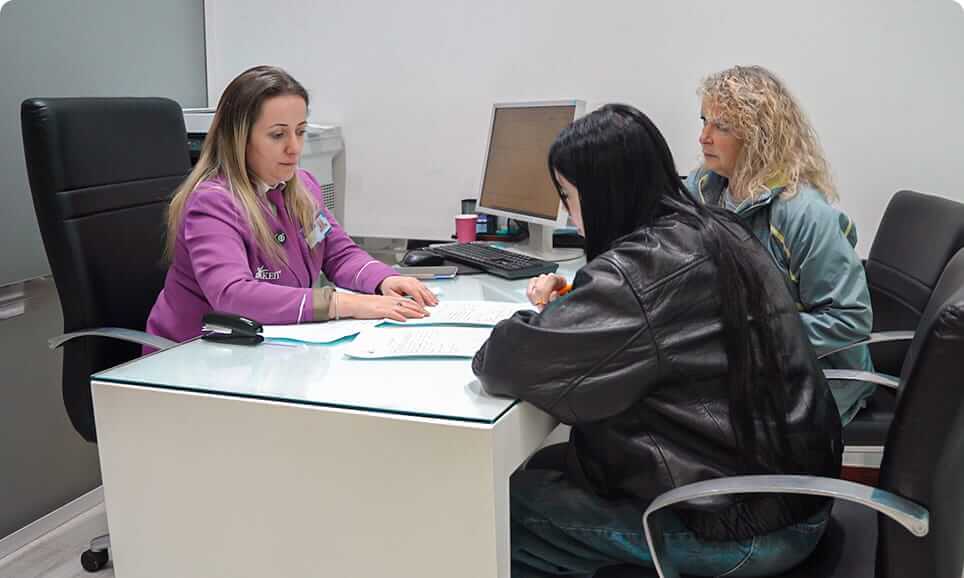
KEIT Day Hospital places particular emphasis on transparent information and treatment documentation. Before sclerotherapy, patients receive explanations about the characteristics of the veins to be treated, the selected sclerosing agent, the approximate number of sessions, expected benefits, the time required for the treated veins to be reabsorbed and potential risks.
Clinical documentation records the treated areas, the product used, its concentration and the quantity administered, as well as any reactions observed. When appropriate and with the patient's consent, photographic documentation is taken to compare the initial appearance with the results obtained during and after the course of treatment. The informed consent form, treatment quotation and administrative documentation also allow patients to understand the clinical and financial aspects of the treatment before undergoing the procedure.
FAQ
Frequently asked questions
How long does a sclerotherapy session last?

A session typically lasts 30–45 minutes, depending on the number and size of veins treated.
How many sessions will I need?
Most patients require 1–4 sessions, spaced several weeks apart, depending on the extent and severity of the veins.
When will I see results?
Small veins start to fade within 2–3 weeks, while larger veins may take 3–4 months to fully resolve.
Are the results permanent?
Yes, the treated veins disappear permanently, but still the procedure does not prevent new veins from forming in the future.
Is the treatment painful?
No. The needle used is extremely fine, and the procedure causes minimal discomfort, with no anesthesia required.