 4.9 Rating | 23.000+ Procedures | European Medical Team
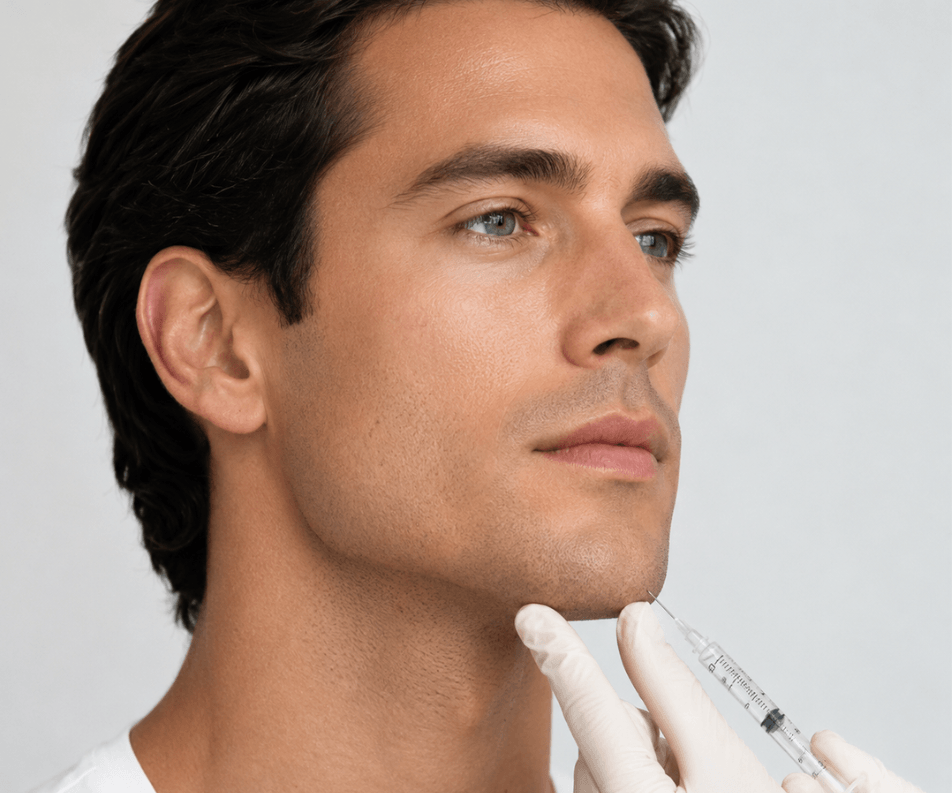
Table of contents:

Chin filler explained: how the procedure works
Ideal candidate for chin filler: key factors to consider
Chin filler session: step-by-step
Chin filler before and after: the recovery timeline
Recovery tips: how to optimize healing after chin filler
Potential risks of chin filler: what to be aware of before treatment
Why choose KEIT Day Hospital for chin fillers?
In this article, you’ll learn how chin filler enhances facial structure, who benefits most, and what happens during each step of the session. You’ll also discover how recovery progresses, how long results last, which risks to keep in mind, and why KEIT Day Hospital is a trusted choice for safe, balanced, and long-lasting chin refinement.
 Book your FREEOnline Consultation Now

Chin filler explained: how the procedure works
Chin filler refines the lower face by placing HYAcorp hyaluronic acid-based filler into deep anatomical layers of the chin to modify projection, length and structural support. The filler, which typically contains lidocaine for added comfort, is positioned along the bone and within deeper soft-tissue planes to advance the chin forward or slightly downward when needed, reinforce tissue stability and improve midline harmony. Since the technique focuses solely on the central chin rather than the lateral jawline, it corrects true under-projection and restores profile balance. A session typically lasts 15–20 minutes and offers natural, predictable refinement with minimal downtime.
Ideal candidate for chin filler: key factors to consider
You may be a suitable candidate for chin filler if you:
-
Want a more defined, sculpted or projected chin.
-
Have a weak, recessed or retruded chin affecting profile balance.
-
Wish to correct mild asymmetry or refine the jawline-to-chin ratio.
-
Prefer a non-surgical alternative to chin implants.
-
Want immediate improvement without recovery time.
For subtle refinement, chin dermal filler works well, while chin line filler enhances lower-face angles. A consultation helps determine the best method for harmonious enhancement.
Chin filler session: step-by-step
Chin filler follows a structured and precise protocol:
Consultation and analysis:
Assessment of projection, symmetry and facial proportions.
Preparation:
Makeup removal, cleansing, disinfection and application of the numbing cream.
Injection phase:
Hyaluronic acid filler is injected with needles or micro-cannulas to build shape.
Refinement:
Gentle sculpting perfects transitions and profile balance.
Post-session guidance:
Key aftercare rules are reviewed.
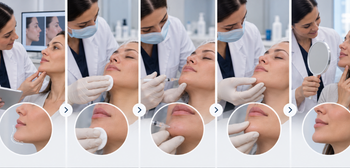
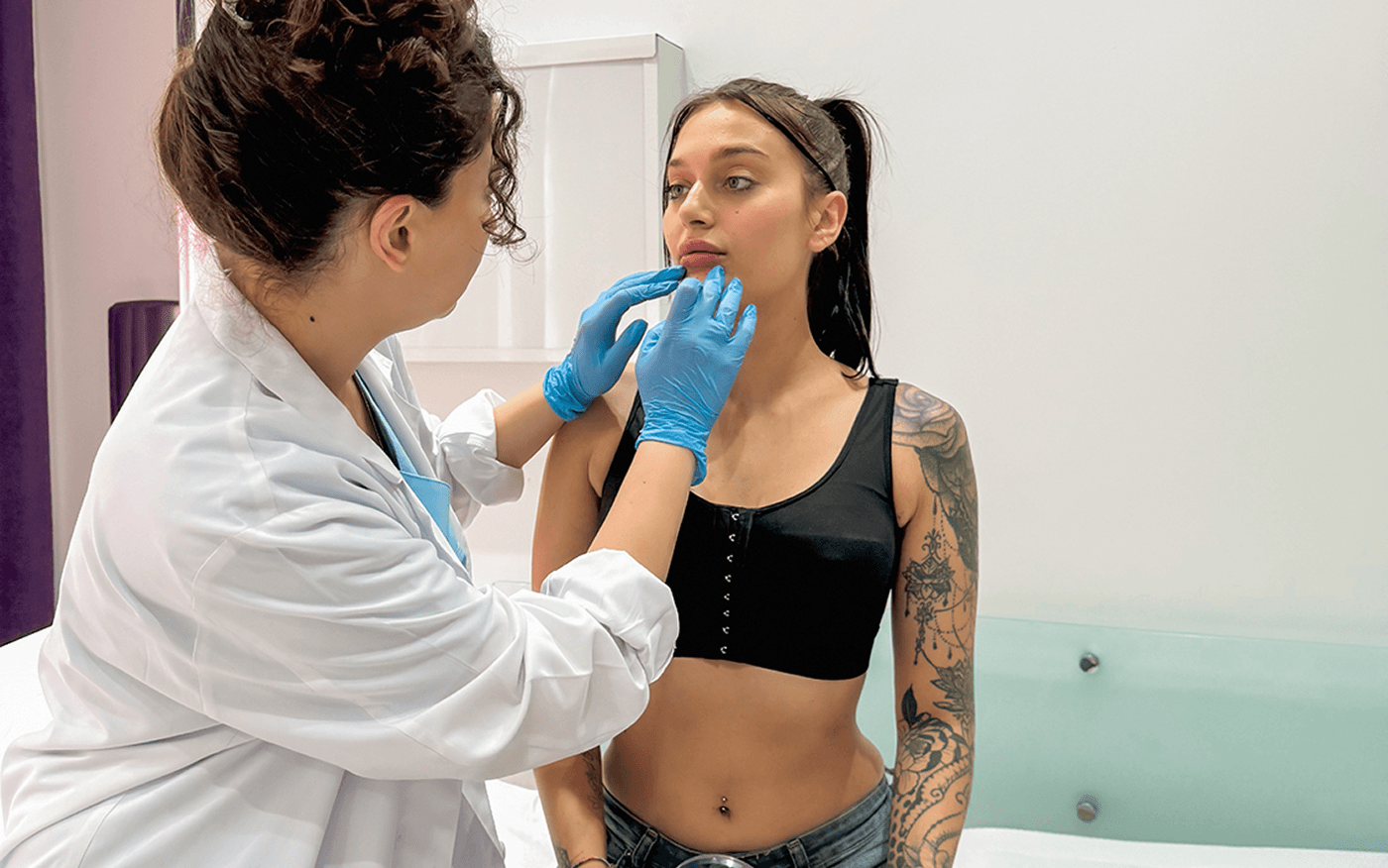
(i) Image illustrating the chin filler treatment
Chin filler before and after: the recovery timeline
Recovery after chin filler progresses quickly, with results refining as the filler integrates naturally into the tissues.
Immediately after:
Noticeable improvement with mild swelling.
Days 1–3:
Swelling reduces and tenderness fades.
Days 4–7:
The chin looks smoother and more defined.
Week 2:
Final contour appears with stable, natural-looking enhancement.
Results typically last 12–18 months, depending on filler type and metabolism.
Recovery tips: how to optimize healing after chin filler
A few simple post-treatment steps can help the filler settle evenly and support a smooth, long-lasting result.
-
Avoid touching or pressing the chin for 24 hours.
-
Sleep slightly elevated the first night.
-
Avoid strenuous exercise, steam rooms and heat for 24–48 hours.
-
Stay hydrated to support filler integration.
-
Avoid makeup for 12–24 hours.
Potential risks of chin filler: what to be aware of before treatment
Chin filler is usually safe, but temporary effects can occur.
-
Common effects: Mild swelling, tenderness and small bruises at injection points.
-
Specific risks: Asymmetry, slight lumpiness or uneven filler settling.
-
Rare risks: Vascular complications, although extremely uncommon with proper technique.
Choosing an experienced practitioner significantly reduces these risks.
Read the evidence review
Why choose KEIT Day Hospital for chin fillers?
KEIT Day Hospital is a healthcare facility dedicated to surgery and aesthetic medicine in Tirana, Albania, founded in 2011 by Dr Skerdilajd Faria. With over 23,000 procedures performed across the KEIT brand's various areas of activity, the facility combines medical expertise, professional technologies, safety protocols and personalised patient care.
Chin filler treatment is performed as part of KEIT Day Hospital's aesthetic medicine services, with the support of a multidisciplinary medical team and equipped hospital infrastructure. The treatment process includes an assessment of facial proportions, selection of hyaluronic acid, injection planning and monitoring of the results. The aim is to improve chin projection and definition, correct any asymmetries and enhance the harmony of the facial profile while respecting individual anatomical characteristics.

1. Dedicated aesthetic medicine facilities and technologies for injectable treatments
KEIT Day Hospital has clinical facilities dedicated to aesthetic medicine treatments, organised to ensure appropriate standards of hygiene, procedural precision and patient...
KEIT Day Hospital has clinical facilities dedicated to aesthetic medicine treatments, organised to ensure appropriate standards of hygiene, procedural precision and patient comfort.
For chin filler treatment, the doctor assesses chin projection, facial symmetry and the proportions of the lower third of the face, using instruments and materials specifically designed for injectable procedures. Treatment is performed using fine needles or sterile, single-use microcannulas, selected according to the patient's anatomical characteristics and the injection technique.
The organisation of the clinical facilities and the availability of medical resources allow the different stages of the procedure to be managed, from skin preparation to observation immediately after treatment.

2. Qualified doctors and multidisciplinary medical team support
KEIT Day Hospital works with medical professionals experienced in aesthetic medicine, injection techniques and facial anatomy. For chin filler treatment, knowledge of...
KEIT Day Hospital works with medical professionals experienced in aesthetic medicine, injection techniques and facial anatomy. For chin filler treatment, knowledge of the anatomical structures of the lower third of the face is essential for identifying the injection planes, considering the course of blood vessels and determining the quantity and distribution of the product.
Treatment is personalised according to the shape of the chin, the desired projection and the overall balance of the facial profile, avoiding excessive correction and prioritising proportionate results.
An additional advantage is the presence of a multidisciplinary medical team within KEIT Day Hospital, allowing specialists in anaesthesia and intensive care or other medical disciplines to be involved when additional assessments or specific medical assistance are required.

3. Medical assessment and personalised aesthetic treatment planning
Before chin filler treatment, the doctor carries out an individual assessment of chin projection, facial symmetry, profile proportions and the patient's expectations....
Before chin filler treatment, the doctor carries out an individual assessment of chin projection, facial symmetry, profile proportions and the patient's expectations. The consultation includes taking a medical history, with particular attention to allergies, medications being taken, previous aesthetic treatments, skin infections and possible contraindications.
Assessment of the lower third of the face makes it possible to distinguish a naturally less prominent chin from changes in skeletal proportions that may require a different approach. Treatment is not planned according to standard filler quantities but according to the required projection, any need to increase vertical height and the degree of correction actually indicated. When filler is not the most appropriate solution, the doctor assesses the available alternatives and discusses their limitations with the patient.
4. Product quality, sterilisation, and material traceability
KEIT Day Hospital follows hygiene and infection prevention protocols that include disinfecting clinical areas, skin antisepsis and the use of sterile, single-use...
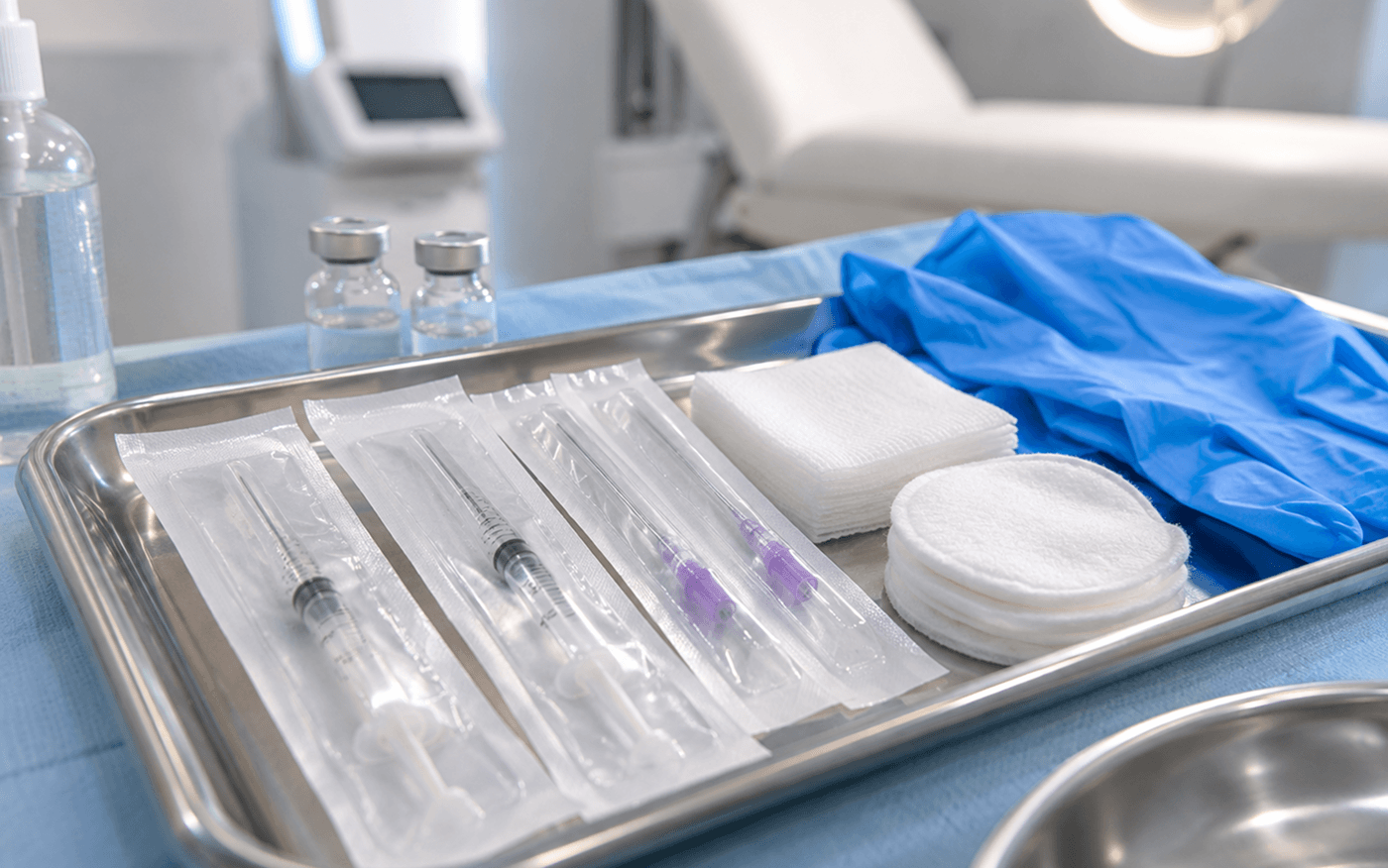
KEIT Day Hospital follows hygiene and infection prevention protocols that include disinfecting clinical areas, skin antisepsis and the use of sterile, single-use devices during injectable treatments. For chin filler treatment, particular attention is paid to proper skin preparation, the handling of needles and microcannulas and checking the packaging of the products used.
The hyaluronic acid filler is identified by its brand name, batch number and traceability information, which are recorded in the patient's clinical documentation. Product selection takes into account its rheological properties, injection depth, anatomical area and desired result. These checks contribute to treatment safety and traceability.

5. Medical safety, complication management, and hospital infrastructure
Chin filler treatment is a minimally invasive procedure, generally performed without general anaesthesia. To improve patient comfort, products containing lidocaine or other...
Chin filler treatment is a minimally invasive procedure, generally performed without general anaesthesia. To improve patient comfort, products containing lidocaine or other local anaesthetic measures may be used when indicated. Non-surgical aesthetic treatments also require medical expertise and appropriate preparation for managing complications.
In addition to temporary effects such as swelling, tenderness or bruising, rare but serious complications, including vascular occlusion, may occur. Prompt recognition of symptoms and activation of emergency protocols are essential.
Managing suspected vascular occlusion caused by hyaluronic acid requires specific protocols, which may include the prompt use of hyaluronidase when indicated. Any visual disturbances require immediate emergency specialist care.
One of KEIT Day Hospital's distinguishing features is the availability of hospital infrastructure and a multidisciplinary medical team. The facility has three equipped operating theatres, specialists in anaesthesia and intensive care, equipment for monitoring vital signs, emergency management devices and a postoperative recovery room. These resources provide additional medical support, alongside the specific protocols required to manage complications associated with injectable treatments.
6. Personalised care and follow-up after treatment
At KEIT Day Hospital, patient care continues after chin filler treatment has been completed. Patients receive personalised instructions on precautions to take,...
At KEIT Day Hospital, patient care continues after chin filler treatment has been completed. Patients receive personalised instructions on precautions to take, temporary effects that may occur and warning signs requiring immediate medical assessment.
Follow-up is determined according to the patient's individual response to treatment. A follow-up appointment after approximately 10–14 days, when indicated, allows the result to be assessed after the initial swelling has subsided, checking chin projection, symmetry and the possible presence of irregularities.
For international patients, care may also continue remotely through communication with medical staff and guidance on necessary follow-up appointments. KEIT Day Hospital also provides an emergency contact number, available 24 hours a day, 7 days a week.
7. Transparency, informed consent and clinical documentation
KEIT Day Hospital places particular emphasis on transparent information and treatment documentation. Before chin filler treatment, patients receive explanations about the selected...
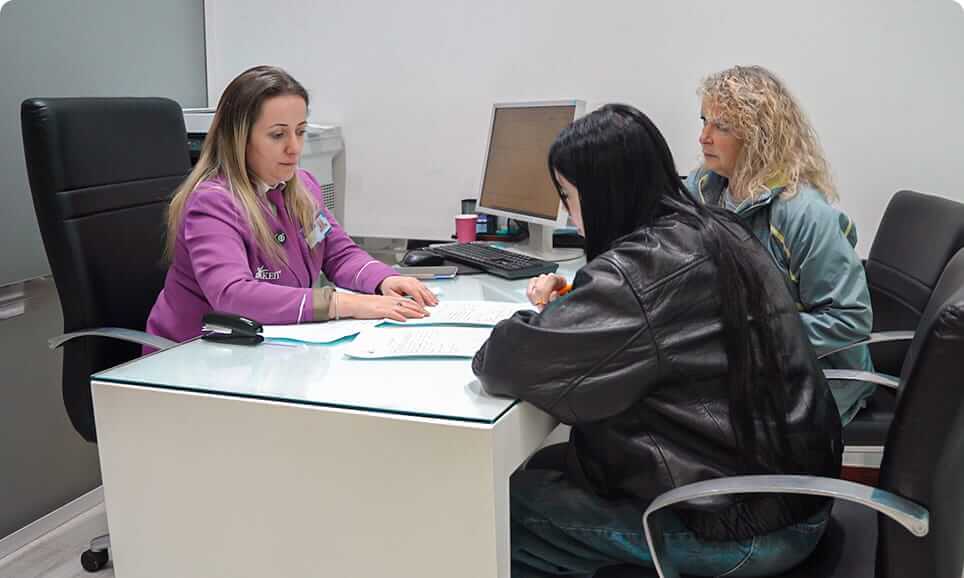
KEIT Day Hospital places particular emphasis on transparent information and treatment documentation. Before chin filler treatment, patients receive explanations about the selected product, the areas to be treated, expected benefits, the approximate duration of the results and potential risks.
Clinical documentation records the filler's brand name, batch number, quantity administered and injection sites, ensuring traceability of the procedure. When appropriate and with the patient's consent, photographic documentation is taken to compare the initial appearance with the treatment result. The informed consent form, treatment quotation and administrative documentation also allow patients to understand the clinical and financial aspects of the procedure before undergoing treatment.
FAQ
Frequently asked questions
How long does chin filler take?

Most sessions last 15–20 minutes, including preparation and shaping. You can return to daily activities immediately.
Is chin filler painful?
Discomfort is minimal thanks to numbing cream. Most patients feel only light pressure or brief stinging.
When can I return to normal activities?
Daily activities can resume right away. Avoid heat, strenuous exercise, swimming and pressure on the chin for 24–48 hours.
How long do results last?
Chin filler typically lasts 12–18 months, depending on metabolism and filler type.
Can chin filler improve my side profile?
Yes. Enhancing chin projection greatly improves profile balance and jawline definition.
Is chin filler reversible?
Yes. Hyaluronic acid fillers can be dissolved safely with hyaluronidase if needed.