 4.9 Rating | 23.000+ Procedures | European Medical Team
Table of contents:

White peeling explained: how the treatment works
Ideal candidate for white peeling
White peeling session: step-by-step
White peeling before and after: recovery timeline
Recovery tips after white peeling for smoother healing
Potential risks of white peeling to be aware of
Why choose KEIT Day Hospital for white peeling treatment?
In this article, you’ll learn how white peeling works, who benefits most from the treatment, and what happens during each step of the session. You’ll also discover how the skin heals after each application, how long the results last, which risks to consider, and why KEIT Day Hospital is a trusted choice for safe, consistent, and long-lasting improvement in skin clarity, tone, and texture.
 Book your FREEOnline Consultation Now

White peeling explained: how the treatment works
White peeling uses a controlled blend of fruit acids, typically glycolic, lactic and salicylic acid, to gently dissolve surface cells and trigger gradual peeling in the days that follow. This chemical action clears accumulated oils, softens superficial pigmentation and stimulates new cell turnover to improve overall skin texture. Once the gel is rinsed off, a whitening cream is applied to boost luminosity and promote a more even complexion. Each session lasts 40–50 minutes, follows a precise application protocol and is carried out during colder months to minimise sun sensitivity and ensure safe, consistent results.
Ideal candidate for white peeling
You may be an ideal candidate if you:
-
Have acne-prone skin or recurring breakouts.
-
Struggle with oily skin and clogged pores.
-
Notice dark spots, uneven tone or superficial pigmentation.
-
Prefer gradual, progressive improvement through multiple sessions.
A professional evaluation confirms whether white peeling, chemical peels, laser or a combined protocol is most suitable.
White peeling session: step-by-step
A white peeling session follows two precise treatment stages to ensure safe exfoliation and optimal regeneration:
Cleansing and preparation:
The skin is thoroughly cleansed to remove impurities and prepare for the acids.
Gel peeling:
A fruit-acid gel (glycolic, lactic, salicylic acid) is applied using a brush. A light burning sensation is normal. The gel remains for a few minutes, then the skin is rinsed with cold water.
Drying phase:
The skin is dried completely before moving to the next step.
White Peeling cream:
A whitening cream is applied to brighten the complexion. This cream gives the treatment its name and should remain on the skin for 6–12 hours.
Post-treatment guidelines:
Clear instructions are given to ensure proper hydration, sun protection, and safe peeling over the following days.
A full protocol typically consists of 4–5 sessions, performed every 3–4 weeks.
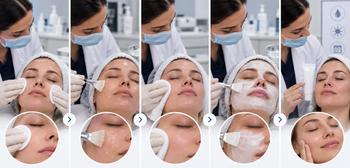
(i) Image illustrating the white peeling treatment
White peeling before and after: recovery timeline
Skin recovery is progressive and becomes visibly clearer as sessions continue.
Immediately after:
Mild redness and slight warmth are normal. The skin looks cleaner and brighter.
Days 1–3:
Light peeling begins and texture improves as the superficial layer sheds.
Days 4–7:
Peeling continues; the skin becomes smoother and more uniform.
Week 2:
Regeneration completes and results are clearer and more even.
Results usually last 8–12 months, depending on skin type, skincare routine and lifestyle.
Recovery tips after white peeling for smoother healing
For optimal healing and long-lasting results:
-
Keep the skin hydrated with a gentle moisturizer.
-
Avoid sun exposure and apply SPF daily.
-
Do not scratch or remove peeling skin manually.
-
Avoid saunas, steam rooms, intense exercise and heat for 24–48 hours.
-
Use mild cleansers and avoid active ingredients like retinoids for several days.
Potential risks of white peeling to be aware of
White peeling is mostly safe when performed by trained professionals, but some temporary effects may occur.
-
Common effects: Redness, mild burning, sensitivity or dryness in the first days.
-
Specific reactions: Slight uneven peeling if skin is dehydrated or exposed to heat.
-
Rare risks: Irritation, post-inflammatory hyperpigmentation or infection if aftercare is not followed.
Proper evaluation and professional application significantly reduce these risks.
Why choose KEIT Day Hospital for white peeling treatment?
KEIT Day Hospital is a healthcare facility dedicated to surgery and aesthetic medicine in Tirana, Albania, founded in 2011 by Dr Skerdilajd Faria. With over 23,000 procedures performed across the KEIT brand's various areas of activity, the facility combines medical expertise, professional technologies, safety protocols and personalised patient care.
White peeling is performed as part of KEIT Day Hospital's aesthetic medicine services, with the support of a multidisciplinary medical team and equipped hospital infrastructure. The treatment process includes an assessment of skin condition, selection of the exfoliation protocol, controlled application of products and monitoring of the skin's response. The aim is to promote renewal of the superficial skin layers, reduce irregularities in skin texture and pigmentation, and improve complexion radiance while respecting the patient's skin phototype and individual sensitivity.
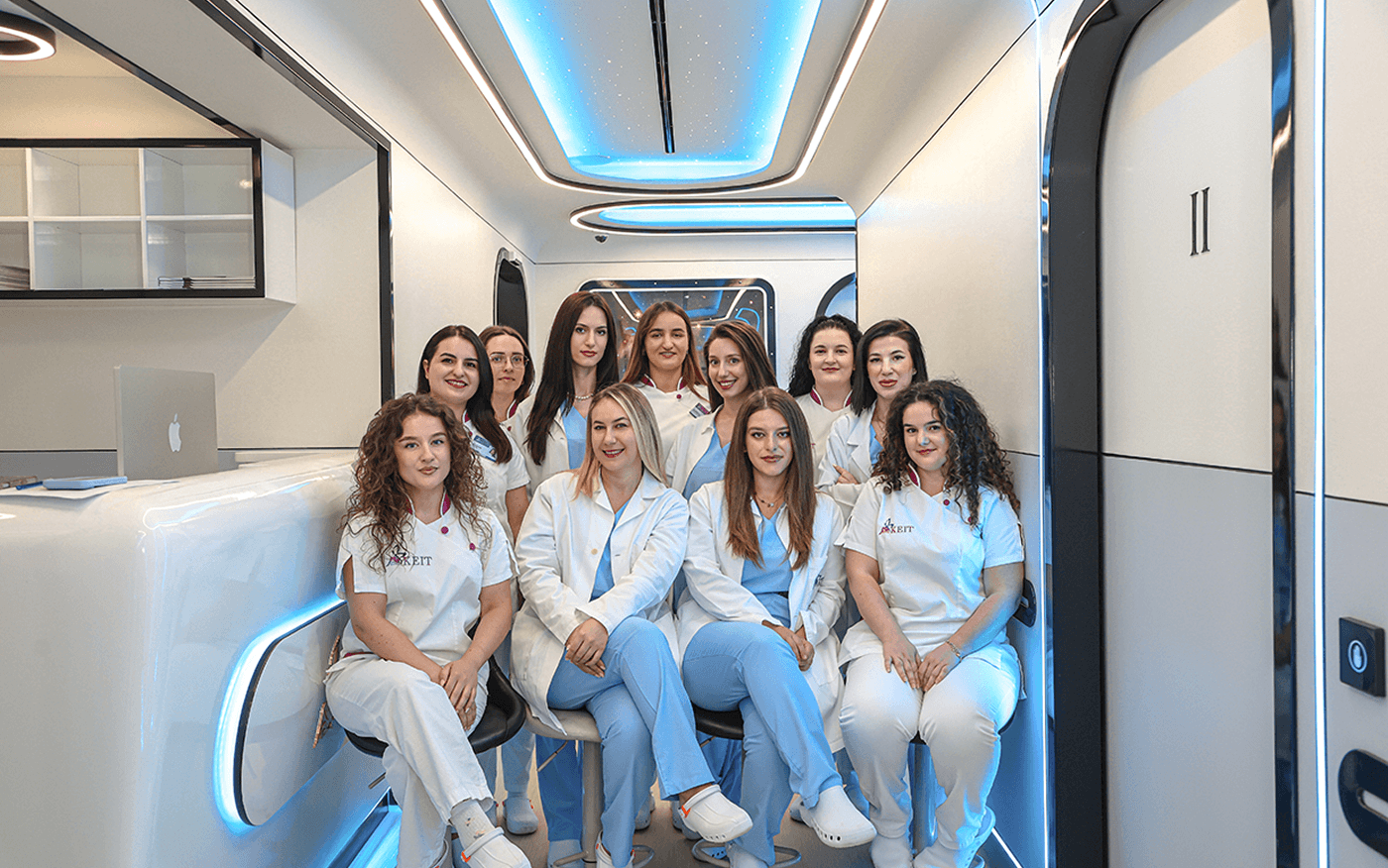
1. Dedicated aesthetic medicine facilities and technologies for regenerative treatments
KEIT Day Hospital has clinical facilities dedicated to aesthetic medicine treatments, organised to ensure appropriate standards of hygiene, procedural precision and patient...
KEIT Day Hospital has clinical facilities dedicated to aesthetic medicine treatments, organised to ensure appropriate standards of hygiene, procedural precision and patient comfort.
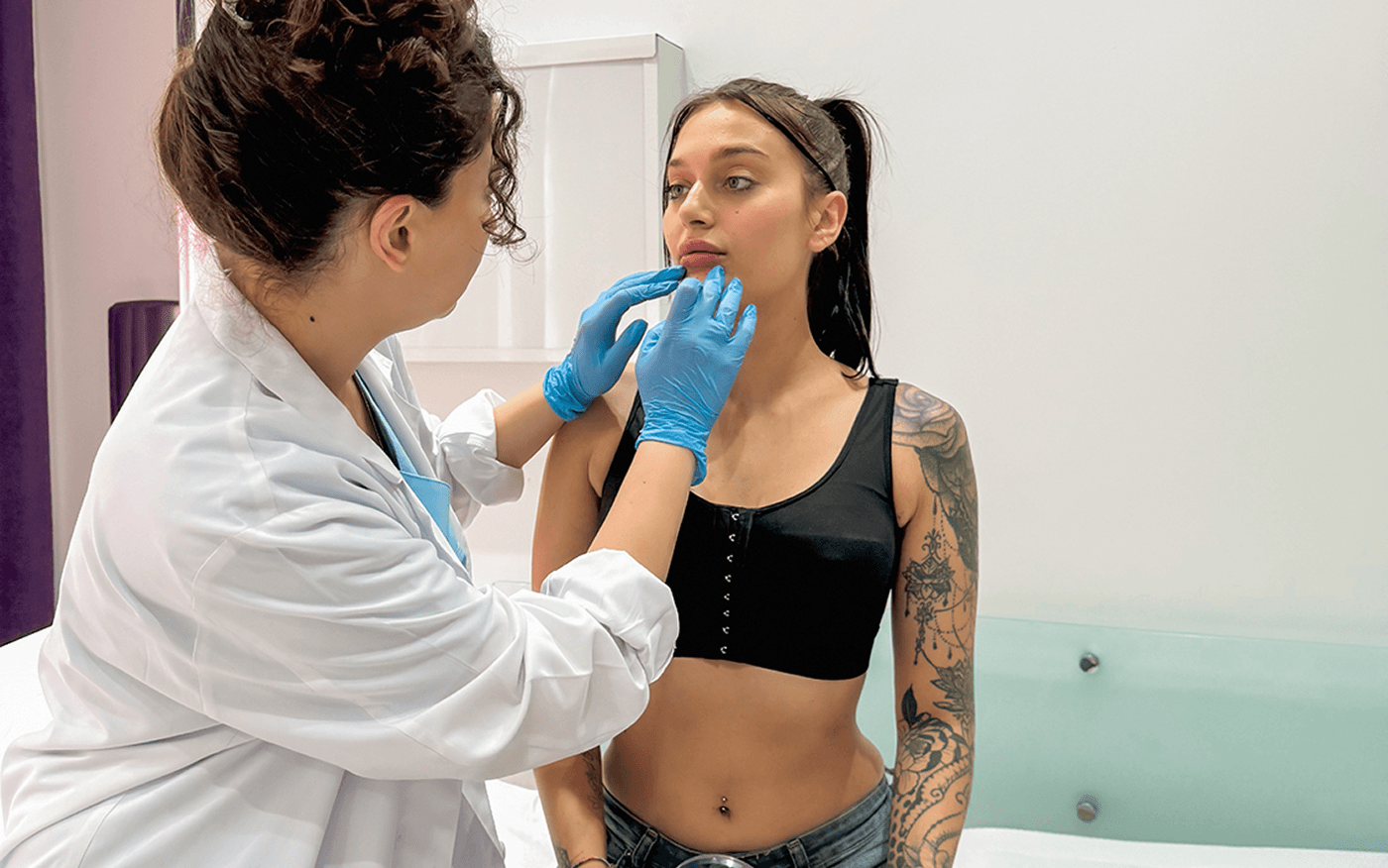
For white peeling treatment, the doctor assesses skin texture, the distribution of pigmentation spots, sebum production and the condition of the skin barrier, using specific instruments and products for chemical exfoliation. The treatment involves the controlled application of an exfoliating gel followed by a brightening formulation, according to the application times and methods established by the protocol.
The organisation of the clinical facilities and the availability of medical resources allow the different stages of the procedure to be managed, from skin cleansing and preparation to removal of the exfoliating product, application of the final cream and immediate assessment of the skin's response.
2. Qualified doctors and multidisciplinary medical team support
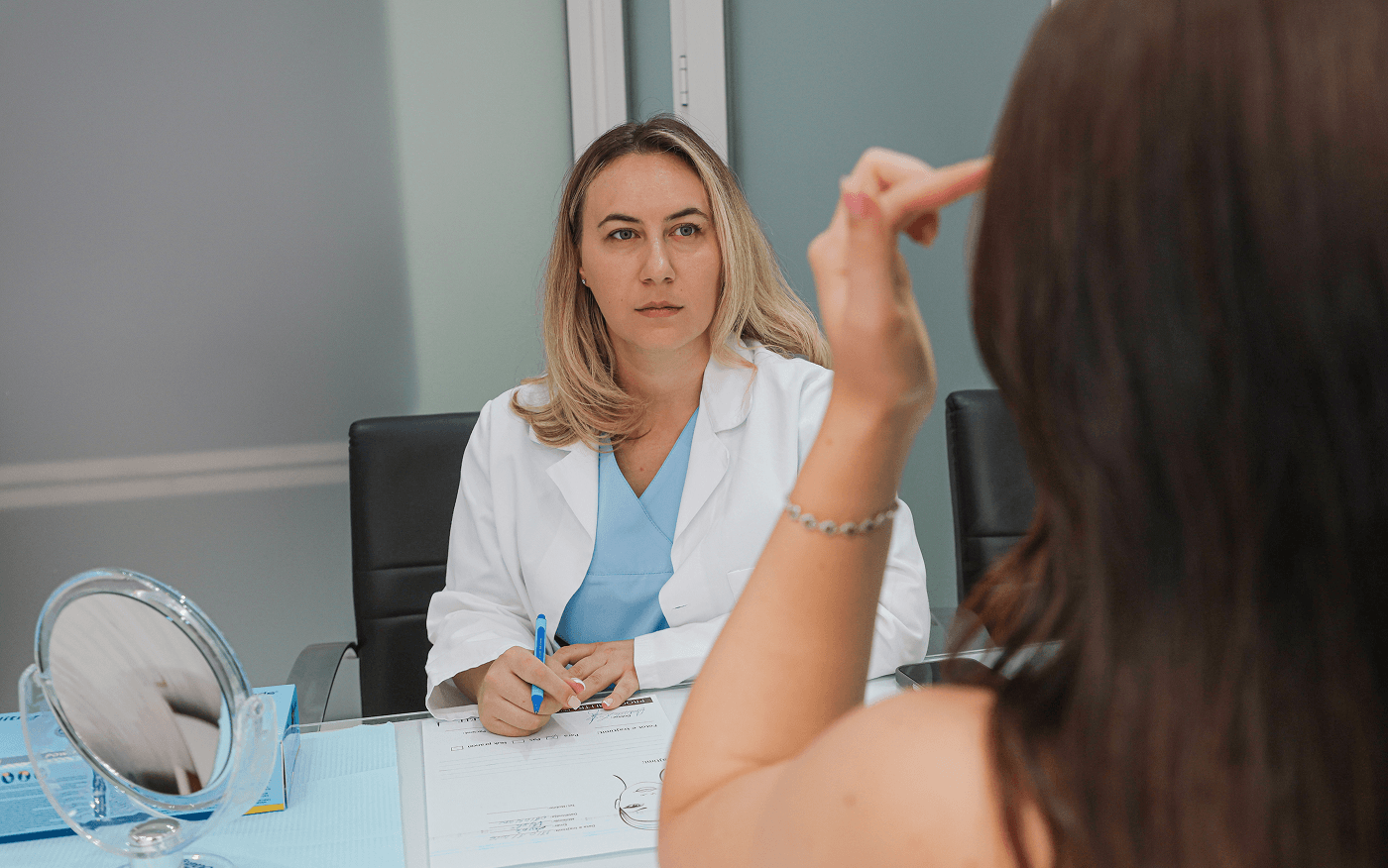
KEIT Day Hospital works with medical professionals experienced in aesthetic medicine, skin condition assessment and chemical exfoliation treatments. For white peeling, knowledge...
KEIT Day Hospital works with medical professionals experienced in aesthetic medicine, skin condition assessment and chemical exfoliation treatments. For white peeling, knowledge of skin physiology and the mechanisms of action of acids is essential for identifying suitable patients, selecting the treatment protocol and recognising any abnormal reactions.
Treatment is personalised according to skin phototype, skin sensitivity, the presence of acne, pigmentation changes and individual tolerance to exfoliating ingredients. Particular attention is paid to reactive skin and patients prone to post-inflammatory hyperpigmentation.
An additional advantage is the presence of a multidisciplinary medical team within KEIT Day Hospital, allowing specialists in dermatology or other medical disciplines to be involved when additional assessments or specific medical assistance are required.
3. Medical assessment and personalised aesthetic treatment planning
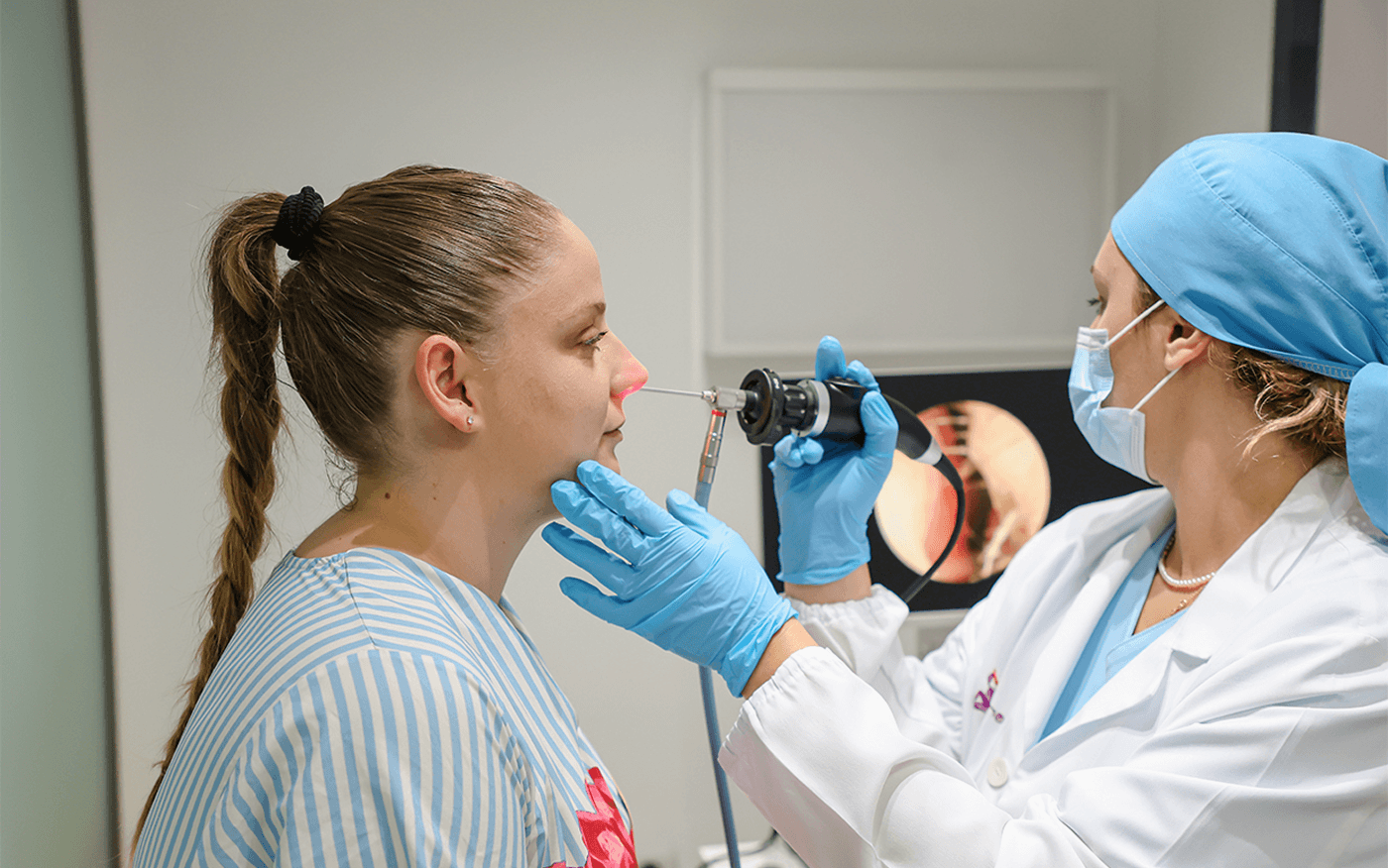
Before white peeling treatment, the doctor carries out an individual assessment of skin type, phototype, pigmentation, the presence of acne lesions and...
Before white peeling treatment, the doctor carries out an individual assessment of skin type, phototype, pigmentation, the presence of acne lesions and the patient's expectations. The consultation includes taking a medical history, with particular attention to allergies, medications being taken, recent exfoliating treatments, sun exposure, skin infections and possible contraindications.
Assessment of skin condition makes it possible to distinguish superficial pigmentation spots from deeper pigmentation changes and to evaluate the presence of inflammatory acne, irritation or a compromised skin barrier. Treatment is not planned according to standard parameters but according to the formulation used, skin tolerance and realistic goals. When white peeling is not the most appropriate solution, the doctor assesses the available alternatives and discusses their limitations with the patient.
4. Product quality, hygiene and material traceability
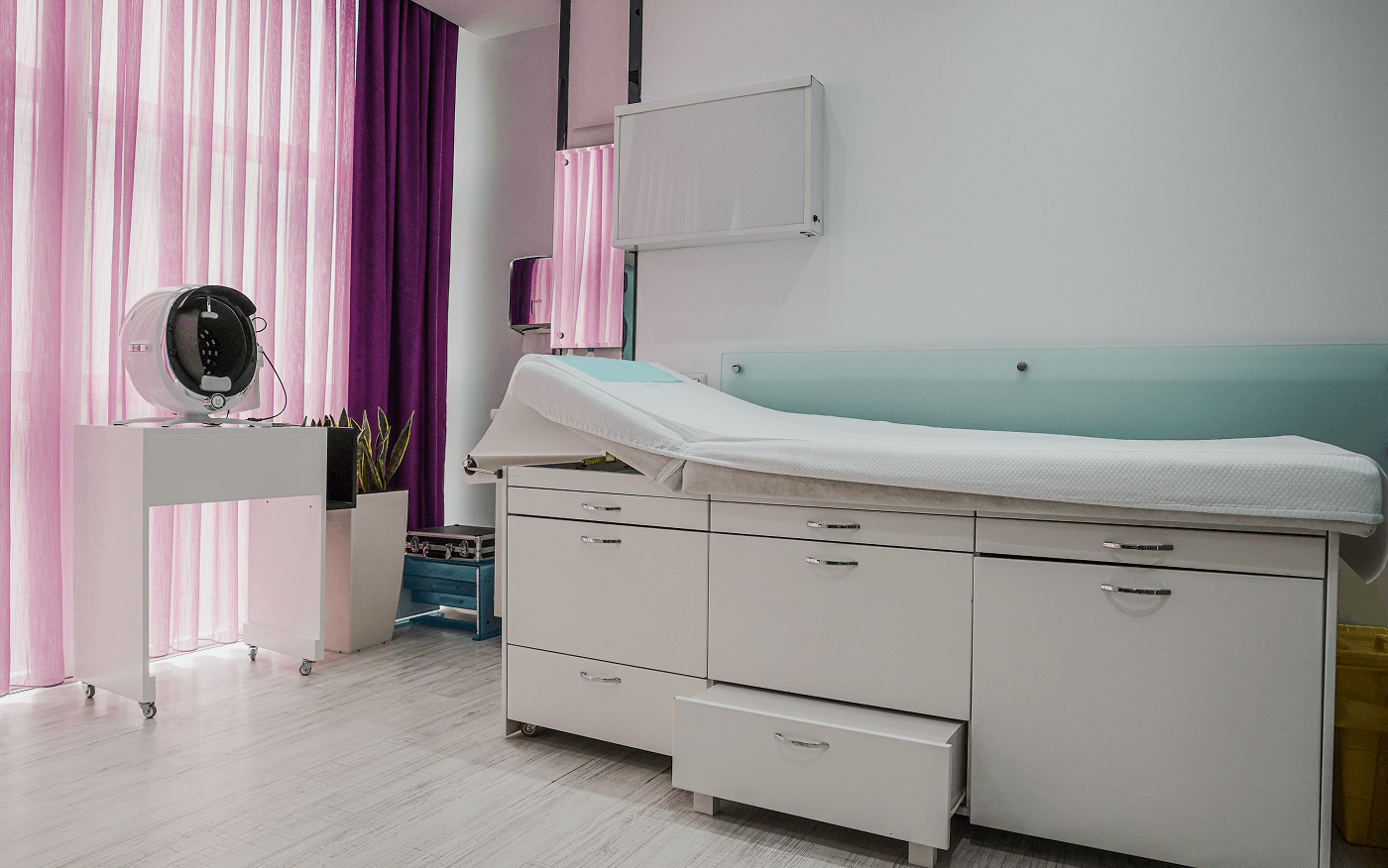
KEIT Day Hospital follows hygiene and infection prevention protocols that include disinfecting clinical areas, appropriate skin preparation and the use of suitable...
KEIT Day Hospital follows hygiene and infection prevention protocols that include disinfecting clinical areas, appropriate skin preparation and the use of suitable materials during treatments. For white peeling, particular attention is paid to handling exfoliating products, protecting sensitive areas and adhering to application times.
The protocol involves the use of formulations containing exfoliating acids and a final cream, selected according to their instructions for use and the patient's skin characteristics. Proper product storage, checking packaging and following the manufacturer's instructions are important aspects of treatment quality.
Clinical documentation records relevant information about the preparations used, including formulations, concentrations when available and treated areas, contributing to traceability and monitoring of treatment sessions.
5. Medical safety, complication management, and hospital infrastructure
White peeling is a superficial chemical treatment that causes controlled skin exfoliation. It generally does not require anaesthesia, but the application of...
White peeling is a superficial chemical treatment that causes controlled skin exfoliation. It generally does not require anaesthesia, but the application of acids may cause a temporary burning, stinging or warming sensation. Selecting the appropriate formulation, adhering to exposure times and handling the product correctly are essential for limiting the risk of skin irritation and injury.
In addition to temporary effects such as redness, dryness, sensitivity and peeling, irritant dermatitis, pigmentation changes or allergic reactions may occur. Less common complications include chemical burns, infections and scarring, particularly in cases of excessive acid exposure or a compromised skin barrier.
Prompt recognition of abnormal reactions and implementation of appropriate protocols, including removal or neutralisation of the product when required by the formulation, are essential for managing any complications.
One of KEIT Day Hospital's distinguishing features is the availability of hospital infrastructure and a multidisciplinary medical team. The facility has three equipped operating theatres, specialists in anaesthesia and intensive care, equipment for monitoring vital signs, emergency management devices and a postoperative recovery room. These resources provide additional medical support, alongside the specific protocols required to manage complications associated with chemical peels.
6. Personalised care and follow-up after treatment
At KEIT Day Hospital, patient care continues after white peeling treatment has been completed. Patients receive personalised instructions on skin hydration, the...
At KEIT Day Hospital, patient care continues after white peeling treatment has been completed. Patients receive personalised instructions on skin hydration, the use of at-home skincare products, sun protection and precautions to follow during the peeling process.
Follow-up is determined according to the patient's individual response and the agreed treatment schedule. Follow-up appointments allow the doctor to assess changes in skin texture, radiance and pigmentation, while also checking tolerance to treatment. When indicated, the doctor may modify the protocol or schedule additional sessions after an appropriate skin recovery period.
For international patients, care may also continue remotely through communication with medical staff and guidance on necessary follow-up appointments. KEIT Day Hospital also provides an emergency contact number, available 24 hours a day, 7 days a week.
7. Transparency, informed consent and clinical documentation
KEIT Day Hospital places particular emphasis on transparent information and treatment documentation. Before white peeling treatment, patients receive explanations about the formulations...
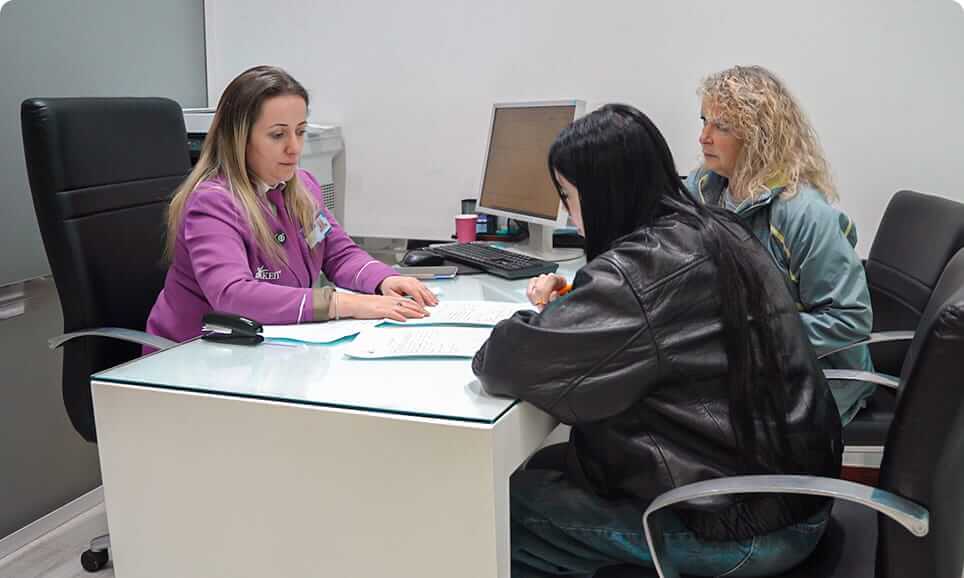
KEIT Day Hospital places particular emphasis on transparent information and treatment documentation. Before white peeling treatment, patients receive explanations about the formulations used, the stages of the procedure, the approximate number of sessions, expected benefits, the time required for skin peeling and potential risks.
Clinical documentation records the products applied, treated areas, exposure times and any skin reactions observed, allowing the skin's response to be monitored throughout treatment. When appropriate and with the patient's consent, photographic documentation is taken to compare the initial appearance with the results observed during and after the course of treatment. The informed consent form, treatment quotation and administrative documentation also allow patients to understand the clinical and financial aspects of the treatment before starting the procedure.
FAQ
Frequently asked questions
How long does white peeling last?

Results last 8–12 months, depending on skin type, routine and individual characteristics.
Is the procedure painful?
Most patients feel only a mild burning or warming sensation during the gel phase. No anesthesia is required.
Can I return to daily activities after the session?
Yes. You can resume normal activities immediately, but avoid heat, sun exposure and sweating for 24–48 hours.
When will I see results?
Initial clarity appears after the first session, with full improvement 1–2 weeks later. Results intensify with each session.
How many sessions do I need?
The standard protocol includes 4–5 sessions performed every 3–4 weeks for optimal results.