 4.9 Rating | 23.000+ Procedures | European Medical Team
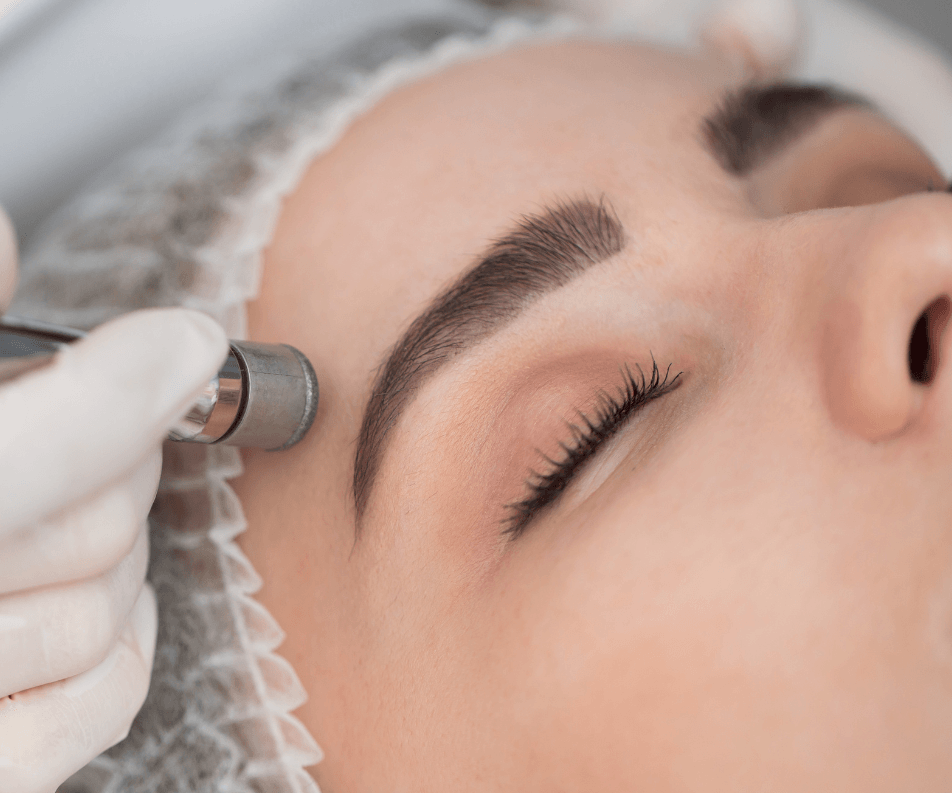
Table of contents:

Microdermabrasion explained: how the procedure works
Ideal candidate for microdermabrasion: key factors to consider
Microdermabrasion session: step-by-step
Microdermabrasion before and after: the recovery timeline
Recovery tips after microdermabrasion for optimal skin healing
Potential risks of microdermabrasion: what to be aware of
Why choose KEIT Day Hospital for microdermabrasion?
In this article, you’ll learn how microdermabrasion works, who is the ideal candidate, and what happens during each step of the session. You’ll also discover how recovery unfolds, which risks to keep in mind, how many sessions are recommended, and why KEIT Day Hospital is a trusted choice for safe, effective, and professional skin resurfacing.
 Book your FREEOnline Consultation Now

Microdermabrasion explained: how the procedure works
Microdermabrasion works by using a controlled vacuum system combined with micro-crystals or a diamond-tip applicator to mechanically polish the epidermis. This process stimulates superficial blood flow, accelerates cellular turnover and increases oxygenation, helping to soften fine lines, smooth uneven texture and reduce superficial pigmentation. A microdermabrasion facial session typically lasts 40–60 minutes and requires no topical anaesthetic, as only a mild tingling sensation is expected. For optimal results, most patients complete 4–8 sessions spaced 2–3 weeks apart. Improvements usually remain visible for 4–6 weeks, depending on skin type, skincare routine and sun exposure.
Ideal candidate for microdermabrasion: key factors to consider
You may be a suitable candidate if you:
-
Have dull or uneven skin texture.
-
Have dull or uneven skin texture.
-
Want to soften fine lines without invasive treatments.
-
Have sun-damaged or dehydrated skin.
A professional evaluation determines the correct intensity and number of sessions for your skin type.
Microdermabrasion session: step-by-step
Microdermabrasion follows a structured, controlled protocol for safe and uniform exfoliation.
Consultation and assessment:
Evaluation of skin type, texture, hydration and sensitivity.
Preparation:
Cleansing and degreasing of the skin for even contact with the device.
Exfoliation phase:
A microdermabrasion device glides across the skin, using vacuum suction to lift dead cells while exfoliating the epidermal surface.
Hydration and soothing:
Application of calming serums or creams to support barrier recovery.
Post-treatment instructions:
Guidance on how to protect the skin during the first 24–48 hours.
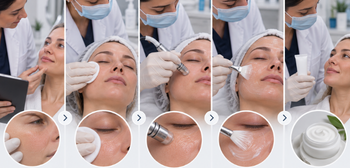
(i) Image illustrating the microdermabrasion treatment
Microdermabrasion before and after: the recovery timeline
Recovery is minimal, with the skin improving gradually over the days following treatment.
Immediately after:
Mild redness and increased smoothness.
Hours 2–6:
Redness begins to fade and the skin feels refreshed and cleaner.
Days 1–3:
Texture becomes progressively softer; brightness increases.
Week 1:
The skin appears clearer, more even and visibly renewed.
Recovery tips after microdermabrasion for optimal skin healing
Following simple recommendations enhances results and protects the newly exfoliated skin:
-
Keep the skin well-hydrated with a gentle moisturiser.
-
Avoid active products (acids, retinoids, scrubs) for 48–72 hours.
-
Use sunscreen daily and avoid direct sun exposure.
-
Avoid steam rooms, saunas and intense exercise for 24 hours.
-
Do not exfoliate manually for at least one week.
Potential risks of microdermabrasion: what to be aware of
Microdermabrasion is typically safe, but temporary reactions may occur.
-
Common effects: Mild redness, light sensitivity or tightness shortly after treatment.
-
Specific risks: Slight peeling or dryness as the skin adjusts.
-
Rare risks: Slight peeling or dryness as the skin adjusts.
Proper aftercare and a professional technique minimize these risks significantly.
Why choose KEIT Day Hospital for microdermabrasion?
KEIT Day Hospital is a healthcare facility dedicated to surgery and aesthetic medicine in Tirana, Albania, founded in 2011 by Dr Skerdilajd Faria. With over 23,000 procedures performed across the KEIT brand's various areas of activity, the facility combines medical expertise, professional technologies, safety protocols and personalised patient care.
Microdermabrasion is performed as part of KEIT Day Hospital's aesthetic medicine services, with the support of qualified professionals and equipped hospital infrastructure. The treatment process includes an assessment of skin condition, selection of the exfoliation technique, adjustment of treatment intensity and monitoring of the results. The aim is to improve skin texture, reduce superficial irregularities and promote a more even and radiant complexion while respecting the patient's individual skin characteristics and sensitivity.
1. Dedicated aesthetic medicine facilities and technologies for skin exfoliation
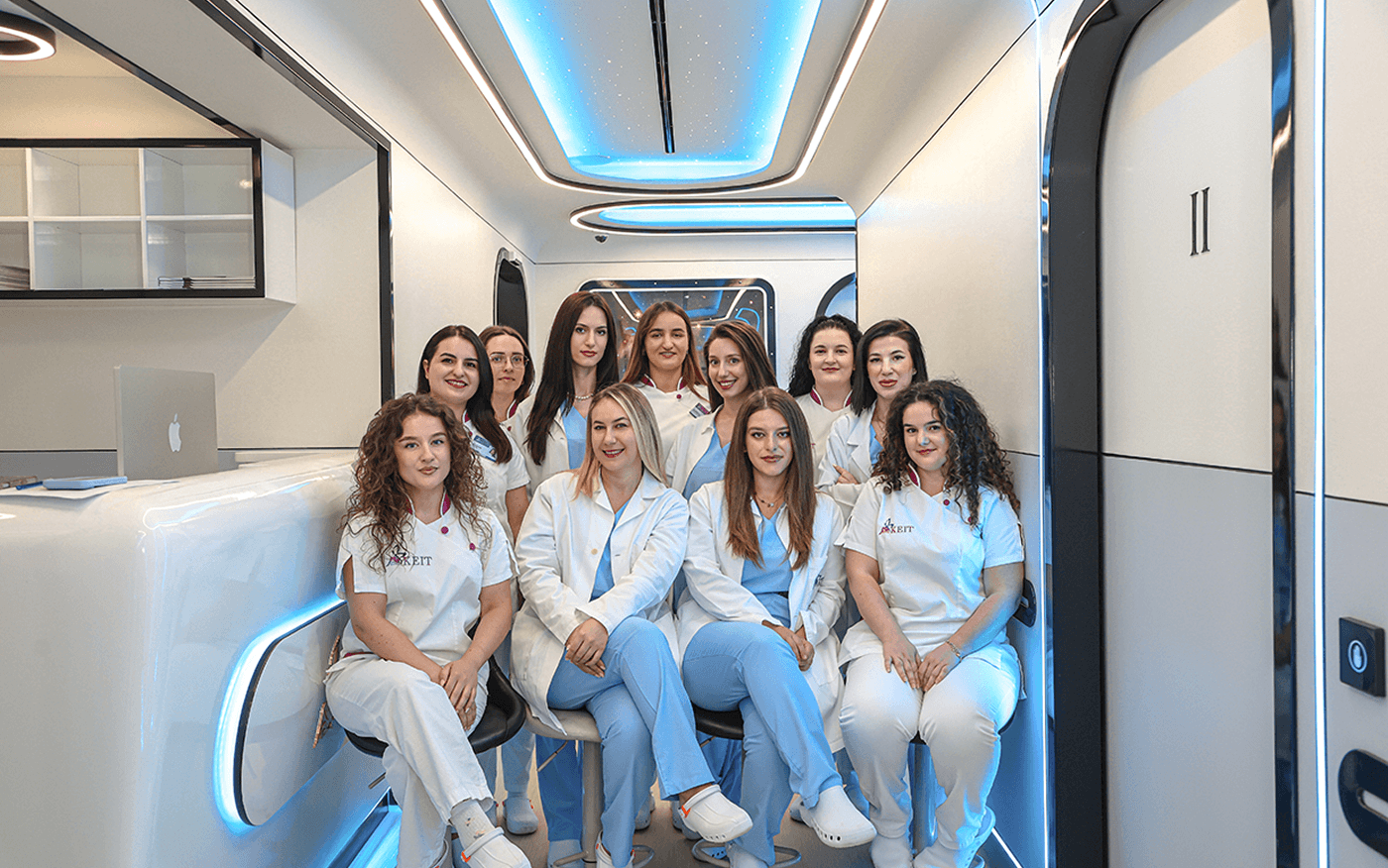
KEIT Day Hospital has clinical facilities dedicated to aesthetic medicine treatments, organised to ensure appropriate standards of hygiene, procedural precision and patient...
KEIT Day Hospital has clinical facilities dedicated to aesthetic medicine treatments, organised to ensure appropriate standards of hygiene, procedural precision and patient comfort.
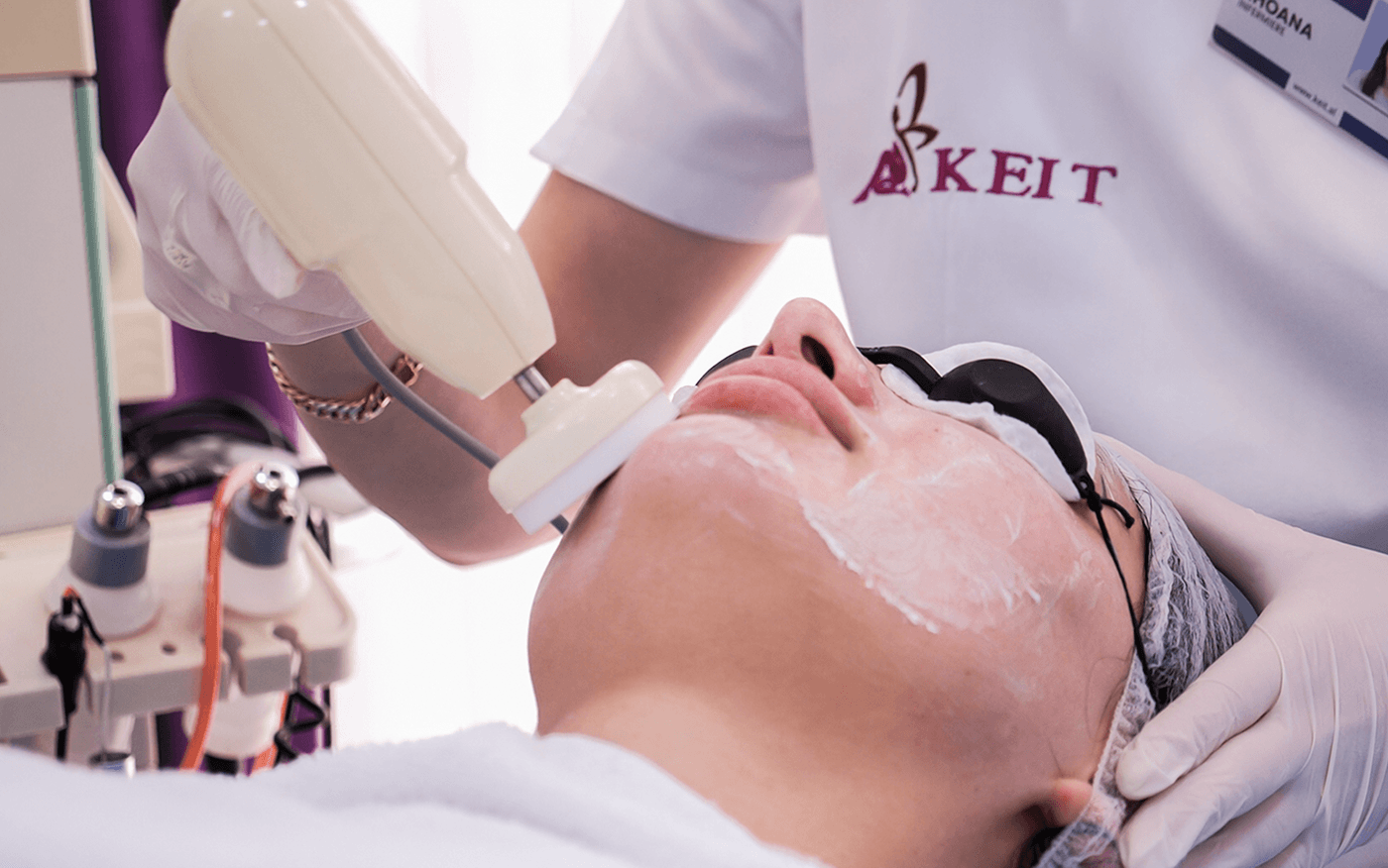
During microdermabrasion, the professional assesses skin texture, the thickness of the superficial skin layers and the areas requiring exfoliation, using devices specifically designed for epidermal renewal. The treatment may involve a diamond-tipped handpiece or a microcrystal system, combined with controlled suction to remove superficial skin cells.
The organisation of the clinical facilities and the availability of professional resources allow the different stages of the procedure to be managed, from skin preparation to the application of soothing products and assessment immediately after treatment.
2. Qualified doctors and multidisciplinary medical team support
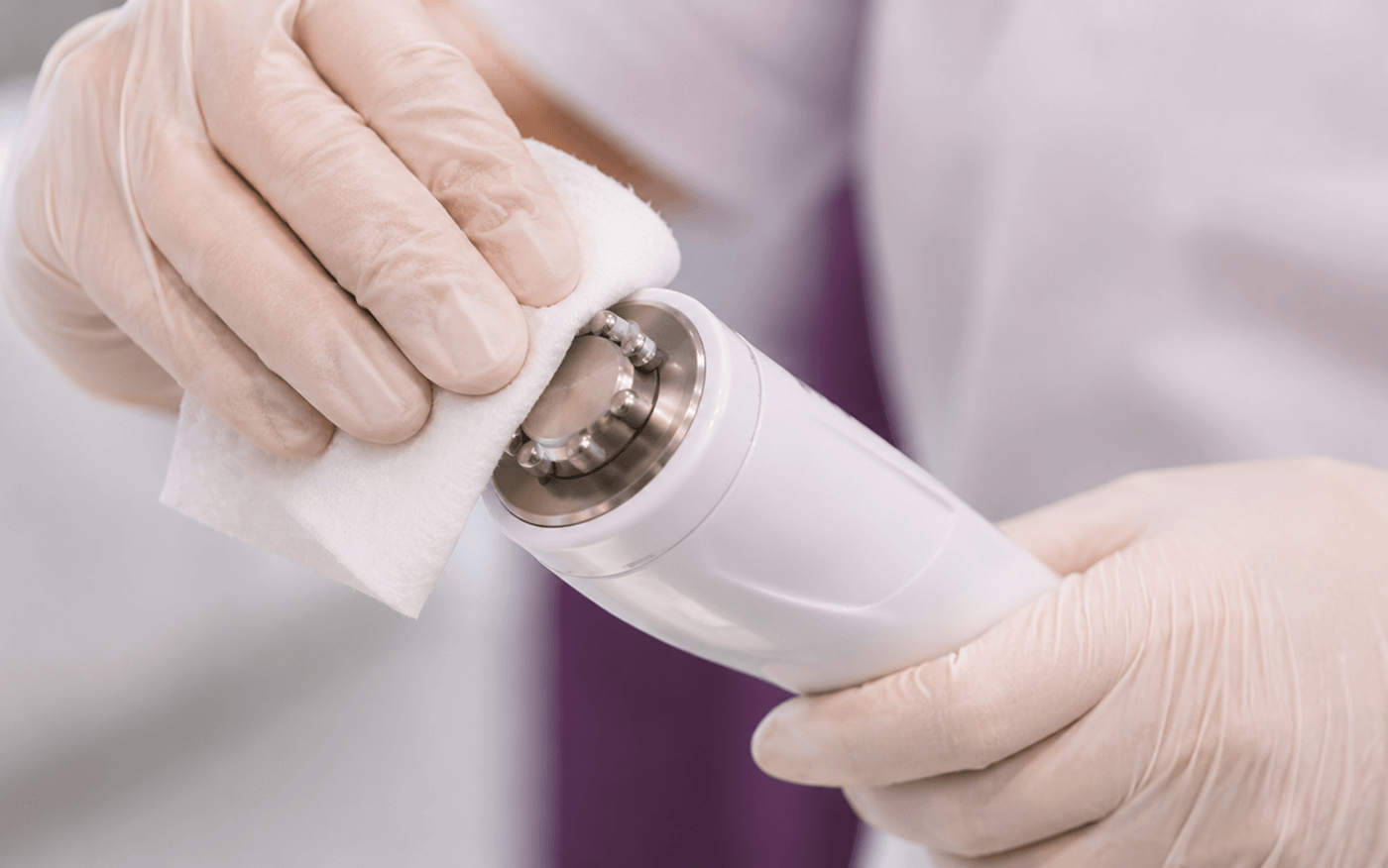
KEIT Day Hospital works with professionals experienced in aesthetic medicine, exfoliation treatments and skin condition assessment. In microdermabrasion, knowledge of the structure...
KEIT Day Hospital works with professionals experienced in aesthetic medicine, exfoliation treatments and skin condition assessment. In microdermabrasion, knowledge of the structure of the epidermis and the characteristics of the skin barrier is essential for determining exfoliation intensity, adjusting suction and identifying areas that require a gentler approach.
Treatment is personalised according to skin type, individual sensitivity and the superficial imperfections to be improved, avoiding excessive exfoliation that could cause irritation.
An additional advantage is the presence of a multidisciplinary medical team within KEIT Day Hospital, allowing specialists in dermatology or other medical disciplines to be involved when additional assessments or specific medical assistance are required.

3. Medical assessment and personalised aesthetic treatment planning
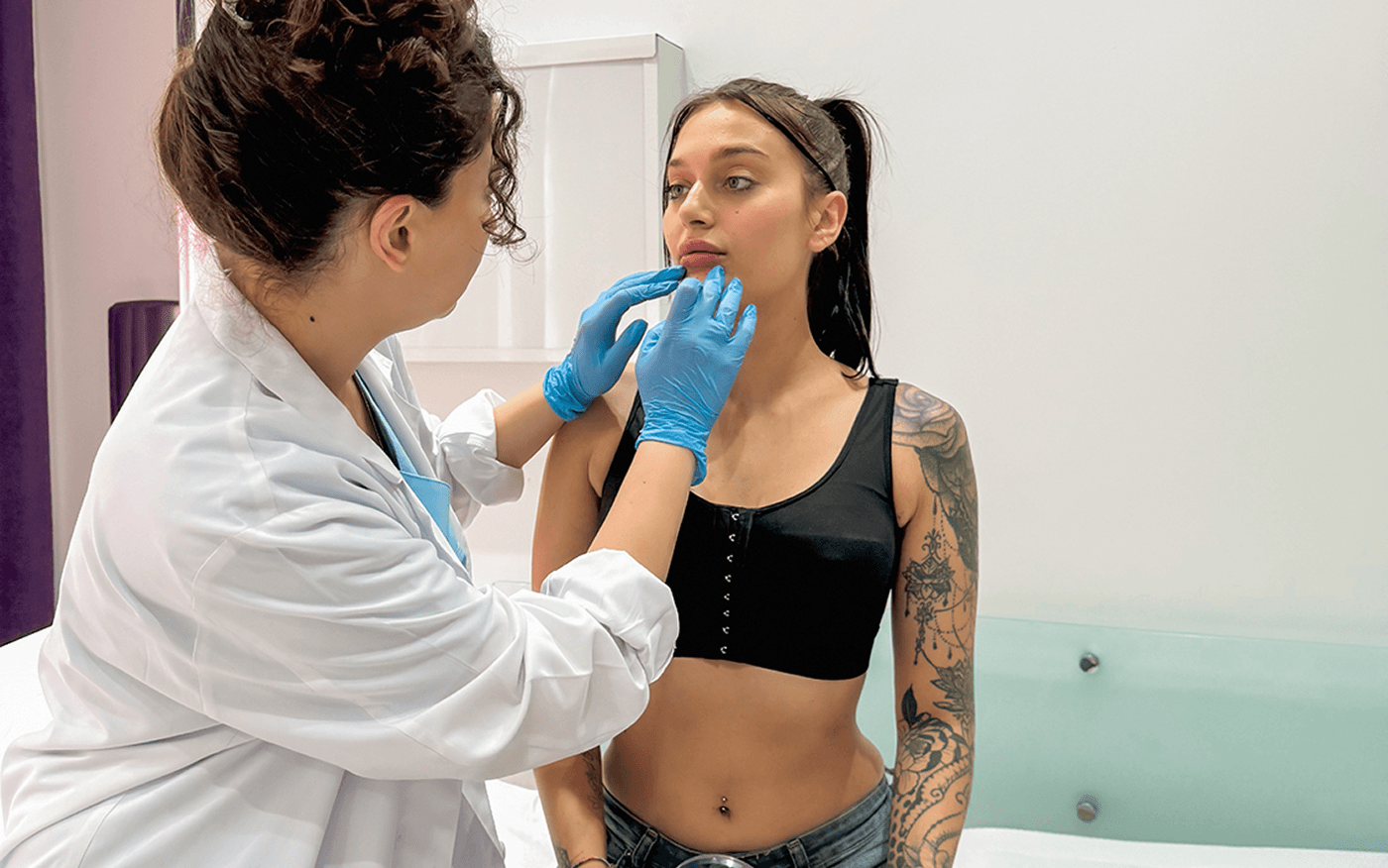
Before microdermabrasion, an individual assessment is carried out of skin type, texture, sensitivity and the patient's expectations. The consultation includes taking a...
Before microdermabrasion, an individual assessment is carried out of skin type, texture, sensitivity and the patient's expectations. The consultation includes taking a medical history, with particular attention to dermatological conditions, allergies, medications being taken, recent exfoliating treatments, skin infections and possible contraindications.
Assessment of the skin's surface makes it possible to distinguish superficial irregularities from deeper changes, such as pronounced scars or deep wrinkles, which generally cannot be corrected with microdermabrasion alone. Treatment is planned according to skin tolerance, the required exfoliation intensity and the approximate number of sessions. When microdermabrasion is not the most appropriate solution, the professional assesses the available alternatives and discusses their limitations with the patient.
4. Device quality, sterilisation and material traceability
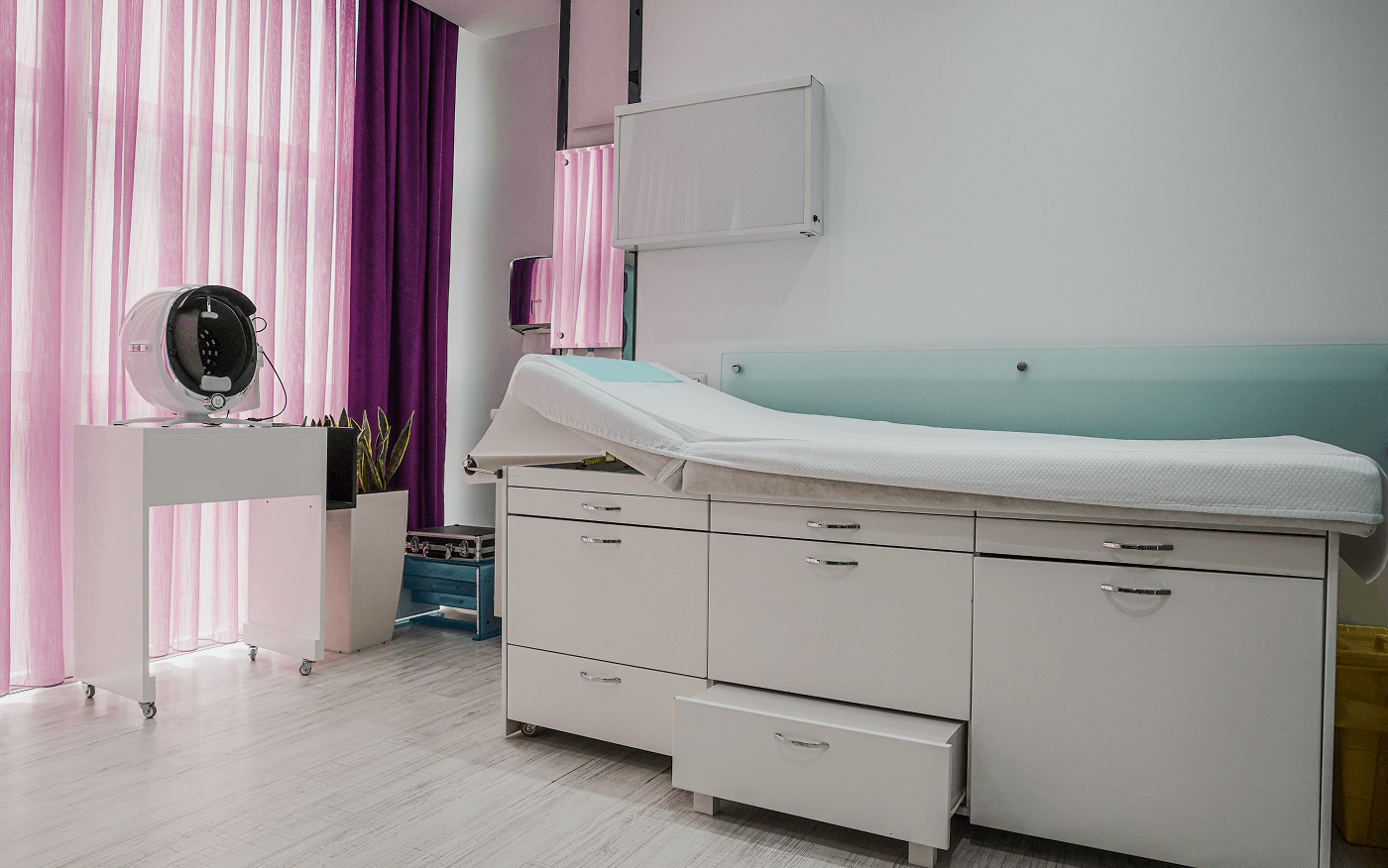
KEIT Day Hospital follows hygiene and infection prevention protocols that include disinfecting clinical areas, cleaning equipment and using single-use materials or materials...
KEIT Day Hospital follows hygiene and infection prevention protocols that include disinfecting clinical areas, cleaning equipment and using single-use materials or materials appropriately processed according to the manufacturer's instructions. During microdermabrasion, particular attention is paid to skin preparation, handpiece hygiene and checking the components that come into contact with the skin's surface.
The devices used undergo the required checks and maintenance procedures, while consumable materials are handled according to their respective instructions for use. The choice of technique takes into account skin characteristics, individual sensitivity and the desired exfoliation intensity. These checks contribute to the safety, hygiene and proper performance of the treatment.
5. Medical safety, complication management, and hospital infrastructure
Microdermabrasion is a non-invasive procedure that acts on the superficial layers of the skin and generally does not require anaesthesia. Despite its...
Microdermabrasion is a non-invasive procedure that acts on the superficial layers of the skin and generally does not require anaesthesia. Despite its gentle nature, it is important to assess skin condition correctly and adjust treatment intensity to limit the risk of irritation or superficial skin injuries.
In addition to temporary effects such as redness, dryness or increased sensitivity, abrasions, persistent irritation, pigmentation changes or, less commonly, infections may occur. The risk may increase in the presence of a compromised skin barrier, active dermatological conditions or unprotected sun exposure after treatment.
Prompt recognition of abnormal reactions and the adoption of appropriate measures are important for preventing complications from worsening.
One of KEIT Day Hospital's distinguishing features is the availability of hospital infrastructure and a multidisciplinary medical team. The facility has three equipped operating theatres, specialists in anaesthesia and intensive care, equipment for monitoring vital signs, emergency management devices and a postoperative recovery room. These resources provide additional medical support, alongside the specific procedures required to manage any skin complications.
6. Personalised care and follow-up after treatment
At KEIT Day Hospital, patient care continues after microdermabrasion has been completed. Patients receive personalised instructions on skin hydration, sun protection, products...
At KEIT Day Hospital, patient care continues after microdermabrasion has been completed. Patients receive personalised instructions on skin hydration, sun protection, products to avoid temporarily and skin reactions requiring professional assessment.
Follow-up is determined according to the patient's individual response and the agreed treatment schedule. Follow-up appointments allow the professional to assess improvements in skin texture, complexion radiance and the skin's tolerance to exfoliation. When indicated, the professional may adjust the intensity of subsequent sessions or recommend maintenance treatments.
For international patients, care may also continue remotely through communication with medical staff and guidance on necessary follow-up appointments. KEIT Day Hospital also provides an emergency contact number, available 24 hours a day, 7 days a week.
7. Transparency, informed consent and clinical documentation
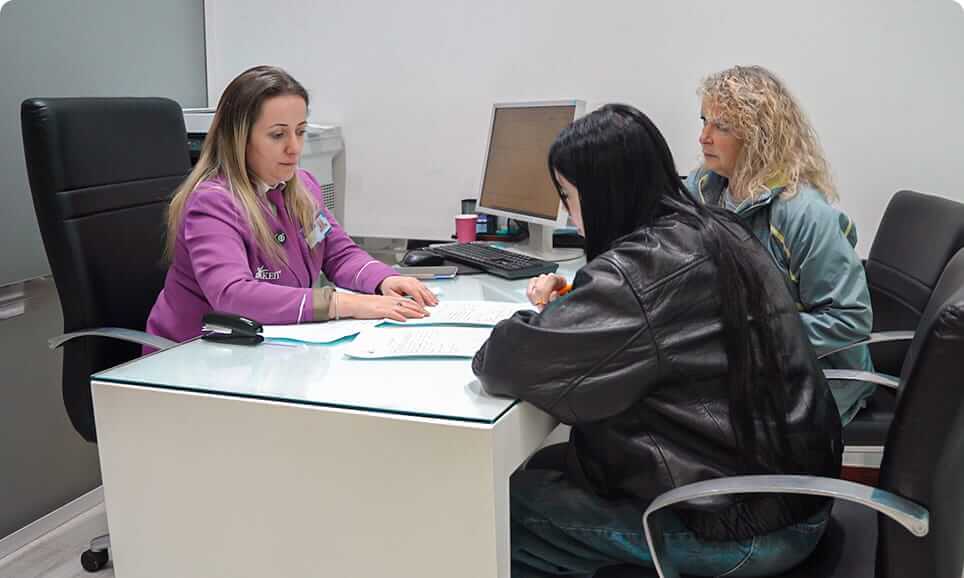
KEIT Day Hospital places particular emphasis on transparent information and treatment documentation. Before microdermabrasion, patients receive explanations about the selected technique, the...
KEIT Day Hospital places particular emphasis on transparent information and treatment documentation. Before microdermabrasion, patients receive explanations about the selected technique, the areas to be treated, the approximate number of sessions, expected benefits, the estimated duration of results and potential risks.
Clinical documentation records the treated areas, the technique used, relevant operating parameters and any skin reactions, allowing the progress of the treatment process to be monitored. When appropriate and with the patient's consent, photographic documentation is taken to compare the initial skin condition with the results observed after treatment. The informed consent form, treatment quotation and administrative documentation also allow patients to understand the clinical and financial aspects of the procedure before undergoing treatment.
FAQ
Frequently asked questions
How many microdermabrasion sessions do I need?

Most individuals benefit from 4–8 sessions, spaced 2–3 weeks apart, depending on their skin concerns and desired improvement.
Is microdermabrasion painful?
No. The treatment is generally comfortable, with only a mild tingling or light scratching sensation during exfoliation.
Can I return to normal activities immediately?
Yes. You can resume your routine right away, but avoid sun exposure, active skincare products and intense heat for 24–48 hours.
Is microdermabrasion suitable for acne-prone skin?
Yes, especially for superficial acne marks and uneven texture, but it should not be performed on inflamed or active acne.
Does microdermabrasion help with fine lines and sun damage?
Yes. It stimulates cell renewal, softens fine wrinkles and improves the appearance of sun-damaged or dull skin.