 4.9 Rating | 23.000+ Procedures | Medical Experts
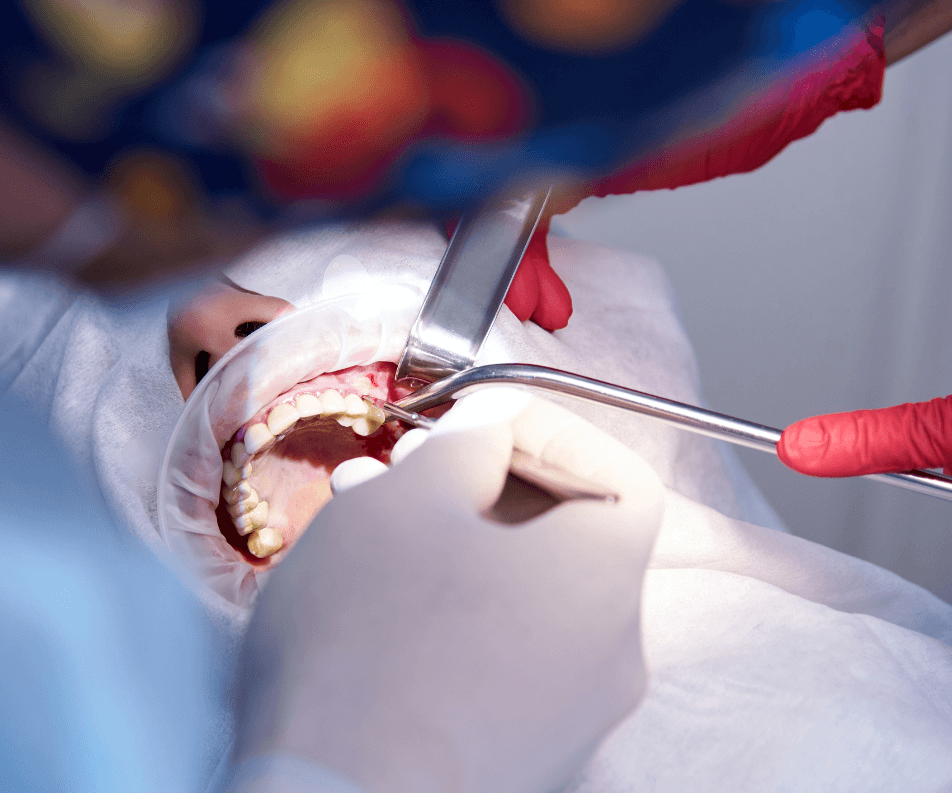
Table of contents:

What is bone regeneration and when is it necessary?
What types of bone grafts can be used?
What is a sinus lift and when is it indicated?
How is bone grafting surgery planned?
What is recovery like after bone grafting and sinus lift surgery?
What are the risks of bone grafting and sinus lift surgery?
Why choose KEIT Dental for bone grafting and sinus lift surgery?
In this article, we explain what bone regeneration is, which types of bone grafts can be used, and when a sinus lift is indicated. We also discuss the differences between the lateral and crestal approaches, how the procedure is planned, what to expect during recovery, and the main risks and follow-up examinations after surgery.
 Book your FREEOnline Consultation Now

What is bone regeneration and when is it necessary?
Bone regeneration is a procedure used to increase or reconstruct jawbone volume when the existing bone does not provide sufficient conditions for implant placement according to the planned treatment. Bone loss can occur following tooth extraction or tooth loss, due to trauma, infections, bone resorption, or individual anatomical characteristics.
The aim is to create more favourable anatomical conditions for dental implant placement, using grafting materials and regenerative techniques selected according to the quantity and quality of the remaining bone. Not all bone defects require the same procedure. The technique depends on the location and extent of bone loss, the condition of the surrounding tissues, and the subsequent implant treatment plan.
What types of bone grafts can be used?
The material used for bone regeneration is selected according to the type and extent of the defect, the amount of bone required, and the patient's clinical characteristics. The main options include autologous grafts, xenografts, and alloplastic materials.
-
Autologous bone graft: Uses bone harvested from the patient's own body. It avoids the use of donor material but requires an additional surgical site for bone harvesting. It may be considered when reconstructing bone defects that require a specific volume or particular tissue characteristics.
-
Xenograft: Uses material of animal origin that has undergone specific processing to make it suitable for clinical use. It can provide a supporting structure for new bone formation without requiring bone harvesting from the patient.
-
Alloplastic material: Includes synthetic biomaterials used to support bone regeneration processes. Their suitability depends on the type of defect and the planned surgical approach.
In some cases, a combination of materials may be used. The choice therefore depends not only on the type of graft but also on the amount of bone that needs to be reconstructed, the location of the defect, and the implant treatment plan.
What is a sinus lift and when is it indicated?
A sinus lift is a procedure performed in the posterior region of the upper jaw when the available bone height is insufficient for implant placement according to the treatment plan. The maxillary sinus occupies part of the upper jaw, and following tooth loss, bone resorption can further reduce the available space.
During the procedure, the membrane lining the sinus is lifted, and grafting material is placed in the space created. The procedure can be performed using either a crestal or lateral approach, depending on the amount of remaining bone, the required increase in bone height, and the anatomy of the sinus.
Lateral sinus lift
A lateral sinus lift involves creating an opening through the lateral wall of the maxillary sinus, allowing the surgeon to lift the sinus membrane and place grafting material beneath it.
It is generally used when a greater increase in bone volume is required or when the remaining bone height is particularly limited. Direct access to the sinus cavity allows the surgeon to visually monitor the area throughout the different stages of the procedure, although complications such as sinus membrane perforation may still occur.
Crestal sinus lift
A crestal sinus lift is performed through the alveolar ridge at the planned implant site. The sinus membrane is lifted through this access, and regenerative material is placed in the space created.
It is generally indicated when a limited or moderate increase in bone height is required. In selected cases, it can be performed simultaneously with implant placement, provided the condition of the remaining bone allows adequate implant stability.
How is bone grafting surgery planned?
Surgical planning begins with an assessment of the quantity and quality of the available bone and the anatomical structures in the treatment area. In the case of a sinus lift, the shape and characteristics of the maxillary sinus are also examined, along with the position of the sinus membrane and any anatomical structures that must be considered during surgery.
Radiographic examinations and three-dimensional imaging, when indicated, allow the surgeon to assess bone volume, determine the planned implant position, and select the most appropriate surgical technique. Planning also takes into account the type of graft, whether simultaneous or delayed implant placement is necessary, and the patient's general and local clinical conditions.
What is recovery like after bone grafting and sinus lift surgery?
Recovery after bone grafting and sinus lift surgery varies depending on the technique used and the amount of bone reconstructed.
First 24–48 hours:
Swelling, pain, tenderness, and mild bleeding may occur.
First few days:
Discomfort tends to decrease. Following a sinus lift, specific precautions may be necessary to avoid increased pressure within the sinus cavity.
First few weeks:
The tissues continue to heal, and follow-up examinations allow the progress of the treated area to be assessed.
Following months:
The graft gradually integrates and matures. If the implant was not placed during the same procedure, follow-up assessments determine when the bone conditions are sufficient to proceed with implant placement.
What are the risks of bone grafting and sinus lift surgery?
Like any surgical procedure, bone regeneration and sinus lift surgery may involve postoperative effects and complications.
-
Common effects: Swelling, pain, tenderness, and mild bleeding are common reactions during the first few days after surgery and generally decrease as healing progresses.
-
Specific complications: During a sinus lift, perforation of the sinus membrane may occur, potentially requiring the procedure to be modified or suspended. Infection or inflammation of the treated area may also develop.
-
Less common complications: The graft may fail to integrate or may not provide the expected bone volume, requiring further assessments or, in some cases, an additional procedure before proceeding with dental implant placement.
Why choose KEIT Dental for bone grafting and sinus lift surgery?
KEIT Dental is the dental clinic of the KEIT brand, integrated into the KEIT Day Hospital healthcare facility in Tirana, Albania, founded in 2011 by Dr Skerdilajd Faria. With over 23,000 procedures performed across the KEIT brand's various areas of activity, the facility combines specialist expertise, medical technology, safety protocols, and personalised patient care.
KEIT Dental has seven dental treatment rooms and an in-house dental laboratory. Its integration with KEIT Day Hospital also provides access to a multidisciplinary medical team, oral and maxillofacial surgeons, specialists in anaesthesia and intensive care, equipped operating theatres, and inpatient wards for cases requiring more complex care. For bone grafting and sinus lift surgery, KEIT Dental adopts a personalised approach aimed at rebuilding the bone volume required for dental implant rehabilitation through regenerative techniques selected according to the patient's anatomical and clinical conditions.
1. Seven dental treatment rooms and bone grafting technologies
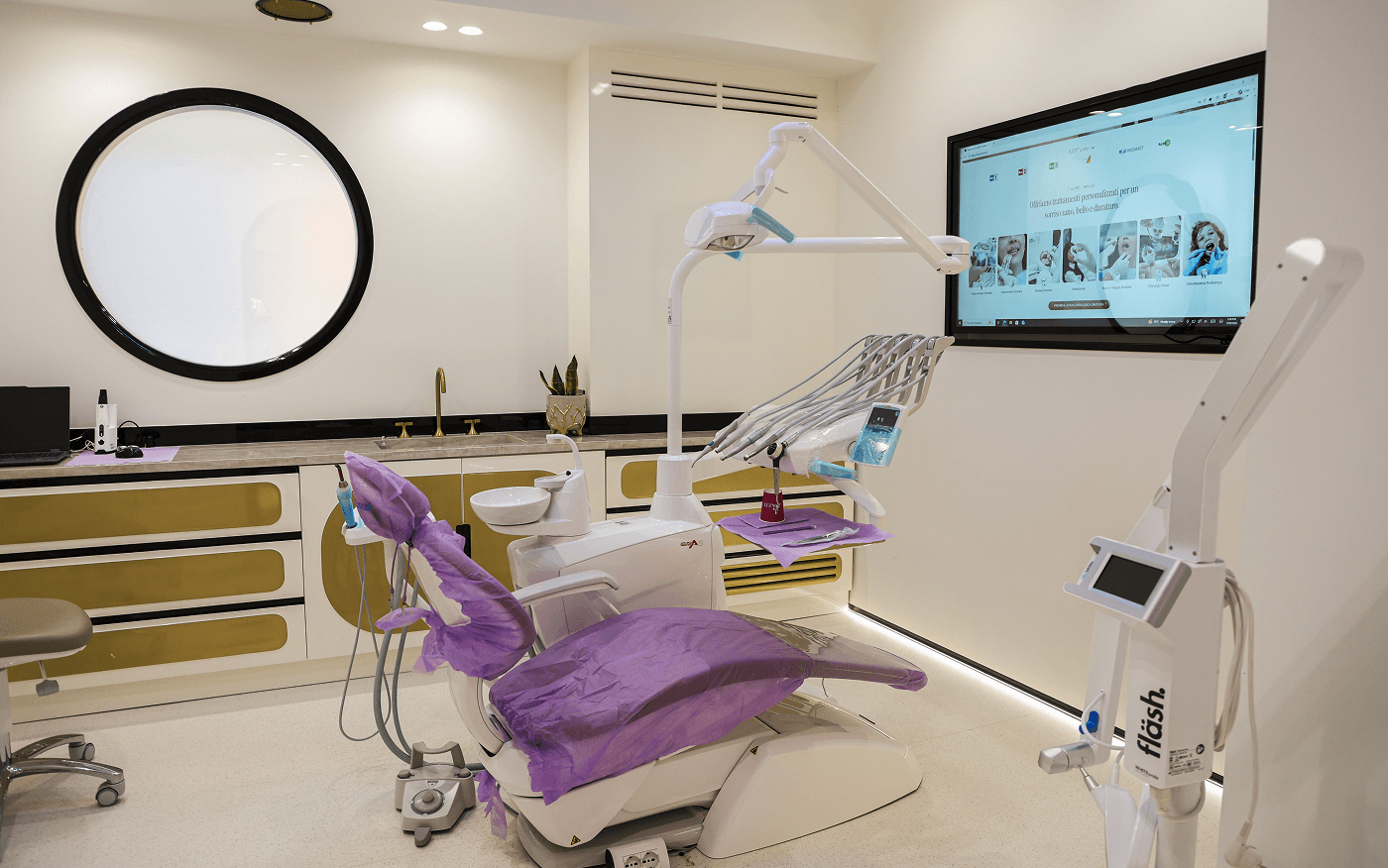
KEIT Dental has seven dental treatment rooms organised to accommodate oral surgery, implantology, restorative dentistry, and dental prosthetic procedures. When planning bone...
KEIT Dental has seven dental treatment rooms organised to accommodate oral surgery, implantology, restorative dentistry, and dental prosthetic procedures. When planning bone regeneration and sinus lift surgery, diagnostic instruments and radiographic technologies allow the dentist to assess the available bone volume and its relationship with surrounding anatomical structures. When indicated, CBCT imaging provides a three-dimensional assessment of the maxillary sinus, helping determine the most appropriate surgical technique, with particular attention to the planned implant positions and the amount of bone requiring reconstruction.
2. Multidisciplinary dental and medical team
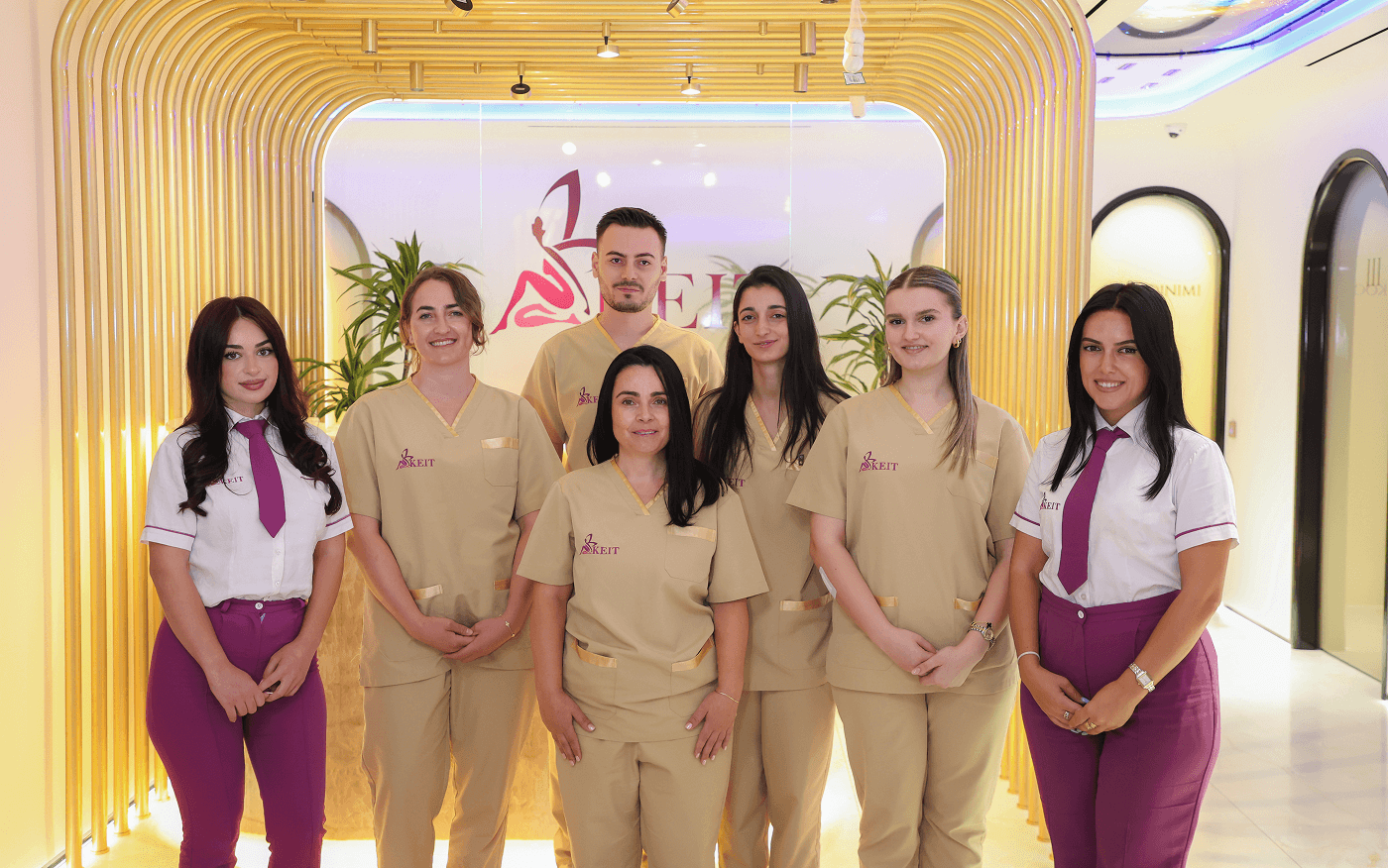
One of the main advantages of KEIT Dental is its ability to combine dental expertise with the multidisciplinary medical team at KEIT...
One of the main advantages of KEIT Dental is its ability to combine dental expertise with the multidisciplinary medical team at KEIT Day Hospital. The clinic works with professionals experienced in oral surgery, implantology, and dental prosthetics. In particularly complex cases, oral and maxillofacial surgeons and other medical specialists may also be involved, depending on clinical needs.
For regenerative bone surgery, collaboration between professionals allows the assessment of bone defects, selection of grafting materials, and subsequent implant rehabilitation to be coordinated. This approach supports the planning of lateral or crestal sinus lift procedures and bone reconstruction techniques, while determining whether implants should be placed during the same procedure or at a later stage.
3. Thorough diagnosis and personalised medical assessment
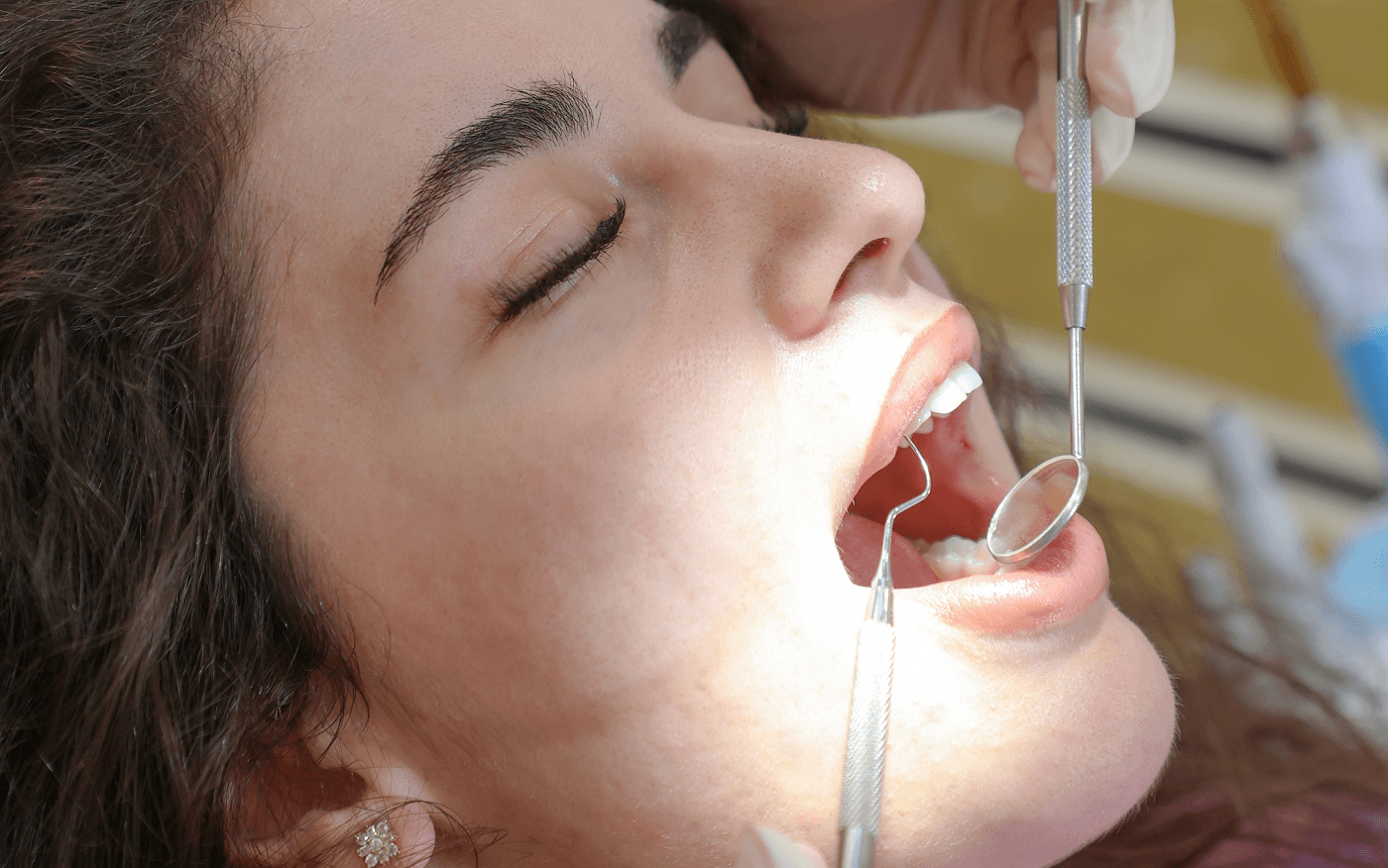
Before surgery, the dentist assesses the quantity and quality of the remaining bone, the condition of the gums, and the anatomical characteristics...
Before surgery, the dentist assesses the quantity and quality of the remaining bone, the condition of the gums, and the anatomical characteristics of the treatment area. For sinus lift surgery, particular attention is paid to the available bone height, the anatomy of the maxillary sinus, and the condition of the sinus membrane. When indicated, X-rays and CBCT imaging help determine the surgical technique, grafting material, and sequence of subsequent dental implant procedures.
Thanks to its integration with KEIT Day Hospital, patients with particular medical conditions or those requiring more complex surgical procedures may undergo diagnostic evaluations and assessments by anaesthetists, cardiologists, or other specialists. Treatment planning therefore considers both the requirements for bone regeneration and the patient's general health.
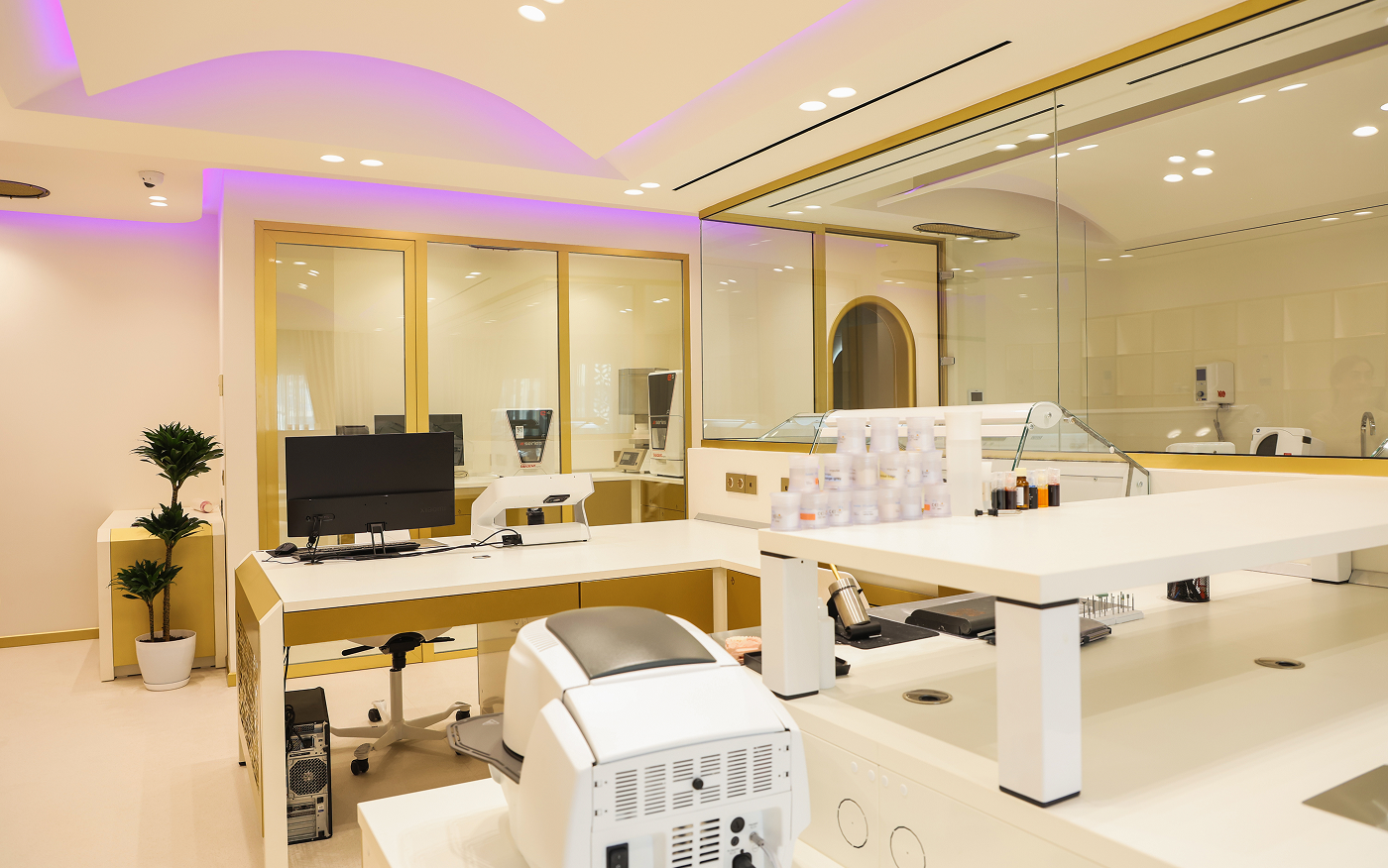
4. In-house dental laboratory and implant rehabilitation planning
One of KEIT Dental's distinguishing features is its in-house dental laboratory, which facilitates direct collaboration between dentists and dental technicians when planning...
One of KEIT Dental's distinguishing features is its in-house dental laboratory, which facilitates direct collaboration between dentists and dental technicians when planning prosthetic rehabilitation. For bone grafting procedures, the proposed implant treatment is considered from the initial assessment of the bone volume requiring reconstruction, ensuring that regeneration is planned to support subsequent implant placement.
Coordination between the clinic and laboratory allows the requirements of future rehabilitation with crowns, bridges, or implant-supported prostheses to be established, with particular attention to implant positioning, distribution of chewing forces, and the expected aesthetic and functional results.
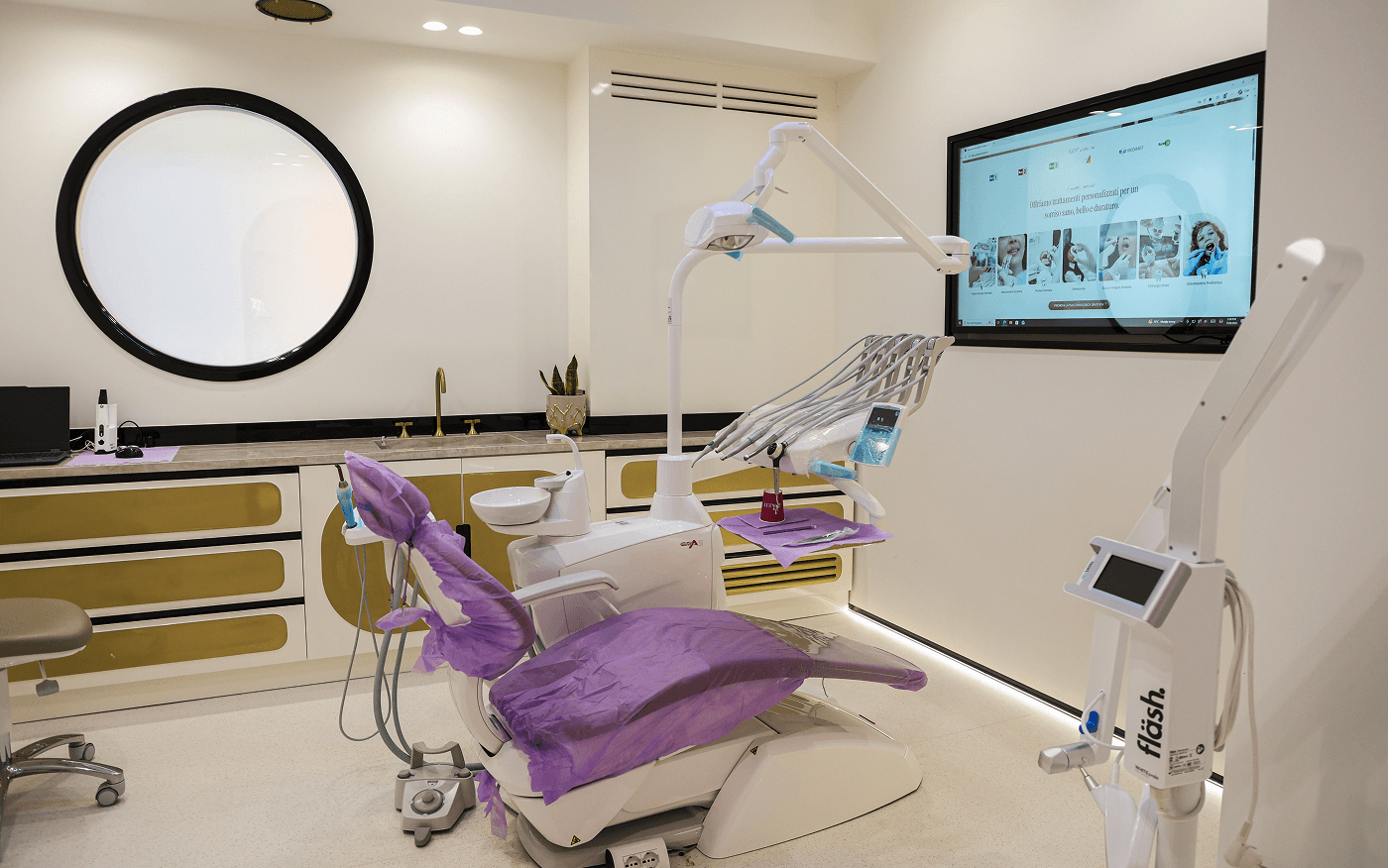
5. Safety, sterilisation, and access to hospital infrastructure
KEIT Dental follows hygiene and infection control protocols that include disinfecting treatment areas, sterilising instruments, and using disposable materials when indicated. During...
KEIT Dental follows hygiene and infection control protocols that include disinfecting treatment areas, sterilising instruments, and using disposable materials when indicated. During bone regeneration and sinus lift procedures, particular attention is paid to preparing the surgical field, managing the tissues, and protecting surrounding anatomical structures.
Integration with KEIT Day Hospital provides additional support for managing complex surgical procedures. The facility has three equipped operating theatres, specialists in anaesthesia and intensive care, vital signs monitoring systems, and a postoperative resuscitation room.
Bone grafting and sinus lift surgery are generally performed under local anaesthesia. For more complex reconstructive or oral and maxillofacial procedures, general anaesthesia may be used within the hospital facility when clinically indicated and following an appropriate anaesthetic assessment.
For cases requiring prolonged monitoring or specific postoperative care, admission to KEIT Day Hospital's inpatient wards can also be arranged. These wards are equipped with healthcare staff and monitoring systems. This integration allows the level of care to be adapted to the patient's condition and the complexity of the procedure.
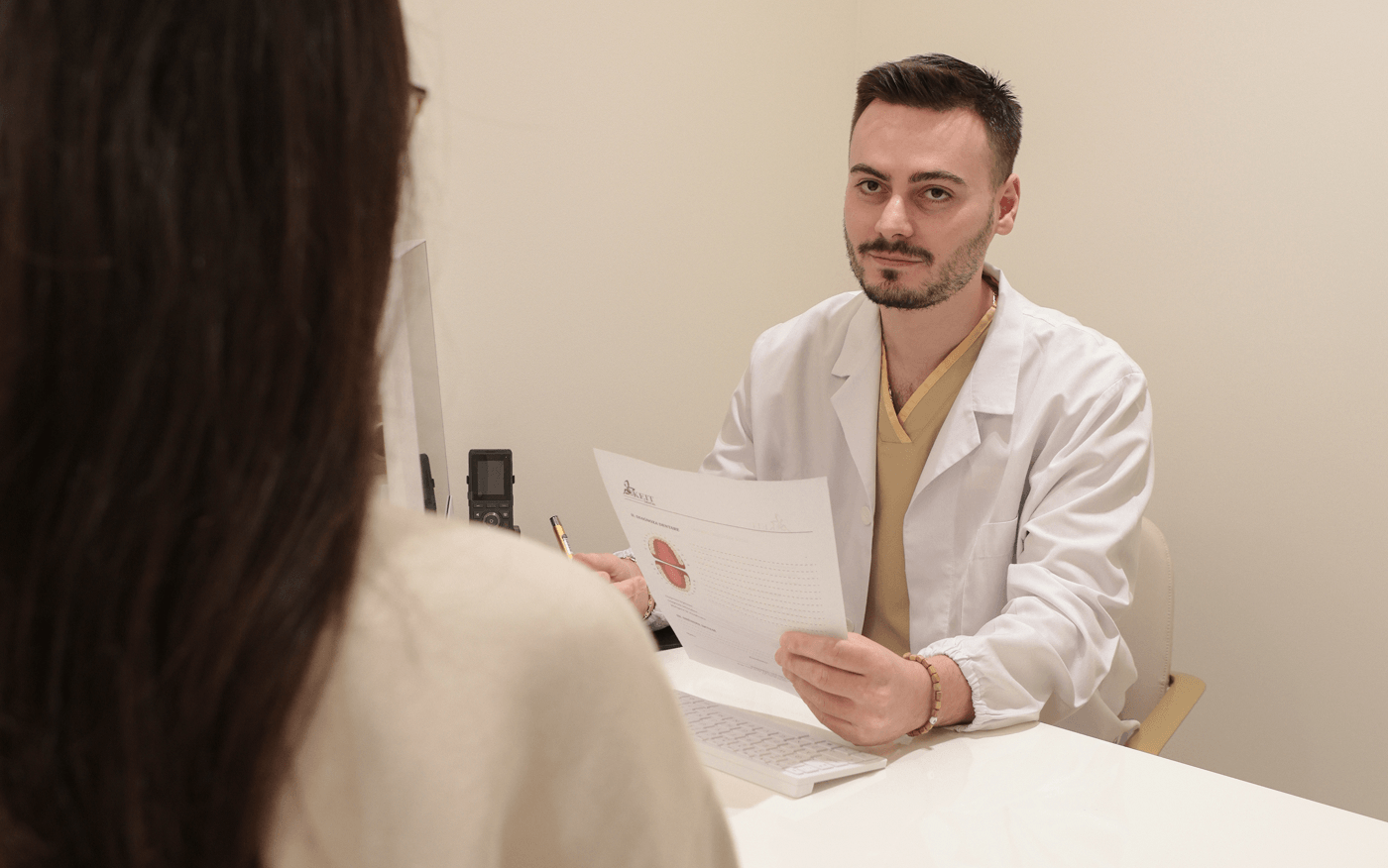
6. Personalised care and follow-up after bone grafting surgery
At KEIT Dental, patient care continues after surgery through personalised guidance and follow-up appointments scheduled according to the technique performed. Subsequent examinations...
At KEIT Dental, patient care continues after surgery through personalised guidance and follow-up appointments scheduled according to the technique performed. Subsequent examinations allow the dentist to assess tissue healing, check any sutures, and monitor the progress of bone graft integration before proceeding with the next stages of implant treatment.
Patients receive guidance on oral hygiene, diet, and postoperative precautions, including measures to avoid increased sinus pressure after sinus lift surgery. Follow-up appointments are organised according to the time required for bone maturation and any planned implant placement. For international patients, care may continue after they return to their home country through communication with the clinic and guidance on necessary follow-up appointments.
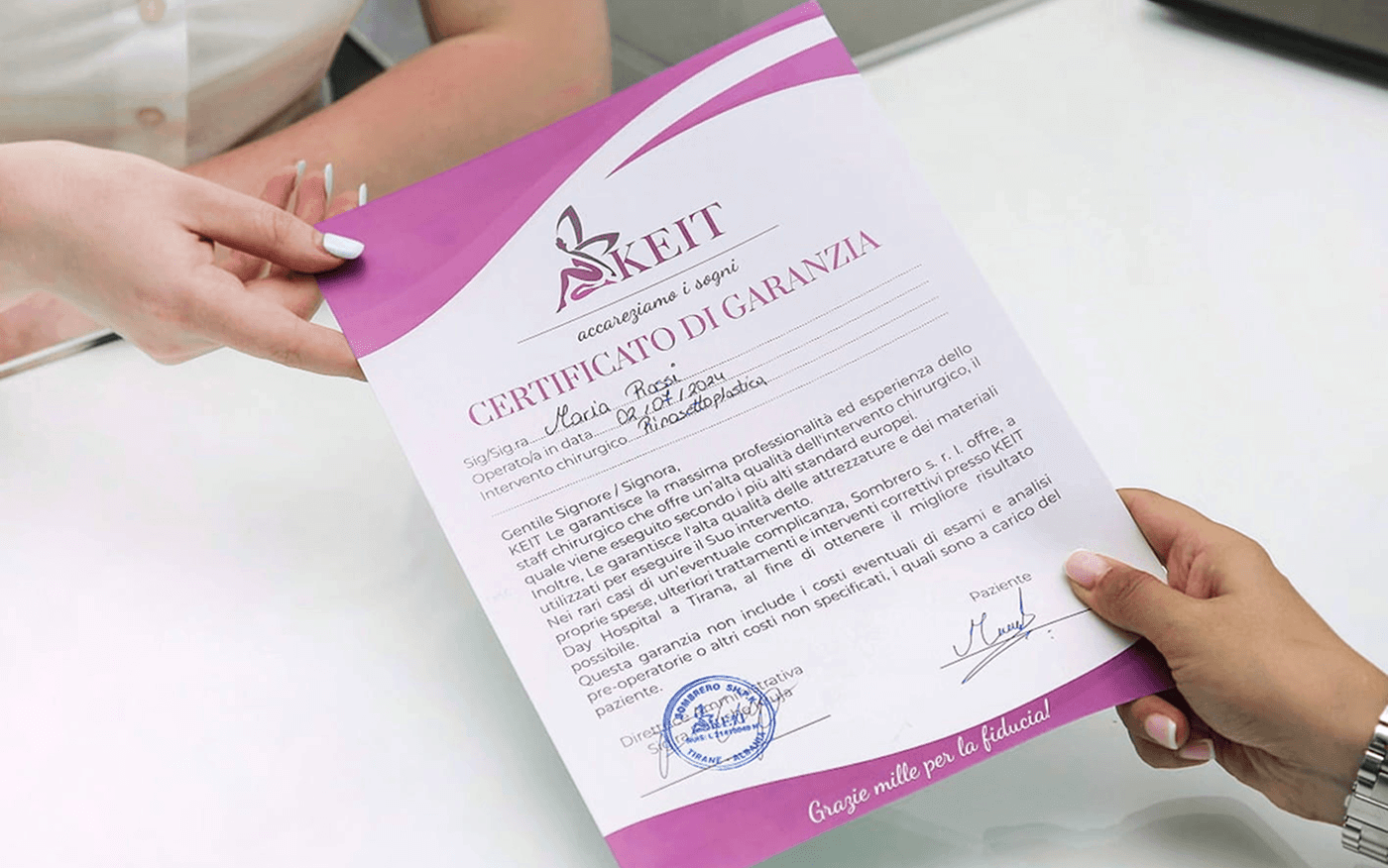
7. Transparency, clinical documentation, and guarantee conditions
KEIT Dental places particular emphasis on treatment transparency and clinical documentation. Before surgery, patients receive information about the proposed surgical technique, grafting...
KEIT Dental places particular emphasis on treatment transparency and clinical documentation. Before surgery, patients receive information about the proposed surgical technique, grafting material, available alternatives, healing times, and potential risks, including complications involving the maxillary sinus and failure of graft integration.
Clinical documentation includes diagnostic examinations, the surgical treatment plan, and the procedures performed. The informed consent form and treatment quotation also allow patients to understand the details of the treatment and its associated costs. Any applicable guarantee conditions are specified in the contractual documentation, clarifying the coverage provided, exclusions, and arrangements for assistance. The outcome of bone regeneration also depends on individual clinical conditions, tissue healing, and adherence to postoperative instructions.
FAQ
Frequently asked questions
Is a sinus lift always necessary before dental implant placement?

No. A sinus lift is indicated when the available bone height in the posterior region of the upper jaw is insufficient for implant placement according to the treatment plan. In some cases, the implant can be placed without a sinus lift or simultaneously with the procedure, depending on the amount of remaining bone and the anatomical conditions.
What types of bone grafts can be used?
Autologous bone grafts, xenografts, alloplastic materials, or combinations of these may be used. The choice depends on the extent of the defect, the amount of bone that needs to be reconstructed, the condition of the surrounding tissues, and the subsequent implant treatment plan.
When can dental implants be placed after a sinus lift?
In some cases, the implant can be placed during the same procedure as the sinus lift, provided the remaining bone allows adequate initial stability. If a greater increase in bone volume is required, implant placement may be delayed until the graft has healed and integrated. The timing is determined through clinical and radiographic follow-up examinations.
Is a sinus lift painful?
The procedure is performed under appropriate anaesthesia, so pain is controlled during surgery. Afterwards, swelling, tenderness, and varying degrees of pain may occur. These symptoms can generally be managed by following the surgeon’s postoperative instructions.
What are the main risks of a sinus lift?
Like any surgical procedure, a sinus lift may involve complications such as swelling, bleeding, infection, or healing problems. One specific potential complication is perforation of the sinus membrane. Preoperative assessment, surgical planning, and follow-up examinations help reduce and manage the risk of complications.