 4.9 Rating | 23.000+ Procedures | Medical Experts
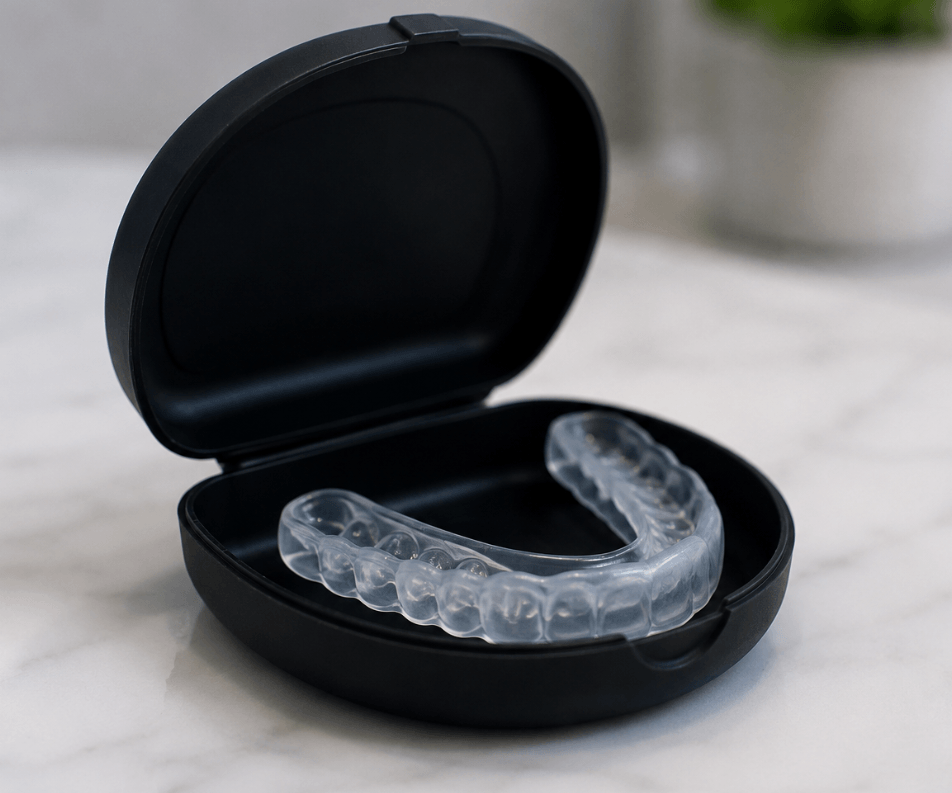
Table of contents:

What is bruxism and what is the difference between clenching and grinding?
What are the symptoms and signs of bruxism?
How does a bruxism night guard work and which types of damage can it prevent?
Which night guard should you choose: hard, soft, boil-and-bite or custom-made?
How is a custom-made night guard fabricated and adjusted?
How many hours a day and for how long should a night guard be worn?
How to clean and store a bruxism night guard?
Why choose KEIT Dental for a custom-made night guard?
In this article, you will learn what bruxism is, how it manifests, and how a night guard helps protect teeth from excessive forces. We will look at the different types of night guards available, how a custom-made night guard is fabricated and adjusted, how long it should be worn, and how to clean and store it. Finally, we will explore KEIT Dental's approach and answer the main questions about bruxism and its treatment.
 Book your FREEOnline Consultation Now

What is bruxism and what is the difference between clenching and grinding?
Bruxism is repetitive activity of the jaw muscles that includes clenching, meaning prolonged or repeated pressure between the teeth without movement, and grinding, meaning friction between the teeth during movements of the jaw. It may occur during sleep or while awake and is not always considered a disorder. It becomes clinically relevant when it causes excessive strain, pain or dental damage.
In sleep bruxism, also known as night-time bruxism, muscle activity may be rhythmic or non-rhythmic and occurs without conscious control. In awake bruxism, prolonged tooth contact, clenching and jaw tension are more common. Clenching and grinding are therefore different manifestations of the same condition and should be distinguished during clinical assessment.
What are the symptoms and signs of bruxism?
The main symptoms and signs of bruxism include tooth wear and sensitivity, jaw pain or stiffness, temporal headaches, and damage to teeth or dental restorations. In sleep bruxism, patients may be unaware that they grind their teeth, and the noise may be noticed by a partner or family member.
-
Worn or flattened teeth: repeated friction may gradually alter the shape of the tooth surfaces.
-
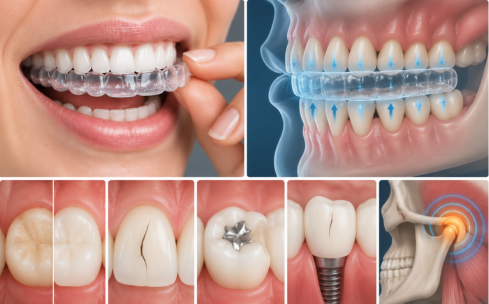
Cracks and fractures: excessive forces may damage teeth, fillings, crowns and veneers.
-
Tooth sensitivity or pain: enamel wear may increase sensitivity to hot, cold and pressure.
-
Jaw stiffness: the chewing muscles may feel tired or painful, particularly upon waking.
-
Headaches: muscle tension may be associated with pain around the temples.
-
Grinding noises during sleep: the sound may be noticed by a partner or family member.
-
Neck tension: this may occur together with jaw pain, although it is not specific to bruxism.
These symptoms do not confirm the diagnosis on their own, because they may also result from tooth decay, gum disease or temporomandibular disorders. A dental assessment helps identify the cause of the symptoms and determine whether tooth wear is associated with bruxism.
How does a bruxism night guard work and which types of damage can it prevent?
A bruxism night guard protects the teeth and dental restorations by placing an occlusal surface between the upper and lower arches. This reduces direct tooth-to-tooth contact and distributes the forces produced by clenching and grinding more evenly. It may therefore limit enamel wear, chipping, dental fractures and damage to fillings, crowns, veneers and other restorations.
The appliance provides mechanical protection during periods when the teeth are exposed to repeated or prolonged pressure. In some patients, it may also help reduce strain on the chewing muscles and temporomandibular joints, but it does not necessarily stop bruxism or eliminate its underlying causes.
Which night guard should you choose: hard, soft, boil-and-bite or custom-made?
There is no single night guard suitable for all patients. The choice depends on dental conditions, tooth wear, existing restorations, occlusion, and the characteristics of clenching or grinding.
-
Hard night guard: Provides a stable surface, offers greater resistance to wear, and allows more precise adjustment of occlusal contacts.
-
Soft night guard: May initially feel more comfortable, but tends to wear out and deform more easily and offers less precise control of occlusal contacts.
-
Boil-and-bite or preformed night guard: Is adapted by the patient or manufactured in standard sizes, but may offer a less precise fit and lower accuracy compared to a custom-made device.
-
Custom-made night guard: Is fabricated to fit the patient's specific dental arch and adjusted by the dentist to achieve stability, comfort, and controlled occlusal contacts.
A night guard purchased without a professional assessment is not necessarily suitable for an individual's occlusion. The choice should therefore be based on an individual dental assessment.
How is a custom-made night guard fabricated and adjusted?
A custom-made night guard is fabricated based on an intraoral scan or an impression of the dental arch. Before designing the device, the dentist assesses the teeth, gums, restorations, occlusion, jaw movements, and the condition of the chewing muscles and temporomandibular joints. Based on this information, the most suitable device is determined, including the dental arch, shape, and characteristics of the night guard. The device is then fabricated and tried directly in the mouth.
At the time of delivery, the dentist checks its fit, stability, comfort, and contacts between the dental arches, making any necessary adjustments to the occlusal surface. Subsequent check-ups allow the fit to be assessed and further modifications to be made if the device requires them.
How many hours a day and for how long should a night guard be worn?
A night guard for sleep bruxism is generally worn during sleeping hours, every night, according to the dentist's instructions. In cases of clenching while awake, any daytime use must be determined individually. There is no single duration suitable for everyone. The night guard may be used for prolonged periods when clenching, grinding, excessive dental loading, or the risk of damage to teeth and restorations persists. During check-ups, the dentist assesses symptoms, device wear, dental conditions, and response to treatment, determining whether to continue, modify, or discontinue its use.
How to clean and store a bruxism night guard?
Proper cleaning helps keep the night guard hygienic and preserve its material over time.
-
Rinse the night guard after each use with cool or lukewarm water.
-
Clean it daily with a soft toothbrush and a mild cleaning product recommended by the dentist.
-
Avoid abrasive toothpastes, bleach, alcohol, and harsh products, which can scratch or damage the material.
-
Do not use hot water or heat sources, as they can deform the device.
-
Clean the teeth and interdental spaces before reinserting the night guard.
-
Store it in its rigid, ventilated case when not in use.
After cleaning, the night guard should be allowed to dry before being stored. Proper maintenance helps limit plaque accumulation, unpleasant odours, deterioration, and loss of stability.
Why choose KEIT Dental for a custom-made night guard?
KEIT Dental is the dental clinic of the KEIT brand, integrated into the KEIT Day Hospital healthcare facility in Tirana, Albania, founded in 2011 by Dr Skerdilajd Faria. With over 23,000 procedures performed across the KEIT brand's various areas of activity, the facility combines specialist expertise, medical technology, safety protocols, and personalised patient care.
KEIT Dental has seven dental treatment rooms and an in-house dental laboratory. Its integration with KEIT Day Hospital also provides access to a multidisciplinary medical team, oral and maxillofacial surgeons, specialists in anaesthesia and intensive care, equipped operating theatres, and inpatient wards for cases requiring more complex care. For bruxism treatment, KEIT Dental adopts a personalised approach aimed at protecting teeth and dental restorations from the effects of clenching and grinding through custom-made night guards designed according to each patient's dental anatomy and occlusion.
1. Seven dental treatment rooms and technologies for custom-made night guards
KEIT Dental has seven dental treatment rooms organised to accommodate restorative dentistry, endodontics, implantology, and dental prosthetic procedures. When producing custom-made night...
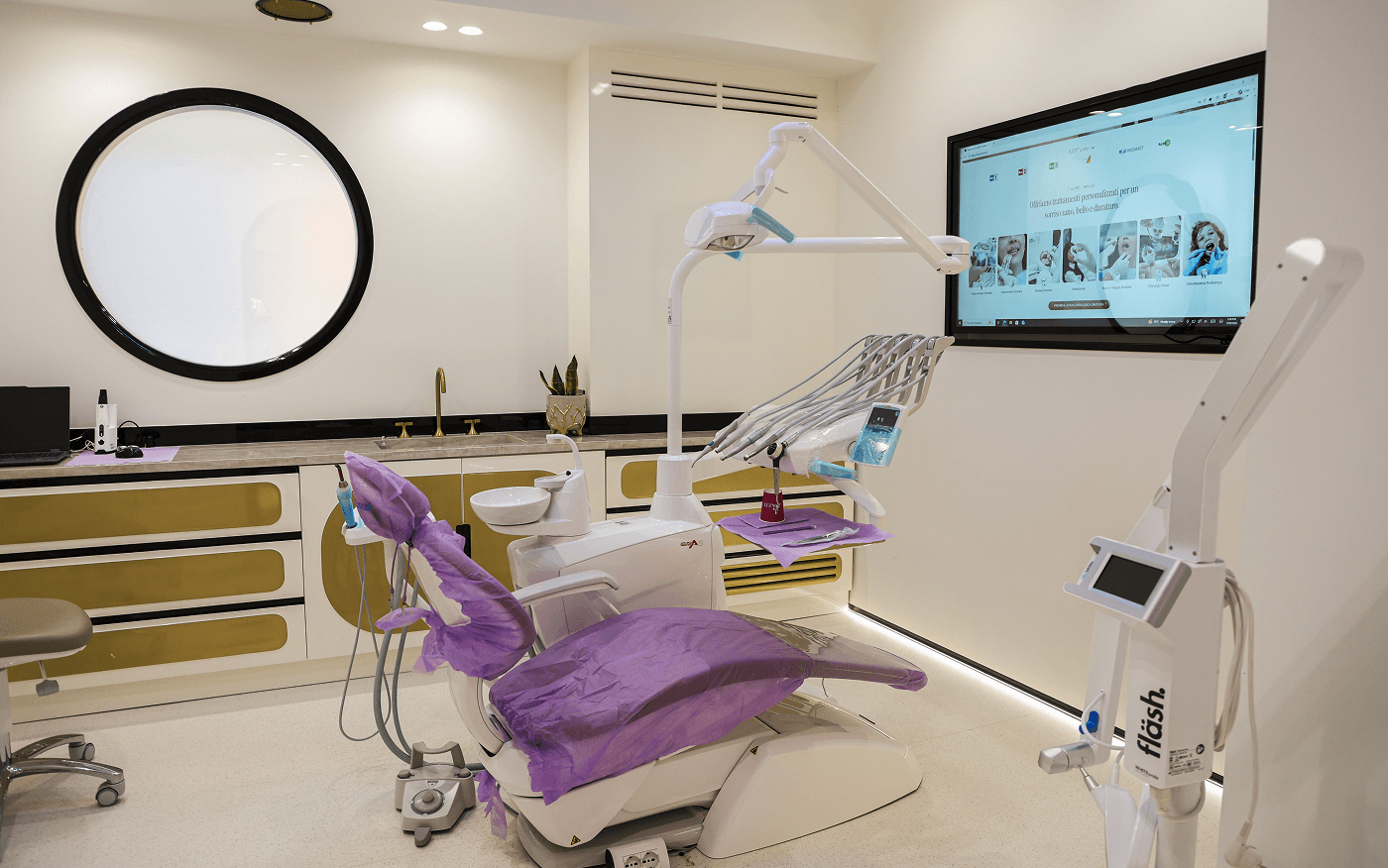
KEIT Dental has seven dental treatment rooms organised to accommodate restorative dentistry, endodontics, implantology, and dental prosthetic procedures. When producing custom-made night guards, diagnostic instruments and intraoral scans allow the dentist to record the shape of the dental arches, assess tooth contacts, and gather the information needed to design the appliance. The choice of material, thickness, and occlusal characteristics is based on the patient's clinical condition, with particular attention to stability, tooth protection, and comfort during use.

2. Multidisciplinary dental and medical team
One of the main advantages of KEIT Dental is its ability to combine dental expertise with the multidisciplinary medical team at KEIT...
One of the main advantages of KEIT Dental is its ability to combine dental expertise with the multidisciplinary medical team at KEIT Day Hospital. The clinic works with professionals experienced in restorative dentistry, endodontics, implantology, and dental prosthetics. In particularly complex cases, oral and maxillofacial surgeons and other medical specialists may also be involved, depending on clinical needs.
In managing bruxism, collaboration between professionals allows tooth wear, the condition of existing restorations, and any associated muscular or temporomandibular joint (TMJ) disorders to be assessed. This approach makes it possible to coordinate tooth protection with any necessary restorative or prosthetic treatments or further specialist assessments.
3. Thorough diagnosis and personalised medical assessment
Before producing a night guard, the dentist assesses the condition of the teeth, occlusion, existing restorations, jaw movements, and any signs of...
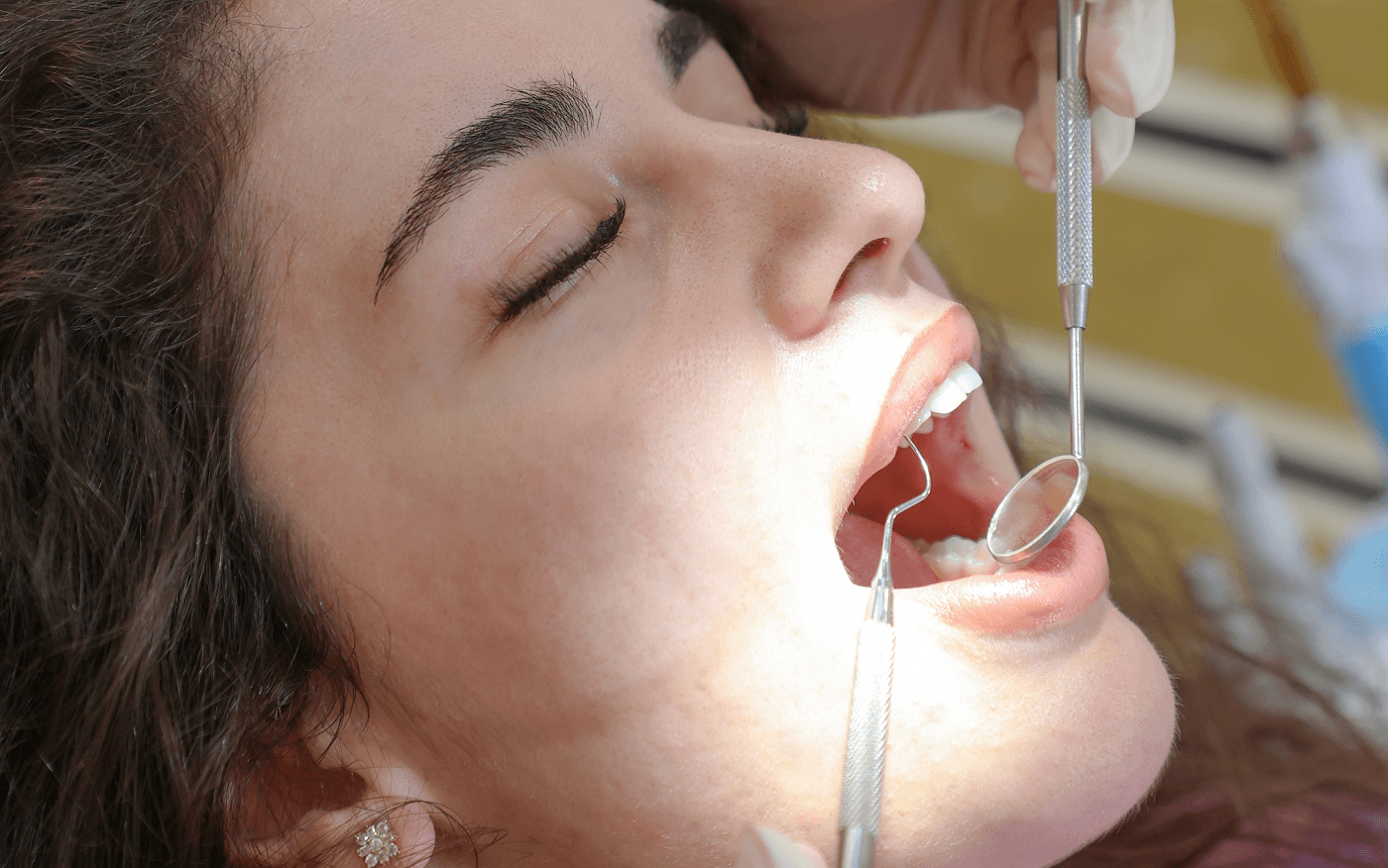
Before producing a night guard, the dentist assesses the condition of the teeth, occlusion, existing restorations, jaw movements, and any signs of excessive muscular loading. When indicated, the assessment may include intraoral scans, photographs, or additional diagnostic evaluations. Particular attention is paid to distinguishing between teeth clenching and grinding, identifying tooth wear, and assessing the patient's reported symptoms to determine the most appropriate appliance characteristics.
Thanks to its integration with KEIT Day Hospital, patients with particular medical conditions or those requiring more complex investigations may undergo additional specialist assessments. Treatment planning therefore considers both the patient's dental and occlusal conditions and their general healthcare needs.
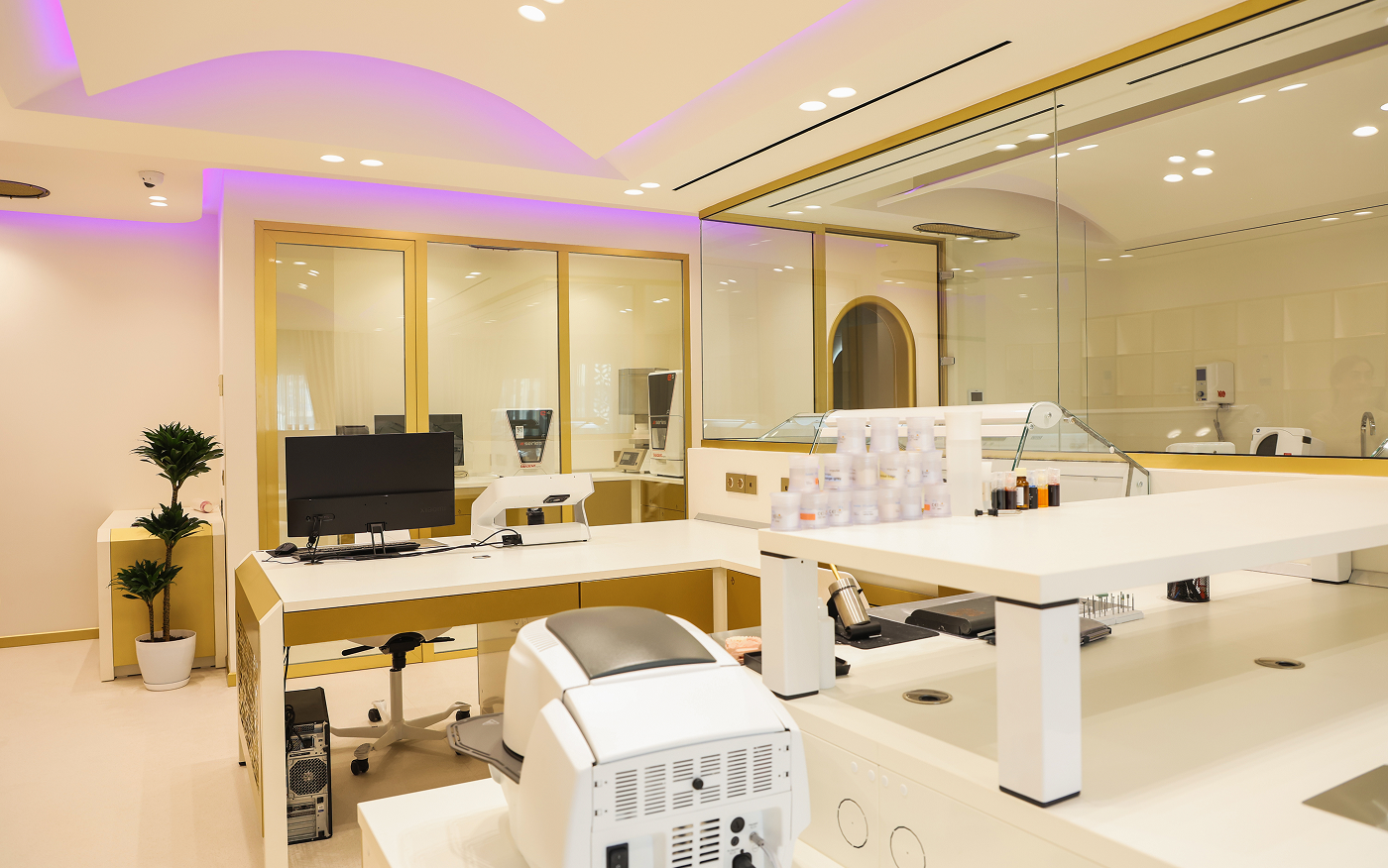
4. In-house dental laboratory and custom-made night guards
One of KEIT Dental's distinguishing features is its in-house dental laboratory, which facilitates direct collaboration between dentists and dental technicians in producing...
One of KEIT Dental's distinguishing features is its in-house dental laboratory, which facilitates direct collaboration between dentists and dental technicians in producing customised appliances. Dental impressions or digital scans of the arches allow the night guard to be designed according to the patient's dental anatomy and clinical requirements, determining its shape, thickness, and functional characteristics.
Coordination between the clinic and laboratory allows technical details to be shared and any necessary appliance modifications to be assessed, with particular attention to precision of fit, stability, and the distribution of occlusal contacts.
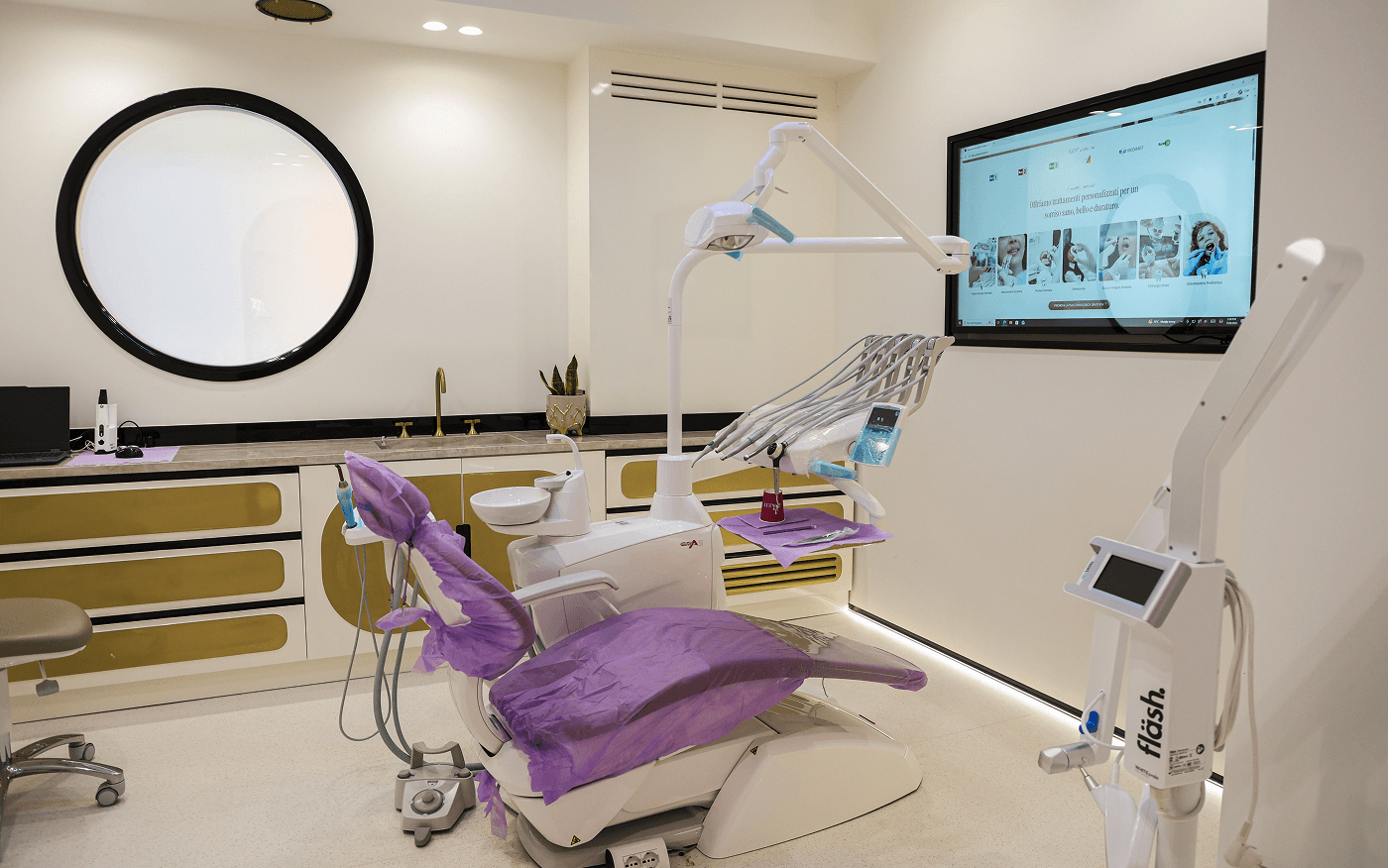
5. Safety, sterilisation, and access to hospital infrastructure
KEIT Dental follows hygiene and infection control protocols that include disinfecting treatment areas, sterilising instruments, and using disposable materials when indicated. During...
KEIT Dental follows hygiene and infection control protocols that include disinfecting treatment areas, sterilising instruments, and using disposable materials when indicated. During night guard fitting and adjustment, particular attention is paid to appliance fit, the stability of occlusal contacts, and the protection of oral tissues.
For cases requiring prolonged monitoring or specific postoperative care, admission to KEIT Day Hospital's inpatient wards can also be arranged. These wards are equipped with healthcare staff and monitoring systems. This integration allows treatment to be organised according to the level of care required by the patient's condition and the complexity of the procedure.

6. Personalised care and follow-up after night guard fitting
At KEIT Dental, patient care continues after the night guard is fitted through personalised guidance and follow-up appointments scheduled according to clinical...
At KEIT Dental, patient care continues after the night guard is fitted through personalised guidance and follow-up appointments scheduled according to clinical needs. Subsequent examinations allow the dentist to check appliance fit, assess wear, and monitor the condition of teeth and restorations exposed to excessive forces.
Patients receive guidance on how and when to wear the night guard, how to clean and store it, and what precautions to take if discomfort occurs or the fit changes. The frequency of follow-up appointments is determined individually. For international patients, care may include communication with the clinic and guidance on arranging the necessary check-ups.
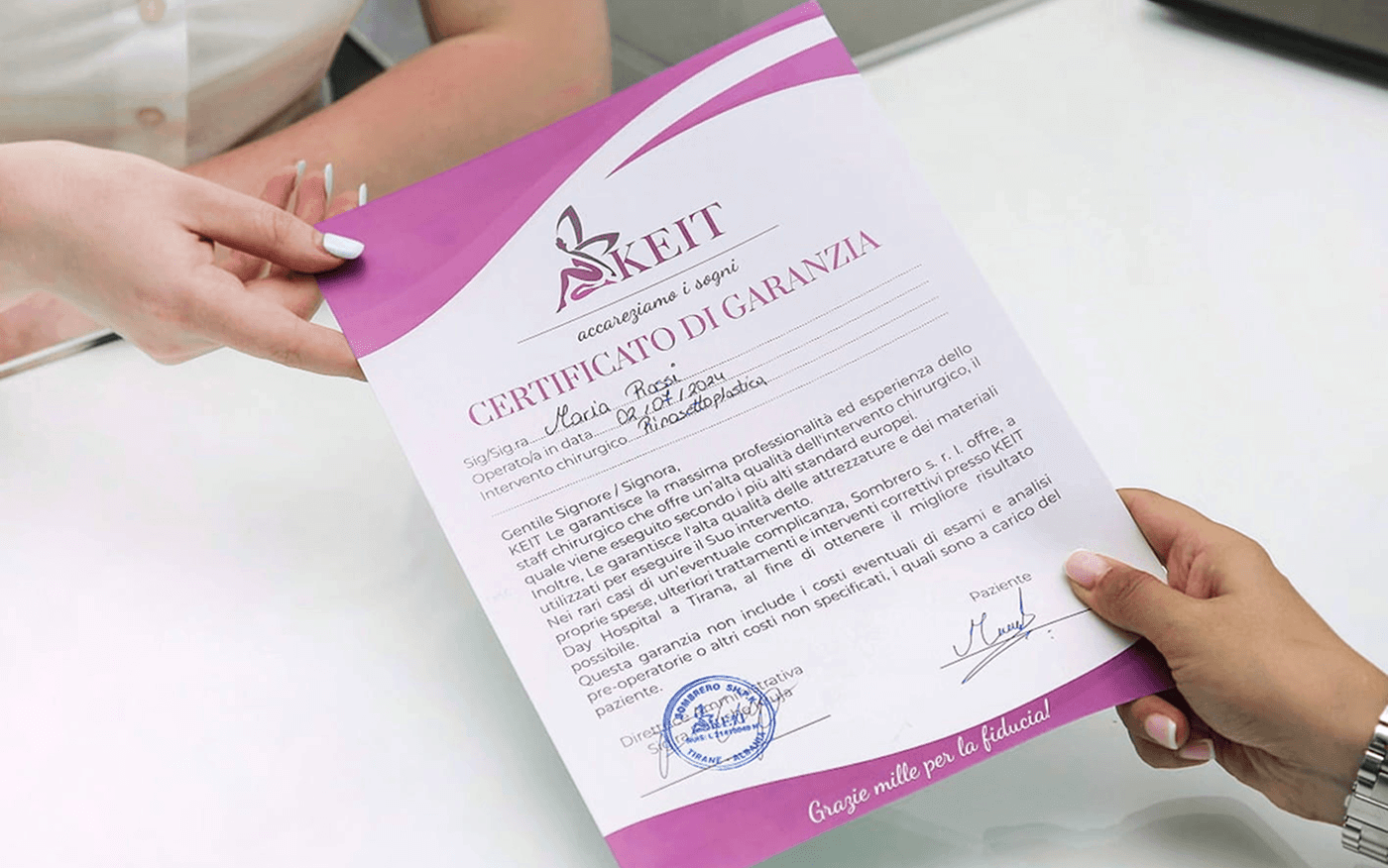
7. Transparency, clinical documentation, and guarantee conditions
KEIT Dental places particular emphasis on treatment transparency and clinical documentation. Before a night guard is made, patients receive information about the...
KEIT Dental places particular emphasis on treatment transparency and clinical documentation. Before a night guard is made, patients receive information about the proposed appliance, available alternatives, expected benefits, and potential treatment limitations, including the fact that a night guard protects the teeth but does not necessarily eliminate bruxism.
Clinical documentation includes diagnostic assessments, appliance specifications, and any adjustments performed. The informed consent form, where required, and treatment quotation also allow patients to understand the details of the treatment and its associated costs. Any applicable guarantee conditions are specified in the contractual documentation, clarifying the coverage provided, exclusions, and arrangements for assistance.
FAQ
Frequently asked questions
Is stress the only cause of bruxism?

No. Stress and anxiety can contribute to clenching, especially while awake, but bruxism can also be associated with sleep-related factors, caffeine and alcohol consumption, smoking, individual predisposition, and certain medications. The origin of the condition is often multifactorial.
Can children suffer from bruxism?
Yes. Bruxism can also occur in children and does not automatically require the use of a night guard. The need for intervention depends on age, stage of dentition, frequency of the condition, presence of pain, and any signs of tooth wear, and must be assessed by a dentist.
Can certain medications contribute to bruxism?
Yes. Certain medications may be associated with the onset or increase of clenching and grinding. However, medication should not be stopped or modified without medical guidance. Any possible connection must be assessed with the doctor who prescribed the medication.
Can bruxism be associated with sleep apnoea?
Yes. Sleep bruxism and obstructive sleep apnoea can occur in the same patient, although one is not necessarily the cause of the other. Loud snoring, observed pauses in breathing during sleep, or significant daytime sleepiness require a specific medical assessment.
Can bruxism be treated without a night guard?
A night guard primarily serves a protective function and does not necessarily treat the underlying cause of bruxism. Management may also include interventions targeting associated factors, such as improving sleep quality, reducing caffeine and alcohol consumption and smoking, or addressing any related medical conditions. The strategy must be determined according to the cause and manifestations of the condition.