 4.9 Rating | 23.000+ Procedures | Medical Experts
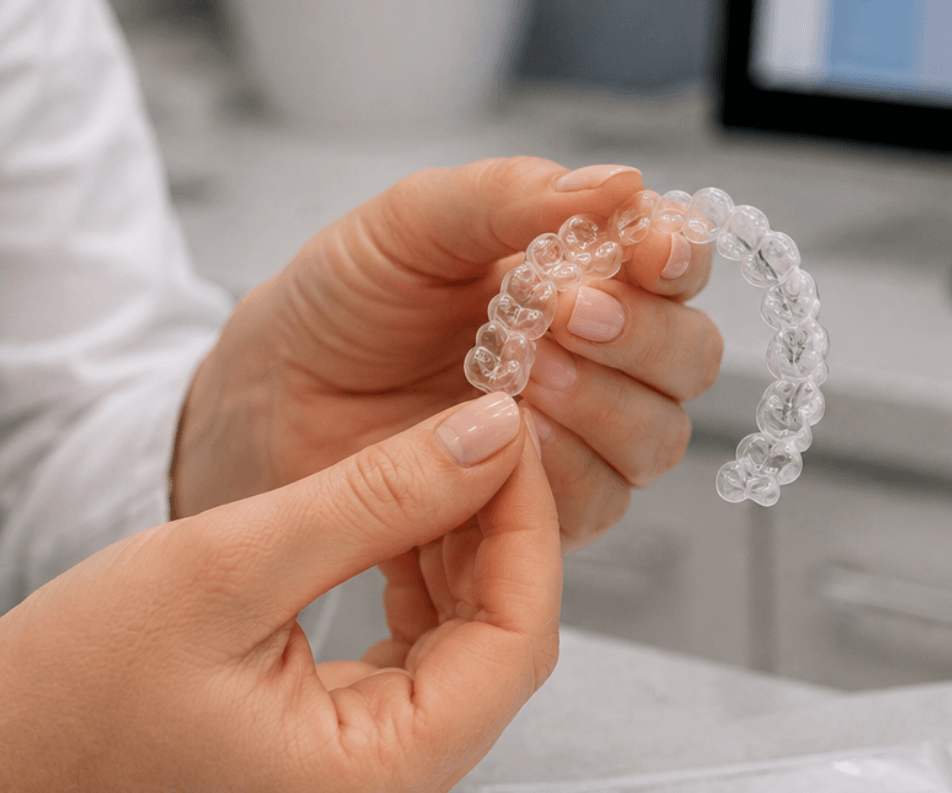
Table of contents:

What are clear aligners and how do they work?
What dental problems can clear aligners correct?
Clear aligner treatment: step-by-step process
How many hours a day should you wear clear aligners, and how long does treatment take?
How to eat, drink, and clean clear aligners
Why choose KEIT Dental for clear aligner treatment?
In this article, you will learn what clear aligners are, how they work, which dental problems they can correct, and who may be a suitable candidate. We will also explain the treatment process, how many hours a day aligners must be worn, how long treatment may take, and how to manage eating, oral hygiene, and aligner maintenance. Finally, we will explore the treatment pathway offered by KEIT Dental and answer the most frequently asked questions.
 Book your FREEOnline Consultation Now

What are clear aligners and how do they work?
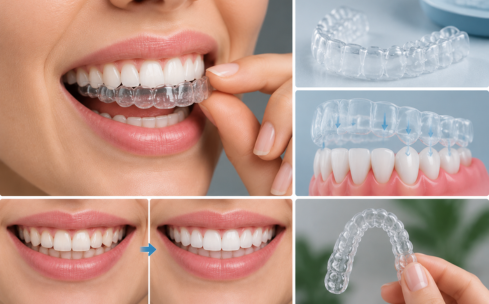
Clear aligners are custom-made, removable orthodontic appliances designed to gradually correct tooth alignment. Each aligner applies controlled, targeted forces that progressively guide the teeth towards the positions planned by the orthodontist.
Aligners are manufactured according to the patient's dental and occlusal characteristics. In some cases, treatment may involve composite attachments, orthodontic elastics, or interproximal enamel reduction (IPR) to improve control over specific tooth movements. Throughout treatment, the orthodontist monitors aligner fit and how the teeth respond to the planned movements, making adjustments when necessary.
What dental problems can clear aligners correct?
Clear aligners can correct various tooth alignment problems and certain types of malocclusion. Common conditions that may be treated include:
-
Crowded teeth, when there is insufficient space for the teeth to align correctly.
-
Gaps between teeth, including diastemas.
-
Rotated or tilted teeth, when the required correction is within the range of movements achievable with clear aligners.
-
Deep bite, open bite, and crossbite, in selected cases, depending on the underlying cause and severity of the malocclusion.
Not all orthodontic problems can be treated with clear aligners alone. Complex malocclusions, significant skeletal discrepancies, impacted teeth, or particularly challenging tooth movements may require attachments, elastics, fixed braces, or a combination of orthodontic treatments.
Clear aligner treatment: step-by-step process
Clear aligner treatment follows a structured, personalised process:
Initial assessment:
The orthodontist examines the teeth, gums, occlusion, and alignment while discussing the patient's treatment goals.
Diagnosis and treatment planning:
Photographs, intraoral scans, and any necessary diagnostic examinations are used to develop an orthodontic treatment plan.
Digital treatment design:
Tooth movements are digitally planned and organised into a sequence of custom-made aligners.
Aligner fitting and instructions:
The patient receives the aligners along with guidance on wearing schedules, oral hygiene, and aligner replacement.
Regular check-ups:
The orthodontist monitors aligner fit and treatment progress, making adjustments when necessary.
Refinement and retention:
Additional refinement aligners may be required after the initial treatment phase. A retention phase is then planned to maintain the results.
How many hours a day should you wear clear aligners, and how long does treatment take?
Clear aligners generally need to be worn for 20–22 hours per day, including overnight. They should be removed when eating, drinking anything other than water, and performing oral hygiene. Each set of aligners is usually replaced every 7–14 days, according to the orthodontist's instructions. The overall treatment duration can range from a few months to more than two years, depending on the complexity of the malocclusion and the tooth movements required.
Treatment duration also depends on the individual response of the teeth, whether refinement aligners are needed, and how consistently the patient follows the prescribed wearing schedule. Wearing aligners for fewer hours than recommended may affect the fit of subsequent aligners and prolong treatment. Daily patient compliance is therefore one of the main factors influencing treatment duration.
How to eat, drink, and clean clear aligners
Clear aligners must be removed before eating or drinking anything other than water. Coffee, tea, wine, and other beverages can stain the aligner material, while sugary or acidic drinks may increase the risk of tooth decay if they remain trapped against the teeth beneath the aligners. Hot drinks can also deform the material and compromise aligner fit.
Before reinserting the aligners, it is important to clean the teeth and interdental spaces thoroughly to prevent plaque and food particles from becoming trapped between the teeth and aligners.
Aligners can be rinsed and cleaned using cool or lukewarm water and a non-abrasive cleaning product, following the orthodontist's instructions. Abrasive toothpastes and harsh cleaning products may damage the material or make it appear cloudy. When not being worn, aligners should be stored in their designated case to protect them from contamination, damage, and loss.
Why choose KEIT Dental for clear aligner treatment?
KEIT Dental is the dental clinic of the KEIT brand, integrated into the KEIT Day Hospital healthcare facility in Tirana, Albania, founded in 2011 by Dr Skerdilajd Faria. With over 23,000 procedures performed across the KEIT brand's various areas of activity, the facility combines specialist expertise, medical technology, safety protocols, and personalised patient care.
KEIT Dental has seven dental treatment rooms and an in-house dental laboratory. Its integration with KEIT Day Hospital also provides access to a multidisciplinary medical team, oral and maxillofacial surgeons, specialists in anaesthesia and intensive care, equipped operating theatres, and inpatient wards for cases requiring more complex care. For clear aligner treatment, KEIT Dental adopts a personalised approach aimed at correcting misaligned teeth and improving occlusion through removable aligners designed according to each patient's individual characteristics.
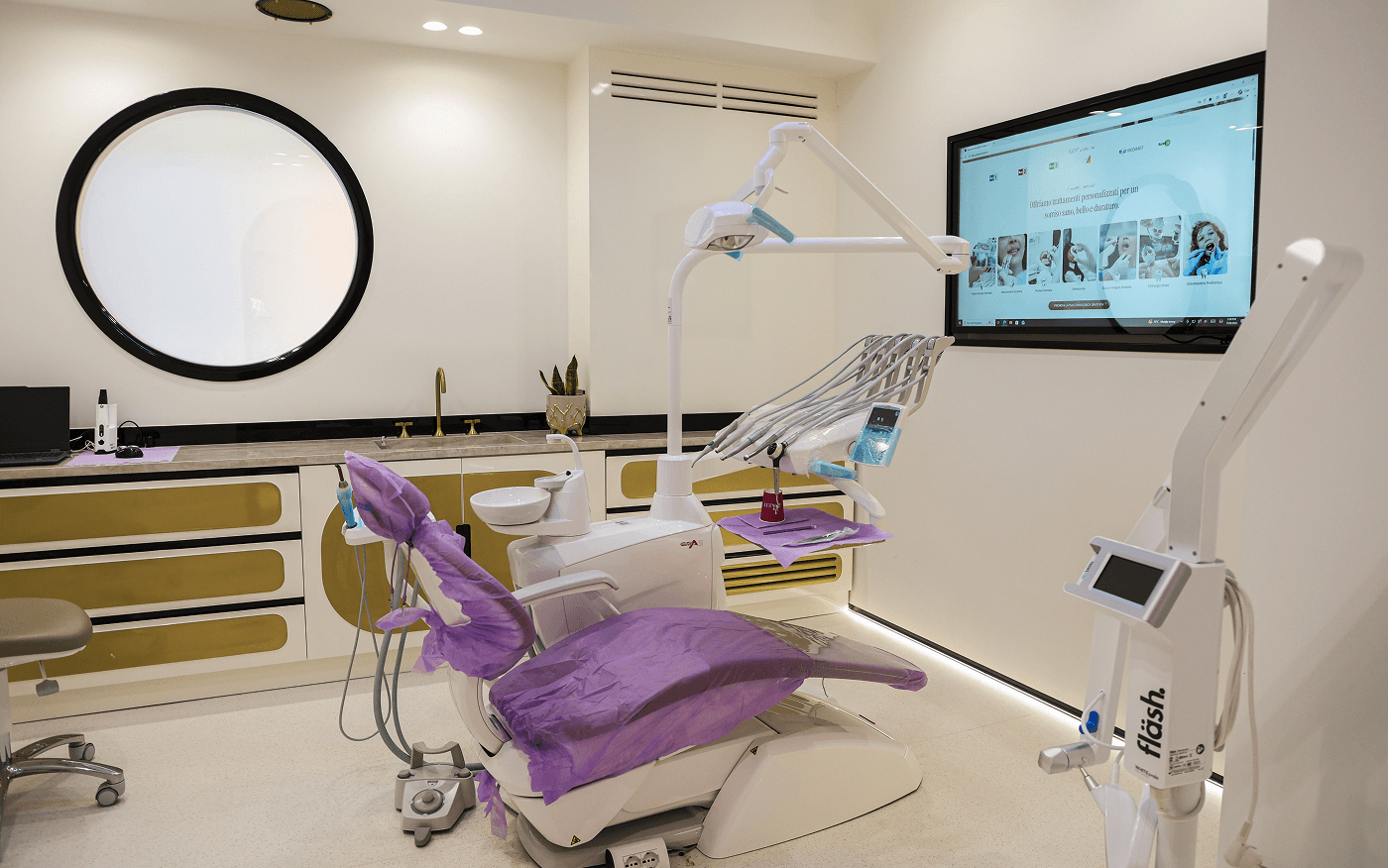
1. Seven dental treatment rooms and periodontal treatment technologies
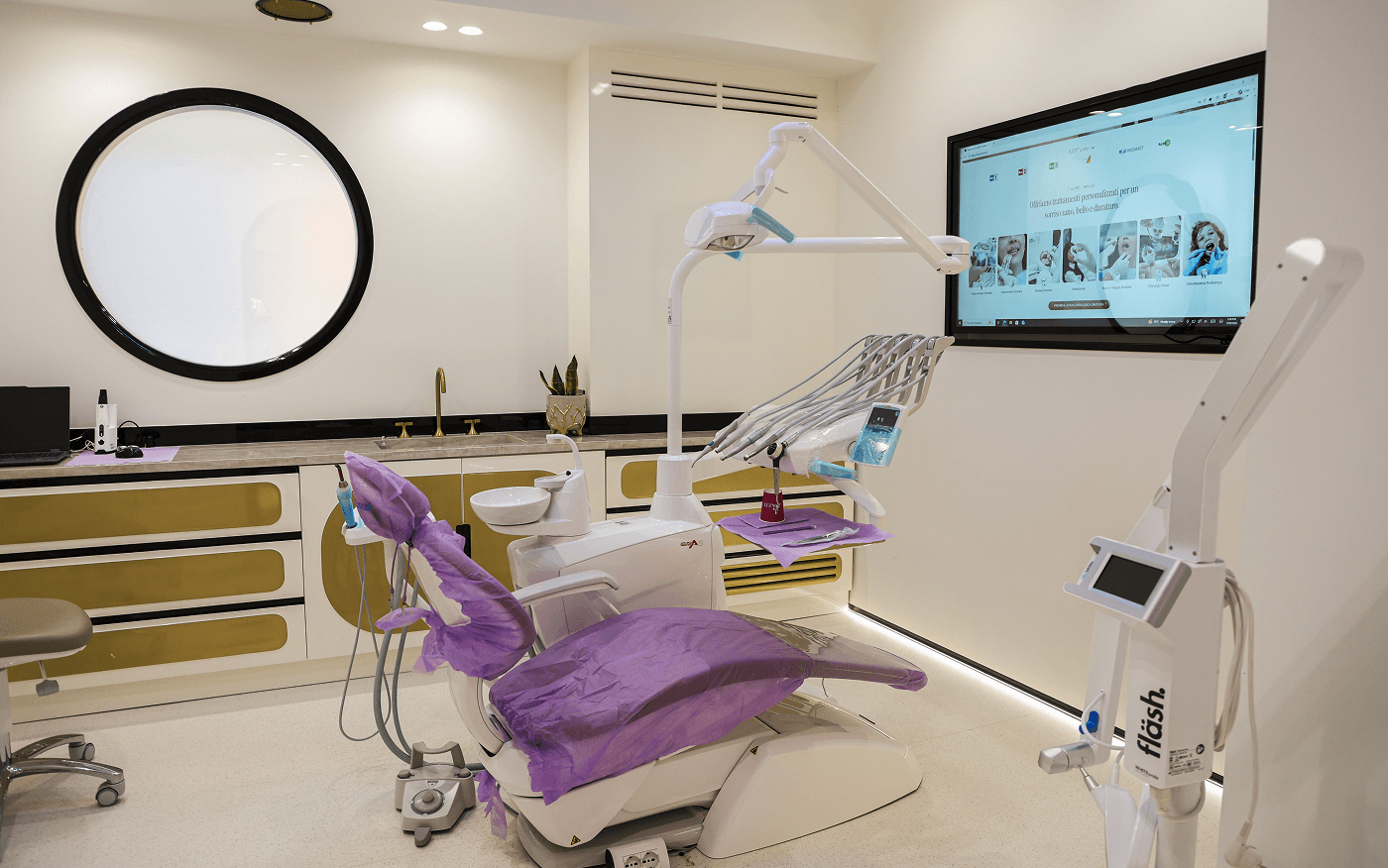
KEIT Dental has seven dental treatment rooms organised to accommodate orthodontics, restorative dentistry, endodontics, implantology, and dental prosthetic procedures. For clear aligner...
KEIT Dental has seven dental treatment rooms organised to accommodate orthodontics, restorative dentistry, endodontics, implantology, and dental prosthetic procedures. For clear aligner treatment, 3D intraoral scanning and digital treatment planning tools allow the orthodontist to record tooth positions and plan the necessary movements. Aligners are custom-designed, with attachments or orthodontic elastics incorporated when indicated, with particular attention to treatment precision, functional occlusion, and smile aesthetics.
2. Multidisciplinary dental and medical team
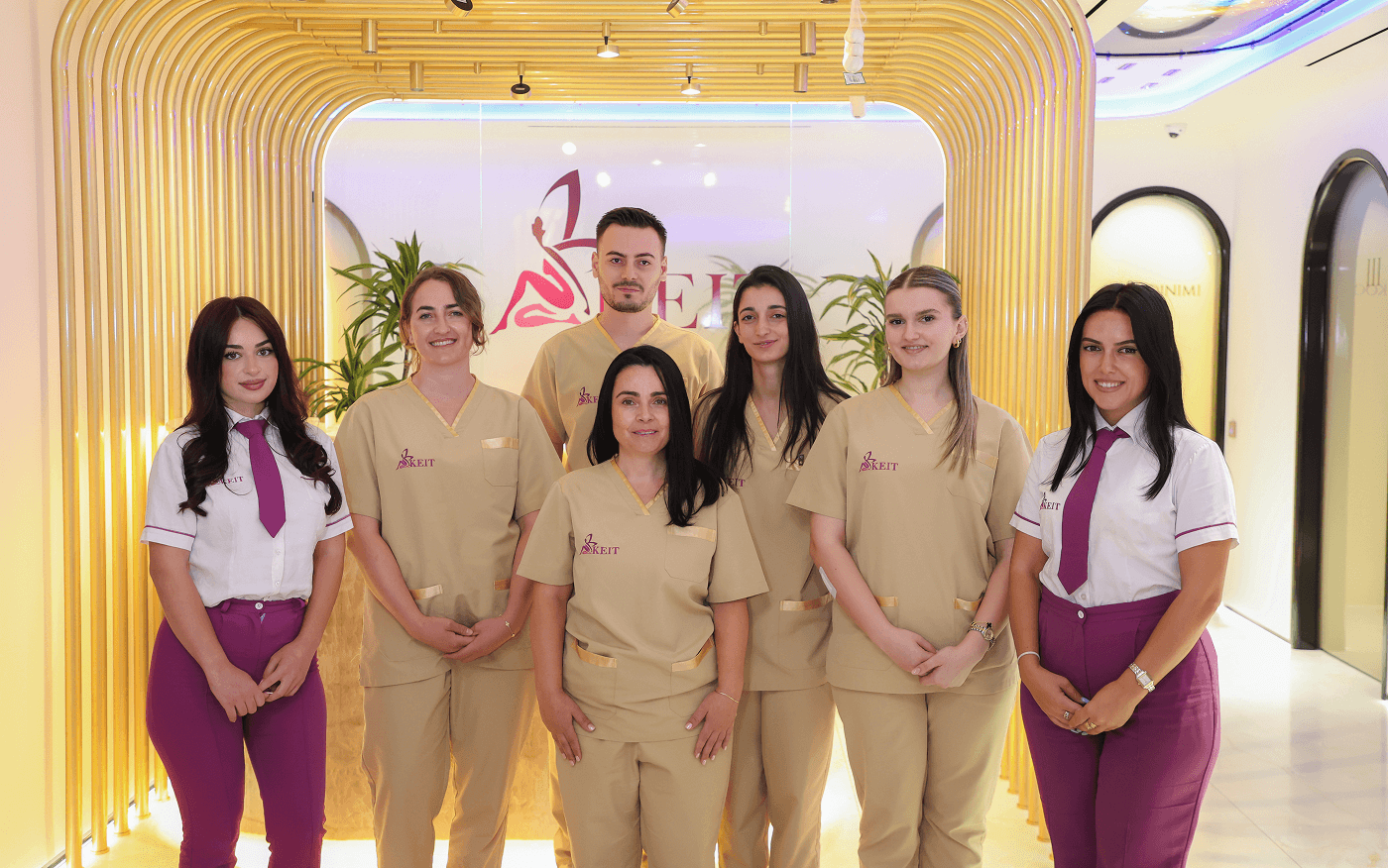
One of the main advantages of KEIT Dental is its ability to combine dental expertise with the multidisciplinary medical team at KEIT...
One of the main advantages of KEIT Dental is its ability to combine dental expertise with the multidisciplinary medical team at KEIT Day Hospital. The clinic works with professionals experienced in orthodontics, restorative dentistry, endodontics, implantology, and dental prosthetics. In particularly complex cases, oral and maxillofacial surgeons and other medical specialists may also be involved, depending on clinical needs.
When treating malocclusions, collaboration between professionals allows tooth alignment correction to be coordinated with any necessary dental, periodontal, or restorative treatments. This approach also makes it possible to assess cases in which clear aligners need to be combined with other orthodontic appliances or complementary treatments.
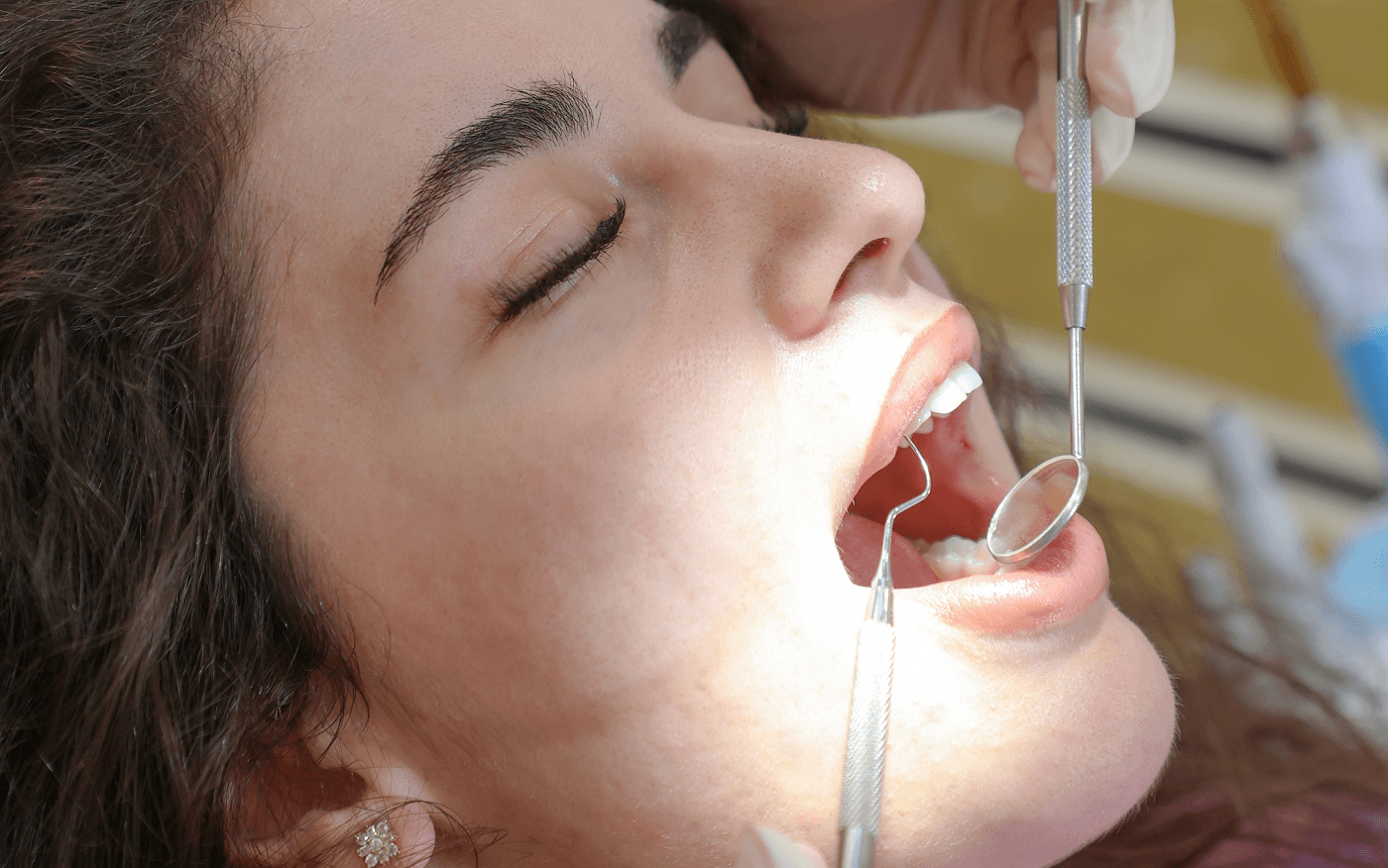
3. Thorough diagnosis and personalised medical assessment
Before clear aligner treatment, the orthodontist assesses tooth positions, the relationship between the dental arches, occlusion, and the health of the teeth...
Before clear aligner treatment, the orthodontist assesses tooth positions, the relationship between the dental arches, occlusion, and the health of the teeth and gums, using photographs, intraoral scans, and X-rays when indicated. Particular attention is paid to the complexity of the required tooth movements, any existing malocclusions, and the patient's ability to comply with treatment instructions to determine whether clear aligners are an appropriate solution.
Thanks to its integration with KEIT Day Hospital, patients with particular medical conditions or those requiring more complex procedures may undergo additional specialist assessments and any necessary diagnostic evaluations. Treatment planning therefore considers both the patient's orthodontic objectives and general health.
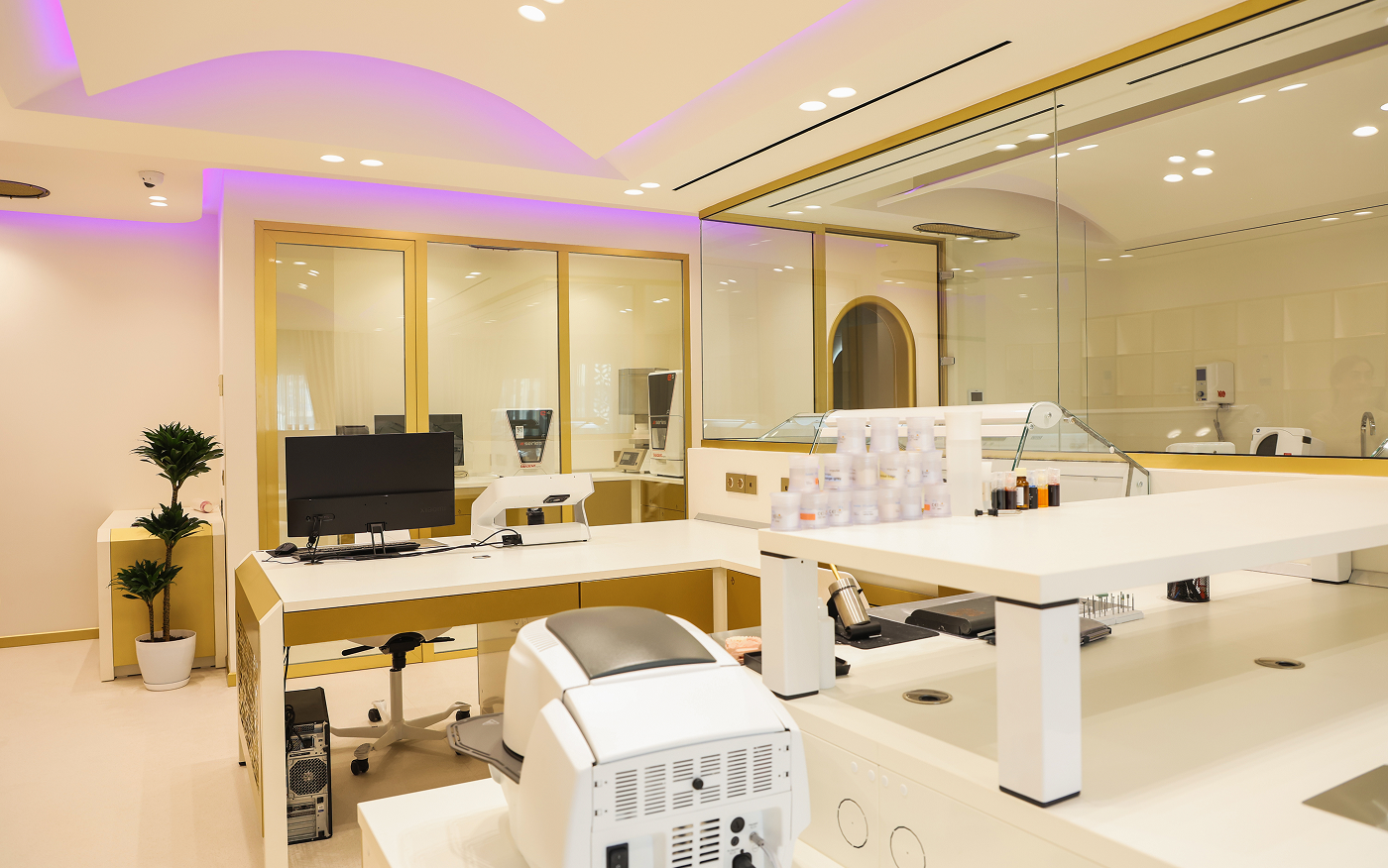
4. In-house dental laboratory and personalised rehabilitation
One of KEIT Dental's distinguishing features is its in-house dental laboratory, which facilitates direct collaboration between dentists and dental technicians in producing...
One of KEIT Dental's distinguishing features is its in-house dental laboratory, which facilitates direct collaboration between dentists and dental technicians in producing dental appliances and restorations. For clear aligner treatment, digital scans of the dental arches provide the basis for designing customised aligners, which may be manufactured using specialised systems.
Coordination between the clinic and laboratory allows digital data and technical treatment requirements to be shared, particularly when retainers or additional prosthetic procedures are needed, with attention to precision of fit and functional outcomes.
5. Safety, sterilisation, and access to hospital infrastructure
KEIT Dental follows hygiene and infection control protocols that include disinfecting treatment areas, sterilising instruments, and using disposable materials when indicated. During...
KEIT Dental follows hygiene and infection control protocols that include disinfecting treatment areas, sterilising instruments, and using disposable materials when indicated. During aligner fitting and follow-up appointments, particular attention is paid to aligner fit, gum health, and the correct management of any attachments.
For cases requiring prolonged monitoring or specific postoperative care, admission to KEIT Day Hospital's inpatient wards can also be arranged. These wards are equipped with healthcare staff and monitoring systems. This integration allows treatment to be organised according to the level of care required by the patient's condition and the complexity of the procedure.

6. Personalised care and follow-up after treatment
At KEIT Dental, patient care continues throughout clear aligner treatment through personalised guidance and follow-up appointments scheduled according to clinical needs. Regular...
At KEIT Dental, patient care continues throughout clear aligner treatment through personalised guidance and follow-up appointments scheduled according to clinical needs. Regular examinations allow the orthodontist to check aligner fit, monitor tooth movements, and assess whether refinement aligners are necessary.
Patients receive guidance on daily wear time, aligner replacement, cleaning, and precautions to follow during meals. At the end of active treatment, a retention plan is established to maintain the results achieved. For international patients, care may include communication with the clinic and guidance on arranging the necessary orthodontic follow-up appointments.

7. Transparency, clinical documentation, and guarantee conditions
KEIT Dental places particular emphasis on treatment transparency and clinical documentation. Before starting clear aligner treatment, patients receive information about the proposed...
KEIT Dental places particular emphasis on treatment transparency and clinical documentation. Before starting clear aligner treatment, patients receive information about the proposed orthodontic plan, available alternatives, expected treatment duration, anticipated benefits, and potential risks.
Clinical documentation includes diagnostic examinations, planned tooth movements, and procedures performed. The informed consent form and treatment quotation also allow patients to understand the details of the treatment and its associated costs. Any applicable guarantee conditions are specified in the contractual documentation, clarifying the coverage provided, exclusions, and arrangements for assistance. Treatment effectiveness also depends on wearing the aligners for the prescribed number of hours and attending scheduled follow-up appointments.
FAQ
Frequently asked questions
Can you wear clear aligners during pregnancy?

Clear aligner treatment may be considered during pregnancy, depending on individual circumstances. Since hormonal changes can affect gum health, maintaining good oral hygiene and attending the recommended orthodontic and dental check-ups is particularly important.
Can you play sports while wearing clear aligners?
Yes, clear aligners can generally be worn during sports activities. However, for contact sports, it is important to consider appropriate mouth protection, as clear aligners are not a substitute for a properly fitted sports mouthguard.
Can you travel during clear aligner treatment?
Yes. You can travel during clear aligner treatment, provided you bring your aligners, storage case, and any prescribed orthodontic accessories. It is important to follow the recommended aligner replacement schedule and avoid changing the sequence without professional guidance. If an aligner is lost, damaged, or no longer fits properly, contact your orthodontist.
What happens if you lose or damage a clear aligner?
The appropriate course of action depends on the stage of treatment and the condition of the aligner. You should not switch to the next aligner without guidance from your orthodontist. Depending on the situation, the orthodontist may recommend temporarily wearing the previous aligner, moving to the next one, or replacing the damaged aligner.
Can clear aligners be used after previous orthodontic treatment?
Yes. Clear aligners can sometimes be used to correct orthodontic relapse, which occurs when teeth gradually shift out of alignment following previous orthodontic treatment. Whether clear aligners are suitable depends on the extent of tooth movement and the patient's occlusal condition. An orthodontic assessment is necessary to determine the most appropriate treatment approach.