 4.9 Rating | 23.000+ Procedures | Medical Experts
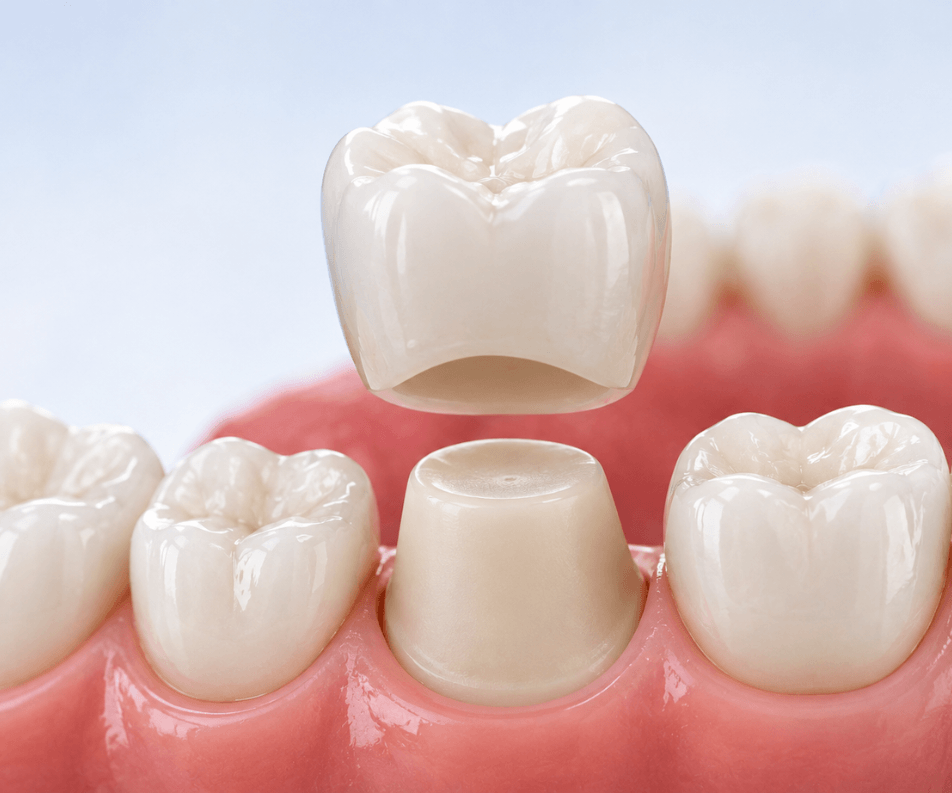
Table of contents:

What are dental crowns, and when are they recommended?
How is a dental crown placed?
Types of dental crowns: E-max, zirconia, and metal-ceramic
Implant-supported crowns and titanium bar-supported restorations
How should dental crowns be cared for?
Why choose KEIT Dental for dental crowns?
In this article, you will find information about when a dental crown is recommended, how it is placed, and the characteristics of E-max, zirconia, and metal-ceramic crowns. We also explain implant-supported crowns, titanium bar-supported restorations, and the correct maintenance of dental prostheses.
 Book your FREEOnline Consultation Now

What are dental crowns, and when are they recommended?
A dental crown is a custom-made fixed prosthesis that covers the visible portion of a tooth. Its purpose is to restore the tooth’s shape, protect the remaining structure, and allow proper chewing function.
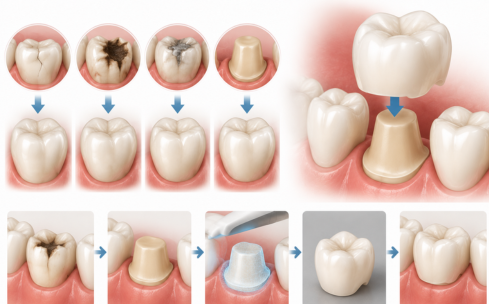
Treatment may be recommended when a tooth has a fracture, significant loss of dental tissue, extensive decay, or an old restoration that is no longer adequate. A crown may also be considered to protect certain root canal-treated teeth, correct changes in tooth shape, or replace a damaged or deteriorated crown.
How is a dental crown placed?
Treatment begins with a clinical examination and, when necessary, radiographic imaging. The dentist evaluates the tooth, the bite, and the surrounding tissues to determine whether a crown is the most appropriate solution. The tooth is then prepared by removing a controlled amount of dental tissue to create the space required for the crown. The procedure is normally performed under local anesthesia. If the tooth is severely damaged, the internal portion may first need to be rebuilt to create stable support.
After the tooth has been prepared, a conventional impression or digital scan is taken. The information is used to design a crown that respects the correct shape, dimensions, contact points with the neighboring teeth, and relationship with the opposing dental arch. A temporary crown may be placed during the laboratory phase to protect the prepared tooth. When the final crown is ready, the dentist checks its fit, color, shape, and bite before securing it with a specific dental cement.
Types of dental crowns: E-max, zirconia, and metal-ceramic
Dental crowns can be made from different materials. Each option has specific characteristics that must be evaluated according to the tooth being treated, the patient’s aesthetic requirements, and the chewing forces involved.
E-max crown
An E-max crown is made from lithium disilicate ceramic. This material makes it possible to create restorations with good color integration and translucency similar to that of natural teeth, which is particularly important in the visible areas of the smile. It may be recommended for front teeth and, in selected cases, for premolars or back teeth. Lithium disilicate crowns can be digitally designed and manufactured as monolithic restorations, meaning they are made primarily from a single block of material.
Zirconia crown
A zirconia crown may be monolithic, meaning it is made mainly from a single material, or it may be externally layered with aesthetic ceramic. The most appropriate option is selected according to the position of the tooth, the available space, the color of the underlying tooth structure, and the type of chewing load. Monolithic zirconia crowns are often considered for areas exposed to greater forces. Zirconia must still be designed and finished correctly, because thickness, shape, contact points, and polishing can influence the clinical performance of the restoration.
Zirconia-ceramic crown
A zirconia-ceramic crown has an internal zirconia framework covered with a layer of ceramic. The zirconia forms the supporting structure of the crown, while the external ceramic makes it possible to customize the color, shape, and surface characteristics. It may be recommended when a strong supporting structure must be combined with more detailed aesthetic customization. Like any layered material, the ceramic covering may be subject to chipping, which is why correct bite design and regular follow-up appointments are important.
Metal-ceramic crown
A metal-ceramic crown consists of an internal metal framework covered externally with ceramic. The metal portion provides structural support, while the ceramic layer reproduces the color and shape of the tooth. It may be recommended in different areas of the mouth, particularly when structural stability and control of chewing forces are required.
Implant-supported crowns and titanium bar-supported restorations
An implant-supported crown is used to replace a single missing tooth and is connected to the implant through an abutment or a screw-retained system. When the restoration involves several teeth or an entire dental arch, a more extensive prosthetic structure may be recommended. In these cases, a titanium bar connects the implants and supports the prosthesis, helping improve the stability of the restoration and the correct distribution of chewing forces.
Zirconia restoration on a titanium bar
In this type of restoration, the titanium bar forms a supporting structure connected to the implants, while the external portion is made from zirconia. The bar can contribute to the rigidity of the restoration and to the connection between the different components. Zirconia makes it possible to reconstruct the teeth, volumes, and aesthetic characteristics of the dental arch. This option may be considered for extensive implant-supported restorations, but it must be designed according to the available space, the position of the implants, and the forces generated during chewing.
Metal-ceramic restoration on a titanium bar
In metal-ceramic restorations supported by a titanium bar, the implant structure supports a prosthesis composed of an internal framework and an aesthetic ceramic covering. This configuration can be used to replace several teeth or an entire dental arch. The ceramic makes it possible to customize the shape and color, while the underlying structure contributes to the stability of the prosthesis. In this case as well, it is essential to create spaces that allow the patient to clean properly beneath the restoration.
How should dental crowns be cared for?
A dental crown should be cleaned in the same way as the rest of the teeth. It is important to brush carefully near the gum line, where plaque and food debris may accumulate. Dental floss or interdental brushes can be used to clean the spaces between the crown and the neighboring teeth. The choice of cleaning instrument depends on the size of the spaces and the type of prosthesis.
Titanium bar-supported restorations also require specific cleaning beneath the prosthetic structure. Interdental brushes, floss designed for dental prostheses, and other instruments recommended by the dental hygienist or dentist may be used. Patients should avoid using the crown to bite hard objects or open packages. In patients with bruxism, a night guard may be prescribed to reduce the risk of excessive loading and damage.
Why choose KEIT Dental for dental crowns?
KEIT Dental is the dental clinic of the KEIT brand, integrated into the KEIT Day Hospital healthcare facility in Tirana, Albania, founded in 2011 by Dr Skerdilajd Faria. With over 23,000 procedures performed across the KEIT brand's various areas of activity, the facility combines specialist expertise, medical technology, safety protocols, and personalised patient care.
KEIT Dental has seven dental treatment rooms and an in-house dental laboratory. Its integration with KEIT Day Hospital also provides access to a multidisciplinary medical team, oral and maxillofacial surgeons, specialists in anaesthesia and intensive care, equipped operating theatres, and inpatient wards for cases requiring more complex care. For dental crowns, KEIT Dental adopts a personalised approach aimed at protecting damaged teeth and restoring smile aesthetics and chewing function through E-max, zirconia, and porcelain-fused-to-metal restorations, as well as implant-supported rehabilitations.
1. Seven dental treatment rooms and dental crown technologies
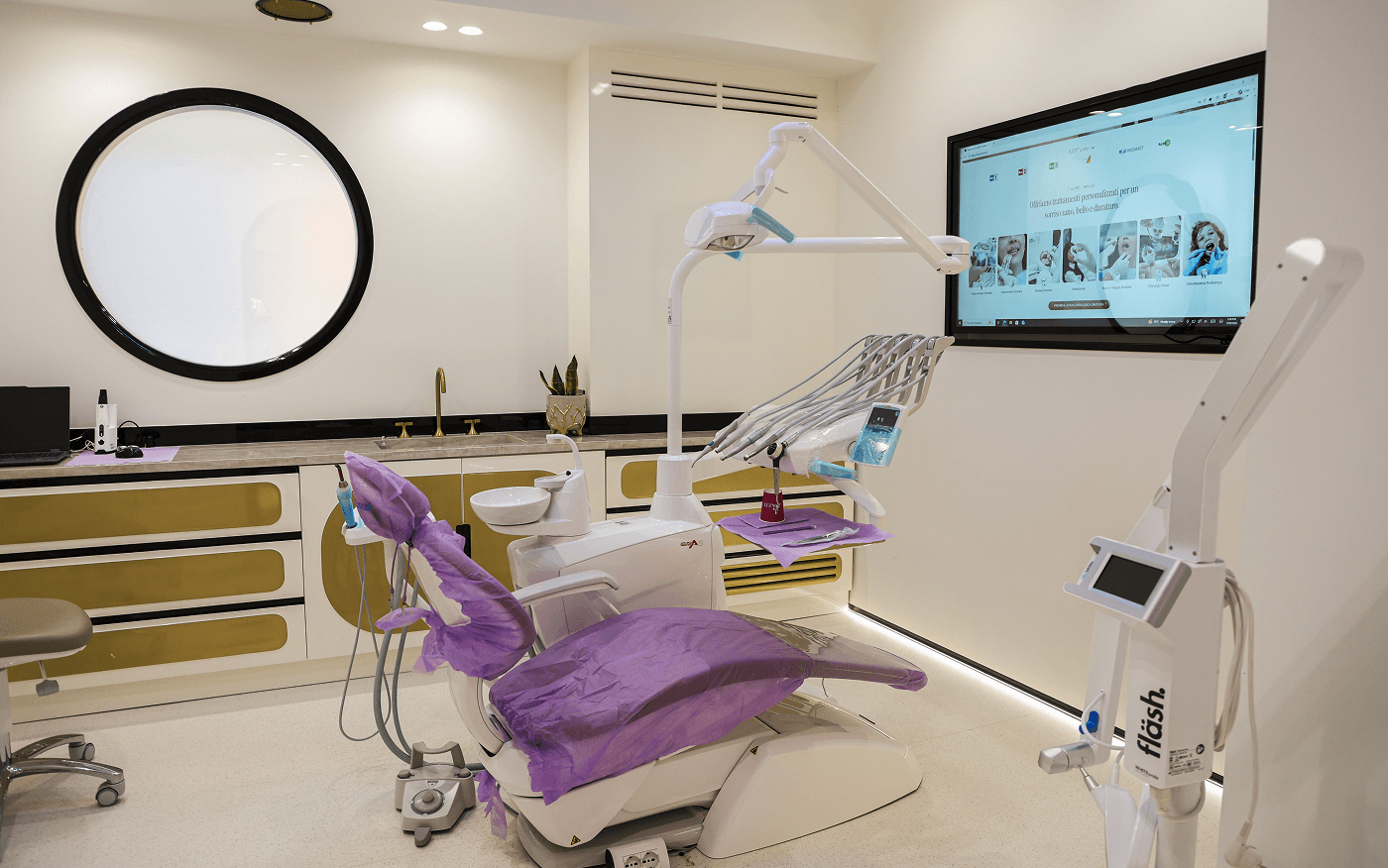
KEIT Dental has seven dental treatment rooms organised to accommodate restorative dentistry, endodontics, implantology, and dental prosthetic procedures. When producing dental crowns,...
KEIT Dental has seven dental treatment rooms organised to accommodate restorative dentistry, endodontics, implantology, and dental prosthetic procedures. When producing dental crowns, diagnostic instruments and intraoral scans allow the dentist to record tooth shape, assess occlusion, and gather the information needed for prosthetic design. The choice between E-max, zirconia, porcelain-fused-to-zirconia, and porcelain-fused-to-metal crowns is based on tooth position, remaining tooth structure, aesthetic requirements, and chewing forces.
2. Multidisciplinary dental and medical team
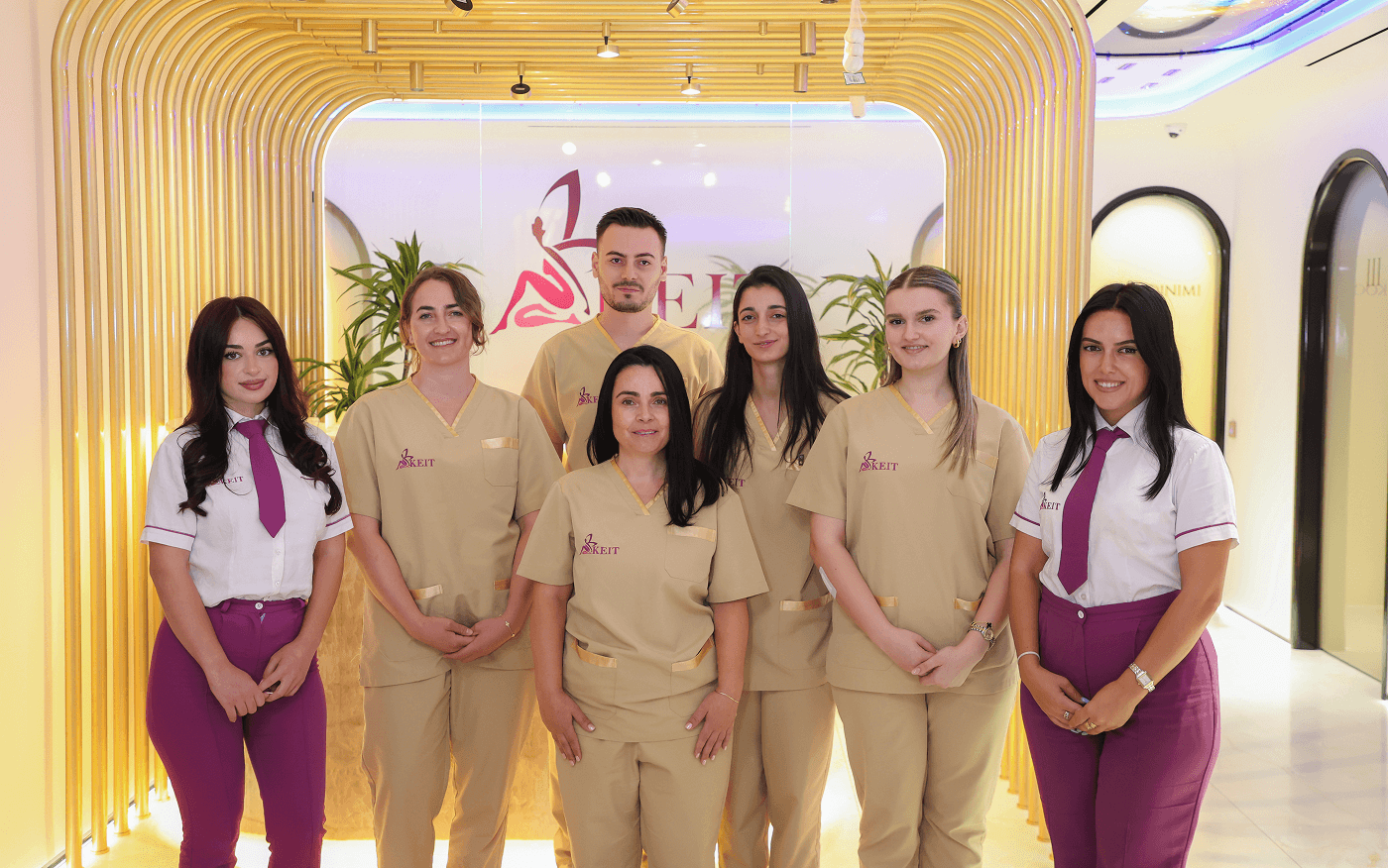
One of the main advantages of KEIT Dental is its ability to combine dental expertise with the multidisciplinary medical team at KEIT...
One of the main advantages of KEIT Dental is its ability to combine dental expertise with the multidisciplinary medical team at KEIT Day Hospital. The clinic works with professionals experienced in dental prosthetics, restorative dentistry, endodontics, and implantology. In particularly complex cases, oral and maxillofacial surgeons and other medical specialists may also be involved, depending on clinical needs.
For prosthetic rehabilitation, collaboration between professionals allows tooth preparation, any necessary root canal treatments, and crown fabrication to be coordinated. In more extensive implant-supported rehabilitations, this approach makes it possible to integrate surgical and prosthetic planning, including restorations supported by titanium bars.
3. Thorough diagnosis and personalised medical assessment
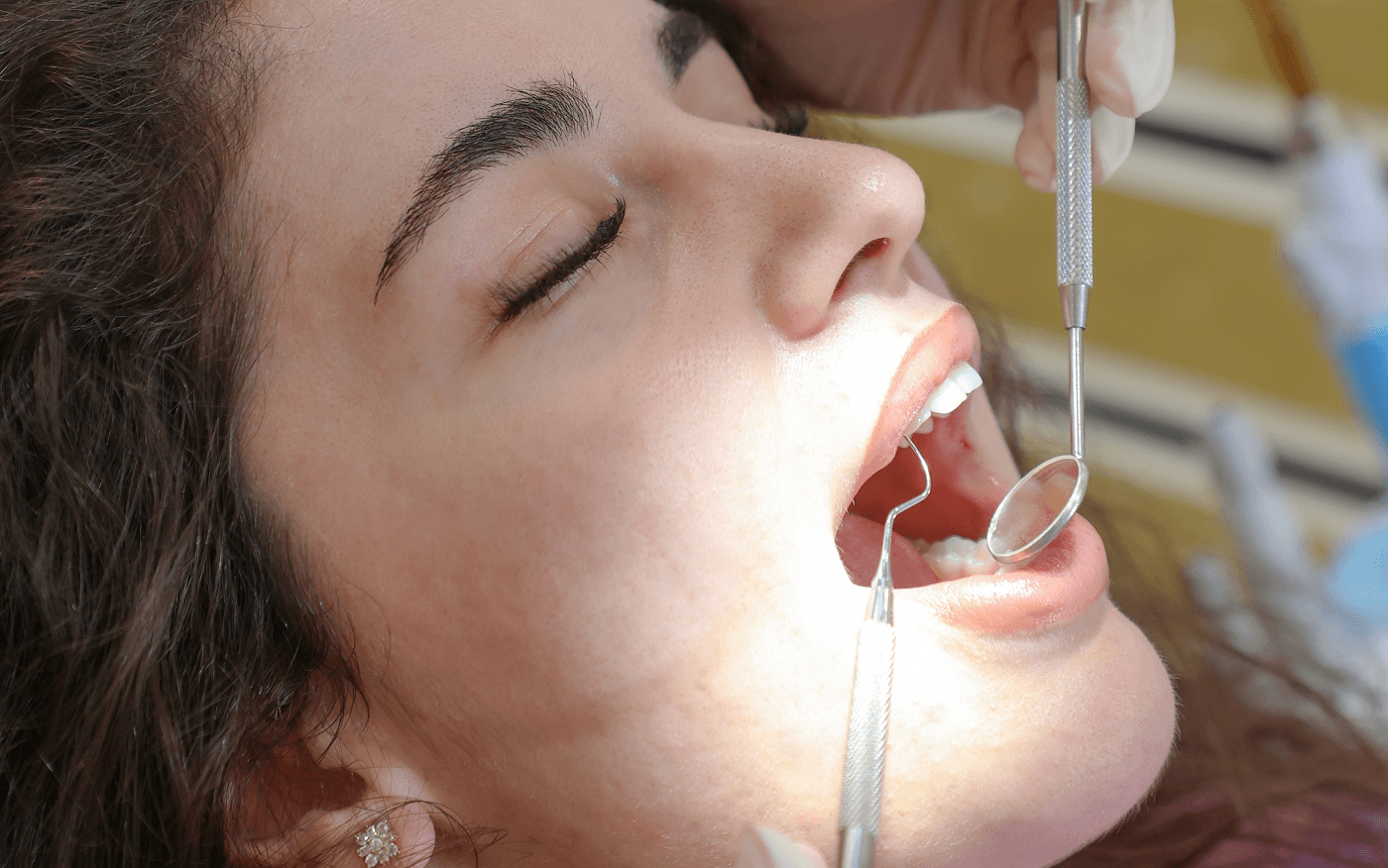
Before producing a dental crown, the dentist assesses the remaining tooth structure, gum condition, occlusion, and any existing restorations. When necessary, the...
Before producing a dental crown, the dentist assesses the remaining tooth structure, gum condition, occlusion, and any existing restorations. When necessary, the assessment may include X-rays and intraoral scans to determine whether the tooth is suitable for a crown and select the most appropriate restorative material. For implant-supported crowns, implant positioning, the health of surrounding tissues, and the distribution of chewing forces are also considered.
Thanks to its integration with KEIT Day Hospital, patients with particular medical conditions or those requiring associated surgical procedures may undergo additional specialist assessments. Treatment planning therefore considers both the patient's prosthetic needs and general health.
4. In-house dental laboratory and customised dental crowns
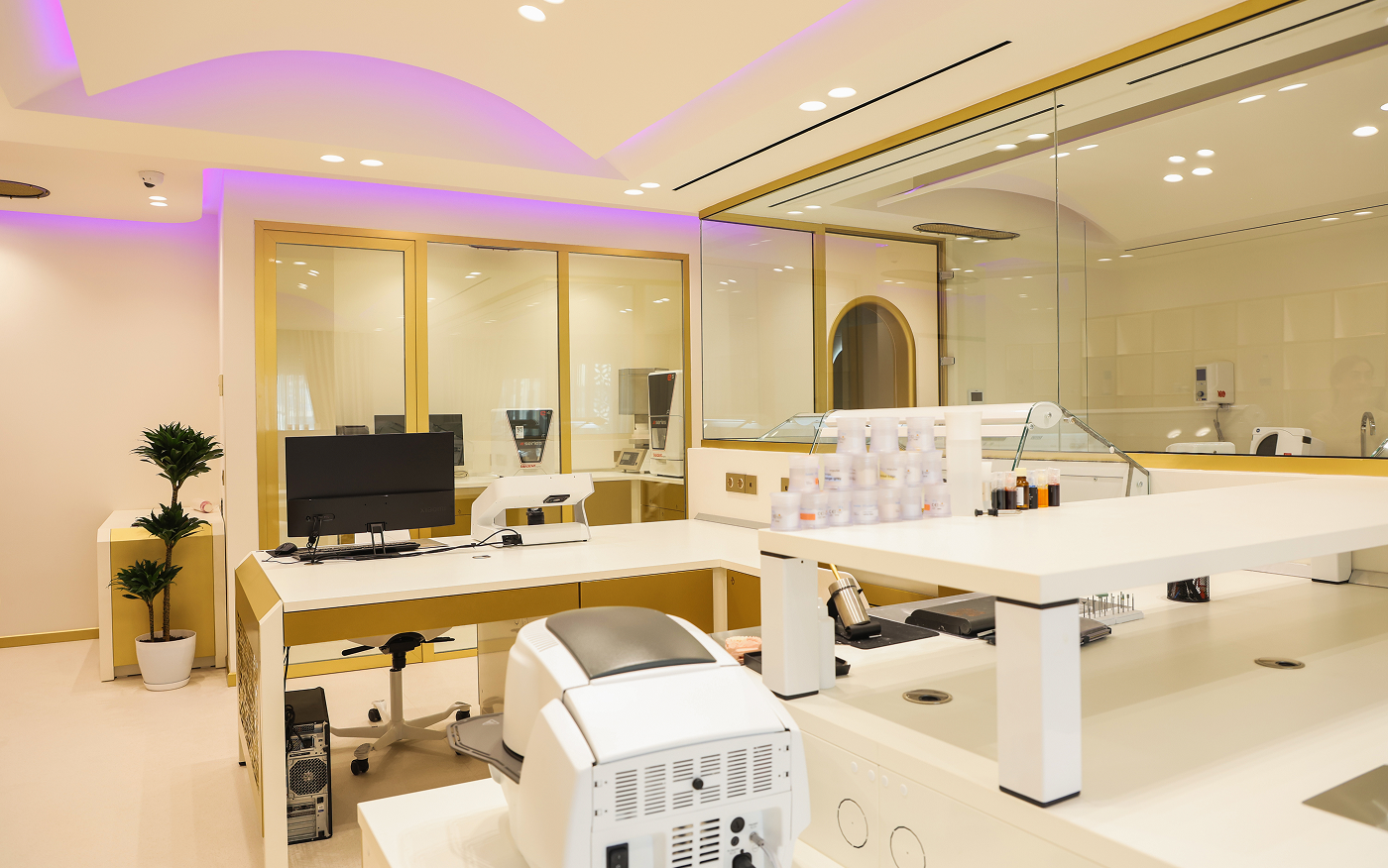
One of KEIT Dental's distinguishing features is its in-house dental laboratory, which facilitates direct collaboration between dentists and dental technicians in producing...
One of KEIT Dental's distinguishing features is its in-house dental laboratory, which facilitates direct collaboration between dentists and dental technicians in producing customised restorations. Dental impressions or digital scans allow E-max, zirconia, and porcelain-fused-to-metal crowns to be designed according to tooth shape, colour, dimensions, and occlusal relationships.
Coordination between the clinic and laboratory also supports the planning of implant-supported crowns and extensive rehabilitations using titanium bar-supported structures. Clinical try-in appointments allow the fit, contacts, aesthetics, and functionality of the restorations to be assessed, with any necessary adjustments made before final fixation.
5. Safety, sterilisation, and access to hospital infrastructure
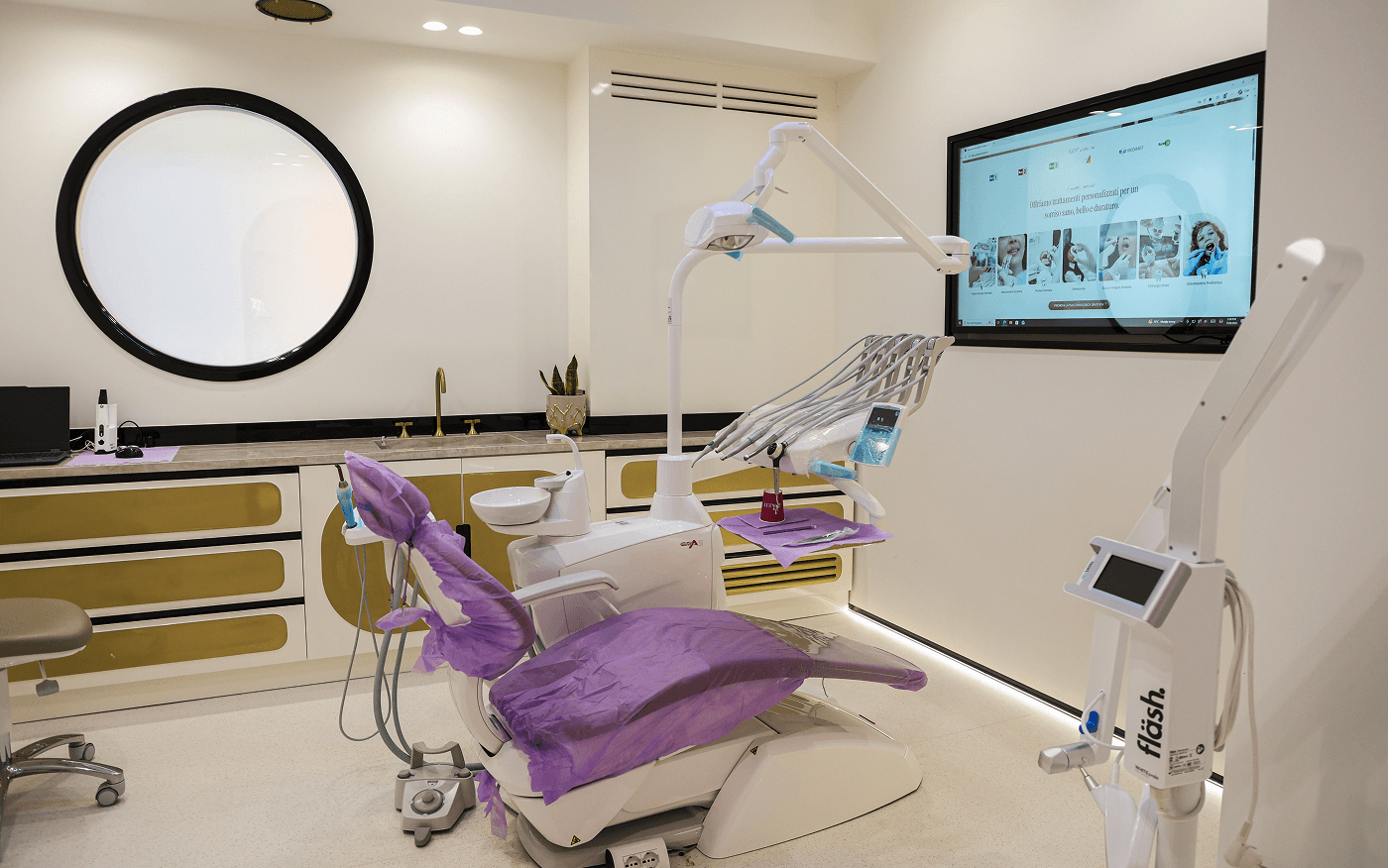
KEIT Dental follows hygiene and infection control protocols that include disinfecting treatment areas, sterilising instruments, and using disposable materials when indicated. During...
KEIT Dental follows hygiene and infection control protocols that include disinfecting treatment areas, sterilising instruments, and using disposable materials when indicated. During tooth preparation and crown placement, particular attention is paid to tissue protection, the precision of crown margins, and occlusal assessment.
Integration with KEIT Day Hospital provides additional support for managing complex dental cases. The facility has three equipped operating theatres, specialists in anaesthesia and intensive care, vital signs monitoring systems, and a postoperative resuscitation room.
Tooth preparation for dental crowns is generally performed under local anaesthesia when necessary, while try-in appointments and final crown placement often do not require anaesthesia. For complex implant or oral and maxillofacial procedures associated with prosthetic rehabilitation, general anaesthesia may be used when clinically indicated and following an appropriate anaesthetic assessment.
For cases requiring prolonged monitoring or specific postoperative care, admission to KEIT Day Hospital's inpatient wards can also be arranged. These wards are equipped with healthcare staff and monitoring systems. This integration allows the level of care to be adapted to the patient's condition and the complexity of any associated procedures.

6. Personalised care and follow-up after dental crown placement
At KEIT Dental, patient care continues after dental crown placement through personalised guidance and follow-up appointments scheduled according to clinical needs. Subsequent...
At KEIT Dental, patient care continues after dental crown placement through personalised guidance and follow-up appointments scheduled according to clinical needs. Subsequent examinations allow the dentist to assess the integrity of the restorations, the stability of occlusal contacts, and the condition of the gum tissues and any dental implants.
Patients receive guidance on oral hygiene, cleaning between the teeth, and maintaining titanium bar-supported rehabilitations. For patients with bruxism, a protective night guard may be considered. For international patients, care may continue after they return to their home country through communication with the clinic and guidance on necessary follow-up appointments.
7. Transparency, clinical documentation, and guarantee conditions
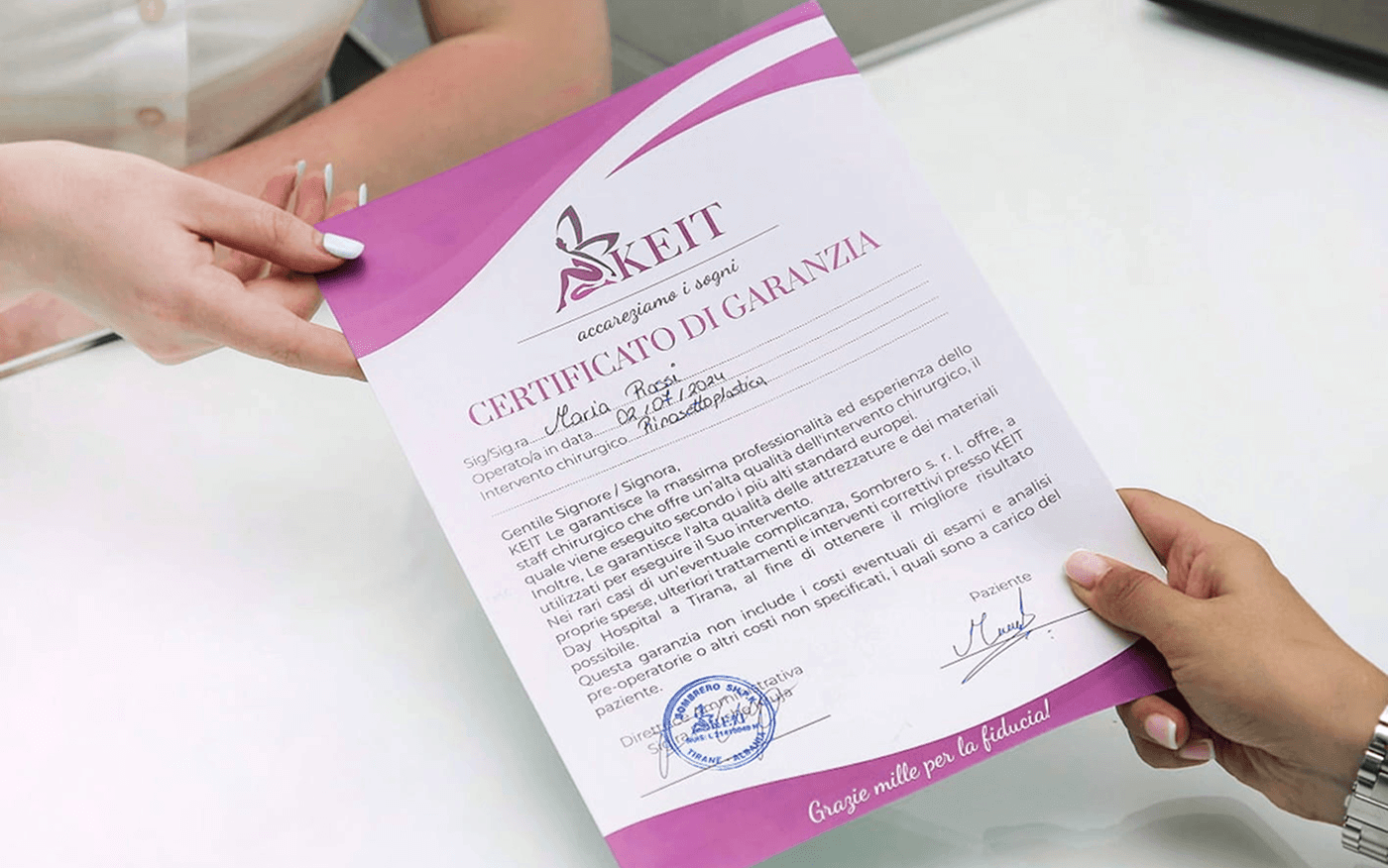
KEIT Dental places particular emphasis on treatment transparency and clinical documentation. Before dental crowns are made, patients receive information about the available...
KEIT Dental places particular emphasis on treatment transparency and clinical documentation. Before dental crowns are made, patients receive information about the available materials, alternative treatments, stages of prosthetic rehabilitation, expected benefits, and potential risks, including wear, chipping, and the possible need for replacement over time.
Clinical documentation includes diagnostic assessments, the prosthetic treatment plan, and the characteristics of the completed restorations. The informed consent form and treatment quotation also allow patients to understand the details of the treatment and its associated costs. Any applicable guarantee conditions are specified in the contractual documentation, clarifying the coverage provided, exclusions, and arrangements for assistance. The longevity of dental crowns also depends on individual clinical conditions, oral hygiene, and regular dental check-ups.
FAQ
Frequently asked questions
Is preparing a tooth for a crown painful?

Tooth preparation is normally performed under local anesthesia. Temporary sensitivity may occur after treatment, but severe or persistent pain should be evaluated by the dentist.
How long does a dental crown last?
The lifespan of a crown varies according to the condition of the tooth, the material used, oral hygiene, the bite, and the presence of bruxism. No crown can be guaranteed to last for life, but proper maintenance and regular dental checkups can support its longevity.
Is a zirconia or E-max crown better?
There is no single answer that applies to every patient. E-max may be recommended when translucency and aesthetic integration are particularly important, while zirconia may be considered when different mechanical characteristics are required. The decision depends on the position of the tooth, the available space, and the chewing load.
Can a crown be placed on a dental implant?
Yes. An implant-supported crown is connected to an implant that replaces the root of the missing tooth. It may be cemented or screw-retained, depending on the prosthetic design.
How is a titanium bar-supported restoration cleaned?
Both the external surface and the spaces beneath the prosthesis must be cleaned. Interdental brushes, specific types of floss, and other instruments recommended by the dentist or dental hygienist may be used. Professional follow-up appointments remain essential for monitoring the tissues around the implants.