 4.9 Rating | 23.000+ Procedures | Medical Experts
Table of contents:

What are dental fillings, and when are they needed?
How is a dental filling performed?
Composite dental fillings: characteristics and indications
Grade II filling for more extensive cavities
Grade III treatment involving one or more root canals
Recovery after a filling or root canal treatment
How should a filled tooth be cared for?
Why choose KEIT Dental for dental fillings?
On this page, you will learn when a dental filling is recommended, how the treatment is performed, the characteristics of composite fillings, and when Grade II or Grade III treatment involving one or more root canals may be necessary. You will also find information about recovery after treatment and how to care for the treated tooth.
 Book your FREEOnline Consultation Now

What are dental fillings, and when are they needed?
A dental filling is a restorative dentistry treatment used to repair a damaged portion of a tooth. It is performed mainly when tooth decay has caused a cavity, but it may also be recommended in the presence of small fractures, wear, or deterioration of a previous restoration. The goal is to preserve as much healthy tooth structure as possible, restore the shape of the tooth, and recover proper chewing function.
When tooth decay is still at an early stage and has not caused structural loss, it may sometimes be managed with preventive and remineralizing measures. If a cavity is already present, however, the damaged portion generally needs to be restored.
How is a dental filling performed?
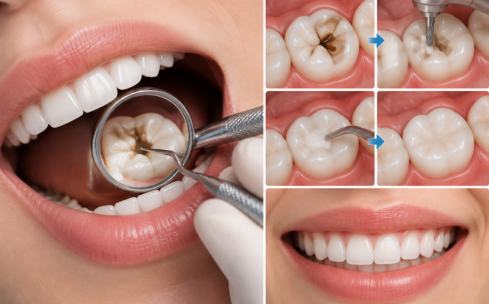
When necessary, the treatment is performed under local anesthesia. The dentist removes the tooth structure damaged by decay and prepares the cavity while trying to preserve the healthy tissue. The area is isolated to limit contact with saliva and moisture, then cleaned and prepared for placement of the restorative material.
For composite fillings, the material is applied in layers, shaped, and hardened using a specialized curing light. The dentist then restores the shape of the tooth, the contact points with the neighboring teeth, and the chewing surface. At the end of the procedure, the bite is checked, the restoration is finished and polished, and the dentist confirms that there are no excessive contacts when the mouth closes.
Composite dental fillings: characteristics and indications
Composite dental fillings are direct restorations made from a tooth-colored material. They are used to repair cavities caused by tooth decay, small fractures, or limited loss of tooth structure, with the aim of restoring shape, function, and appearance.
The composite is applied directly to the tooth, shaped, and hardened during the same appointment. The different shades available make it possible to achieve a result that blends naturally with the color of the enamel in both front and back teeth. The choice of this material depends on the extent of the cavity, the position of the tooth, the amount of healthy structure remaining, and the chewing forces involved.
Grade II filling for more extensive cavities
A Grade II dental filling is used when tooth decay affects a larger portion of the tooth and also involves one of the surfaces in contact with the neighboring teeth. It is a more complex restoration than a filling limited to the chewing surface because it must correctly restore both the side wall of the tooth and the contact point with the adjacent tooth. Treatment involves removing the damaged tissue and rebuilding the missing portion, generally with composite material. Particular attention is given to the shape of the chewing surface, the stability of the restoration, and the proper passage of dental floss between the teeth.
Grade III treatment involving one or more root canals
Grade III treatment is used for teeth affected by deep decay that has reached or compromised the dental pulp. In these cases, a simple filling is not sufficient, and root canal treatment may be necessary before the tooth is restored.
Grade III treatment involving one root canal
Treatment involving one root canal generally concerns a tooth with a single canal space that needs to be cleaned and sealed. After accessing the inside of the tooth, the dentist removes the damaged pulp tissue, prepares the canal, and fills it with specific materials. Once the endodontic phase is complete, the crown portion of the tooth is restored to reestablish function.
Grade III treatment involving two root canals
When a tooth has two root canals, both must be located, cleaned, disinfected, and sealed. The duration and complexity of treatment may increase depending on the length, curvature, and shape of the canals. After root canal treatment, the amount of remaining tooth structure is evaluated to determine the most appropriate type of final restoration.
Grade III treatment involving three root canals
Treatment involving three root canals requires each canal space to be managed separately. This anatomy is common in certain back teeth, although the actual number of canals may vary from one person to another. Proper cleaning and sealing of all identified canals is essential to reduce the presence of bacteria and protect the tooth from new contamination.
Recovery after a filling or root canal treatment
After a dental filling, patients can generally return to their normal daily activities. Mild sensitivity to cold, heat, or pressure may occur during the following days. After root canal treatment, the tooth may instead feel temporarily sensitive during chewing, especially when the tissues around the root were inflamed. These symptoms generally decrease gradually.
Before the final restoration is completed, it is advisable to avoid very hard foods and excessive pressure on the tooth. The dentist should be contacted in the event of severe or increasing pain, swelling, fever, loss of the temporary filling, difficulty closing the teeth together, or sensitivity that does not improve.
How should a filled tooth be cared for?
A filled tooth should be cleaned every day with a toothbrush, fluoride toothpaste, and interdental cleaning tools. Particular attention should be given to the margins of the restoration, where plaque and food debris may accumulate. To preserve the treatment, it is important to maintain proper oral hygiene, limit frequent consumption of sugary foods and drinks, and attend regular dental checkups. Patients should also avoid using their teeth to break objects or bite very hard materials.
Why choose KEIT Dental for dental fillings?
KEIT Dental is the dental clinic of the KEIT brand, integrated into the KEIT Day Hospital healthcare facility in Tirana, Albania, founded in 2011 by Dr Skerdilajd Faria. With over 23,000 procedures performed across the KEIT brand's various areas of activity, the facility combines specialist expertise, medical technology, safety protocols, and personalised patient care.
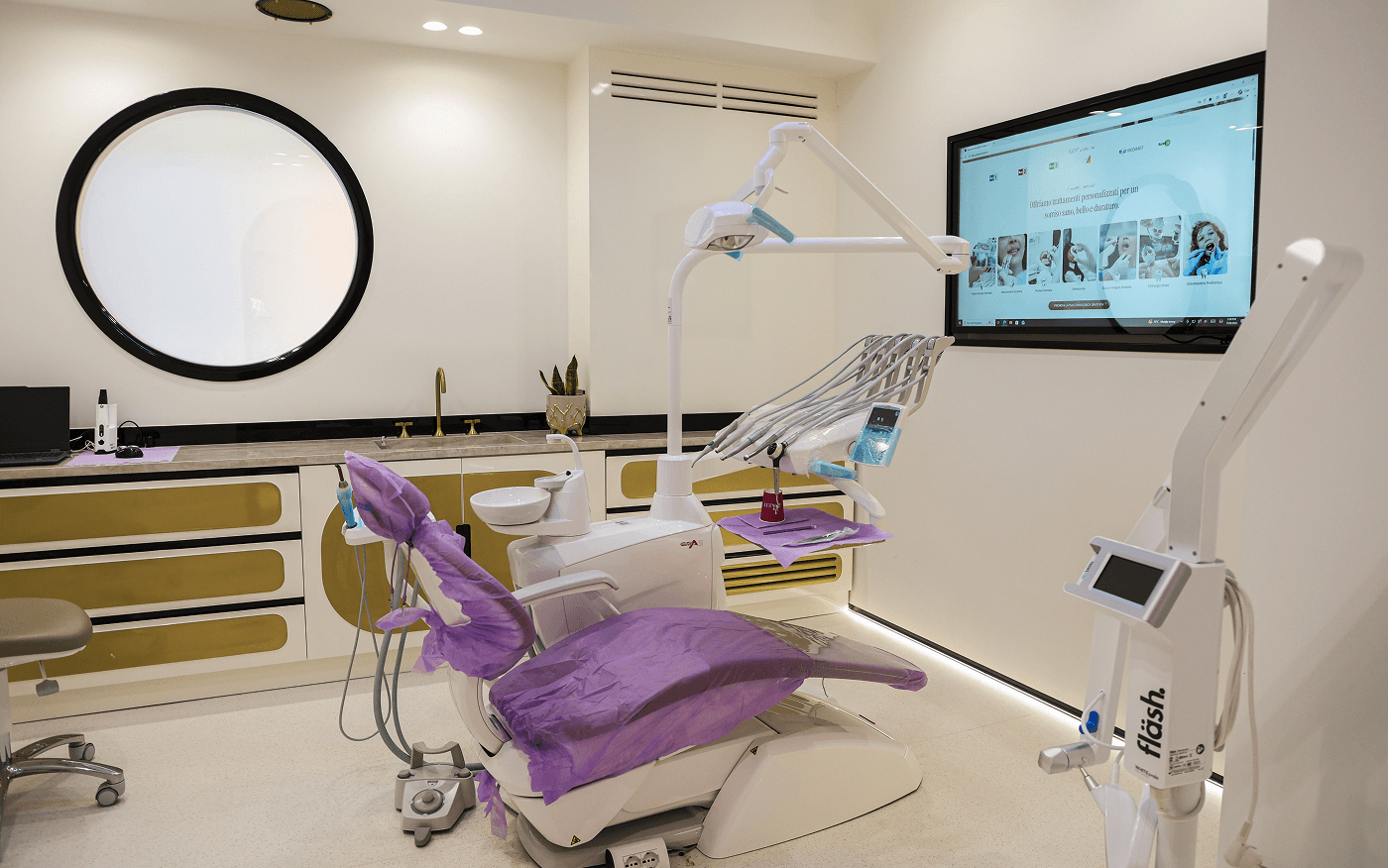
KEIT Dental has seven dental treatment rooms and an in-house dental laboratory. Its integration with KEIT Day Hospital also provides access to a multidisciplinary medical team, oral and maxillofacial surgeons, specialists in anaesthesia and intensive care, equipped operating theatres, and inpatient wards for cases requiring more complex care. For the treatment of tooth decay and the reconstruction of damaged teeth, KEIT Dental adopts a conservative approach aimed at removing affected tissue, preserving as much healthy tooth structure as possible, and restoring chewing function and the natural appearance of the smile.
1. Seven dental treatment rooms and dental filling technologies
KEIT Dental has seven treatment rooms dedicated to dental care, organised to accommodate restorative dentistry, endodontics, implantology, and prosthetic rehabilitation procedures. For...
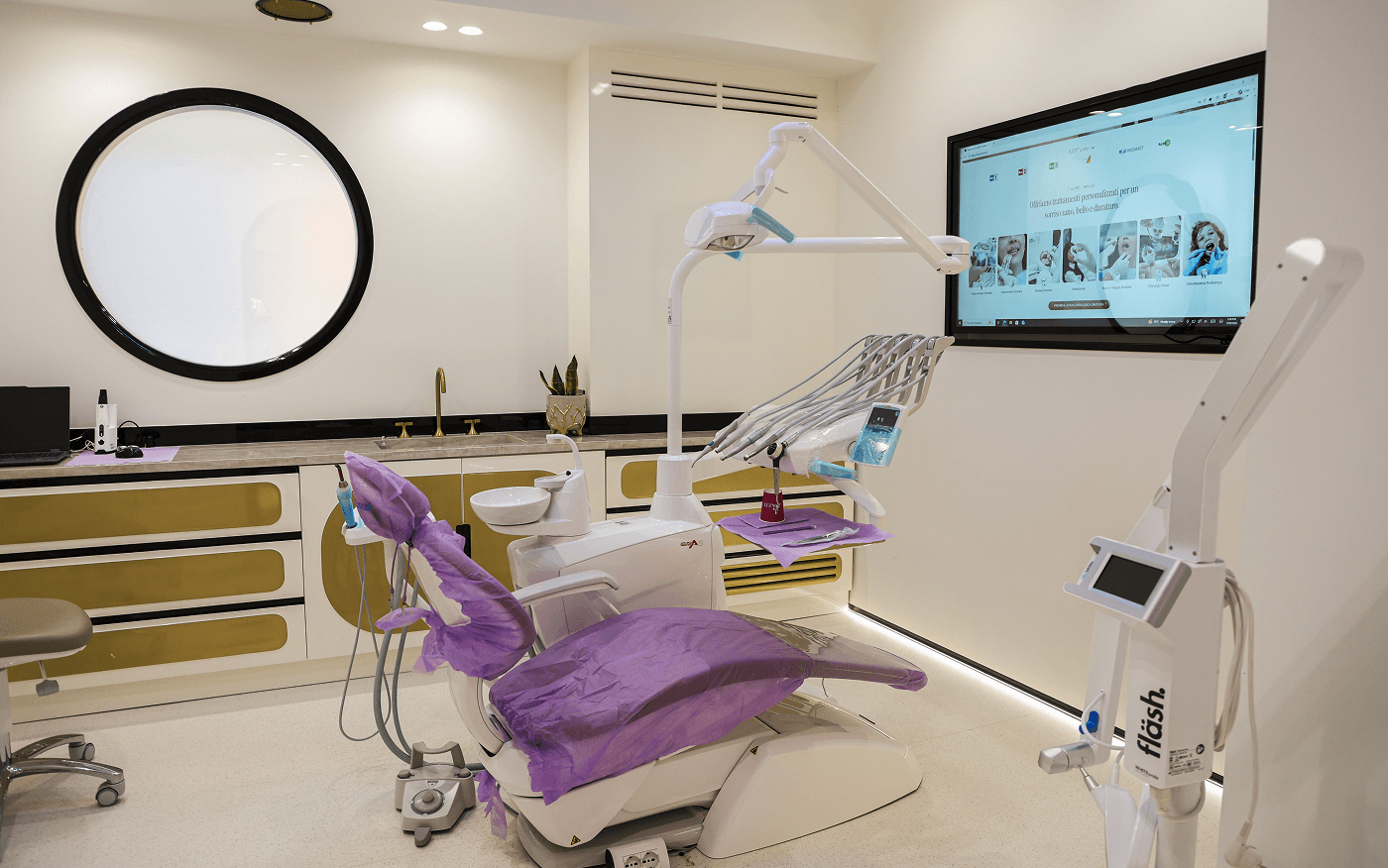
KEIT Dental has seven treatment rooms dedicated to dental care, organised to accommodate restorative dentistry, endodontics, implantology, and prosthetic rehabilitation procedures. For the treatment of tooth decay, appropriate diagnostic and restorative instruments allow the dentist to assess the extent of the lesion, identify the affected tooth surfaces, and plan the restoration while preserving healthy tissue whenever possible.
For direct fillings, composite materials and adhesive systems are selected according to the characteristics of the tooth and cavity. The composite is applied, shaped, and hardened using a light-curing lamp, with particular attention to restoring the tooth's anatomical shape, contact points, and chewing surface.
In cases of more extensive decay, such as those requiring a Class II filling, particular attention is paid to restoring the tooth walls and contact points with adjacent teeth. When decay affects the dental pulp and root canal treatment becomes necessary, specialised endodontic instruments are used to prepare, disinfect, and seal the root canals before the definitive restoration.

2. Multidisciplinary dental and medical team
One of the main advantages of KEIT Dental is its ability to combine dental expertise with the multidisciplinary medical team at KEIT...
One of the main advantages of KEIT Dental is its ability to combine dental expertise with the multidisciplinary medical team at KEIT Day Hospital. The clinic works with professionals experienced in restorative dentistry, endodontics, implantology, and dental prosthetics. In particularly complex cases, oral and maxillofacial surgeons and other medical specialists may also be involved, depending on clinical needs.
When treating deep tooth decay, collaboration between professionals allows the assessment of tooth structure, management of any pulp involvement, and subsequent reconstruction to be coordinated. When a simple filling is insufficient, treatment may include root canal therapy involving one or more canals, followed by the most appropriate restoration to protect the tooth and restore its function.
This approach makes it possible to address the patient's different needs through a coordinated treatment plan, prioritising the preservation of the natural tooth whenever clinical conditions allow.
3. Thorough diagnosis and personalised medical assessment
Before performing a dental filling, the dentist assesses the extent of the decay, the condition of the enamel and dentine, any sensitivity...
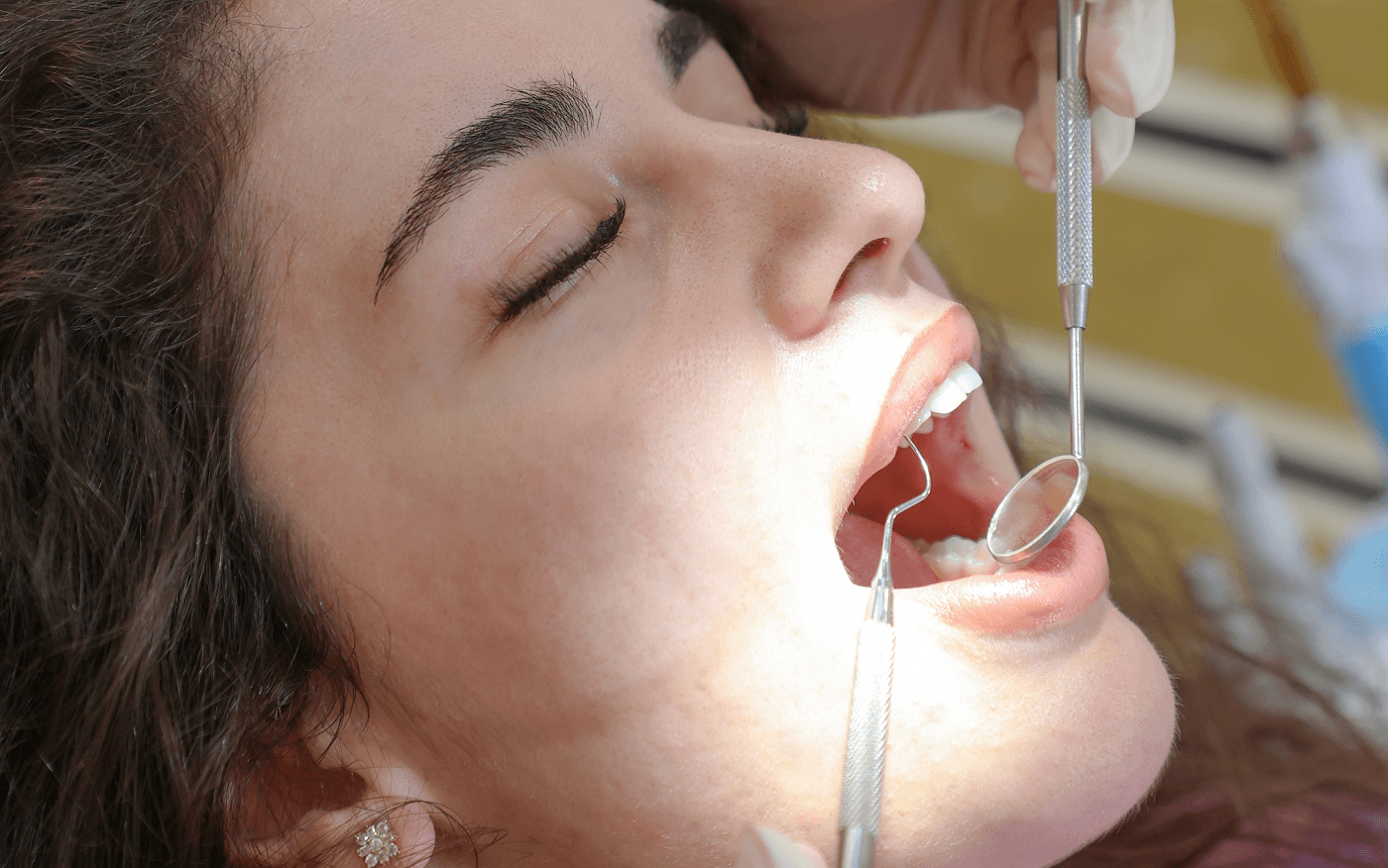
Before performing a dental filling, the dentist assesses the extent of the decay, the condition of the enamel and dentine, any sensitivity or pain, and the surrounding tissues. When indicated, radiographic examinations allow a more detailed assessment of the lesion, help identify interproximal or deep decay, and determine how close the cavity is to the dental pulp.
Particular attention is paid to the amount of remaining healthy tooth structure and the possibility of achieving a stable direct restoration. For Class II cavities, the contact surfaces with adjacent teeth and the need to reconstruct the tooth walls correctly are also assessed. When decay has affected the pulp, the diagnosis helps determine whether endodontic treatment is necessary and assess the anatomy of the root canals requiring treatment.
Thanks to its integration with KEIT Day Hospital, patients with particular medical conditions or those requiring more complex procedures may undergo assessments by anaesthetists, cardiologists, or other specialists, together with any necessary diagnostic evaluations. Treatment planning therefore considers the characteristics of the carious lesion, the possibility of preserving the tooth, and the patient's general health.
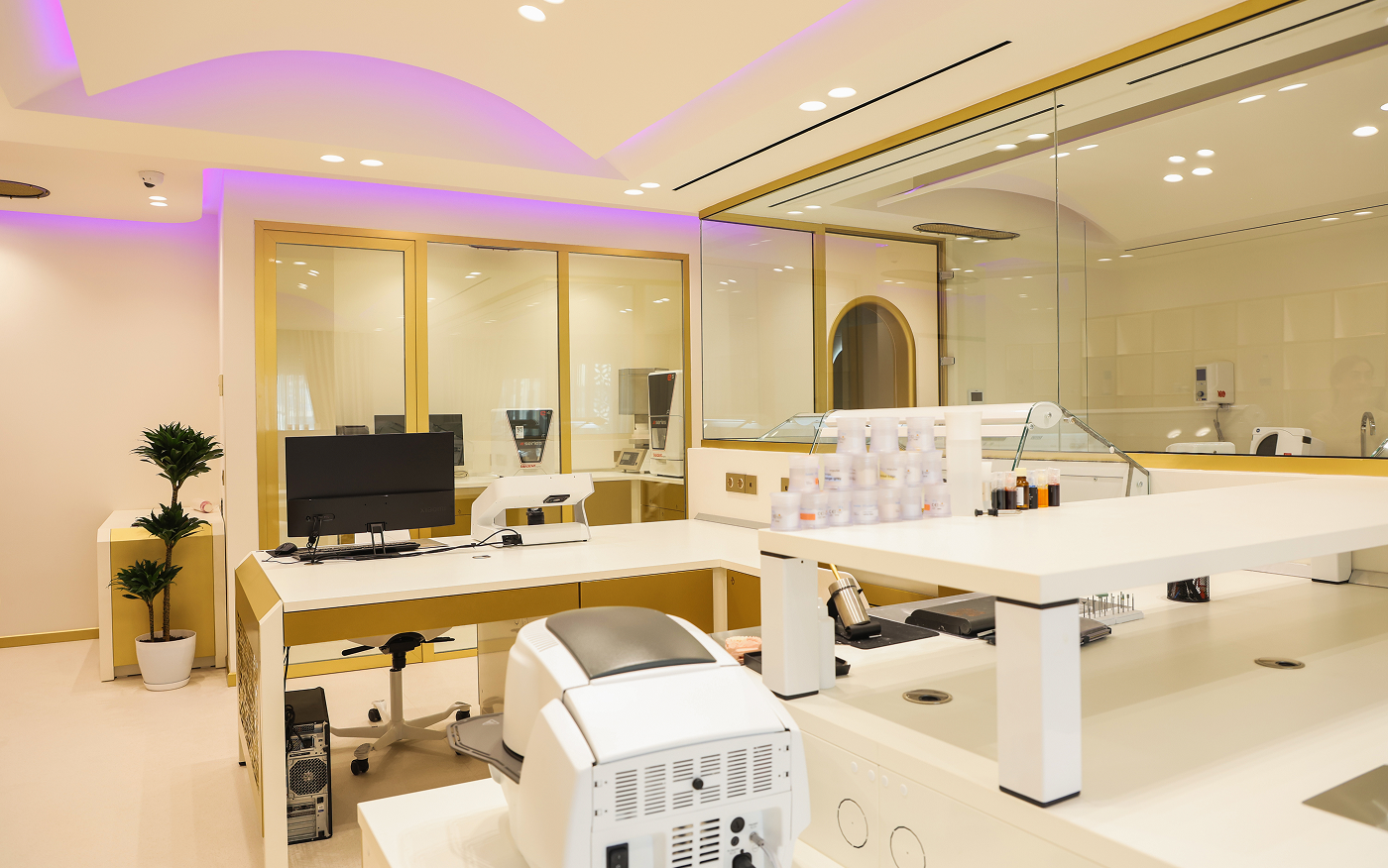
4. In-house dental laboratory and personalised dental restorations
One of KEIT Dental's distinguishing features is its in-house dental laboratory, which facilitates direct collaboration between dentists and dental technicians in producing...
One of KEIT Dental's distinguishing features is its in-house dental laboratory, which facilitates direct collaboration between dentists and dental technicians in producing restorations and prosthetic rehabilitations. Conventional composite fillings are generally placed directly by the dentist during the appointment and do not require laboratory involvement.
However, when extensive decay has damaged a significant portion of the tooth structure, or when a tooth requires more complex reconstruction after root canal treatment, an indirect restoration, such as an inlay, onlay, or crown, may be recommended. In these cases, the laboratory contributes to designing a customised restoration in terms of shape, colour, dimensions, and occlusal relationships.
Coordination between the clinic and laboratory allows clinical requirements and technical details to be shared, with particular attention to the precision of fit, restoration stability, chewing function, and aesthetic harmony with the natural teeth.
5. Safety, sterilisation, and access to hospital infrastructure
KEIT Dental follows hygiene and infection control protocols that include disinfecting treatment areas, sterilising instruments, and using disposable materials when indicated. During...
KEIT Dental follows hygiene and infection control protocols that include disinfecting treatment areas, sterilising instruments, and using disposable materials when indicated. During composite fillings, moisture control and isolation of the treatment area are important for achieving proper adhesion of the restorative material. During root canal treatment, the use of a rubber dam also helps minimise contamination from saliva and bacteria while preparing and sealing the canals.
Integration with KEIT Day Hospital provides additional support for managing complex dental cases. The facility has three equipped operating theatres, specialists in anaesthesia and intensive care, vital signs monitoring systems, and a postoperative resuscitation room.
Dental fillings and root canal treatments are generally performed under local anaesthesia when necessary. However, for more complex dental or oral and maxillofacial procedures, general anaesthesia may be used within the hospital facility when clinically indicated and following an appropriate anaesthetic assessment.
For cases requiring prolonged monitoring or specific postoperative care, admission to KEIT Day Hospital's inpatient wards can also be arranged. These wards are equipped with healthcare staff and monitoring systems. This integration allows treatment to be organised according to the level of care required by the patient's condition and the complexity of the procedure.

6. Personalised care and follow-up after dental fillings
At KEIT Dental, patient care continues after treatment through personalised guidance and follow-up appointments scheduled according to clinical needs. After a composite...
At KEIT Dental, patient care continues after treatment through personalised guidance and follow-up appointments scheduled according to clinical needs. After a composite filling, patients receive information about possible temporary sensitivity to hot or cold temperatures or pressure, appropriate oral hygiene habits, and precautions to help preserve the restoration.
Subsequent examinations allow the dentist to assess the stability of the filling, the integrity of its margins, contact points between teeth, and occlusion, identifying any signs of leakage, wear, or fracture. When root canal treatment has been performed for deep decay, additional clinical and radiographic examinations may be recommended to monitor the condition of the roots and surrounding tissues.
In complex cases, follow-up care may also involve other specialists from the KEIT team, depending on the patient's needs. For international patients, care may continue after they return to their home country through communication with the clinic and guidance on necessary follow-up appointments.

7. Transparency, clinical documentation, and guarantee conditions
KEIT Dental places particular emphasis on treatment transparency and clinical documentation. Before a dental filling, patients receive information about the extent of...
KEIT Dental places particular emphasis on treatment transparency and clinical documentation. Before a dental filling, patients receive information about the extent of the decay, the proposed procedure, the restorative materials to be used, available alternatives, and the benefits and risks of treatment. In cases of deep decay, the possible need for root canal treatment and subsequent tooth reconstruction is also explained.
Clinical documentation includes diagnostic examinations, the treatment plan, and the procedures performed. The informed consent form and treatment quotation also allow patients to understand the details of the treatment and its associated costs, distinguishing, when necessary, between direct fillings, endodontic procedures, and more complex restorations.
Any applicable guarantee conditions are specified in the contractual documentation, clarifying the coverage provided, exclusions, and arrangements for assistance. The longevity and stability of a filling also depend on the extent of the restoration, chewing forces, oral hygiene, and the individual condition of the tooth. These factors are considered during treatment planning and subsequent follow-up appointments.
FAQ
Frequently asked questions
What is the difference between a composite filling and Grade III treatment?

A composite filling restores part of the tooth without necessarily treating the pulp. Grade III treatment involves a deeper lesion that may require root canal treatment involving one or more canals before the tooth is restored.
What does treatment involving one, two, or three root canals mean?
It refers to the number of root canals that must be located, cleaned, disinfected, and sealed. The number depends on the anatomy of the tooth and does not represent three different grades of tooth decay.
How can you tell whether a cavity has reached the pulp?
Diagnosis is made through a clinical examination, sensitivity tests, and radiographs when necessary. Spontaneous pain, persistent sensitivity, and swelling may indicate pulp involvement, although some teeth may not produce obvious symptoms.
Is sensitivity after a filling normal?
Mild and temporary sensitivity may occur after treatment. If the pain increases, persists, or the treated tooth appears to make contact before the other teeth when the mouth closes, a dental checkup is necessary.
Does a root canal-treated tooth always need a crown?
No. The choice depends on the tooth involved, the amount of remaining structure, and the chewing forces. Some teeth can be restored with composite material, while more extensively damaged teeth may require an inlay, onlay, or crown.