 4.9 Rating | 23.000+ Procedures | Medical Experts
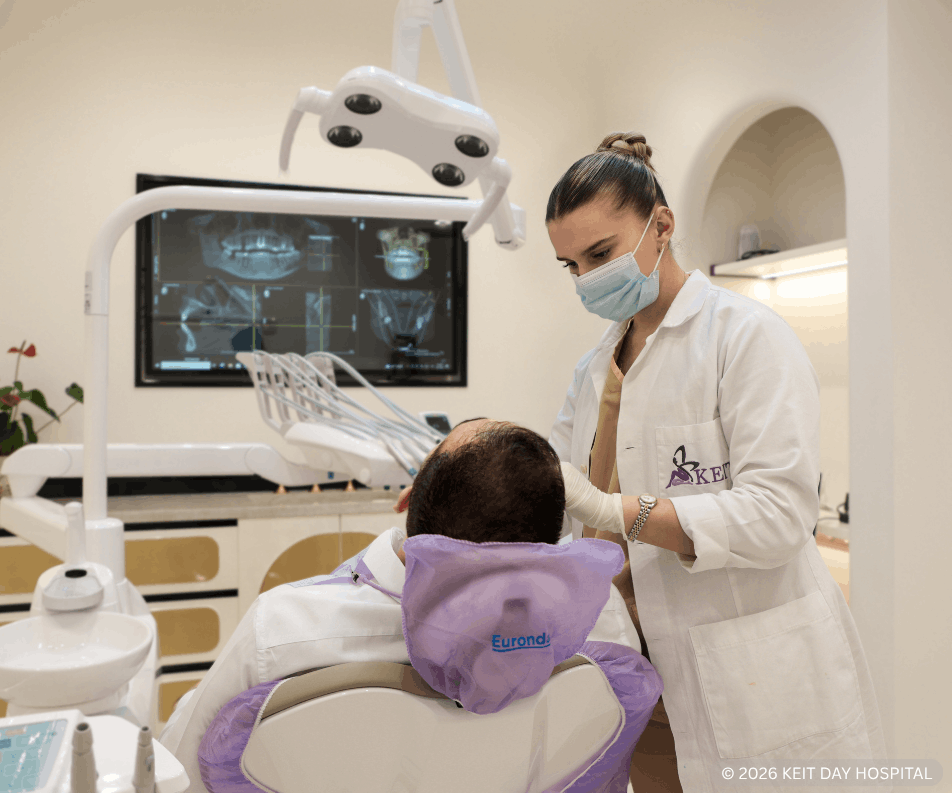
Table of contents:

What problems does professional dental cleaning help prevent?
Professional teeth cleaning: how is it performed and how long does it take?
Dental AirFlow: how does it work and when is it needed?
Fluoride treatment: how does it protect tooth enamel and who is it recommended for?
When is periodontal treatment needed instead of routine dental cleaning?
How often should you have professional dental cleaning?
What should you expect after the session?
Why choose KEIT Dental for professional dental cleaning?
In this article, we explain what professional dental cleaning helps prevent, how the procedure is performed and how long it takes, when AirFlow or fluoride treatment may be recommended, and how professional cleaning differs from teeth whitening. We also explain when periodontal treatment is necessary, how often to schedule professional dental cleaning, what to expect after the session, and why you should choose KEIT Dental.
 Book your FREEOnline Consultation Now

What problems does professional dental cleaning help prevent?
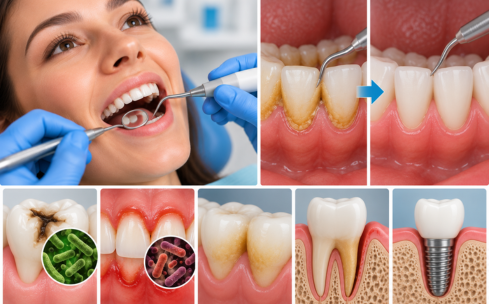
Professional dental cleaning helps control bacterial plaque, tartar, and surface stains, reducing the risk of gingivitis, tooth decay, and bad breath while helping maintain the health of the tissues that support the teeth. Removing these deposits is particularly important in areas that are difficult to reach through daily oral hygiene alone, such as interdental spaces and gum margins.
Professional cleaning also helps maintain the health of the tissues surrounding fillings, crowns, bridges, orthodontic appliances, and dental implants. However, it does not replace daily oral hygiene at home, treat existing tooth decay, or manage periodontitis on its own. In patients with periodontal disease, professional cleaning must be included in a specific treatment and maintenance programme.
Professional teeth cleaning: how is it performed and how long does it take?
Professional dental cleaning, also known as dental scaling or tartar removal, is performed using ultrasonic and manual instruments to remove plaque, tartar, and deposits from above and, when necessary, below the gumline. The session generally lasts 30–60 minutes, although the duration may vary depending on the amount of tartar, gum condition, the presence of orthodontic appliances, dental prostheses or implants, and the patient’s sensitivity.
Professional dental cleaning is normally painless, but it may cause temporary discomfort or sensitivity, particularly in patients with inflamed gums, subgingival tartar, or exposed tooth roots. In these cases, the intensity and approach of the cleaning session can be adjusted to the patient’s condition.
Dental AirFlow: how does it work and when is it needed?
Dental AirFlow uses a controlled stream of air, water, and micronised powder to remove biofilm, plaque, and surface stains. It is particularly effective at removing external stains associated with coffee, tea, red wine, tobacco, and other staining foods, improving the appearance of the teeth without changing their natural colour.
It can also be used to reach areas that are difficult to clean, including those around orthodontic appliances, dental restorations, and implants. The type of powder and treatment settings are selected according to the condition of the teeth and gums. AirFlow can also be combined with professional dental cleaning to complete the removal of biofilm and surface stains.
Fluoride treatment: how does it protect tooth enamel and who is it recommended for?
Fluoride treatment helps strengthen tooth enamel by promoting remineralisation and increasing resistance to acid attacks caused by plaque bacteria. Fluoride can be professionally applied in the form of a varnish or gel, depending on the patient’s needs.
It may be particularly recommended for patients at high risk of tooth decay or those with tooth sensitivity, orthodontic appliances, reduced saliva production, exposed tooth roots, or early changes in tooth enamel. The need for treatment and the frequency of applications are determined by the dentist or dental hygienist based on the patient’s individual risk.
When is periodontal treatment needed instead of routine dental cleaning?
Routine professional dental cleaning is not sufficient when periodontitis, deep periodontal pockets, subgingival tartar, or loss of bone support are present. Persistent bleeding, gum recession, bad breath, tooth mobility, or shifting teeth may be signs that require a periodontal assessment.
Periodontal treatment may include subgingival instrumentation or root planing, performed using manual and ultrasonic instruments, often under local anaesthesia and over several sessions. The aim is to remove deposits from the root surfaces and control inflammation of the tissues that support the teeth.
How often should you have professional dental cleaning?
Professional dental cleaning is generally scheduled every 6–12 months, but the interval should be determined based on the individual risk of tooth decay and gum disease. The frequency may depend on plaque and tartar accumulation, gum bleeding, the quality of oral hygiene at home, diet, saliva production, and general health conditions. Appointments every 3–6 months may be recommended for patients with periodontitis, dental implants, orthodontic appliances, extensive dental prostheses, diabetes, smoking habits, or difficulty controlling plaque accumulation.
What should you expect after the session?
After a professional dental cleaning session, patients can generally resume their normal activities. In the hours following the procedure, mild tooth sensitivity, gum discomfort, or slight bleeding may occur, particularly when there was significant tartar accumulation, inflammation, or exposed tooth roots.
After tartar removal, some spaces between the teeth may appear more noticeable because they were previously filled with deposits. If sensitivity occurs, it may be helpful to temporarily avoid very hot, cold, or acidic foods and drinks. After AirFlow treatment or stain removal, patients may be advised to temporarily limit coffee, tea, red wine, and smoking. Following fluoride treatment, the specific instructions provided by the dental professional should be followed.
Why choose KEIT Dental for professional dental cleaning?
KEIT Dental is the dental clinic of the KEIT brand, integrated into the KEIT Day Hospital healthcare facility in Tirana, Albania, founded in 2011 by Dr Skerdilajd Faria. With over 23,000 procedures performed across the KEIT brand's various areas of activity, the facility combines specialist expertise, medical technology, safety protocols, and personalised patient care.
KEIT Dental has seven dental treatment rooms and an in-house dental laboratory. Its integration with KEIT Day Hospital also provides access to a multidisciplinary medical team, oral and maxillofacial surgeons, specialists in anaesthesia and intensive care, equipped operating theatres, and inpatient wards for cases requiring more complex care. For professional dental cleaning, KEIT Dental adopts a preventive and personalised approach aimed at removing plaque and tartar, protecting tooth enamel, and maintaining long-term dental and gum health.
1. Seven dental treatment rooms and professional dental cleaning technologies
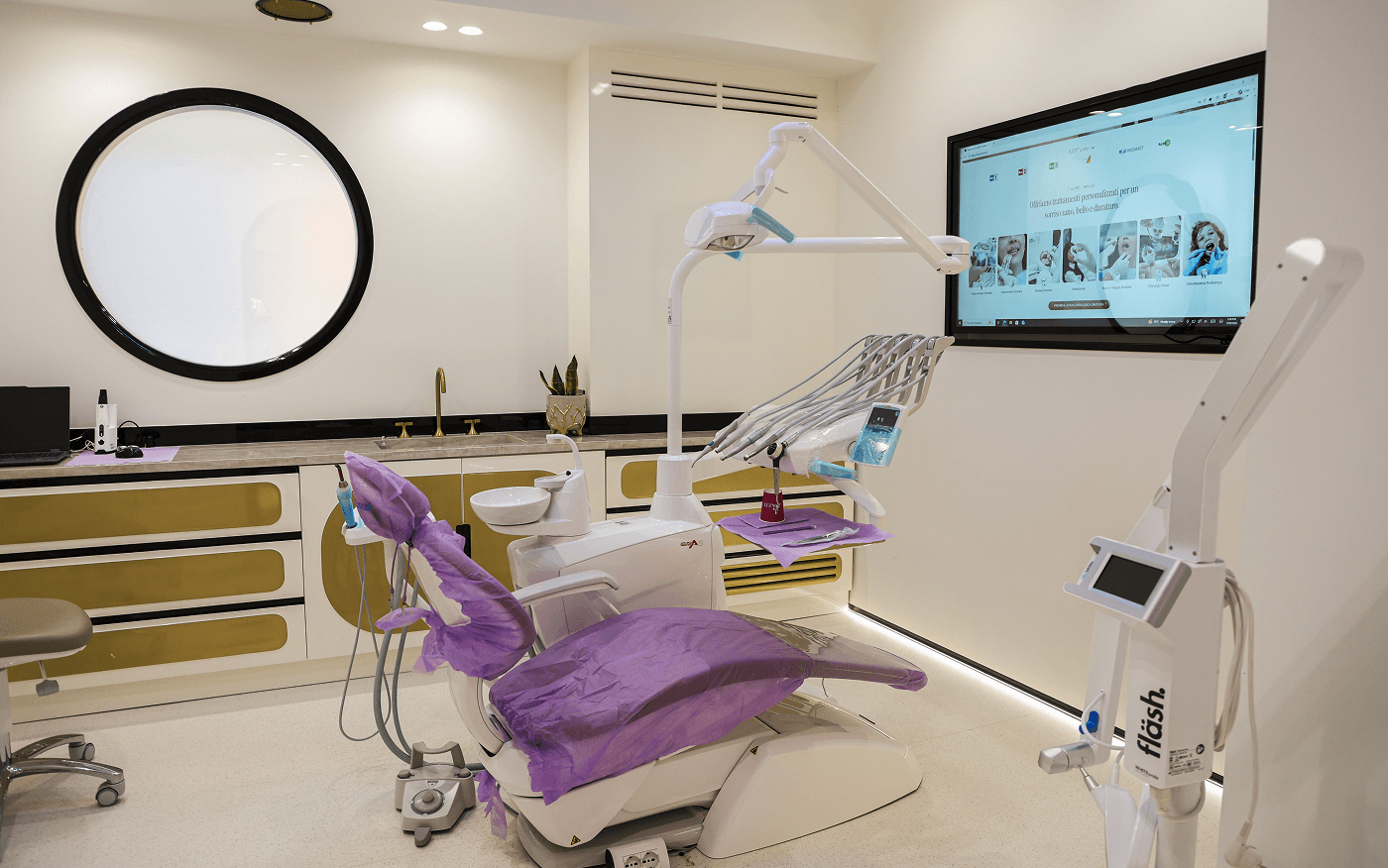
KEIT Dental has seven treatment rooms dedicated to dental care, organised to accommodate restorative dentistry, endodontics, implantology, and prosthetic rehabilitation procedures. During...
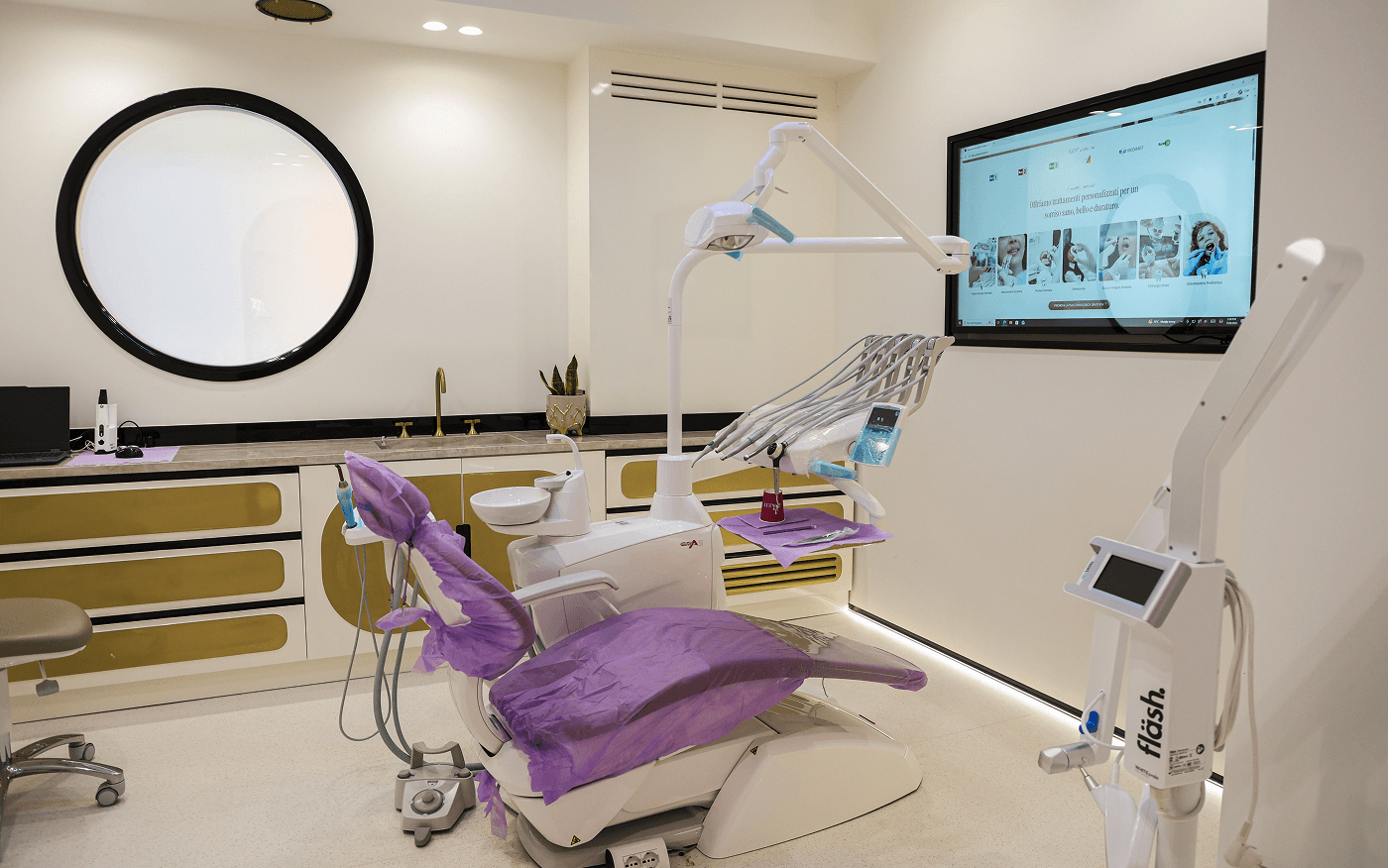
KEIT Dental has seven treatment rooms dedicated to dental care, organised to accommodate restorative dentistry, endodontics, implantology, and prosthetic rehabilitation procedures. During professional dental cleaning, manual and ultrasonic instruments are used to remove plaque and tartar from tooth surfaces and hard-to-reach areas. When indicated, treatment may also include AirFlow to remove biofilm and surface stains, as well as professional fluoride applications to help protect tooth enamel. Instruments and treatment techniques are selected according to the patient's individual oral health needs.
2. Multidisciplinary dental and medical team
One of the main advantages of KEIT Dental is its ability to combine dental expertise with the multidisciplinary medical team at KEIT...
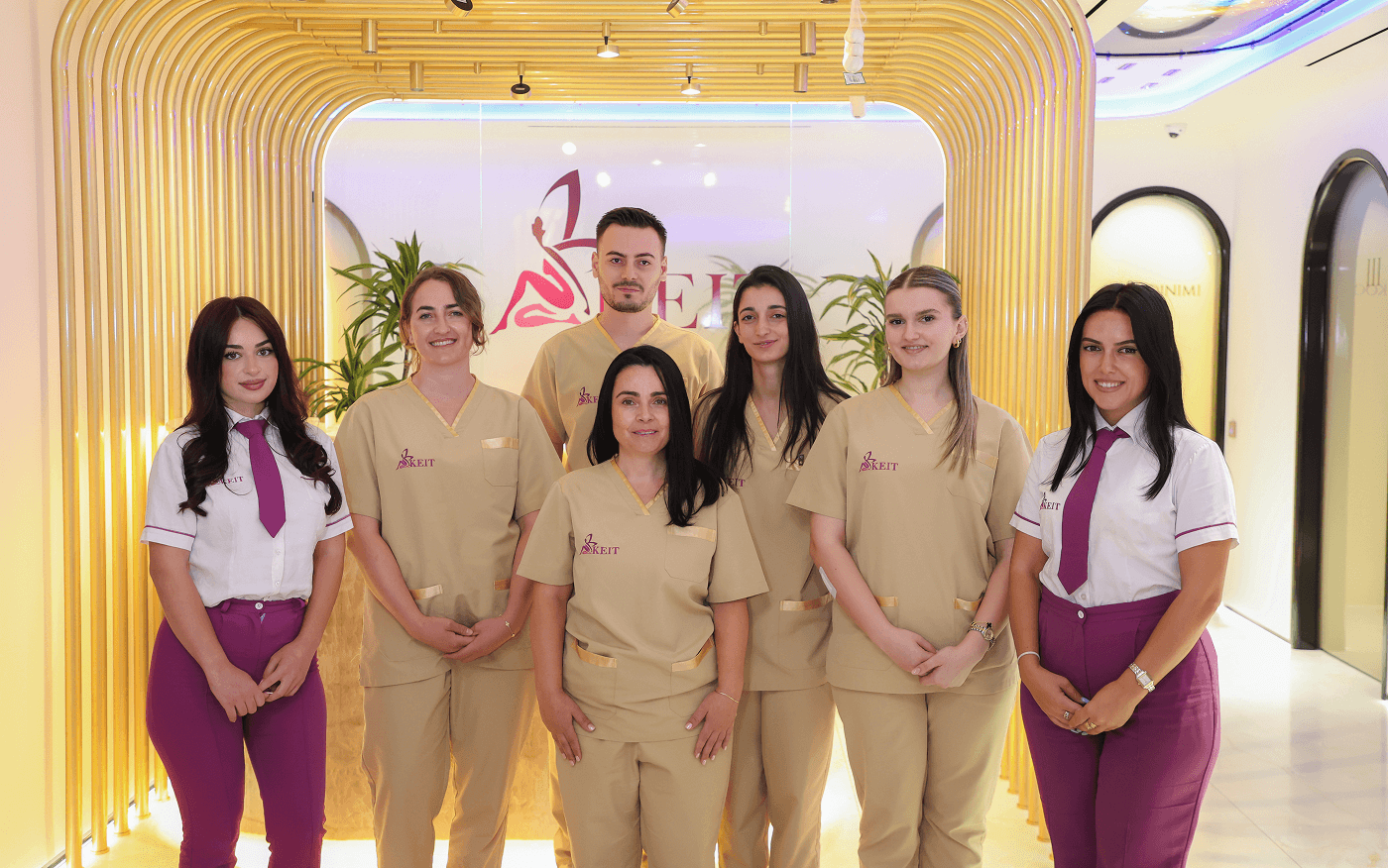
One of the main advantages of KEIT Dental is its ability to combine dental expertise with the multidisciplinary medical team at KEIT Day Hospital. The clinic works with professionals experienced in restorative dentistry, endodontics, implantology, and dental prosthetics. In particularly complex cases, oral and maxillofacial surgeons and other medical specialists may also be involved, depending on clinical needs.
During professional dental cleaning appointments, collaboration between professionals helps identify potential signs of tooth decay, gum inflammation, or problems associated with dental restorations and implants. This approach allows preventive care to be combined with specific dental treatments when necessary, through a coordinated care plan.
3. Thorough diagnosis and personalised medical assessment
Before professional dental cleaning, the dentist or dental hygienist assesses the presence of plaque, tartar, gum bleeding, tooth sensitivity, and any restorations...
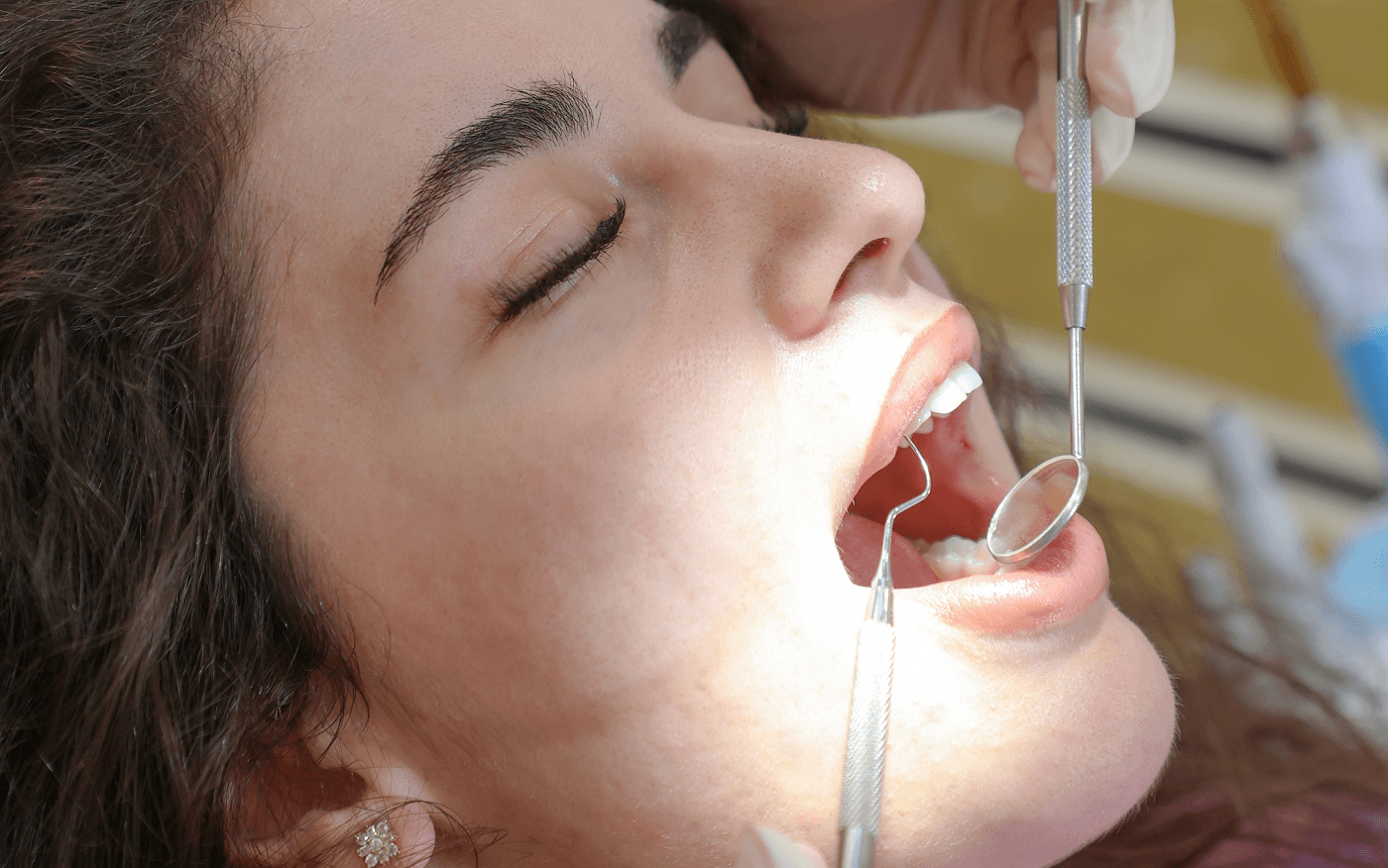
Before professional dental cleaning, the dentist or dental hygienist assesses the presence of plaque, tartar, gum bleeding, tooth sensitivity, and any restorations or implants requiring particular attention. This assessment helps determine whether AirFlow, fluoride treatment, or further periodontal evaluations are indicated, distinguishing routine professional cleaning from the treatment required for patients with periodontitis.
Thanks to its integration with KEIT Day Hospital, patients with particular medical conditions or those requiring more complex procedures may undergo assessments by anaesthetists, cardiologists, or other specialists, together with any necessary diagnostic evaluations. Treatment planning therefore considers both the condition of the oral cavity and the patient's general health.
4. In-house dental laboratory and maintenance of prosthetic restorations
One of KEIT Dental's distinguishing features is its in-house dental laboratory, which facilitates direct collaboration between dentists and dental technicians in producing...
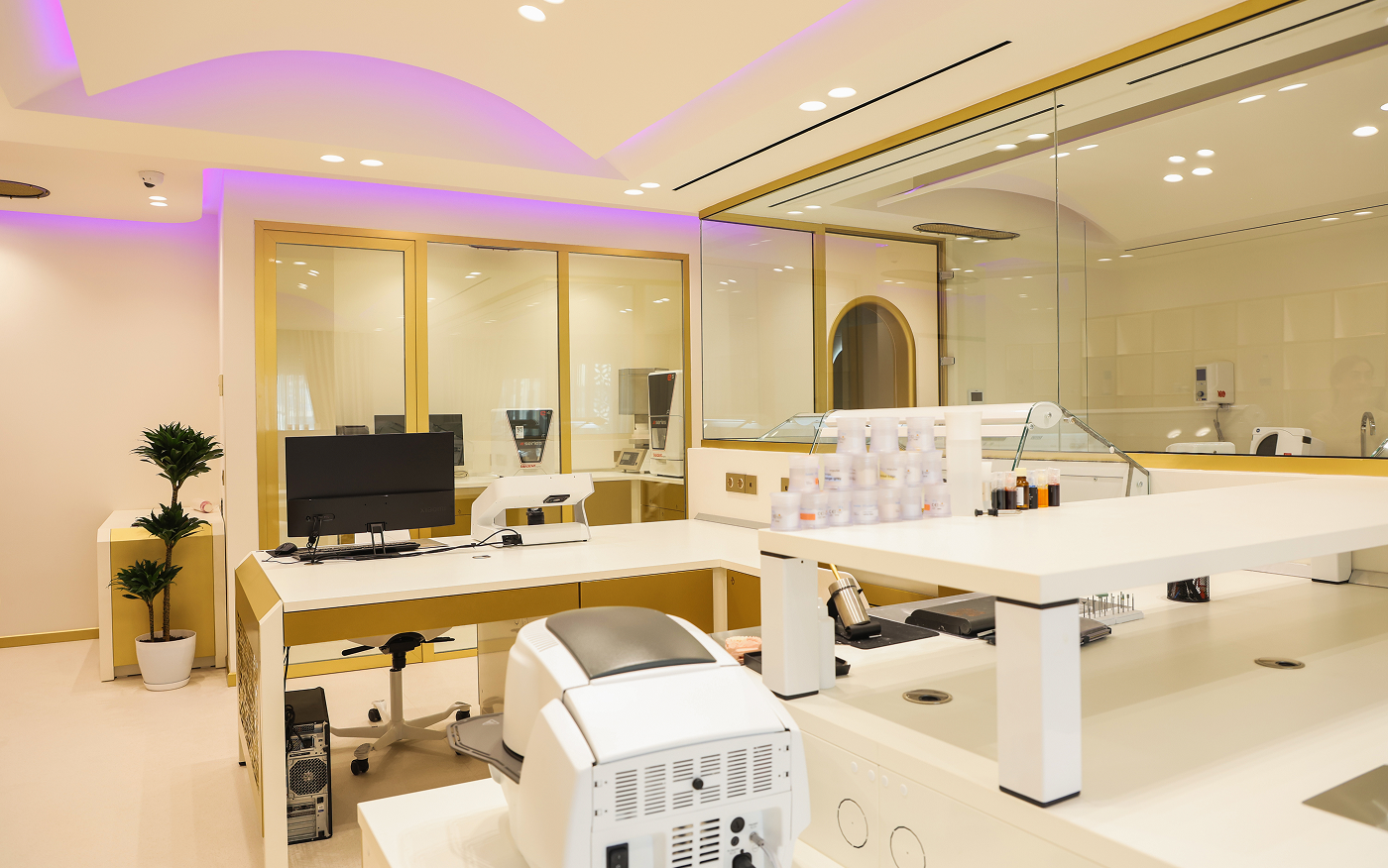
One of KEIT Dental's distinguishing features is its in-house dental laboratory, which facilitates direct collaboration between dentists and dental technicians in producing restorations and prosthetic rehabilitations. Although routine professional dental cleaning does not require laboratory involvement, patients with crowns, bridges, or implant-supported prostheses may benefit from an assessment of their restorations, particularly when daily cleaning is difficult.
Coordination between the clinic and laboratory allows any necessary adjustments to prosthetic restorations to be considered, with particular attention to the accessibility of surfaces for cleaning, restoration stability, and the health of the surrounding gum tissues.
5. Safety, sterilisation, and access to hospital infrastructure
KEIT Dental follows hygiene and infection control protocols that include disinfecting treatment areas, sterilising instruments, and using disposable materials when indicated. During...
KEIT Dental follows hygiene and infection control protocols that include disinfecting treatment areas, sterilising instruments, and using disposable materials when indicated. During professional dental cleaning, instruments and treatment techniques are selected according to tooth sensitivity, gum condition, and the presence of dental restorations or implants.
For cases requiring prolonged monitoring or specific postoperative care, admission to KEIT Day Hospital's inpatient wards can also be arranged. These wards are equipped with healthcare staff and monitoring systems. This integration allows treatment to be organised according to the level of care required by the patient's condition and the complexity of the procedure.
6. Personalised care and follow-up after treatment
At KEIT Dental, patient care continues after professional dental cleaning through personalised guidance and follow-up appointments scheduled according to clinical needs. Patients...
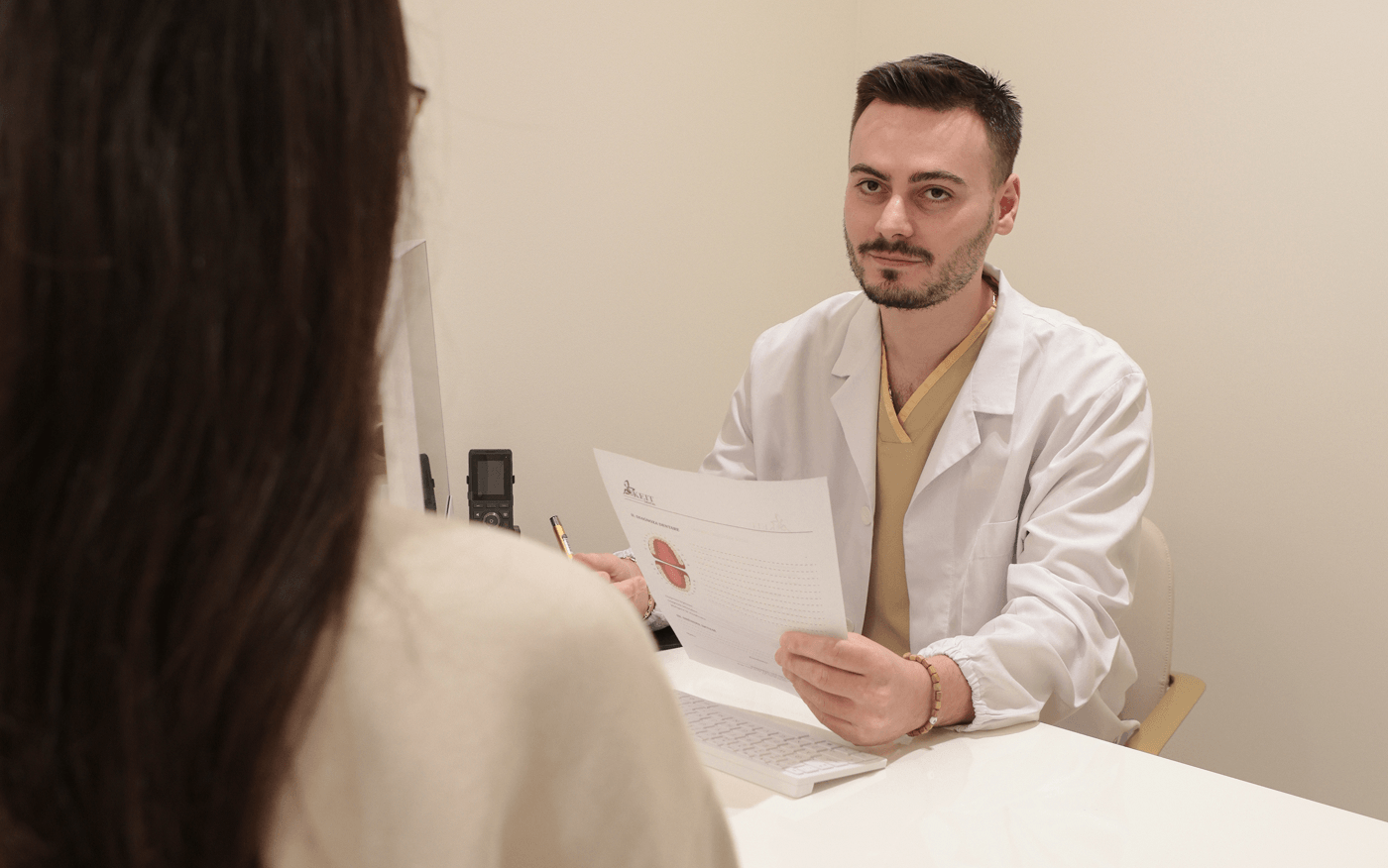
At KEIT Dental, patient care continues after professional dental cleaning through personalised guidance and follow-up appointments scheduled according to clinical needs. Patients receive recommendations on daily oral hygiene, managing any tooth sensitivity, and precautions to follow after AirFlow or fluoride treatment.
The frequency of follow-up appointments is determined according to the individual's risk of tooth decay and gum disease, generally every 6–12 months, with shorter intervals when necessary. In complex cases, care may also involve other specialists from the KEIT team. For international patients, care may continue after they return to their home country through communication with the clinic and guidance on necessary follow-up appointments.
7. Transparency, clinical documentation, and guarantee conditions
KEIT Dental places particular emphasis on treatment transparency and clinical documentation. Before the appointment, patients receive information about the proposed procedures, the...
KEIT Dental places particular emphasis on treatment transparency and clinical documentation. Before the appointment, patients receive information about the proposed procedures, the possible use of AirFlow or fluoride treatment, expected benefits, and any potential temporary discomfort.
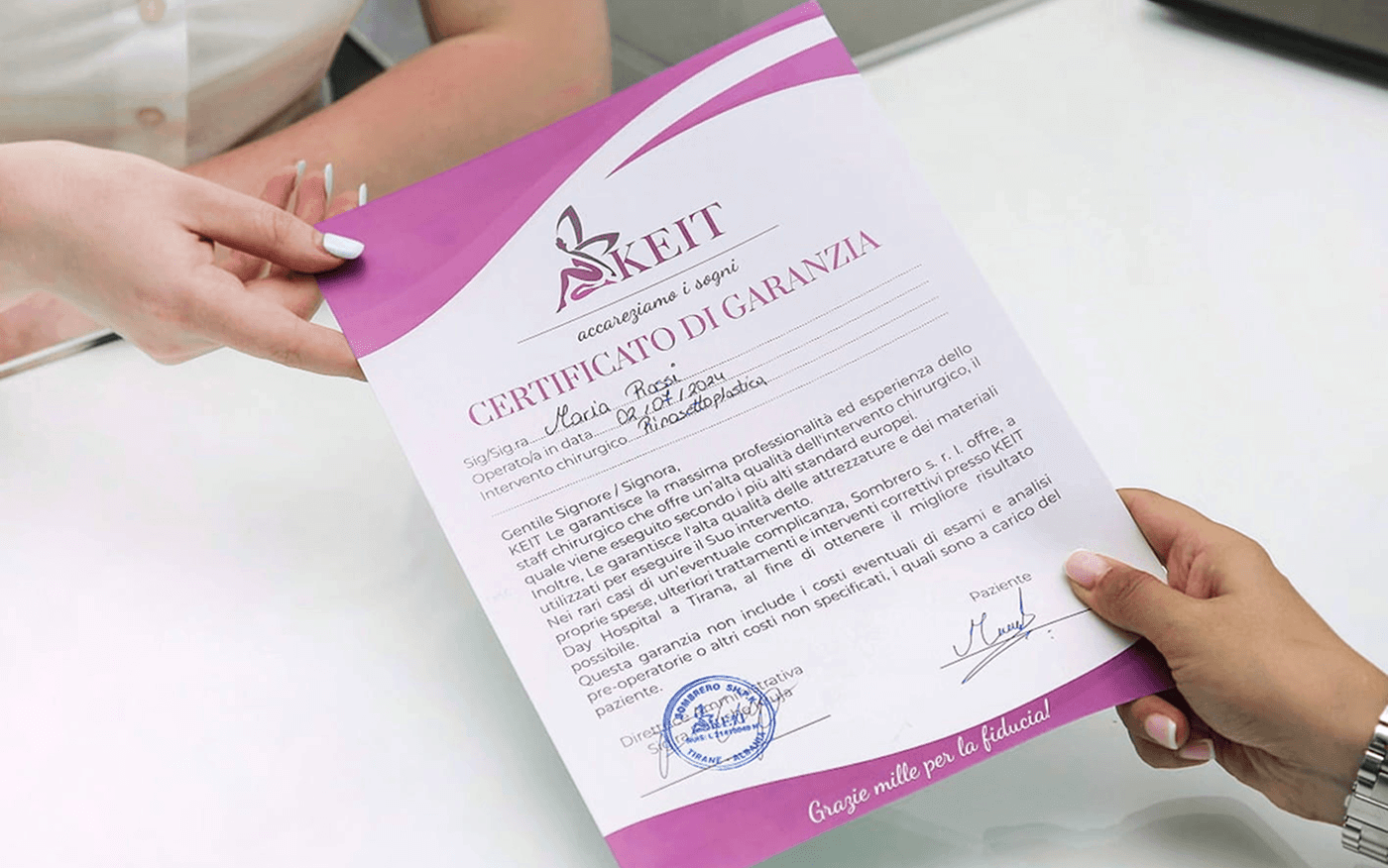
Clinical documentation includes the assessments performed, the preventive care plan, and the procedures carried out. The informed consent form, when required, and treatment quotation also allow patients to understand the details of the treatment and its associated costs. Any applicable guarantee conditions are specified in the contractual documentation, clarifying the coverage provided, exclusions, and arrangements for assistance. Maintaining treatment results also depends on daily oral hygiene, individual risk factors, and regular dental check-ups.
FAQ
Frequently asked questions
Can professional dental cleaning whiten your teeth?

Professional dental cleaning can make teeth appear visibly cleaner and brighter by removing tartar and surface stains, but it does not change the natural colour of tooth enamel. To change the shade of the teeth, a specific teeth whitening treatment is required.
Is professional dental cleaning painful if I have sensitive gums?
It may cause some discomfort, particularly in patients with inflamed gums, significant tartar accumulation, exposed tooth roots, or high tooth sensitivity. The intensity of the cleaning procedure can be adjusted to the patient’s condition to make it more tolerable.
Can professional dental cleaning be performed with orthodontic appliances or dental implants?
Yes. Professional dental cleaning is particularly important during orthodontic treatment and for patients with dental implants, as it helps remove plaque and deposits from areas that are more difficult to clean. Techniques and instruments can be adapted to accommodate orthodontic appliances, dental prostheses, and implants.
Are AirFlow and professional dental cleaning the same thing?
No. AirFlow uses a stream of air, water, and powder to remove primarily biofilm and surface stains, while professional dental cleaning also includes the mechanical removal of tartar. The two procedures can be used together when indicated.
Can professional dental cleaning be performed if your gums bleed?
Yes. Bleeding is often a sign of gum inflammation and is not, in itself, a reason to avoid professional dental cleaning. On the contrary, removing plaque and tartar and improving oral hygiene at home are essential for reducing inflammation. However, if bleeding is frequent or persistent, it is important to assess whether periodontal disease is present.