 4.9 Rating | 23.000+ Procedures | Medical Experts
Contents

What is a dental implant and what is it used for?
What types of dental implants are available?
How is a patient assessed before dental implant treatment?
How is dental implant placement planned?
What is recovery and follow-up like after dental implant surgery?
What are the risks and possible complications of dental implants?
Why choose KEIT Dental for dental implants?
In this article, we explain what a dental implant is, the differences between Straumann and Osstem implant systems, and how suitability for dental implant treatment is assessed. We also discuss how the procedure is planned, what to expect during recovery, the potential risks, and why choose KEIT Dental.
 Book your FREEOnline Consultation Now

What is a dental implant and what is it used for?
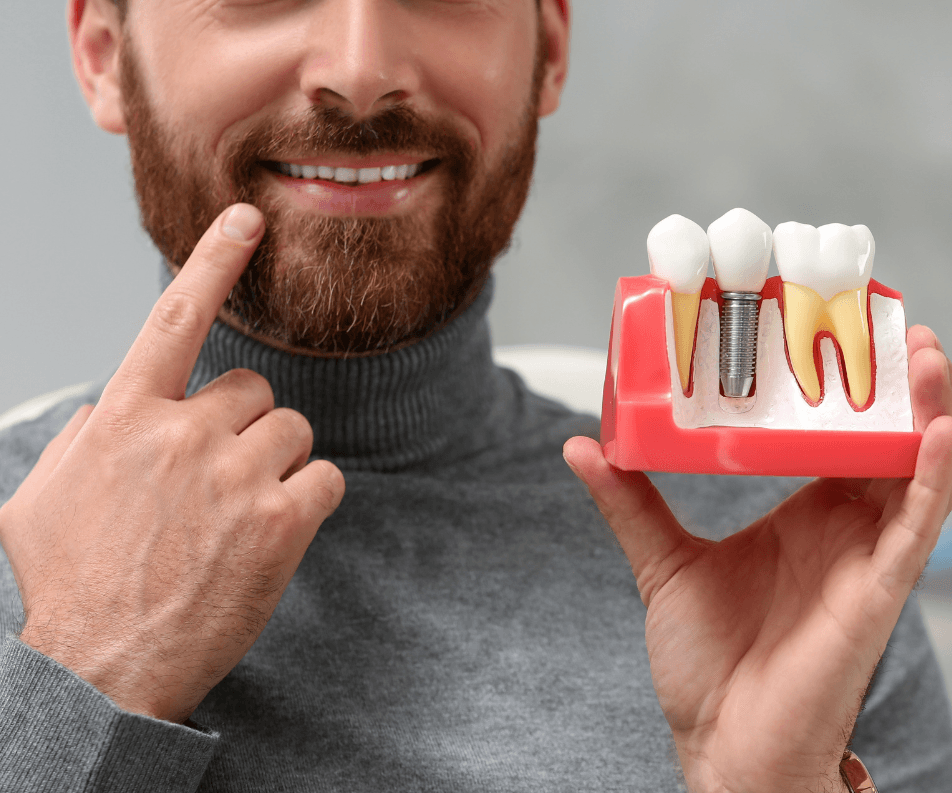
A dental implant is a device inserted into the upper or lower jawbone to replace the root of a missing tooth. It can be made of titanium or, in selected cases, zirconia, and is used to support a crown, bridge, or dental prosthesis.
An implant restores chewing function and the appearance of the smile without necessarily requiring adjacent teeth to provide support. After placement, the implant must integrate with the surrounding bone through a process called osseointegration, before the prosthetic restoration is made or completed, as specified in the treatment plan.
What types of dental implants are available?
Different dental implant systems are available, each designed with specific characteristics to accommodate different anatomical and clinical conditions. These include Straumann and Osstem, both of which offer a range of configurations for different clinical indications.
Straumann dental implants
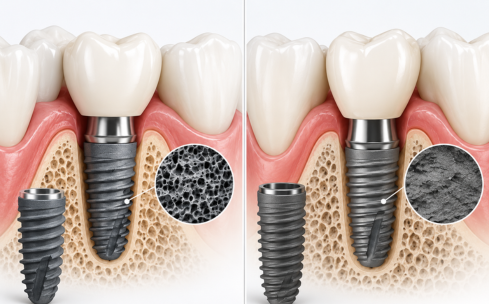
Straumann dental implants include various implant systems and surface technologies designed to promote integration with the surrounding bone and provide solutions for different clinical situations. Some models feature surfaces such as SLActive, developed to support the initial stages of osseointegration. The availability of different shapes, diameters, and lengths allows the implant system to be adapted to the amount of available bone and the position of the tooth being replaced. The specific implant is selected based on clinical assessment and surgical and prosthetic planning.
Osstem dental implants
Osstem dental implants include implant systems available in different configurations and designed to meet a range of clinical needs. Their treated surfaces are developed to promote integration between the implant and the surrounding bone, and the systems can be used for single-tooth replacements, multiple-tooth restorations, and more extensive implant treatment protocols. In this case too, the implant model and dimensions are selected according to the patient's anatomy, bone quality, and planned prosthetic restoration.
How is a patient assessed before dental implant treatment?
Before dental implant placement, the condition of the teeth, gums, bone, and bite is assessed, together with the patient's general health and any factors that may affect healing. Planning may include photographs, intraoral scanning, X-rays, and, when necessary, a CBCT scan to assess bone volume and its relationship with anatomical structures such as nerves and the maxillary sinus in three dimensions. Based on the findings, the position, number, dimensions, and type of implants are determined, and the prosthetic restoration is planned. Any infections, gum inflammation, or conditions that could compromise implant stability must also be addressed before surgery.
How is dental implant placement planned?
Dental implant placement is planned by considering the position of the tooth, bone volume, gum condition, bite, and intended prosthetic outcome. The implant position must be determined according to the future crown or prosthesis, rather than solely on the amount of available bone.
Digital planning can combine 3D radiographic images and intraoral scans to assess the implant position in relation to anatomical structures and the final restoration. When clinical conditions allow, guided surgical techniques may be used to transfer the digital plan to the surgical procedure.
What is recovery and follow-up like after dental implant surgery?
Recovery varies depending on the number of implants placed, the complexity of the procedure, and whether additional regenerative procedures are required.
First 24–72 hours:
Swelling, tenderness, mild bleeding, or discomfort may occur in the treated area. The surgeon provides instructions regarding oral hygiene, diet, and any prescribed medications.
First week:
Swelling tends to decrease gradually, while tissue healing and the condition of the surgical site are assessed. Any sutures are removed or checked according to the technique used.
Following weeks:
The tissues continue to heal as the implant undergoes osseointegration. Follow-up examinations help confirm the absence of complications and assess the progress of the treated area.
Prosthetic phase:
Once the implant has achieved adequate stability, the restoration is completed with a crown, bridge, or dental prosthesis according to the treatment plan.
Recovery times vary between patients and may be longer when bone regeneration or other associated procedures have been performed.
What are the risks and possible complications of dental implants?
Like any surgical procedure, dental implant treatment may involve postoperative effects and complications.
-
Common effects: Swelling, pain, tenderness, mild bleeding, or discomfort in the treated area may occur during the first few days after surgery and generally decrease as healing progresses.
-
Specific complications: Tissue infections, healing problems, inflammation of the tissues surrounding the implant, or difficulties maintaining proper oral hygiene in the treated area may occur.
-
Less common complications: The implant may fail to achieve or maintain adequate integration with the bone, making removal and possible subsequent replacement necessary. In the posterior lower jaw, implant placement close to a nerve may cause changes in sensation, while complications involving the maxillary sinus may occur in the upper jaw.
Why choose KEIT Dental for dental implants?
KEIT Dental is the dental clinic of the KEIT brand, integrated into the KEIT Day Hospital healthcare facility in Tirana, Albania, founded in 2011 by Dr Skerdilajd Faria. With over 23,000 procedures performed across the KEIT brand's various areas of activity, the facility combines specialist expertise, medical technology, safety protocols, and personalised patient care.
KEIT Dental has seven dental treatment rooms and an in-house dental laboratory. Its integration with KEIT Day Hospital also provides access to a multidisciplinary medical team, oral and maxillofacial surgeons, specialists in anaesthesia and intensive care, equipped operating theatres, and inpatient wards for cases requiring more complex care. For dental implant treatment, KEIT Dental adopts a personalised approach aimed at replacing missing teeth, restoring chewing function, and achieving functional and aesthetically harmonious results using Straumann and Osstem implant systems.
1. Seven dental treatment rooms and dental implant technologies
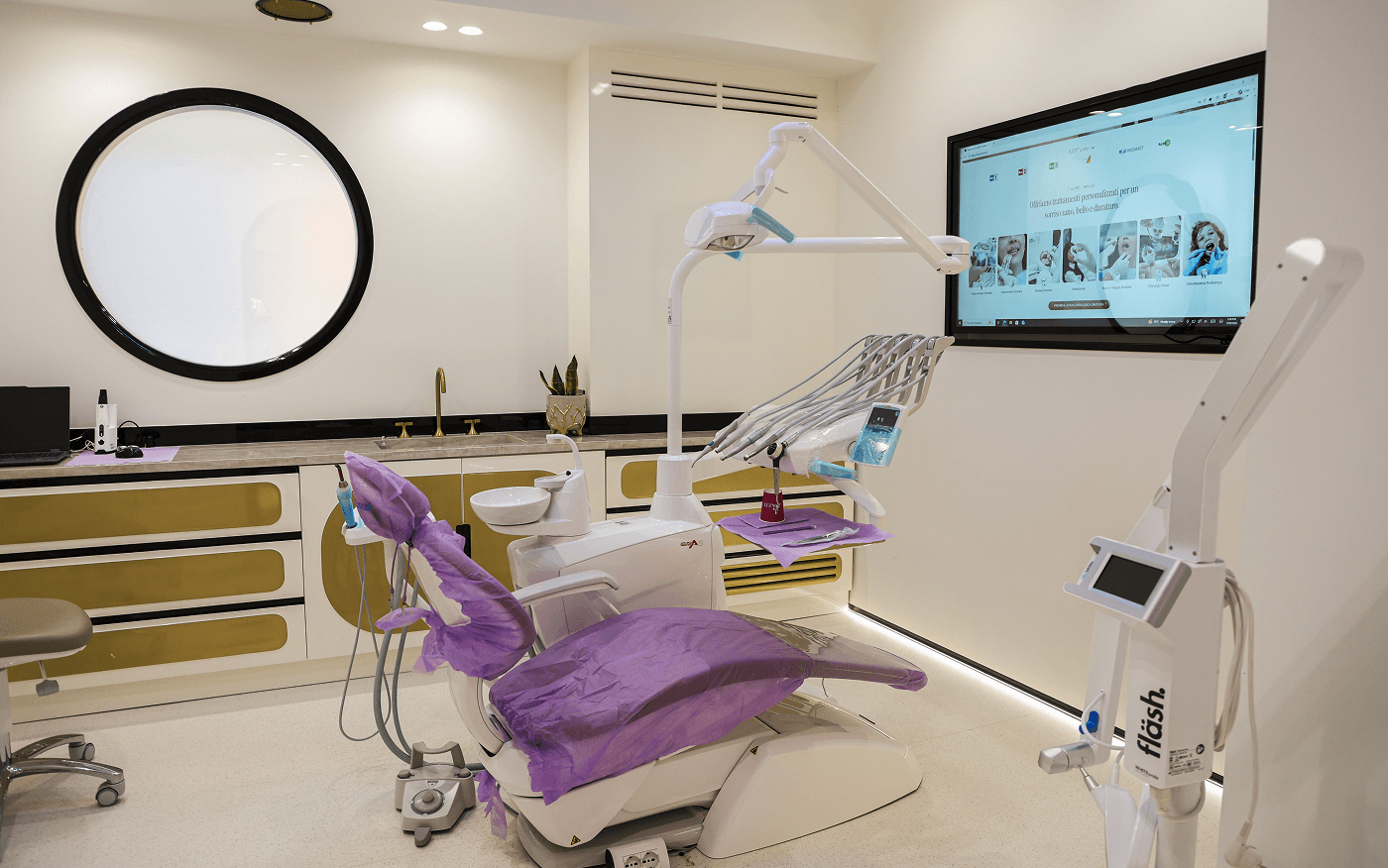
KEIT Dental has seven dental treatment rooms organised to accommodate restorative dentistry, endodontics, implantology, and prosthetic rehabilitation procedures. For dental implant treatment,...
KEIT Dental has seven dental treatment rooms organised to accommodate restorative dentistry, endodontics, implantology, and prosthetic rehabilitation procedures. For dental implant treatment, diagnostic instruments and digital technologies allow the dentist to assess bone volume, anatomical structures, and implant positioning. Treatment planning may combine intraoral scans and CBCT images when indicated, allowing implant placement to be planned according to the future prosthetic restoration. Straumann and Osstem implant systems are selected based on the patient's clinical characteristics, with particular attention to implant stability and the functionality of the final restoration.
2. Multidisciplinary dental and medical team
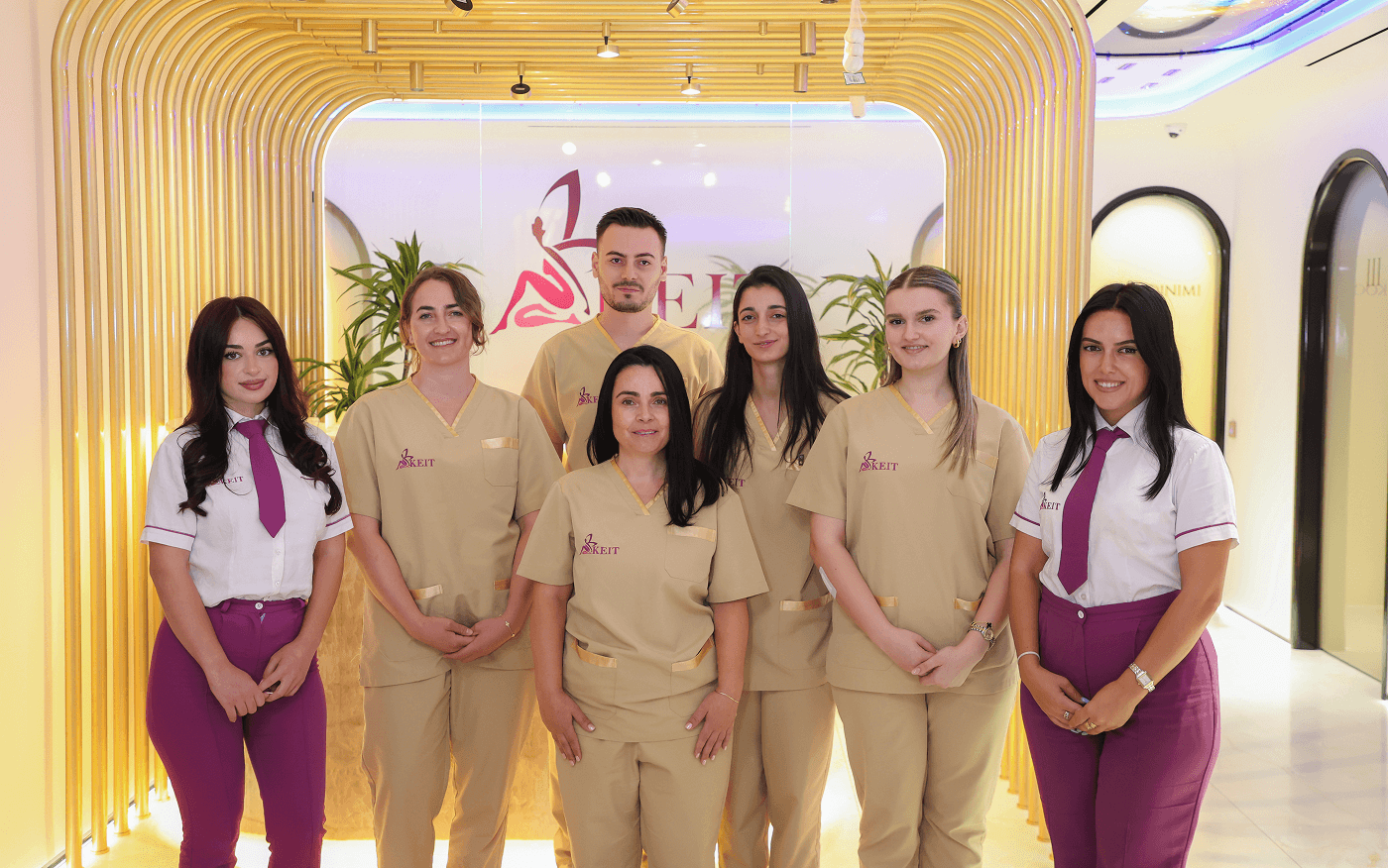
One of the main advantages of KEIT Dental is its ability to combine dental expertise with the multidisciplinary medical team at KEIT...
One of the main advantages of KEIT Dental is its ability to combine dental expertise with the multidisciplinary medical team at KEIT Day Hospital. The clinic works with professionals experienced in implantology, oral surgery, restorative dentistry, and dental prosthetics. In particularly complex cases, oral and maxillofacial surgeons and other medical specialists may also be involved, depending on clinical needs.
For complex implant-supported rehabilitations, collaboration between professionals allows bone assessment, implant placement, and subsequent prosthetic restoration to be coordinated. This approach also makes it possible to address any need for bone regeneration or complementary treatments through a coordinated treatment plan.
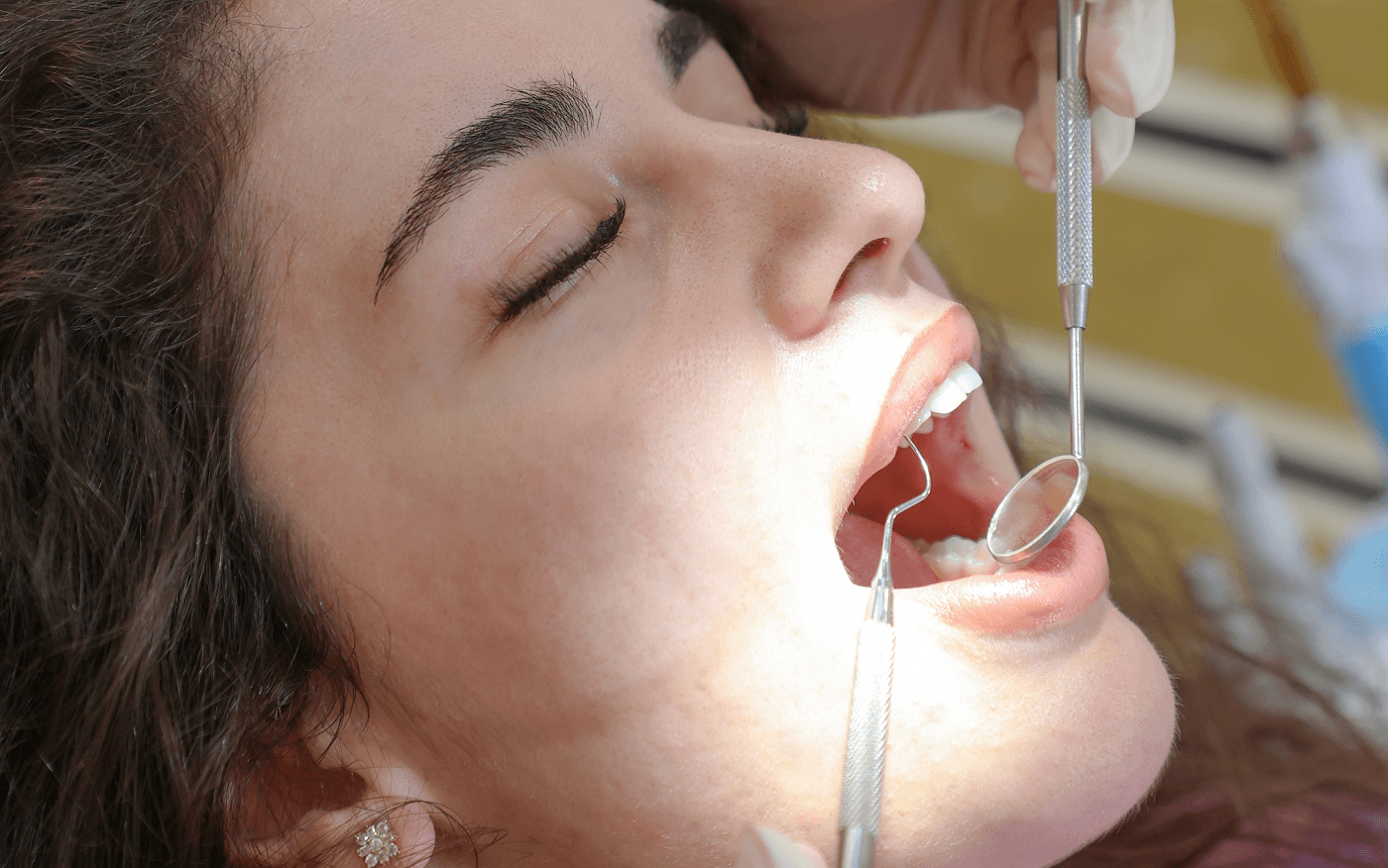
3. Thorough diagnosis and personalised medical assessment
Before dental implant placement, the dentist assesses the condition of the teeth, gums, bone, and occlusion, using X-rays, digital scans, and CBCT...
Before dental implant placement, the dentist assesses the condition of the teeth, gums, bone, and occlusion, using X-rays, digital scans, and CBCT imaging when indicated. Particular attention is paid to bone volume and quality, the presence of infections or periodontal disease, and the relationship with anatomical structures such as nerves and the maxillary sinus. This information helps determine the number, position, and type of implants, as well as whether any bone regeneration procedures are necessary.
Thanks to its integration with KEIT Day Hospital, patients with particular medical conditions or those requiring more complex procedures may undergo assessments by anaesthetists, cardiologists, or other specialists, together with any necessary diagnostic evaluations. Treatment planning therefore considers both the patient's implant treatment needs and general health.
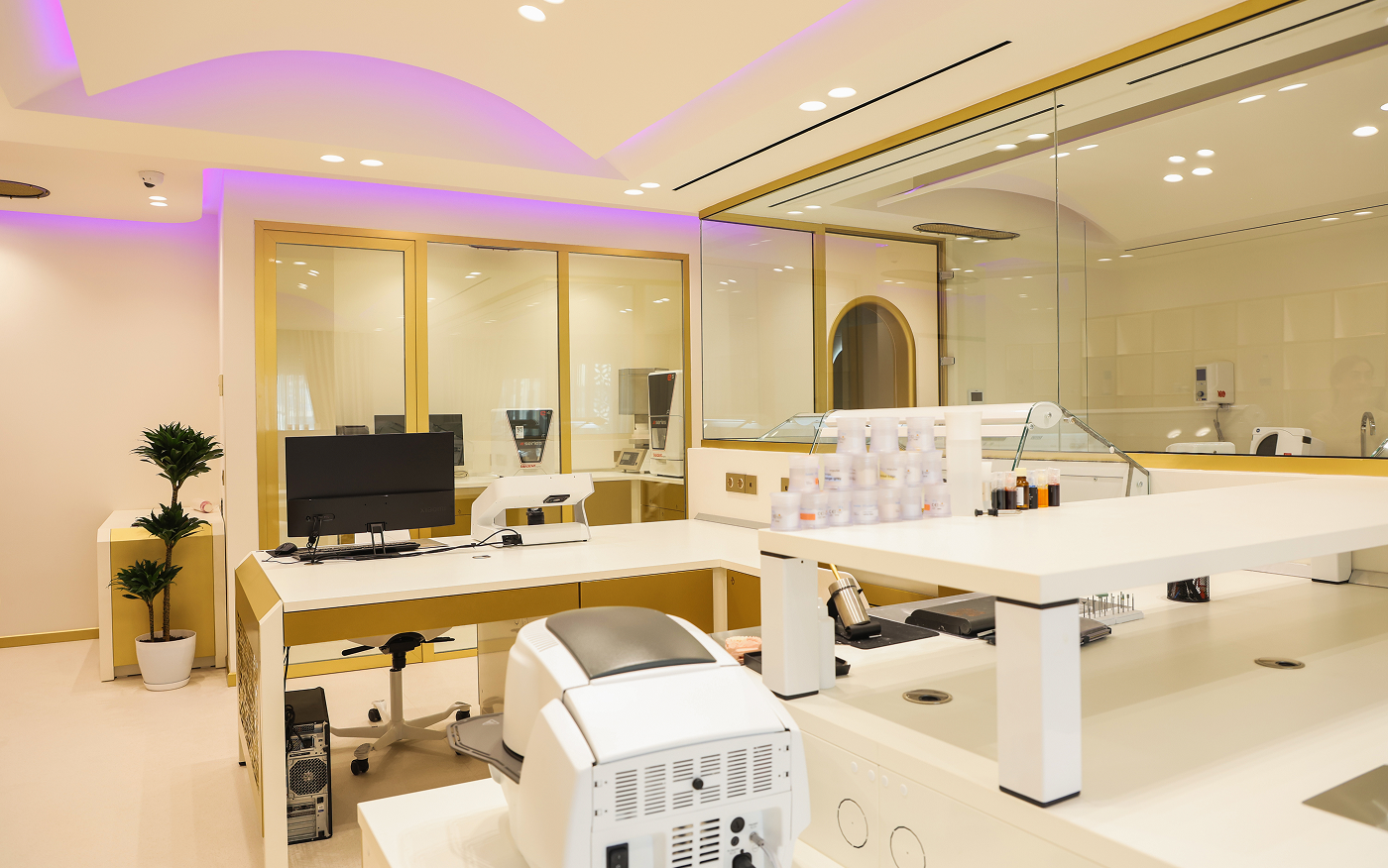
4. In-house dental laboratory and customised implant-supported prostheses
One of KEIT Dental's distinguishing features is its in-house dental laboratory, which facilitates direct collaboration between dentists and dental technicians in producing...
One of KEIT Dental's distinguishing features is its in-house dental laboratory, which facilitates direct collaboration between dentists and dental technicians in producing restorations and prosthetic rehabilitations. For dental implant treatment, conventional impressions or digital scans allow crowns, bridges, and implant-supported prostheses to be designed according to implant positioning and the patient's anatomical characteristics.
Coordination between the clinic and laboratory allows clinical requirements and technical details to be shared, with particular attention to the precision of fit, distribution of chewing forces, and aesthetic harmony of the final restoration.
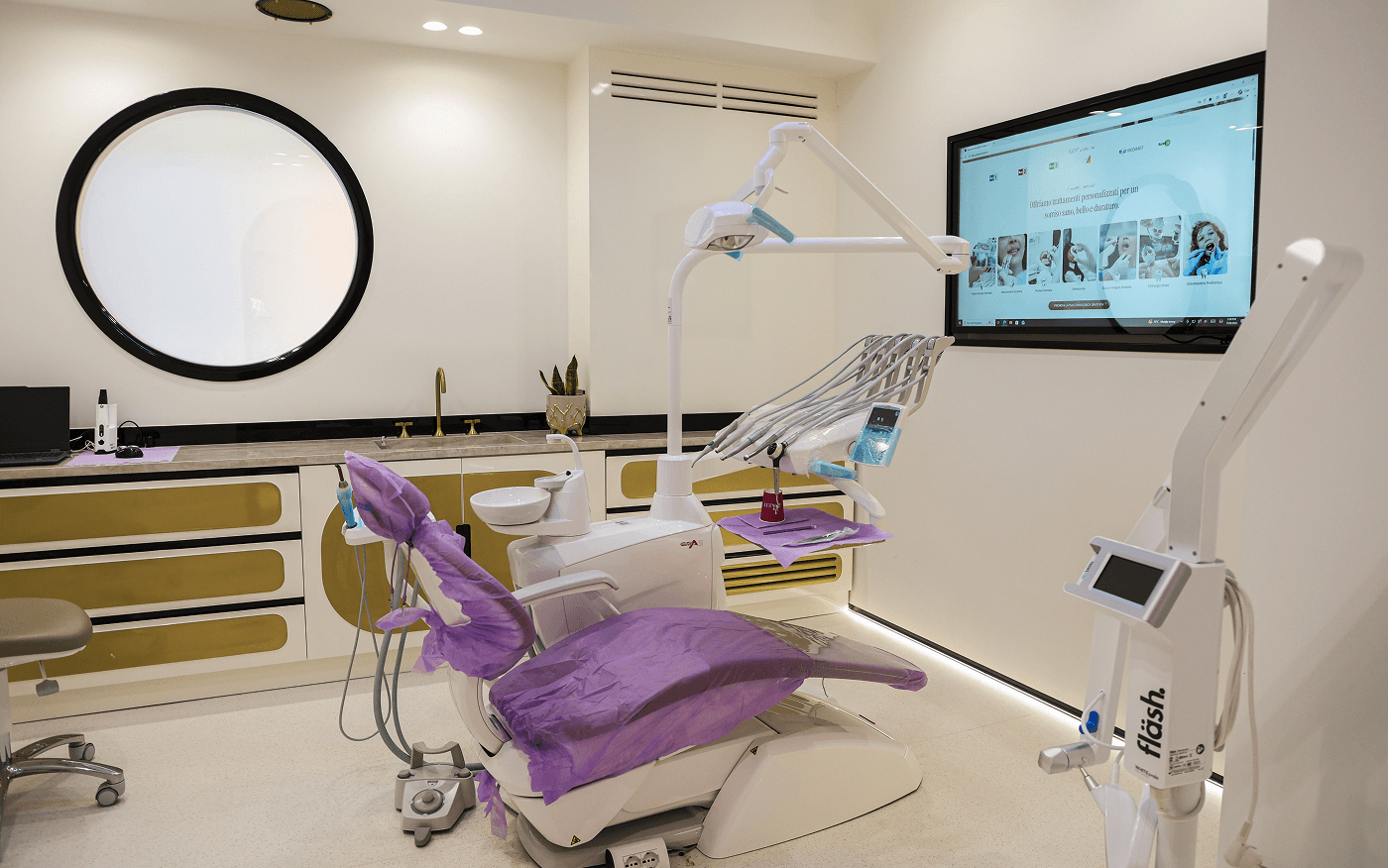
5. Safety, sterilisation, and access to hospital infrastructure
KEIT Dental follows hygiene and infection control protocols that include disinfecting treatment areas, sterilising instruments, and using disposable materials when indicated. During...
KEIT Dental follows hygiene and infection control protocols that include disinfecting treatment areas, sterilising instruments, and using disposable materials when indicated. During dental implant surgery, particular attention is paid to preparing the surgical field, managing the tissues, and monitoring the patient's clinical condition.
Integration with KEIT Day Hospital provides additional support for managing complex dental implant cases. The facility has three equipped operating theatres, specialists in anaesthesia and intensive care, vital signs monitoring systems, and a postoperative resuscitation room.
Dental implant placement is generally performed under local anaesthesia. However, for more complex implant or oral and maxillofacial procedures, general anaesthesia may be used within the hospital facility when clinically indicated and following an appropriate anaesthetic assessment.
For cases requiring prolonged monitoring or specific postoperative care, admission to KEIT Day Hospital's inpatient wards can also be arranged. These wards are equipped with healthcare staff and monitoring systems. This integration allows treatment to be organised according to the level of care required by the patient's condition and the complexity of the procedure.
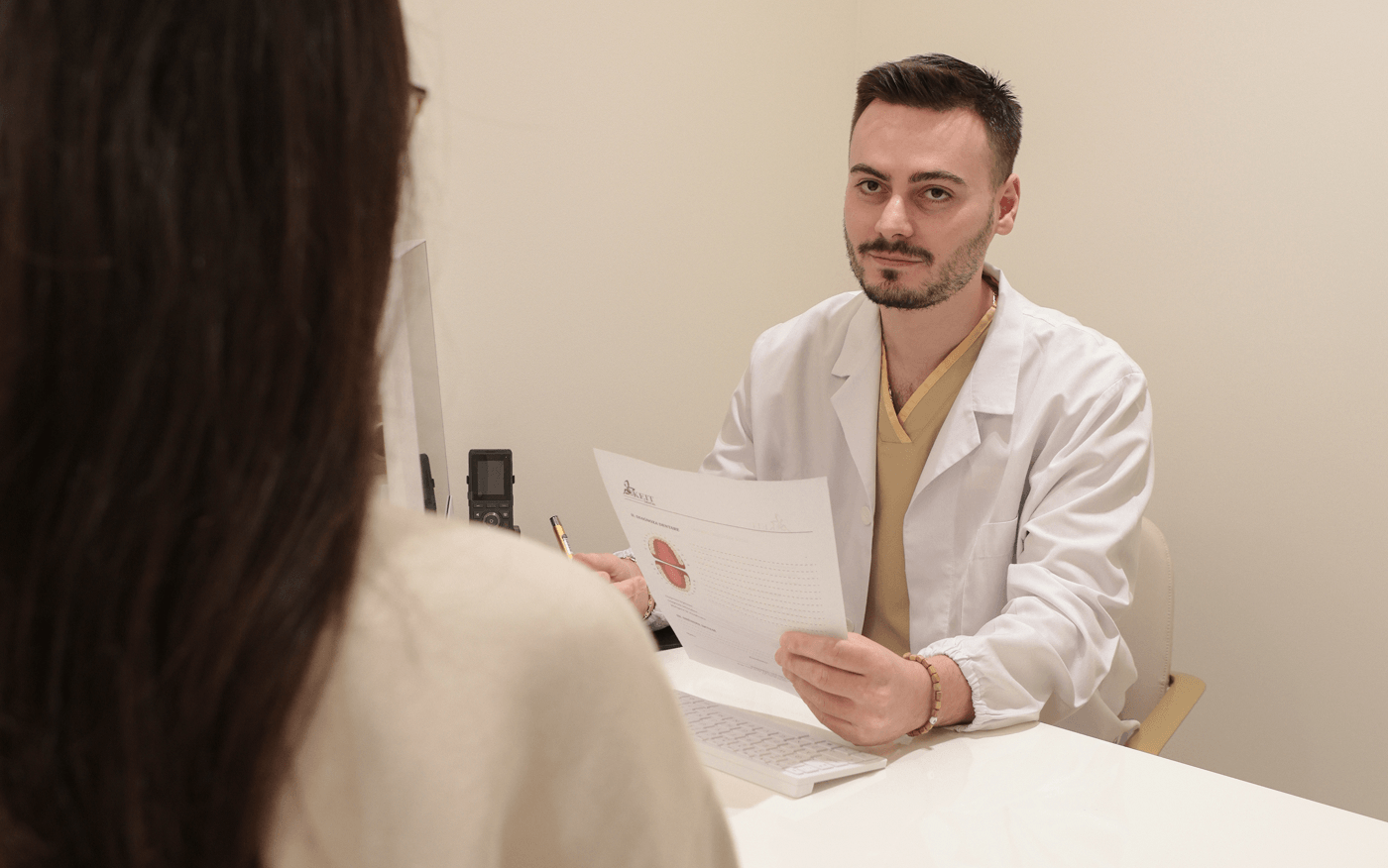
6. Personalised care and follow-up after dental implant surgery
At KEIT Dental, patient care continues after implant placement through personalised guidance and follow-up appointments scheduled according to clinical needs. Subsequent examinations...
At KEIT Dental, patient care continues after implant placement through personalised guidance and follow-up appointments scheduled according to clinical needs. Subsequent examinations allow the dentist to assess tissue healing, monitor osseointegration, and evaluate implant stability before completing the prosthetic restoration.
Patients receive guidance on oral hygiene, diet, and precautions to follow during recovery. After the prosthetic phase, regular follow-up appointments are scheduled to monitor the implants and surrounding tissues. In complex cases, care may also involve other specialists from the medical team. For international patients, care may continue after they return to their home country through communication with the clinic and guidance on necessary follow-up appointments.
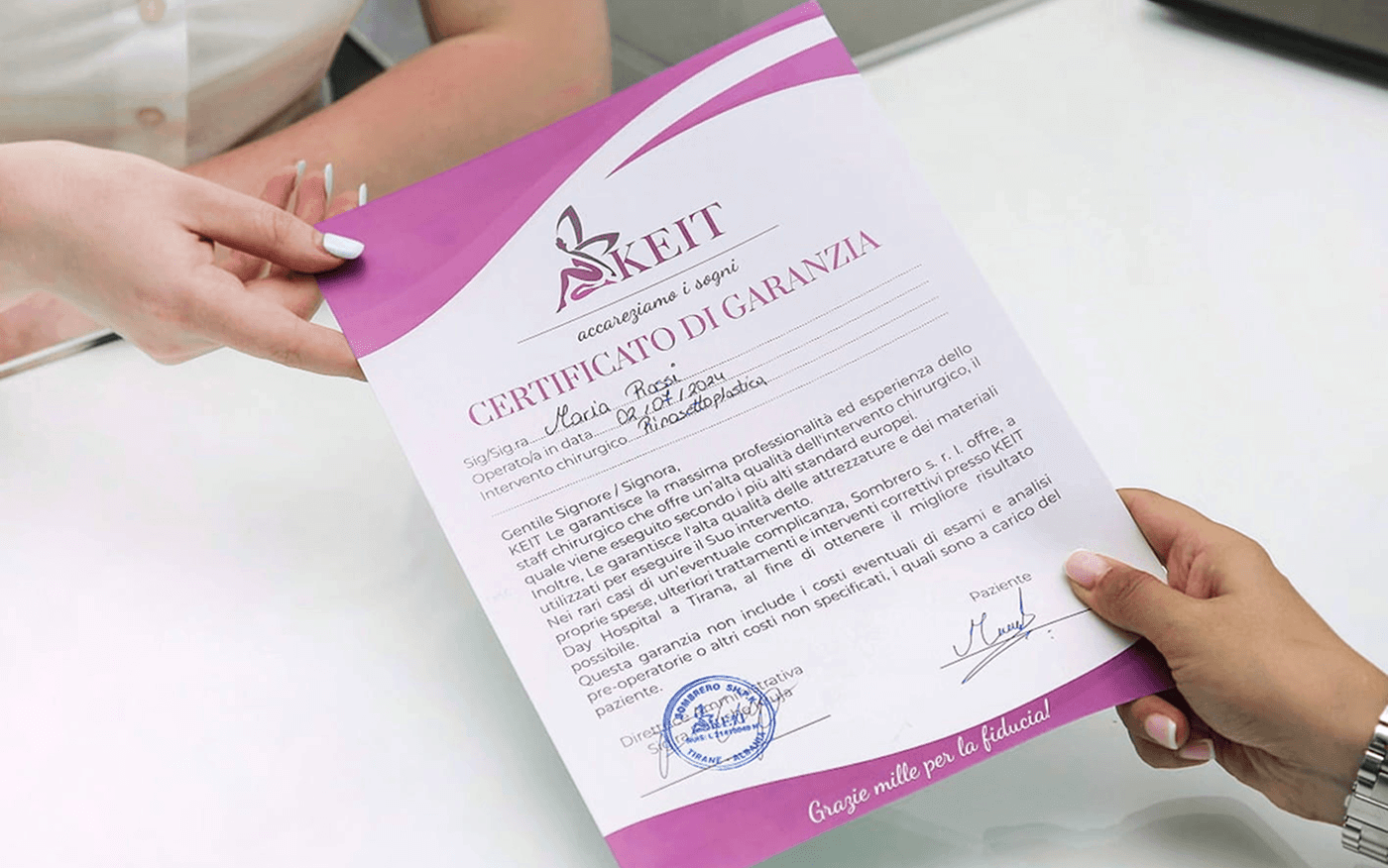
7. Transparency, clinical documentation, and guarantee conditions
KEIT Dental places particular emphasis on treatment transparency and clinical documentation. Before dental implant surgery, patients receive information about the proposed implant...
KEIT Dental places particular emphasis on treatment transparency and clinical documentation. Before dental implant surgery, patients receive information about the proposed implant system, available alternatives, treatment stages, expected benefits, and potential risks.
Clinical documentation includes diagnostic examinations, the implant and prosthetic treatment plan, and the procedures performed. The informed consent form and treatment quotation also allow patients to understand the details of the treatment and its associated costs. Any applicable guarantee conditions are specified in the contractual documentation, clarifying the coverage provided, exclusions, and arrangements for assistance. The longevity of dental implants also depends on individual clinical conditions, oral hygiene, and regular dental check-ups.
FAQ
Frequently asked questions
Are dental implants painful?

The procedure is performed under local anaesthesia, and postoperative discomfort is generally manageable by following the dentist’s instructions.
How long does osseointegration take?
Generally, a few months, although the time required varies depending on bone quality, implant position, and the technique used.
Are Straumann and Osstem dental implants reliable?
Yes. Both offer implant systems used in a range of clinical situations. The choice depends on the characteristics of the individual case and implant treatment planning.
Can I have a tooth immediately after implant placement?
In some cases, yes. Immediate loading is possible when the implant has sufficient primary stability and clinical conditions allow.
Can a dental implant fail to integrate with the bone?
Yes. In some cases, the implant may fail to achieve adequate osseointegration, making removal and reassessment of the case necessary.