 4.9 Rating | 23.000+ Procedures | Medical Experts
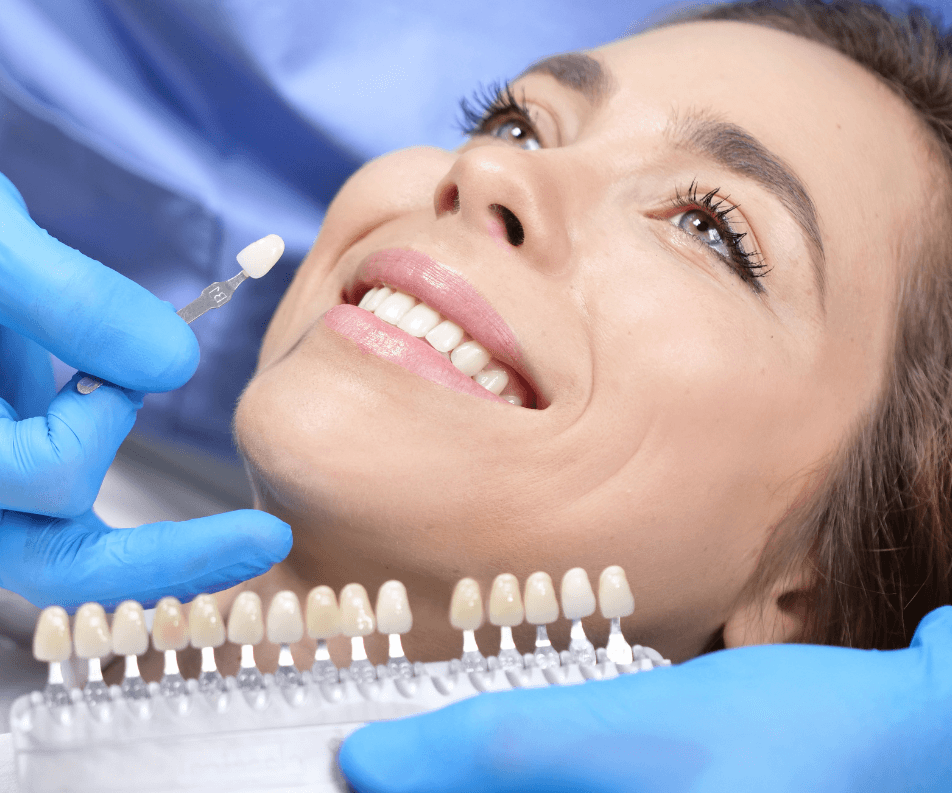
Table of contents:

What are dental veneers?
Who is suitable for dental veneers?
E-max veneers: application and lifespan
Composite veneers: application and lifespan
Ceramic veneers: application and lifespan
How is dental veneer treatment performed?
How to care for dental veneers
Why choose KEIT Dental for dental veneers?
This article explains the differences between E-max veneers, composite veneers, and ceramic veneers, who may be suitable for treatment, and how dental veneers are applied. It also covers treatment times, the expected lifespan of each material, daily maintenance, and the main factors considered when choosing the most appropriate solution.
 Book your FREEOnline Consultation Now

What are dental veneers?
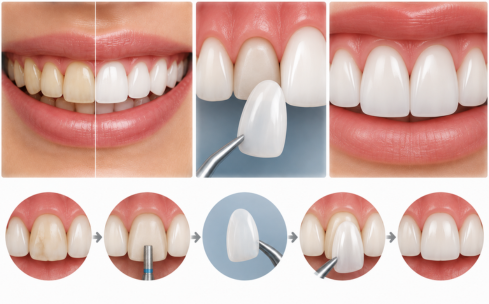
Dental veneers are thin, custom-made coverings applied to the visible surface of the teeth, particularly the front teeth. Veneer treatment can improve the shape, colour, length, and proportions of individual teeth while creating a more balanced and natural-looking smile. Depending on the material and technique, veneers may be created directly on the tooth or manufactured in a dental laboratory before being permanently bonded in place. Before treatment, the dentist assesses the health of the teeth and gums, enamel thickness, bite alignment, and any habits that could affect the long-term result.
Who is suitable for dental veneers?
Dental veneers are generally suitable for patients with healthy teeth and gums who want to correct cosmetic imperfections affecting the front teeth. They may be used for stained or discoloured teeth, chipped teeth, worn edges, minor misalignment, uneven tooth shapes, or differences in tooth size. Veneers can also visually reduce small gaps between teeth, known as diastemas, without necessarily using restorations that cover the entire tooth.
Any cavities, gingivitis, or periodontal disease must be treated before veneers are placed. Bruxism, teeth clenching, and certain bite problems also require careful assessment because they may increase the risk of chipping, debonding, or premature wear.
E-max veneers: application and lifespan
E-max veneers are thin cosmetic restorations made from lithium disilicate, a strong ceramic material known for its colour stability and ability to reproduce the translucency of natural teeth. They are commonly used to correct tooth discoloration, small fractures, irregular shapes, and minor imperfections affecting the front teeth. When necessary, a minimal and controlled amount of enamel is removed. Dental impressions or a digital scan are then taken so that the veneers can be custom-made to match the shape and colour of the smile.
E-max veneer treatment generally requires two main appointments in addition to the initial consultation. The first appointment, which includes tooth preparation and impressions or digital scanning, usually lasts between 60 and 120 minutes, depending on the number of teeth being treated. The second appointment is normally scheduled one or two weeks later and includes the try-in, assessment of shape and shade, and permanent bonding. After placement, the dentist checks the contact points and bite. With good oral hygiene and regular dental check-ups, E-max veneers may last approximately 10 to 15 years. Their longevity depends on the condition of the teeth, the bite, bruxism, and the patient’s habits.
Composite veneers: application and lifespan
Composite veneers are created by applying a tooth-coloured resin directly to the tooth surface. The material is shaped to improve tooth proportions, close small gaps, repair minor fractures, and reduce the appearance of mild discoloration. The tooth surface is prepared to support adhesion. The composite resin is then applied in layers, sculpted, hardened with a curing light, and finally refined and polished.
Composite veneer treatment is usually completed in a single appointment. The procedure takes approximately 30 to 60 minutes per tooth, while treatment involving several teeth may require between two and four hours, depending on the number of veneers and the complexity of the case. The result is visible immediately, and no recovery period is normally required. Composite veneers are more prone to staining, wear, and chipping than ceramic veneers and may require periodic polishing or minor repairs. Their average lifespan is approximately 3 to 8 years. One of the advantages of composite veneers is that they can often be repaired or refreshed without replacing the entire restoration.
Ceramic veneers: application and lifespan
Ceramic veneers are thin, custom-made restorations produced in a dental laboratory and bonded to the front surface of the teeth. Ceramic can reproduce the colour, translucency, and visual characteristics of natural enamel while maintaining good colour stability over time. After aesthetic planning, a minimal and controlled amount of enamel may be removed where necessary. Impressions or a digital scan are then taken to produce the personalised veneers. Temporary veneers may be placed while the final restorations are being prepared.
Ceramic veneer treatment is generally completed in two or three appointments over one or two weeks. Each session usually lasts between 60 and 120 minutes, depending on the number of teeth being treated and the adjustments required. With proper oral hygiene and regular dental care, ceramic veneers may last approximately 10 to 15 years. They are more resistant to staining than composite veneers, but they can still chip, crack, or become detached following trauma, bruxism, or damaging habits.
How is dental veneer treatment performed?
Dental veneer treatment begins with a dental examination of the teeth, gums, bite, and smile proportions. The dentist assesses the colour, shape, and number of teeth to be treated, as well as any cavities, existing restorations, or inflammation. Treatment planning may include photographs, dental impressions, or digital scans. These records help determine the size and shape of the veneers and assess the expected result before final placement. No significant recovery period is usually required. Mild sensitivity or a different sensation when biting may occur during the first few days while the patient adapts to the new veneers.
How to care for dental veneers
Dental veneers do not require complex maintenance, but they must be cared for in the same way as natural teeth. Teeth should be brushed at least twice a day, interdental areas should be cleaned with dental floss or other recommended tools, and regular dental check-ups and professional cleanings should be maintained. A soft-bristled toothbrush and non-abrasive toothpaste are particularly important for composite veneers. Highly abrasive products may dull or scratch the surface of the restorations.
Patients should avoid biting fingernails, pens, ice, or other hard objects and should never use their teeth to open packaging. Very firm foods should be cut into smaller pieces rather than bitten directly with the front teeth. Coffee, tea, red wine, and smoking can stain composite veneers more easily. Ceramic and E-max veneers are more resistant to discoloration, but the area where the veneer meets the natural tooth must still be kept clean to protect the underlying tooth and gums.
Why choose KEIT Dental for dental veneers?
KEIT Dental is the dental clinic of the KEIT brand, integrated into the KEIT Day Hospital healthcare facility in Tirana, Albania, founded in 2011 by Dr Skerdilajd Faria. With over 23,000 procedures performed across the KEIT brand's various areas of activity, the facility combines specialist expertise, medical technology, safety protocols, and personalised patient care.
KEIT Dental has seven dental treatment rooms and an in-house dental laboratory. Its integration with KEIT Day Hospital also provides access to a multidisciplinary medical team, oral and maxillofacial surgeons, specialists in anaesthesia and intensive care, equipped operating theatres, and inpatient wards for cases requiring more complex care. For dental veneers, KEIT Dental adopts a personalised approach aimed at improving smile harmony through aesthetic restorations made from E-max, ceramic, and composite materials, while respecting the characteristics of natural teeth and the patient's functional needs.
1. Seven dental treatment rooms and dental veneer technologies
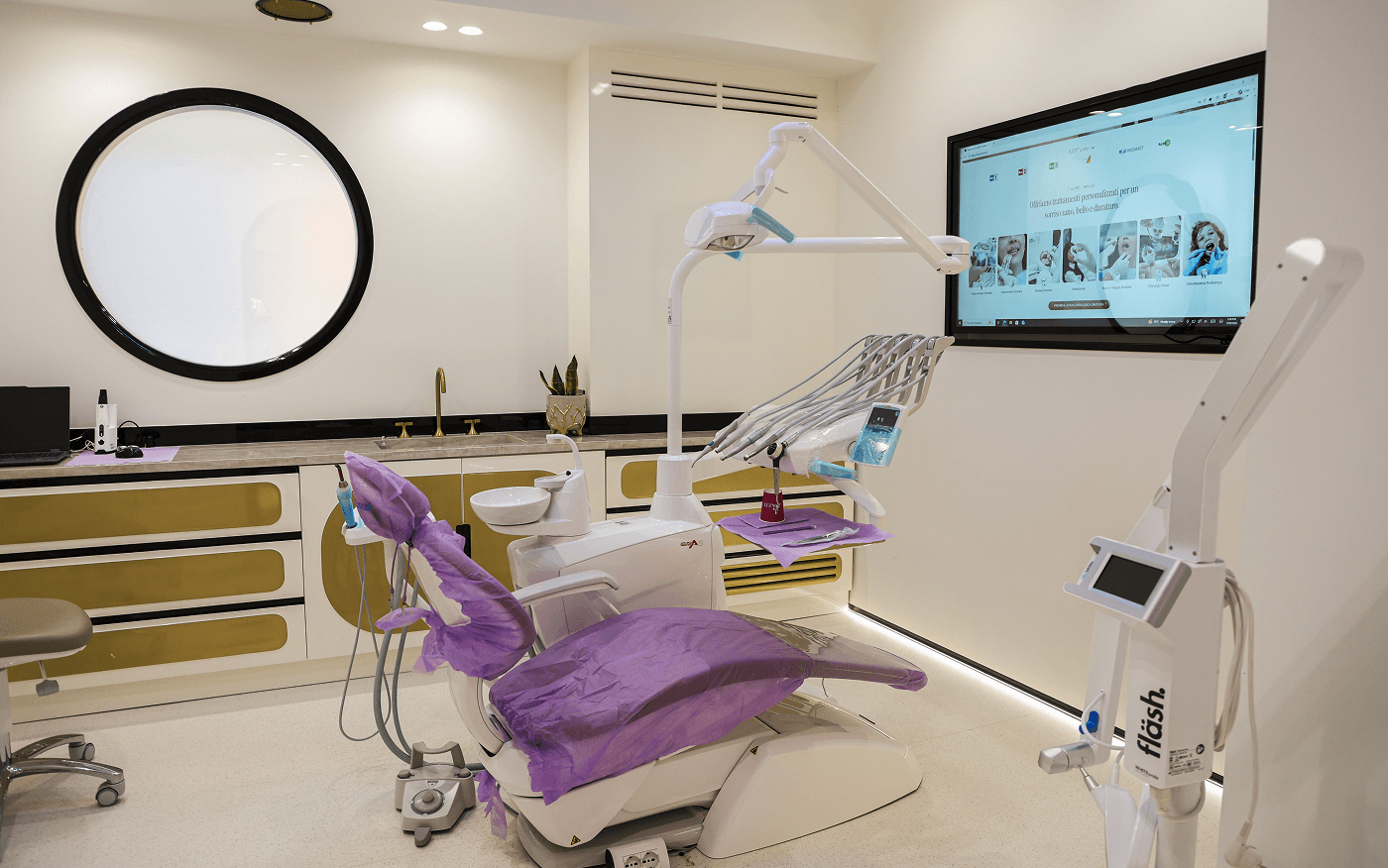
KEIT Dental has seven dental treatment rooms organised to accommodate cosmetic dentistry, restorative dentistry, dental prosthetics, and oral hygiene procedures. When planning...
KEIT Dental has seven dental treatment rooms organised to accommodate cosmetic dentistry, restorative dentistry, dental prosthetics, and oral hygiene procedures. When planning dental veneers, diagnostic instruments, clinical photographs, and intraoral scans, when indicated, allow the dentist to analyse the shape, size, and proportions of the teeth. Treatment planning considers enamel colour, the smile line, and occlusal relationships, with the aim of achieving harmonious restorations while preserving as much natural tooth structure as possible.
2. Multidisciplinary dental and medical team
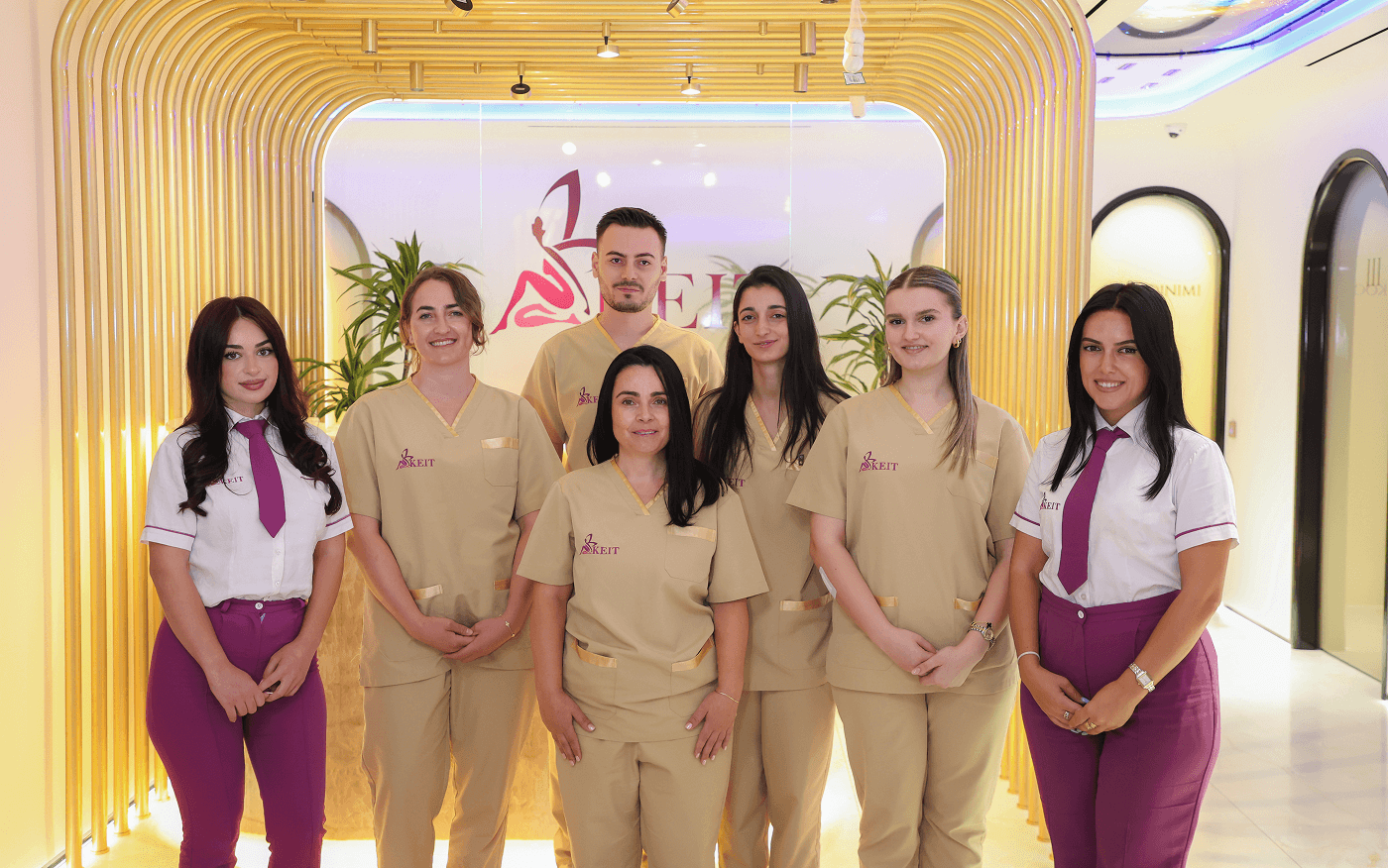
One of the main advantages of KEIT Dental is its ability to combine dental expertise with the multidisciplinary medical team at KEIT...
One of the main advantages of KEIT Dental is its ability to combine dental expertise with the multidisciplinary medical team at KEIT Day Hospital. The clinic works with professionals experienced in cosmetic dentistry, restorative dentistry, dental prosthetics, and periodontology. In particularly complex cases, other specialists may also be involved, depending on clinical needs.
For dental veneer treatment, collaboration between professionals allows the condition of the enamel, gum health, and the possible need for preliminary treatments to be assessed. This approach makes it possible to coordinate aesthetic rehabilitation with any necessary restorative, periodontal, or orthodontic treatment.
3. Thorough diagnosis and personalised medical assessment
Before placing dental veneers, the dentist assesses the health of the teeth and gums, enamel thickness, occlusion, and the characteristics of the...
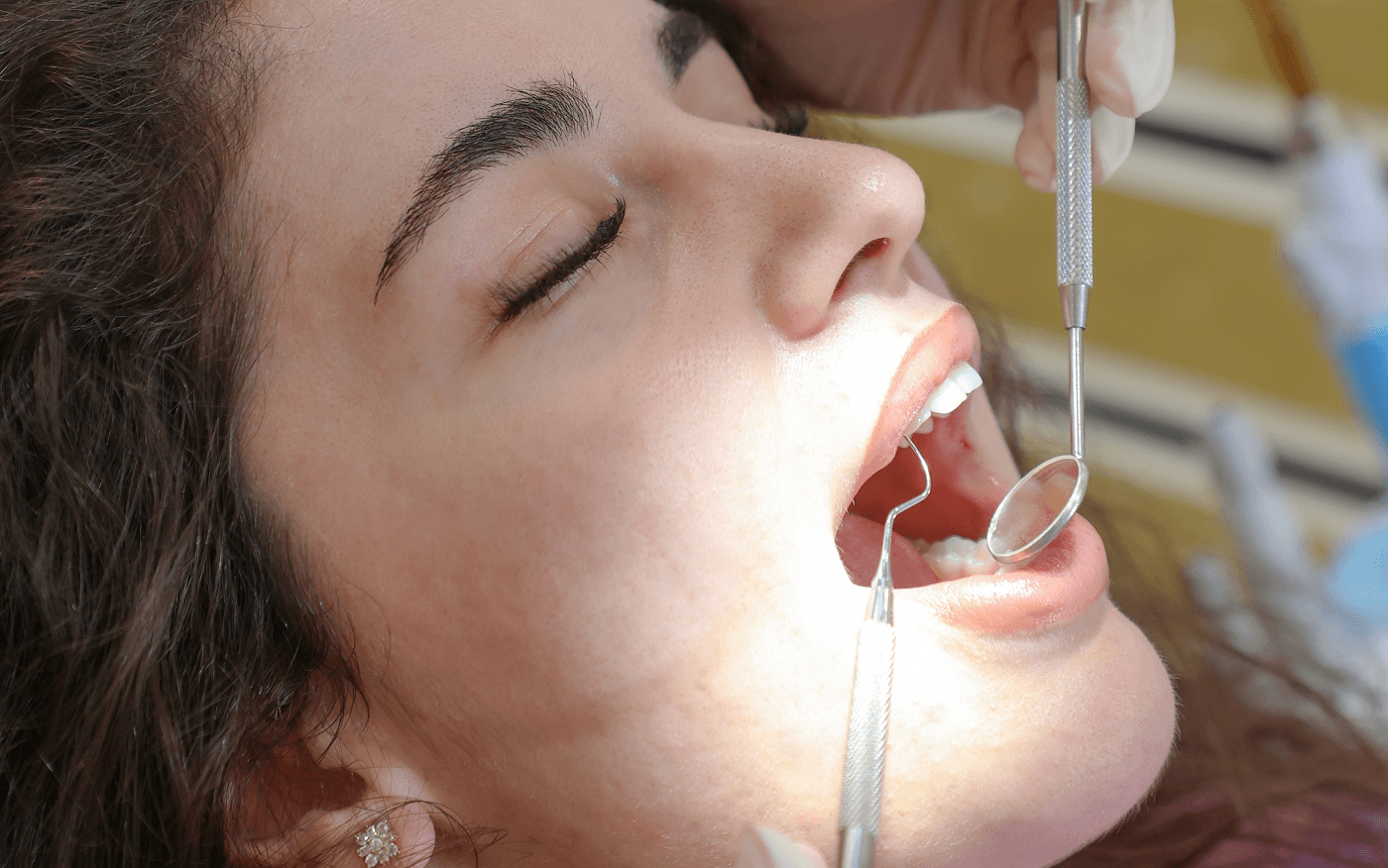
Before placing dental veneers, the dentist assesses the health of the teeth and gums, enamel thickness, occlusion, and the characteristics of the smile. Particular attention is paid to tooth decay, existing restorations, bruxism, or bite abnormalities that could affect the longevity of the treatment. When necessary, the assessment may include X-rays, clinical photographs, and digital scans.
Thanks to its integration with KEIT Day Hospital, patients with particular medical conditions or complex clinical needs may undergo additional specialist assessments. The choice between E-max, ceramic, and composite veneers is therefore based on the condition of the teeth, aesthetic expectations, and the patient's general health.
4. In-house dental laboratory and customised veneers
One of KEIT Dental's distinguishing features is its in-house dental laboratory, which facilitates direct collaboration between dentists and dental technicians in producing...
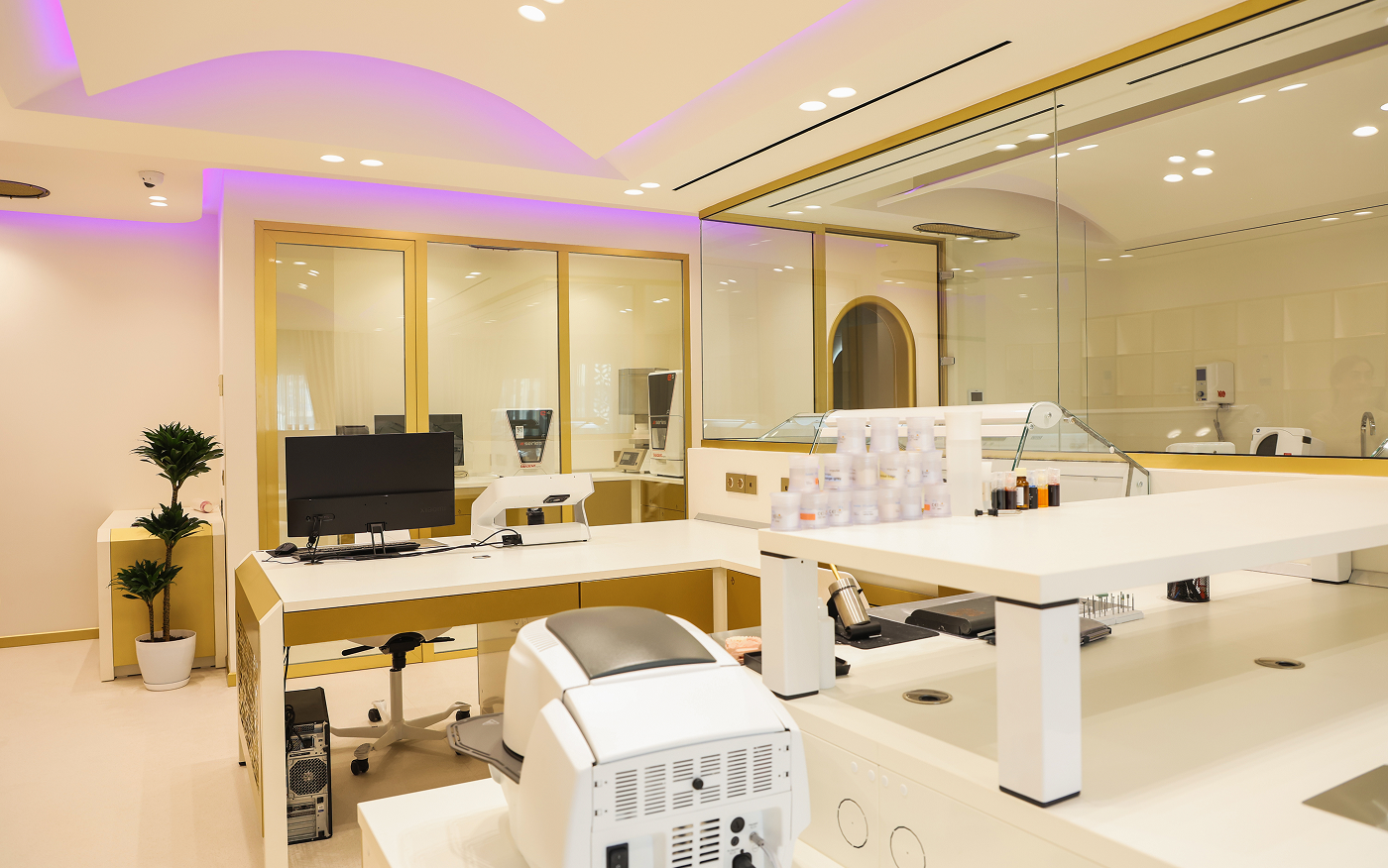
One of KEIT Dental's distinguishing features is its in-house dental laboratory, which facilitates direct collaboration between dentists and dental technicians in producing customised aesthetic restorations. Dental impressions or digital scans allow E-max and ceramic veneers to be designed according to the shape, colour, translucency, and proportions of the teeth.
Coordination between the clinic and laboratory allows the fit and aesthetic characteristics of the veneers to be checked before final cementation. Direct composite veneers, on the other hand, are shaped directly onto the teeth by the dentist, allowing the restorations to be customised during the same appointment.
5. Safety, sterilisation, and access to hospital infrastructure
KEIT Dental follows hygiene and infection control protocols that include disinfecting treatment areas, sterilising instruments, and using disposable materials when indicated. During...
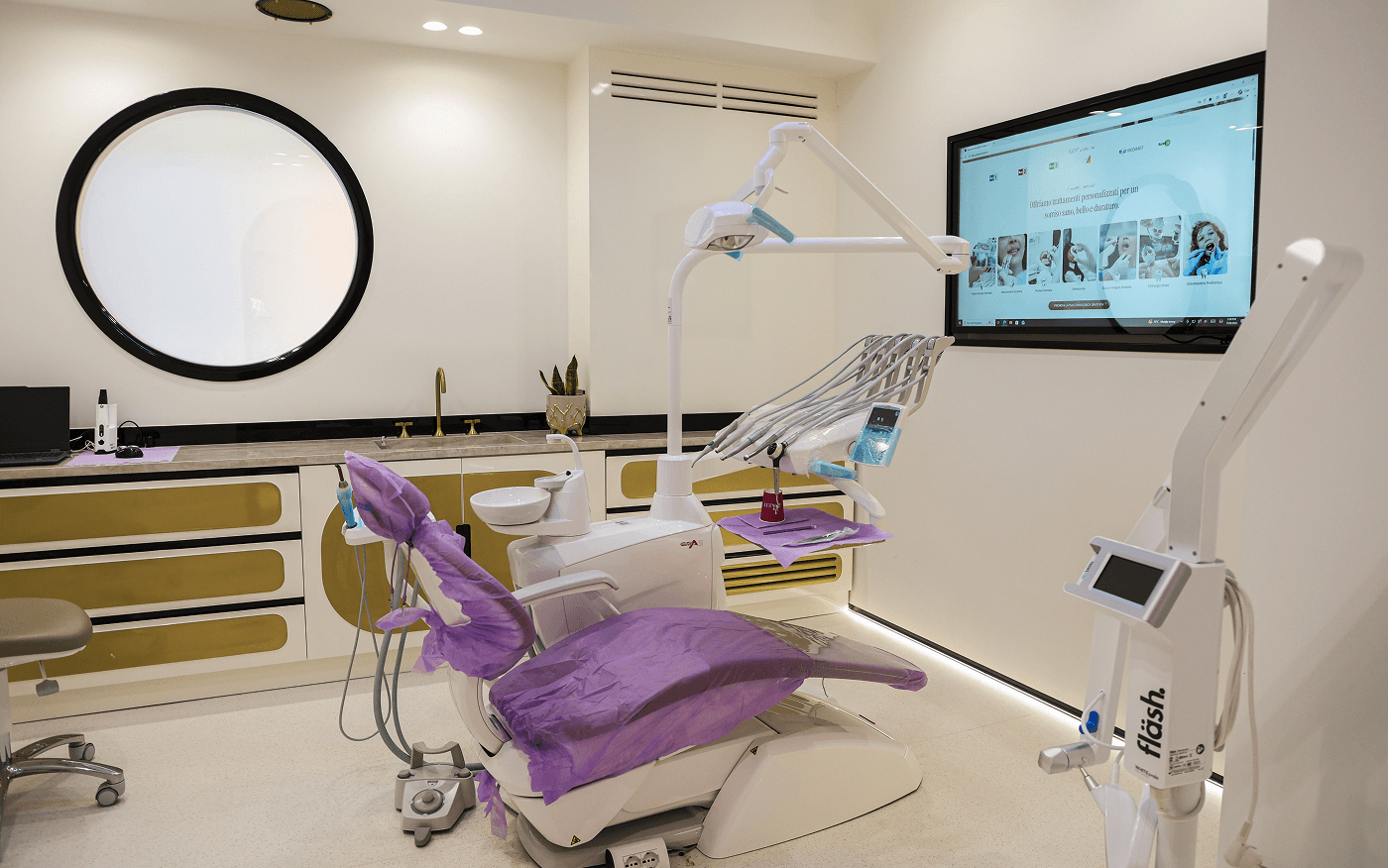
KEIT Dental follows hygiene and infection control protocols that include disinfecting treatment areas, sterilising instruments, and using disposable materials when indicated. During veneer preparation and placement, particular attention is paid to preserving enamel, protecting gum tissues, and ensuring proper control of adhesive procedures.
Dental veneer placement is generally an outpatient procedure that does not require hospital admission or general anaesthesia. Local anaesthesia may be used when necessary during tooth preparation. Hospital infrastructure remains available for patients with complex clinical conditions or those requiring associated surgical treatments involving a higher level of care.

6. Personalised care and follow-up after veneer placement
At KEIT Dental, patient care continues after veneer placement through personalised guidance and scheduled follow-up appointments. Subsequent examinations allow the dentist to...
At KEIT Dental, patient care continues after veneer placement through personalised guidance and scheduled follow-up appointments. Subsequent examinations allow the dentist to assess the integrity of the restorations, bonding margins, occlusal contacts, and the health of the surrounding gum tissues.
Patients receive guidance on oral hygiene, habits to avoid, and the specific maintenance requirements of composite or ceramic veneers. For patients with bruxism, a protective night guard may be considered. For international patients, care may continue after they return to their home country through communication with the clinic and guidance on necessary follow-up appointments.
7. Transparency, clinical documentation, and guarantee conditions
KEIT Dental places particular emphasis on treatment transparency and clinical documentation. Before veneer placement, patients receive information about the available materials, any...
KEIT Dental places particular emphasis on treatment transparency and clinical documentation. Before veneer placement, patients receive information about the available materials, any necessary enamel preparation, alternative treatments, expected longevity, and potential risks, including chipping, debonding, and tooth sensitivity.
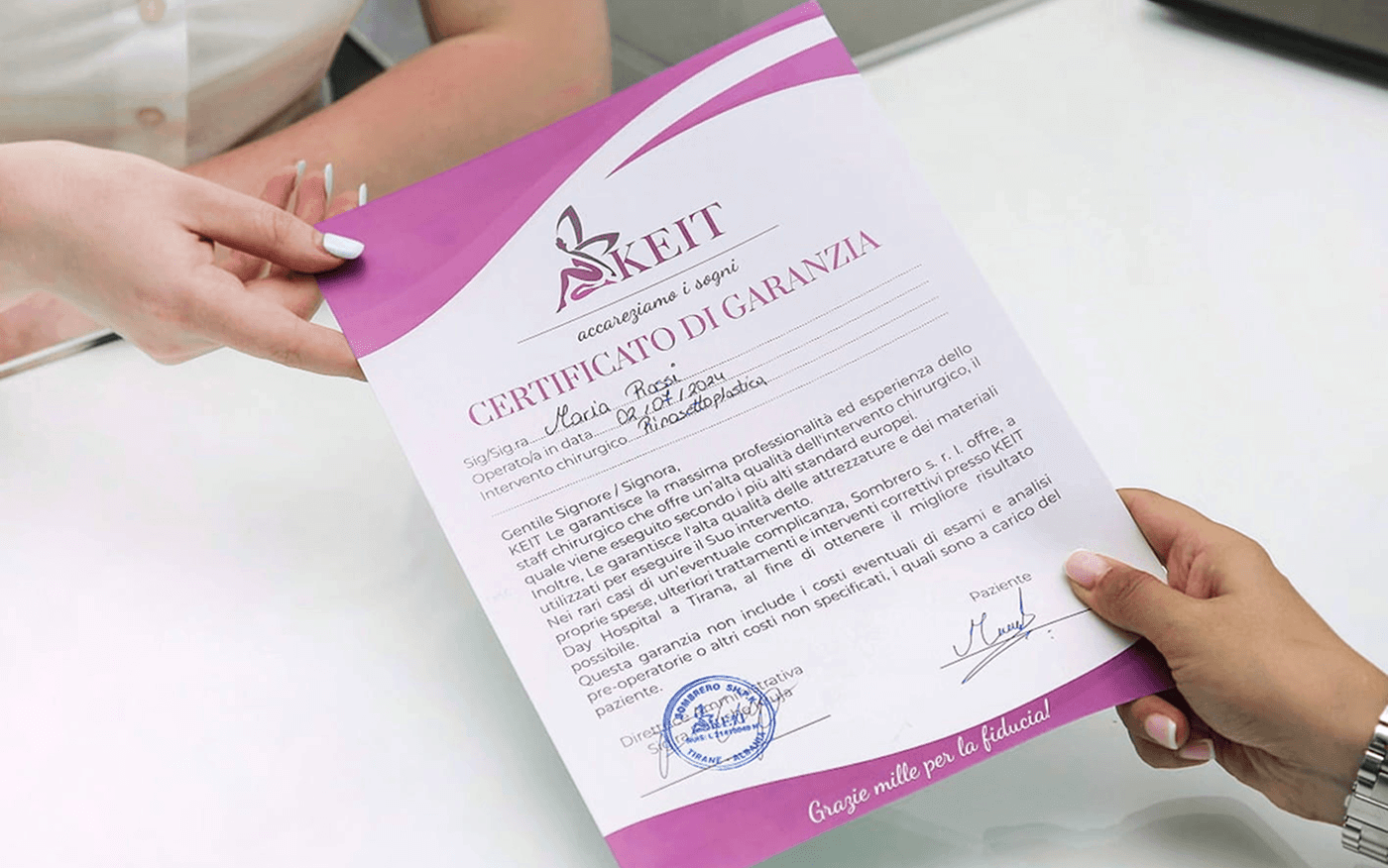
Clinical documentation includes diagnostic assessments, the aesthetic treatment plan, and the characteristics of the restorations produced. The informed consent form and treatment quotation also allow patients to understand the stages of treatment and their associated costs. Any applicable guarantee conditions are specified in the contractual documentation, clarifying the coverage provided, exclusions, and arrangements for assistance. The longevity of dental veneers also depends on individual clinical conditions, oral hygiene, patient habits, and regular dental check-ups.
FAQ
Frequently asked questions
Is dental veneer treatment painful?

Dental veneer treatment is generally not painful. Local anaesthesia may be used when enamel preparation is required. Mild sensitivity may occur during the first few days after treatment and usually decreases gradually.
How long does it take to apply dental veneers?
Composite veneers are usually completed in one appointment and take approximately 30 to 60 minutes per tooth. Ceramic and E-max veneers normally require two main appointments over one or two weeks.
How long do dental veneers last?
Ceramic and E-max veneers may last approximately 10 to 15 years, while composite veneers generally last around 3 to 8 years. Oral hygiene, bruxism, bite forces, and personal habits can all affect the lifespan of dental veneers.
Are teeth filed down before veneers are placed?
For ceramic and E-max veneers, a minimal amount of enamel is often removed to create sufficient space and ensure an accurate fit. Composite veneers may require less tooth preparation. The amount of enamel reduction depends on the position, shape, and condition of the teeth.
Can dental veneers stain or break?
Ceramic and E-max veneers are highly resistant to staining, while composite veneers may discolour more easily and may require periodic polishing. All veneer materials can chip, crack, or become detached following trauma, bruxism, teeth clenching, or habits such as biting hard objects.