 4.9 Rating | 23.000+ Procedures | Medical Experts
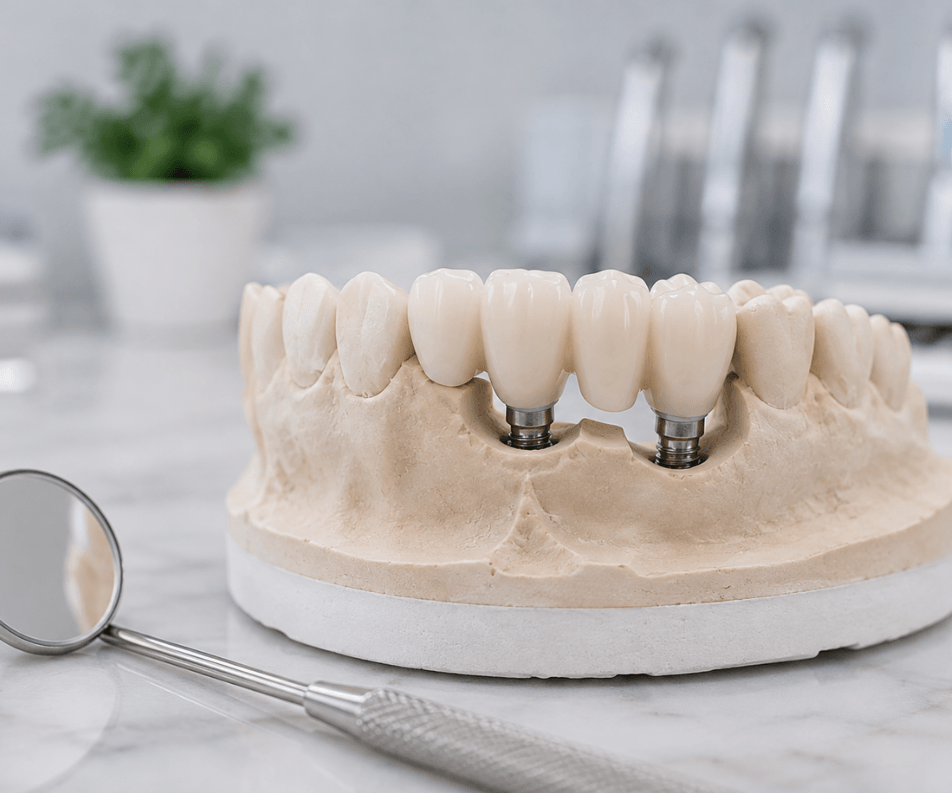
Table of contents:

What are fixed dental prostheses, and when are they recommended?
How is a fixed dental prosthesis made?
Types of fixed dental prostheses: bridges and implant-supported restorations
How long does it take to make a fixed dental prosthesis?
Care and maintenance of fixed dental prostheses
Why choose KEIT Dental for fixed dental prostheses?
In this article, you will find information about dental bridges, implant-supported bridges, and the main types of fixed restorations, including Toronto Bridge, All-on-4, and All-on-6. We also explain the stages of treatment, treatment time, maintenance, and the clinical indications for each solution.
 Book your FREEOnline Consultation Now

What are fixed dental prostheses, and when are they recommended?
Fixed dental prostheses are custom-made structures used to replace one or more missing teeth and restore function, appearance, and stability within the mouth. They may be cemented onto natural teeth or attached to dental implants using screw-retained or cement-retained systems, depending on the type of restoration planned.
They are recommended when a single tooth is missing, several consecutive teeth are absent, or an entire dental arch requires rehabilitation. Fixed prostheses may include dental bridges, implant-supported bridges, and complete implant-supported restorations designed to provide stability and distribute chewing forces correctly.
How is a fixed dental prosthesis made?
Treatment begins with a clinical examination and the required diagnostic tests. The dentist evaluates the number and position of the missing teeth, the condition of the remaining teeth, the bite, gum health, and the amount of available bone. When the prosthesis is supported by natural teeth, these teeth are prepared to create the space needed for the structure. When an implant-supported restoration is planned, treatment planning may include radiographs, computed tomography, and digital analysis of implant position.
After tooth preparation or implant placement, conventional impressions or digital scans are taken. This information is used to design the prosthesis while considering shape, color, contact points between the teeth, and the relationship between the dental arches. A temporary prosthesis may be placed during healing and laboratory fabrication. Before final placement, the dentist checks the fit of the structure, appearance, speech, and distribution of chewing forces.
Types of fixed dental prostheses: bridges and implant-supported restorations
The most suitable prosthesis depends on the number of teeth that need to be replaced and the type of support available. Some structures are supported by natural teeth, while others are connected to one or more dental implants.
Dental bridge
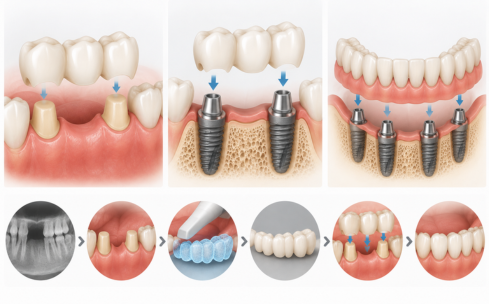
A dental bridge is a fixed prosthesis used to replace one or more consecutive missing teeth. It consists of artificial teeth supported by the adjacent natural teeth, known as abutment teeth, which are covered with crowns that keep the structure stable. Before treatment, the condition of the abutment teeth, gums, roots, and bite is assessed. After the teeth are prepared, impressions or digital scans are taken to create a custom-made bridge designed to restore continuity of the dental arch and proper chewing function.
Implant-supported bridge
An implant-supported bridge replaces several consecutive missing teeth through a structure supported by two or more dental implants. It does not necessarily require preparation of the neighboring natural teeth and may be cement-retained or screw-retained, depending on the prosthetic design. The number and position of the implants are determined by considering the amount of bone, the extent of the toothless area, chewing forces, and the space needed to create a stable prosthesis that can be cleaned properly.
Toronto Bridge
A Toronto Bridge is a complete fixed implant-supported prosthesis used to restore an entire dental arch. It is generally secured with screws and can be removed only by the dentist during professional checkups or maintenance procedures. The structure may be made from zirconia or metal-ceramic materials and, depending on the prosthetic design, may be supported by a metal bar, usually made of titanium. The bar connects the implants and contributes to the stability of the restoration and the distribution of chewing forces.
All-on-4 restoration
An All-on-4 restoration supports a complete fixed prosthesis using four implants placed in the dental arch. The posterior implants may be positioned at a carefully planned angle to make the best use of the available bone and provide stable support for the prosthesis. It is recommended for patients who have lost all their teeth or have teeth that can no longer be preserved. When clinical conditions are favorable, a fixed temporary prosthesis may be placed shortly after implant surgery.
All-on-6 restoration
An All-on-6 restoration involves placing six implants to support a complete fixed prosthesis. The distribution of the implants along the dental arch provides stable support and allows chewing forces to be distributed evenly. It may be recommended for patients who are completely edentulous or have teeth that cannot be preserved, provided that the quantity and quality of bone allow six implants to be placed. Treatment planning is based on the anatomy of the arch, the bite, and the specific characteristics of the case.
How long does it take to make a fixed dental prosthesis?
The duration of treatment depends on the type of prosthesis and the initial clinical condition. For a dental bridge, treatment includes preparation of the abutment teeth, taking an impression or digital scan, placement of a temporary prosthesis, and delivery of the final restoration.
Implant-supported restorations also require a surgical phase and sufficient time for the bone to heal. In favorable conditions, a fixed temporary prosthesis may be placed soon after surgery. In other cases, a healing period is required before the implants can be loaded. Extractions, bone grafting, or other preliminary treatments may lengthen the process. Treatment times are therefore defined on an individual basis after clinical and radiographic assessment.
Care and maintenance of fixed dental prostheses
Fixed dental prostheses require thorough daily cleaning to protect the abutment teeth, implants, and gum tissues. Plaque and food debris may accumulate around and beneath the structure, increasing the risk of inflammation and complications over time. In addition to a toothbrush, interdental brushes, floss threaders, or super floss may be recommended to reach the spaces under bridges and around implants.
Regular checkups make it possible to assess the stability of the structure, the health of the gums and peri-implant tissues, the integrity of the prosthesis, and the correct distribution of chewing forces. When necessary, complete screw-retained prostheses may be removed by the dentist for examination, professional cleaning, and maintenance.
Why choose KEIT Dental for fixed dental prostheses?
KEIT Dental is the dental clinic of the KEIT brand, integrated into the KEIT Day Hospital healthcare facility in Tirana, Albania, founded in 2011 by Dr Skerdilajd Faria. With over 23,000 procedures performed across the KEIT brand's various areas of activity, the facility combines specialist expertise, medical technology, safety protocols, and personalised patient care.
KEIT Dental has seven dental treatment rooms and an in-house dental laboratory. Its integration with KEIT Day Hospital also provides access to a multidisciplinary medical team, oral and maxillofacial surgeons, specialists in anaesthesia and intensive care, equipped operating theatres, and inpatient wards for cases requiring more complex care. For fixed dental prostheses, KEIT Dental adopts a personalised approach aimed at replacing missing teeth and restoring chewing function and smile aesthetics through dental bridges, implant-supported bridges, and full-arch rehabilitations such as Toronto Bridge, All-on-4, and All-on-6.
1. Seven dental treatment rooms and technologies for fixed dental prostheses
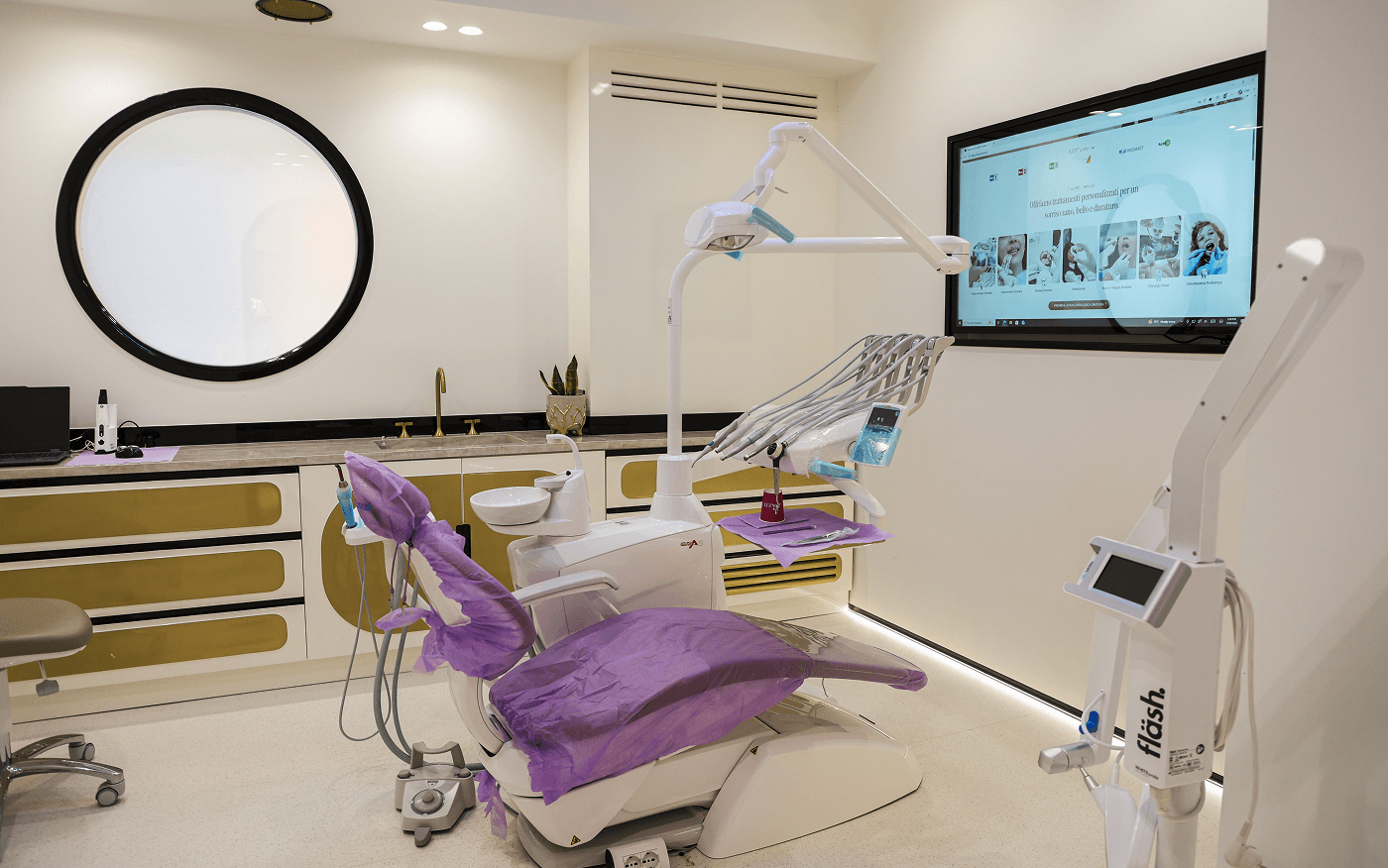
KEIT Dental has seven dental treatment rooms organised to accommodate restorative dentistry, endodontics, implantology, and dental prosthetic procedures. When producing fixed dental...
KEIT Dental has seven dental treatment rooms organised to accommodate restorative dentistry, endodontics, implantology, and dental prosthetic procedures. When producing fixed dental prostheses, diagnostic instruments and intraoral scans allow the dentist to record the shape of the dental arches, assess occlusion, and gather the information needed for prosthetic design. For implant-supported rehabilitations, treatment planning may incorporate CBCT imaging when indicated to determine implant positioning according to the future prosthesis, with particular attention to stability, aesthetics, and the distribution of chewing forces.
2. Multidisciplinary dental and medical team
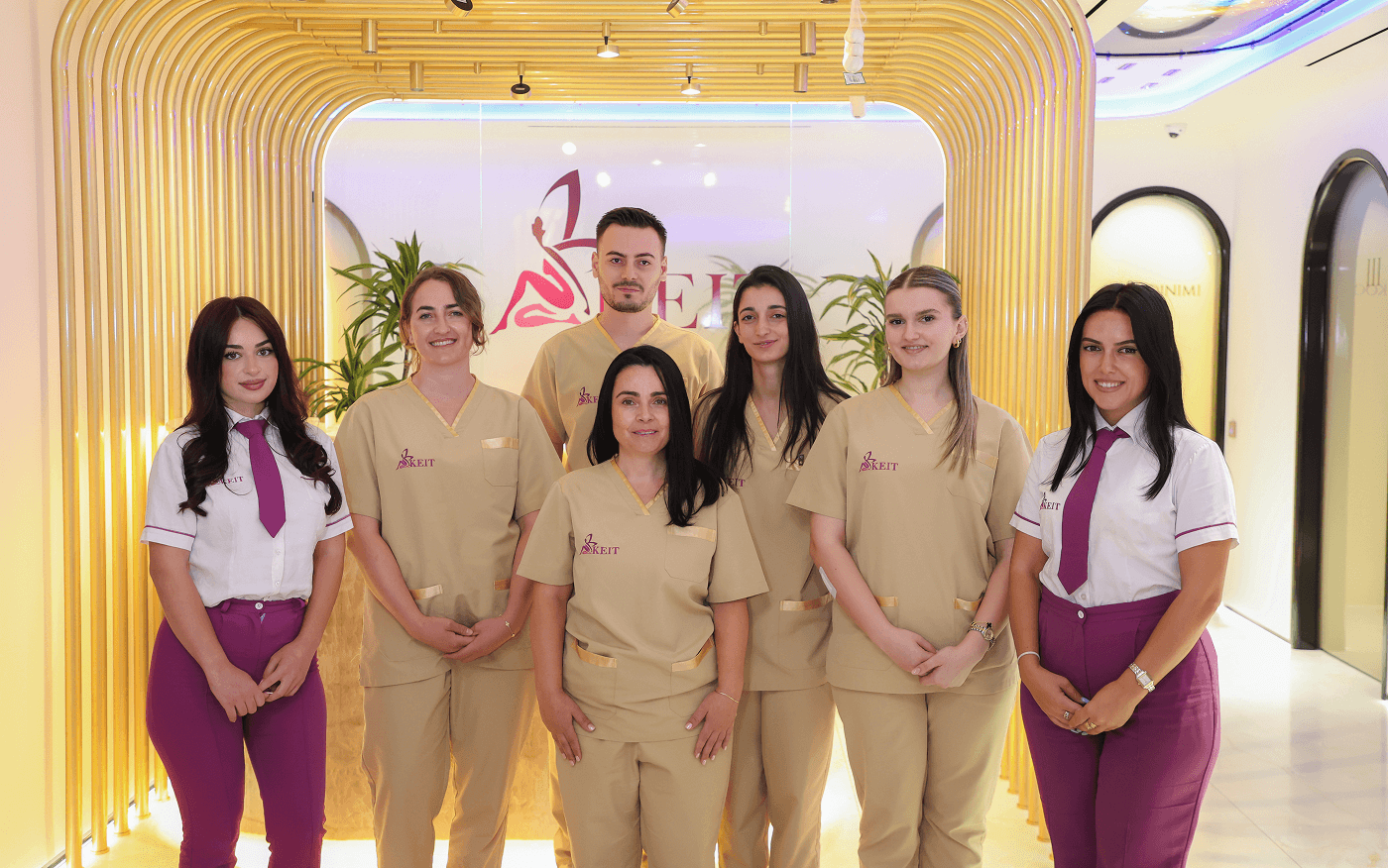
One of the main advantages of KEIT Dental is its ability to combine dental expertise with the multidisciplinary medical team at KEIT...
One of the main advantages of KEIT Dental is its ability to combine dental expertise with the multidisciplinary medical team at KEIT Day Hospital. The clinic works with professionals experienced in dental prosthetics, implantology, restorative dentistry, and endodontics. In particularly complex cases, oral and maxillofacial surgeons and other medical specialists may also be involved, depending on clinical needs.
For fixed prosthetic rehabilitations, collaboration between professionals allows the preparation of abutment teeth, any necessary preliminary treatments, and prosthesis fabrication to be coordinated. In cases of complete tooth loss, this approach makes it possible to integrate implant planning with prosthetic planning, including Toronto Bridge, All-on-4, and All-on-6 rehabilitations.
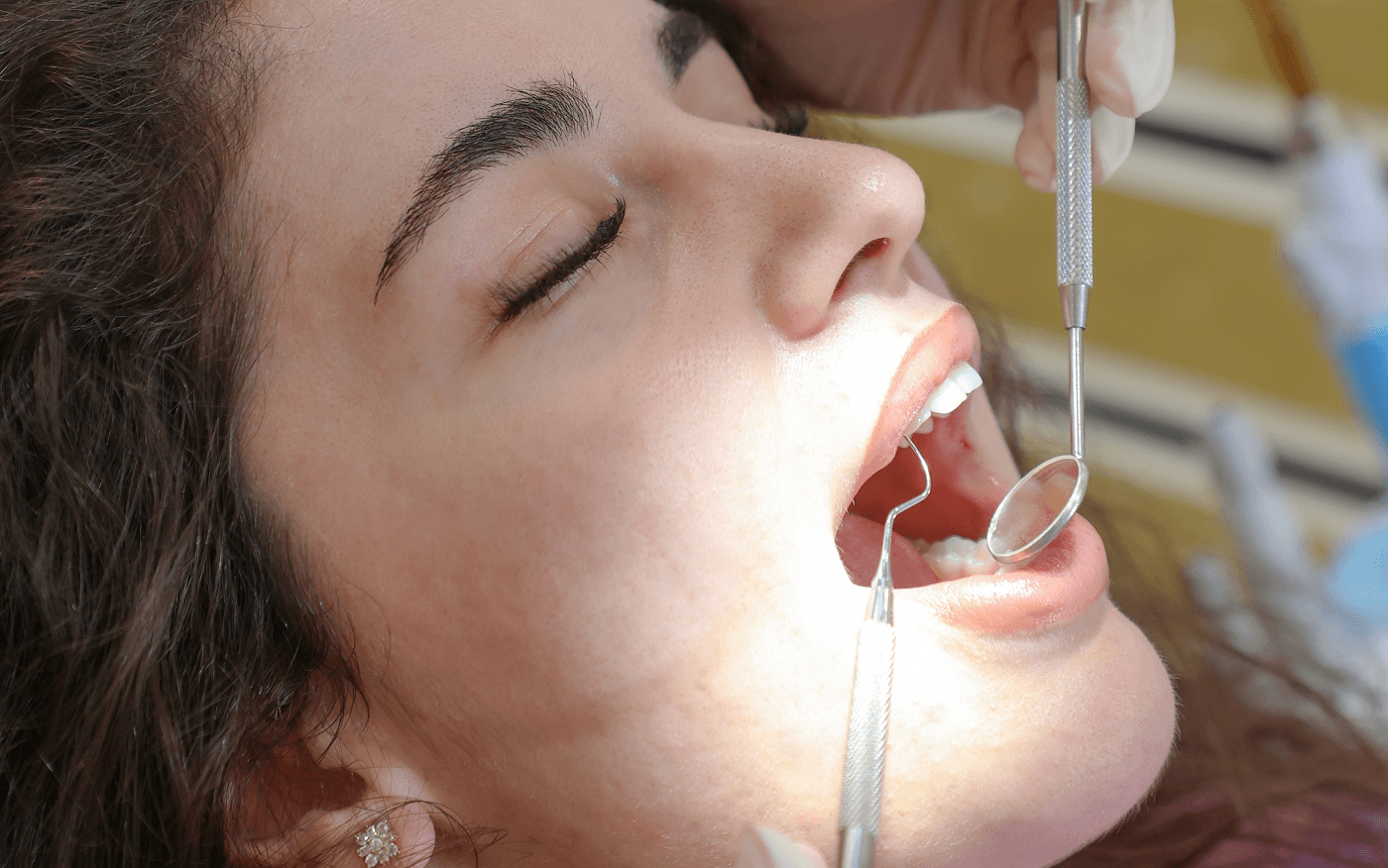
3. Thorough diagnosis and personalised medical assessment
Before producing a fixed dental prosthesis, the dentist assesses the remaining teeth, gums, occlusion, and characteristics of the areas requiring rehabilitation. When...
Before producing a fixed dental prosthesis, the dentist assesses the remaining teeth, gums, occlusion, and characteristics of the areas requiring rehabilitation. When necessary, the assessment includes X-rays, intraoral scans, and CBCT imaging to evaluate the available bone volume and plan any required implants. Particular attention is paid to the stability of abutment teeth, tissue health, and selection of the most appropriate prosthetic solution.
Thanks to its integration with KEIT Day Hospital, patients with particular medical conditions or those requiring complex implant procedures may undergo diagnostic evaluations and assessments by anaesthetists, cardiologists, or other specialists. Treatment planning therefore considers both the patient's prosthetic needs and general health.
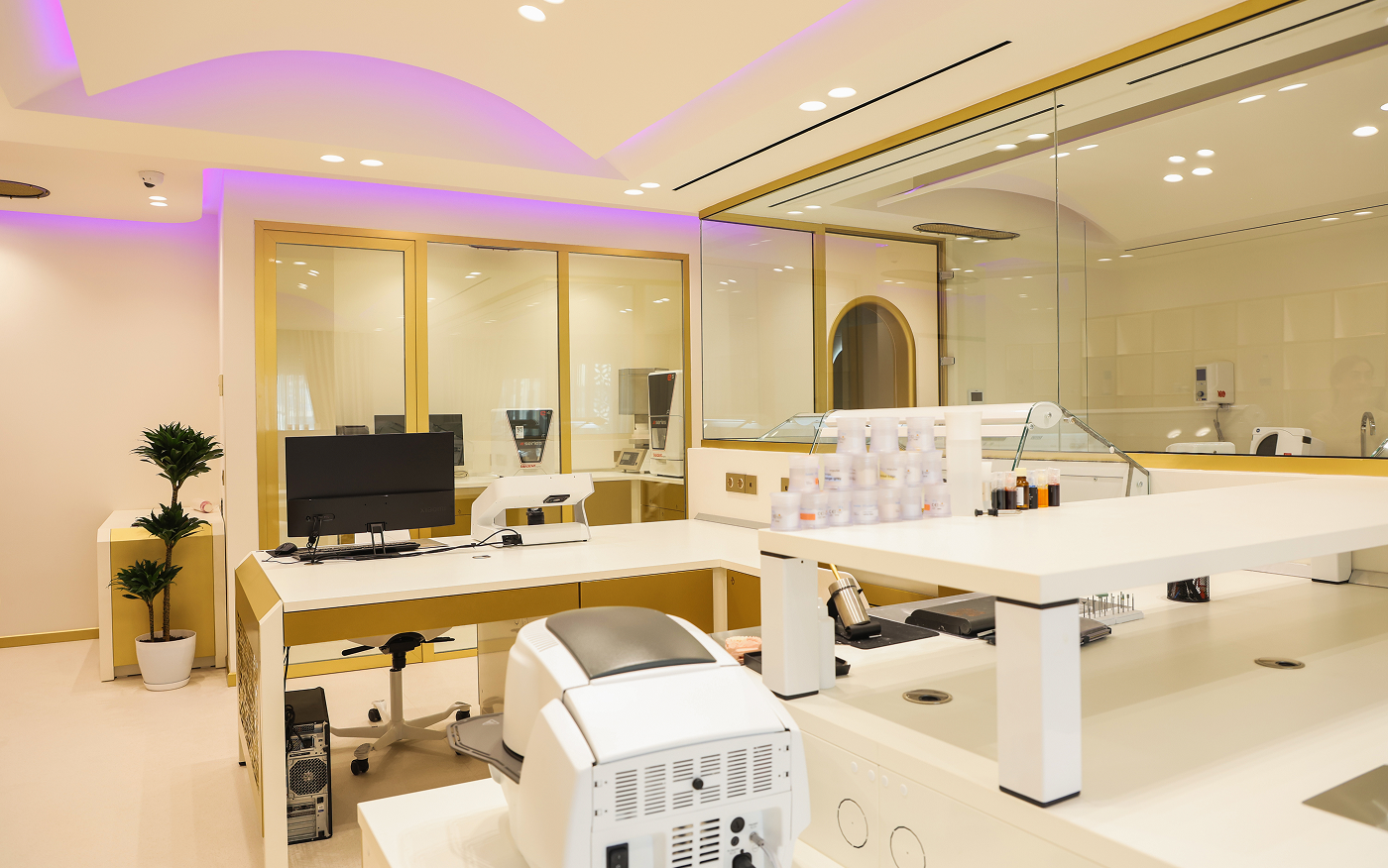
4. In-house dental laboratory and customised fixed dental prostheses
One of KEIT Dental's distinguishing features is its in-house dental laboratory, which facilitates direct collaboration between dentists and dental technicians in producing...
One of KEIT Dental's distinguishing features is its in-house dental laboratory, which facilitates direct collaboration between dentists and dental technicians in producing customised prosthetic rehabilitations. Dental impressions or digital scans allow tooth-supported bridges, implant-supported bridges, and full-arch prostheses to be designed according to tooth shape, colour, position, and occlusal relationships.
Coordination between the clinic and laboratory also supports the planning of titanium bar-supported rehabilitations and extensive prosthetic frameworks. Clinical try-in appointments allow the fit, aesthetics, speech, and functionality of the prostheses to be assessed, with any necessary adjustments made before final fixation.
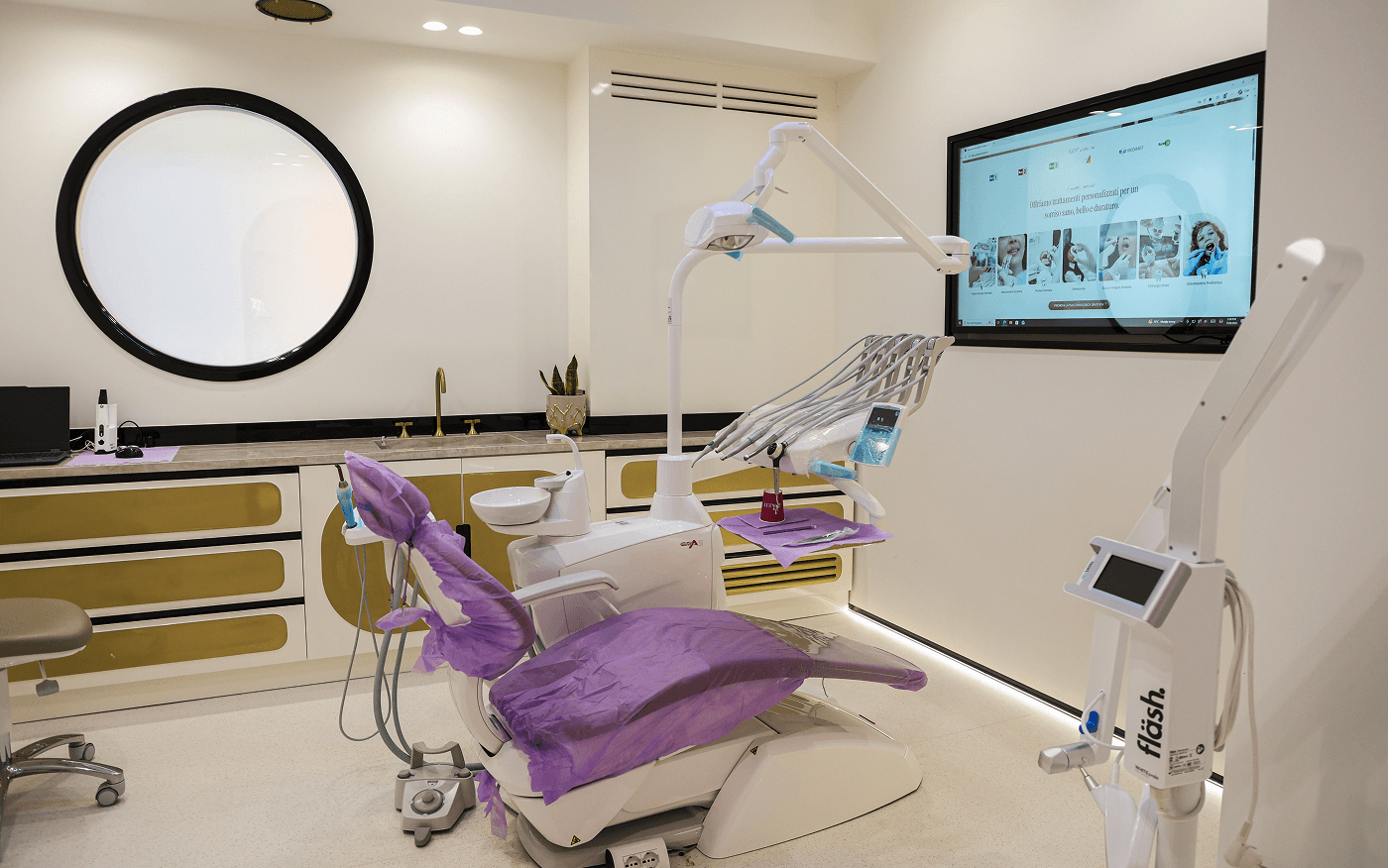
5. Safety, sterilisation, and access to hospital infrastructure
KEIT Dental follows hygiene and infection control protocols that include disinfecting treatment areas, sterilising instruments, and using disposable materials when indicated. During...
KEIT Dental follows hygiene and infection control protocols that include disinfecting treatment areas, sterilising instruments, and using disposable materials when indicated. During tooth preparation and placement of fixed dental prostheses, particular attention is paid to tissue protection, precision of fit, and assessment of occlusal contacts.
Integration with KEIT Day Hospital provides additional support for managing complex dental cases. The facility has three equipped operating theatres, specialists in anaesthesia and intensive care, vital signs monitoring systems, and a postoperative resuscitation room.
Preparation of abutment teeth is generally performed under local anaesthesia when necessary, while prosthetic try-in and fixation procedures often do not require anaesthesia. For more complex implant or oral and maxillofacial procedures, general anaesthesia may be used within the hospital facility when clinically indicated and following an appropriate anaesthetic assessment. For cases requiring prolonged monitoring or specific postoperative care, admission to KEIT Day Hospital's inpatient wards can also be arranged. These wards are equipped with healthcare staff and monitoring systems. This integration allows the level of care to be adapted to the patient's condition and the complexity of any associated procedures.
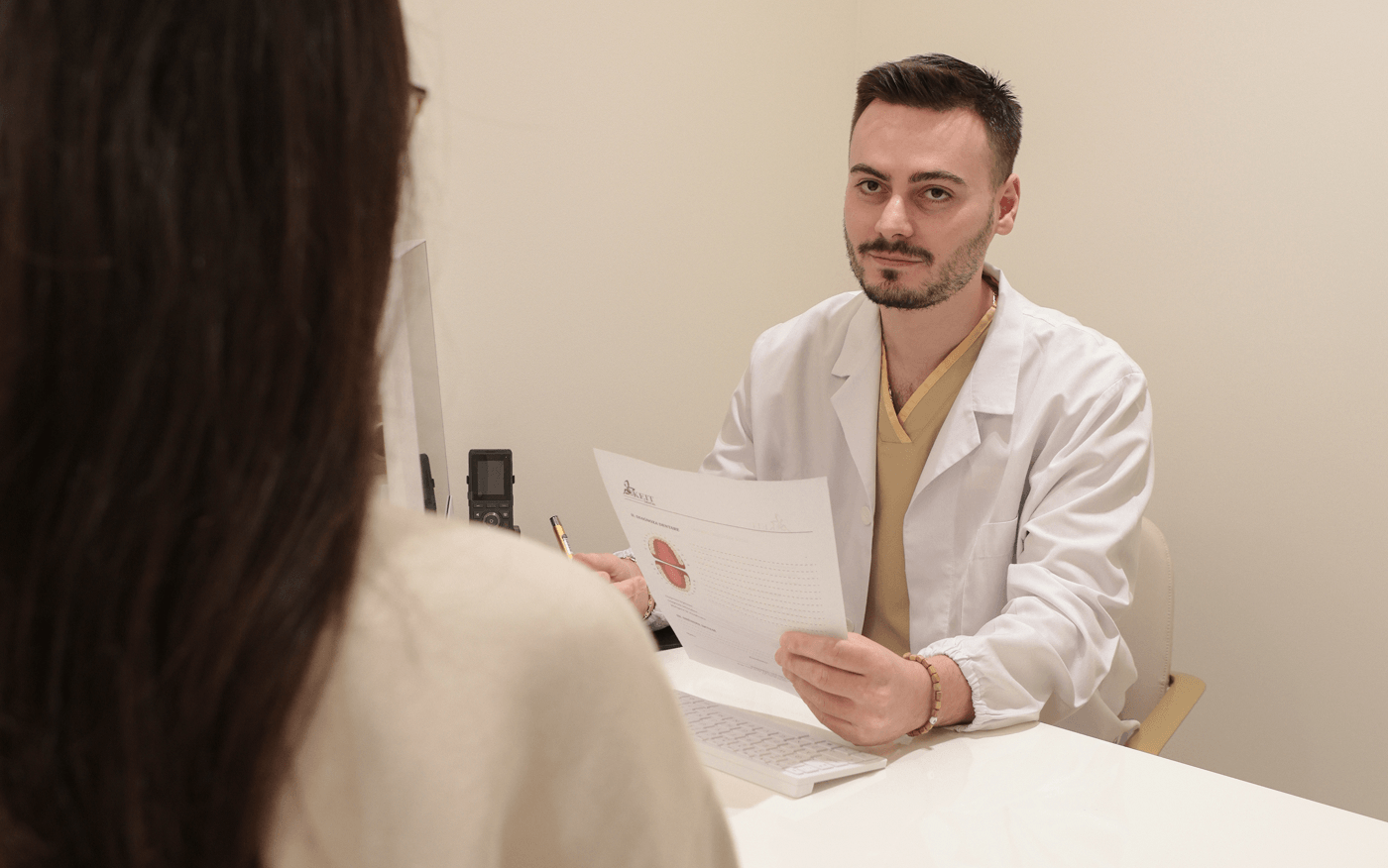
6. Personalised care and follow-up after prosthetic rehabilitation
At KEIT Dental, patient care continues after placement of a fixed dental prosthesis through personalised guidance and follow-up appointments scheduled according to...
At KEIT Dental, patient care continues after placement of a fixed dental prosthesis through personalised guidance and follow-up appointments scheduled according to clinical needs. Subsequent examinations allow the dentist to assess the stability of the prosthetic structure, the integrity of the restorations, occlusion, and the condition of the abutment teeth or peri-implant tissues.
Patients receive guidance on oral hygiene and cleaning the areas beneath dental bridges and full-arch prostheses. For screw-retained restorations, follow-up appointments may include maintenance procedures and, when necessary, professional removal of the prosthetic structure. For international patients, care may continue after they return to their home country through communication with the clinic and guidance on necessary follow-up appointments.
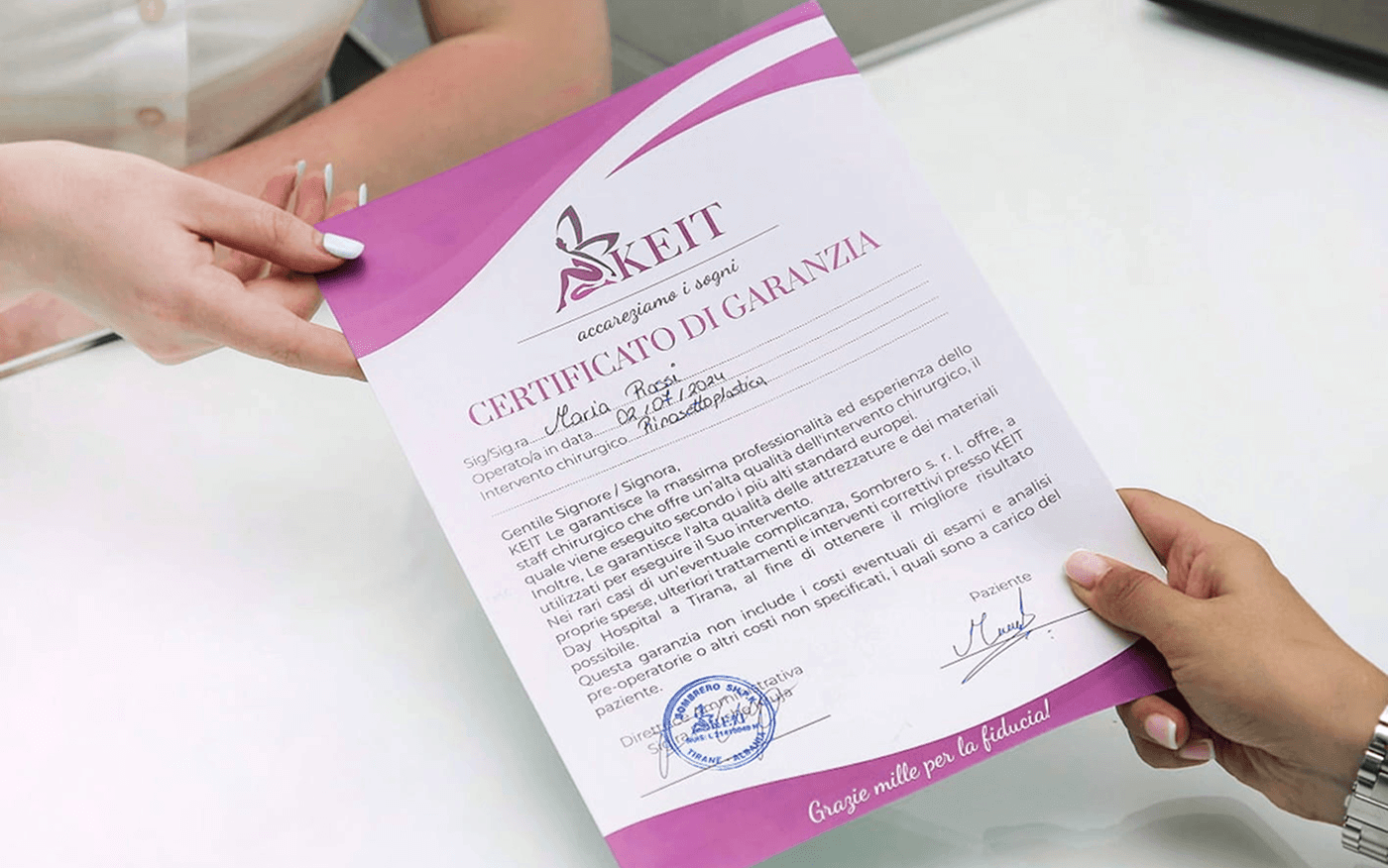
7. Transparency, clinical documentation, and guarantee conditions
KEIT Dental places particular emphasis on treatment transparency and clinical documentation. Before prosthetic rehabilitation, patients receive information about the available types of...
KEIT Dental places particular emphasis on treatment transparency and clinical documentation. Before prosthetic rehabilitation, patients receive information about the available types of prostheses, materials used, any required implant procedures, treatment stages, and the potential risks and limitations of the different solutions.
Clinical documentation includes diagnostic examinations, the prosthetic treatment plan, and the characteristics of the completed rehabilitation. The informed consent form and treatment quotation also allow patients to understand the details of the treatment and its associated costs. Any applicable guarantee conditions are specified in the contractual documentation, clarifying the coverage provided, exclusions, and arrangements for assistance. The longevity of fixed dental prostheses also depends on individual clinical conditions, proper maintenance, and regular dental check-ups.
FAQ
Frequently asked questions
Can a fixed dental prosthesis be removed?

Yes, but not by the patient during everyday use. Cement-retained prostheses can be removed by a dentist when necessary, for example, for examinations or maintenance procedures. Screw-retained prostheses, on the other hand, can be unscrewed by a dental professional for inspection, maintenance, or replacement.
Is a dental bridge better than a dental implant?
Neither option is universally better. The choice depends on the condition of the adjacent teeth, the quantity and quality of available bone, the size of the gap to be restored, and the patient's overall health. A dental bridge uses adjacent natural teeth for support, while an implant-supported restoration is supported by one or more dental implants.
What is the difference between a Toronto Bridge and All-on-4?
A Toronto Bridge is a full-arch fixed dental prosthesis supported by implants. All-on-4, on the other hand, refers to a specific implant configuration in which an entire dental arch is supported by four implants. A Toronto Bridge can therefore be used as part of an All-on-4 or All-on-6 dental implant restoration.
Is All-on-4 or All-on-6 better?
Neither option is universally better. The choice depends on the quantity and quality of available bone, dental arch anatomy, the patient's functional needs, and the most suitable positions for implant placement. A comprehensive dental implant assessment helps determine the most appropriate configuration for each individual case.
Can I have fixed teeth immediately after dental implant placement?
In some cases, a temporary fixed prosthesis can be fitted on the same day as dental implant placement using an immediate loading protocol. This option depends primarily on the initial stability of the implants and the clinical conditions observed during surgery. The dentist or implant surgeon will determine whether immediate loading is appropriate for the individual patient.