 4.9 Rating | 23.000+ Procedures | Medical Experts
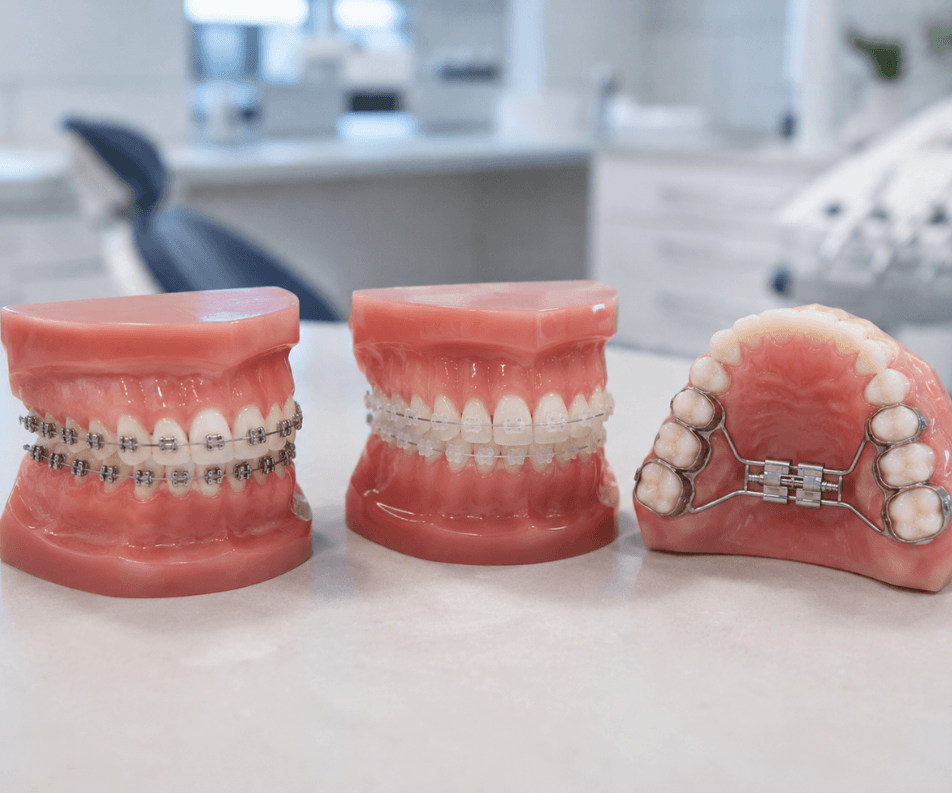
Table of contents:

What is a fixed orthodontic appliance and when is it indicated?
How does a fixed appliance work and how is it fitted?
Types of fixed braces: metal and ceramic
Palatal expander: when is it needed, how long does treatment last and what checks are required?
Oral hygiene and diet with fixed braces
Discomfort and possible problems during treatment
Why choose KEIT Dental for fixed orthodontic treatment?
In this article, you will learn how fixed braces work, the differences between metal and ceramic braces and when a palatal expander may be recommended. You will also find information about treatment duration, follow-up appointments, oral hygiene and possible discomfort during treatment.
 Book your FREEOnline Consultation Now

What is a fixed orthodontic appliance and when is it indicated?
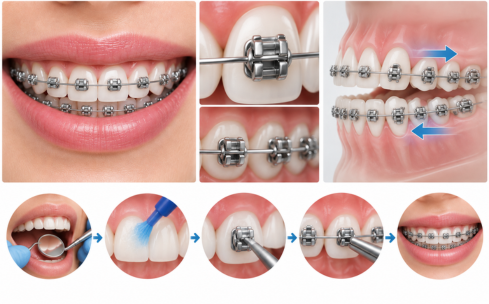
A fixed orthodontic appliance uses brackets attached to the teeth and connected by an archwire that applies light, controlled forces. These forces gradually move the teeth and correct their alignment and the relationship between the dental arches. Because the appliance remains in place throughout treatment, it allows the orthodontist to plan and monitor tooth movements accurately.
It may be indicated for crowded, rotated, spaced or incorrectly aligned teeth, as well as for the correction of certain bite problems. The need for treatment is determined after an orthodontic assessment of tooth position, occlusion, jaw development and the health of the teeth and gums. The aim is to achieve a functional and stable alignment.
How does a fixed appliance work and how is it fitted?
A fixed orthodontic appliance consists of brackets attached to the surfaces of the teeth and connected by an orthodontic archwire. The archwire applies light, controlled forces that gradually guide the teeth towards the positions defined in the treatment plan.
Before the appliance is fitted, an orthodontic examination and the necessary diagnostic tests are carried out, which may include photographs, digital scans or radiographs. The brackets are then bonded to the teeth using a dental adhesive and connected to the orthodontic archwire. The procedure does not usually require anaesthesia, and it is normal to experience a mild feeling of pressure at the end of the appointment.
Types of fixed braces: metal and ceramic
Fixed braces may be made with either metal or ceramic brackets. Both options use an orthodontic archwire to guide the teeth gradually towards their planned positions. The duration of treatment depends on the complexity of the case and the tooth movements required. Regular appointments are scheduled throughout the treatment to assess progress, adjust the archwire and manage any elastics or additional components.
Metal fixed braces
Metal fixed braces use durable brackets connected by an orthodontic archwire. They are suitable for correcting a wide range of tooth alignment and bite problems and allow precise control of tooth movements. They may be fitted to the upper arch, the lower arch or both. The choice depends on tooth position, the relationship between the dental arches and the treatment objectives.
Ceramic fixed braces
Ceramic fixed braces use translucent or tooth-coloured brackets, making the appliance less visible when smiling. They may be suitable for patients who prefer a more discreet fixed orthodontic treatment. Their use is assessed according to the patient’s bite and tooth position. In some cases, such as the presence of a deep bite, ceramic brackets may not be recommended on the lower arch.
Palatal expander: when is it needed, how long does treatment last and what checks are required?
Appliances used to widen the upper jaw, also known as palatal expanders, are designed to increase the transverse width of the upper dental arch. They may be indicated in the presence of a narrow palate, a crossbite or insufficient space for proper tooth alignment.
Treatment includes an activation phase, during which the expander is adjusted according to the orthodontist’s instructions, followed by a stabilisation phase that is necessary to maintain the expansion achieved. The duration varies according to the patient’s age, skeletal development and the amount of expansion required. Follow-up appointments are used to assess the response of the upper jaw structures, adjust the appliance and determine when any subsequent treatment with fixed braces should begin.
Oral hygiene and diet with fixed braces
Brackets and wires can trap plaque and food debris, so oral hygiene must be particularly thorough. The teeth should be brushed carefully around the brackets and along the gum line using fluoride toothpaste. Interdental brushes, orthodontic floss and, when recommended, a water flosser can help clean areas that are more difficult to reach.
During treatment, it is advisable to avoid very hard or sticky foods that could bend the archwire or dislodge the brackets. Fruit and firm foods can be cut into small pieces, while softer foods may be more comfortable during the days following an adjustment. Sugary drinks and foods that increase the risk of tooth decay should also be limited.
Discomfort and possible problems during treatment
During the first few days and after adjustments, it is normal to experience pressure on the teeth, sensitivity when chewing or irritation of the cheeks and lips. Orthodontic wax can be used to protect areas affected by rubbing. During treatment, a bracket may also become detached, the archwire may bend or an elastic may break. These problems should be reported to the dental clinic to avoid delays or unintended tooth movements. Severe pain, a wire causing injury or persistent discomfort also requires an orthodontic check-up.
Why choose KEIT Dental for fixed orthodontic treatment?
KEIT Dental is the dental clinic of the KEIT brand, integrated into the KEIT Day Hospital healthcare facility in Tirana, Albania, founded in 2011 by Dr Skerdilajd Faria. With over 23,000 procedures performed across the KEIT brand's various areas of activity, the facility combines specialist expertise, medical technology, safety protocols, and personalised patient care.
KEIT Dental has seven dental treatment rooms and an in-house dental laboratory. Its integration with KEIT Day Hospital also provides access to a multidisciplinary medical team, oral and maxillofacial surgeons, specialists in anaesthesia and intensive care, equipped operating theatres, and inpatient wards for cases requiring more complex care. For fixed orthodontic treatment, KEIT Dental adopts a personalised approach aimed at correcting misaligned teeth, improving occlusion, and achieving a functional and aesthetically harmonious result.
1. Seven dental treatment rooms and technologies for fixed orthodontic treatment
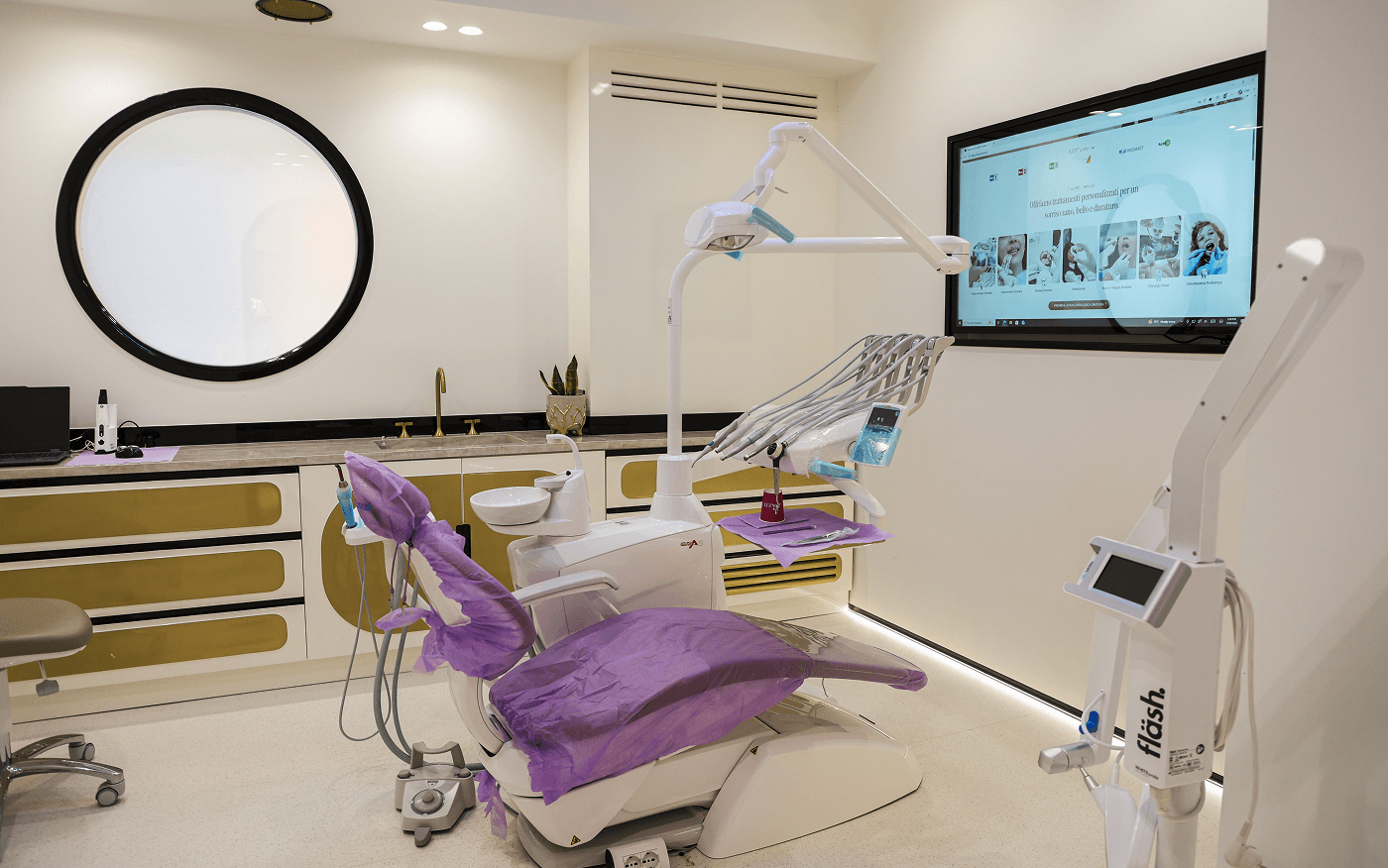
KEIT Dental has seven dental treatment rooms organised to accommodate restorative dentistry, endodontics, implantology, and prosthetic rehabilitation. For fixed orthodontic treatment, appropriate...
KEIT Dental has seven dental treatment rooms organised to accommodate restorative dentistry, endodontics, implantology, and prosthetic rehabilitation. For fixed orthodontic treatment, appropriate diagnostic and orthodontic instruments allow the orthodontist to assess tooth positions, the relationship between the dental arches, and plan the necessary movements. The use of metal or ceramic brackets, orthodontic archwires, and palatal expanders when indicated, selected according to the clinical case, allows treatment to be personalised, with particular attention to controlled tooth movement, functional occlusion, and smile aesthetics.
2. Multidisciplinary dental and medical team
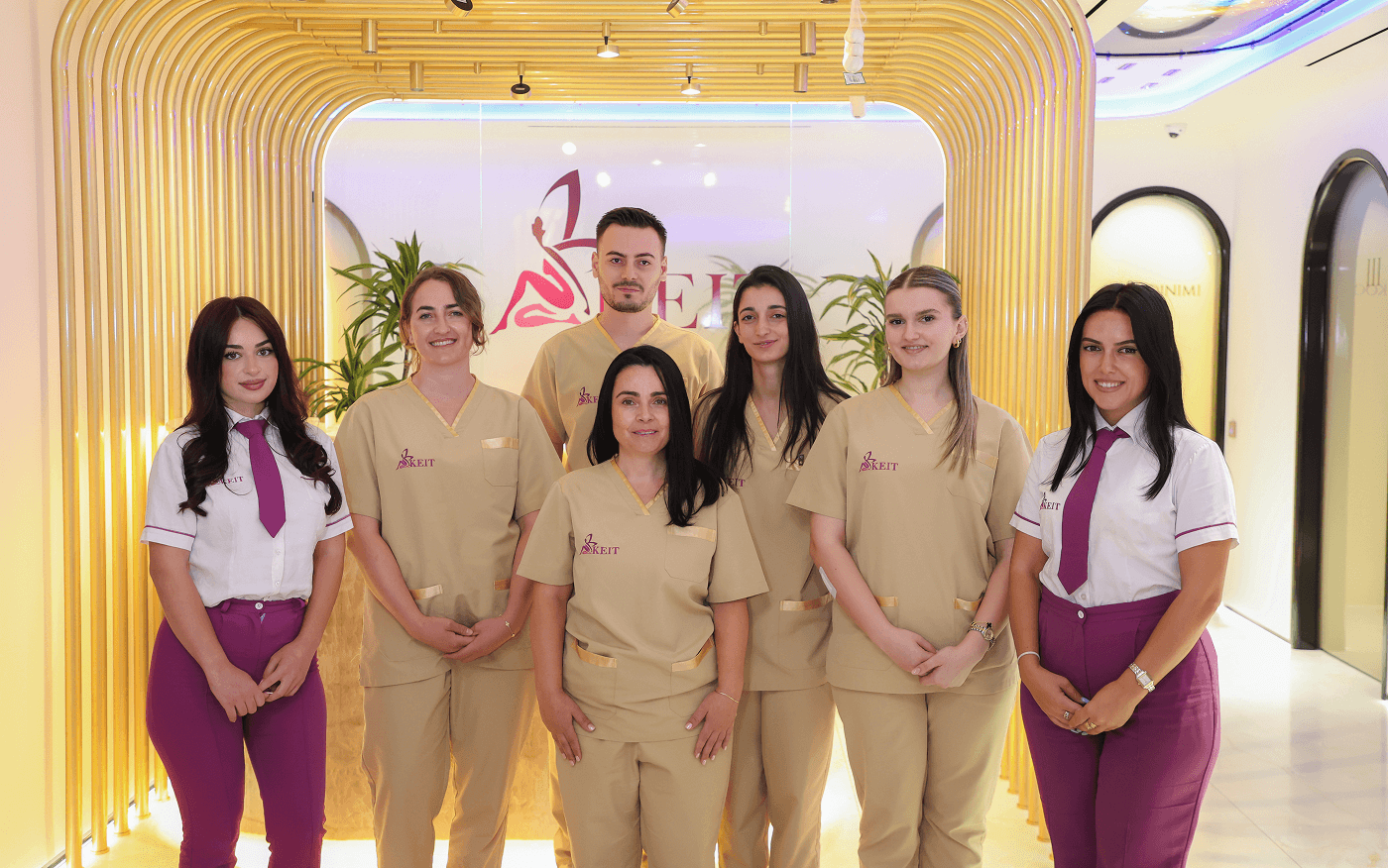
One of the main advantages of KEIT Dental is its ability to combine dental expertise with the multidisciplinary medical team at KEIT...
One of the main advantages of KEIT Dental is its ability to combine dental expertise with the multidisciplinary medical team at KEIT Day Hospital. The clinic works with professionals experienced in orthodontics, restorative dentistry, endodontics, implantology, and dental prosthetics. In particularly complex cases, oral and maxillofacial surgeons and other medical specialists may also be involved, depending on clinical needs.
When treating complex malocclusions, collaboration between professionals allows the assessment of dental and skeletal structures, correction of tooth alignment, and any necessary complementary dental treatments to be coordinated. This approach makes it possible to address the patient's different needs through a coordinated treatment plan, including cases requiring additional specialist expertise.
3. Thorough diagnosis and personalised medical assessment
Before fitting fixed braces, the orthodontist assesses tooth positions, the relationship between the dental arches, occlusion, and the condition of the teeth...
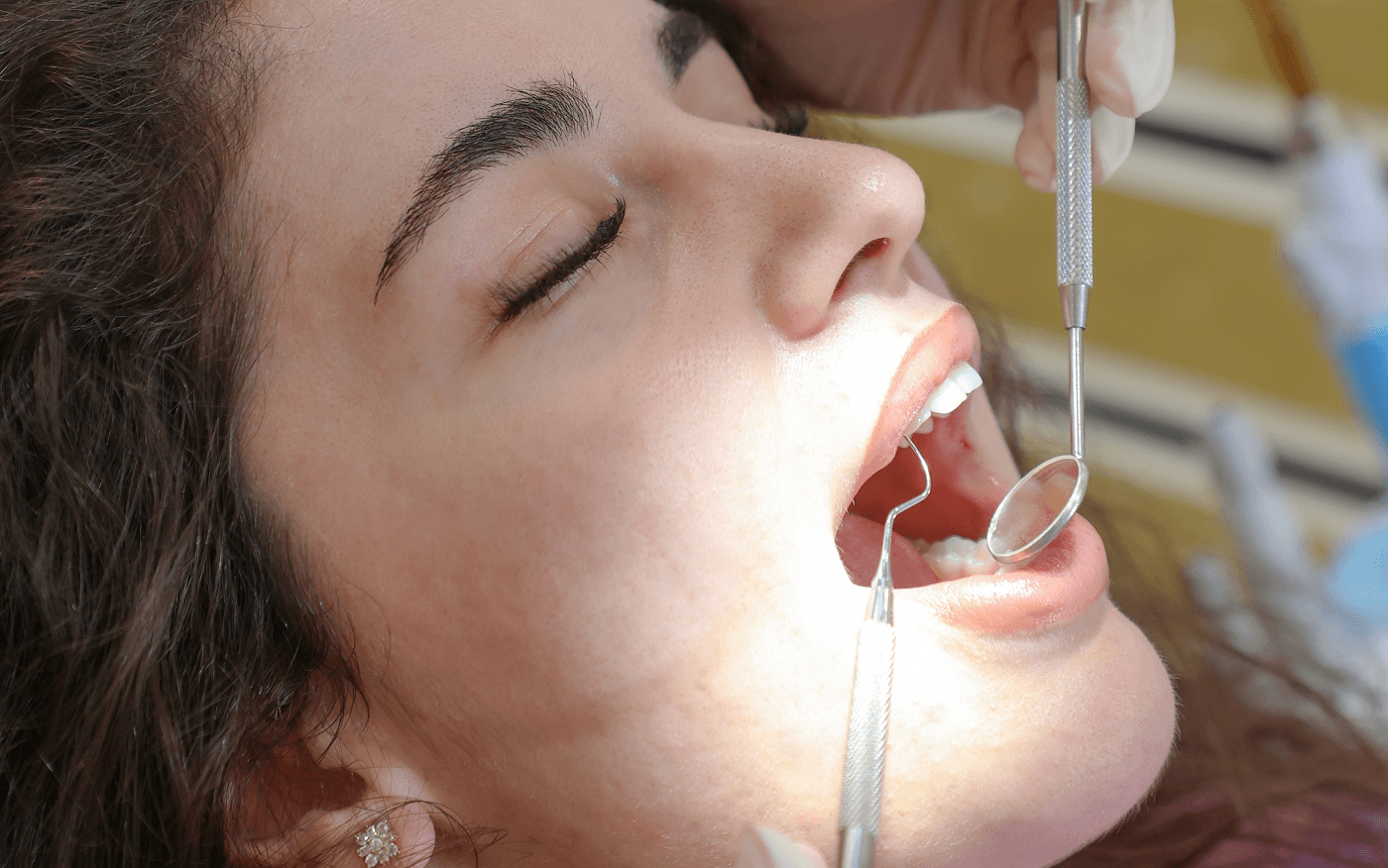
Before fitting fixed braces, the orthodontist assesses tooth positions, the relationship between the dental arches, occlusion, and the condition of the teeth and gums, using photographs, digital scans, and X-rays when indicated. Particular attention is paid to the severity of misalignment, jaw development, and whether treatment is required on one or both dental arches. The potential use of a palatal expander is assessed according to the shape of the upper dental arch and the patient's skeletal characteristics.
Thanks to its integration with KEIT Day Hospital, patients with particular medical conditions or those requiring more complex procedures may undergo assessments by anaesthetists, cardiologists, or other specialists, alongside any necessary diagnostic evaluations. Treatment planning therefore considers both the patient's orthodontic objectives and general health.
4. In-house dental laboratory and customised orthodontic appliances
One of KEIT Dental's distinguishing features is its in-house dental laboratory, which facilitates direct collaboration between dentists and dental technicians in producing...
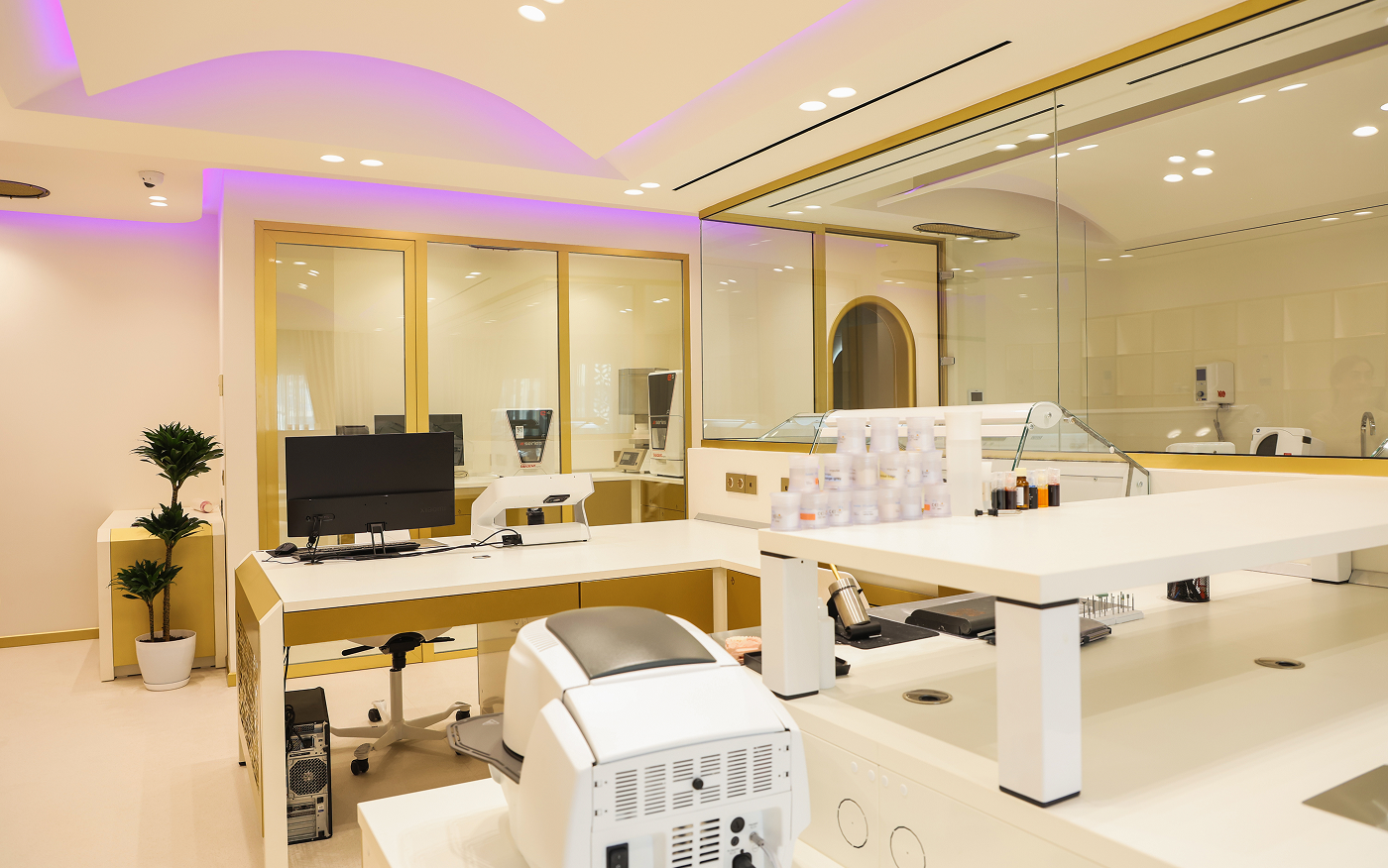
One of KEIT Dental's distinguishing features is its in-house dental laboratory, which facilitates direct collaboration between dentists and dental technicians in producing dental appliances and restorations. When orthodontic treatment requires a palatal expander or other custom-made appliances, the laboratory can contribute to their design according to the anatomy of the dental arches and the orthodontist's instructions.
Coordination between the clinic and laboratory allows clinical requirements and technical details to be shared, with particular attention to precision of fit, appliance functionality, and patient comfort.
5. Safety, sterilisation, and access to hospital infrastructure
KEIT Dental follows hygiene and infection control protocols that include disinfecting treatment areas, sterilising instruments, and using disposable materials when indicated. During...
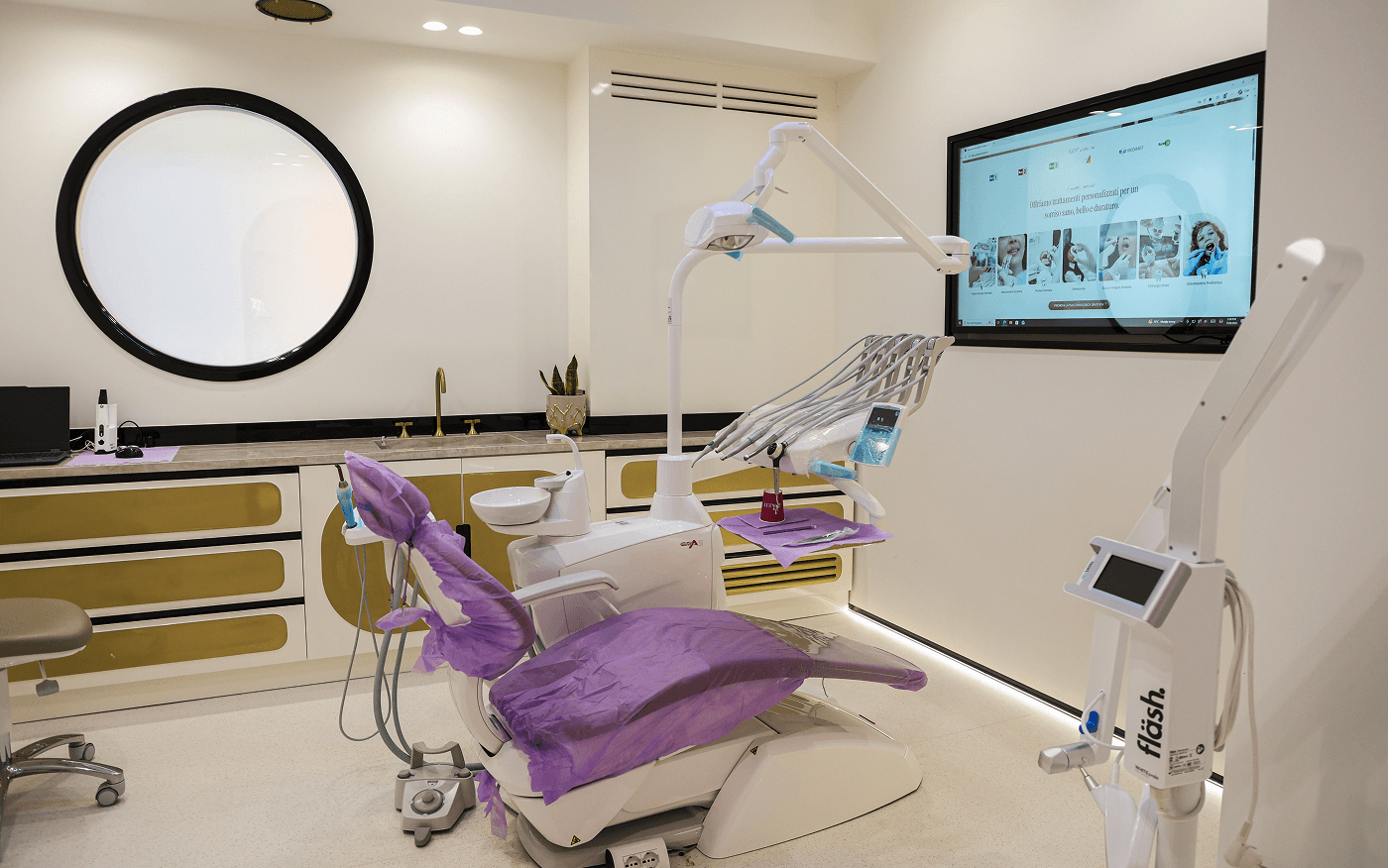
KEIT Dental follows hygiene and infection control protocols that include disinfecting treatment areas, sterilising instruments, and using disposable materials when indicated. During the fitting and adjustment of fixed braces, particular attention is paid to the correct handling of instruments, protection of oral tissues, and monitoring of gum health.
For cases requiring prolonged monitoring or specific postoperative care, admission to KEIT Day Hospital's inpatient wards can also be arranged. These wards are equipped with healthcare staff and monitoring systems. This integration allows treatment to be organised according to the level of care required by the patient's condition and the complexity of the procedure.
6. Personalised care and follow-up during orthodontic treatment
At KEIT Dental, patient care continues throughout fixed orthodontic treatment through personalised guidance and follow-up appointments scheduled according to clinical needs. Regular...
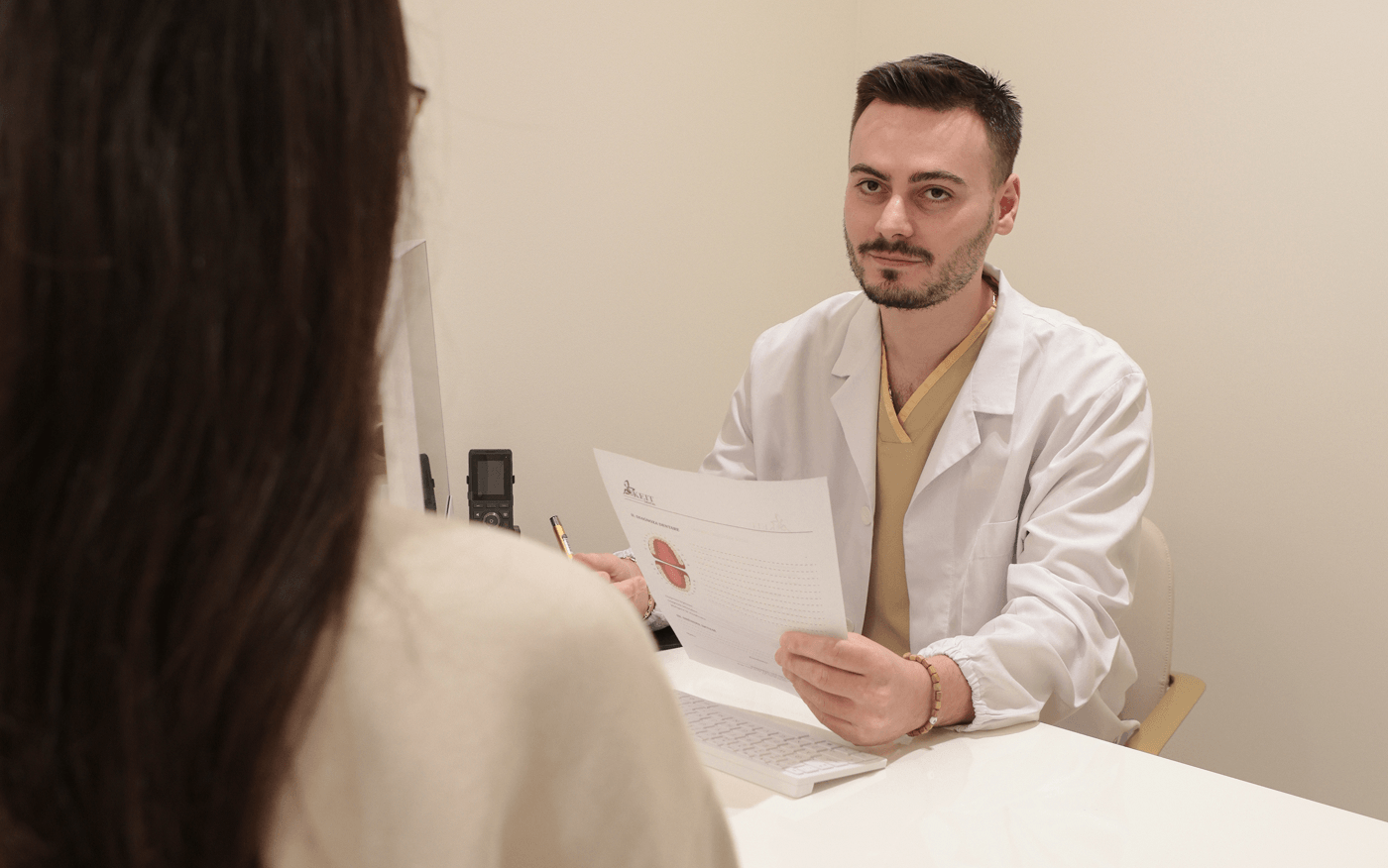
At KEIT Dental, patient care continues throughout fixed orthodontic treatment through personalised guidance and follow-up appointments scheduled according to clinical needs. Regular examinations allow the orthodontist to monitor tooth movements, adjust orthodontic archwires, check the integrity of brackets, and assess the response of the gum tissues.
Patients also receive guidance on oral hygiene, diet, and managing any discomfort or problems with their braces. At the end of treatment, appropriate retention measures are assessed to maintain the alignment achieved. In complex cases, other specialists from the KEIT team may also be involved according to the patient's needs. For international patients, care may include communication with the clinic and guidance on arranging the necessary orthodontic follow-up appointments.
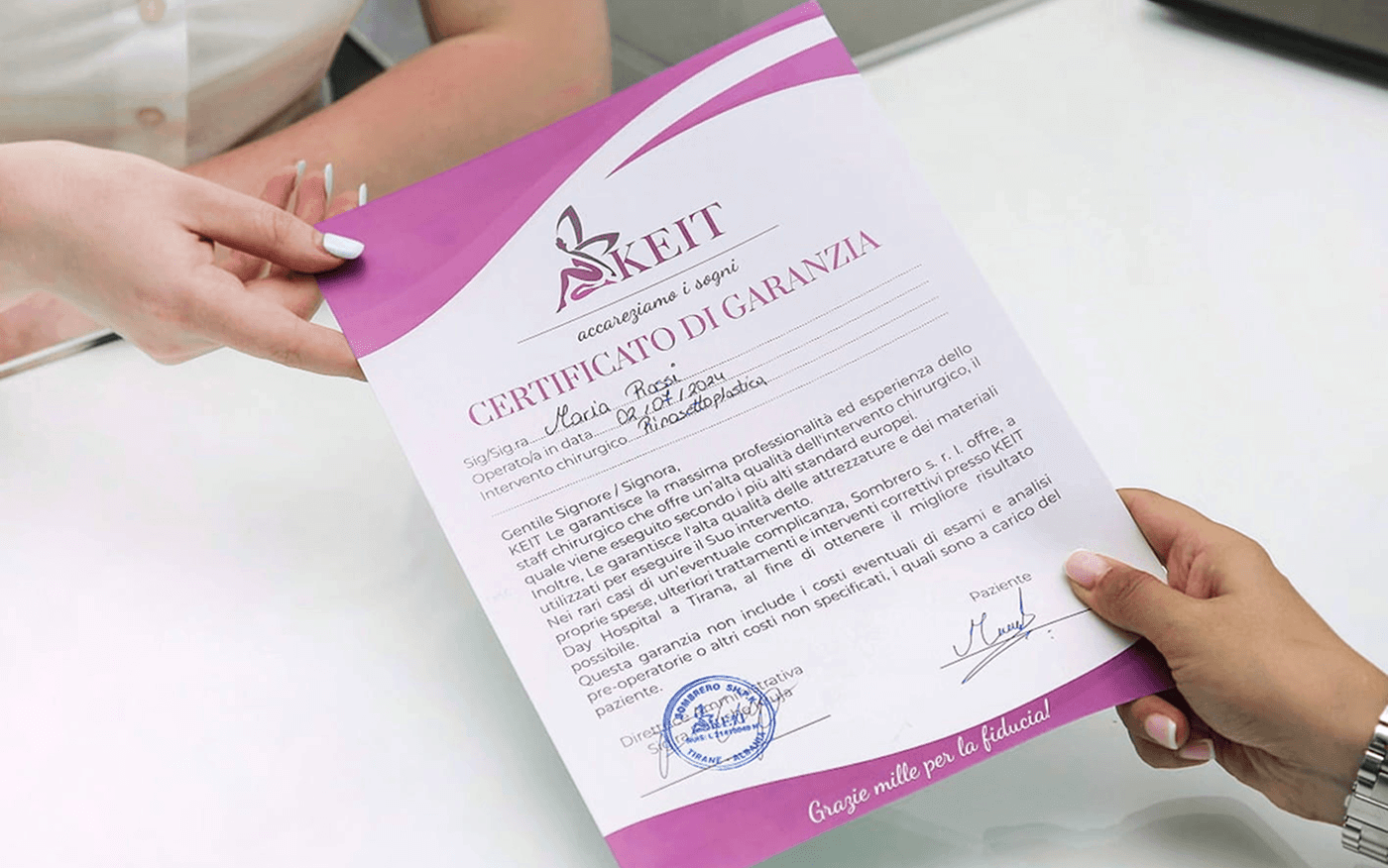
7. Transparency, clinical documentation, and guarantee conditions
KEIT Dental places particular emphasis on treatment transparency and clinical documentation. Before fixed braces are fitted, patients receive information about the proposed...
KEIT Dental places particular emphasis on treatment transparency and clinical documentation. Before fixed braces are fitted, patients receive information about the proposed orthodontic treatment, available alternatives, expected treatment duration, anticipated benefits, and potential risks.
Clinical documentation includes diagnostic examinations, the treatment plan, and procedures performed. The informed consent form and treatment quotation also allow patients to understand the details of the treatment and its associated costs. Any applicable guarantee conditions are specified in the contractual documentation, clarifying the coverage provided, exclusions, and arrangements for assistance.
FAQ
Frequently asked questions
Are fixed braces painful?

Fitting fixed braces is not normally painful. During the first few days or after adjustments, pressure on the teeth and sensitivity when chewing may occur, but these symptoms generally decrease gradually.
How long does treatment with fixed braces take?
The duration depends on the complexity of the case. Treatment may last several months and, when more complex tooth movements or bite corrections are required, it may continue for two years or longer.
Are metal or ceramic braces better?
There is no single option that is best for every patient. Metal braces are durable and versatile, while ceramic braces are less visible. The choice depends on the bite, the tooth movements required and the patient’s individual preferences.
Can braces be fitted only to the upper arch?
Yes, in selected cases, but the relationship with the lower arch must also be evaluated. Treating only one arch without considering the overall bite may create incorrect contact between the teeth.
What is an upper jaw expander used for?
It is used to increase the transverse width of the upper dental arch. It may be indicated in the presence of a narrow palate, a crossbite or insufficient space for tooth alignment. The technique used depends on the patient’s age and stage of skeletal development.