 4.9 Rating | 23.000+ Procedures | Medical Experts
Contents:

What is gingivoplasty?
When is gingivoplasty recommended?
How is gingivoplasty performed, and how long does the treatment take?
What happens after gingivoplasty, and how long does recovery take?
How should the gums be cared for after treatment?
Why choose KEIT Dental for gingivoplasty?
In this article, you will find information about when gingivoplasty may be recommended, how the treatment is performed, how long it takes, and what to expect during recovery. We also explain the instructions that support healing and how treatment is planned at KEIT Dental.
 Book your FREEOnline Consultation Now

What is gingivoplasty?
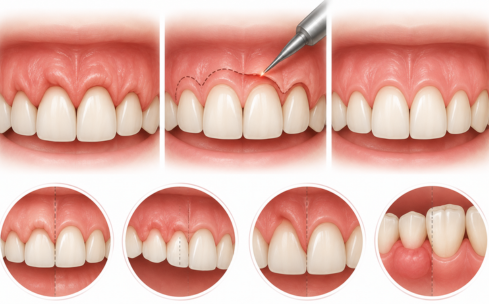
Gingivoplasty is a periodontal surgical procedure that reshapes the gum tissue to create a more regular contour around the teeth. It may involve a single tooth or a larger area of the dental arch, depending on the characteristics of the gumline and the purpose of treatment. Before the procedure, the dentist evaluates gum health, the amount of tissue present, the position of the gingival margin, and the relationship between the gums, teeth, and underlying bone.
When is gingivoplasty recommended?
Gingivoplasty may be recommended when the gingival margin appears irregular, asymmetrical, or disproportionate to the shape of the teeth. It may be used, for example, to make the gumline more even, expose more of the visible tooth surface, or improve the balance between the teeth and gum tissues.
The treatment may also be considered when the gum tissue has increased in volume and makes plaque removal more difficult. Excessive gum growth may be associated with inadequate plaque control, certain medications, orthodontic appliances, or specific medical conditions. In some cases, gum reshaping is planned before a dental restoration, crown, or other prosthetic treatment to create a more favorable tissue profile.
How is gingivoplasty performed, and how long does the treatment take?
Gingivoplasty begins with a clinical evaluation of the gums to define the new gumline and confirm that the procedure is appropriate. After local anesthesia is administered, the gum tissue is reshaped according to the treatment plan. The amount of tissue modified varies according to the characteristics of the case and must be carefully controlled to preserve the correct relationship between the gums, teeth, and underlying bone.
The duration of treatment depends on the number of teeth involved and the extent of the reshaping. A limited procedure may take approximately 30 minutes, while treatment involving several teeth may take one hour or longer. In most cases, gingivoplasty is completed in a single appointment, although additional visits may be required when it is combined with other dental treatments.
What happens after gingivoplasty, and how long does recovery take?
After treatment, the gums may be slightly swollen, sensitive, and affected by mild bleeding. Moderate discomfort may develop when the anesthesia wears off, particularly during chewing. Swelling usually decreases over the following days, and many patients return to their normal activities within one or two days. In some cases, sutures or a periodontal dressing may be placed to protect the treated area.
The surface of the gum tissue begins to heal during the first week, while complete tissue stabilization generally takes several weeks. The final result becomes more noticeable once the swelling has resolved. Smoking, inadequate oral hygiene, and inflammation may slow the healing process.
How should the gums be cared for after treatment?
During the first few hours, it is important to avoid touching the area with the fingers or tongue and to avoid vigorous rinsing. Soft foods that are not excessively hot are preferable for several days, and patients should chew away from the treated area whenever possible. Oral hygiene should continue according to the instructions provided. Teeth that were not involved in the procedure may be cleaned normally, while a soft toothbrush may be required around the surgical area, or direct brushing may need to be temporarily avoided.
When mechanical cleaning is not possible, a specific mouthwash may be recommended for a limited period. Any medications should be taken only according to the dentist’s instructions.
Why choose KEIT Dental for gingivoplasty?
KEIT Dental is the dental clinic of the KEIT brand, integrated into the KEIT Day Hospital healthcare facility in Tirana, Albania, founded in 2011 by Dr Skerdilajd Faria. With over 23,000 procedures performed across the KEIT brand's various areas of activity, the facility combines specialist expertise, medical technology, safety protocols, and personalised patient care.
KEIT Dental has seven dental treatment rooms and an in-house dental laboratory. Its integration with KEIT Day Hospital also provides access to a multidisciplinary medical team, oral and maxillofacial surgeons, specialists in anaesthesia and intensive care, equipped operating theatres, and inpatient wards for cases requiring more complex care. For gingivoplasty, KEIT Dental adopts a personalised approach aimed at reshaping the gum contour, improving harmony between the teeth and gums, and preserving the health of periodontal tissues.
1. Seven dental treatment rooms and gingivoplasty technologies
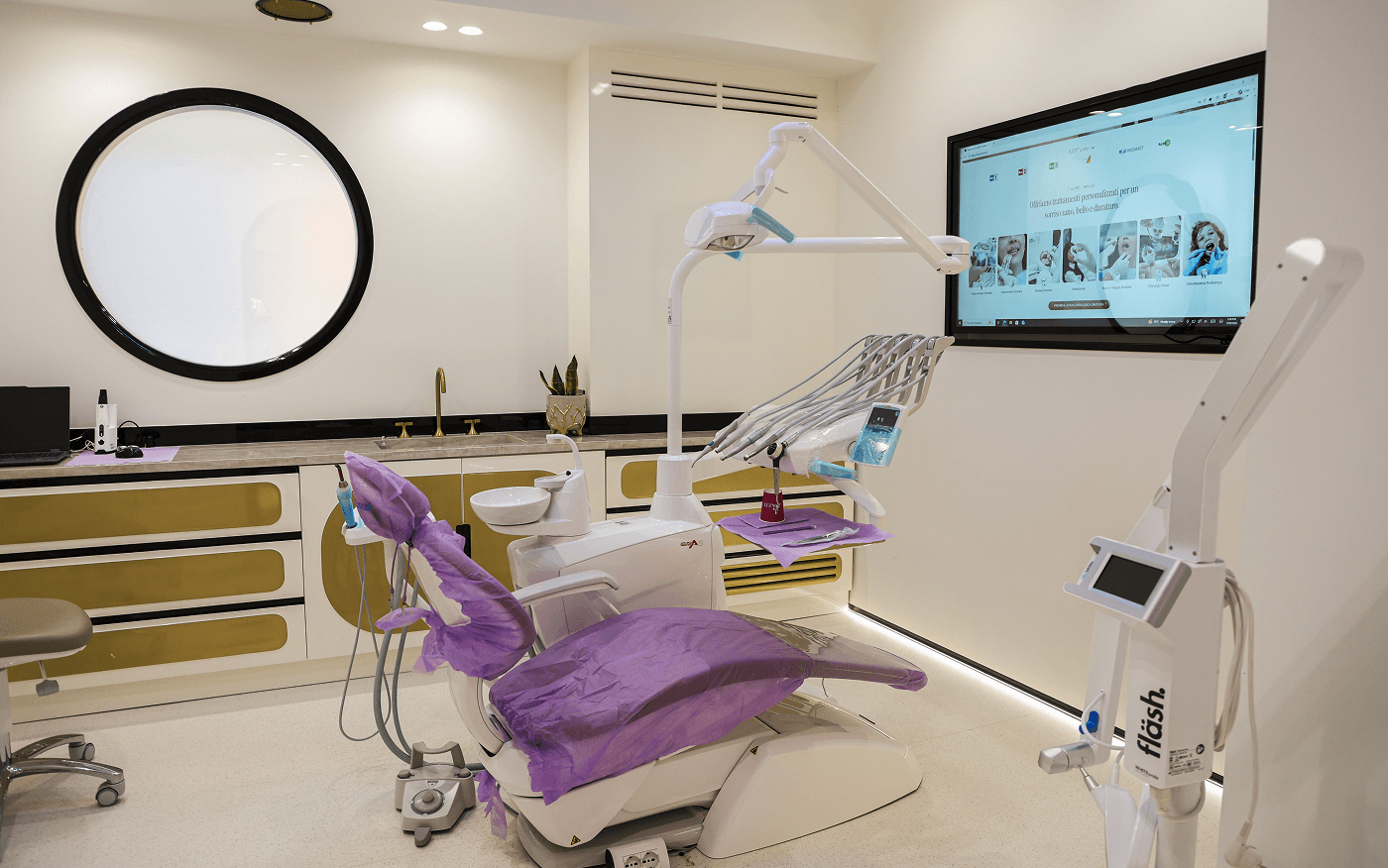
KEIT Dental has seven dental treatment rooms organised to accommodate periodontology, restorative dentistry, oral surgery, and dental prosthetic procedures. When planning gingivoplasty,...
KEIT Dental has seven dental treatment rooms organised to accommodate periodontology, restorative dentistry, oral surgery, and dental prosthetic procedures. When planning gingivoplasty, clinical examinations and diagnostic instruments allow the dentist to assess the gum contour, tooth shape, and relationship between the gums and underlying bone. When indicated, clinical photographs and intraoral scans may help plan the reshaping procedure, with particular attention to smile symmetry, functionality, and tissue preservation.
2. Multidisciplinary dental and medical team
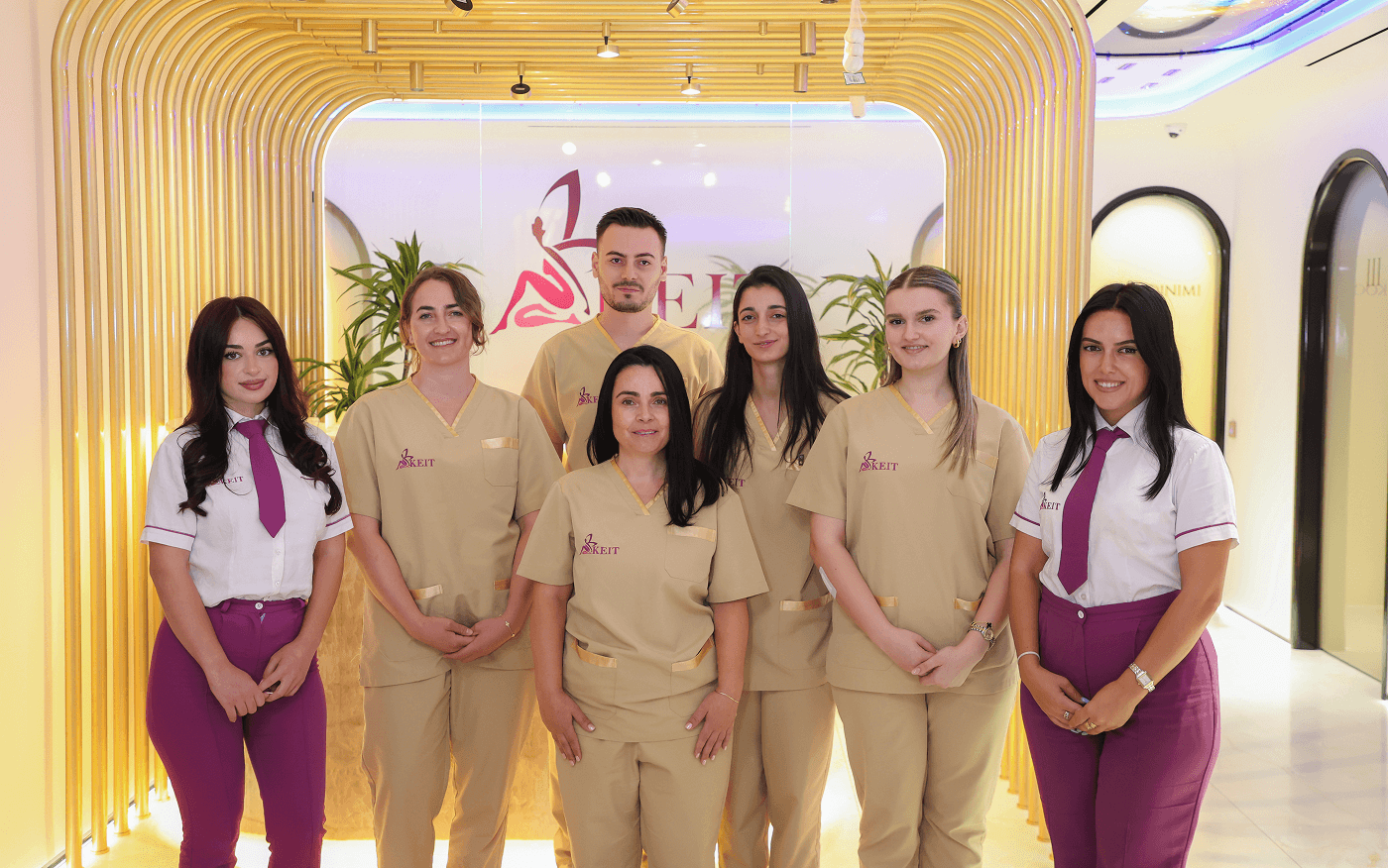
One of the main advantages of KEIT Dental is its ability to combine dental expertise with the multidisciplinary medical team at KEIT...
One of the main advantages of KEIT Dental is its ability to combine dental expertise with the multidisciplinary medical team at KEIT Day Hospital. The clinic works with professionals experienced in periodontology, oral surgery, restorative dentistry, and dental prosthetics. In particularly complex cases, oral and maxillofacial surgeons and other medical specialists may also be involved, depending on clinical needs.
For gingivoplasty, collaboration between professionals allows periodontal health, tooth proportions, and any restorative or prosthetic requirements to be assessed. This approach makes it possible to coordinate gum reshaping with other dental treatments when necessary to achieve a functional and aesthetically harmonious result.
3. Thorough diagnosis and personalised medical assessment
Before gingivoplasty, the dentist assesses gum health, the amount of gingival tissue present, the position of the gum margin, and its relationship...
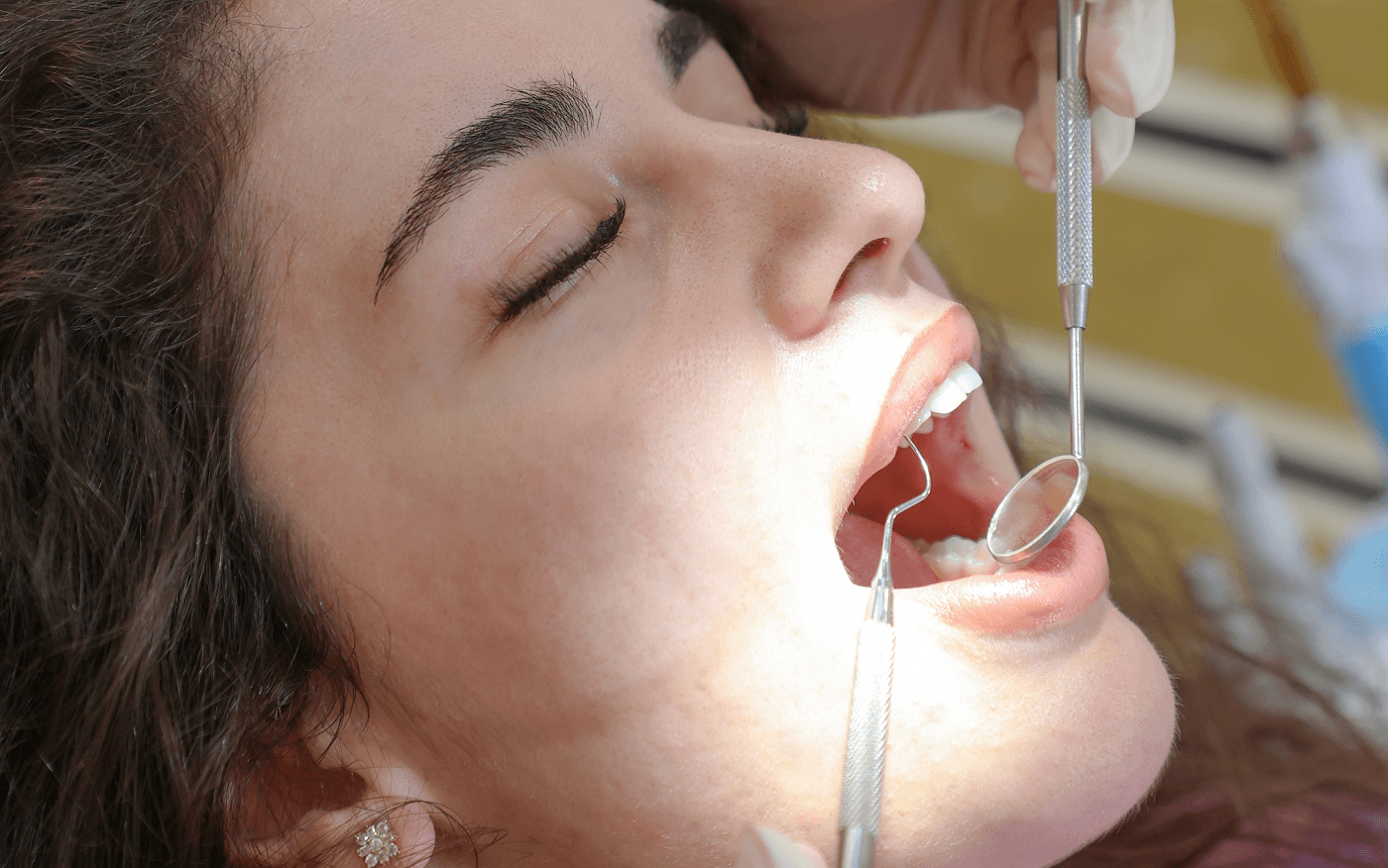
Before gingivoplasty, the dentist assesses gum health, the amount of gingival tissue present, the position of the gum margin, and its relationship with the underlying bone. Particular attention is paid to inflammation, gum enlargement, or contour abnormalities to determine whether reshaping is appropriate and how extensive the procedure should be. When necessary, the assessment may include periodontal examinations and radiographic evaluations.
Thanks to its integration with KEIT Day Hospital, patients with particular medical conditions or factors that may affect healing may undergo additional specialist assessments. Treatment planning therefore considers both aesthetic and functional objectives and the patient's general health.
4. In-house dental laboratory and aesthetic rehabilitation planning
One of KEIT Dental's distinguishing features is its in-house dental laboratory, which facilitates direct collaboration between dentists and dental technicians when planning...
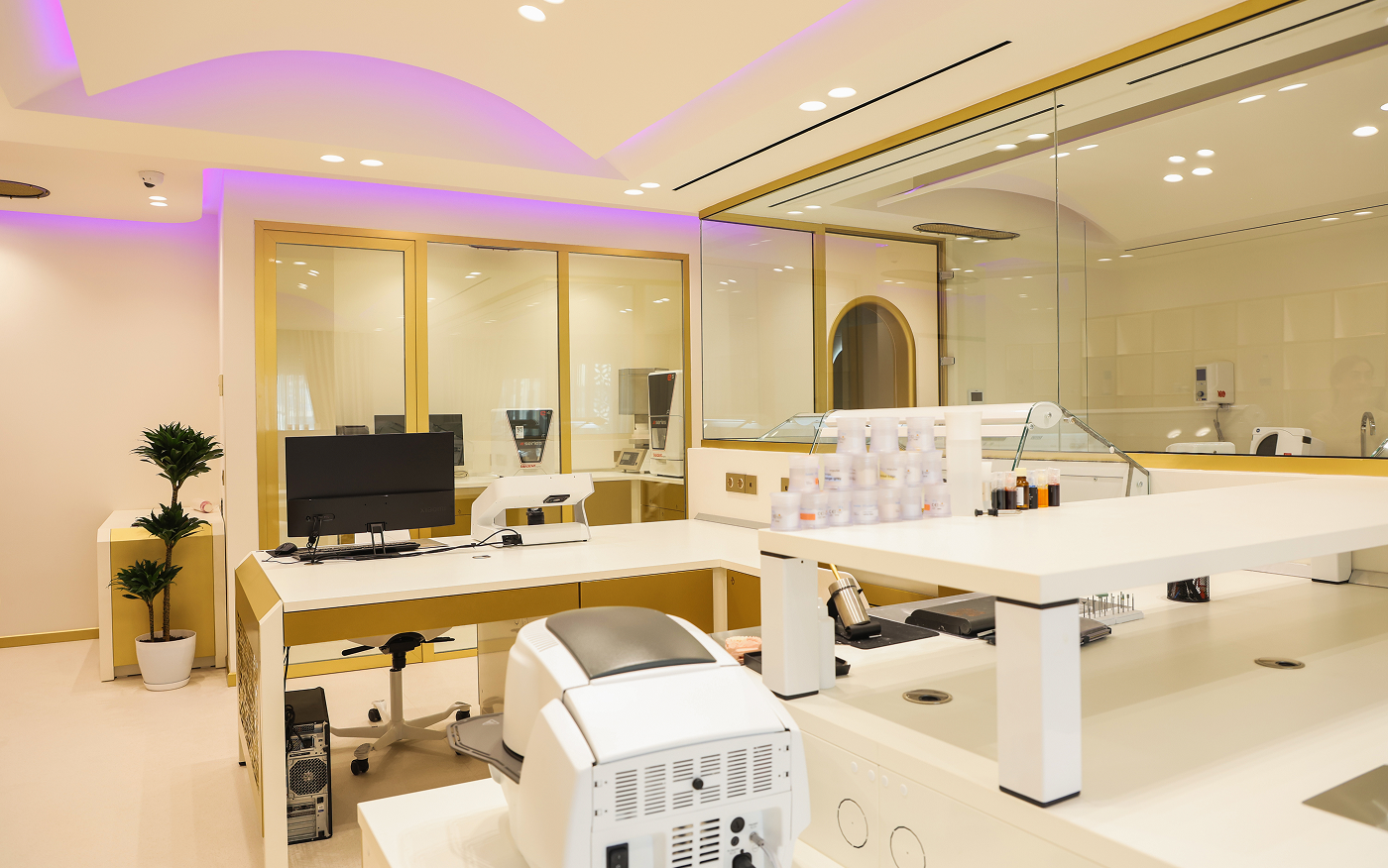
One of KEIT Dental's distinguishing features is its in-house dental laboratory, which facilitates direct collaboration between dentists and dental technicians when planning prosthetic and aesthetic rehabilitations. When gingivoplasty is performed before placing crowns, veneers, or other restorations, the gum contour is considered when designing the future restoration.
Coordination between the clinic and laboratory allows tooth proportions, restoration margins, and overall smile harmony to be assessed, supporting continuity between gum reshaping and subsequent prosthetic treatment stages.
5. Safety, sterilisation, and access to hospital infrastructure
KEIT Dental follows hygiene and infection control protocols that include disinfecting treatment areas, sterilising instruments, and using disposable materials when indicated. During...
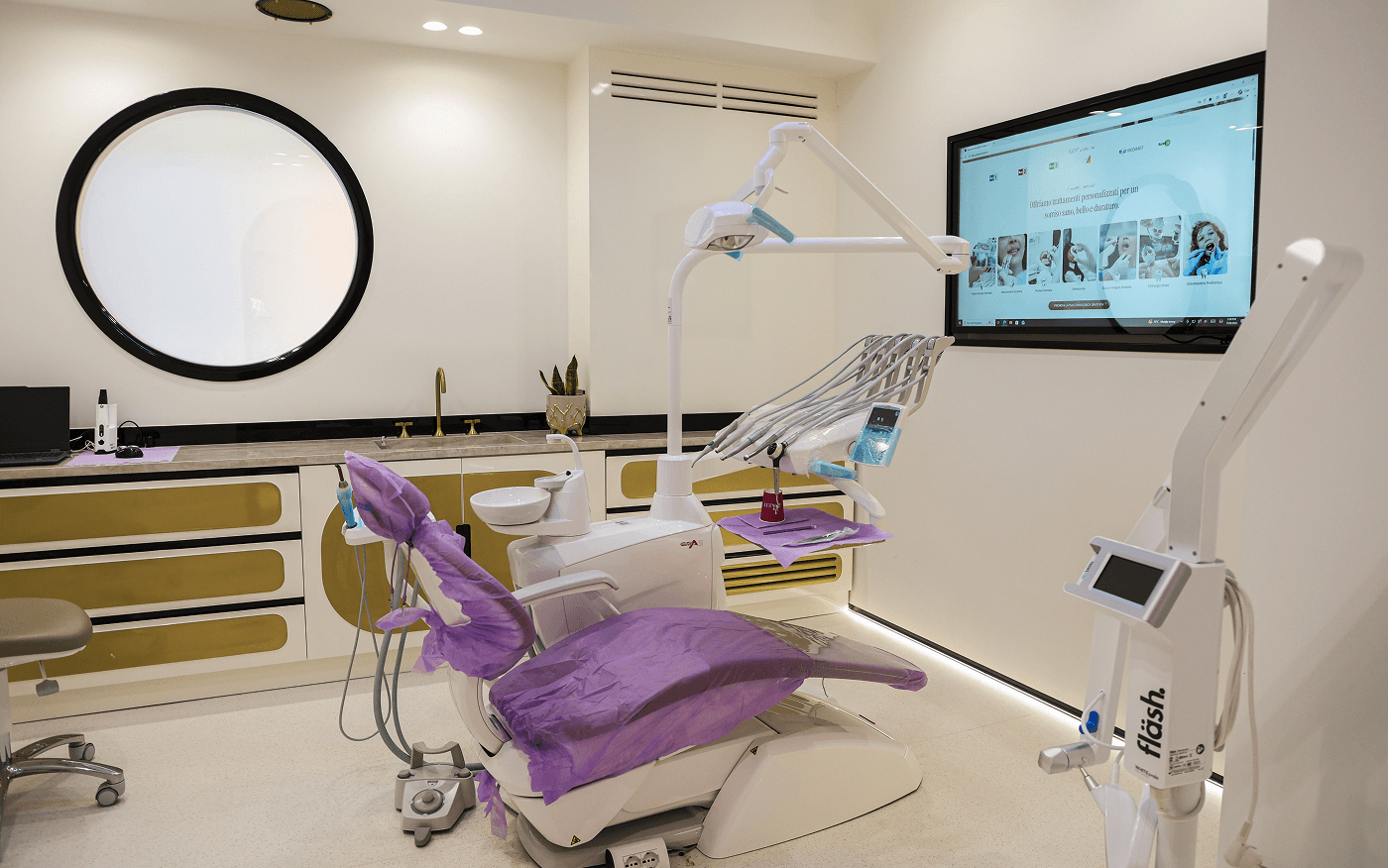
KEIT Dental follows hygiene and infection control protocols that include disinfecting treatment areas, sterilising instruments, and using disposable materials when indicated. During gingivoplasty, particular attention is paid to managing the gum tissues, controlling bleeding, and preserving periodontal structures.
Integration with KEIT Day Hospital provides additional support for managing complex dental cases. The facility has three equipped operating theatres, specialists in anaesthesia and intensive care, vital signs monitoring systems, and a postoperative resuscitation room.
Gingivoplasty is generally performed under local anaesthesia without requiring hospital admission. For more complex dental or oral and maxillofacial procedures, general anaesthesia may be used within the hospital facility when clinically indicated and following an appropriate anaesthetic assessment.
For cases requiring prolonged monitoring or specific postoperative care, admission to KEIT Day Hospital's inpatient wards can also be arranged. These wards are equipped with healthcare staff and monitoring systems. This integration allows the level of care to be adapted to the patient's condition and the complexity of the procedure.
6. Personalised care and follow-up after gingivoplasty
At KEIT Dental, patient care continues after treatment through personalised guidance and follow-up appointments scheduled according to the extent of gum reshaping....
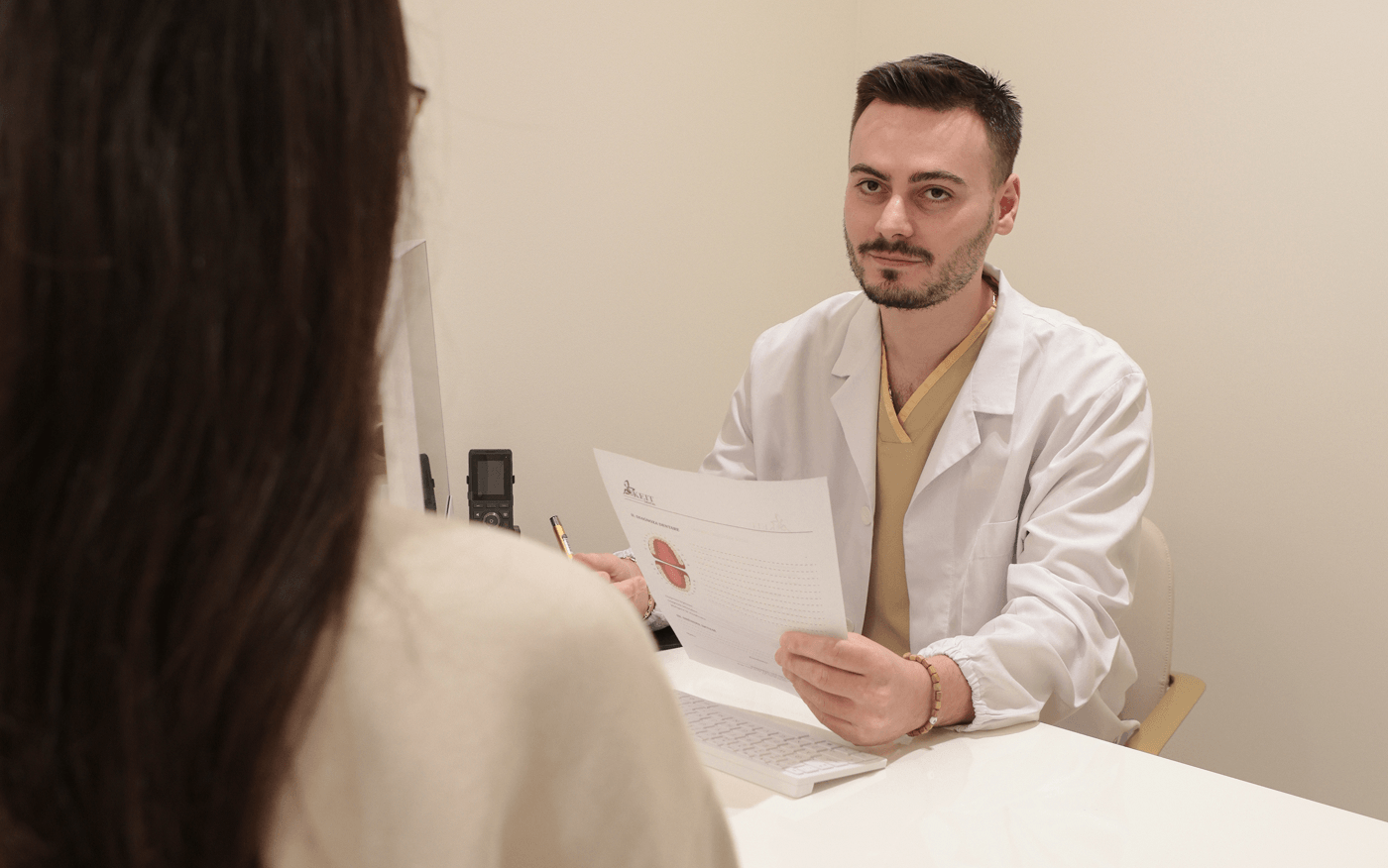
At KEIT Dental, patient care continues after treatment through personalised guidance and follow-up appointments scheduled according to the extent of gum reshaping. Subsequent examinations allow the dentist to assess gum healing, check any sutures, and evaluate the gradual stabilisation of the new gum contour.
Patients receive guidance on oral hygiene, diet, and precautions to follow during recovery. When gingivoplasty precedes prosthetic rehabilitation, follow-up appointments are coordinated with tissue healing times. For international patients, care may continue after they return to their home country through communication with the clinic and guidance on necessary follow-up appointments.
7. Transparency, clinical documentation, and guarantee conditions
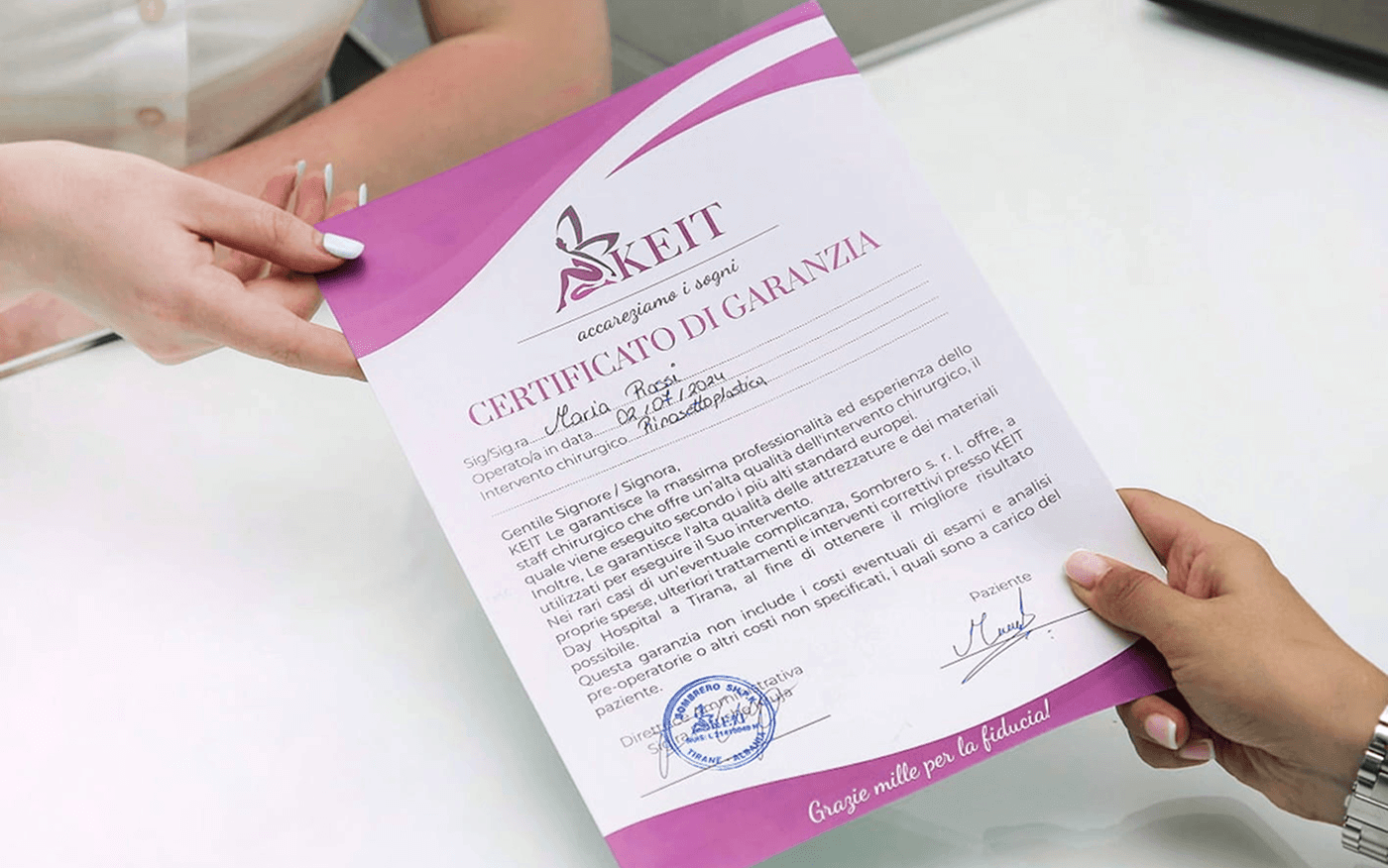
KEIT Dental places particular emphasis on treatment transparency and clinical documentation. Before gingivoplasty, patients receive information about the indications for the procedure,...
KEIT Dental places particular emphasis on treatment transparency and clinical documentation. Before gingivoplasty, patients receive information about the indications for the procedure, the extent of gum reshaping, expected benefits, healing times, and potential risks, including possible changes in sensitivity or alterations to the gum contour during healing.
Clinical documentation includes diagnostic assessments, the treatment plan, and the procedures performed. The informed consent form and treatment quotation also allow patients to understand the details of the procedure and its associated costs. Any applicable guarantee conditions are specified in the contractual documentation, clarifying the coverage provided, exclusions, and arrangements for assistance. The stability of the results also depends on periodontal health, individual healing, and maintaining good oral hygiene.
FAQ
Frequently asked questions
Is gingivoplasty painful?

The procedure is generally performed under local anesthesia, so pain should not be felt during treatment. Mild to moderate discomfort may develop after the anesthesia wears off and can usually be managed by following the dentist’s instructions.
How long does a gingivoplasty session take?
Treatment of a limited area may take approximately 30 minutes. When the gums around several teeth need to be reshaped, the appointment may take one hour or longer. The exact duration depends on the extent and complexity of the procedure.
How long does healing take?
Initial discomfort generally decreases during the first few days, and the gum surface begins to heal during the first week. Complete stabilization of the tissue and the new gumline may take several weeks.
Can the gums grow back after gingivoplasty?
The removed tissue does not necessarily grow back in the same form, but an increase in gum volume may occur again if inflammation, plaque accumulation, individual factors, or medications associated with gum enlargement remain present. Proper oral hygiene and regular dental checkups help maintain the result.
Can gingivoplasty correct a gummy smile?
It may help correct a gummy smile when excessive gum visibility is caused by the amount or shape of the gum tissue. When the cause is related to the position of the teeth, bone, lips, or upper jaw, different or combined treatments may be required.