 4.9 Rating | 23.000+ Procedures | Medical Experts
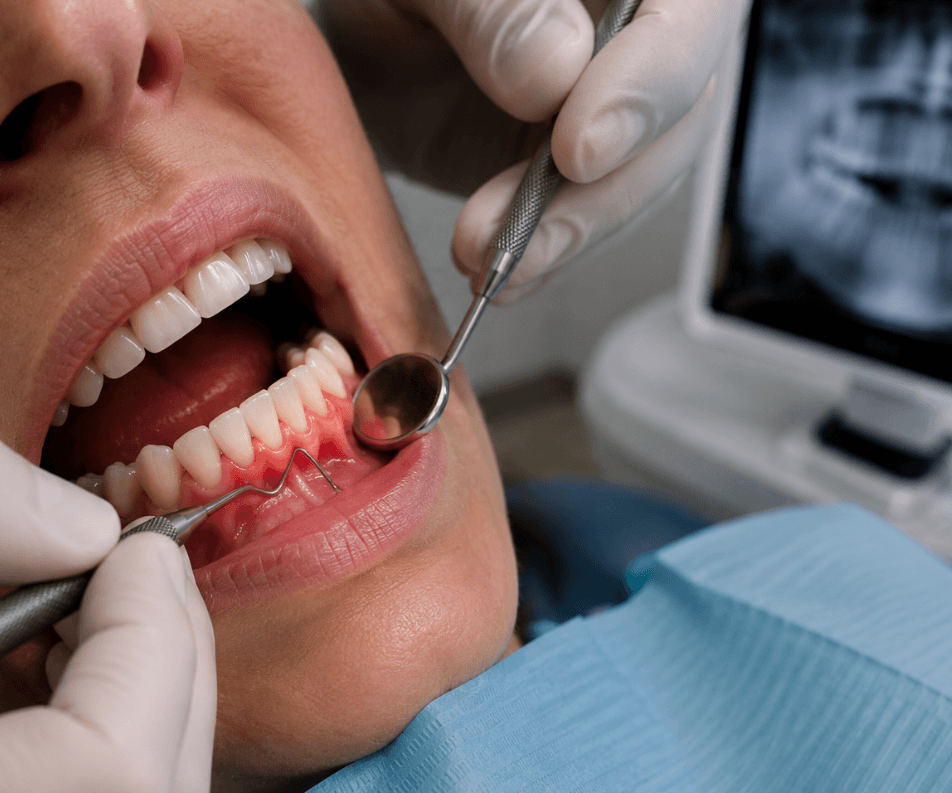
Table of contents:

Gingivitis vs. periodontitis: what are the differences?
What are the symptoms and risk factors?
How are gingivitis and periodontitis diagnosed?
How is gingivitis treated?
How is non-surgical periodontal therapy performed?
When is periodontal surgery necessary?
How often should periodontal maintenance be performed?
Why choose KEIT Dental for gum treatment?
In this article, you will learn how to distinguish between gingivitis and periodontitis, how these conditions are diagnosed, and which treatments may be indicated. We will also explain when periodontal surgery may be necessary, how periodontal maintenance is managed, and why you should choose KEIT Dental for gum treatment.
 Book your FREEOnline Consultation Now

Gingivitis vs. periodontitis: what are the differences?
-
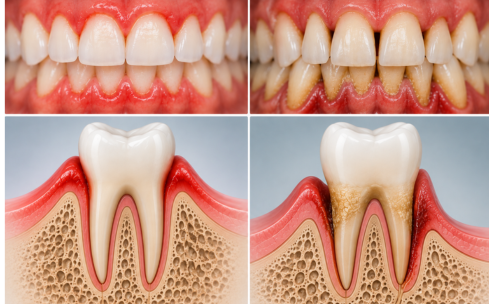
Gingivitis is a superficial and reversible inflammation of the gums, primarily caused by the accumulation of bacterial plaque along the gumline. It can cause redness, swelling, sensitivity, and bleeding during brushing or flossing, but it does not involve bone loss or destruction of the tissues that support the teeth. When treated early with proper oral hygiene and professional dental cleaning, it can resolve without permanent consequences.
-
Periodontitis, on the other hand, affects the deeper tissues and bone that support the teeth. It can cause periodontal pockets, gum recession, progressive bone loss, and, in more advanced cases, tooth mobility or tooth loss. The damage already caused is not completely reversible, but the disease can be controlled and stabilized through appropriate treatment and a regular maintenance program.
What are the symptoms and risk factors?
The most common symptoms of periodontitis include red, swollen or bleeding gums, persistent bad breath, gum recession, dental sensitivity and discomfort during brushing or chewing. As the disease progresses, spaces may develop between the teeth, the bite may change, the teeth may become mobile and pus may drain from the periodontal pockets. Periodontitis can nevertheless progress without obvious pain, so frequent bleeding, receding gums or persistent bad breath should not be considered normal and require a dental assessment.
The main risk factors are bacterial plaque accumulation, inadequate oral hygiene, smoking, poorly controlled diabetes and genetic predisposition. Stress, a weakened immune response, certain medications and irregular dental attendance may also contribute to disease progression. Gum recession, however, does not always indicate periodontitis: it may also result from aggressive brushing, tooth position, thin gum tissue or previous orthodontic treatment. To distinguish between the different causes, the gums, periodontal pockets and bone levels must be assessed.
How are gingivitis and periodontitis diagnosed?
The diagnosis of gingivitis and periodontitis is based on a complete clinical examination of the gums, combined with periodontal probing and, when indicated, targeted dental radiographs. During the appointment, the dentist or periodontist checks for plaque, tartar, redness, bleeding, recession and tooth mobility. A calibrated periodontal probe is used to measure pocket depth and clinical attachment loss, which are essential parameters for distinguishing superficial inflammation from disease that has already affected the supporting tissues.
Dental radiographs make it possible to assess the amount and distribution of bone loss around the roots and to identify vertical bone defects or furcation involvement. Combining clinical findings, radiographic findings and risk factors allows periodontitis to be classified according to stage and grade, defining its severity, extent and expected rate of progression. An accurate diagnosis therefore makes it possible to establish a personalized treatment plan and determine the appropriate frequency of follow-up appointments.
How is gingivitis treated?
Gingivitis is treated by removing plaque and tartar and achieving a lasting improvement in daily oral hygiene. Treatment generally includes a professional dental hygiene session, during which the deposits responsible for inflammation are removed, followed by personalized instructions on the use of a toothbrush, dental floss and interdental brushes. Thorough cleaning of the gum line and spaces between the teeth helps gradually reduce bleeding, swelling and redness, allowing gum health to recover.
How is non-surgical periodontal therapy performed?
Non-surgical periodontal therapy involves removing plaque and tartar from the root surfaces below the gum line through scaling and root planing, also known as subgingival instrumentation and root surface debridement. The treatment is performed using manual and ultrasonic instruments to reduce the bacterial load within the periodontal pockets and promote a reduction in inflammation. Depending on the extent and severity of the periodontitis, it may require local anaesthesia, one or more treatment sessions and division of the treatment into quadrants.
When is periodontal surgery necessary?
Periodontal surgery may be necessary when deep pockets, bone defects or root surfaces that are difficult to reach with conventional instruments remain after non-surgical therapy and subsequent clinical reassessment. Surgery provides direct access to the roots and supporting tissues, improving the removal of residual deposits and infection control. Depending on the clinical situation, access procedures, pocket reduction surgery or regenerative techniques may be performed in bone defects with suitable characteristics.
When receding gums are present, mucogingival surgery may be recommended to protect exposed roots, increase tissue thickness and improve the appearance of the smile. The procedure may involve a gum graft or another root coverage technique, with the aim of reducing sensitivity and limiting further recession.
How often should periodontal maintenance be performed?
Periodontal maintenance is generally scheduled every 3–6 months, while the interval may be extended to 12 months in stable, low-risk patients. The frequency depends on the presence of residual pockets, plaque control, gum bleeding, smoking, diabetes and the response achieved after treatment. A personalized maintenance schedule makes it possible to identify early signs of disease reactivation and intervene before further loss of support occurs.
Why choose KEIT Dental for gum treatment?
KEIT Dental is the dental clinic of the KEIT brand, integrated into the KEIT Day Hospital healthcare facility in Tirana, Albania, founded in 2011 by Dr Skerdilajd Faria. With over 23,000 procedures performed across the KEIT brand's various areas of activity, the facility combines specialist expertise, medical technology, safety protocols, and personalised patient care.
KEIT Dental has seven dental treatment rooms and an in-house dental laboratory. Its integration with KEIT Day Hospital also provides access to a multidisciplinary medical team, oral and maxillofacial surgeons, specialists in anaesthesia and intensive care, equipped operating theatres, and inpatient wards for cases requiring more complex care. For the treatment of gingivitis and periodontitis, KEIT Dental adopts a personalised approach aimed at controlling inflammation, preserving the tissues supporting the teeth, and maintaining long-term periodontal health.
1. Seven dental treatment rooms and periodontal treatment technologies
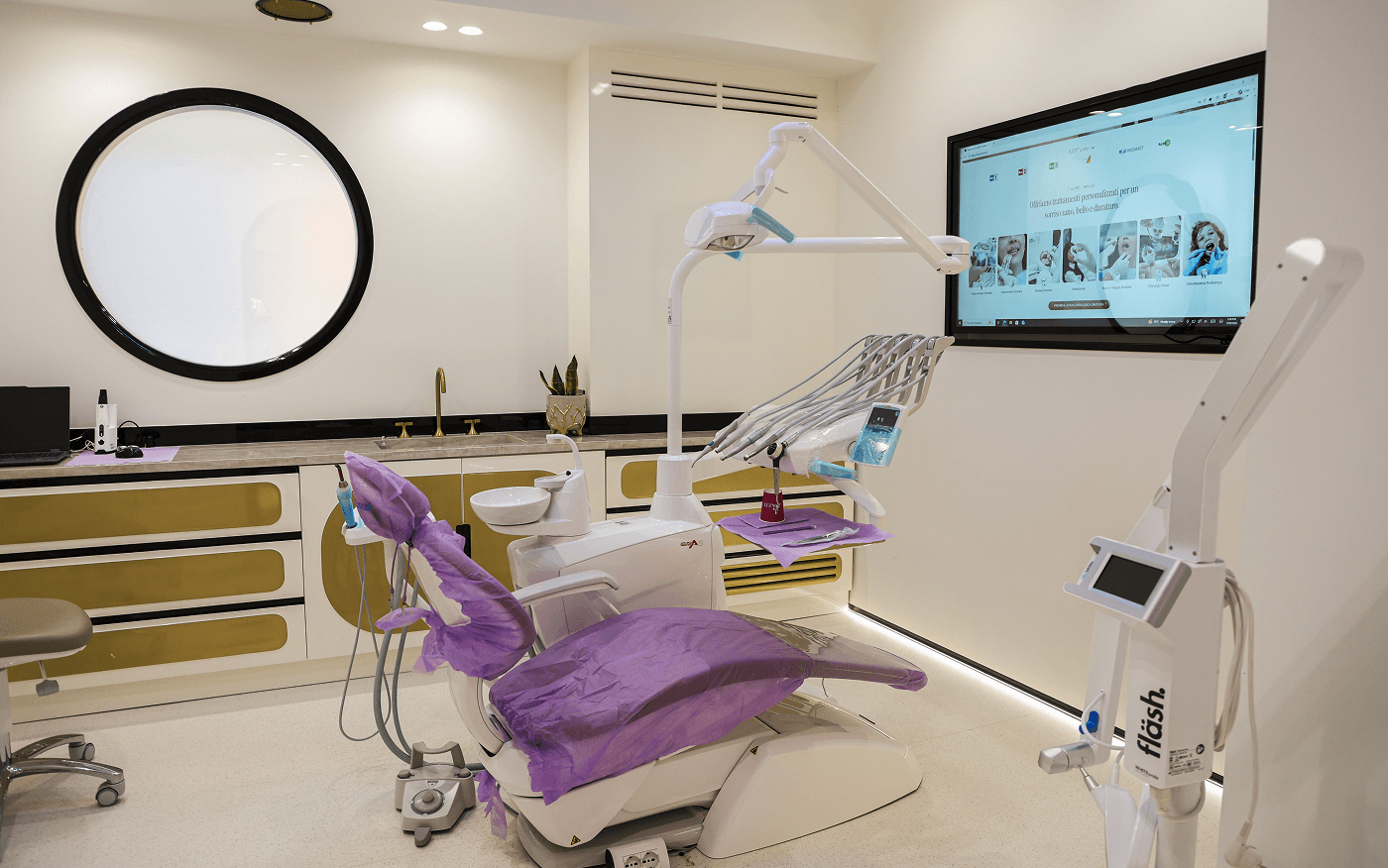
KEIT Dental has seven treatment rooms dedicated to dental care, organised to accommodate restorative dentistry, endodontics, implantology, and prosthetic rehabilitation procedures. For...
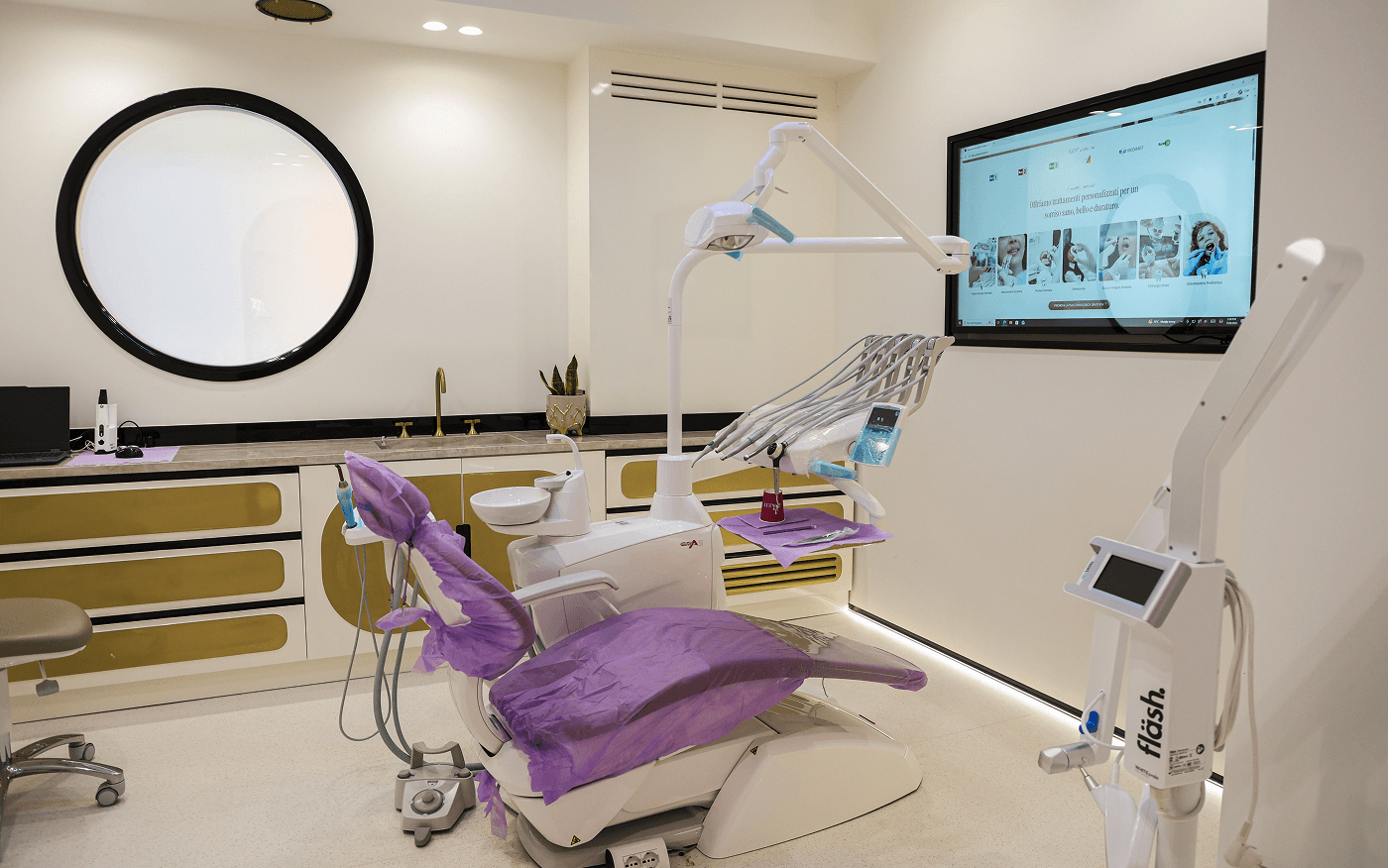
KEIT Dental has seven treatment rooms dedicated to dental care, organised to accommodate restorative dentistry, endodontics, implantology, and prosthetic rehabilitation procedures. For gum treatment, appropriate diagnostic and periodontal instruments allow the dentist to assess tissue conditions and plan treatment according to the severity of the disease. Manual and ultrasonic instruments are used to remove plaque and tartar from tooth and root surfaces, including below the gumline, with particular attention to precision and tissue preservation.
2. Multidisciplinary dental and medical team
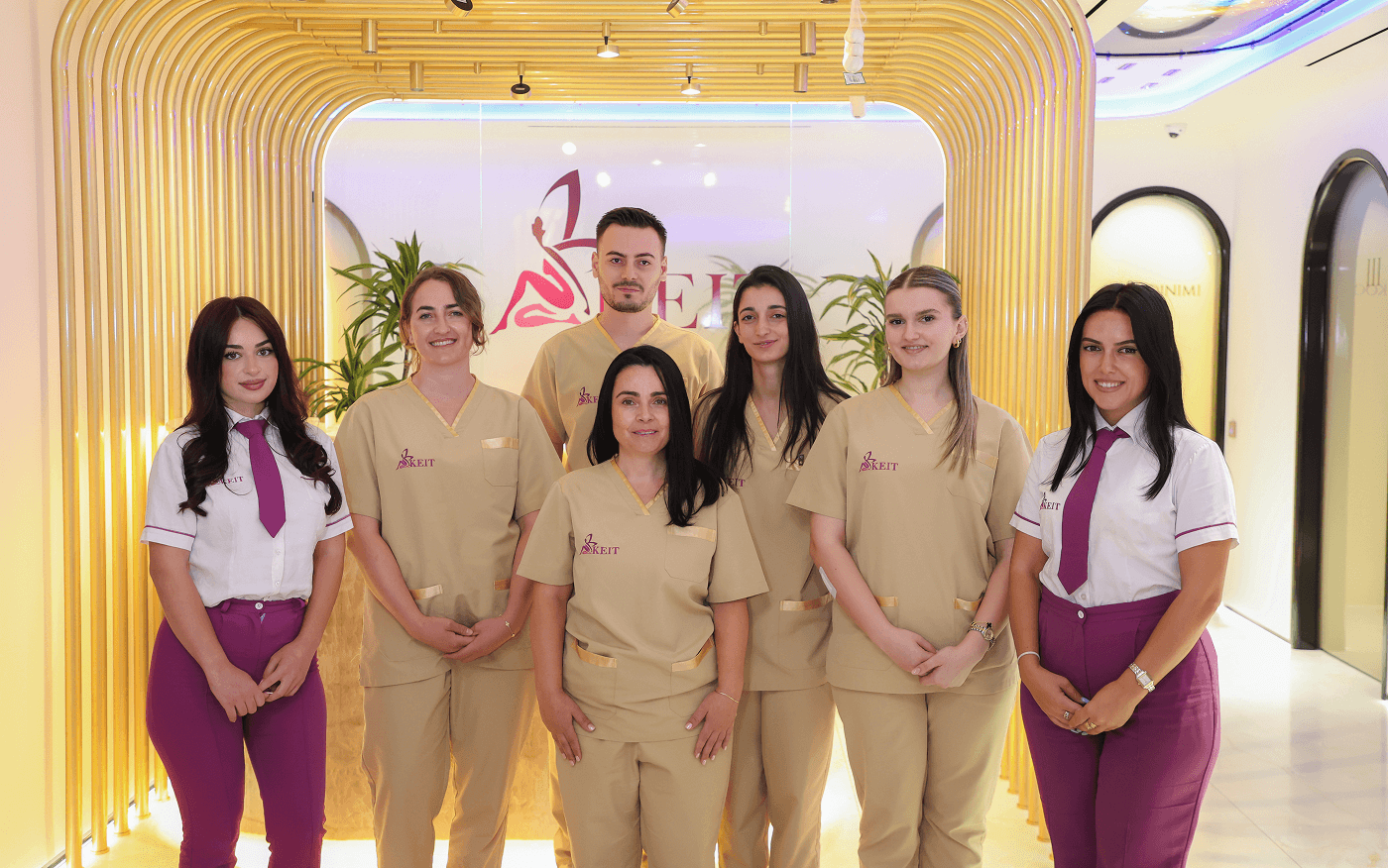
One of the main advantages of KEIT Dental is its ability to combine dental expertise with the multidisciplinary medical team at KEIT...
One of the main advantages of KEIT Dental is its ability to combine dental expertise with the multidisciplinary medical team at KEIT Day Hospital. The clinic works with professionals experienced in restorative dentistry, endodontics, implantology, and dental prosthetics. In particularly complex cases, oral and maxillofacial surgeons and other medical specialists may also be involved, depending on clinical needs.
For advanced periodontitis, collaboration between professionals allows infection control, assessment of tooth stability, and any necessary surgical or rehabilitative procedures to be coordinated. This approach makes it possible to address the patient's different needs through a coordinated treatment plan, including cases requiring additional specialist expertise.
3. Thorough diagnosis and personalised medical assessment
Before treatment, the dentist assesses the condition of the gums, checking for bleeding, recession, and tooth mobility, using periodontal probing and radiographic...
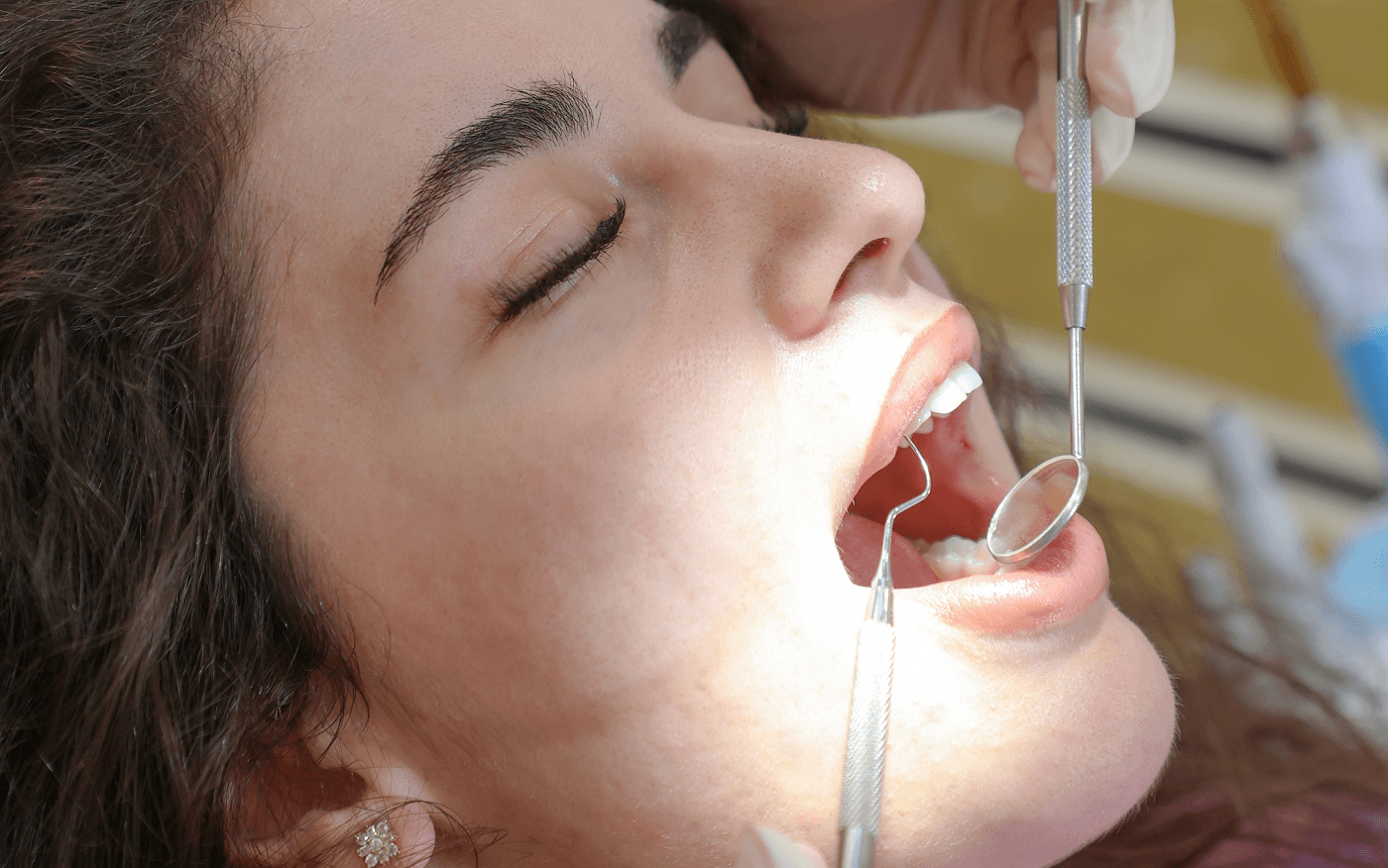
Before treatment, the dentist assesses the condition of the gums, checking for bleeding, recession, and tooth mobility, using periodontal probing and radiographic examinations when indicated. Particular attention is paid to periodontal pocket depth, clinical attachment loss, and the level of supporting bone. These parameters help distinguish gingivitis from periodontitis, assess disease severity, and determine whether non-surgical treatment is sufficient or further procedures are necessary.
Thanks to its integration with KEIT Day Hospital, patients with particular medical conditions or those requiring more complex procedures may undergo assessments by anaesthetists, cardiologists, or other specialists, together with any necessary diagnostic evaluations. Treatment planning therefore considers both the condition of the periodontal tissues and the patient's general health.
4. In-house dental laboratory and personalised rehabilitation
One of KEIT Dental's distinguishing features is its in-house dental laboratory, which facilitates direct collaboration between dentists and dental technicians in producing...
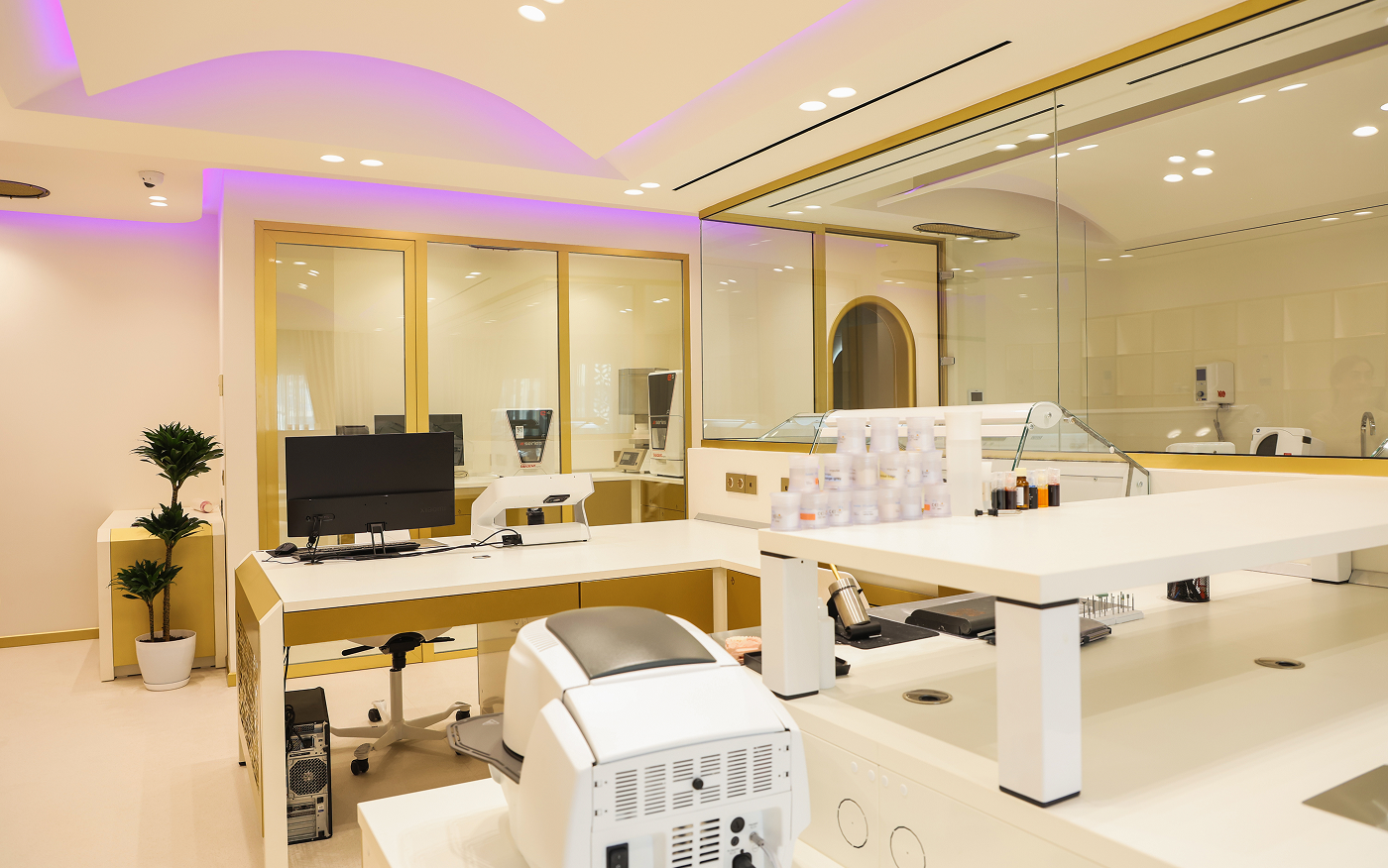
One of KEIT Dental's distinguishing features is its in-house dental laboratory, which facilitates direct collaboration between dentists and dental technicians in producing restorations and prosthetic rehabilitations. Although conventional periodontal therapy does not require laboratory involvement, patients with loss of dental support or tooth mobility may subsequently require prosthetic rehabilitation when clinical conditions allow.
Coordination between the clinic and laboratory allows clinical requirements and technical details to be shared, with particular attention to restoration stability, the distribution of chewing forces, and the ability to maintain proper oral hygiene.
5. Safety, sterilisation, and access to hospital infrastructure
KEIT Dental follows hygiene and infection control protocols that include disinfecting treatment areas, sterilising instruments, and using disposable materials when indicated. During...
KEIT Dental follows hygiene and infection control protocols that include disinfecting treatment areas, sterilising instruments, and using disposable materials when indicated. During periodontal procedures, proper management of instruments and the treatment area is important to minimise contamination and maintain controlled treatment conditions.
Integration with KEIT Day Hospital provides additional support for managing complex dental cases. The facility has three equipped operating theatres, specialists in anaesthesia and intensive care, vital signs monitoring systems, and a postoperative resuscitation room.
Non-surgical periodontal therapy is generally performed on an outpatient basis, under local anaesthesia when necessary. However, for more complex dental or oral and maxillofacial procedures, general anaesthesia may be used within the hospital facility when clinically indicated and following an appropriate anaesthetic assessment.
For cases requiring prolonged monitoring or specific postoperative care, admission to KEIT Day Hospital's inpatient wards can also be arranged. These wards are equipped with healthcare staff and monitoring systems. This integration allows treatment to be organised according to the level of care required by the patient's condition and the complexity of the procedure.

6. Personalised care and follow-up after treatment
At KEIT Dental, patient care continues after gum or periodontal treatment through personalised guidance and follow-up appointments scheduled according to clinical needs....
At KEIT Dental, patient care continues after gum or periodontal treatment through personalised guidance and follow-up appointments scheduled according to clinical needs. Subsequent examinations allow the dentist to assess the reduction in inflammation, gum bleeding, periodontal pocket depth, and the stability of the supporting tissues.
For patients with periodontitis, a personalised periodontal maintenance programme is established, generally involving appointments every 3–6 months, depending on treatment response and individual risk factors. In complex cases, follow-up care may also involve other specialists from the KEIT team, depending on the patient's needs. For international patients, care may continue after they return to their home country through communication with the clinic and guidance on necessary follow-up appointments.
7. Transparency, clinical documentation, and guarantee conditions
KEIT Dental places particular emphasis on treatment transparency and clinical documentation. Before periodontal therapy, patients receive information about their diagnosis, the proposed...
KEIT Dental places particular emphasis on treatment transparency and clinical documentation. Before periodontal therapy, patients receive information about their diagnosis, the proposed procedures, available alternatives, expected benefits, and potential risks.
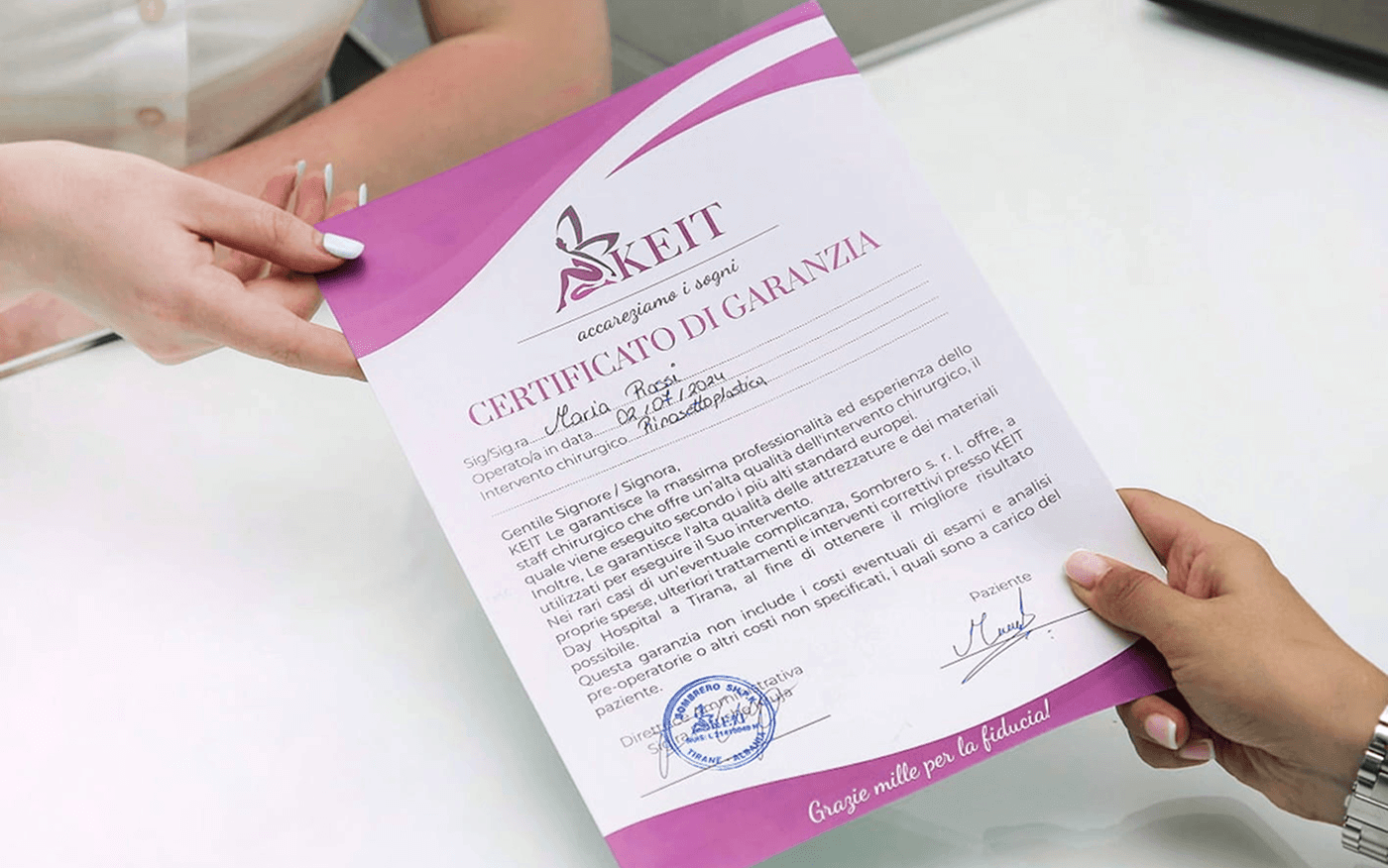
Clinical documentation includes diagnostic examinations, periodontal assessments, the treatment plan, and the procedures performed. The informed consent form and treatment quotation also allow patients to understand the details of the treatment and its associated costs. Any applicable guarantee conditions are specified in the contractual documentation, clarifying the coverage provided, exclusions, and arrangements for assistance. The long-term stability of treatment results also depends on daily oral hygiene, individual risk factors, and regular periodontal maintenance.
FAQ
Frequently asked questions
Can gingivitis also affect dental implants?

No. Inflammation of the tissues surrounding a dental implant is called peri-implant mucositis; when bone loss is also present, the condition is known as peri-implantitis. These conditions require a specific assessment and should not be confused with gingivitis affecting natural teeth.
Can teeth whitening be performed with gingivitis or periodontitis?
No. Teeth whitening should not be performed when the teeth or gums are not in an adequately healthy condition. The inflammation must first be diagnosed and controlled to reduce the risk of irritation and complications.
Can orthodontic treatment be started after periodontitis?
Yes. Orthodontic treatment can be planned once the inflammation has been controlled and periodontal stability has been achieved. In patients with loss of periodontal support, treatment requires coordinated planning and regular monitoring.
Can dental implants be placed after having periodontitis?
Yes. Dental implants can be considered once periodontitis has been treated and stabilized. However, a history of periodontal disease increases the risk of peri-implant complications, making thorough oral hygiene and regular check-ups essential.
Can periodontitis affect overall health?
Yes. Periodontitis is associated with systemic conditions such as diabetes and cardiovascular diseases and can negatively affect their progression. This association does not mean that periodontitis is always the direct cause of a systemic disease, but it requires coordinated management of risk factors.