 4.9 Rating | 23.000+ Procedures | Medical Experts
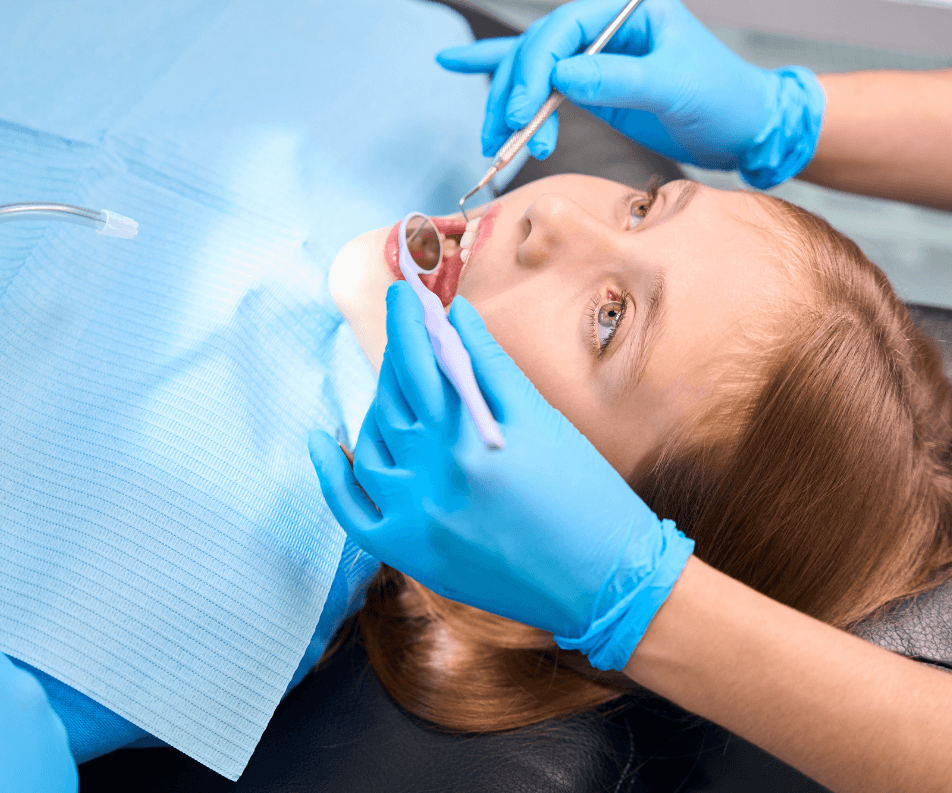
Table of contents:

When should a child have their first dental appointment?
What are the most common dental problems in children?
How can tooth decay and dental problems be prevented in children?
What dental treatments can be performed on children?
When is paediatric dental surgery necessary?
How is dental anxiety managed in children?
What should be done after paediatric dental treatment?
Why choose KEIT Dental for paediatric dentistry?
In this article, you will learn when to schedule your child's first dental appointment, the most common dental problems in children, and how to prevent them. We will also explore available treatments, managing dental anxiety, surgical procedures, and essential guidance for recovery after dental treatment.
 Book your FREEOnline Consultation Now

When should a child have their first dental appointment?
A child's first dental appointment is recommended when their first baby tooth appears, and no later than 12 months of age. An early dental examination allows the dentist to assess dental development, identify potential risk factors, and provide parents with guidance on preventing tooth decay.
During the appointment, the dentist examines the teeth, gums, and dental arches, checking for cavities, enamel abnormalities, eruption problems, and alignment issues. Dietary habits, oral hygiene, and behaviours such as prolonged dummy use, thumb sucking, and mouth breathing are also assessed.
What are the most common dental problems in children?
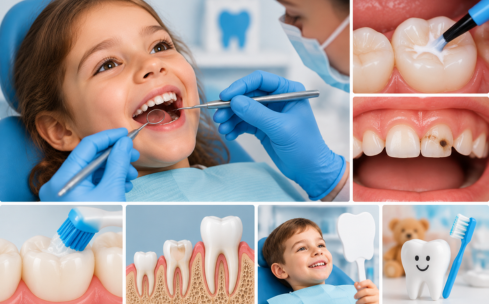
The most common dental problems in children include tooth decay, gum inflammation, tooth eruption abnormalities, malocclusions, and dental injuries. These conditions can affect both baby teeth and permanent teeth and require different treatments depending on the child's age and the severity of the problem.
-
Tooth decay: Can cause pain, infections, and premature loss of baby teeth, sometimes affecting the space needed for permanent teeth.
-
Gingivitis: Causes redness, swelling, or bleeding of the gums, often associated with plaque accumulation.
-
Malocclusions: Include abnormalities in tooth positioning or the relationship between the dental arches, which may require orthodontic assessment.
-
Tooth eruption problems: Include delayed eruption, supernumerary teeth, or teeth that fail to emerge correctly.
-
Dental trauma: Falls and accidents can cause fractures, displacement, or loss of teeth, requiring prompt dental assessment.
Early detection of these conditions allows the most appropriate treatment to be planned and helps reduce the risk of complications.
How can tooth decay and dental problems be prevented in children?
Preventive paediatric dental care is based on daily oral hygiene, appropriate fluoride use, a balanced diet, and regular dental check-ups. These habits help protect tooth enamel, maintain healthy gums, and reduce the risk of tooth decay during childhood.
The main preventive measures include:
-
Toothbrushing: Brush teeth twice daily with an age-appropriate toothbrush, under parental supervision.
-
Fluoride toothpaste: Use fluoride concentrations and quantities appropriate for the child's age and individual risk of tooth decay.
-
Dental fissure sealants: Apply protective materials to the chewing surfaces of molars when indicated to reduce the risk of cavities.
-
Diet: Limit the frequency of sugary foods, sweet snacks, and sugary drinks, choosing water as the main everyday drink.
-
Regular dental check-ups: Schedule appointments according to the child's individual risk, generally every six months when appropriate.
For children at higher risk of tooth decay, the dentist may recommend professional fluoride applications or additional personalised preventive measures.
What dental treatments can be performed on children?
Paediatric dental treatments aim to preserve baby teeth and permanent teeth, eliminate infections, and maintain normal dental function. Treatment selection depends on the child's age, the type of dental problem, and their clinical condition.
The main treatments include:
-
Dental fillings: Restore teeth damaged by decay while preserving healthy tooth structure.
-
Pulp treatments: Procedures such as pulpotomy and pulpectomy may be indicated when decay affects the pulp of baby teeth.
-
Paediatric dental crowns: Used in certain cases to protect extensively damaged teeth.
-
Space maintainers: May be fitted after premature loss of a baby tooth to preserve space for the permanent tooth.
-
Interceptive orthodontic treatments: Considered when specific abnormalities affect dental development or the relationship between the dental arches.
Baby teeth also require treatment when necessary because they contribute to chewing, speech development, and maintaining space for permanent teeth.
When is paediatric dental surgery necessary?
Paediatric dental surgery is considered when a dental problem cannot be resolved through conservative treatment. It may include extracting severely damaged teeth, managing certain tooth eruption abnormalities, and performing procedures involving oral tissues when clinically indicated.
Before surgery, the dentist assesses the child's age, medical history, tooth condition, and the complexity of the procedure. Treatment may be performed under local anaesthesia. In selected cases, additional anxiety and pain management techniques may be considered in appropriately equipped healthcare facilities.
How is dental anxiety managed in children?
Dental anxiety can occur in children, particularly during their first appointments or following previous negative experiences. Paediatric dentistry uses communication and behavioural management techniques to help children become familiar with the dental environment and feel more comfortable during treatment.
The dentist may explain procedures using simple language, show instruments before using them, and proceed gradually, adapting appointment duration to the child's age and level of cooperation. Parental involvement also helps create a positive experience. When anxiety is particularly severe or treatment is complex, the most appropriate care arrangements are assessed to ensure safety and effective pain management.
What should be done after paediatric dental treatment?
Recovery after paediatric dental treatment depends on the procedure performed. After a simple filling, only a few precautions may be necessary, while extractions and surgical procedures require specific instructions to support healing. Parents should follow the dentist's guidance regarding diet, oral hygiene, and any prescribed medication.
After local anaesthesia, it is important to prevent the child from accidentally biting their lips, cheeks, or tongue while numbness persists. Severe or increasing pain, persistent bleeding, fever, or significant swelling requires prompt dental assessment. Follow-up appointments allow the dentist to monitor healing and evaluate treatment effectiveness.
Why choose KEIT Dental for paediatric dentistry?
KEIT Dental is the dental clinic of the KEIT brand, integrated into the KEIT Day Hospital healthcare facility in Tirana, Albania, founded in 2011 by Dr Skerdilajd Faria. With over 23,000 procedures performed across the KEIT brand's various areas of activity, the facility combines specialist expertise, medical technology, safety protocols, and personalised patient care.
KEIT Dental has seven dental treatment rooms and an in-house dental laboratory. Its integration with KEIT Day Hospital also provides the opportunity to involve a multidisciplinary medical team and assess access to hospital resources for cases requiring more complex care. In paediatric dentistry, the approach focuses on prevention, early diagnosis, and planning age-appropriate treatment according to the child's clinical needs, with particular attention to safety, comfort, and parental involvement.
1. Seven dental treatment rooms and technologies for paediatric dental care
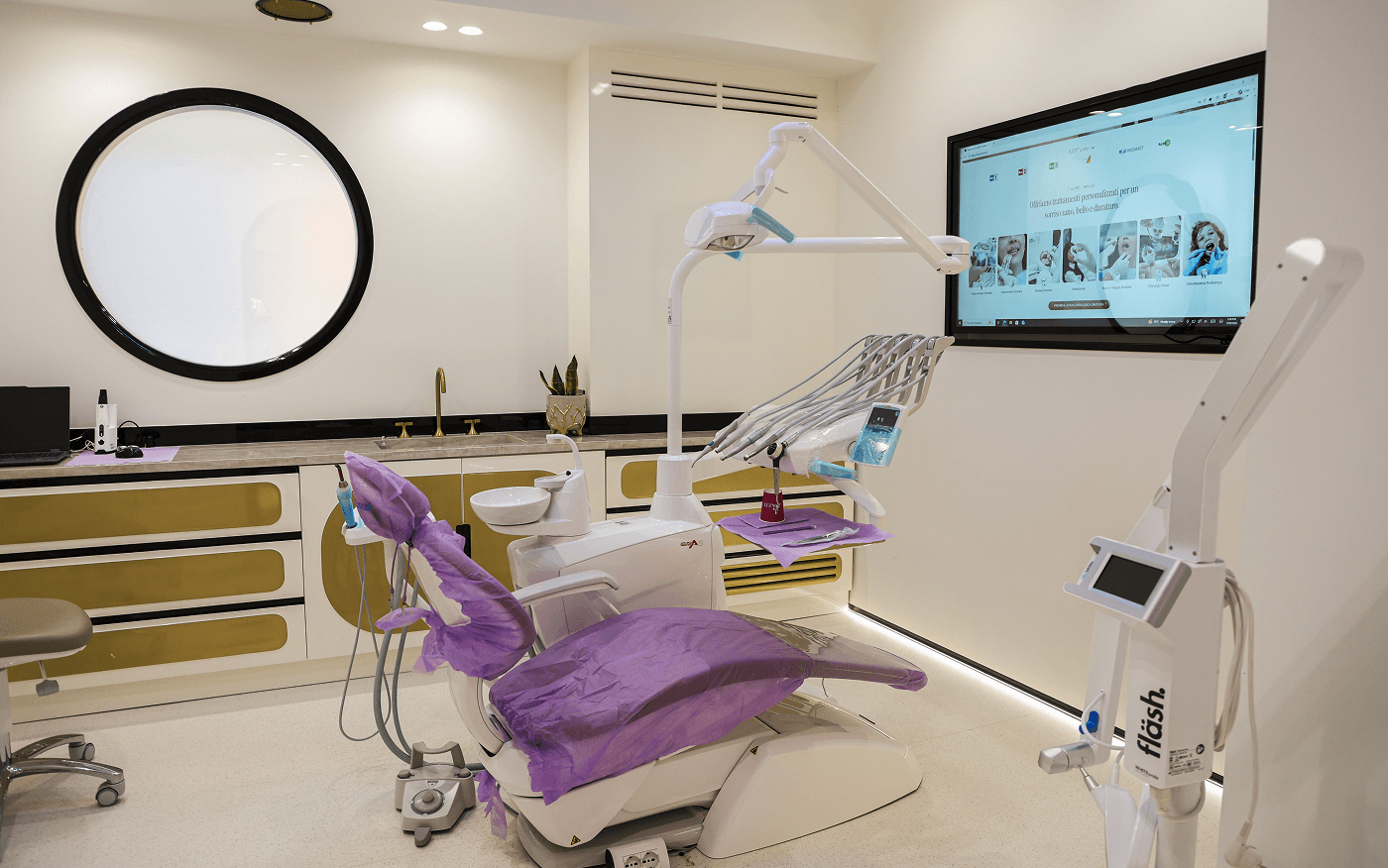
KEIT Dental has seven dental treatment rooms organised to accommodate restorative dentistry, endodontics, orthodontics, implantology, and dental prosthetic procedures. For paediatric patients,...
KEIT Dental has seven dental treatment rooms organised to accommodate restorative dentistry, endodontics, orthodontics, implantology, and dental prosthetic procedures. For paediatric patients, the available diagnostic instruments allow the dentist to examine the teeth, gums, and dental arches, identifying cavities, eruption abnormalities, and developmental problems. Examinations and technologies are selected according to the child's age and clinical needs, avoiding unnecessary procedures while prioritising diagnostic accuracy and comfort during appointments.
2. Multidisciplinary dental and medical team
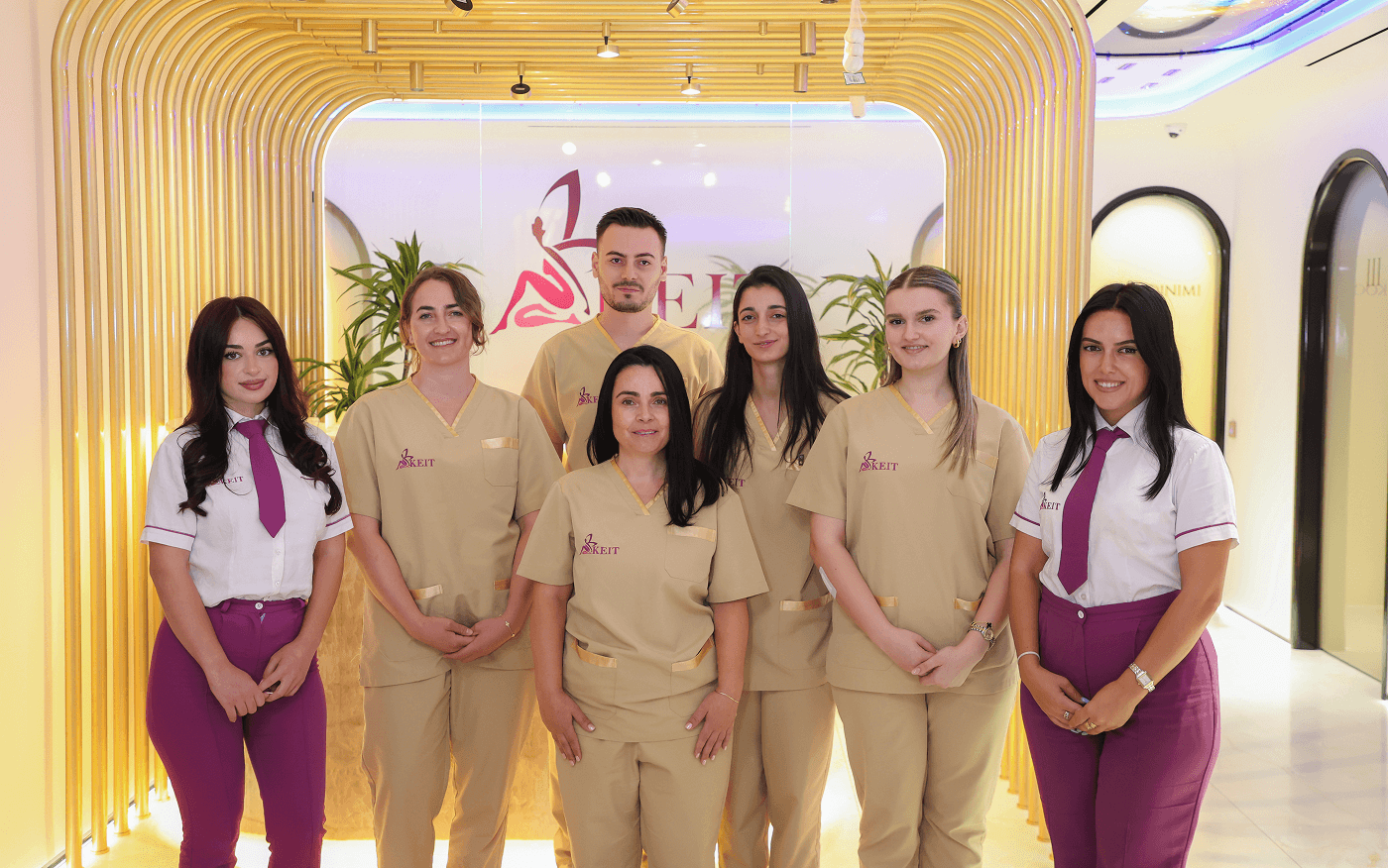
One of the advantages of KEIT Dental is its ability to combine dental expertise with the multidisciplinary medical team at KEIT Day...
One of the advantages of KEIT Dental is its ability to combine dental expertise with the multidisciplinary medical team at KEIT Day Hospital. The clinic works with professionals experienced in restorative dentistry, endodontics, orthodontics, and other dental disciplines.
When a condition requires additional expertise, the involvement of oral and maxillofacial surgeons or other medical specialists may be considered. Whether specialist procedures can be performed on paediatric patients depends on the child's age, clinical condition, and the availability of appropriately qualified professionals and services.
3. Thorough diagnosis and personalised assessment
Before determining treatment, the dentist assesses the child's oral health, dental development, occlusion, and any existing dental conditions. The medical history also...
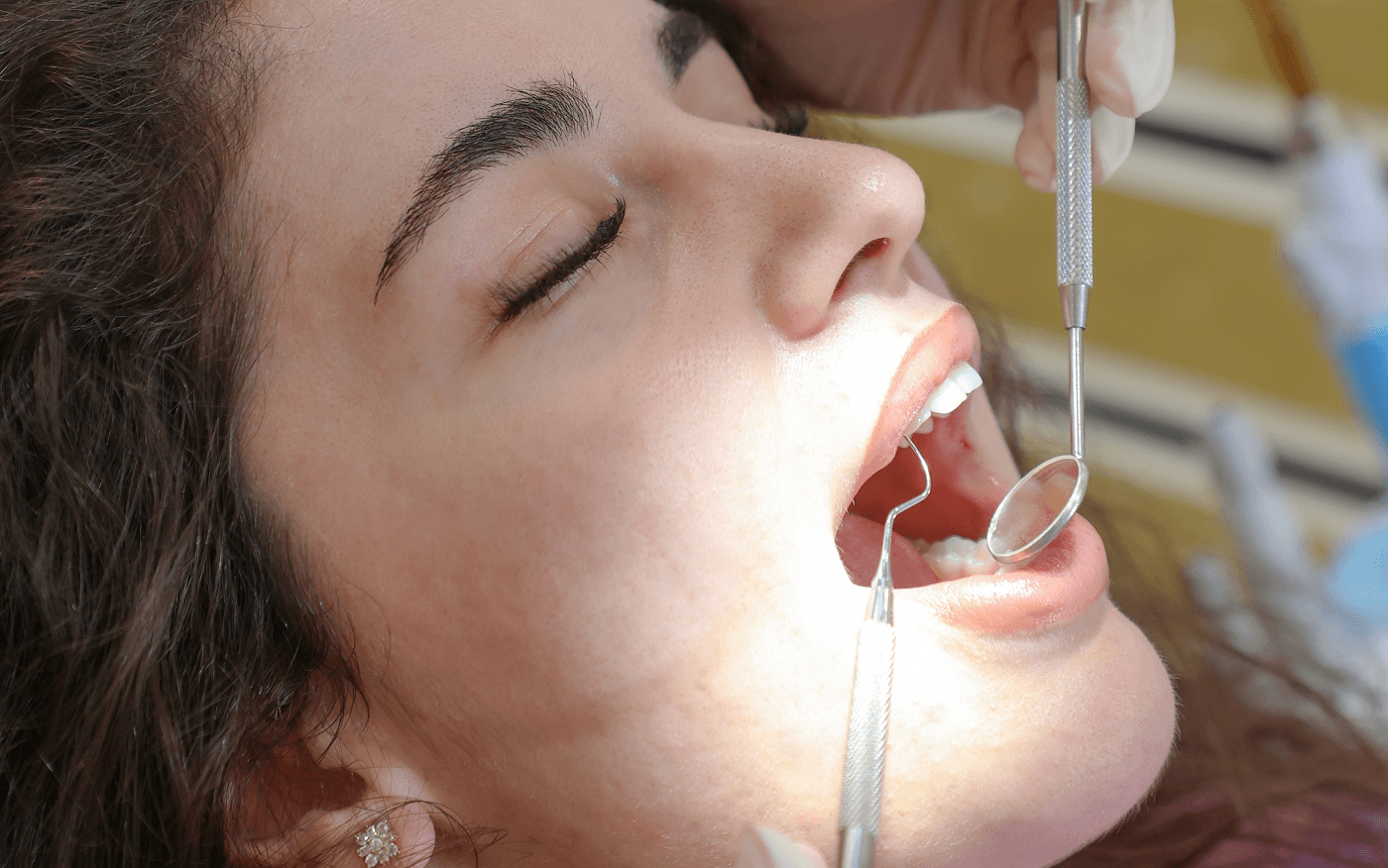
Before determining treatment, the dentist assesses the child's oral health, dental development, occlusion, and any existing dental conditions. The medical history also covers general health conditions, oral habits, and previous treatments.
The treatment plan is developed according to the child's age, clinical needs, and level of cooperation. Parents are informed about the proposed procedures, possible alternatives, and treatment objectives, allowing them to participate in informed decisions about their child's dental care.
4. In-house dental laboratory and customised appliances
KEIT Dental has an in-house dental laboratory that facilitates collaboration between dentists and dental technicians in designing and producing customised dental appliances....
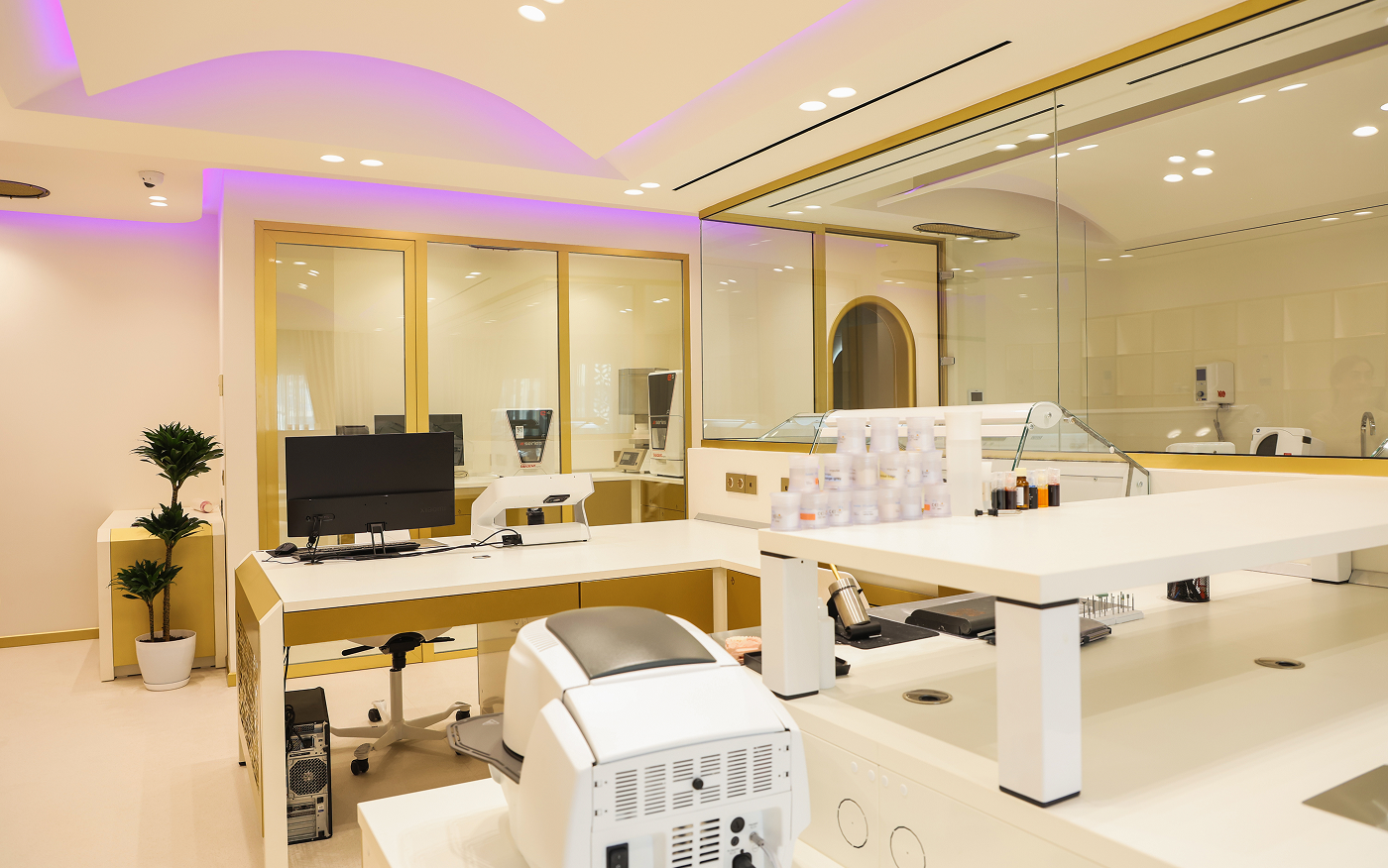
KEIT Dental has an in-house dental laboratory that facilitates collaboration between dentists and dental technicians in designing and producing customised dental appliances. For paediatric patients, when clinically indicated and depending on the services available, treatment may include space maintainers following premature loss of baby teeth or orthodontic appliances for specific dental development abnormalities.
Coordination between the clinic and laboratory allows technical requirements to be shared, appliance fit to be checked, and any necessary adjustments to be assessed as the child grows.
5. Safety, sterilisation, and access to hospital infrastructure
KEIT Dental follows hygiene and infection control protocols that include disinfecting treatment areas, sterilising instruments, and using disposable materials when indicated. During...
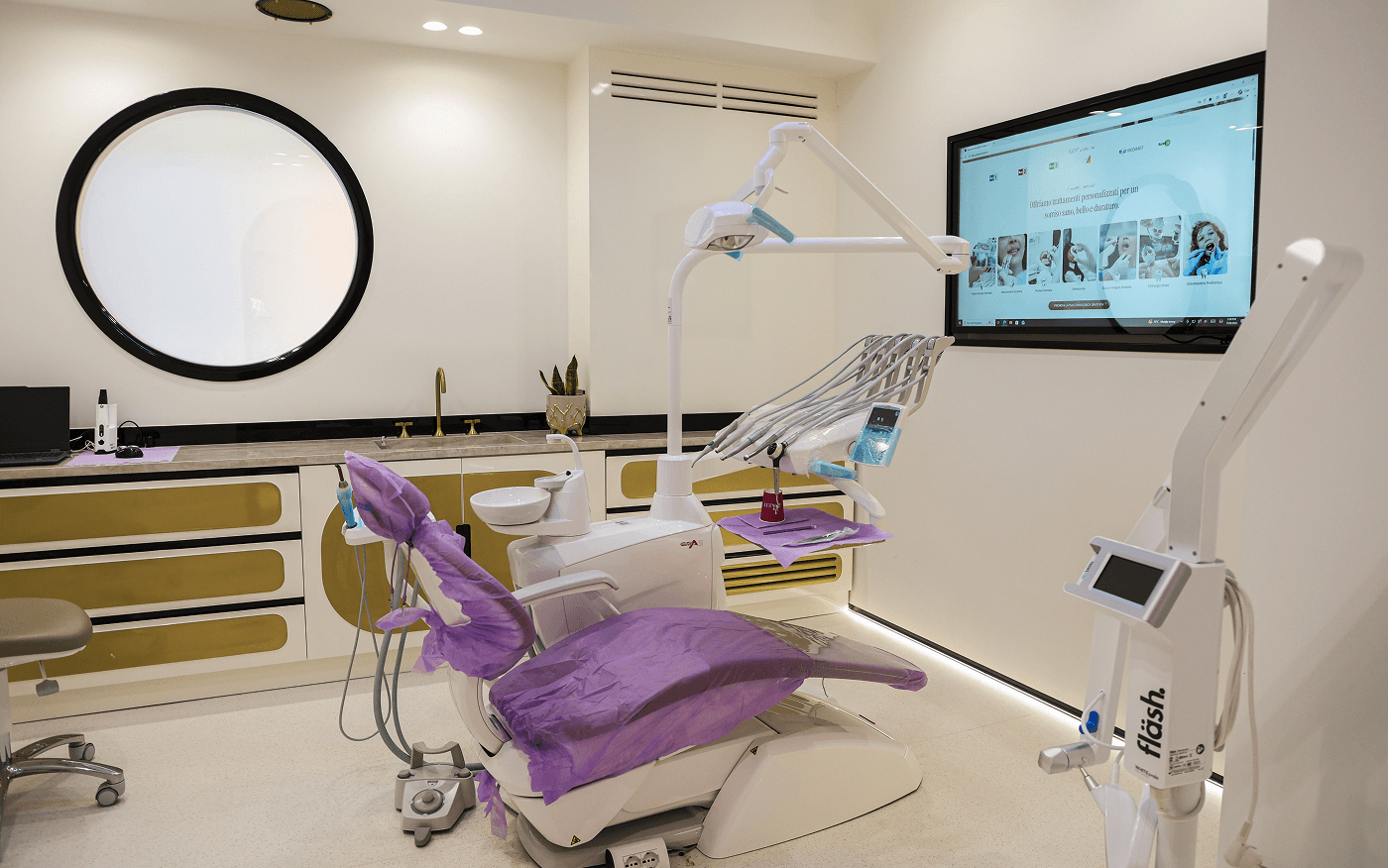
KEIT Dental follows hygiene and infection control protocols that include disinfecting treatment areas, sterilising instruments, and using disposable materials when indicated. During paediatric dental care, procedures are planned according to the child's medical history, clinical condition, and specific needs.
Integration with KEIT Day Hospital allows the involvement of specialists in anaesthesia and intensive care and access to hospital resources, including equipped operating theatres and inpatient wards, to be considered in appropriate cases. Sedation, general anaesthesia, and hospital-based care are not routinely required and are subject to specialist assessment, confirmation of patient suitability, and the availability of authorised services appropriate for paediatric patients.

6. Personalised care and follow-up during childhood development
At KEIT Dental, care may continue after treatment through follow-up appointments scheduled according to the child's age, risk of tooth decay, and...
At KEIT Dental, care may continue after treatment through follow-up appointments scheduled according to the child's age, risk of tooth decay, and dental condition. Subsequent examinations allow the dentist to assess treatment outcomes and identify any changes requiring further evaluation.
Parents receive personalised guidance on daily dental care and managing recovery after procedures. For international families, care may include communication with the clinic and assistance in arranging necessary follow-up appointments, according to the services available.
7. Transparency, clinical documentation, and guarantee conditions
KEIT Dental places particular emphasis on treatment transparency and clinical documentation. Before treatment, parents or legal guardians receive information about the diagnosis,...
KEIT Dental places particular emphasis on treatment transparency and clinical documentation. Before treatment, parents or legal guardians receive information about the diagnosis, proposed procedures, available alternatives, and potential risks and benefits.
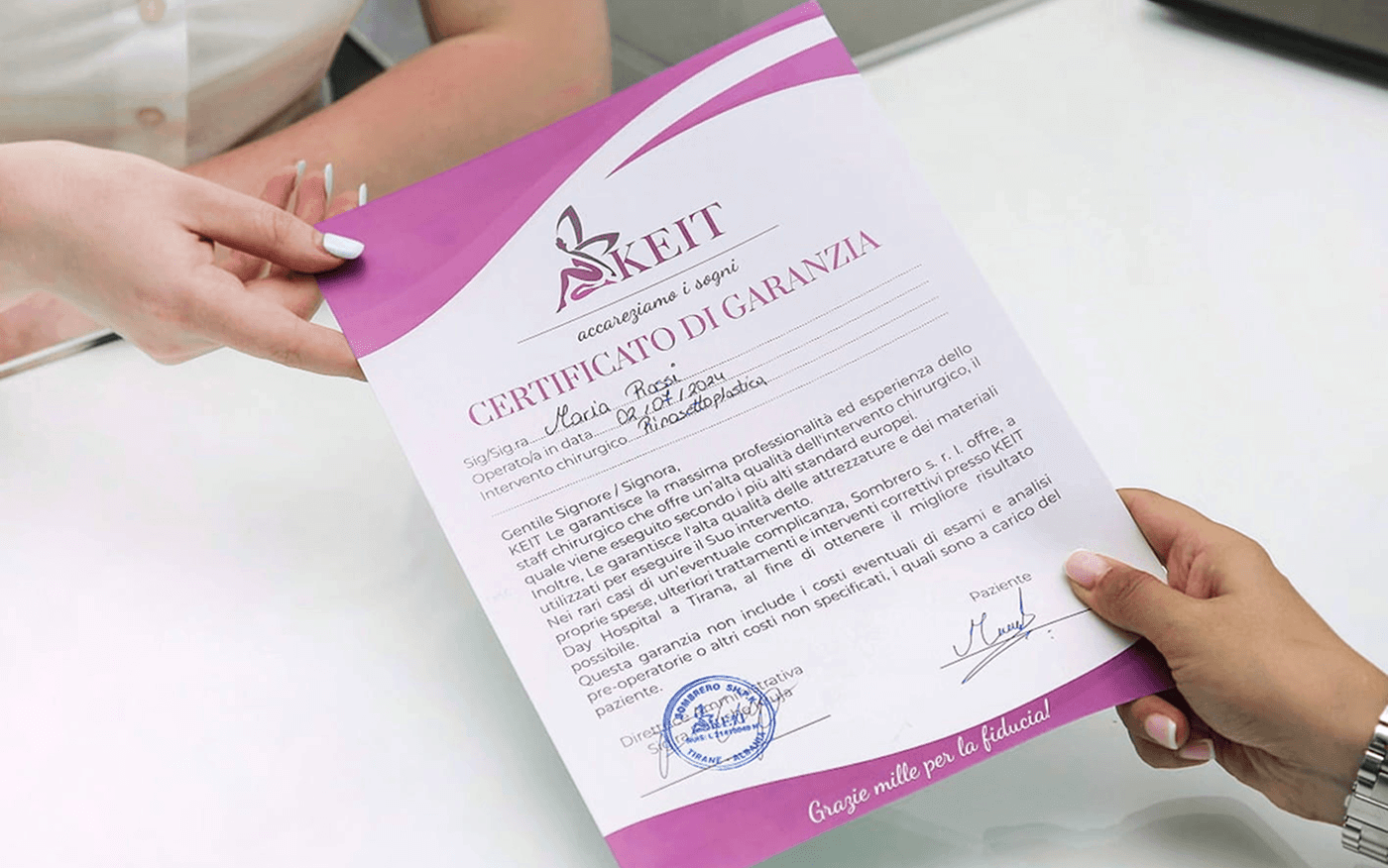
Clinical documentation includes the assessments performed and the treatment plan. Informed consent is obtained in accordance with the requirements applicable to minors, while the treatment quotation allows parents to understand the planned procedures and associated costs. Any guarantee conditions applicable to specific treatments or appliances are specified in the contractual documentation, clarifying the coverage provided, exclusions, and arrangements for assistance.
FAQ
Frequently asked questions
Can tooth decay in baby teeth damage permanent teeth?

Yes, in some cases. Untreated deep decay can cause infections affecting the surrounding tissues and, in severe cases, interfere with the development of the underlying permanent tooth. For this reason, baby teeth should be treated when necessary, even though they will eventually fall out.
What happens if a baby tooth falls out too early?
Premature loss of a baby tooth can cause neighbouring teeth to shift, reducing the space available for the permanent tooth to erupt. Depending on the child's age and the position of the lost tooth, the dentist may recommend a space maintainer to help prevent alignment problems.
Is it normal for permanent teeth to grow behind baby teeth?
Yes, this can happen, particularly with the lower front teeth. In some cases, the baby tooth falls out naturally, allowing the permanent tooth to gradually move into a better position. If the baby tooth remains firmly in place or there is insufficient space in the dental arch, a dental assessment is recommended.
What should you do if a child falls and breaks a tooth?
It is important to contact a dentist promptly, even if the fracture appears minor. Treatment depends on the type of injury and whether the affected tooth is a baby tooth or a permanent tooth. If a permanent tooth is completely knocked out, urgent dental assessment is necessary. A knocked-out baby tooth, however, must not be replanted.
Can dummy use and thumb sucking cause dental problems?
Yes. Prolonged dummy use and thumb sucking can affect tooth positioning and the development of the dental arches, particularly when these habits persist over time. The risk depends on the frequency, intensity, and duration of the habit. The dentist can assess any resulting abnormalities and advise when intervention may be necessary.