 4.9 Rating | 23.000+ Procedures | Medical Experts
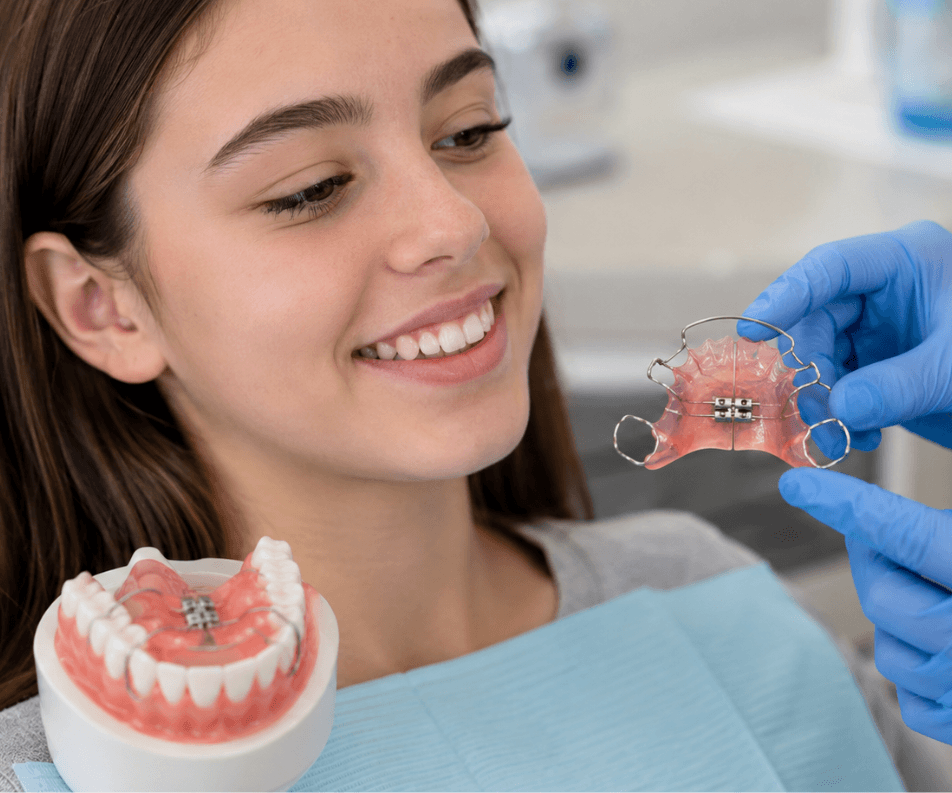
Table of contents:

What types of removable acrylic orthodontic appliances are available?
How does a removable acrylic orthodontic appliance work?
How is suitability determined and when may it not be sufficient?
How many hours a day should it be worn and when should it be removed?
How long does treatment last and how often are check-ups required?
What should patients expect during the first few days and when should they contact the orthodontist?
How to clean and store a removable acrylic orthodontic appliance?
Why choose KEIT Dental for a removable acrylic orthodontic appliance?
In this article, you will learn about the different types of removable acrylic orthodontic appliances, how they work, and when they may be indicated. We will also explain how to use and maintain them correctly, how they differ from other orthodontic appliances, and how treatment is carried out at KEIT Dental.
 Book your FREEOnline Consultation Now

What types of removable acrylic orthodontic appliances are available?
Removable acrylic orthodontic appliances include various devices designed for different orthodontic purposes. The choice depends on the patient’s age, the type of malocclusion, the stage of dental development, and the tooth movements required.
-
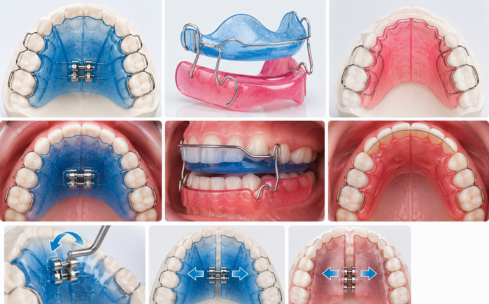
Active plate: Uses components such as screws, springs, and wires to apply controlled forces, correct specific dental misalignments, or modify the width of the dental arch. Examples include the Schwarz plate, which is used in certain cases to promote arch expansion.
-
Functional appliance: Designed to influence the relationship between the dental arches and guide development during growth. These include devices such as the Bionator and Twin Block, which are indicated in selected clinical cases.
-
Retention plate: Used after the active phase of treatment to maintain the teeth in their corrected positions and reduce the risk of relapse.
The acrylic can be customized in shape and color, but its aesthetic appearance does not determine the appliance’s function. Even appliances that appear similar may have different indications and components.
How does a removable acrylic orthodontic appliance work?
A removable acrylic orthodontic appliance works by applying controlled forces through specific components, such as screws, springs, wires, clasps, or functional elements. Depending on its design, it can guide specific tooth movements, modify the width of the dental arch, or help correct the relationship between the dental arches during growth.
The acrylic structure holds the components in the correct position and allows the appliance to fit the patient’s dental arch. Screw activation or adjustments to certain components must be carried out according to the orthodontist’s instructions, as excessive force or incorrect activation can compromise the effectiveness of the treatment.
How is suitability determined and when may it not be sufficient?
A removable acrylic orthodontic appliance is indicated when the malocclusion requires simple tooth movements, interceptive treatment during growth or a retention phase. The decision is based on an orthodontic examination, the bite, available space, stage of tooth eruption, craniofacial growth and the patient’s ability to follow the prescribed wear schedule. When necessary, the assessment may also include photographs, scans or impressions and targeted X-rays.
It may not be sufficient in cases of severe crowding, significant rotations, complex root movements, difficult space closure or marked skeletal discrepancies. In these situations, fixed braces, clear aligners, combined appliances or, in more complex cases, orthodontic treatment combined with jaw surgery may be required.
How many hours a day should it be worn and when should it be removed?
A removable acrylic orthodontic appliance should be worn for the number of hours prescribed by the orthodontist, because the schedule varies according to the type of appliance and the treatment objective. A removable active plate may be prescribed for daytime, night-time or combined use, while a functional appliance generally requires many hours of daily wear to act continuously during growth.
Whether the appliance should be removed during meals, sleep or sports depends on its design. During contact sports, it is generally removed and replaced with a suitable mouthguard. After meals, both the teeth and the plate should be cleaned before the appliance is reinserted. Irregular use may slow treatment, reduce its effectiveness and interfere with the correct fit of the appliance.
How long does treatment last and how often are check-ups required?
Treatment with a removable acrylic orthodontic appliance generally lasts between 6 and 12 months, with follow-up appointments scheduled every 4 to 10 weeks. For functional appliances, the main phase of treatment often lasts around 9 to 12 months. However, duration and appointment frequency vary according to the malocclusion, the patient’s growth and the type of appliance used.
During check-ups, the orthodontist assesses how the plate fits, evaluates the movements achieved and makes any necessary adjustments. Irregular wear, missed appointments, breakage or loss may extend treatment. At the end of the active phase, a period of retention or subsequent treatment with fixed braces may be indicated.
What should patients expect during the first few days and when should they contact the orthodontist?
During the first few days, a removable acrylic orthodontic appliance may cause pressure on the teeth, increased saliva production, a feeling of bulkiness and temporary difficulty speaking. The orthodontist should be contacted if discomfort is severe, persists or becomes worse. Mild sensitivity after fitting or activation is normal and generally decreases gradually, while reading aloud may help the tongue adapt to the acrylic base.
A review is necessary if the plate causes ulcers, moves excessively, no longer engages the back teeth correctly, or develops cracks, bent clasps, deformed springs or a blocked screw. The appliance should not be forced, filed, glued or modified at home. Breathing difficulty or suspected inhalation of a component requires immediate medical assistance.
How to clean and store a removable acrylic orthodontic appliance?
Proper appliance hygiene helps reduce the accumulation of plaque, food debris, and unpleasant odors while preserving the appliance’s material.
-
Rinse the appliance after removing it.
-
Clean it daily with a soft toothbrush and a mild cleaning agent recommended by the orthodontist.
-
Avoid very hot water, as it can deform the acrylic.
-
Do not use abrasive or harsh cleaning products, as they can scratch or damage the appliance.
-
Thoroughly clean the teeth and interdental spaces before reinserting the appliance.
-
Store it in its designated case when not in use, avoiding exposure to heat or contamination.
The storage case must also be kept clean. If the appliance changes shape, has loose components, or no longer fits properly, it must be checked by the orthodontist.
Why choose KEIT Dental for a removable acrylic orthodontic appliance?
KEIT Dental is the dental clinic of the KEIT brand, integrated into the KEIT Day Hospital healthcare facility in Tirana, Albania, founded in 2011 by Dr Skerdilajd Faria. With over 23,000 procedures performed across the KEIT brand's various areas of activity, the facility combines specialist expertise, medical technology, safety protocols, and personalised patient care.
KEIT Dental has seven dental treatment rooms and an in-house dental laboratory. Its integration with KEIT Day Hospital also provides access to a multidisciplinary medical team, oral and maxillofacial surgeons, specialists in anaesthesia and intensive care, equipped operating theatres, and inpatient wards for cases requiring more complex care. For removable orthodontic treatment, KEIT Dental adopts a personalised approach aimed at correcting specific malocclusions, supporting the proper development of the dental arches during growth, and maintaining treatment results through removable appliances designed according to each patient's needs.
1. Seven dental treatment rooms and technologies for removable orthodontic treatment
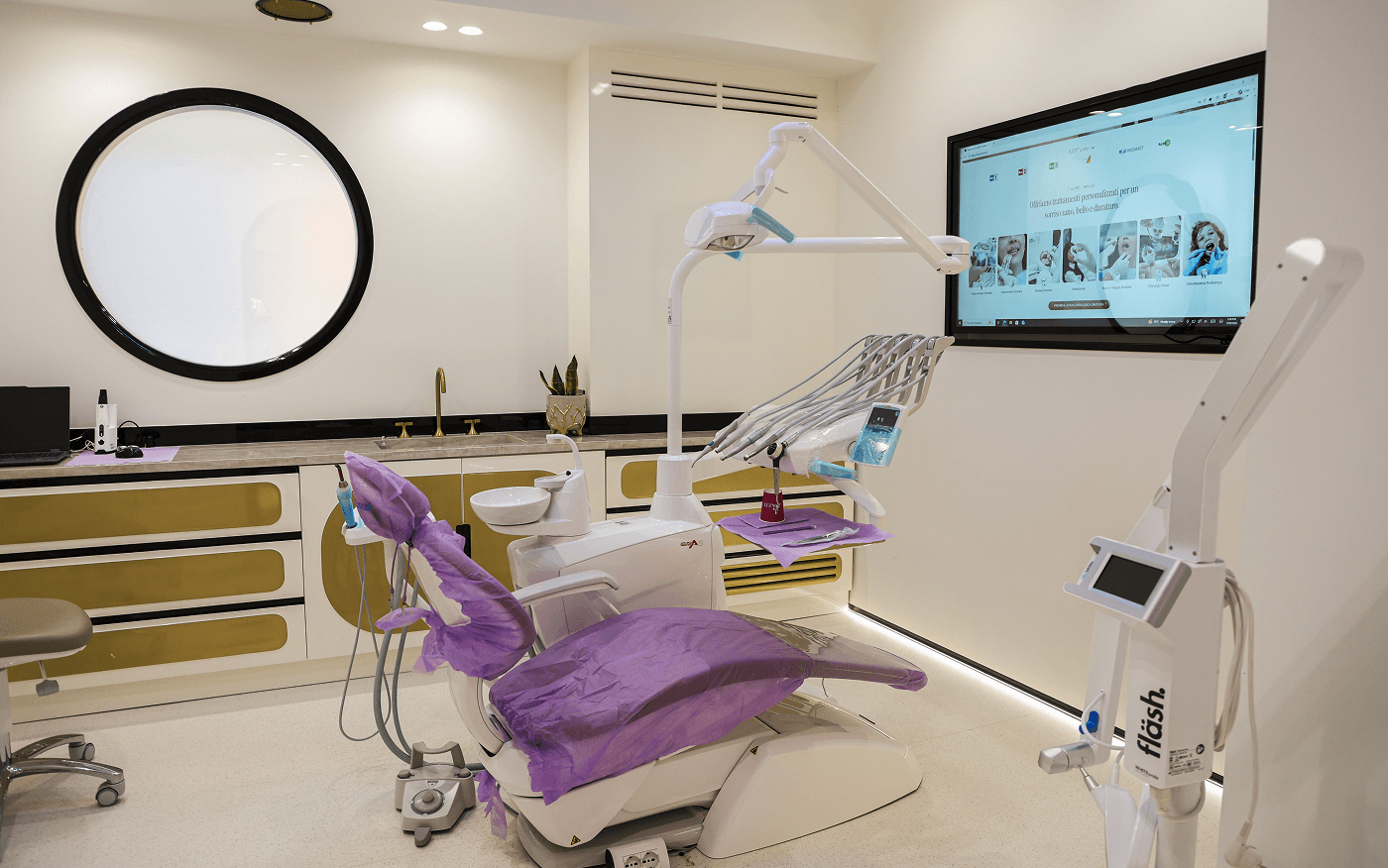
KEIT Dental has seven dental treatment rooms organised to accommodate orthodontics, restorative dentistry, endodontics, implantology, and dental prosthetic procedures. For removable orthodontic...
KEIT Dental has seven dental treatment rooms organised to accommodate orthodontics, restorative dentistry, endodontics, implantology, and dental prosthetic procedures. For removable orthodontic treatment, diagnostic instruments and dental arch measurements allow the orthodontist to assess tooth alignment, occlusion, and the anatomical characteristics needed to design the appliances. Active plates, functional appliances, and retainers are selected according to the type of malocclusion, the patient's age, and treatment objectives, with particular attention to appliance fit and functionality.
2. Multidisciplinary dental and medical team
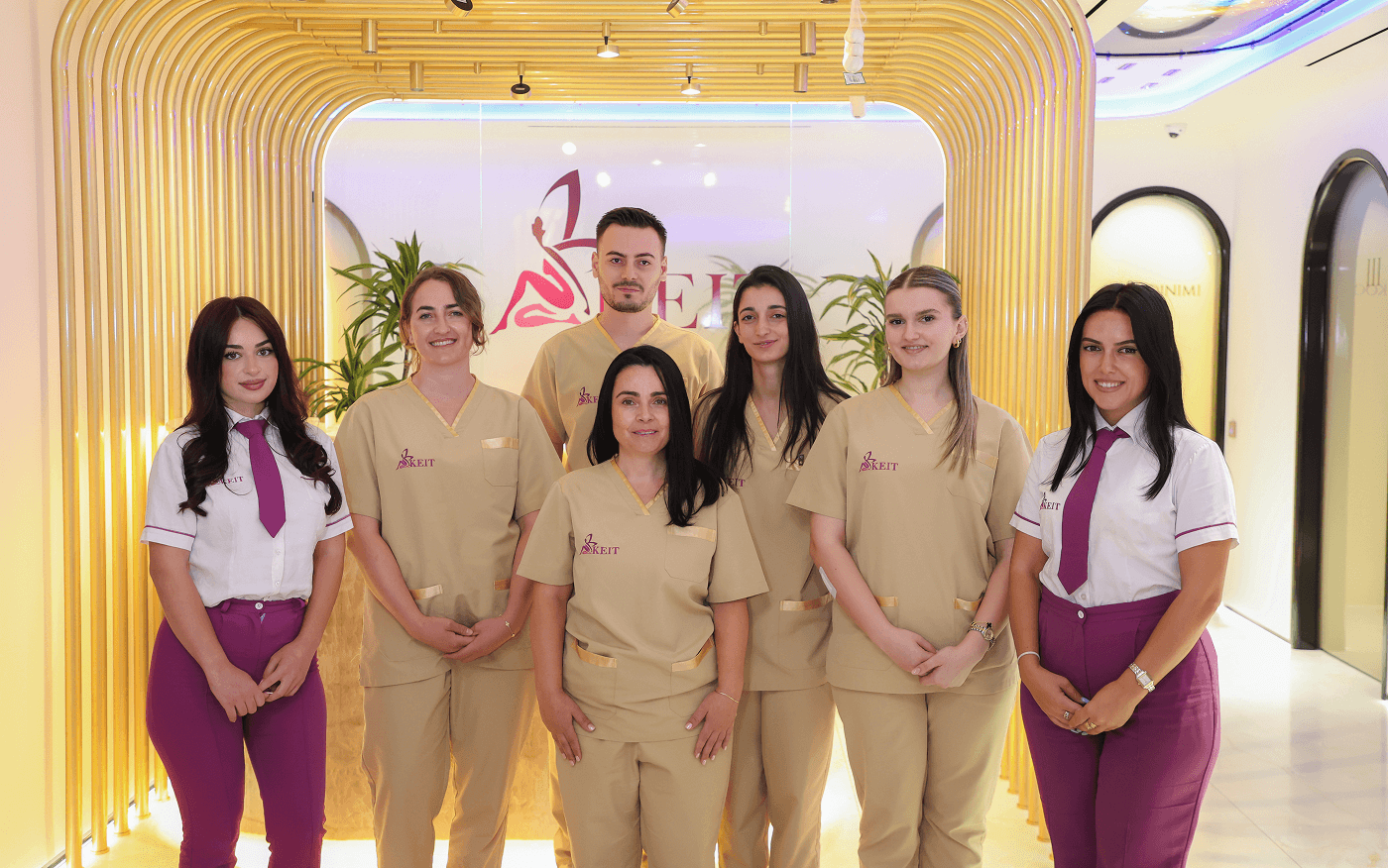
One of the main advantages of KEIT Dental is its ability to combine dental expertise with the multidisciplinary medical team at KEIT...
One of the main advantages of KEIT Dental is its ability to combine dental expertise with the multidisciplinary medical team at KEIT Day Hospital. The clinic works with professionals experienced in orthodontics, restorative dentistry, endodontics, implantology, and dental prosthetics. In particularly complex cases, oral and maxillofacial surgeons and other medical specialists may also be involved, depending on clinical needs.
During orthodontic treatment in growing patients, collaboration between professionals allows the development of the dental arches, dental health, and any need for complementary treatments to be assessed. This approach makes it possible to coordinate the different stages of treatment and determine when a removable appliance should be combined with or replaced by another orthodontic solution.
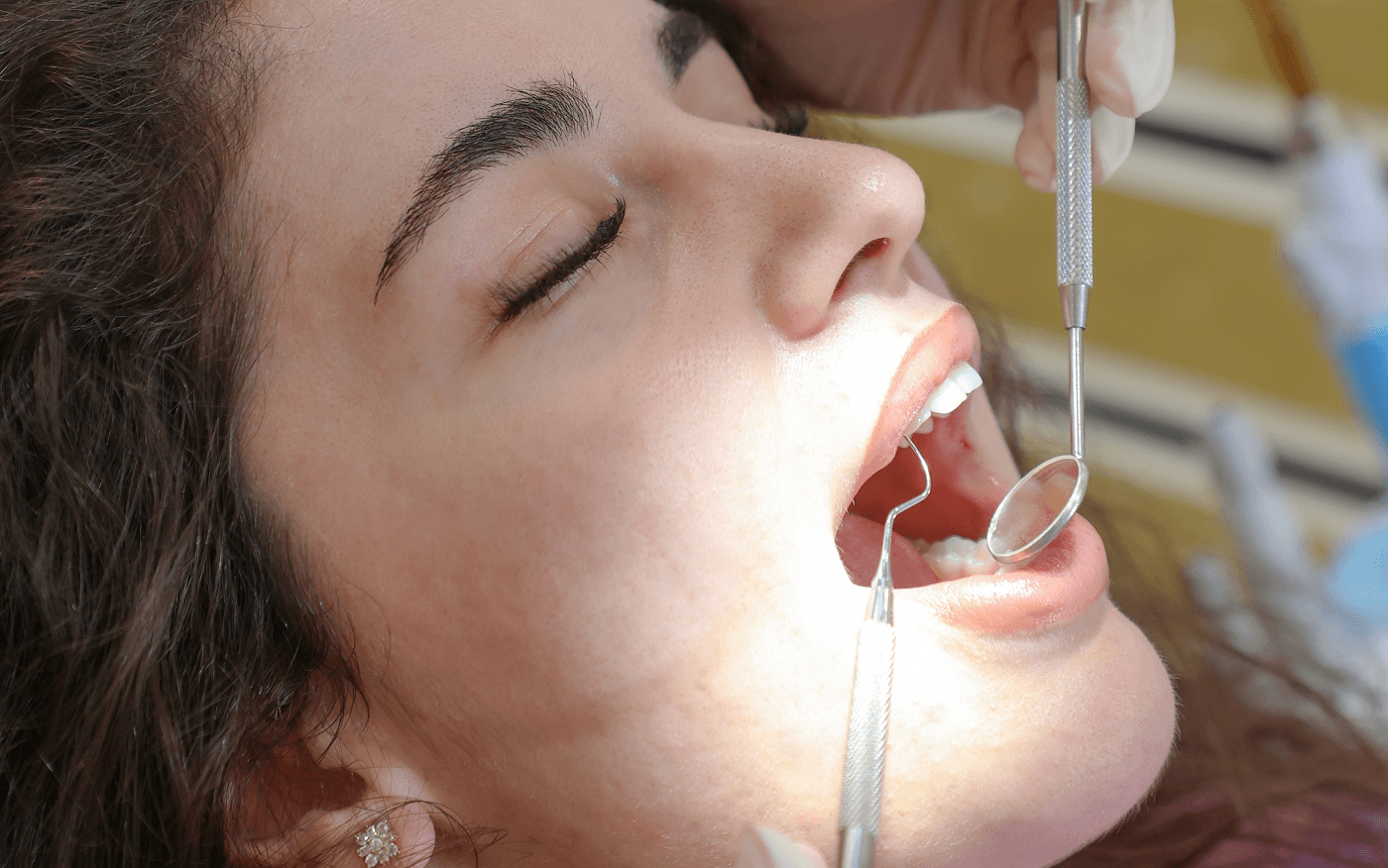
3. Thorough diagnosis and personalised medical assessment
Before producing a removable acrylic orthodontic appliance, the orthodontist assesses tooth positions, the relationship between the dental arches, the stage of dental...
Before producing a removable acrylic orthodontic appliance, the orthodontist assesses tooth positions, the relationship between the dental arches, the stage of dental development, and craniofacial growth, using photographs, impressions or digital scans, and X-rays when indicated. Particular attention is paid to the type of malocclusion, available space, and the patient's level of cooperation to determine whether an active plate, functional appliance, or retainer is appropriate.
Thanks to its integration with KEIT Day Hospital, patients with particular medical conditions or those requiring more complex procedures may undergo additional specialist assessments and any necessary diagnostic evaluations. Treatment planning therefore considers both the patient's orthodontic objectives and general health.
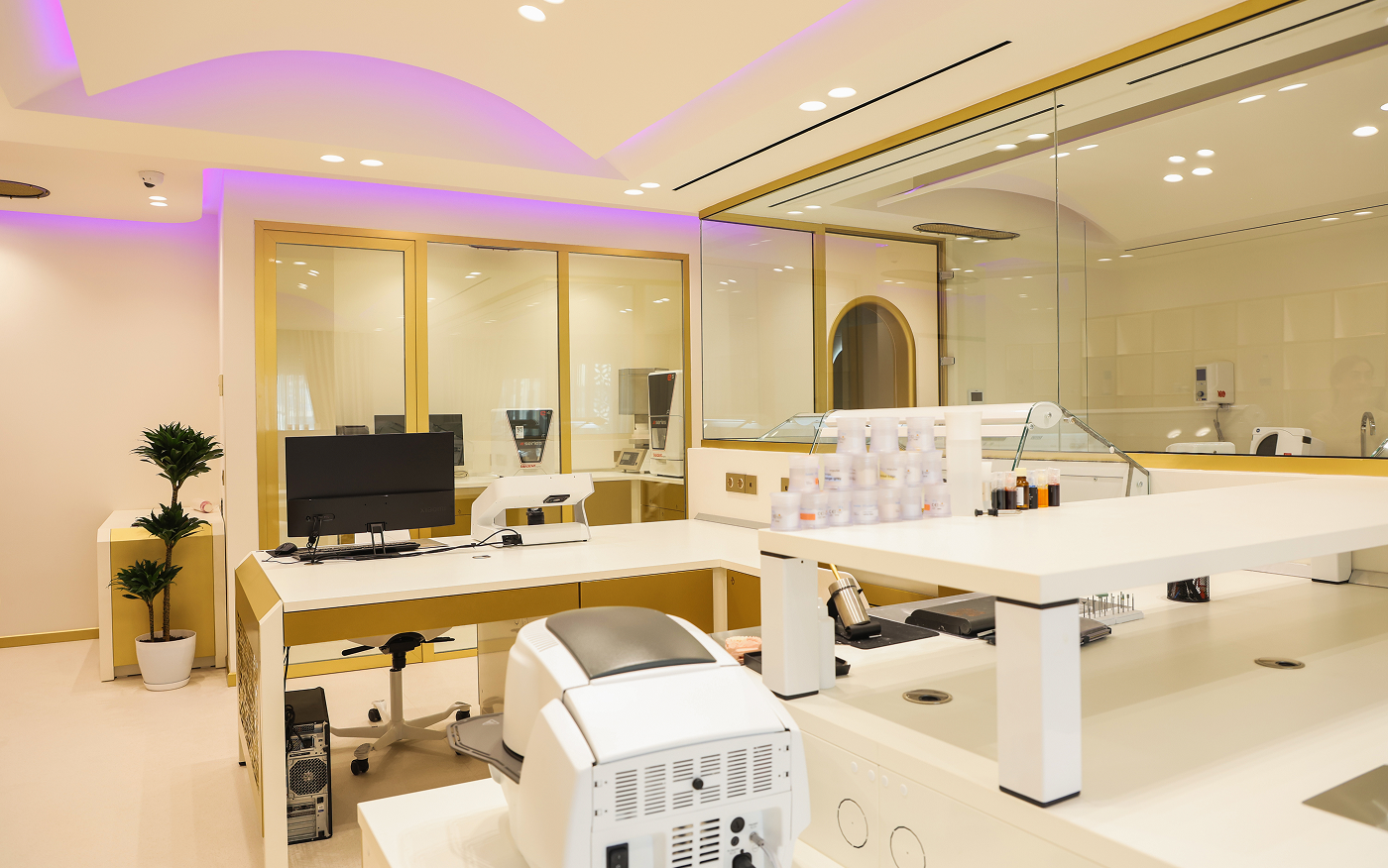
4. In-house dental laboratory and customised removable orthodontic appliances
One of KEIT Dental's distinguishing features is its in-house dental laboratory, which facilitates direct collaboration between orthodontists and dental technicians in producing...
One of KEIT Dental's distinguishing features is its in-house dental laboratory, which facilitates direct collaboration between orthodontists and dental technicians in producing customised appliances. Dental impressions or scans of the arches allow the acrylic base and appliance components, such as screws, springs, wires, and clasps, to be designed according to clinical requirements.
Coordination between the clinic and laboratory allows technical details to be shared, appliance fit to be checked, and any necessary modifications to be assessed during treatment, with particular attention to manufacturing precision, functionality, and patient comfort.
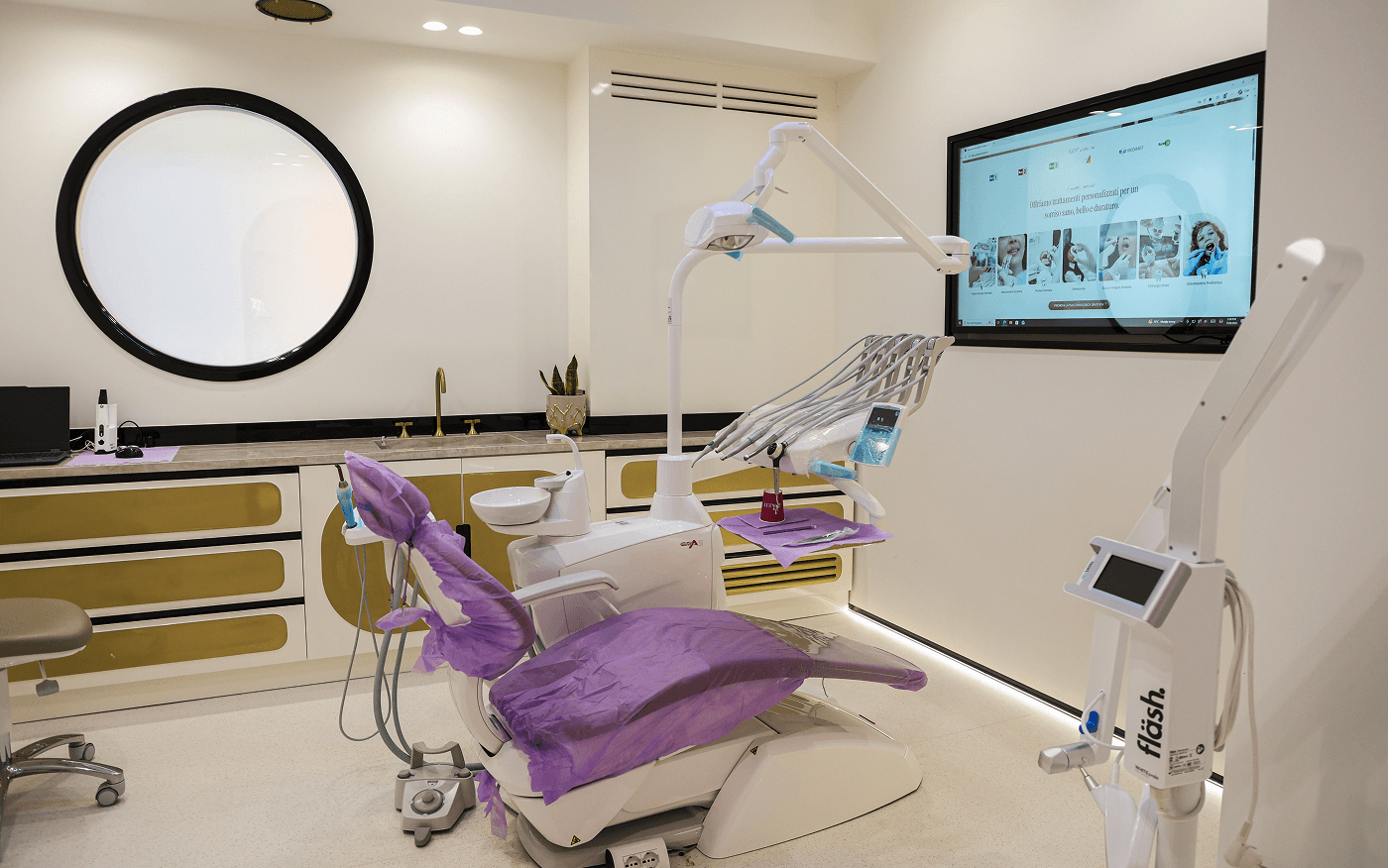
5. Safety, sterilisation, and access to hospital infrastructure
KEIT Dental follows hygiene and infection control protocols that include disinfecting treatment areas, sterilising instruments, and using disposable materials when indicated. During...
KEIT Dental follows hygiene and infection control protocols that include disinfecting treatment areas, sterilising instruments, and using disposable materials when indicated. During the fitting and adjustment of removable orthodontic appliances, particular attention is paid to the fit of the acrylic base, the stability of appliance components, and the protection of oral tissues.
For cases requiring prolonged monitoring or specific postoperative care, admission to KEIT Day Hospital's inpatient wards can also be arranged. These wards are equipped with healthcare staff and monitoring systems. This integration allows treatment to be organised according to the level of care required by the patient's condition and the complexity of the procedure.
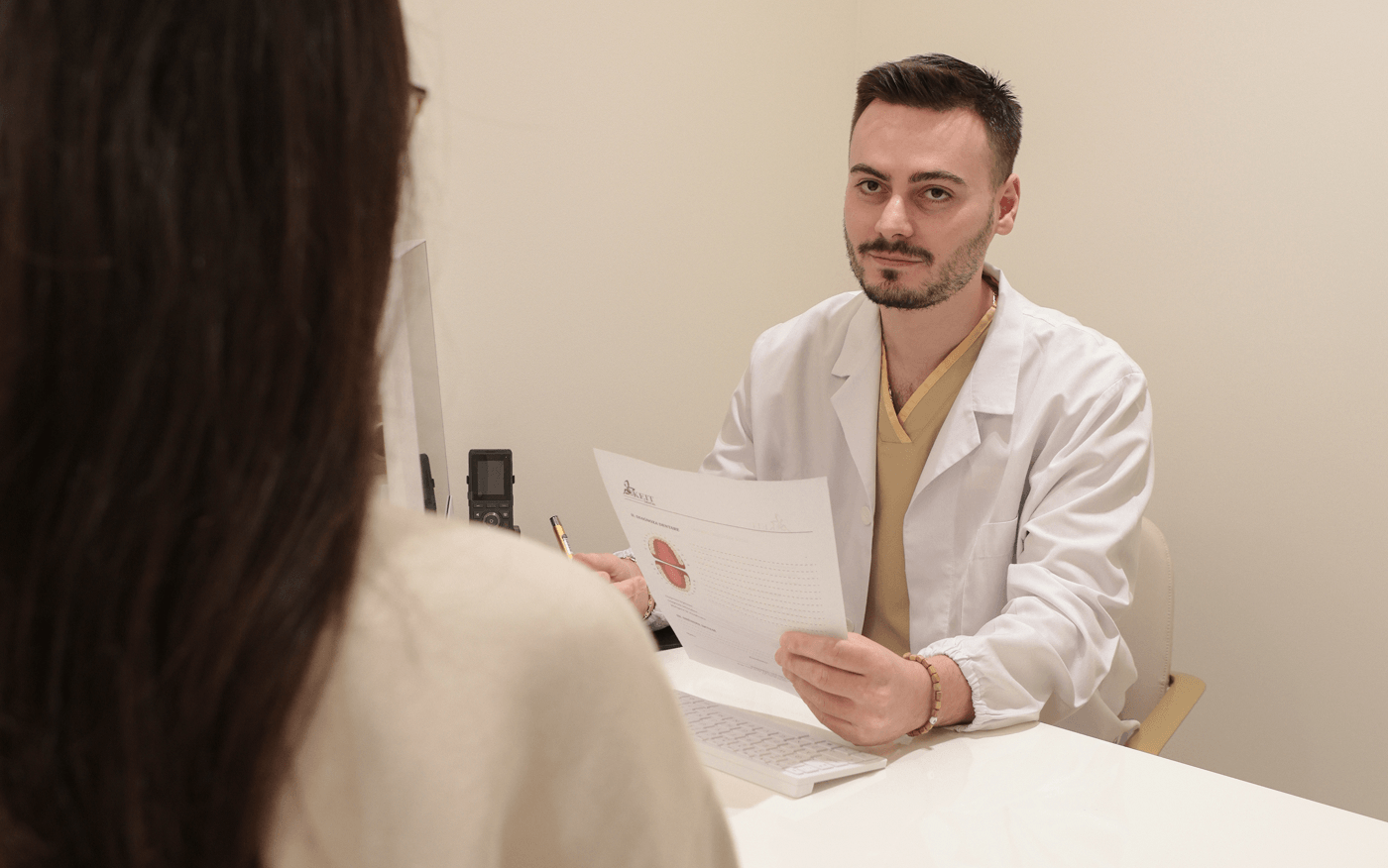
6. Personalised care and follow-up during orthodontic treatment
At KEIT Dental, patient care continues throughout removable orthodontic treatment through personalised guidance and follow-up appointments scheduled according to clinical needs. Regular...
At KEIT Dental, patient care continues throughout removable orthodontic treatment through personalised guidance and follow-up appointments scheduled according to clinical needs. Regular examinations allow the orthodontist to check appliance fit, assess treatment progress, and adjust any active components.
Patients receive guidance on daily wear time, cleaning, and storing the appliance, as well as precautions to follow in case of discomfort or breakage. At the end of treatment, the need for a retention phase or further orthodontic treatment is assessed. For international patients, care may include communication with the clinic and guidance on arranging the necessary follow-up appointments.
FAQ
Frequently asked questions
Can a removable acrylic orthodontic appliance contribute to tooth decay or gingivitis?

The appliance does not directly cause tooth decay or gingivitis, but inadequate cleaning of the teeth or the appliance can promote plaque accumulation. It is therefore important to maintain thorough oral hygiene and follow the orthodontist’s instructions for cleaning the appliance.
Can it be used while baby teeth are still present?
Yes. In some cases, a removable orthodontic appliance can be used during the primary or mixed dentition stages, particularly as part of interceptive orthodontic treatment. The decision depends on the patient’s age, dental arch development, and the orthodontic problem requiring correction.
What should you do if a baby tooth falls out during treatment?
It is advisable to contact the orthodontist and avoid making any adjustments to the appliance yourself. The loss of a tooth can affect how the appliance fits, and depending on the stage of dental development, it may need to be adjusted or replaced.
Does the appliance need to be replaced during growth?
Not necessarily. However, as the patient grows, the shape of the dental arches, the position of the teeth, and the fit of the appliance may change. The orthodontist periodically assesses whether the appliance remains suitable or whether adjustments or a new appliance are necessary.
Can the acrylic material of the appliance cause an allergic reaction?
Reactions to orthodontic materials are rare, but they can occur in individuals who are sensitive to specific resins or components. Persistent irritation, swelling, burning sensations, or lesions of the oral mucosa should be reported to the orthodontist, who can assess the appliance and, if necessary, consider alternative materials.