 4.9 Rating | 23.000+ Procedures | Medical Experts
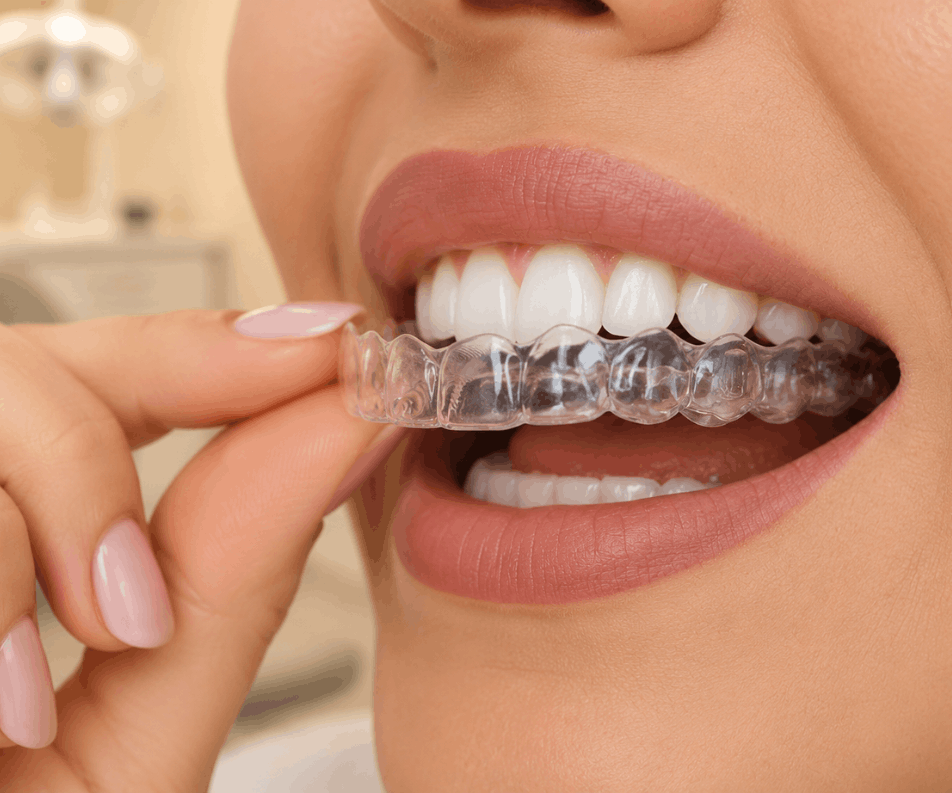
Table of contents:

Why can teeth move after orthodontic treatment?
Fixed retainer: how does it work and when is it recommended?
Clear removable retainer or Hawley retainer: what are the differences?
How is a dental retainer made and fitted?
How long and how many hours a day should a retainer be worn?
How should fixed and removable retainers be cleaned and stored?
How often should a dental retainer be replaced?
Why choose KEIT Dental for orthodontic retention?
In this article, you will learn why retention is necessary after orthodontic treatment, what types of retainers are available, and how they are selected and made. We will also look at how long they need to be worn, how to maintain them properly, and what to do in case of problems or the need for replacement, with an in-depth look at orthodontic retention at KEIT Dental.
 Book your FREEOnline Consultation Now

Why can teeth move after orthodontic treatment?
After orthodontic treatment, teeth may move because the bone and supporting tissues need time to adapt to their new position. Forces generated by chewing, the tongue, the lips and facial muscles may also gradually affect alignment. This process, known as orthodontic relapse, may occur after fixed braces, Invisalign or other clear aligner treatments.
Dental retention stabilises the result achieved and reduces the risk of teeth moving back towards their previous position. For this reason, a fixed or removable dental retainer is used at the end of treatment, selected according to the movements performed, the final position of the teeth and the patient’s individual risk of relapse.
Fixed retainer: how does it work and when is it recommended?
A fixed retainer is a thin retention wire bonded to the inner surface of the front teeth. It maintains alignment continuously without requiring the patient to insert or remove it. It is mainly recommended when the risk of relapse is high, when spaces closed during treatment need to remain closed, or when consistent use of a removable retainer may be unreliable.
A fixed retainer may be placed on the upper arch, lower arch or both, depending on the orthodontic movements performed and the stability of the result. It is discreet, does not affect the appearance of the smile and is selected when the position of the front teeth requires continuous long-term control.
Clear removable retainer or Hawley retainer: what are the differences?
The clear retainer and the Hawley retainer are both removable devices used to maintain the teeth in the position achieved after orthodontic treatment, but they have different characteristics.
-
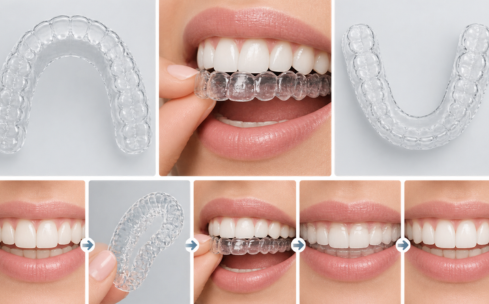
Clear retainer: It is made of transparent plastic material, fits closely over the dental arch, and is barely visible during use.
-
Hawley retainer: It combines an acrylic base with a front metal wire and may be more visible than the clear model.
-
Adjustment: The Hawley retainer can be adjusted in some cases, while a clear retainer that is deformed or no longer fits properly is generally replaced.
The choice depends on the previous treatment, the position of the teeth, and the retention requirements.
How is a dental retainer made and fitted?
A dental retainer is custom-made from an intraoral scan or dental impression and fitted at the end of orthodontic treatment. A clear retention tray is produced according to the exact shape of the dental arch so that it fits closely over the teeth, while a fixed retainer is shaped and bonded to the inner surface of the front teeth. The choice of appliance depends on the treatment completed, the final tooth position and the risk of relapse.
At the fitting appointment, the orthodontist checks the fit, stability, comfort and contacts between the dental arches, ensuring that the appliance does not interfere with the bite. The patient receives instructions on how to insert, remove and manage the retainer correctly. When necessary, the final aligner may be used temporarily until the definitive retainer is ready, but only under clinical guidance.
How long and how many hours a day should a retainer be worn?
A removable retainer is often worn full-time during the initial phase and later only at night, while a fixed retainer works 24 hours a day because it remains bonded to the teeth. The daily wear time and overall duration depend on the treatment performed, the stability of the alignment, the dental arch involved and the individual risk of orthodontic relapse.
Dental retention may continue for many years and, in some patients, may be maintained long term. The expression “lifelong dental retention” does not necessarily mean wearing a removable retainer day and night indefinitely, but often involves continuing night-time use according to a personalized schedule. The appliance should not be discontinued or worn less frequently without professional advice, because teeth may gradually change position even after several years.
How should fixed and removable retainers be cleaned and stored?
A fixed retainer should be cleaned every day along the retention wire and between the teeth using a toothbrush, suitable floss or interdental brushes recommended by the orthodontist. A clear removable retainer should be washed with cool or lukewarm water, a soft toothbrush and a mild cleaning product, while a Hawley retainer requires careful cleaning of both the acrylic base and the metal wire without bending it. Hot water and abrasive products should be avoided because they may deform, scratch or damage the appliance.
A removable retainer should be taken out before eating and before drinking anything other than water. After cleaning, it should be allowed to dry and stored in its rigid, ventilated case, away from heat, impact and contamination. Poor maintenance may promote plaque build-up, unpleasant odours, deformation or loss of fit. If the appliance no longer fits correctly, moves excessively or shows signs of damage, it should be checked by the orthodontist.
How often should a dental retainer be replaced?
A dental retainer does not have a fixed expiry date and should be replaced when it loses its fit, becomes deformed or no longer maintains the teeth correctly. A clear retention tray tends to wear out more quickly, especially when used every night, while a Hawley retainer may last longer if it remains stable, intact and correctly fitted to the dental arch.
A fixed retention wire is not replaced at predetermined intervals, but it should be checked periodically to confirm that it remains stable, intact and securely bonded to the teeth. The physical lifespan of the appliance is not the same as the duration of retention: even when a retainer is replaced, maintenance of the alignment may continue for many years according to the orthodontist’s instructions.
Why choose KEIT Dental for orthodontic retention?
KEIT Dental is the dental clinic of the KEIT brand, integrated into the KEIT Day Hospital healthcare facility in Tirana, Albania, founded in 2011 by Dr Skerdilajd Faria. With over 23,000 procedures performed across the KEIT brand's various areas of activity, the facility combines specialist expertise, medical technology, safety protocols, and personalised patient care.
KEIT Dental has seven dental treatment rooms and an in-house dental laboratory. Its integration with KEIT Day Hospital also provides access to a multidisciplinary medical team, oral and maxillofacial surgeons, specialists in anaesthesia and intensive care, equipped operating theatres, and inpatient wards for cases requiring more complex care. For orthodontic retention, KEIT Dental adopts a personalised approach aimed at maintaining the tooth alignment achieved through orthodontic treatment and reducing the risk of relapse using fixed or removable retainers selected according to each patient's needs.
1. Seven dental treatment rooms and technologies for orthodontic retention
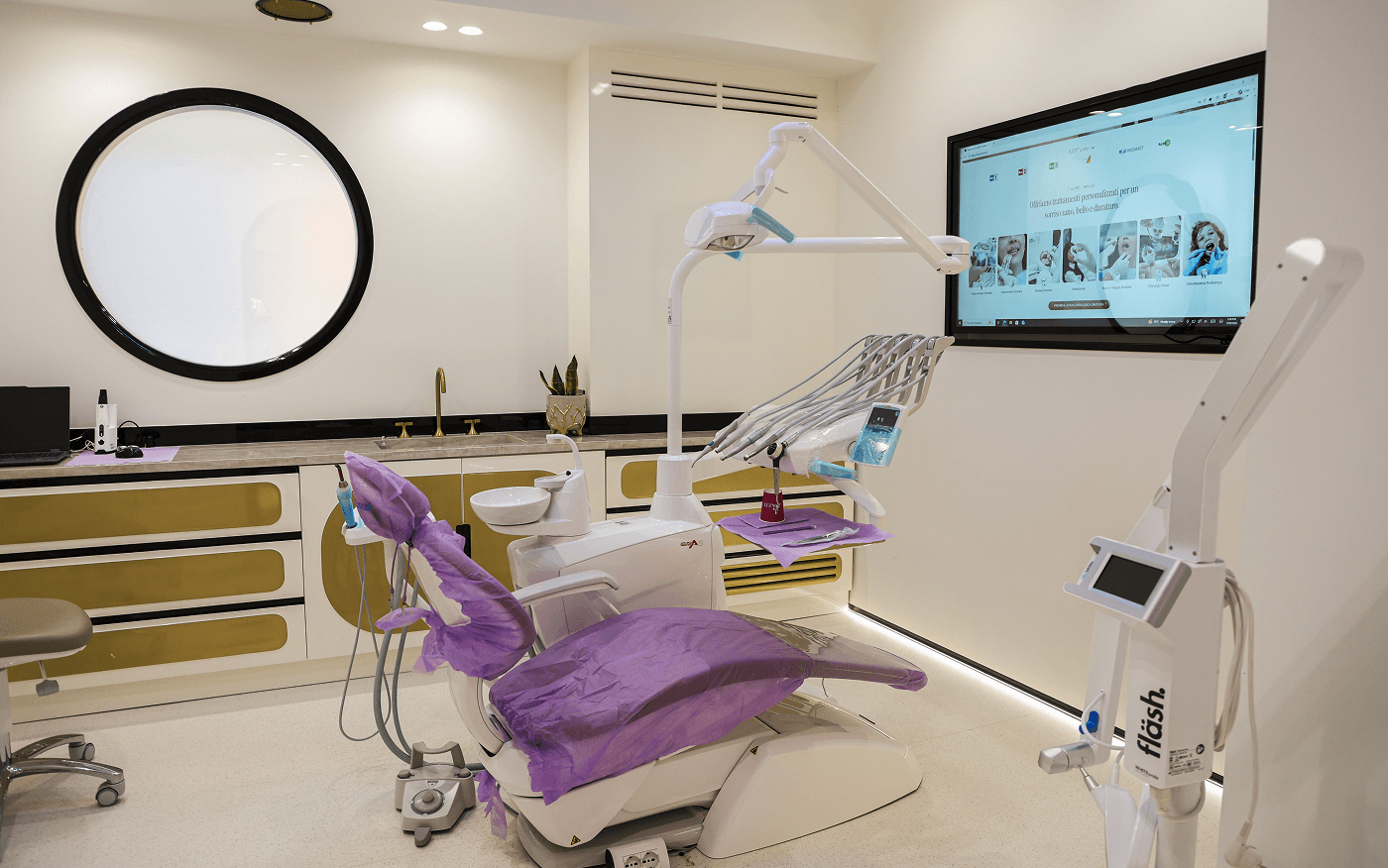
KEIT Dental has seven dental treatment rooms organised to accommodate orthodontics, restorative dentistry, endodontics, implantology, and dental prosthetic procedures. For orthodontic retention,...
KEIT Dental has seven dental treatment rooms organised to accommodate orthodontics, restorative dentistry, endodontics, implantology, and dental prosthetic procedures. For orthodontic retention, diagnostic instruments and intraoral scans allow the orthodontist to record tooth positions, assess the relationship between the dental arches, and gather the information needed to produce retainers. Fixed retainers, clear removable retainers, and Hawley retainers are selected according to the stability of tooth alignment, with particular attention to precision of fit, functionality, and patient comfort.
2. Multidisciplinary dental and medical team
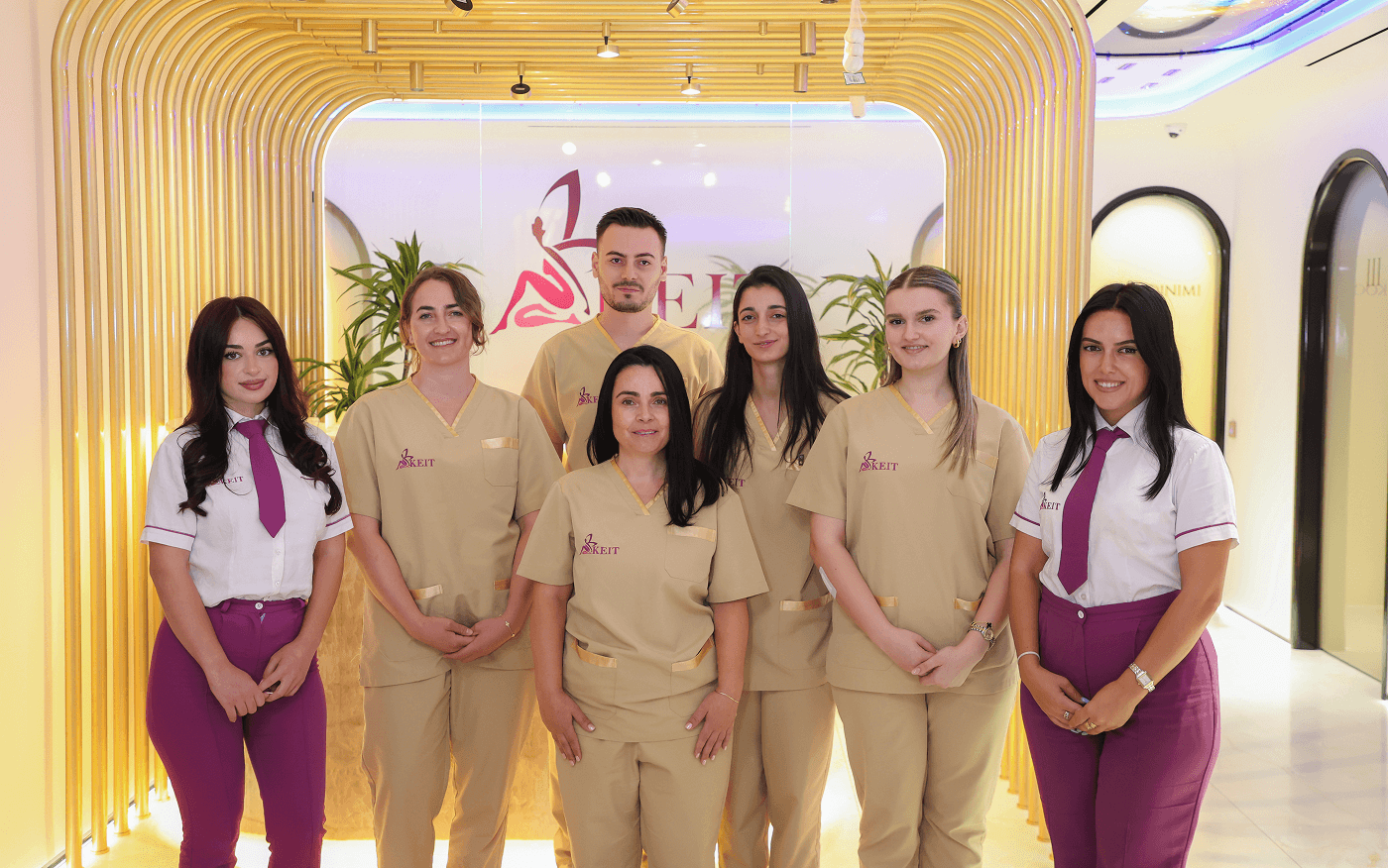
One of the main advantages of KEIT Dental is its ability to combine dental expertise with the multidisciplinary medical team at KEIT...
One of the main advantages of KEIT Dental is its ability to combine dental expertise with the multidisciplinary medical team at KEIT Day Hospital. The clinic works with professionals experienced in orthodontics, restorative dentistry, endodontics, implantology, and dental prosthetics. In particularly complex cases, oral and maxillofacial surgeons and other medical specialists may also be involved, depending on clinical needs.
During the retention phase, collaboration between professionals allows tooth stability, gum health, and the presence of any restorations or other dental needs to be assessed. This approach makes it possible to coordinate the maintenance of orthodontic results with any necessary complementary treatments.
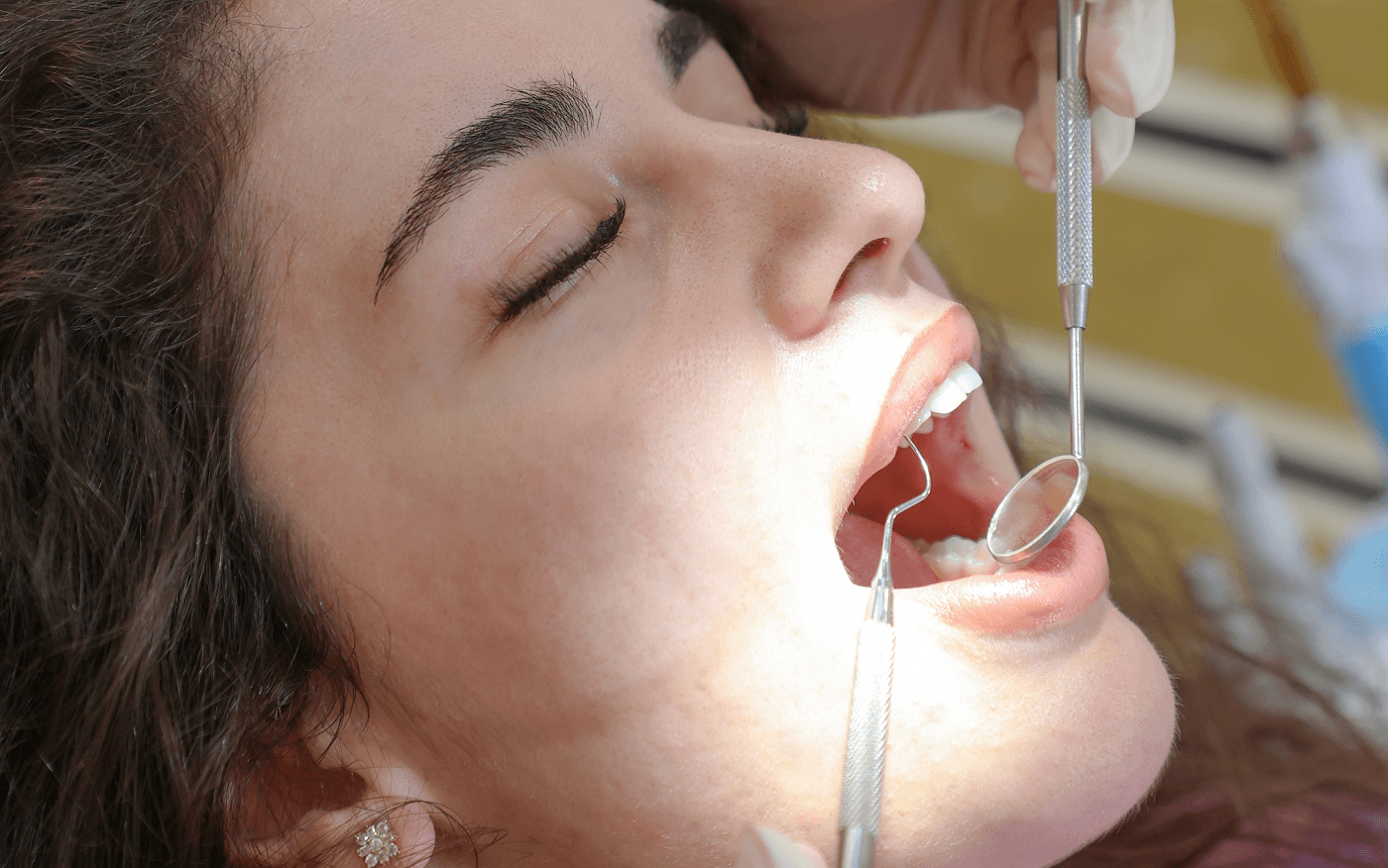
3. Thorough diagnosis and personalised medical assessment
Before selecting a retainer, the orthodontist assesses the final tooth positions, occlusion, the condition of the supporting tissues, and the patient's individual...
Before selecting a retainer, the orthodontist assesses the final tooth positions, occlusion, the condition of the supporting tissues, and the patient's individual risk of orthodontic relapse, using intraoral scans or impressions when necessary. Particular attention is paid to the tooth movements performed during treatment, the stability of alignment, and the patient's habits to determine whether a fixed retainer, clear removable retainer, Hawley retainer, or combination of appliances is appropriate.
Thanks to its integration with KEIT Day Hospital, patients with particular medical conditions or those requiring more complex procedures may undergo additional specialist assessments. Treatment planning therefore considers both the patient's retention needs and general health.
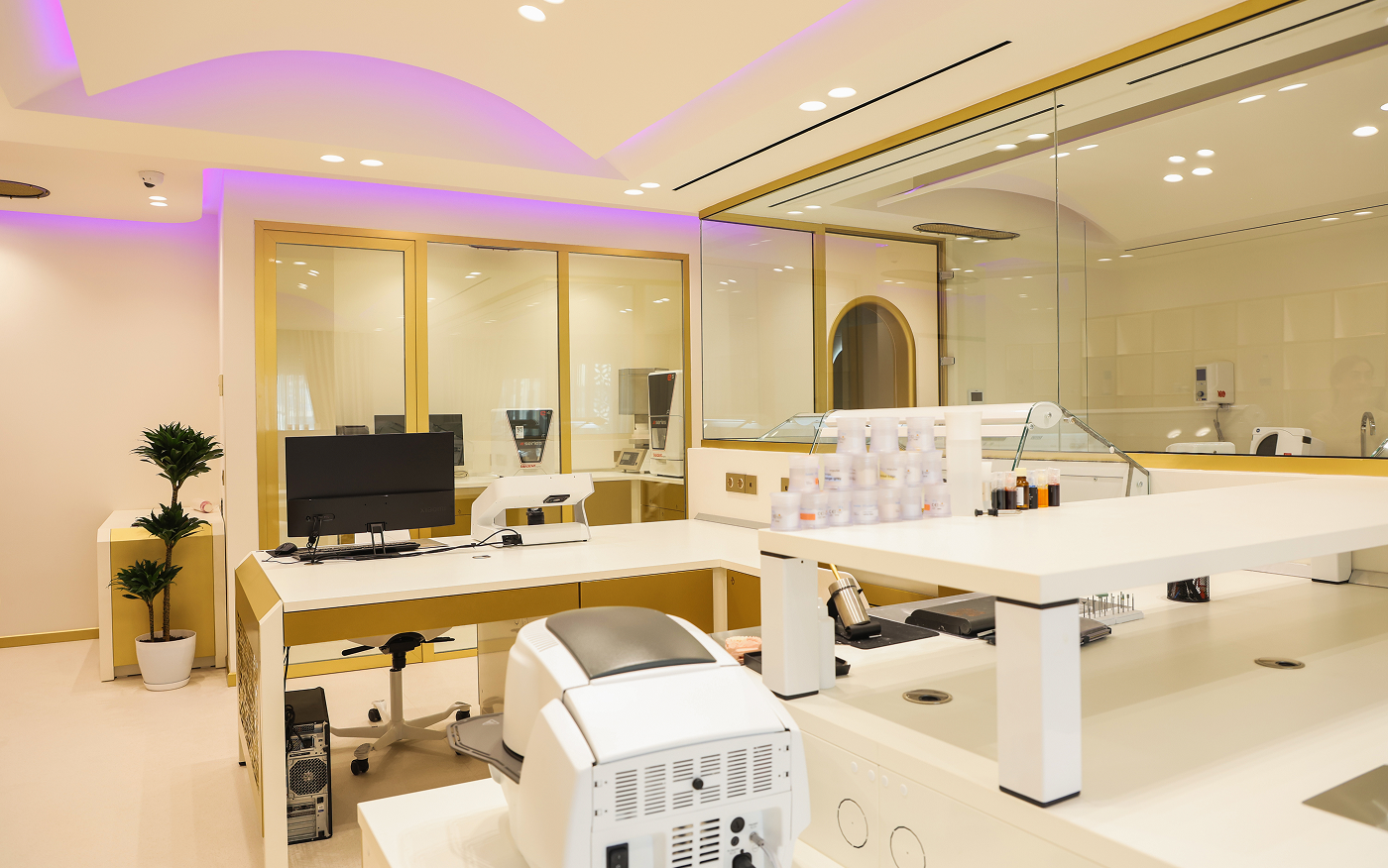
4. In-house dental laboratory and customised orthodontic retainers
One of KEIT Dental's distinguishing features is its in-house dental laboratory, which facilitates direct collaboration between orthodontists and dental technicians in producing...
One of KEIT Dental's distinguishing features is its in-house dental laboratory, which facilitates direct collaboration between orthodontists and dental technicians in producing customised appliances. Dental impressions or digital scans of the arches allow clear removable retainers and Hawley retainers to be designed according to the final tooth positions and clinical requirements. Fixed retention wires, on the other hand, are adapted and bonded by the dentist according to the patient's needs.
Coordination between the clinic and laboratory allows technical details to be shared and any necessary modifications or replacements to be assessed, with particular attention to precision of fit, stability, and retention effectiveness.
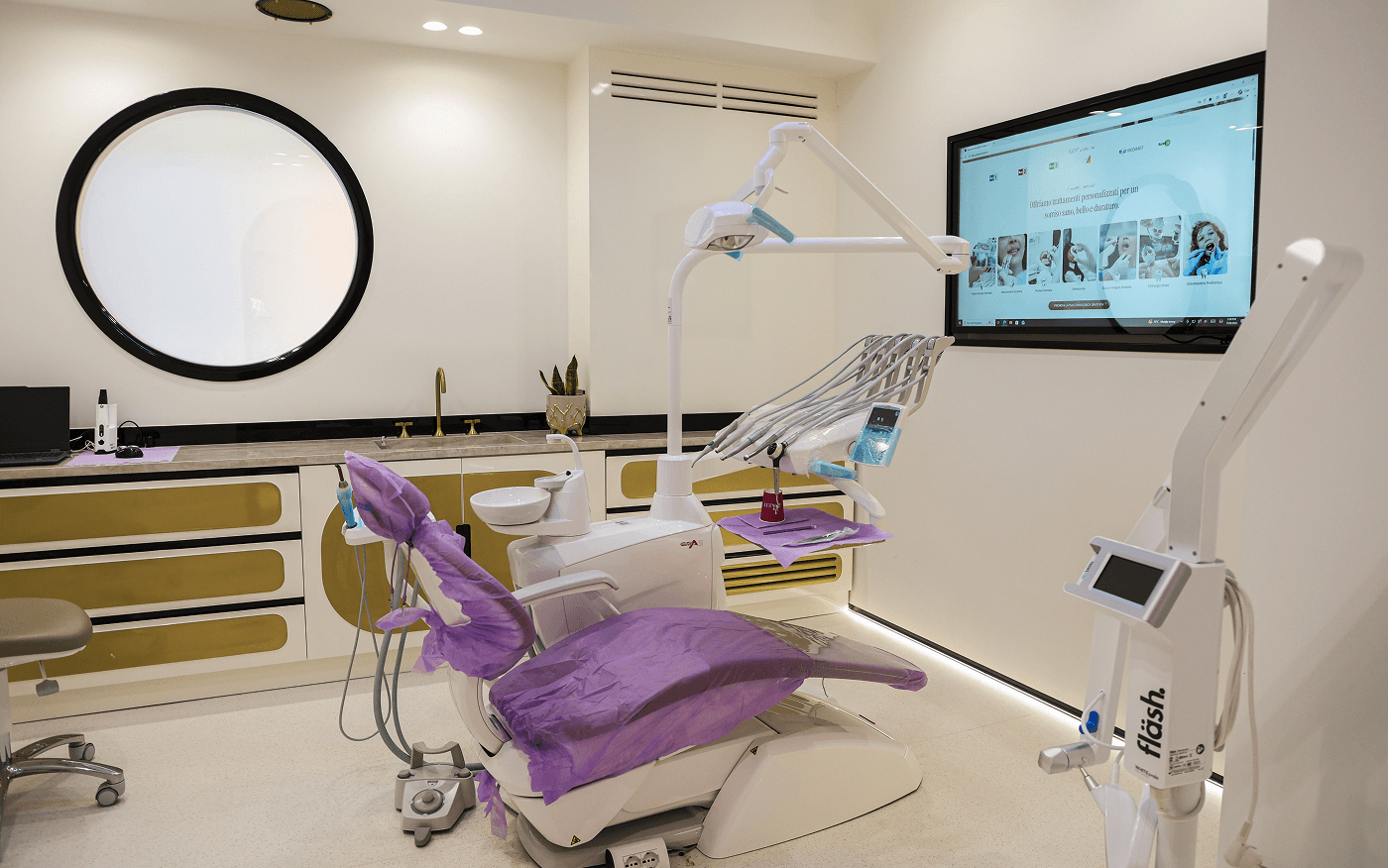
5. Safety, sterilisation, and access to hospital infrastructure
KEIT Dental follows hygiene and infection control protocols that include disinfecting treatment areas, sterilising instruments, and using disposable materials when indicated. During...
KEIT Dental follows hygiene and infection control protocols that include disinfecting treatment areas, sterilising instruments, and using disposable materials when indicated. During retainer fitting and follow-up appointments, particular attention is paid to appliance fit, the stability of its components, and the protection of oral tissues.
For cases requiring prolonged monitoring or specific postoperative care, admission to KEIT Day Hospital's inpatient wards can also be arranged. These wards are equipped with healthcare staff and monitoring systems. This integration allows treatment to be organised according to the level of care required by the patient's condition and the complexity of the procedure.

6. Personalised care and follow-up during orthodontic retention
At KEIT Dental, patient care continues after orthodontic treatment through personalised guidance and follow-up appointments scheduled according to clinical needs. Regular examinations...
At KEIT Dental, patient care continues after orthodontic treatment through personalised guidance and follow-up appointments scheduled according to clinical needs. Regular examinations allow the orthodontist to assess the stability of tooth alignment, check the integrity of fixed retainers, and evaluate the fit of removable appliances, identifying any signs of tooth movement.
Patients receive guidance on daily wear time, cleaning, and storing their retainer, as well as precautions to follow if the appliance becomes detached, deformed, or no longer fits properly. The duration of retention and frequency of follow-up appointments are determined individually. For international patients, care may include communication with the clinic and guidance on arranging the necessary check-ups.
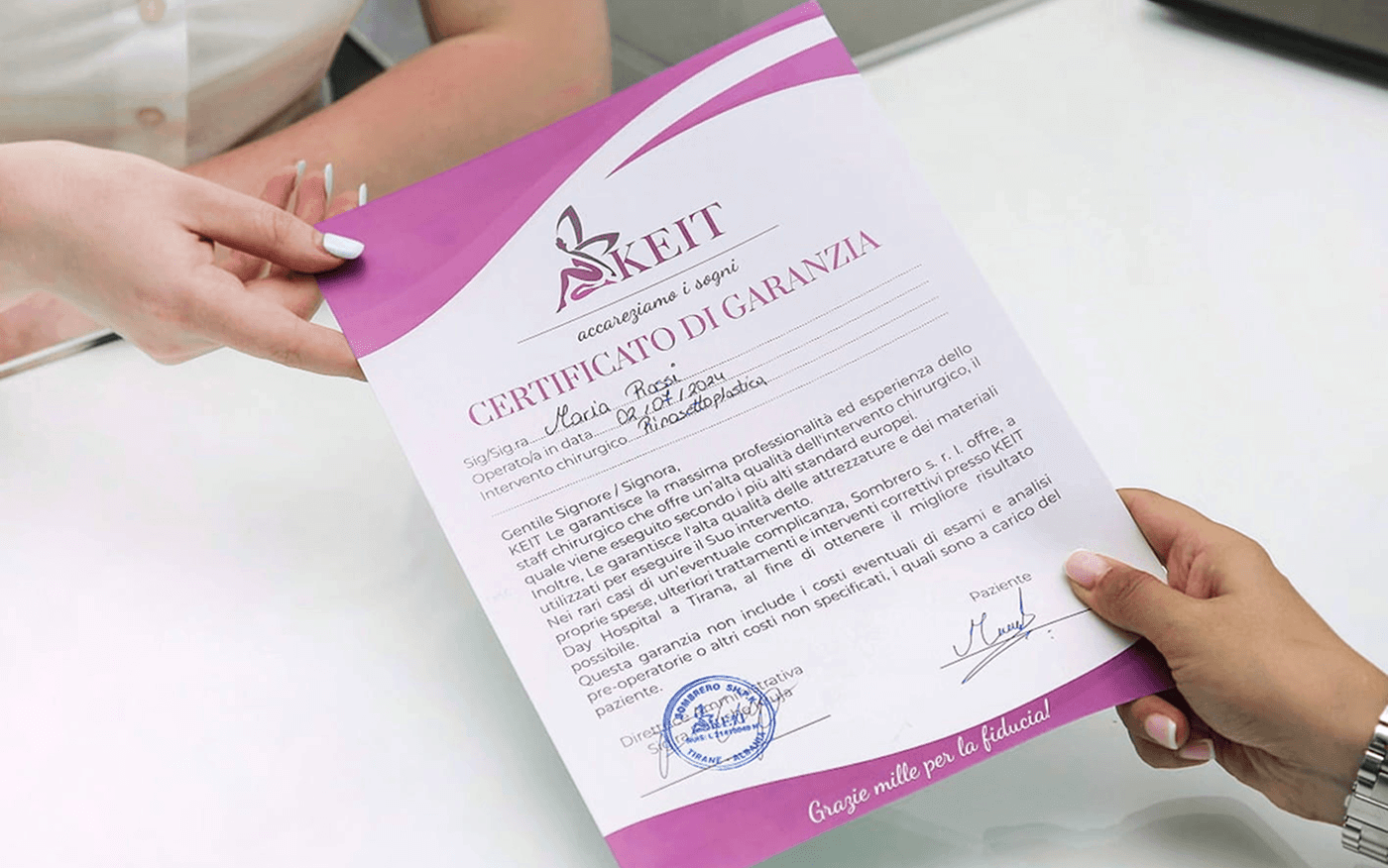
7. Transparency, clinical documentation, and guarantee conditions
KEIT Dental places particular emphasis on treatment transparency and clinical documentation. Before a retainer is fitted or provided, patients receive information about...
KEIT Dental places particular emphasis on treatment transparency and clinical documentation. Before a retainer is fitted or provided, patients receive information about the proposed appliance, available alternatives, instructions for use, expected duration of wear, and the risk of orthodontic relapse.
Clinical documentation includes the assessments performed, the retention plan, and the characteristics of the appliance. The informed consent form, where required, and treatment quotation also allow patients to understand the details of the treatment and its associated costs. Any applicable guarantee conditions are specified in the contractual documentation, clarifying the coverage provided, exclusions, and arrangements for assistance. Maintaining orthodontic results also depends on wearing or caring for the retainer correctly and attending scheduled follow-up appointments.
FAQ
Frequently asked questions
Can a night guard replace a retainer?

No. A night guard is designed primarily to protect the teeth from the forces associated with clenching and bruxism, while a retainer is intended to maintain orthodontic alignment. In some cases, a device can be designed to perform both functions, but it must be assessed and prescribed by a professional.
Can you have an MRI scan with a fixed retainer?
In most cases, the presence of a fixed retainer does not prevent an MRI scan from being performed. However, it is important to inform the radiology staff of its presence, as some metallic materials can create artefacts in the images, especially in head and neck examinations.
Do you need a sports mouthguard when wearing a retainer?
A retainer does not replace a sports mouthguard and does not provide adequate protection against impacts during contact sports. The most suitable type of protection and how to manage the retainer during sports activities should be assessed with the orthodontist.
Can a retainer be used after orthodontic relapse?
It depends on the extent of tooth movement. If the teeth have moved significantly, an old retainer may no longer fit properly and should not be forced into place. The orthodontist can assess whether making a new device is sufficient or whether a short phase of realignment is necessary before starting retention again.
Can a retainer temporarily replace a missing tooth?
In some cases, a Hawley retainer can be made with an artificial tooth to temporarily maintain the appearance and space left by a missing tooth. However, this is a temporary solution and does not replace a permanent restoration, such as an implant, a bridge, or another prosthetic solution.