Published on:

 Reading Time: 7 min
 Scientific Articles
Nerve injury represents one of the most feared complications of facial aesthetic surgery, particularly in facelift procedures, because it can temporarily or permanently impair muscle function and facial symmetry. However, the most recent meta-analyses indicate that nerve injury following facelift surgery is generally uncommon and that most reported injuries are transient. The risk varies according to the surgical technique, plane of dissection, and extent of the procedure.
 Table of Contents:
-
1
 How the evidence was selected: PubMed criteria for the most recent meta-analyses
-
2
How common is nerve damage after a facelift?
-
3
Motor and sensory nerve injuries: not all nerve damage has the same significance
-
4
Surgical plane and the risk to the facial nerve
-
5
Deep plane and SMAS: what do the most recent meta-analyses show?
-
6
Deep plane facelift: the risk of permanent nerve injury
-
7
Limited-incision facelift: a favorable neurological profile
-
8
Surgical technique and patient selection
-
9
Clinical implications and evidence summary
-
10
Bibliography: the 5 PubMed meta-analyses considered
How the evidence was selected: PubMed criteria for the most recent meta-analyses
A targeted search was conducted on PubMed, limited to systematic reviews and meta-analyses addressing nerve injuries and neurological complications in facial aesthetic surgery. Priority was given to the most recent studies and those providing pooled quantitative data on nerve damage, facelift complications, and differences associated with the main surgical techniques. The available literature focuses primarily on rhytidectomy (facelift), while meta-analytic evidence specifically addressing other facial aesthetic procedures is much more limited. For this reason, the conclusions should be interpreted primarily within the context of facial rejuvenation surgery.
How common is nerve damage after a facelift?
A meta-analysis published in 2025 and specifically focused on nerve damage following facelift surgery included 67 studies, 15,404 patients, and 15,441 procedures. The analysis estimated an overall incidence of 0.66% for motor nerve injury and 0.39% for sensory nerve injury. The risk of permanent injury was even lower, at 0.047% for motor damage and 0.045% for sensory damage. Overall, therefore, permanent nerve injury represents a rare complication following facelift surgery, although it remains clinically relevant.
These data are particularly important for informed consent because they allow the overall risk of nerve injury to be distinguished from the much lower probability that an injury will result in a permanent deficit.

Motor and sensory nerve injuries: not all nerve damage has the same significance
Nerve damage following facial aesthetic surgery may affect either the motor or sensory component. Motor nerve injuries are particularly important because they may manifest as weakness or altered facial movements, whereas sensory injuries may cause changes in sensation in the treated areas. The 2025 meta-analysis shows that both categories are overall uncommon and that permanent damage represents only a small proportion of the neurological events observed. This suggests that most nerve injuries reported after facelift surgery do not result in permanent deficits.
Surgical plane and the risk to the facial nerve
The plane of dissection is one of the most important factors determining the relationship between surgical technique and the risk of facial nerve injury during facelift surgery. Techniques requiring deeper dissection may come closer to neural structures, making precise anatomical knowledge and careful control of the surgical plane particularly important.
A 2019 meta-analysis comparing different SMAS-based facelift techniques identified significant differences in the risk of temporary nerve injury. The rate was 1.85% with the high lateral SMAS technique and 1.52% with composite rhytidectomy, both significantly higher than with SMAS plication. However, no significant differences were observed between the different techniques with regard to permanent nerve injury.
These findings do not indicate that one technique should be considered universally superior to the others. Rather, they demonstrate that the plane of dissection and the way tissues are manipulated may influence the complication profile, making the choice of technique an important element in managing neurological risk.
Deep plane and SMAS: what do the most recent meta-analyses show?
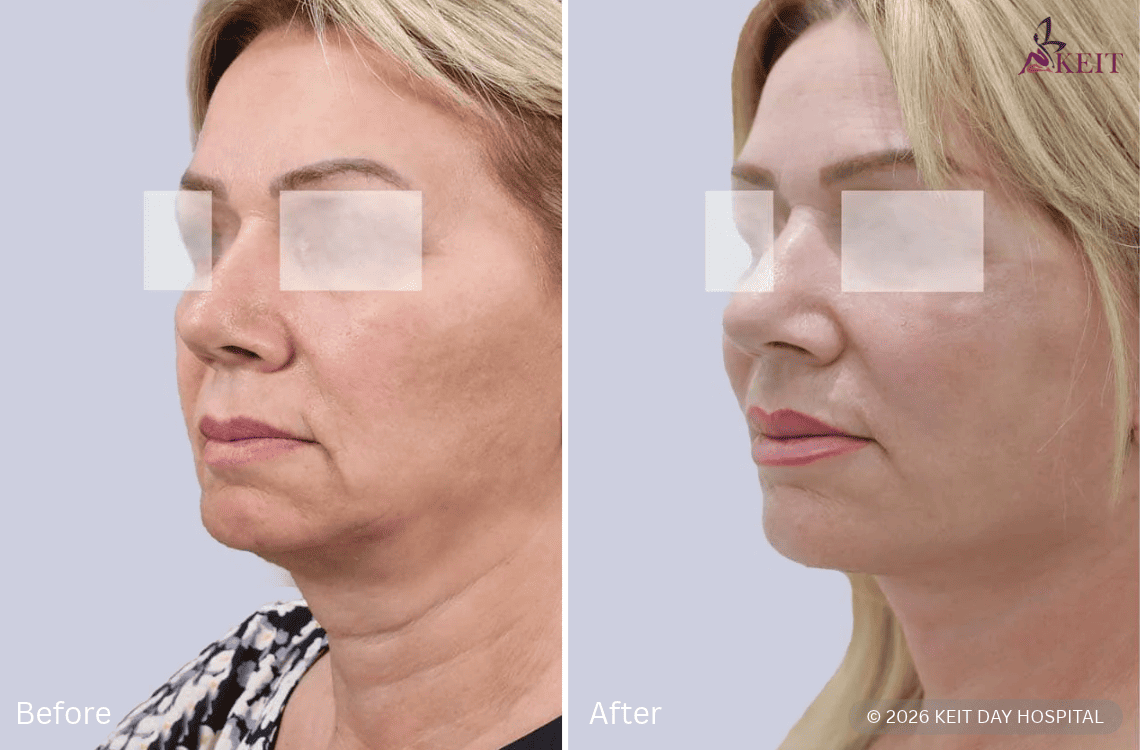
The most recent meta-analyses have directly compared deep plane facelift with SMAS-based facelift, evaluating their safety, complications, and surgical outcomes. A 2025 meta-analysis included 47 studies and 10,766 patients. Nerve injury rates were similar between the two techniques, and most reported injuries were temporary. Permanent nerve damage was rare.
Another 2025 meta-analysis, which analyzed 21 studies and 2,896 patients, evaluated satisfaction and complications following deep plane and SMAS facelifts. Satisfaction was high with both techniques, while the overall complication rate was 17.2% for deep plane and 10.3% for SMAS. These figures refer to all complications considered in the study and do not represent specific rates of nerve injury. Overall, the available evidence does not indicate that deep plane facelift automatically carries a higher risk of permanent nerve injury compared with SMAS.
Deep plane facelift: the risk of permanent nerve injury
A 2026 meta-analysis analyzed 45 studies and 10,784 patients who underwent deep plane facelift. The overall complication rate was 6.6%. Specifically, temporary facial nerve injury was estimated at 1.2%, while no cases of permanent facial nerve injury were observed among the included studies.
These findings are reassuring, but they should be interpreted in light of the types of studies included and the need for additional comparative data and longer follow-up. The authors also emphasize the importance of prospective studies and standardized criteria for outcome assessment.
Limited-incision facelift: a favorable neurological profile
Limited-incision facelift techniques have also been evaluated through a systematic review and meta-analysis. The analysis included 20 studies and 4,451 patients. The overall complication rate was low. Among the most common complications, hematoma accounted for 2.3%, while temporary nerve injury or neuropraxia was reported in 0.2% of patients. No permanent nerve injuries were described in the included studies.
These findings suggest a favorable neurological profile for limited-incision techniques in appropriately selected patients, while recognizing that these procedures differ from traditional facelift surgery and that the available data are derived predominantly from observational studies.
Surgical technique and patient selection
Available evidence indicates that neurological risk cannot be attributed solely to the name of the surgical technique used. The risk profile depends on the interaction between the surgical plane, extent of dissection, and individual patient characteristics. The differences observed between SMAS and deep plane techniques do not demonstrate absolute superiority of one approach over the other in terms of neurological safety. Indeed, the most recent meta-analyses show generally low rates of nerve injury and, in direct comparisons, results that are not always significantly different.
Clinical implications and evidence summary
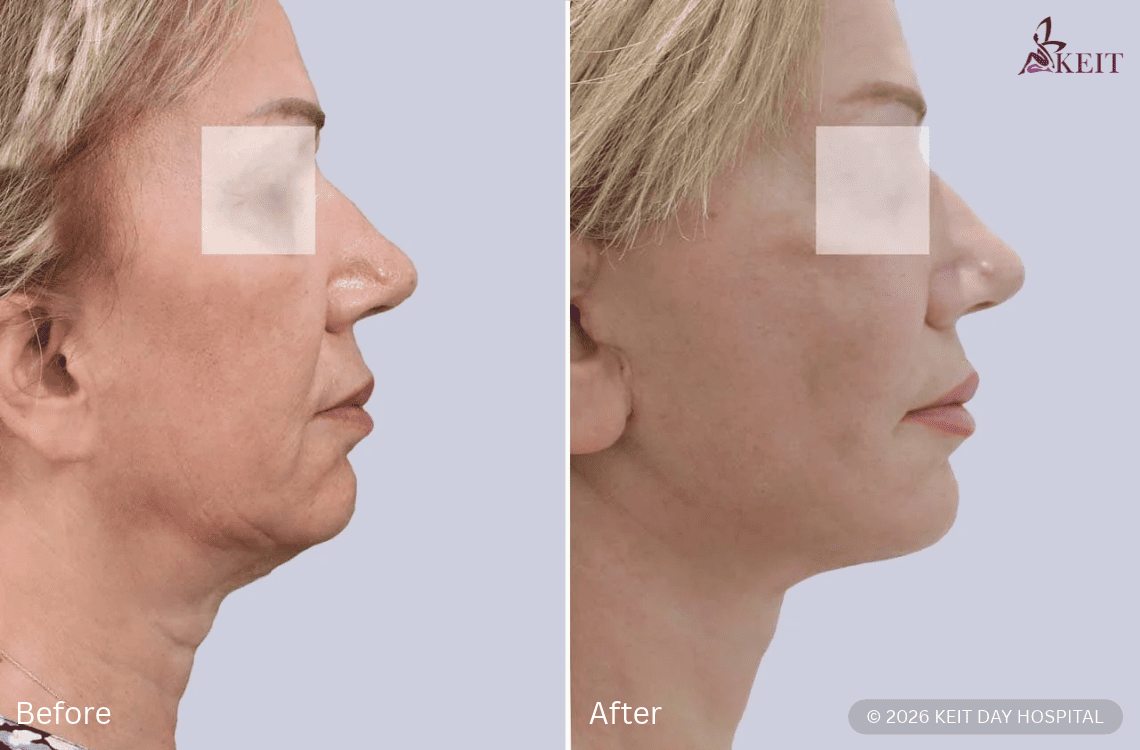
Available PubMed meta-analyses show that nerve injury is a rare but clinically relevant complication of facial aesthetic surgery, particularly in the context of facelift procedures.
The main findings from the literature are:
- The pooled incidence of motor nerve injury after facelift is 0.66%, while sensory nerve injury is 0.39%.
- Permanent nerve injury is much rarer, with pooled estimates below 0.05% for both motor and sensory components.
- Comparative meta-analyses do not demonstrate that deep plane facelift necessarily results in a higher risk of nerve injury than SMAS.
- Some SMAS techniques have shown differences in the risk of temporary nerve injury, while the risk of permanent damage has not been shown to differ significantly.
- In deep plane facelift, a 2026 meta-analysis estimated temporary nerve injury at 1.2%, with no cases of permanent nerve injury reported in the included studies.
- In limited-incision techniques, temporary neuropraxia was estimated at 0.2%, with no permanent injuries reported in the available meta-analysis.
Overall, the literature suggests that the risk of nerve injury in facial aesthetic surgery is low, but not zero. Prevention depends on anatomical knowledge, appropriate selection of the surgical plane, and careful patient selection.
Bibliography: the 5 PubMed meta-analyses considered
- Gandra G, Silva BS, Horta R. Facelift Surgery and Nerve Injury: A Systematic Review and Meta-Analysis. Aesthetic Plast Surg. 2025;49(20):5696-5711. PMID: 40456989.
- Vayalapra S, Guerrero DN, Sandhu V, Happy AKA, Imantalab D, Kissoonsingh P, Khajuria A. Comparing the Safety and Efficacy of Superficial Musculoaponeurotic System and Deep Plane Facelift Techniques: A Systematic Review and Meta-analysis. Ann Plast Surg. 2025;95(5):582-589. PMID: 40600822.
- Khoury S, Almubarak Z, Khan H, Boldt G, Villemure-Poliquin N, Nichols AC. The Deep Plane versus SMAS Facelift: A Systematic Review and Meta-Analysis. Aesthetic Plast Surg. 2025;49(21):5895-5903. PMID: 40801931.
- Jacono AA, Alemi AS, Russell JL. A Meta-Analysis of Complication Rates Among Different SMAS Facelift Techniques. Aesthet Surg J. 2019;39(9):927-942. PMID: 30768122.
- Amador RO, Hamaguchi R, Bartlett RA, Sinha I. Safety and Effectiveness of Limited Incision Facelifts: A Systematic Review and Meta-analysis. Aesthet Surg J Open Forum. 2023;5(Suppl 1):ojad027.003. PMID: 37950895.