 4.9 Rating | 23.000+ Procedures | Medical Experts

Table of contents:

What is professional teeth whitening?
Who is suitable for teeth whitening?
Laser teeth whitening
LED teeth whitening
Internal whitening for a root canal-treated tooth
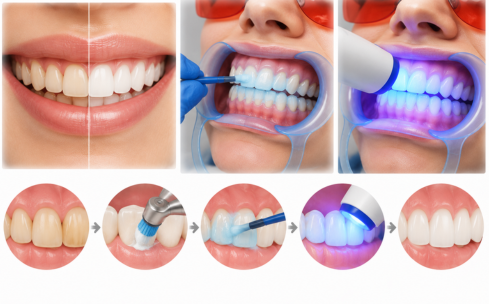
How is professional teeth whitening performed?
Teeth whitening results: when are they visible and how long do they last?
Tooth sensitivity and side effects after teeth whitening
How to keep teeth white after treatment
Why choose KEIT Dental for teeth whitening?
This article explains how professional teeth whitening works, the differences between laser whitening, LED whitening, and internal tooth whitening, how long treatment takes, what results can be expected, and how to maintain a brighter smile over time.
 Book your FREEOnline Consultation Now

What is professional teeth whitening?
Professional teeth whitening is a dental procedure that uses whitening agents, usually peroxide-based, to reduce discoloration and improve the natural brightness of the teeth. It may be suitable when teeth appear darker, duller, or uneven in colour due to ageing, smoking, or the regular consumption of staining foods and drinks. Teeth whitening may also be considered when one or more teeth show noticeable colour changes, provided that the cause of the discoloration has first been correctly identified.
Who is suitable for teeth whitening?
Teeth whitening is generally suitable for adults with healthy teeth and gums who want to improve the brightness of their smile. Suitable candidates commonly have yellowing, surface stains, or general tooth discoloration and do not have untreated cavities or active gum inflammation. Realistic expectations are also important, as the final result depends on the initial tooth shade, the structure of the teeth, and the cause and depth of the staining.
A professional dental cleaning may be recommended before whitening, particularly when plaque, tartar, or surface stains are present. This allows the whitening product to act on a cleaner surface and helps the dentist assess the natural colour of the teeth more accurately.
Laser teeth whitening
Laser teeth whitening is performed in the dental clinic by applying a professional whitening gel to the tooth surfaces after carefully protecting the gums and other soft tissues. The laser is used as part of the whitening protocol, while the dentist monitors the response of the teeth and any sensitivity that may develop during treatment.
A laser teeth whitening session generally lasts between 45 and 60 minutes. In many cases, one appointment is sufficient to produce a visible improvement in tooth colour. More pronounced discoloration may require a second session after the initial result has been assessed. The teeth usually appear brighter immediately after treatment, while the final shade tends to stabilise over the following days.
LED teeth whitening
LED teeth whitening involves applying a professional whitening gel and using a dedicated LED light after the gums and oral tissues have been carefully protected. The light is positioned in front of the dental arches for the time required by the treatment protocol, while the dentist monitors patient comfort and the uniformity of the whitening process.
An LED teeth whitening session lasts approximately 60 minutes on average. In most cases, the treatment is completed in one appointment. Deeper or more persistent stains may require a second session, usually scheduled one or two weeks later. The whitening effect is visible immediately after treatment and becomes more stable over the following days.
Internal whitening for a root canal-treated tooth
Internal tooth whitening is used when a single tooth has become darker following dental trauma, pulp necrosis, or previous root canal treatment. Unlike external whitening, the whitening agent is placed inside the tooth. Before treatment, the dentist checks the quality of the existing root canal therapy. The whitening material is then applied within the tooth and left in place for a controlled period.
Each appointment generally lasts between 30 and 45 minutes, but the full treatment usually requires several visits. In many cases, two to four appointments are needed, spaced a few days apart. During these visits, the whitening material is replaced and the colour of the treated tooth is compared with the neighbouring teeth. The shade improves gradually until a more balanced and natural-looking result is achieved.
How is professional teeth whitening performed?
Professional teeth whitening begins with a dental examination and an assessment of the initial tooth shade. The dentist evaluates the teeth, gums, existing restorations, and level of dental sensitivity to determine whether whitening is appropriate and which technique is most suitable. The tooth surfaces are then prepared and, when necessary, cleaned to remove surface staining. The gums are isolated with protective materials to prevent the whitening gel from coming into contact with the soft tissues.
The professional whitening gel is applied to the teeth being treated. Depending on the chosen protocol, it may be used together with a laser or LED light. Throughout the procedure, the dentist monitors the teeth and surrounding tissues and checks for any sensitivity. At the end of the session, the gel is removed and the tooth shade is reassessed. The patient receives personalised instructions on how to protect the result and reduce sensitivity during the first few days. The duration of the treatment depends on the whitening technique, the number of applications required, and the initial condition and shade of the teeth.
Teeth whitening results: when are they visible and how long do they last?
A visible change in tooth colour can usually be seen immediately after an in-clinic teeth whitening session. During the first few days, the teeth may appear temporarily lighter because of short-term enamel dehydration. The shade generally stabilises within approximately three to seven days. With internal whitening for a root canal-treated tooth, the result develops gradually over several appointments. Progress is assessed by comparing the treated tooth with the adjacent teeth.
Professional teeth whitening results may last from approximately six months to three years. For many patients, the teeth remain visibly brighter for around one to two years, particularly when good oral hygiene is maintained and regular professional dental cleanings are attended. The duration of the result varies according to smoking, diet, oral hygiene, and the consumption of staining drinks such as coffee, tea, and red wine.
Tooth sensitivity and side effects after teeth whitening
Temporary tooth sensitivity is one of the most common effects after teeth whitening. It may appear as a brief reaction to cold drinks, air, or acidic foods and usually decreases within a short period. Some patients may also experience mild gum irritation or localised discomfort. These effects are generally temporary and can be limited by protecting the soft tissues carefully and selecting a whitening protocol suited to the patient’s dental condition and sensitivity level.
How to keep teeth white after treatment
After professional teeth whitening, it is important to follow the dentist’s instructions, particularly during the first hours and days. Good daily oral hygiene, together with regular professional dental cleaning, helps maintain a brighter smile. Patients should use toothpaste and oral care products recommended by the dentist and avoid highly abrasive whitening products that may damage the tooth surface or increase sensitivity. Limiting smoking and reducing frequent consumption of strongly pigmented foods and drinks can also help preserve the result. The long-term appearance of the teeth depends largely on personal habits, oral hygiene, and regular dental check-ups.
Why choose KEIT Dental for teeth whitening?
KEIT Dental is the dental clinic of the KEIT brand, integrated into the KEIT Day Hospital healthcare facility in Tirana, Albania, founded in 2011 by Dr Skerdilajd Faria. With over 23,000 procedures performed across the KEIT brand's various areas of activity, the facility combines specialist expertise, medical technology, safety protocols, and personalised patient care.
KEIT Dental has seven dental treatment rooms and an in-house dental laboratory. Its integration with KEIT Day Hospital also provides access to a multidisciplinary medical team, oral and maxillofacial surgeons, specialists in anaesthesia and intensive care, equipped operating theatres, and inpatient wards for cases requiring more complex care. For teeth whitening, KEIT Dental adopts a personalised approach aimed at reducing stains and discolouration through professional treatments using laser, LED light, or internal whitening of root canal-treated teeth, while protecting dental and gum health.
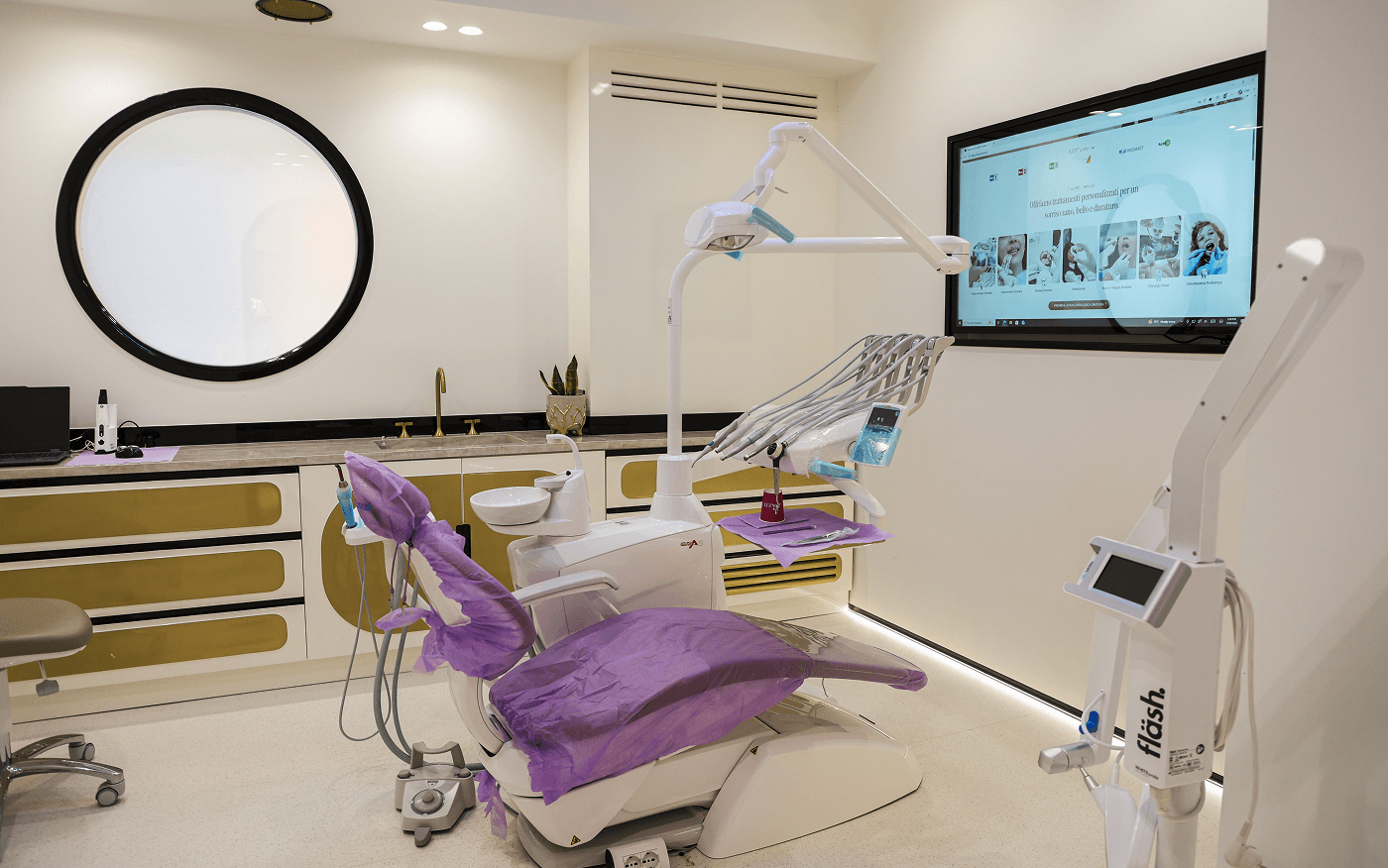
1. Seven dental treatment rooms and teeth whitening technologies
KEIT Dental has seven dental treatment rooms organised to accommodate cosmetic dentistry, restorative dentistry, endodontics, and oral hygiene procedures. During professional teeth...
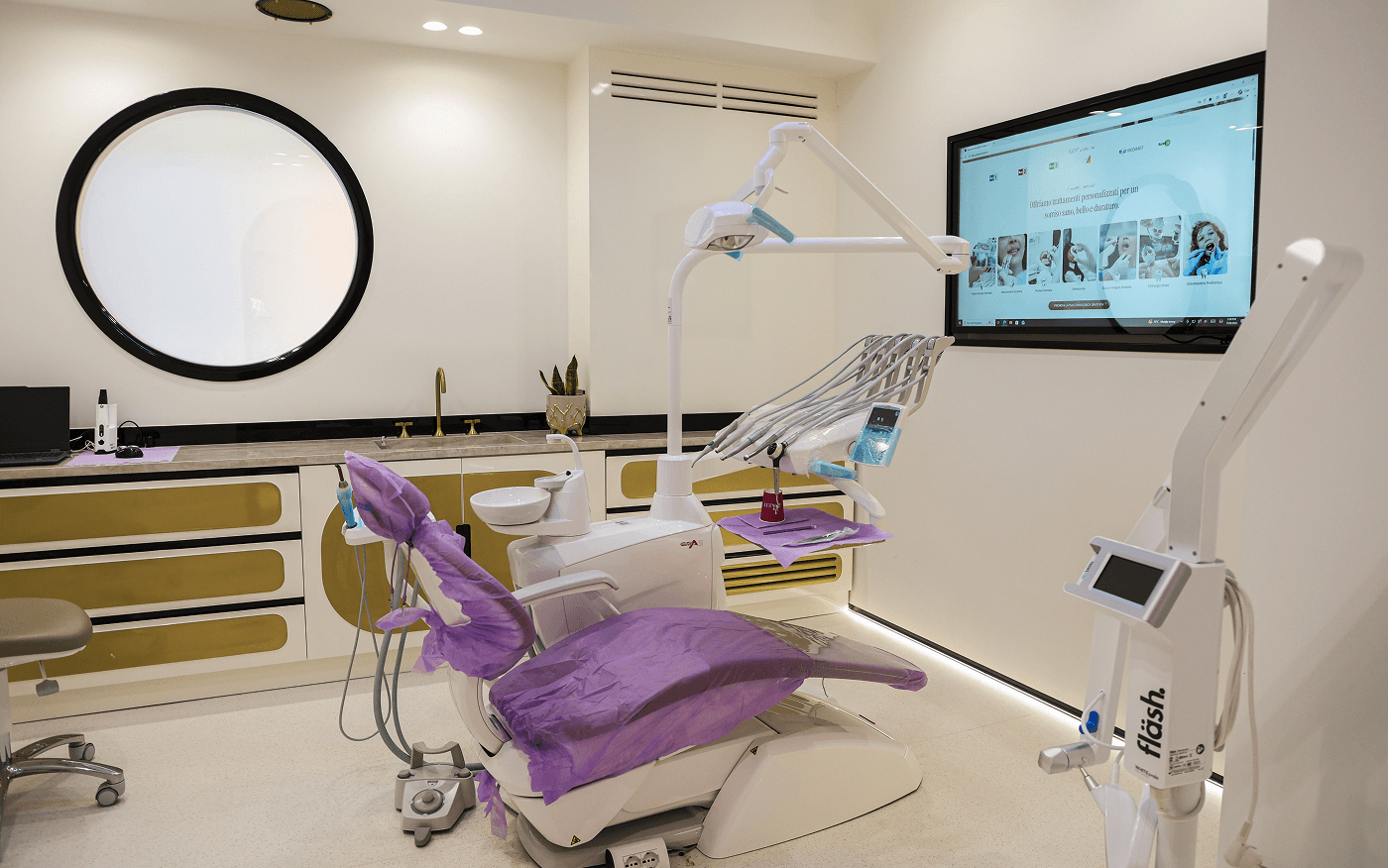
KEIT Dental has seven dental treatment rooms organised to accommodate cosmetic dentistry, restorative dentistry, endodontics, and oral hygiene procedures. During professional teeth whitening, whitening agents and treatment protocols that may involve laser or LED light are used to address discolouration according to the patient's individual characteristics. An initial assessment of tooth shade and sensitivity allows treatment to be personalised, with particular attention to protecting the enamel and gum tissues.
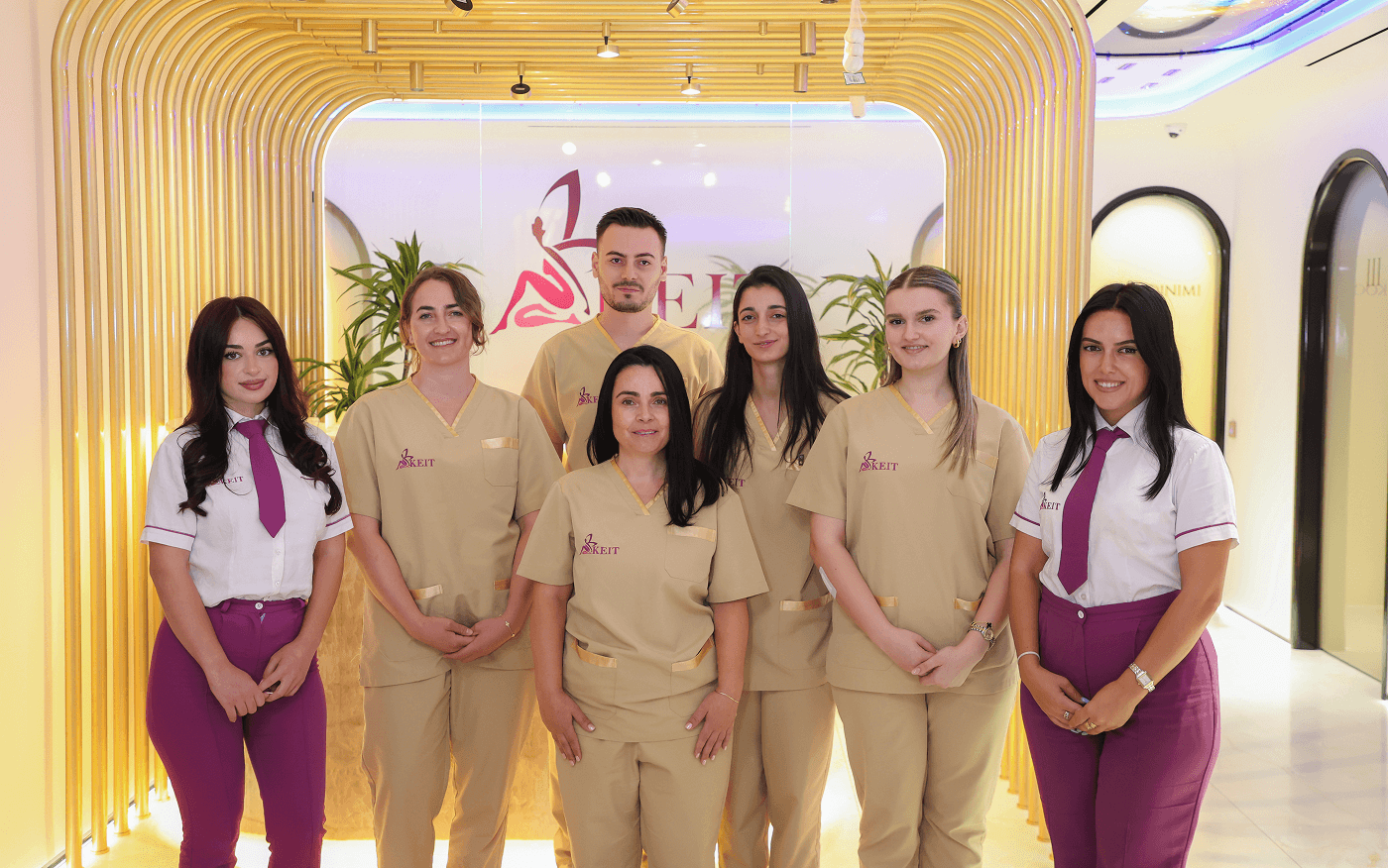
2. Multidisciplinary dental and medical team
One of the main advantages of KEIT Dental is its ability to combine dental expertise with the multidisciplinary medical team at KEIT...
One of the main advantages of KEIT Dental is its ability to combine dental expertise with the multidisciplinary medical team at KEIT Day Hospital. The clinic works with professionals experienced in cosmetic dentistry, restorative dentistry, endodontics, and dental hygiene. When additional clinical assessments are required, other specialists may be involved according to the patient's needs.
For teeth whitening, collaboration between professionals helps identify the causes of discolouration and determine whether any preliminary treatments are necessary. When a root canal-treated tooth has become discoloured, an endodontic assessment helps establish whether internal whitening is appropriate.
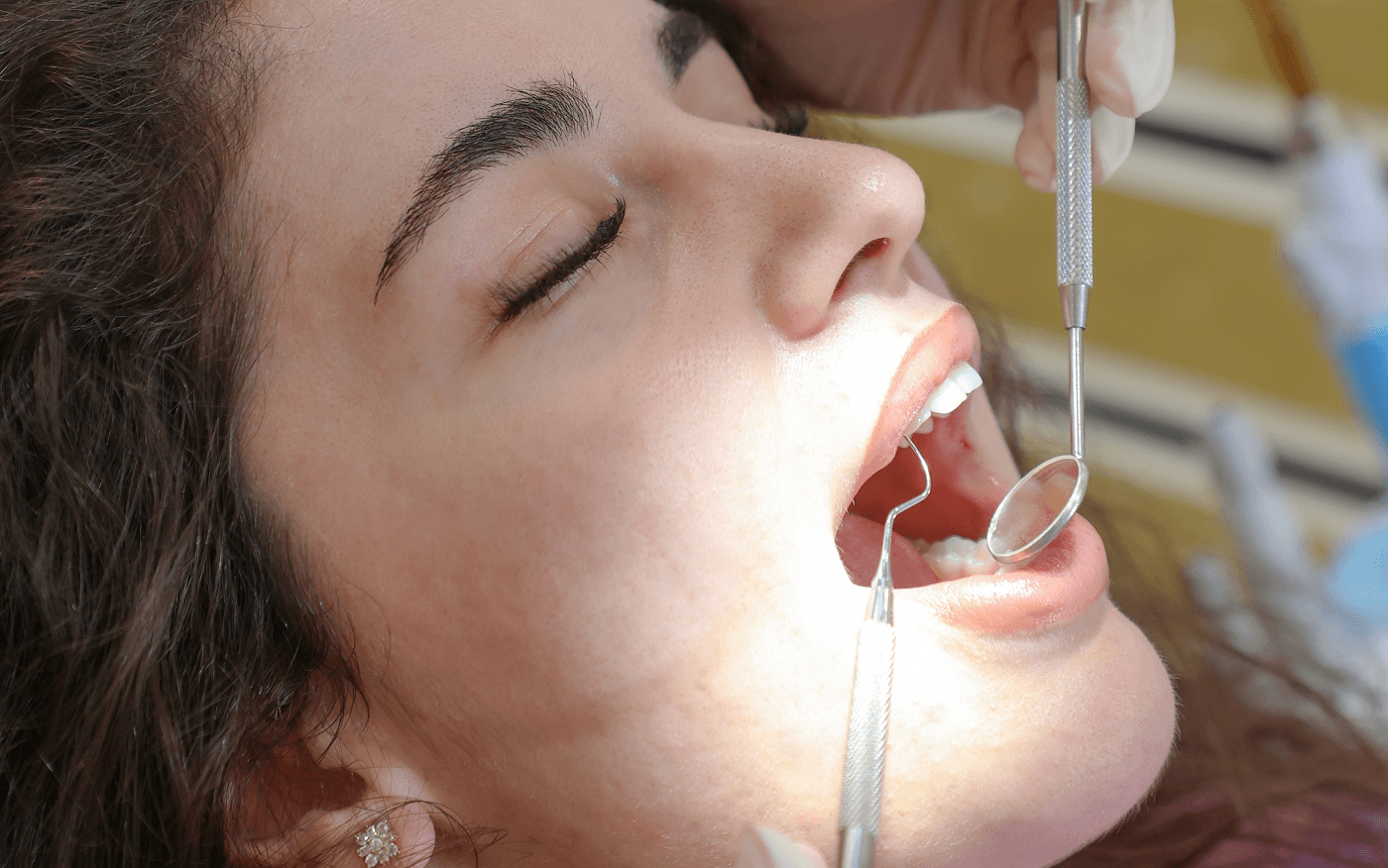
3. Thorough diagnosis and personalised medical assessment
Before teeth whitening, the dentist assesses the initial tooth shade, enamel condition, gum health, and the presence of tooth decay, restorations, or...
Before teeth whitening, the dentist assesses the initial tooth shade, enamel condition, gum health, and the presence of tooth decay, restorations, or sensitivity. Particular attention is paid to the cause of discolouration, as not all types respond equally to whitening agents. When necessary, a professional dental cleaning may be recommended before treatment.
For patients with particular clinical conditions, further diagnostic evaluations may be required. The choice between laser whitening, LED light whitening, or internal whitening is based on the characteristics of the teeth, any contraindications, and the patient's realistic expectations.
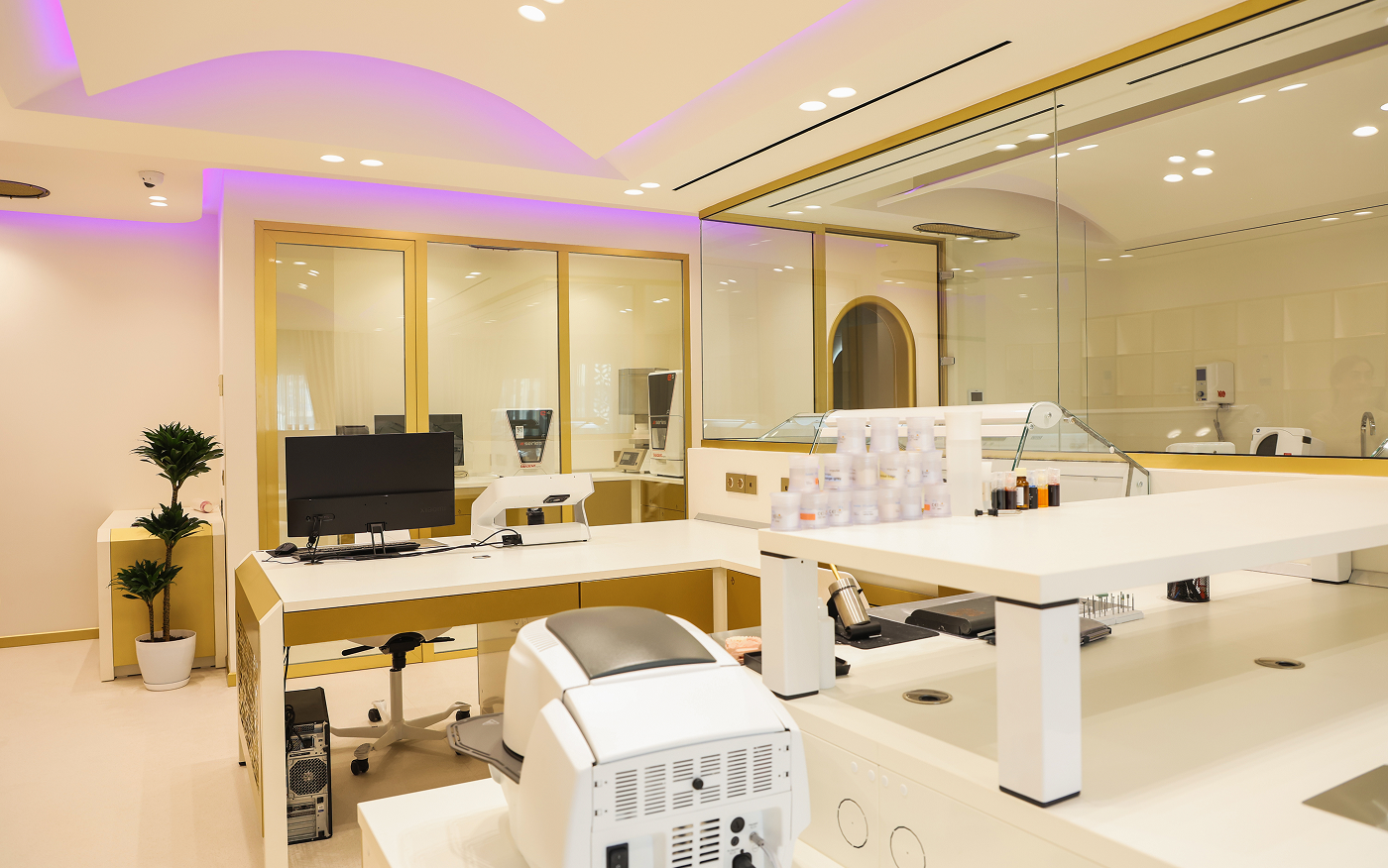
4. In-house dental laboratory and coordination of cosmetic treatments
One of KEIT Dental's distinguishing features is its in-house dental laboratory, which facilitates collaboration between dentists and dental technicians when planning cosmetic...
One of KEIT Dental's distinguishing features is its in-house dental laboratory, which facilitates collaboration between dentists and dental technicians when planning cosmetic dental restorations. Although teeth whitening is performed directly in the clinic, the laboratory can be useful when treatment needs to be coordinated with the production of crowns, veneers, or other prosthetic restorations.
The shade of the natural teeth is assessed before selecting the colour of new restorations, as existing prosthetic materials do not change colour during whitening. This coordination allows a more uniform tooth shade to be planned when additional cosmetic treatments are required.
5. Safety, sterilisation, and access to hospital infrastructure
KEIT Dental follows hygiene and infection control protocols that include disinfecting treatment areas, sterilising instruments, and using disposable materials when indicated. During...
KEIT Dental follows hygiene and infection control protocols that include disinfecting treatment areas, sterilising instruments, and using disposable materials when indicated. During teeth whitening, particular attention is paid to isolating the gums, correctly applying whitening agents, and monitoring any tooth sensitivity.
Teeth whitening is an outpatient procedure that generally does not require anaesthesia or hospital admission. Access to hospital infrastructure provides an additional resource for complex medical needs or associated specialist treatments without changing the standard professional whitening process.

6. Personalised care and follow-up after teeth whitening
At KEIT Dental, patient care continues after treatment through personalised guidance and follow-up appointments scheduled according to clinical needs. Subsequent examinations allow...
At KEIT Dental, patient care continues after treatment through personalised guidance and follow-up appointments scheduled according to clinical needs. Subsequent examinations allow the dentist to assess the stabilisation of tooth shade, any sensitivity, and the need for additional sessions, particularly in cases of pronounced discolouration or internal whitening.
Patients receive guidance on oral hygiene, habits that contribute to tooth staining, and ways to maintain their whitening results. For international patients, care may continue after they return to their home country through communication with the clinic and guidance on necessary follow-up appointments.
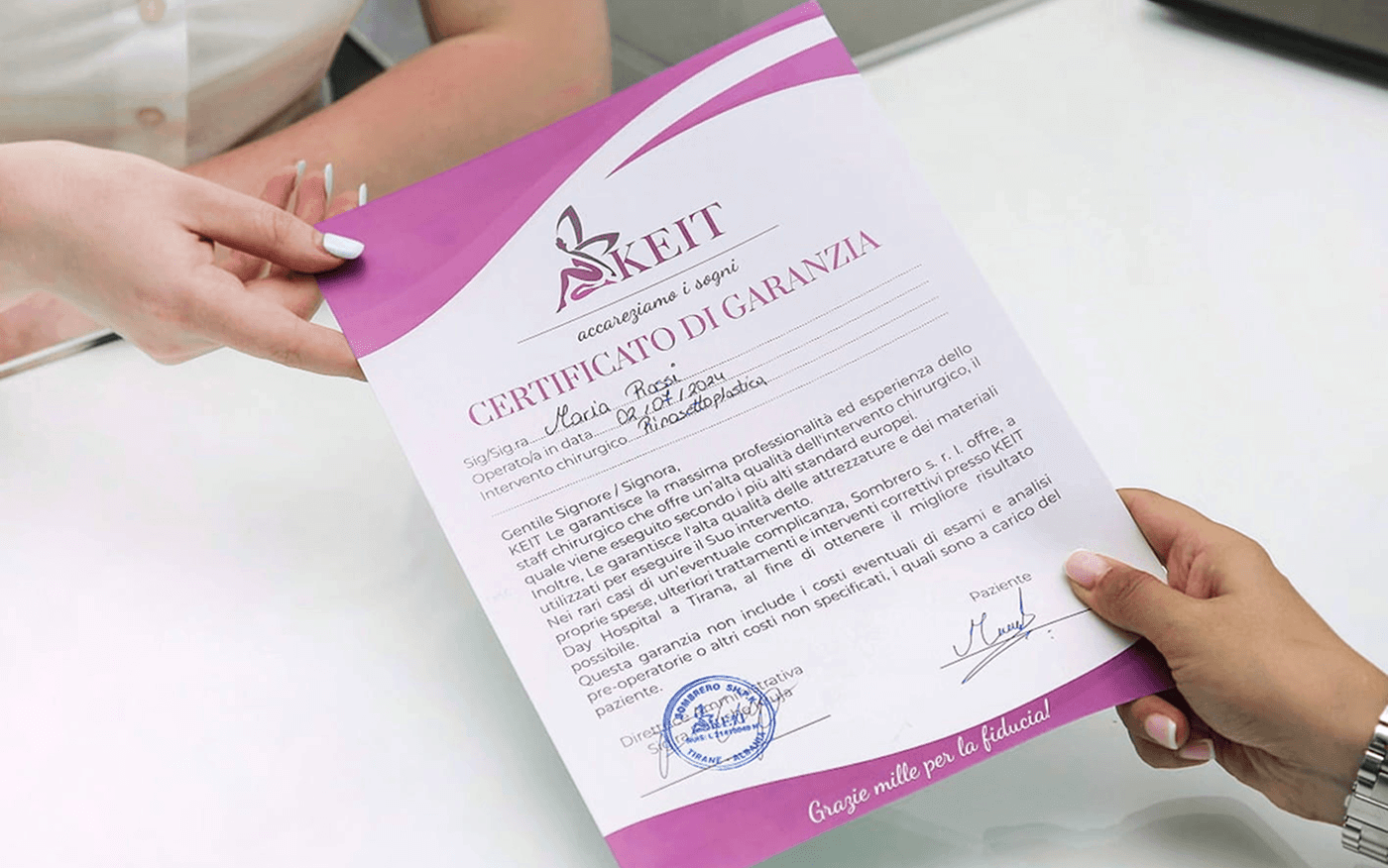
7. Transparency, clinical documentation, and guarantee conditions
KEIT Dental places particular emphasis on treatment transparency and clinical documentation. Before teeth whitening, patients receive information about the available techniques, expected...
KEIT Dental places particular emphasis on treatment transparency and clinical documentation. Before teeth whitening, patients receive information about the available techniques, expected benefits, potential limitations of the results, and possible side effects, such as temporary tooth sensitivity and gum irritation. Patients are also informed that the degree of whitening varies according to the initial tooth shade and the nature of the discolouration.
Clinical documentation includes the initial assessment, the selected technique, and the procedures performed. The informed consent form and treatment quotation allow patients to understand the details of the treatment and its associated costs. Any applicable guarantee conditions are specified in the contractual documentation, without guaranteeing the same final tooth shade or duration of results for every patient. Maintaining whitening results also depends on oral hygiene, individual habits, and regular dental check-ups.
FAQ
Frequently asked questions
Does teeth whitening damage enamel?

When performed by a dental professional using appropriate products and protocols, teeth whitening acts on the pigments responsible for tooth discoloration without removing the enamel. A preliminary assessment is still necessary to check the condition of the teeth and gums.
Is professional teeth whitening painful?
Teeth whitening is not generally painful. Some patients may experience temporary sensitivity during or after the procedure, particularly if their teeth were already sensitive before treatment.
How long does a teeth whitening session take?
A laser or LED teeth whitening session generally lasts between 45 and 90 minutes, including gum protection, gel application, treatment time, and the final shade assessment. In many cases, one appointment is sufficient. More pronounced or deeper discoloration may require an additional session.
Do crowns, fillings, and veneers whiten?
No. Dental materials used for crowns, fillings, and veneers do not change colour in the same way as natural teeth. Their presence must therefore be considered during cosmetic treatment planning, particularly when they are visible in the smile.
How long do professional teeth whitening results last?
Professional teeth whitening results may last from approximately six months to three years. Many patients maintain a brighter tooth shade for around one to two years when they practise good oral hygiene and limit smoking and heavily staining foods and drinks.