 4.9 Rating | 23.000+ Procedures | Medical Experts
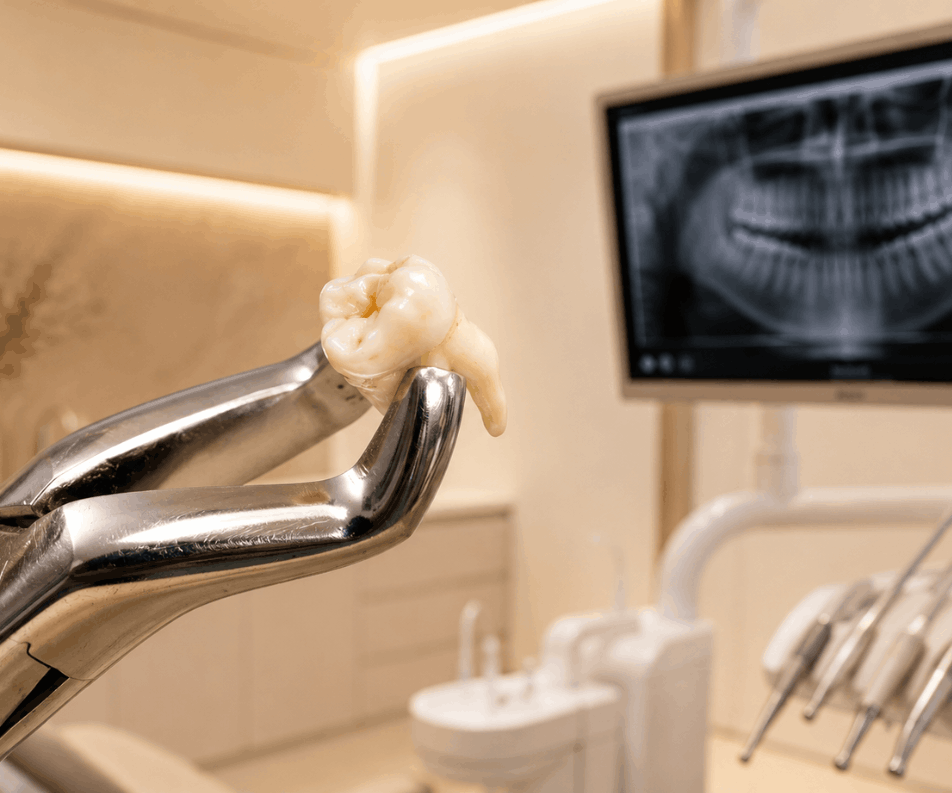
Table of Contents:

What is tooth extraction and when is it necessary?
Permanent tooth extraction
Surgical tooth extraction
Impacted canine removal
Wisdom tooth extraction
Upper vs lower tooth extraction: what's the difference?
Apicoectomy: preserving the natural tooth
How long does a tooth extraction take?
Tooth extraction recovery: what to expect after the procedure
Why choose KEIT Dental for tooth extraction?
This article explains the main types of tooth extraction, from the removal of a permanent tooth to surgical extractions, impacted canine surgery, and wisdom tooth removal. It also covers the differences between upper and lower tooth extractions, apicoectomy as an alternative to extraction, treatment duration, and the expected recovery process.
 Book your FREEOnline Consultation Now

What is tooth extraction and when is it necessary?
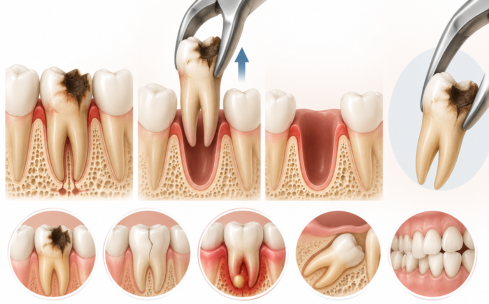
Tooth extraction is a dental procedure that removes a tooth from its socket in the jawbone. It is considered when the tooth cannot be saved with conservative treatment or when leaving it in place could damage neighbouring teeth, supporting tissues, or overall oral health.
A tooth extraction may be recommended for severely decayed teeth, deep fractures, persistent dental infections, advanced periodontal disease with significant bone loss, impacted or poorly positioned teeth, or insufficient space within the dental arch. In some cases, tooth removal is also planned as part of orthodontic treatment or before prosthetic rehabilitation.
Permanent tooth extraction
A permanent tooth extraction is performed when the visible portion of the tooth is accessible and the roots can be removed without the need for a more complex surgical procedure. After administering local anaesthesia, the dentist carefully loosens the tooth and gently removes it from the socket. Once the tooth has been extracted, the area is inspected and a gauze pad may be placed to encourage blood clot formation and support the initial healing process.
Surgical tooth extraction
A surgical tooth extraction is performed when a tooth cannot be removed using a standard extraction technique. This may be necessary if the tooth is impacted within the jawbone, fractured below the gum line, or has roots with a shape or position that make a simple extraction unsuitable. Following local anaesthesia, a small incision is made in the gum. When required, a controlled amount of bone may be removed or the tooth may be sectioned into smaller pieces to minimise trauma to the surrounding tissues during removal. Once the extraction is complete, the gum tissue is repositioned and closed with sutures.
Impacted canine removal
An impacted canine is a tooth that has failed to erupt normally and remains partially or completely covered by gum tissue or bone. Before considering extraction, the dentist evaluates whether the tooth can be preserved through surgical exposure followed by orthodontic traction. In this procedure, the impacted canine is uncovered and an orthodontic attachment is bonded to the tooth, allowing it to be gradually guided into its correct position within the dental arch. When extraction is necessary, the tooth is accessed surgically through the gum and, when required, the surrounding bone. The complexity and duration of the procedure depend on the position and depth of the impacted canine.
Impacted canine removal with bone grafting
In some cases, removing a deeply impacted canine may leave a significant bone defect. When it is important to preserve or rebuild the volume of the jawbone, the procedure may be combined with bone grafting. Bone graft material is placed into the treated area to support natural bone regeneration. Bone grafting is not required after every impacted canine extraction; it is recommended only when the size of the defect, the position of the tooth, or future implant or prosthetic treatment makes it beneficial.
Wisdom tooth extraction
Wisdom teeth are the last molars to develop in the dental arch. They do not need to be removed routinely if they have fully erupted, are healthy, correctly positioned, and can be cleaned effectively. The extraction may be recommended when the tooth is impacted or partially erupted and causes pain, recurrent infections, tooth decay, gum disease, cysts, or damage to neighbouring teeth. The procedure may be straightforward when the tooth is fully visible. If the tooth remains covered by gum tissue or bone, a surgical extraction is usually required. In these cases, the dentist may need to make a small incision, remove a limited amount of bone, and section the tooth before extraction.
Upper vs lower tooth extraction: what's the difference?
The approach to extracting an upper or lower tooth depends on the tooth's position, root anatomy, and its relationship to nearby anatomical structures.
-
For upper back teeth, particular attention is given to the proximity of the roots to the maxillary sinus. This assessment is especially important before a surgical tooth extraction, as some cases carry a risk of creating a communication between the mouth and the sinus, which requires appropriate management.
-
For lower teeth, the dentist evaluates the relationship between the roots and the inferior alveolar nerve, as well as, in certain areas, the lingual nerve. Diagnostic imaging is used to plan the procedure carefully and minimise the risk of temporary or permanent changes in sensation.
The complexity of a tooth extraction depends not only on whether the tooth is in the upper or lower jaw but also on its position, root anatomy, and the type of extraction required.
Apicoectomy: preserving the natural tooth
An apicoectomy, also known as root-end surgery, is a procedure performed to treat an infection located at the tip of a tooth root without removing the entire tooth. Through a small incision in the gum, the dentist gains access to the root tip, removes the infected tissue, and resects a small portion of the root. When necessary, the root canal is sealed from the end of the root before the gum is sutured.
The goal of an apicoectomy is to preserve the natural tooth whenever possible. However, if the tooth is too severely damaged, the infection cannot be controlled, or an irreparable root fracture is present, tooth extraction may be the most appropriate treatment option.
How long does a tooth extraction take?
The length of a tooth extraction depends on the tooth being treated, the shape and position of the roots, and the complexity of the procedure. A simple tooth extraction may take only a few minutes, while the surgical removal of an impacted tooth or wisdom tooth can take approximately 40 to 60 minutes in more complex cases. An apicoectomy generally takes between 30 and 60 minutes, depending on the tooth involved and the extent of the infection. These times refer primarily to the surgical procedure itself. The total appointment may take longer, as it also includes the clinical assessment, local anaesthesia, preparation, and final post-operative checks.
Tooth extraction recovery: what to expect after the procedure
After a tooth extraction, a blood clot forms inside the socket to protect the underlying bone and begin the healing process. During the first few hours, mild bleeding is normal. As the local anaesthetic wears off, patients may experience discomfort, swelling, jaw stiffness, or temporary difficulty chewing. Swelling typically reaches its peak within the first two to three days before gradually subsiding.
Following a simple tooth extraction, many patients are able to return to their normal daily activities within one or two days. Recovery after a surgical extraction may take several days, depending on the complexity of the procedure. If dissolvable stitches have been placed, they may take one or more weeks to disappear completely. The gum tissue begins to close over the following weeks, while complete bone healing inside the extraction socket takes considerably longer.
Why choose KEIT Dental for tooth extraction?
KEIT Dental is the dental clinic of the KEIT brand, integrated into the KEIT Day Hospital healthcare facility in Tirana, Albania, founded in 2011 by Dr Skerdilajd Faria. With over 23,000 procedures performed across the KEIT brand's various areas of activity, the facility combines specialist expertise, medical technology, safety protocols, and personalised patient care.
KEIT Dental has seven dental treatment rooms and an in-house dental laboratory. Its integration with KEIT Day Hospital also provides access to a multidisciplinary medical team, oral and maxillofacial surgeons, specialists in anaesthesia and intensive care, equipped operating theatres, and inpatient wards for cases requiring more complex care. For tooth extraction, KEIT Dental adopts a personalised approach aimed at assessing the possibility of preserving the tooth and, when removal is necessary, planning the most appropriate procedure while minimising trauma to the surrounding tissues.
1. Seven dental treatment rooms and dental surgery technologies
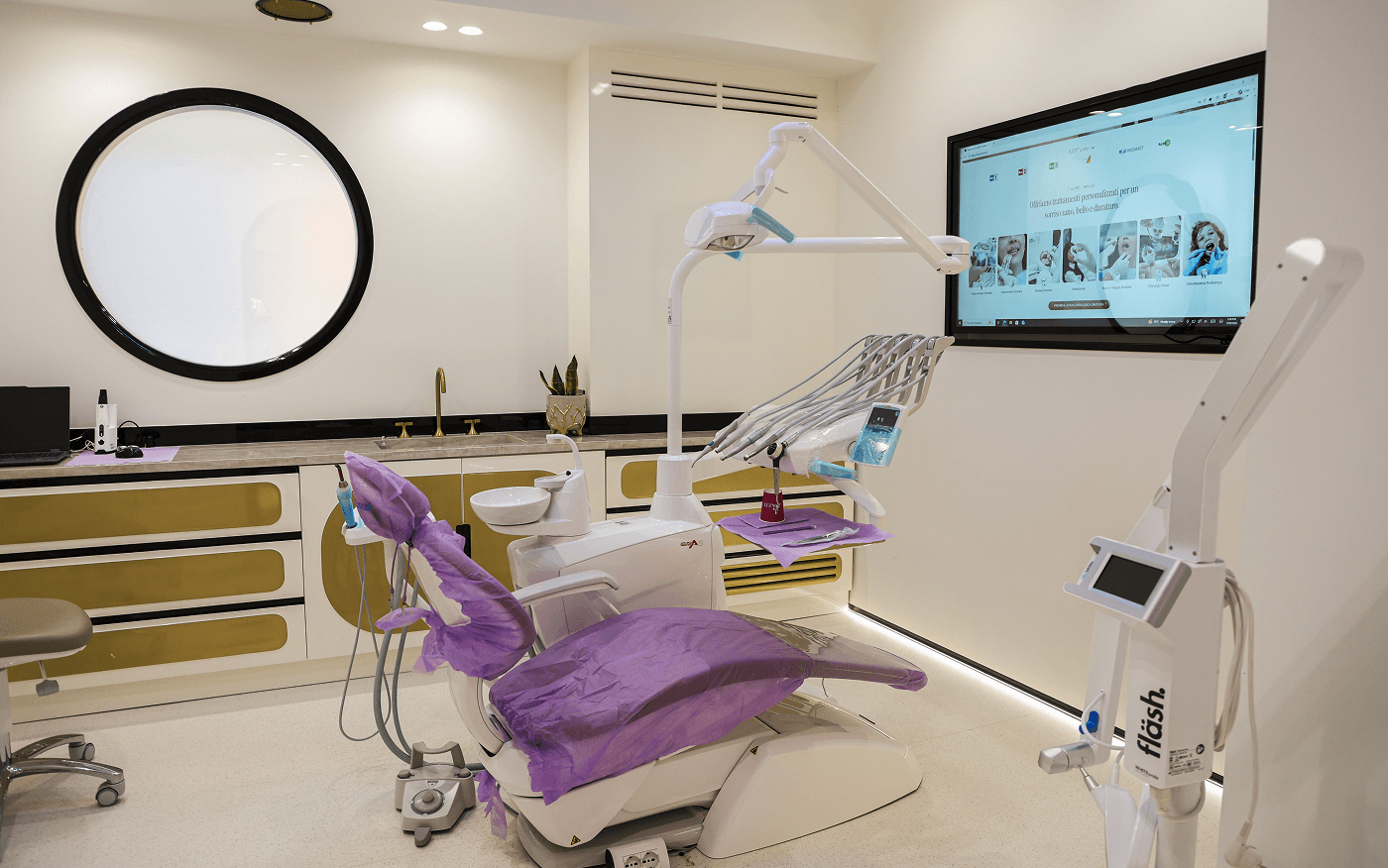
KEIT Dental has seven dental treatment rooms organised to accommodate restorative dentistry, endodontics, oral surgery, implantology, and dental prosthetic procedures. When planning...
KEIT Dental has seven dental treatment rooms organised to accommodate restorative dentistry, endodontics, oral surgery, implantology, and dental prosthetic procedures. When planning tooth extractions, diagnostic instruments and radiographic technologies allow the dentist to assess tooth position, root anatomy, and the relationship with surrounding anatomical structures. In complex cases, CBCT imaging may be used when indicated to examine impacted teeth, nerves, and the maxillary sinus in three dimensions, helping determine the most appropriate surgical technique.
2. Multidisciplinary dental and medical team
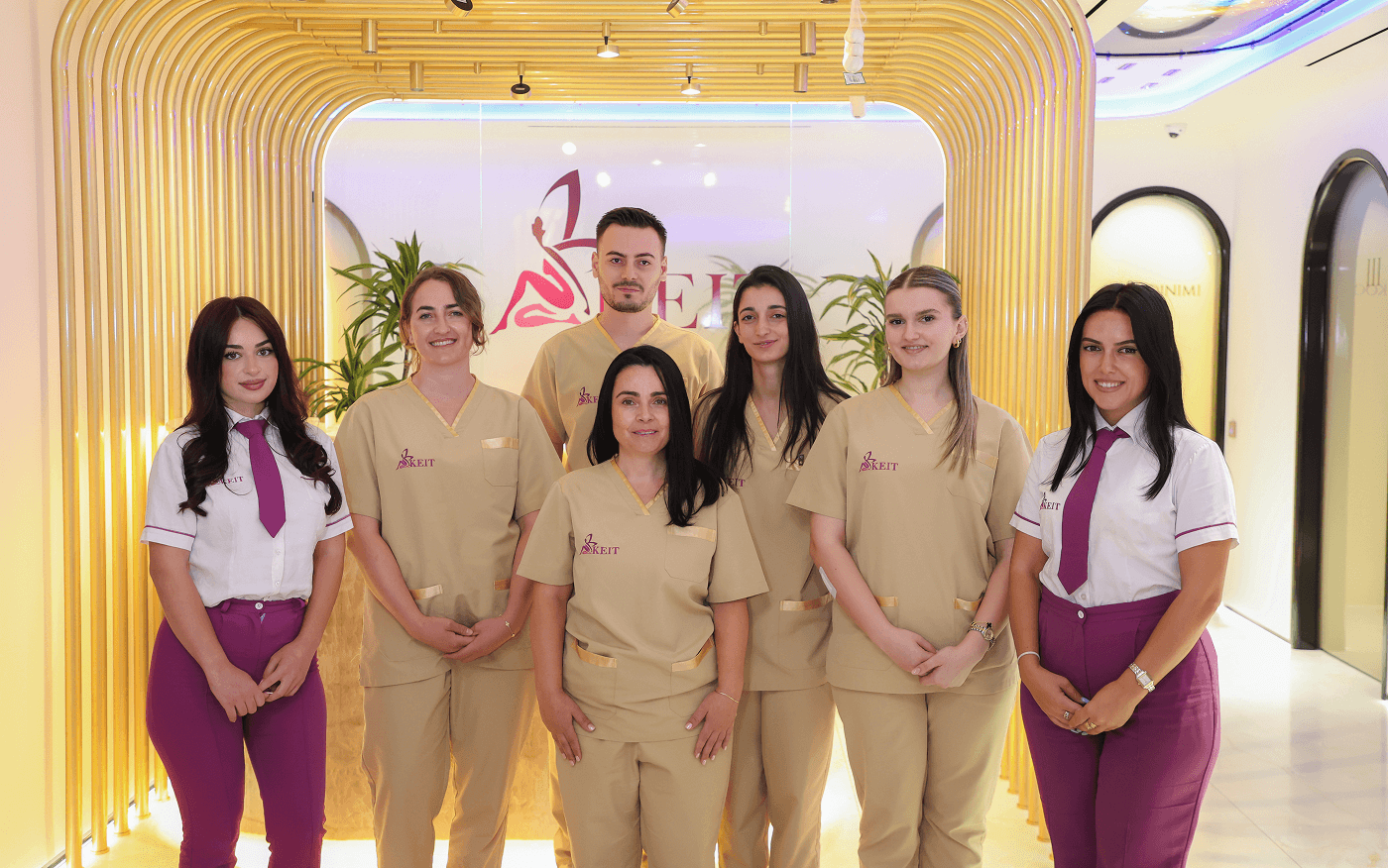
One of the main advantages of KEIT Dental is its ability to combine dental expertise with the multidisciplinary medical team at KEIT...
One of the main advantages of KEIT Dental is its ability to combine dental expertise with the multidisciplinary medical team at KEIT Day Hospital. The clinic works with professionals experienced in oral surgery, restorative dentistry, endodontics, implantology, and dental prosthetics. In particularly complex cases, oral and maxillofacial surgeons and other medical specialists may also be involved, depending on clinical needs.
This collaboration supports the management of surgical extractions, impacted wisdom teeth, and canines in complex positions, while also allowing conservative alternatives to be considered, such as apical root resection or surgical exposure combined with orthodontic traction. When necessary, treatment may also include bone reconstruction procedures or subsequent prosthetic rehabilitation.
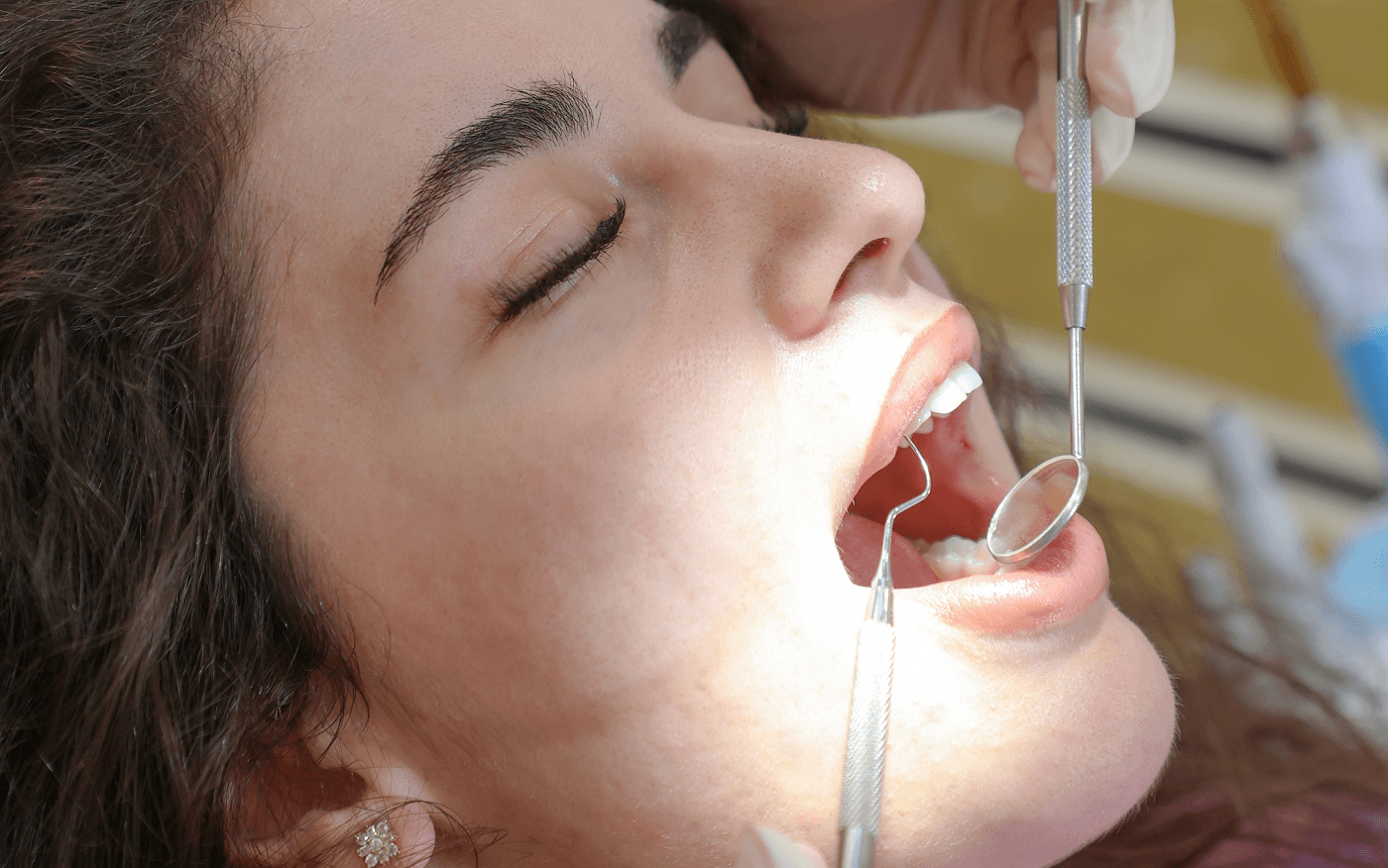
3. Thorough diagnosis and personalised medical assessment
Before tooth extraction, the dentist assesses the condition of the tooth, gums, and surrounding bone, together with the presence of infections, fractures,...
Before tooth extraction, the dentist assesses the condition of the tooth, gums, and surrounding bone, together with the presence of infections, fractures, or other abnormalities. Diagnosis may include X-rays and, when indicated, CBCT imaging to evaluate root position and proximity to sensitive anatomical structures. Particular attention is paid to the possibility of preserving the tooth and determining whether a simple extraction, surgical extraction, or alternative treatment is most appropriate.
Thanks to its integration with KEIT Day Hospital, patients with underlying medical conditions or particular health needs may undergo diagnostic evaluations and assessments by anaesthetists, cardiologists, or other specialists. Treatment planning therefore considers both the complexity of the procedure and the patient's general health.
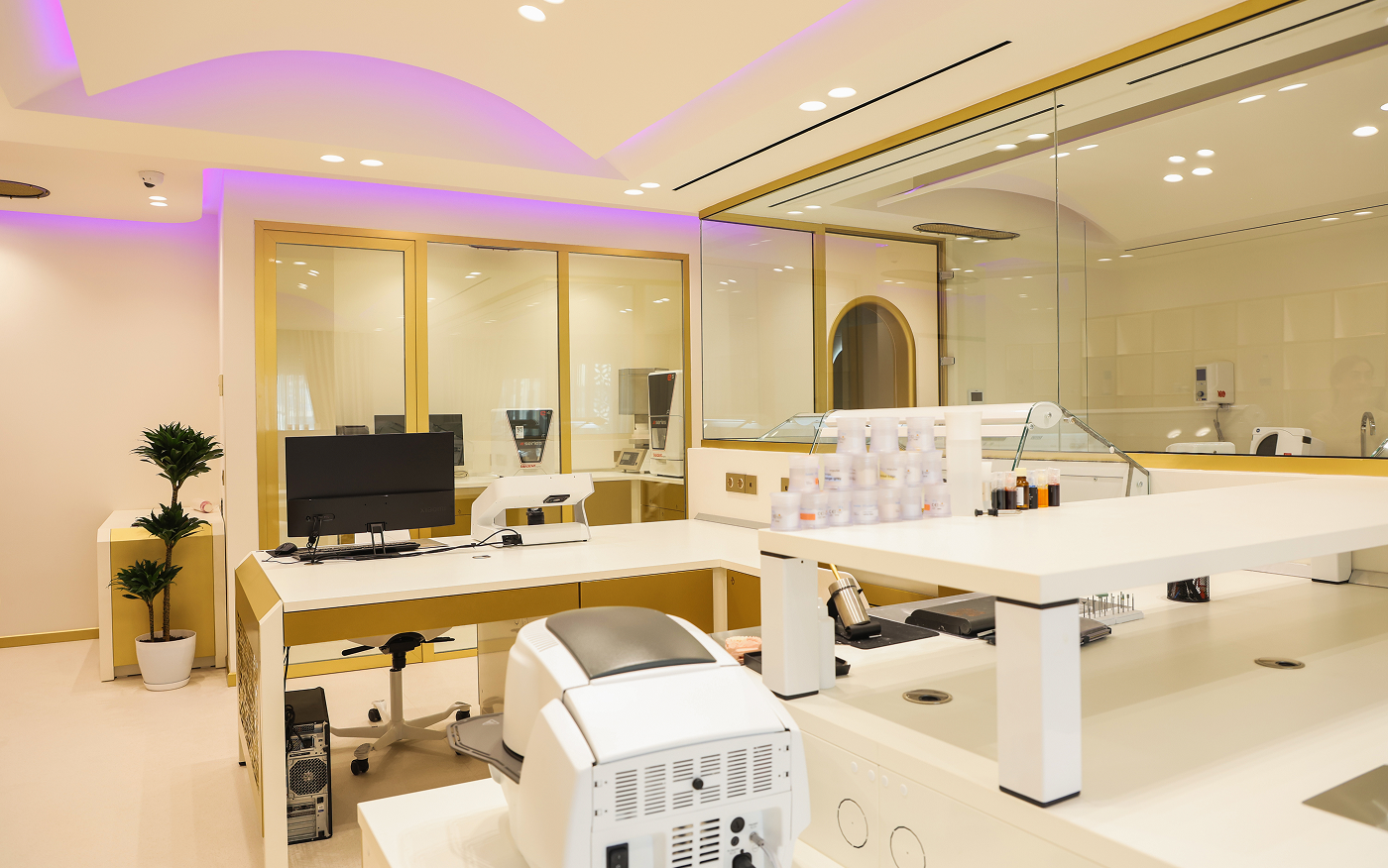
4. In-house dental laboratory and rehabilitation planning
One of KEIT Dental's distinguishing features is its in-house dental laboratory, which facilitates direct collaboration between dentists and dental technicians when planning...
One of KEIT Dental's distinguishing features is its in-house dental laboratory, which facilitates direct collaboration between dentists and dental technicians when planning rehabilitation after tooth extraction. When a missing tooth needs to be replaced, the laboratory supports the production of customised crowns, bridges, and dental prostheses according to the established treatment plan.
Coordination between the clinic and laboratory allows prosthetic requirements to be assessed before extraction, particularly when bone preservation procedures or subsequent dental implant placement are planned. This approach supports continuity between the surgical phase and the restoration of chewing function and smile aesthetics.
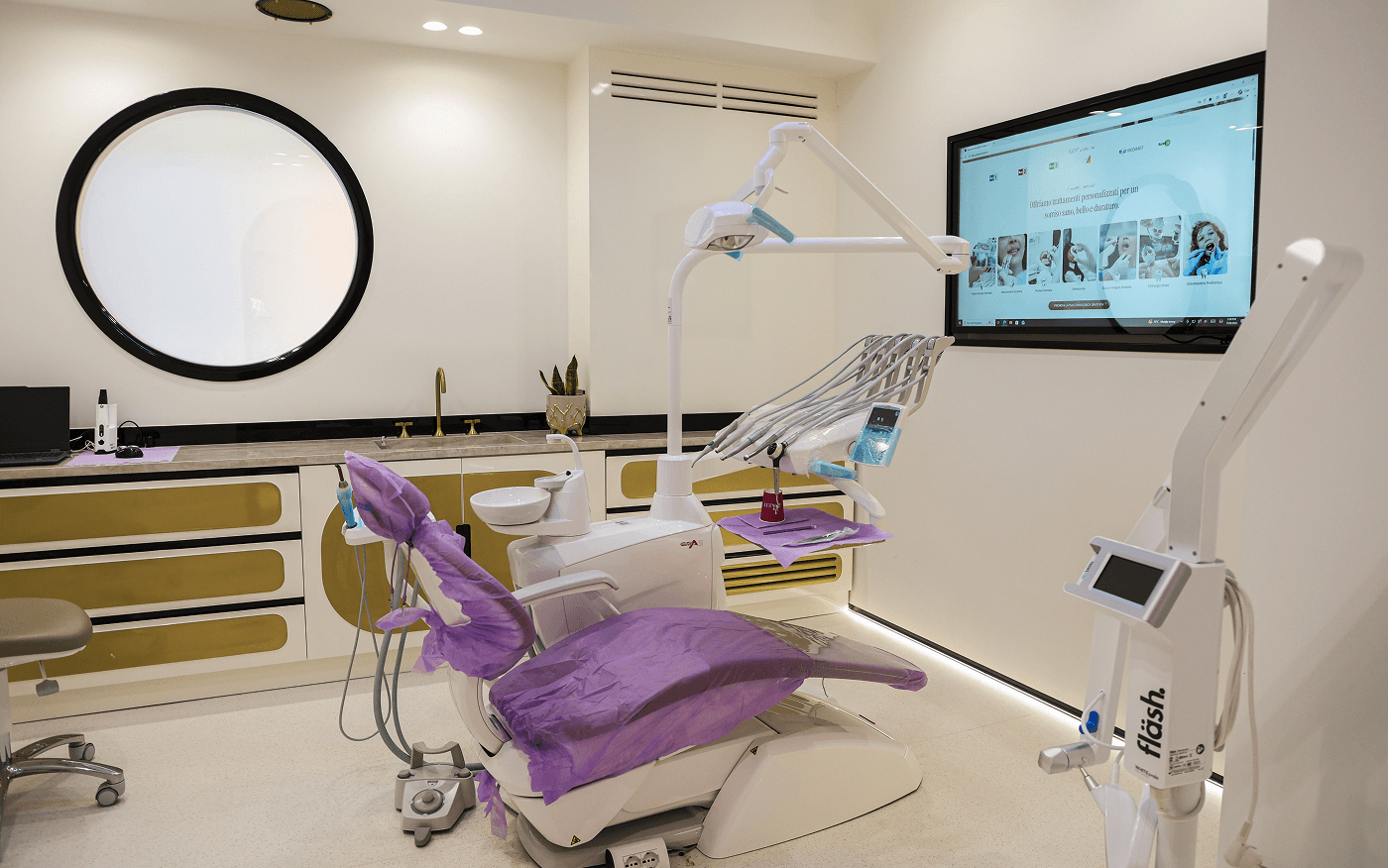
5. Safety, sterilisation, and access to hospital infrastructure
KEIT Dental follows hygiene and infection control protocols that include disinfecting treatment areas, sterilising instruments, and using disposable materials when indicated. During...
KEIT Dental follows hygiene and infection control protocols that include disinfecting treatment areas, sterilising instruments, and using disposable materials when indicated. During tooth extractions, particular attention is paid to preparing the surgical field, managing the tissues, and controlling bleeding.
Integration with KEIT Day Hospital provides additional support for managing complex surgical procedures. The facility has three equipped operating theatres, specialists in anaesthesia and intensive care, vital signs monitoring systems, and a postoperative resuscitation room.
Simple tooth extractions and many surgical procedures are generally performed under local anaesthesia. For more complex oral and maxillofacial procedures or selected clinical situations, general anaesthesia may be used within the hospital facility when indicated and following an appropriate anaesthetic assessment.
For cases requiring prolonged monitoring or specific postoperative care, admission to KEIT Day Hospital's inpatient wards can also be arranged. These wards are equipped with healthcare staff and monitoring systems. This integration allows the level of care to be adapted to the patient's condition and the complexity of the procedure.

6. Personalised care and follow-up after tooth extraction
At KEIT Dental, patient care continues after tooth extraction through personalised guidance and follow-up appointments scheduled according to the complexity of the...
At KEIT Dental, patient care continues after tooth extraction through personalised guidance and follow-up appointments scheduled according to the complexity of the procedure. Subsequent examinations allow the dentist to assess gum healing, check any sutures, and promptly identify signs of infection or other complications.
Patients receive guidance on managing bleeding, oral hygiene, diet, and precautions to follow during recovery. When treatment includes bone grafting or subsequent implant-supported or prosthetic rehabilitation, follow-up appointments are coordinated with the different treatment stages. For international patients, care may continue after they return to their home country through communication with the clinic and guidance on necessary follow-up appointments.
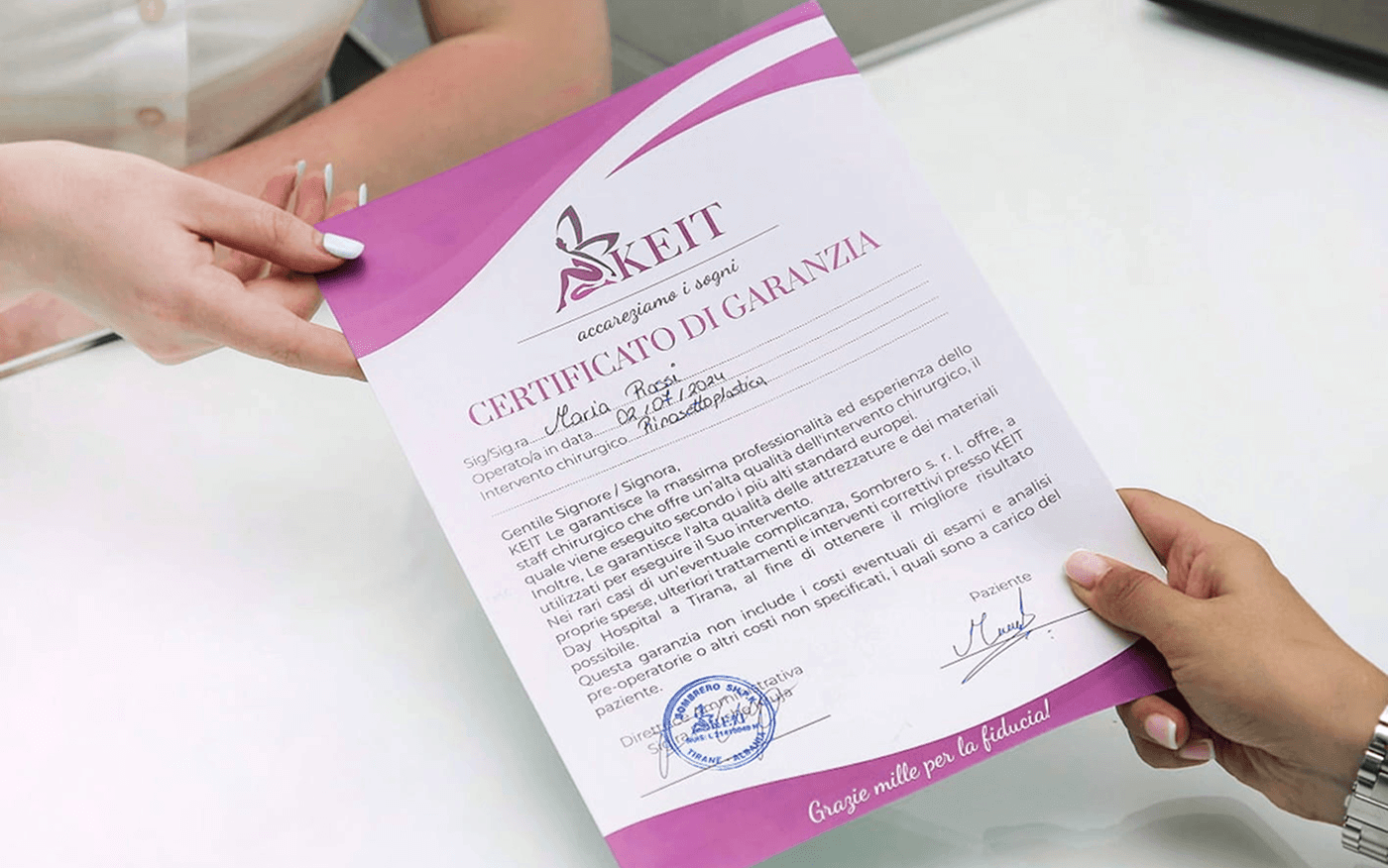
7. Transparency, clinical documentation, and guarantee conditions
KEIT Dental places particular emphasis on treatment transparency and clinical documentation. Before tooth extraction, patients receive information about the reasons for the...
KEIT Dental places particular emphasis on treatment transparency and clinical documentation. Before tooth extraction, patients receive information about the reasons for the procedure, any conservative treatment alternatives, the planned technique, expected benefits, and potential risks, including complications associated with tooth position and nearby anatomical structures.
Clinical documentation includes diagnostic examinations, the surgical treatment plan, and the procedures performed. The informed consent form and treatment quotation also allow patients to understand the details of the treatment and its associated costs. Any applicable guarantee conditions relating to associated procedures or rehabilitations are specified in the contractual documentation, clarifying the coverage provided, exclusions, and arrangements for assistance. Healing also depends on individual clinical conditions and adherence to postoperative instructions.
FAQ
Frequently asked questions
Is tooth extraction painful?

Tooth extraction is usually performed under local anaesthesia. During the procedure, patients may feel pressure and movement but should not experience sharp pain. Once the anaesthetic wears off, some discomfort is normal and can usually be managed with the medication recommended by the dentist.
How long does a tooth extraction take?
A simple tooth extraction may take only a few minutes. Surgical tooth extractions and the removal of impacted teeth generally take around 30 to 60 minutes, depending on the position of the tooth and the complexity of the roots.
How long does it take to recover after a tooth extraction?
The initial symptoms usually improve during the first week. The gum tissue takes several weeks to close completely, while the jawbone continues healing internally for a longer period.
When should a wisdom tooth be removed?
Wisdom tooth extraction may be recommended when the tooth causes pain, recurrent infections, tooth decay, damage to neighbouring teeth, cysts, or other oral health problems. A healthy wisdom tooth that has fully erupted, is correctly positioned, and can be cleaned effectively does not necessarily need to be removed.
When can a missing tooth be replaced after an extraction?
A missing tooth may be replaced immediately after extraction or after the area has healed, depending on the presence of infection, the amount of available bone, and the planned restorative treatment. The most appropriate timing is determined after a clinical examination and radiographic assessment.