 4.9 Rating | 23.000+ Procedures | Medical Experts
Table of contents:

What is tooth reconstruction?
When is dental reconstruction required?
How is direct tooth reconstruction performed?
Tooth reconstruction with an endodontic screw or post
Recovery after tooth reconstruction
How to care for a reconstructed tooth?
Why choose KEIT Dental for tooth reconstruction?
This article explains when direct reconstruction is indicated and when an intraradicular support is required, describing the differences between an endodontic screw and an endodontic post, the main treatment steps, and the recovery process.
 Book your FREE
Online Consultation Now

What is tooth reconstruction?
Dental reconstruction is a treatment designed to restore the visible portion of a tooth when a significant amount of dental tissue has been damaged or lost. It allows recovery of the tooth shape, contact points with adjacent teeth, and an appropriate chewing surface.
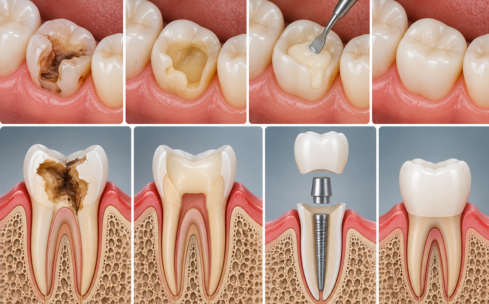
During treatment, the remaining healthy natural structure is preserved, while the missing portion is replaced with a restorative material. When sufficient tooth structure remains, reconstruction can be performed directly on the tooth. In severely compromised and root canal-treated teeth, it may instead be necessary to create internal retention using an endodontic screw or post.
When is dental reconstruction required?
Dental reconstruction is indicated when a significant portion of the tooth has been compromised and the remaining structure is no longer sufficient to ensure stability, chewing function, and long-term protection. It may be necessary in the presence of extensive caries, fractures, trauma, loss of a previous restoration, or after removal of damaged tissue.
In teeth that have undergone root canal treatment, the need for reconstruction depends on the amount of remaining coronal tissue and the ability of the remaining walls to support the new restoration. Before treatment, the condition of the root, supporting tissues, and remaining tooth structure are evaluated. Reconstruction is performed when the tooth presents sufficient conditions to be restored in a stable and functional way.
How is direct tooth reconstruction performed?
Direct reconstruction is indicated when the tooth retains a sufficient amount of healthy structure to support the restorative material without requiring internal support. It is performed directly in the mouth, generally using composite material, after removal of the damaged tissue and preparation of the tooth surface.
The composite is applied and shaped to recreate the form of the crown, the contact points with adjacent teeth, and the chewing surface. At the end of the procedure, the dentist checks the adaptation of the reconstruction and the contacts during mouth closure, in order to restore stable and natural function.
Tooth reconstruction with an endodontic screw or post
Reconstruction with an endodontic screw or post is indicated in root canal-treated teeth that have lost a significant amount of coronal structure and no longer provide sufficient support for a direct restoration.
Reconstruction with an endodontic screw
The endodontic screw is a threaded support used in root canal-treated teeth when the remaining coronal structure is insufficient to support a stable reconstruction. After verifying the root canal treatment, the dentist prepares part of the canal while maintaining the seal in the deepest portion of the root. The screw is selected according to the anatomy of the canal, positioned in the prepared space, and used as support for the reconstruction of the core.
At the end, the stability of the restoration, contact points, and occlusion are checked. The procedure is generally completed in one appointment, unless additional endodontic treatments are required beforehand.
Reconstruction with an endodontic post
The endodontic post is a support inserted into the canal of a root canal-treated tooth when the remaining coronal structure is insufficient to stably support the core. It can be made of fibre or metal and is selected according to the anatomy of the tooth and the planned restoration. After checking the root canal treatment, the necessary space is prepared inside the canal while maintaining the seal in the deepest portion of the root. The post is then adapted and secured, while the coronal portion is reconstructed with restorative material.
At the end, the stability of the core, contact points, and occlusion are checked. The procedure can be completed in one appointment, unless further endodontic or prosthetic treatments are required.
Recovery after tooth reconstruction
After reconstruction, it is generally possible to resume normal daily activities. Until the anaesthesia has completely worn off, it is advisable to avoid chewing in the treated area. During the first few days, mild discomfort during chewing or temporary sensitivity of the surrounding tissues may occur. If the tooth needs to be completed with a crown or another definitive restoration, it is advisable to avoid hard foods and excessive loads until the treatment is completed. It is necessary to contact the dentist in case of severe or increasing pain, swelling, mobility of the reconstruction, fracture of the tooth, or the sensation that one tooth touches the other.
How to care for a reconstructed tooth?
A reconstructed tooth requires proper daily oral hygiene, with particular attention to the margins of the restoration. It is recommended to use a toothbrush, fluoride toothpaste, and interdental cleaning tools indicated by the dentist. To preserve the reconstruction over time, it is important to avoid biting objects or very hard foods, especially before completion of any definitive restoration. Regular check-ups and professional hygiene sessions allow the stability of the treatment to be monitored and any potential problems to be identified at an early stage.
Why choose KEIT Dental for tooth reconstruction?
KEIT Dental is the dental clinic of the KEIT brand, integrated into the KEIT Day Hospital healthcare facility in Tirana, Albania, founded in 2011 by Dr Skerdilajd Faria. With over 23,000 procedures performed across the KEIT brand's various areas of activity, the facility combines specialist expertise, medical technology, safety protocols, and personalised patient care.
KEIT Dental has seven dental treatment rooms and an in-house dental laboratory. Its integration with KEIT Day Hospital also provides access to a multidisciplinary medical team, oral and maxillofacial surgeons, specialists in anaesthesia and intensive care, equipped operating theatres, and inpatient wards for cases requiring more complex care. For the reconstruction of teeth damaged by extensive decay, fractures, or previous root canal treatment, KEIT Dental adopts a conservative approach aimed at preserving the natural tooth, restoring chewing function, and achieving an aesthetically harmonious result.
1. Seven dental treatment rooms and tooth reconstruction technologies
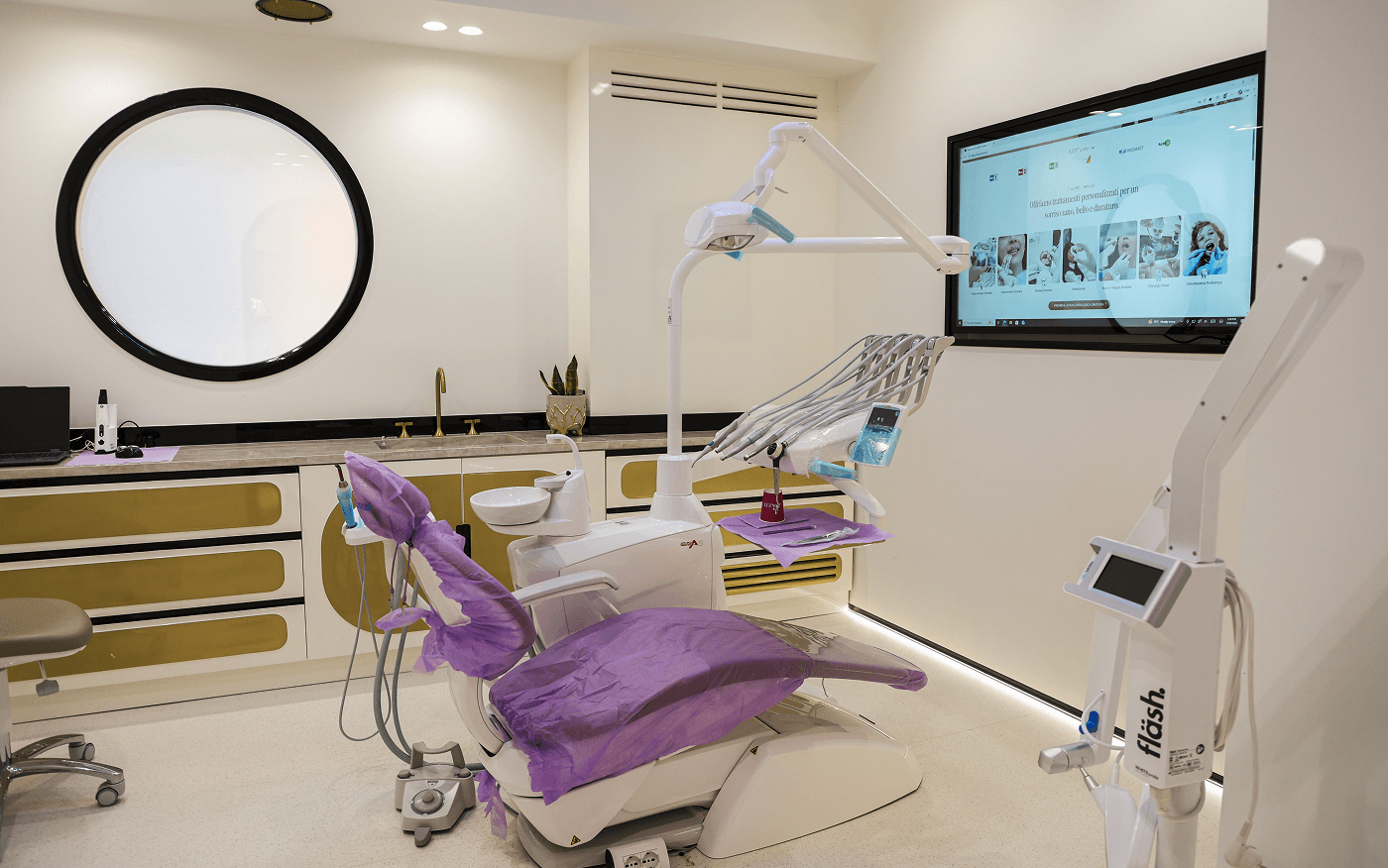
KEIT Dental has seven treatment rooms dedicated to dental care, organised to accommodate restorative dentistry, endodontics, implantology, and prosthetic rehabilitation procedures. For...
KEIT Dental has seven treatment rooms dedicated to dental care, organised to accommodate restorative dentistry, endodontics, implantology, and prosthetic rehabilitation procedures. For tooth reconstruction, appropriate diagnostic and restorative instruments allow the dentist to assess the remaining tooth structure and plan treatment while preserving healthy tissue whenever possible. The use of composite materials, adhesive systems, and dental cements selected according to the clinical case allows personalised restorations to be created, with particular attention to precision, functionality, and aesthetic integration with the natural teeth.
2. Multidisciplinary dental and medical team
One of the main advantages of KEIT Dental is its ability to combine dental expertise with the multidisciplinary medical team at KEIT...
One of the main advantages of KEIT Dental is its ability to combine dental expertise with the multidisciplinary medical team at KEIT Day Hospital. The clinic works with professionals experienced in restorative dentistry, endodontics, implantology, and dental prosthetics. In particularly complex cases, oral and maxillofacial surgeons and other medical specialists may also be involved, depending on clinical needs.
When reconstructing severely damaged teeth, collaboration between professionals allows the assessment of the roots, restoration of tooth structure, and any necessary prosthetic rehabilitation to be coordinated. This approach makes it possible to address the patient's different needs through a coordinated treatment plan, including cases requiring additional specialist expertise.
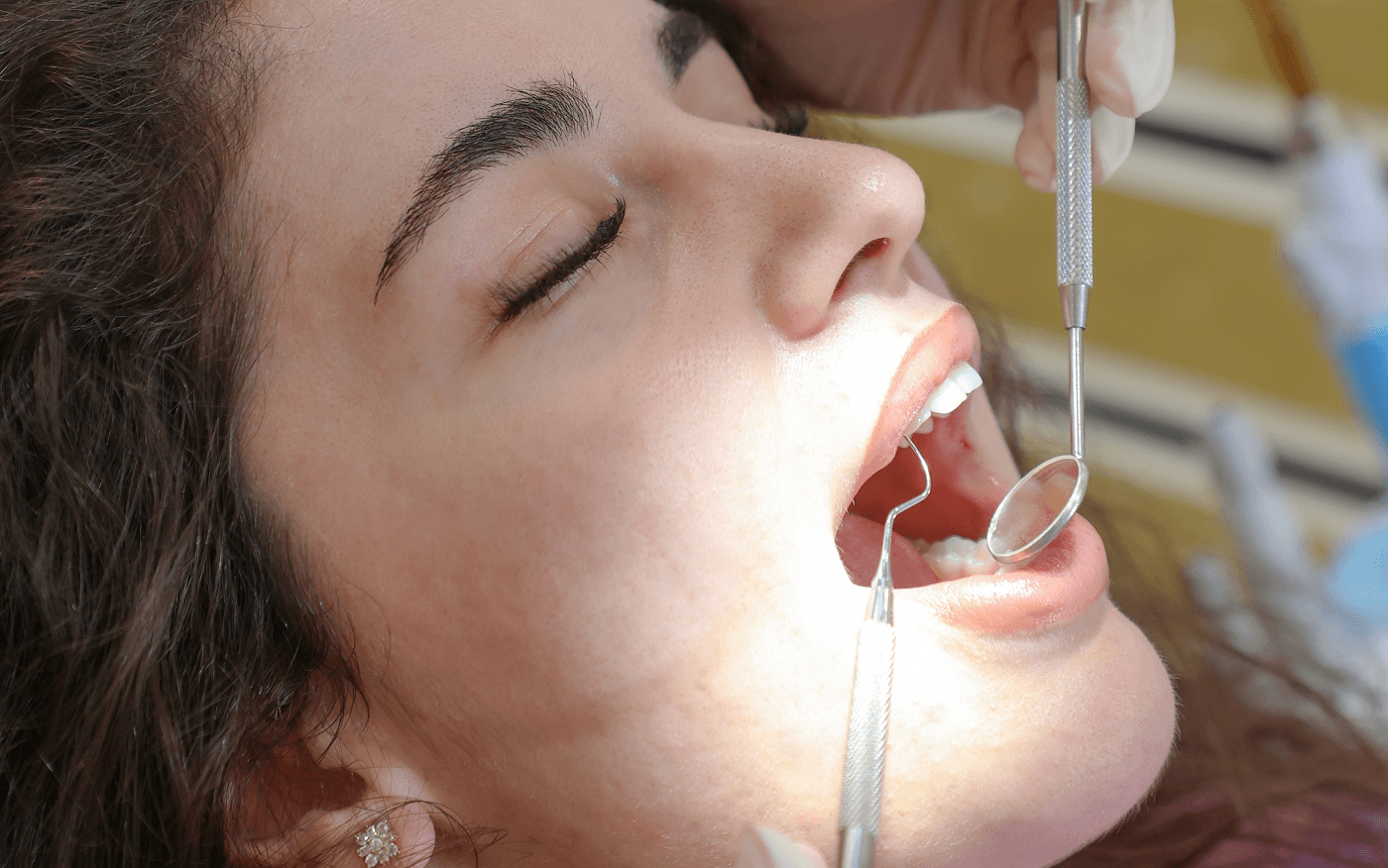
3. Thorough diagnosis and personalised medical assessment
Before tooth reconstruction, the dentist assesses the condition of the tooth, surrounding tissues, and occlusion, using radiographic examinations when indicated. Particular attention...
Before tooth reconstruction, the dentist assesses the condition of the tooth, surrounding tissues, and occlusion, using radiographic examinations when indicated. Particular attention is paid to the amount of remaining healthy tooth structure, the integrity of the roots, and the possibility of achieving a stable restoration. An intraradicular post is not necessary for every root canal-treated tooth: it is used when additional retention is needed for the restoration, rather than to directly strengthen the root.
Thanks to its integration with KEIT Day Hospital, patients with particular medical conditions or those requiring more complex procedures may undergo assessments by anaesthetists, cardiologists, or other specialists, together with any necessary diagnostic evaluations. Treatment planning therefore considers both whether the tooth can be preserved and the patient's general health.
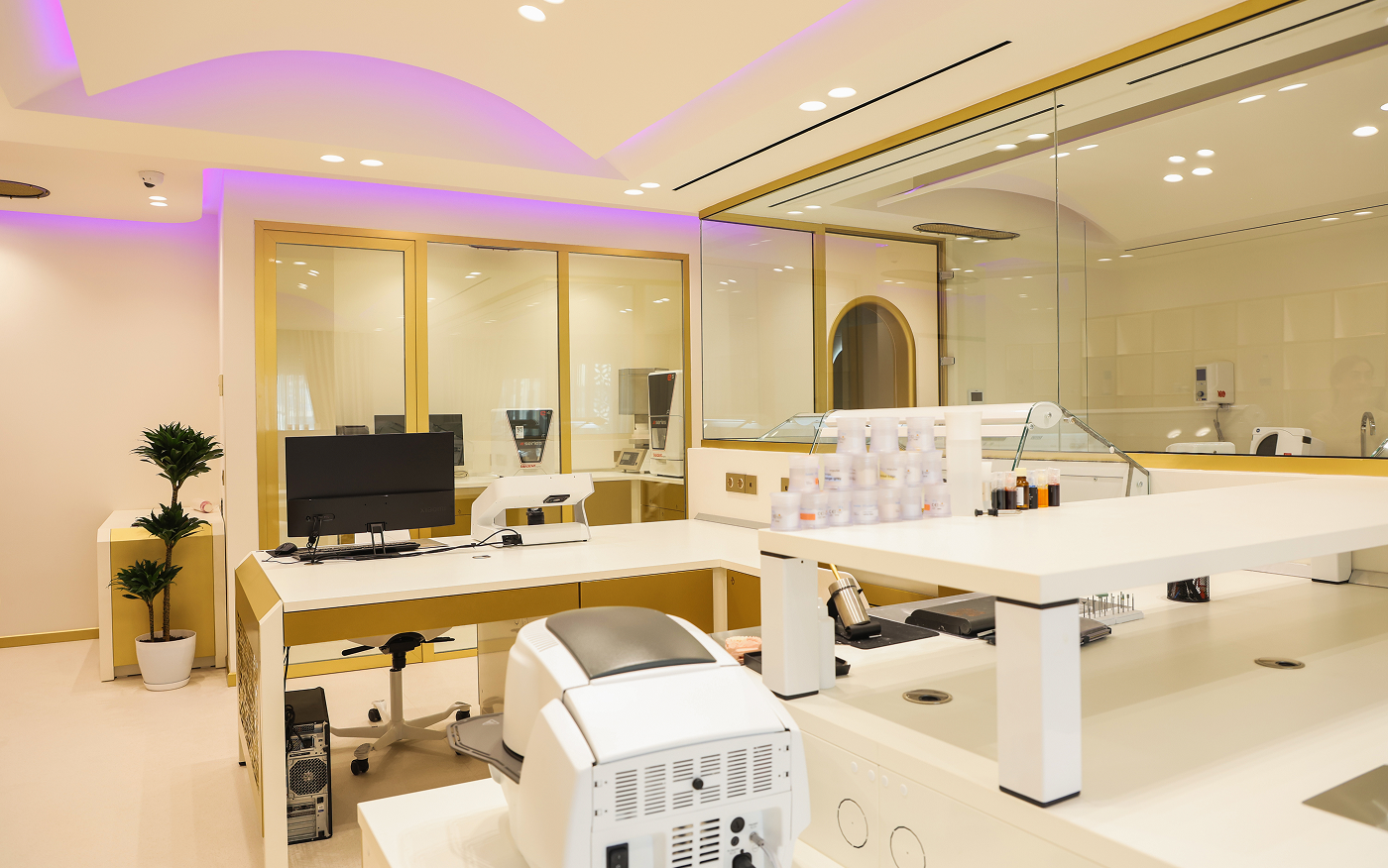
4. In-house dental laboratory and personalised restorations
One of KEIT Dental's distinguishing features is its in-house dental laboratory, which facilitates direct collaboration between dentists and dental technicians in producing...
One of KEIT Dental's distinguishing features is its in-house dental laboratory, which facilitates direct collaboration between dentists and dental technicians in producing restorations and prosthetic rehabilitations. When tooth reconstruction requires a crown, an onlay, or another indirect restoration, the laboratory contributes to designing a customised restoration in terms of shape, colour, dimensions, and occlusal relationships.
Coordination between the clinic and laboratory allows clinical requirements and technical details to be shared, with particular attention to the precision of fit, chewing function, and the aesthetic harmony of the result.
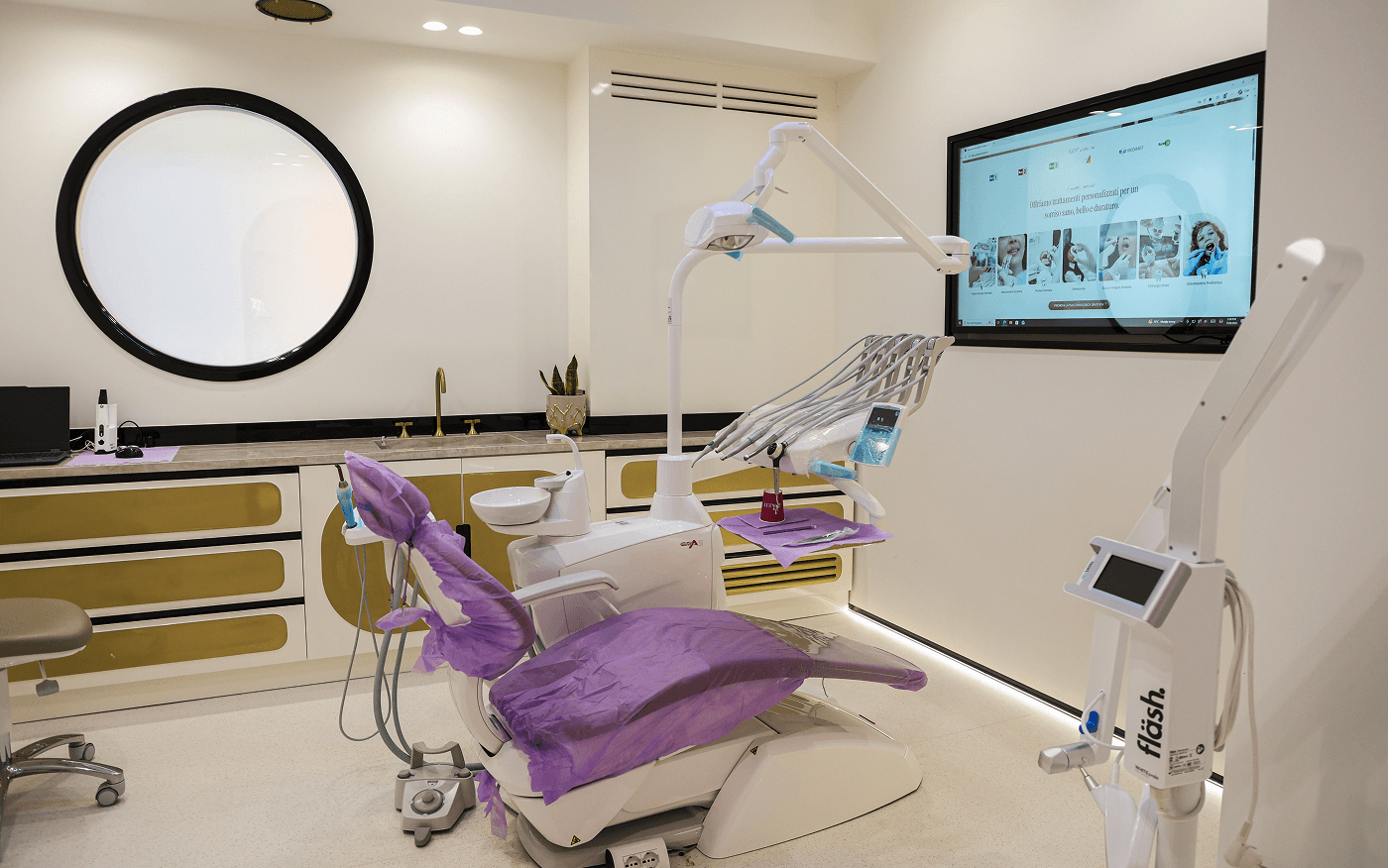
5. Safety, sterilisation, and access to hospital infrastructure
KEIT Dental follows hygiene and infection control protocols that include disinfecting treatment areas, sterilising instruments, and using disposable materials when indicated. During...
KEIT Dental follows hygiene and infection control protocols that include disinfecting treatment areas, sterilising instruments, and using disposable materials when indicated. During endodontic procedures, isolating the treatment area, including with a rubber dam, is important to minimise contamination from saliva and bacteria.
Integration with KEIT Day Hospital provides additional support for managing complex dental cases. The facility has three equipped operating theatres, specialists in anaesthesia and intensive care, vital signs monitoring systems, and a postoperative resuscitation room.
Conventional tooth reconstruction procedures are generally performed under local anaesthesia. However, for more complex dental or oral and maxillofacial procedures, general anaesthesia may be used within the hospital facility when clinically indicated and following an appropriate anaesthetic assessment.
For cases requiring prolonged monitoring or specific postoperative care, admission to KEIT Day Hospital's inpatient wards can also be arranged. These wards are equipped with healthcare staff and monitoring systems. This integration allows treatment to be organised according to the level of care required by the patient's condition and the complexity of the procedure.
6. Personalised care and follow-up after treatment
At KEIT Dental, patient care continues after tooth reconstruction through personalised guidance and follow-up appointments scheduled according to clinical needs. Subsequent examinations...
At KEIT Dental, patient care continues after tooth reconstruction through personalised guidance and follow-up appointments scheduled according to clinical needs. Subsequent examinations allow the dentist to assess the stability of the restoration, the integrity of its margins, occlusal contacts, and any signs of leakage or fractures.
For root canal-treated teeth, additional radiographic examinations may be recommended to monitor the condition of the roots. In complex cases, follow-up care may also involve other specialists from the KEIT team, depending on the patient's needs. For international patients, care may continue after they return to their home country through communication with the clinic and guidance on necessary follow-up appointments.
7. Transparency, clinical documentation, and guarantee conditions
KEIT Dental places particular emphasis on treatment transparency and clinical documentation. Before tooth reconstruction, patients receive information about the proposed procedure, available...
KEIT Dental places particular emphasis on treatment transparency and clinical documentation. Before tooth reconstruction, patients receive information about the proposed procedure, available alternatives, expected benefits, and potential risks.
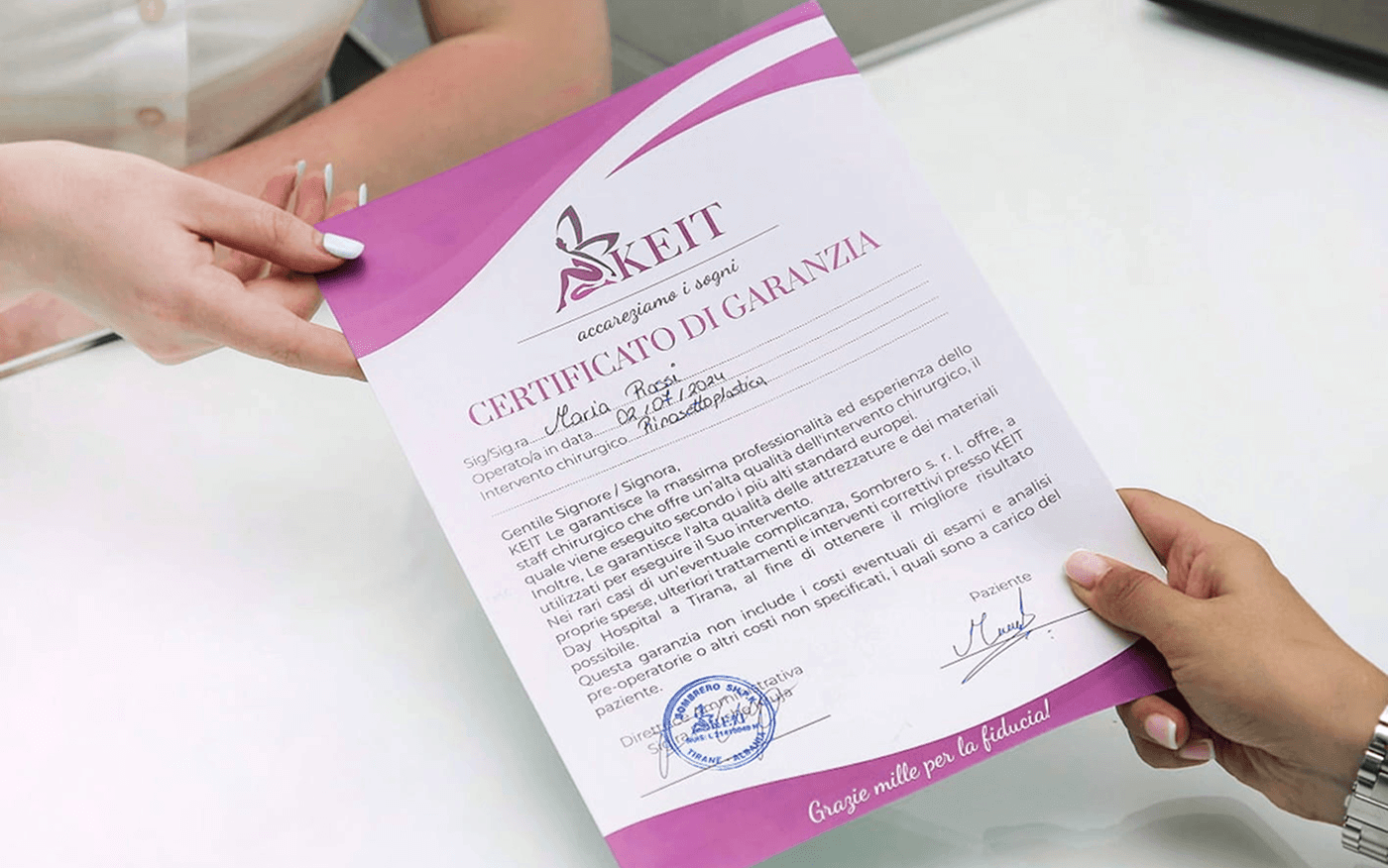
Clinical documentation includes diagnostic examinations, the treatment plan, and the procedures performed. The informed consent form and treatment quotation also allow patients to understand the details of the treatment and its associated costs. Any applicable guarantee conditions are specified in the contractual documentation, clarifying the coverage provided, exclusions, and arrangements for assistance.
FAQ
Frequently asked questions
Do all root canal-treated teeth require an endodontic screw or post?

No. An intraradicular support is used when the remaining coronal structure is insufficient to provide stable retention for the core. If the tooth maintains adequate walls and sufficient structure, reconstruction without a screw or post may be possible.
What is the difference between an endodontic screw and an endodontic post?
An endodontic screw is an intraradicular support characterised by a threaded surface. The term endodontic post is broader and includes different systems, materials, and shapes, including non-threaded designs.
Does a reconstructed tooth always require a crown?
No. The need for a crown depends on the type of tooth, the amount of remaining healthy structure, and the chewing forces applied. In severely compromised teeth, a crown may be recommended to provide more complete protection and improve long-term stability.
Can an endodontic post be replaced?
The possibility of removing or replacing an existing post depends on several factors, including the material, depth, root anatomy, and the risk of damaging the tooth. The procedure requires a specific clinical evaluation.
What happens if the reconstruction becomes loose or breaks?
The patient should avoid chewing on the affected tooth and contact the dentist. Continuing to use an unstable restoration may increase the risk of further fractures or contamination of the underlying tooth structure.