Published on:
 Modified on:

 Reading Time: 5 min
 Eyebrow Transplant
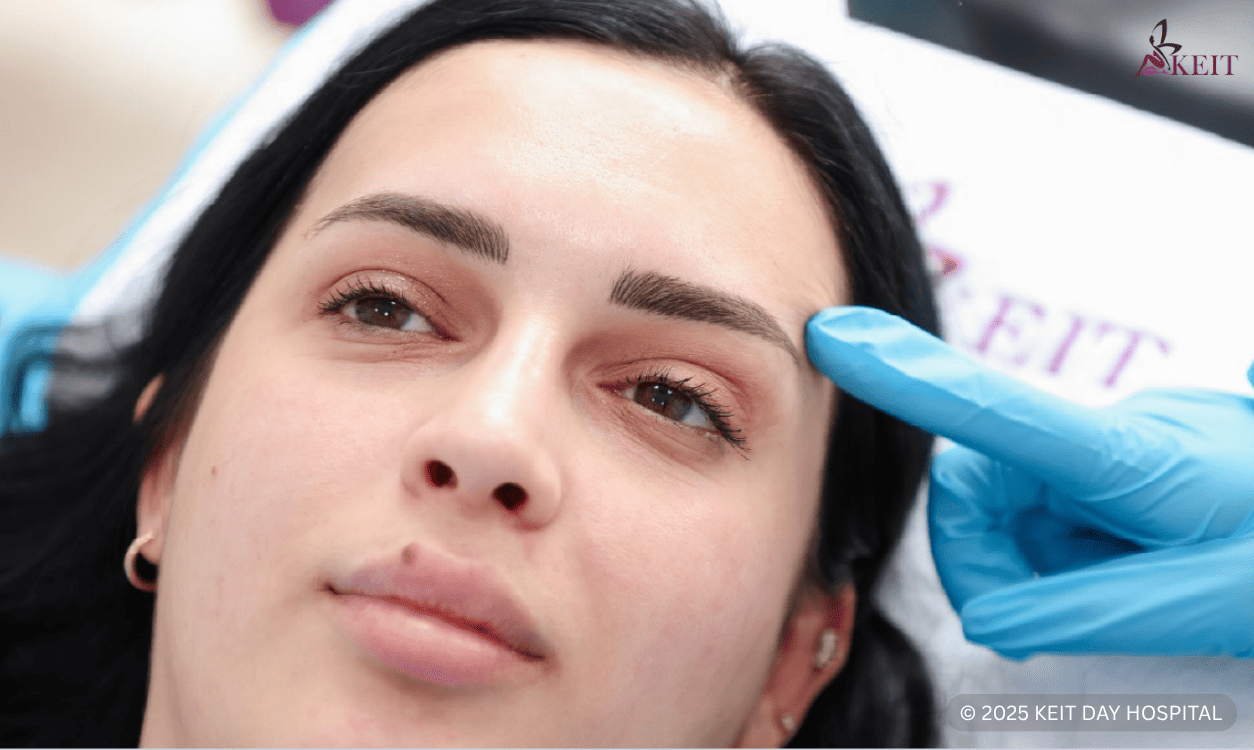
An eyebrow transplant is a minimally invasive procedure that moves healthy hair follicles from a donor area, usually the scalp to the eyebrows to create fuller, natural-looking brows. Performed under local anesthesia using FUE or DHI techniques, the transplanted hairs grow permanently and may require occasional trimming to maintain shape.
 Table of Contents:
-
1
 What is an eyebrow transplant and who is a good candidate?
-
2
FUE vs DHI: Main techniques used in eyebrow transplant
-
3
Eyebrow transplant: Procedure step-by-step
-
4
Eyebrow transplant before and after: Setting real expectations
-
5
Eyebrow transplant: Recovery and aftercare
-
6
Eyebrow hair transplant: Possible risks and how to avoid them
-
7
Eyebrow transplant UK: How much is the eyebrow transplant?
In this article we will explore everything you need to know about an eyebrow transplant. We’ll cover what the procedure involves and who makes an ideal candidate, comparing the main FUE and DHI techniques. We will also break down the step-by-step procedure, analyse the typical eyebrow transplant cost in the UK, set real expectations with eyebrow transplant before and after results and detail the crucial recovery and aftercare process. Finally, we’ll discuss potential risks to help you make an informed decision.
What is an eyebrow transplant and who is a good candidate?
An eyebrow transplant, also known as eyebrow hair transplant or eyebrow transplantation, is a permanent procedure that restores brow fullness using your own hair. Hair follicles are taken from a donor area, usually the scalp or behind the ears and implanted into the eyebrows at the correct depth and angle to ensure natural growth.
You may be a good candidate for an eyebrow transplant if you have thin, patchy, or missing brows caused by over-plucking, genetics, scarring, or medical conditions such as alopecia. Ideal candidates are in good overall health, have sufficient donor hair and realistic expectations about the results.
FUE vs DHI: Main techniques used in eyebrow transplant
There are two primary techniques used in modern eyebrow hair transplant: The FUE (Follicular Unit Extraction) method and the DHI (Direct Hair Implantation) method. Both produce natural, lasting results, but they differ in extraction tools, implantation style and precision.
FUE eyebrow transplant: Method, recovery and cost
The FUE eyebrow transplant technique involves extracting individual hair follicles from the scalp and implanting them into pre-made tiny channels in the eyebrows. Taking 3 to 5 hours, the procedure has a simple recovery: mild redness or scabs fade within a week, and the minimally invasive process leaves no visible scarring. FUE is best for patients seeking to thicken or reshape their brows, as it provides excellent control over hair direction, density, and natural blending. FUE eyebrow transplant cost ranges between 3,500 and 4,500 euro, depending on the clinic and surgeon.
DHI eyebrow transplant: Precision, recovery and cost
The DHI eyebrow transplant technique uses a specialised implanter pen to implant follicles directly into the brow, eliminating the need for pre-made channels. This allows for superior control over the angle, depth and direction of each hair, enabling precise, dense shaping. The 4 to 6 hour procedure has a one-week recovery with minimal swelling. Ideal for full reconstruction or perfectly defined brows, DHI boasts a high graft survival rate (up to 98%) and costs between 4,500 and 6,000 euro, reflecting the advanced skill required.
Eyebrow transplant: Procedure step-by-step
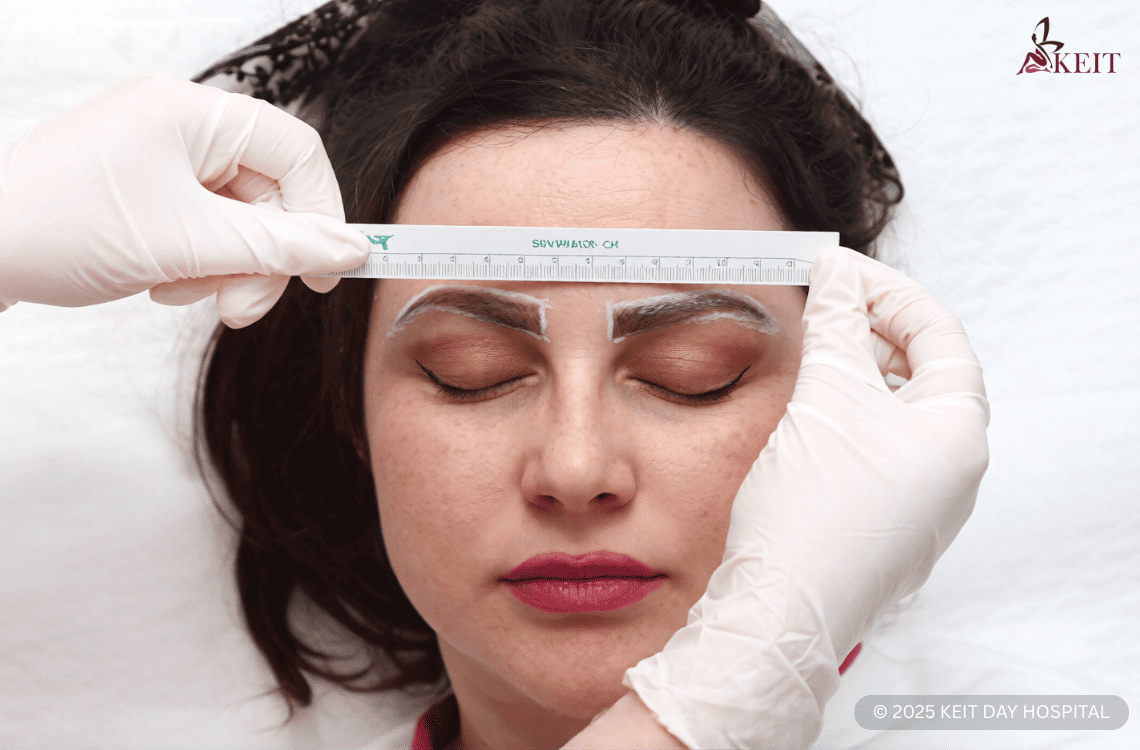
The eyebrow hair transplant process follows these key stages:
- Consultation and planning: The surgeon designs the ideal eyebrow shape based on your facial symmetry and selects donor hairs from the scalp or behind the ears.
- Anesthesia: Local anesthesia is applied to ensure the procedure is completely painless.
- Hair follicle extraction: Hair follicles are harvested using either FUE (extracted one by one) or DHI (extracted and implanted in one step using an implanter pen).
- Graft preparation: The extracted follicles are trimmed and refined under magnification, isolating single or double-hair grafts ideal for natural eyebrow implantation.
- Implantation: Each follicle is placed at the correct angle and depth to match natural brow growth and create a realistic, symmetrical shape.
Patients can return home the same day and normal activities resume within 2 – 3 days.
Eyebrow transplant before and after: Setting real expectations
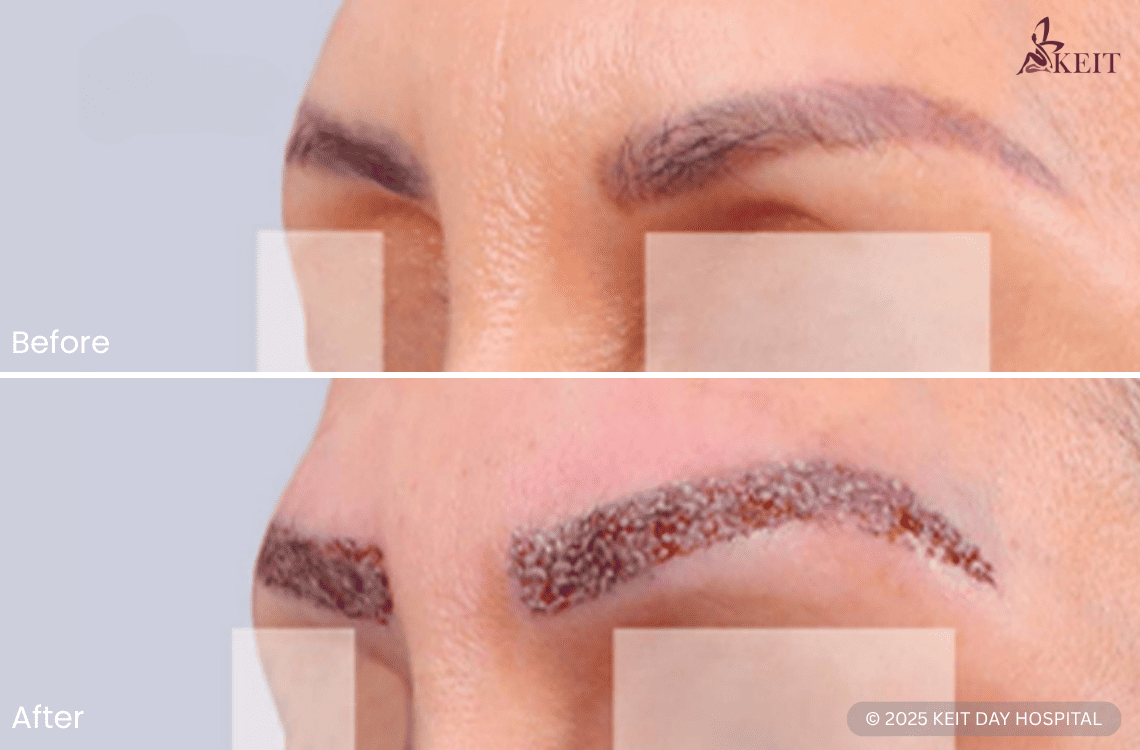
Eyebrow hair transplant before and after photos clearly show the transformation from thin or uneven brows to fuller, well-shaped ones. Visible results appear gradually, with the final outcome seen around 12 months after surgery. The new eyebrows look natural and permanent, growing like normal hair and needing only light trimming to maintain their shape.

Eyebrow transplant: Recovery and aftercare
Recovery after an eyebrow hair transplant is typically quick. Keep the area dry for the first 48 hours and avoid touching or rubbing your brows. Do not apply makeup or creams for one week. Sleep with your head elevated for the first two nights to reduce swelling, and avoid swimming or heavy exercise for two weeks. Most people resume daily activities after two days. Redness fades within a week and new hair growth becomes visible after three months. Following your clinic’s aftercare instructions ensures strong graft survival and a smooth recovery.
Eyebrow hair transplant: Possible risks and how to avoid them
While recovery is typically smooth, understanding the possible side effects helps patients know what to expect after an eyebrow transplant and avoid potential eyebrow transplant regret.
- Common side effects: Include redness, swelling, mild discomfort, or small scabs during the first few days. These are temporary and usually clear within a week when proper aftercare and hygiene are followed.
- Rare complications: Serious complications are uncommon but can include infection, uneven growth, or unnatural hair direction from poor technique. Selecting a qualified surgeon and reputable clinic ensures over 95% graft survival and natural, lasting results.
Eyebrow transplant UK: How much is the eyebrow transplant?
The eyebrow transplant cost depends heavily on the chosen method and clinic standards. When researching how much is an eyebrow transplant in 2025, you’ll find that eyebrow transplant UK cost at high-quality clinics is typically between 3,000 euro and 6,000 euro.
Smaller enhancements can start at around 2,500 euro, while the eyebrow hair transplant cost for a full DHI reconstruction or FUE technique can reach 7,000 euro. When comparing the eyebrow transplant price, always confirm what is included in the quote (consultation, anaesthetic, post-operative care), as this determines the final cost of your procedure.
For a detailed comparison of prices and techniques across the UK, Turkey and Albania, read our full article on eyebrow transplant cost.