Published on:

 Reading Time: 4 min
 Eyebrow Transplant
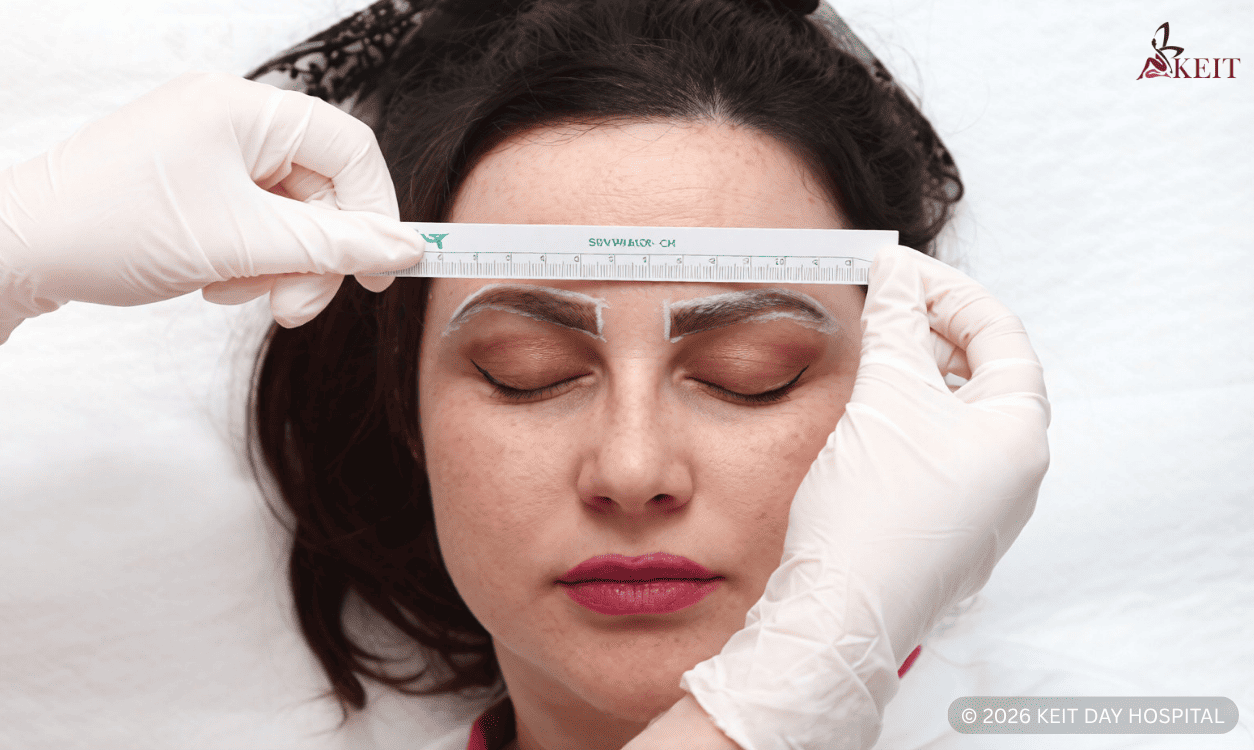
Thin eyebrows can be natural or result from eyebrow hair loss caused by over-plucking, ageing, thyroid disorders, alopecia or other conditions. Treatment depends on the cause and may include treating the underlying condition, while cosmetic options or eyebrow transplantation can restore the appearance of sparse brows when natural regrowth is limited.
 Table of Contents:
-
1
 Are thin eyebrows natural or a sign of hair loss?
-
2
What causes eyebrows to become thin?
-
3
What does eyebrow thinning look like?
-
4
Can thinning eyebrows grow back?
-
5
How are thinning eyebrows treated?
-
6
What are the options for improving thin eyebrows?
-
7
When should you see a specialist about thinning eyebrows?
This article explains how to distinguish naturally thin eyebrows from eyebrow hair loss, what can cause eyebrow thinning, and how it may appear. It also covers whether thinning eyebrows can grow back, how the underlying cause can be treated, options for improving sparse eyebrows, and when specialist assessment is recommended.
Are thin eyebrows natural or a sign of hair loss?
Thin eyebrows may be a natural feature or may indicate a reduction in eyebrow hair density. Naturally sparse eyebrows are generally consistent over time, whereas eyebrows that become progressively thinner or develop areas of missing hair represent a change in eyebrow density that may be associated with hair loss.
Distinguishing between stable, naturally thin eyebrows and newly acquired thinning is important when considering whether further assessment is needed.
What causes eyebrows to become thin?
Eyebrow thinning can result from changes affecting the hair follicles, the surrounding skin, or the body’s normal hair-growth cycle. Common causes include:
- Over-plucking and repeated hair removal: Frequent plucking or threading can damage the follicles and reduce eyebrow density over time.
- Ageing: Eyebrow hair may become finer and less dense with age.
- Thyroid disorders: Thyroid dysfunction can cause eyebrow thinning or hair loss.
- Alopecia areata: This autoimmune condition can cause sudden, patchy loss of eyebrow hair.
- Scarring hair-loss conditions: Conditions such as frontal fibrosing alopecia can damage the follicles and cause permanent eyebrow loss.
- Skin conditions: Inflammatory or other skin disorders affecting the eyebrow area can interfere with hair growth.
- Nutritional deficiencies and medications: Certain deficiencies and medicines can contribute to eyebrow hair loss.
What does eyebrow thinning look like?
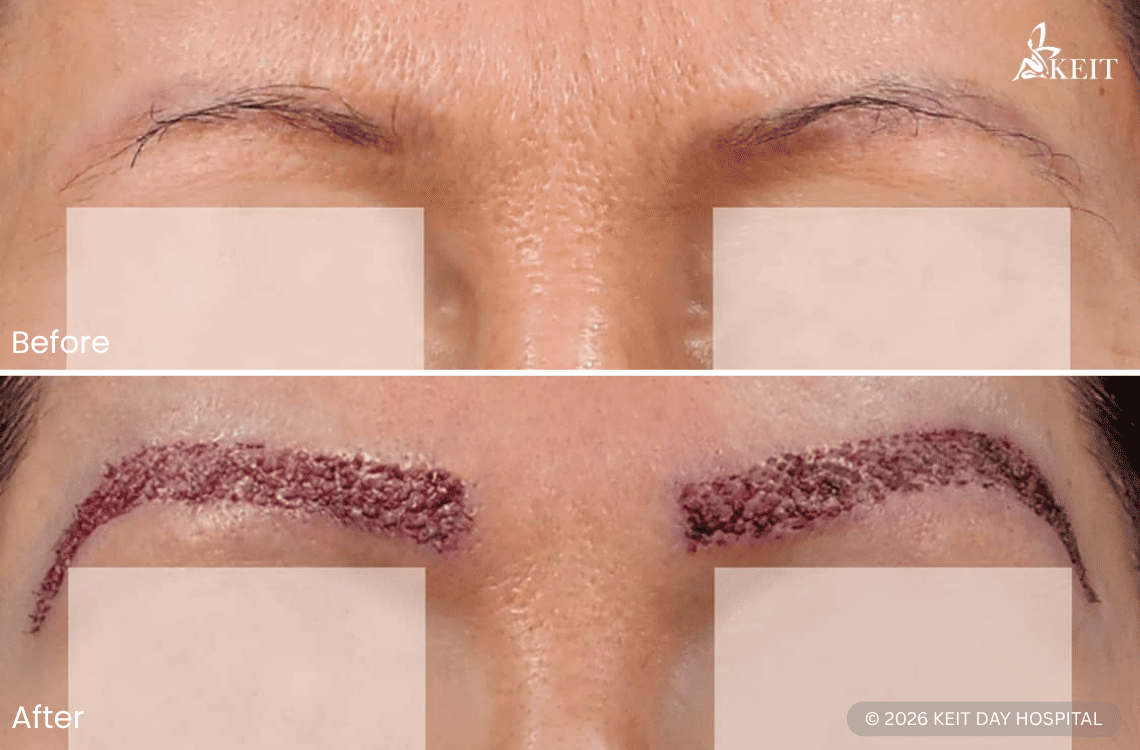
Eyebrow thinning is characterised by reduced hair density or visible loss of eyebrow hair. It may present as:
- Generally sparse eyebrows with fewer hairs across the brow.
- Patchy areas where hair density is reduced.
- Bald patches or complete loss of part of the eyebrow.
- Thinning of the outer third of the eyebrow.
- Uneven density between the two eyebrows.
- Increased hair shedding, with eyebrow hairs falling out more than usual.
The pattern can provide clues about the underlying cause. For example, alopecia areata often causes smooth, patchy loss, while thyroid disease may affect the outer part of the eyebrows.
Can thinning eyebrows grow back?
Thinning eyebrows can grow back when the hair follicles remain intact, but regrowth depends on the underlying cause.
Over-plucked eyebrows may gradually regrow after repeated hair removal is stopped, although prolonged trauma can damage follicles and limit regrowth.
Hair loss caused by conditions such as thyroid disease or non-scarring alopecia may improve when the underlying condition is treated. In contrast, scarring conditions can permanently destroy hair follicles, preventing natural regrowth.

How are thinning eyebrows treated?
Treatment for thinning eyebrows depends on the underlying cause and whether the hair follicles remain healthy. Treatment may include:
- Treating underlying conditions: Thyroid disorders, alopecia areata, and skin conditions should be managed according to the specific diagnosis.
- Stopping repeated hair removal: Avoiding excessive plucking or other hair-removal methods can allow healthy follicles to regrow.
- Correcting confirmed deficiencies: Nutritional deficiencies should be treated when identified as a contributing factor.
- Prescription treatment: Some causes of eyebrow hair loss may require medication prescribed by a specialist.
The appropriate treatment should be based on the cause of the eyebrow thinning rather than the use of cosmetic or hair-growth products alone.
What are the options for improving thin eyebrows?
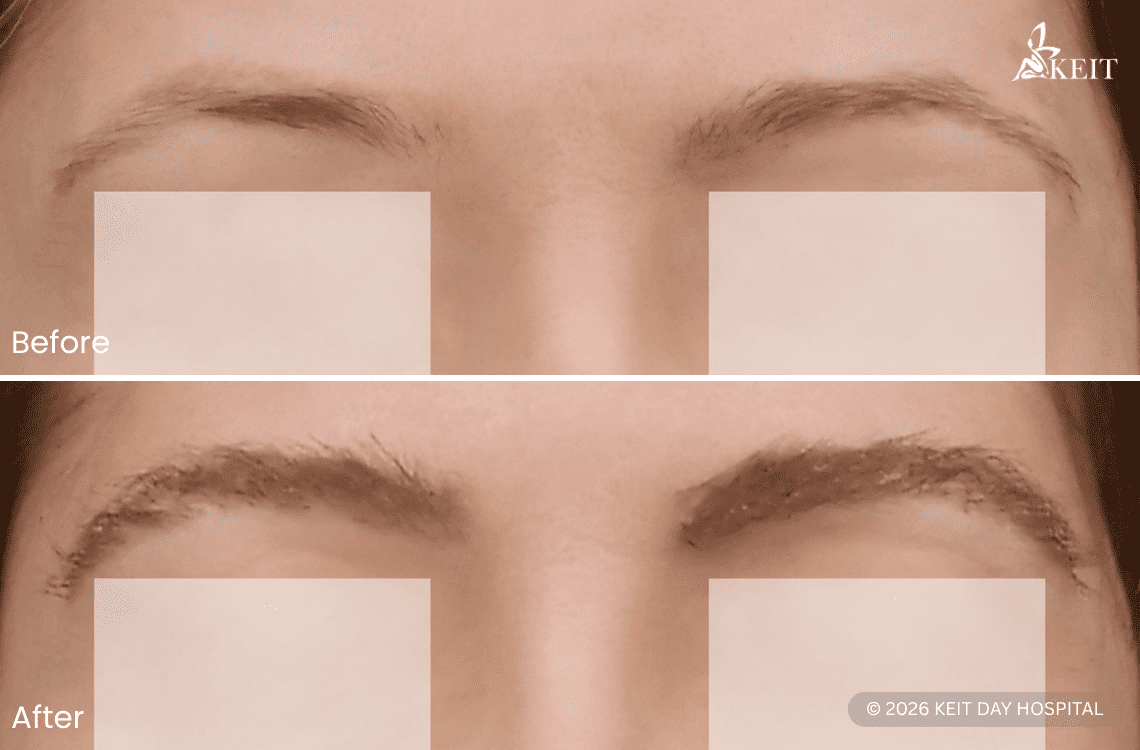
When eyebrow hair does not adequately regrow, the main options are eyebrow transplantation and cosmetic brow procedures that improve the appearance of sparse hair.
- Eyebrow transplantation: Hair follicles are transplanted into areas with reduced or absent eyebrow hair to restore natural hair growth and eyebrow density.
- Microblading: A semi-permanent cosmetic procedure that uses pigment to create the appearance of individual eyebrow hairs. It can make sparse eyebrows appear fuller but does not restore hair follicles.
- Microshading: A cosmetic pigmentation technique that creates a soft, powdered effect to make sparse eyebrows appear fuller. It changes the appearance of the brows but does not restore natural hair growth.
When should you see a specialist about thinning eyebrows?
New, progressive, patchy, or unexplained eyebrow thinning should be assessed by a specialist, particularly when other symptoms or areas of hair loss are present. Medical assessment is especially appropriate when:
- Eyebrow hair is falling out suddenly or rapidly.
- There are clearly defined bald or patchy areas.
- Both eyebrows are becoming thinner without an obvious cause.
- Eyebrow loss occurs with scalp or eyelash hair loss.
- The surrounding skin is red, scaly, itchy, painful, or inflamed.
- The outer eyebrows are becoming noticeably thinner.
- Hair does not regrow after stopping repeated plucking or other hair-removal practices.