Published on:
 Modified on:

 Reading Time: 6 min
 Gynecomastia
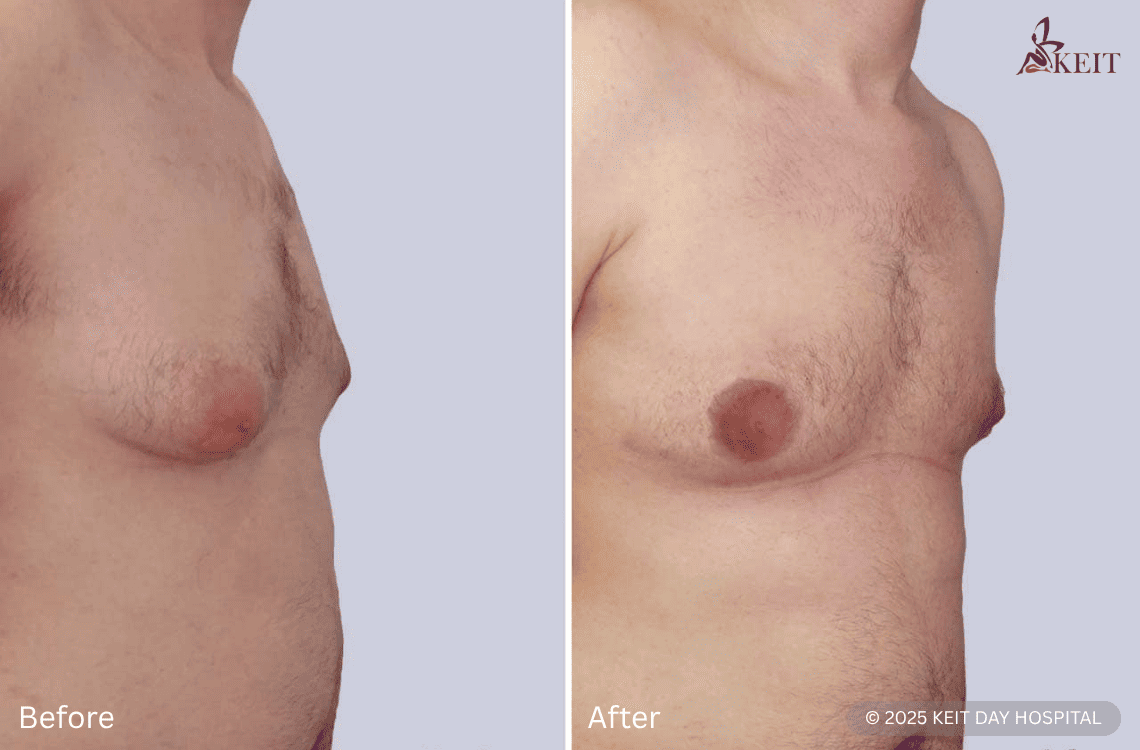
The insecurity caused by a chest that doesn’t appear masculine often points to gynecomastia. Commonly mistaken for fat in the “gynecomastia or fat” debate, it is actually the abnormal growth of mammary gland tissue in males, usually linked to a hormonal imbalance. Visible gynecomastia symptoms, such as swelling or a firm lump under the nipple, are key signs of this condition. Fortunately, it is treatable, and a personalized gynecomastia surgery remains the most effective and permanent gynecomastia treatment.
 Table of Contents:
-
1
 What is gynecomastia?
-
2
Male breast gynecomastia: The primary causes
-
3
Gynecomastia symptoms: How to recognise the signs
-
4
Gynecomastia treatment: The surgical solution
-
5
Recovery and results: The “before and after” journey
-
6
Gynecomastia operation price: How much does gynecomastia surgery cost?
-
7
Gynecomastia treatment without surgery: When it’s possible?
This article explains what gynecomastia is, why it develops and how to distinguish chest fat from true gynecomastia. It outlines the main causes and symptoms, including how to recognise signs that may suggest gynecomastia or male breast cancer. You’ll also learn about the most effective treatments, from exercise and non-surgical options to gynecomastia surgery, along with details on ideal candidates, risks, recovery and the gynecomastia surgery cost.
What is gynecomastia?
To define gynecomastia, it is a medical condition characterised by an increase in the volume of glandular breast tissue. This is distinct from pseudogynecomastia, which is simply an accumulation of fat in the chest. Often referred to as a gynecomastia disease, it is typically a form of gynecomastia caused by hormonal imbalances, certain medications, or other underlying factors. This clarification is vital, as the cause and treatment for each condition are completely different.
Gynecomastia vs chest fat: A clear distinction
For many men, the key question is “how to tell if you have gynecomastia?”
- True gynecomastia (glandular tissue) occurs when firm gland tissue forms behind the nipple, creating a movable lump or “puffy nipple.” It’s caused by hormonal imbalance and can’t be reduced through diet or exercise.
- False gynecomastia (chest fat) results from excess fatty tissue on the chest without a firm lump. It feels smooth and can improve with weight loss, exercise, and a healthy diet.
The table below highlights the main differences in fat chest vs gynecomastia, helping identify which condition you may have.
| Feature | False Gynecomastia (Chest Fat) |
True Gynecomastia (Glandular) |
|---|---|---|
| Tissue | Adipose tissue (fat) only | Enlarged glandular tissue |
| Consistency | Soft, diffuse | Firm, rubbery, disc-like under nipple |
| Primary symptom | Breast - like appearance | Palpable lump, tenderness, pain |
Male breast gynecomastia: The primary causes
Gynecomastia in men occurs when a hormonal imbalance between oestrogen and testosterone causes the growth of glandular tissue instead of chest fat.
- Puberty gynecomastia: Common between ages 12–16 and usually resolves naturally as hormone levels stabilise.
- Ageing: Lower testosterone and higher oestrogen are major causes of gynecomastia in adult men.
- Medications: Certain drugs causing gynecomastia, such as spironolactone or finasteride, can disrupt hormonal balance.
- Other factors: Health issues or anabolic steroids can lead to gynecomastia from steroids.
Gynecomastia symptoms: How to recognise the signs
The physical signs of gynecomastia are the clearest indicators. A precise breakdown that answers how to know if you have gynecomastia includes:
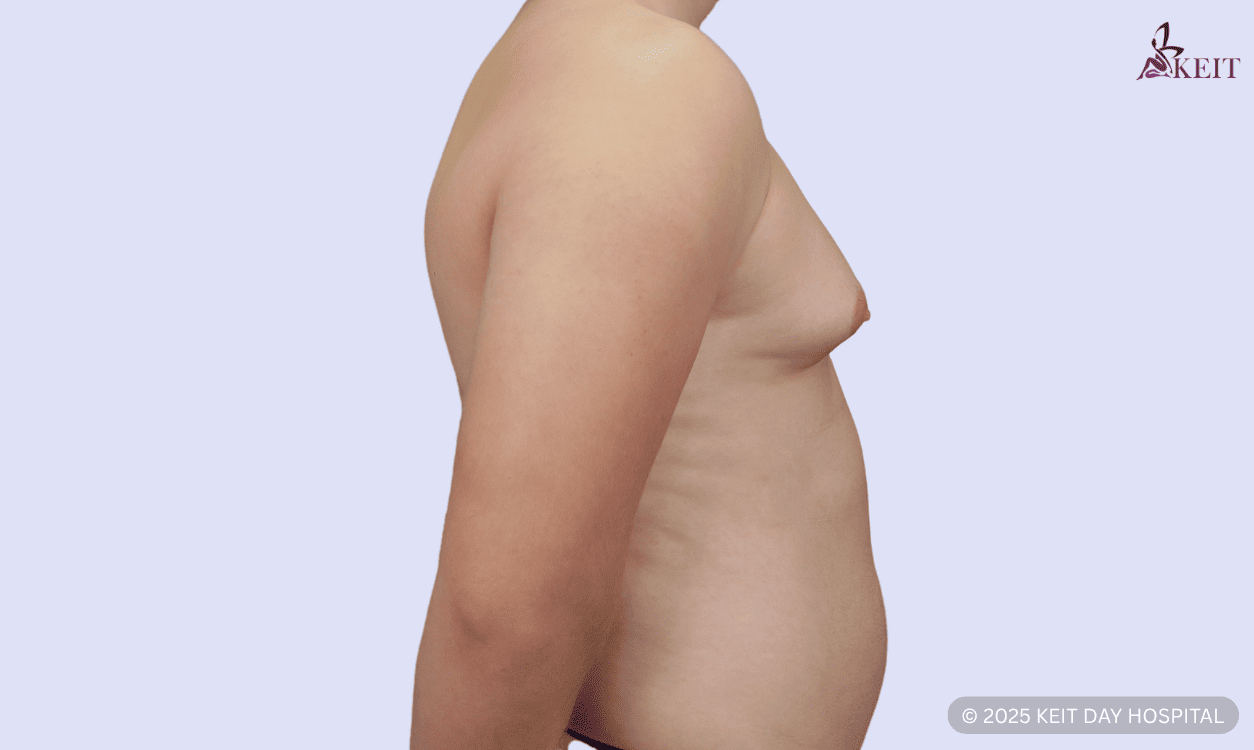
- Tissue enlargement: Ranges from slight areola puffiness to a visible breast shape on one or both sides.
- A palpable mass: A firm, rubbery lump behind the nipple, distinct from surrounding fat.
- Nipple and areola changes: The nipple may appear swollen or “puffy,” with an enlarged areola.
- Pain and sensitivity: Varies from mild discomfort to sharp pain or tenderness when touched.
Specialists use gynecomastia grades to assess severity and determine the most effective surgical treatment plan.

Gynecomastia lump vs breast cancer: Key differences
While gynecomastia is benign, it’s important to distinguish it from male breast cancer, which is rare but possible. The main differences are:
- Location of lump: In gynecomastia, the lump is usually concentric and rubbery under the nipple. Breast cancer lumps are often hard, irregular and fixed.
- Pain: Gynecomastia can be tender or painful. Cancerous lumps are usually painless.
- Other changes: Cancer may cause nipple retraction, skin dimpling, or discharge, which are not typical of gynecomastia.
- Occurrence: Gynecomastia commonly affects both breasts, while male breast cancer usually develops in one breast only.
The table below compares gynecomastia vs male breast cancer to highlight their key differences.
| Feature | Gynecomastia | Male Breast Cancer |
|---|---|---|
| Lump feel and location | Rubbery, centered under the nipple. | Hard, irregular, may feel fixed. |
| Sensation | Often tender or painful. | Usually painless. |
| Other symptoms | No nipple/skin changes or discharge. | Nipple retraction, skin dimpling, or discharge. |
| Occurrence | Usually affects both breasts. | Typically in one breast only. |
Gynecomastia treatment: The surgical solution
For a permanent result, the most effective gynecomastia treatment is surgery. According to the American Society of Plastic Surgeons (ASPS), this procedure effectively removes both glandular and fatty tissue to restore a flat, masculine chest contour. It typically includes liposuction, which removes excess fat for a smooth contour and glandular excision, where the surgeon removes dense tissue through a small incision along the lower edge of the areola. This placement keeps scars from gynecomastia barely visible once healed. The procedure usually lasts 60 – 90 minutes, is performed under general anaesthesia in a day hospital and may require an overnight stay for optimal recovery and comfort.
Who is an ideal candidate for gynecomastia surgery?
To ensure the safest procedure and best results, an ideal candidate for gynecomastia surgery should be in good physical health, maintain a stable weight and be a non-smoker to promote proper healing. Candidates must have realistic expectations and be psychologically ready, choosing surgery for personal confidence rather than external pressure. Age also matters. The gynecomastia syrgery is best performed after puberty to ensure lasting, stable results.
Gynecomastia surgery: Risks and safety considerations
Gynecomastia surgery is usually a safe and effective procedure, but like any operation, it carries some risks. Common surgical risks include anaesthesia reactions, bleeding, fluid buildup, or infection. Specific aesthetic risks may involve asymmetry, contour irregularities, nipple sensation changes, or scarring. In rare cases, a minor revision may be needed for optimal results. These risks are greatly reduced when performed by an experienced gynecomastia surgeon and when all post-operative care instructions are carefully followed.
Recovery and results: The “before and after” journey
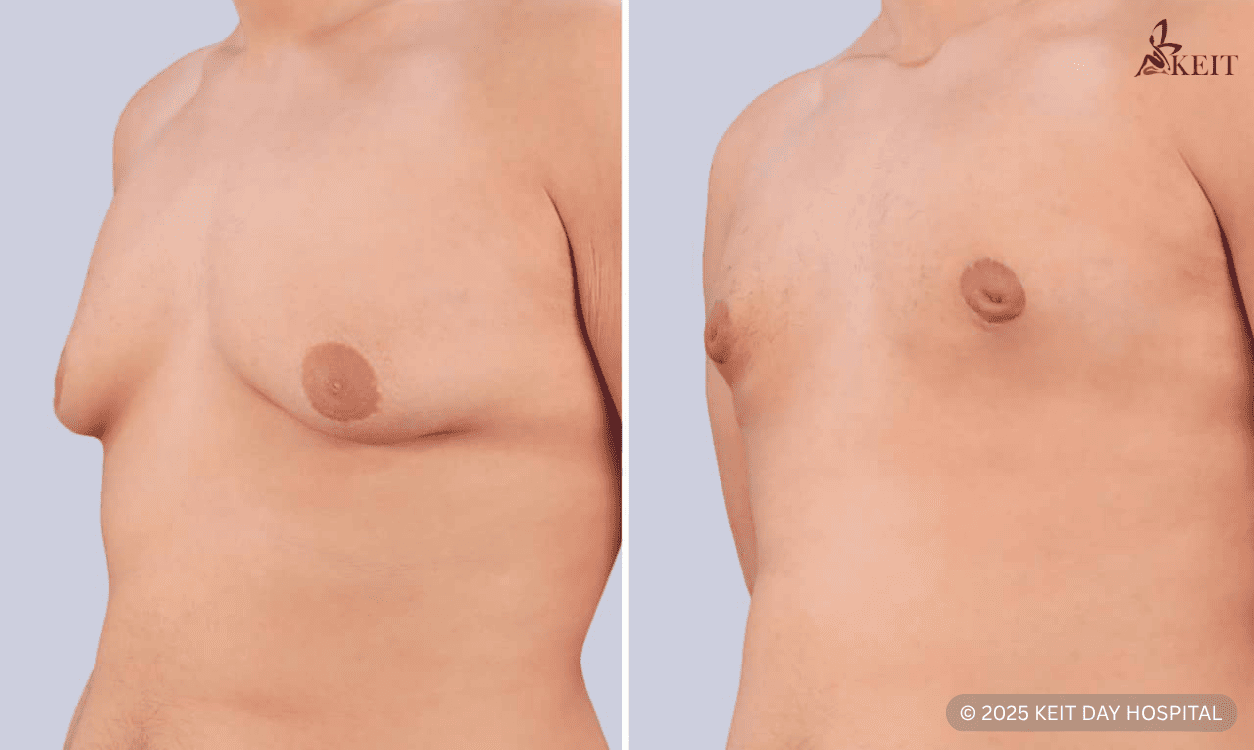
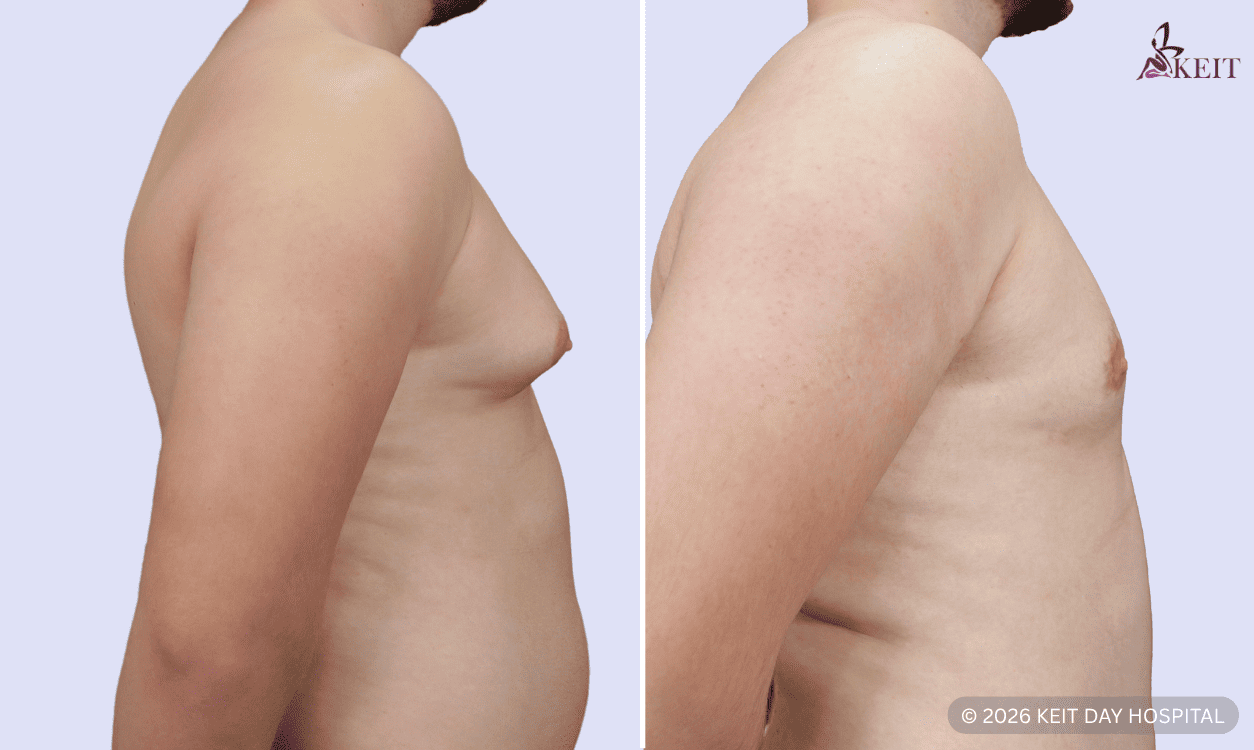
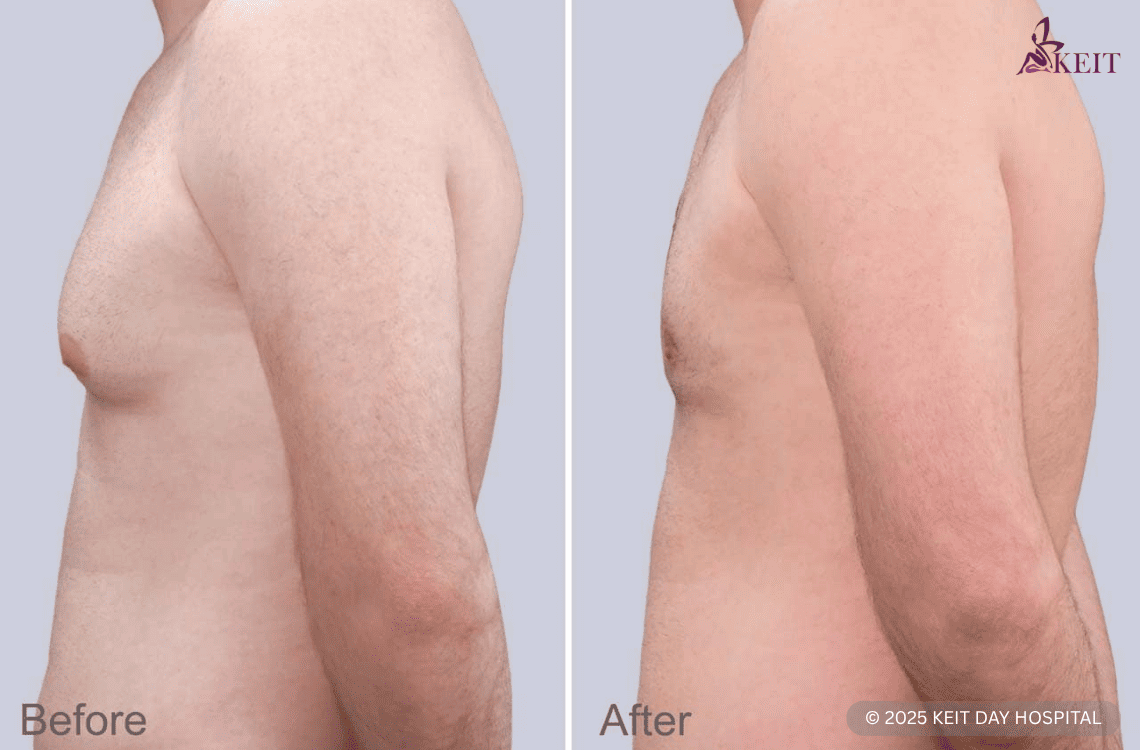
The gynecomastia before and after transformation requires a structured recovery process for optimal results.
- Immediately after surgery: Wear a gynecomastia compression vest to reduce swelling and support the contour.
- First week: Rest; return to light work in 7–10 days.
- Weeks 1 – 4: The gynecomastia vest must be worn consistently.
- 1 month: Gradually resume exercise.
- (3 – 6) months: Swelling fades, revealing the final masculine chest shape.
Gynecomastia operation price: How much does gynecomastia surgery cost?
The gynecomastia surgery cost in the UK depends on the clinic, surgeon, and procedure complexity. On average, the gynecomastia operation price in private clinics ranges from 5,600 to 7,000 euro. Milder cases treated with liposuction cost less, while full gland removal is higher. Additional fees for consultations and aftercare can raise the total gynecomastia treatment price. Though the NHS may cover severe gynecomastia disease, most patients choose private clinics for quicker, personalised treatment.
Gynecomastia treatment without surgery: When it’s possible?
Whether gynecomastia can be cured without surgery depends on its type. False gynecomastia, caused by excess fat, can often improve with a gynecomastia exercise plan and a healthy diet - two common methods for those searching how to get rid of gynecomastia naturally. In contrast, true gynecomastia involves glandular tissue, which cannot be reduced through diet or a gynecomastia workout. For permanent correction of gynecomastia disease, surgery remains the only effective solution.