Published on:
 Reading Time: 3 min
 Beard transplant
A patchy beard is characterised by uneven facial hair growth, with areas of reduced density or absent hair. Although differences in beard density are common among men, it is important to distinguish natural variations in facial hair growth from underlying conditions that may require treatment.
In this article, we explain how patchy beard growth presents, what causes it and whether beard patches can fill in naturally. We also discuss when uneven facial hair growth becomes a medical concern, how it is assessed and which treatments can improve beard density.
How does patchy beard growth present?
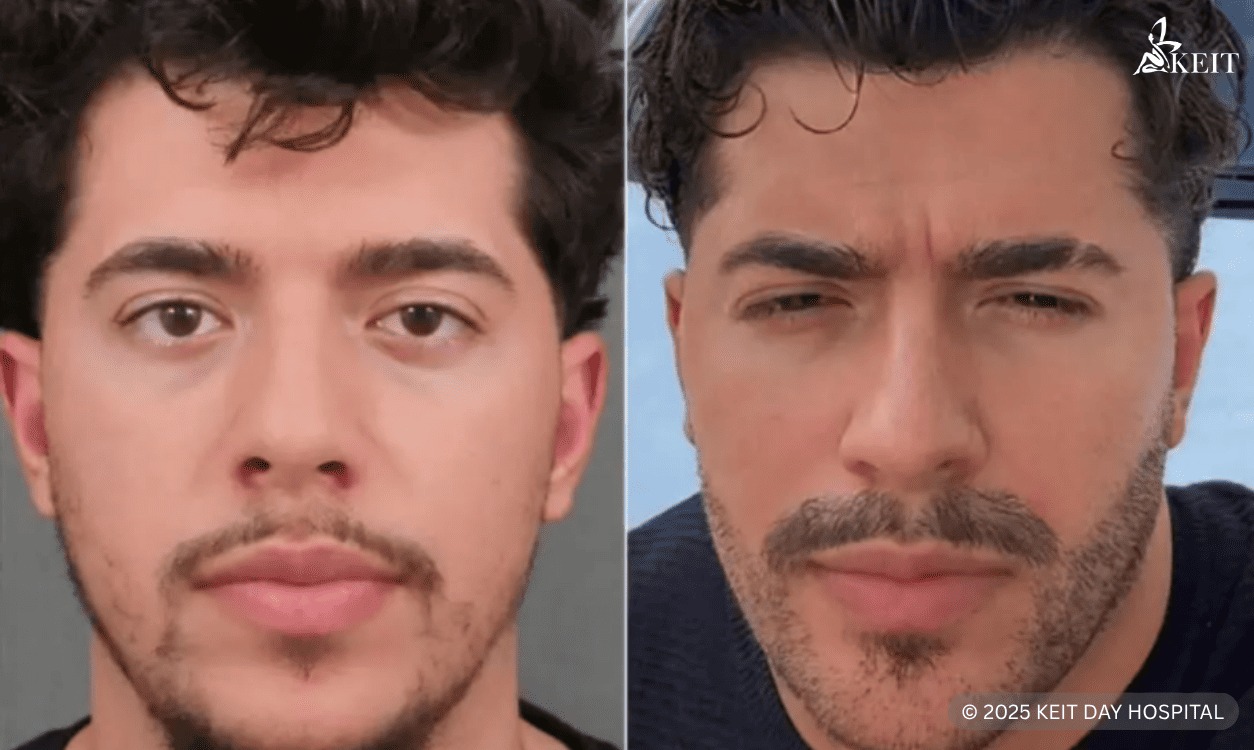
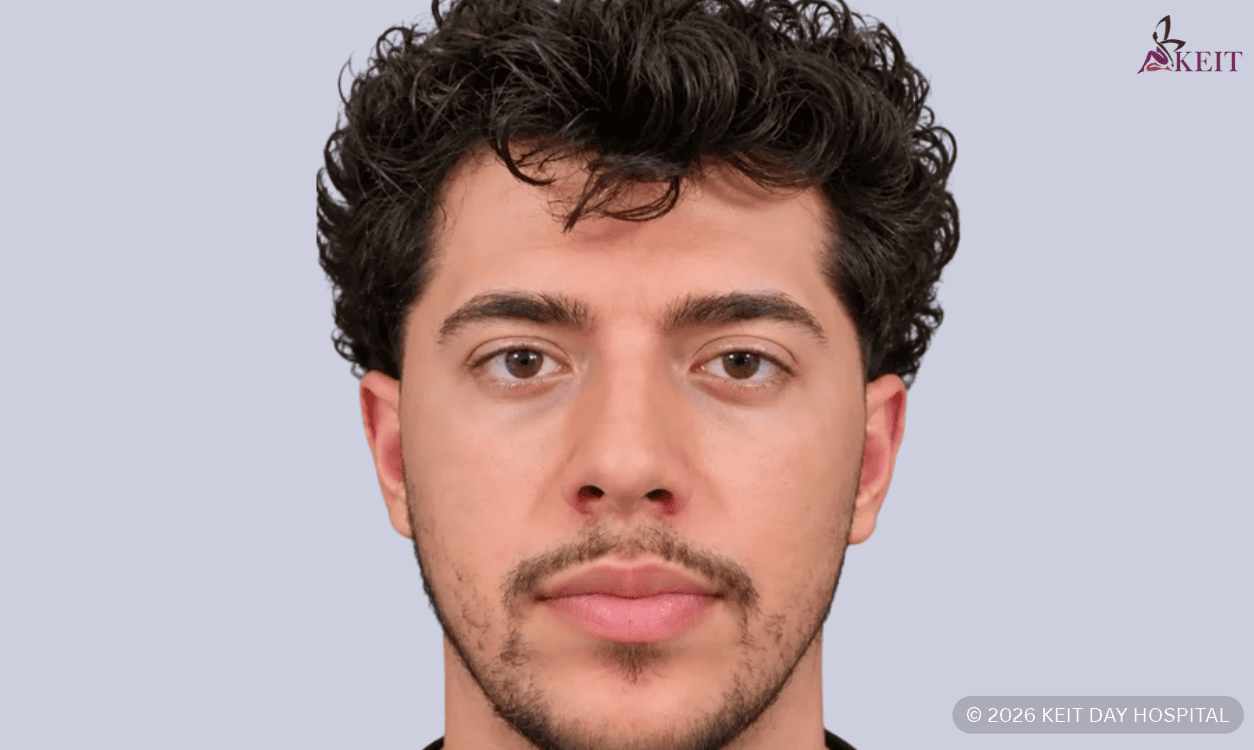
Patchy beard growth presents as an uneven distribution of facial hair, commonly affecting the cheeks, jawline, chin, moustache or sideburns.
The main presentations include:
- Uneven beard density: areas of sparse facial hair alongside areas of normal or denser growth.
- Localised gaps: distinct areas where facial hair has never developed or remains sparse.
- Asymmetrical beard growth: differences in facial hair density and distribution between the two sides of the face.
- Acquired bald patches: partial or complete loss of facial hair in previously hair-bearing areas.
Beard patchiness may be present from the initial stages of facial hair development or appear later in a previously well-developed beard.
What causes a patchy beard?
A patchy beard can result from genetic, developmental, hormonal or medical factors that influence facial hair follicle distribution, growth and function.
The main causes include:
- Genetic predisposition: inherited differences in hair follicle distribution, density and sensitivity to androgens.
- Age and beard development: incomplete facial hair development, particularly during adolescence and early adulthood.
- Hormonal factors: hormonal imbalances affecting testosterone and dihydrotestosterone (DHT) activity.
- Dermatological conditions: alopecia barbae (alopecia areata affecting the beard), fungal infections (tinea barbae), folliculitis and scarring alopecia.
- Trauma and scarring: follicular damage caused by injuries, burns or previous surgical procedures.
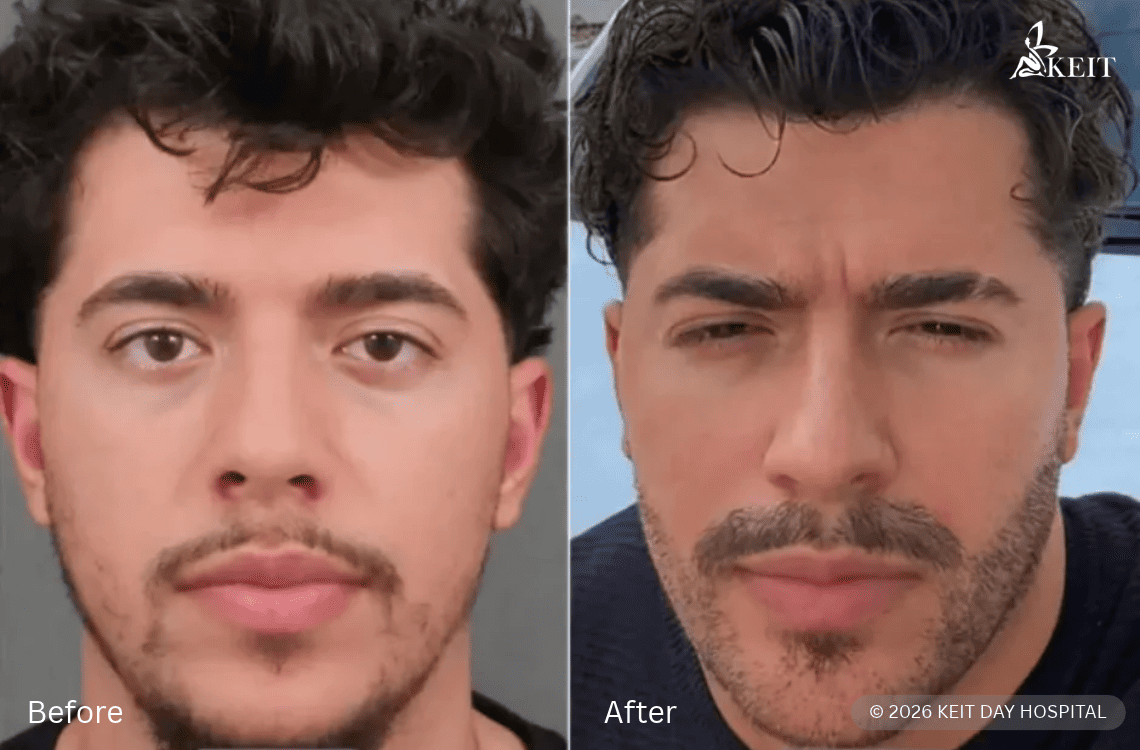
Can a patchy beard fill in naturally?
Yes, a patchy beard can fill in naturally if facial hair is still developing or hair loss is reversible. Beard density may continue to increase throughout early adulthood, while conditions such as alopecia barbae may resolve spontaneously. However, genetically determined gaps may persist after facial hair development is complete. If the hair follicles are permanently destroyed, natural regrowth is not possible.
When is a patchy beard a medical concern?
A patchy beard becomes a medical concern when facial hair loss develops suddenly, progresses over time or is accompanied by changes in the underlying skin.
Signs that require medical evaluation include:
- Newly developed round or oval bald patches in the beard.
- Sudden or progressively worsening facial hair loss.
- Redness, itching, scaling or swelling in affected areas.
- Painful lesions, pustules or broken facial hairs.
- Shiny or scarred skin in areas of absent hair growth.
- Hair loss affecting the scalp, eyebrows or other body areas.
- Reduced facial hair growth accompanied by other symptoms of hormonal deficiency.
Early diagnosis is particularly important in inflammatory and scarring conditions, as permanent hair follicle damage may occur if the underlying condition remains untreated.

How is patchy beard growth assessed?
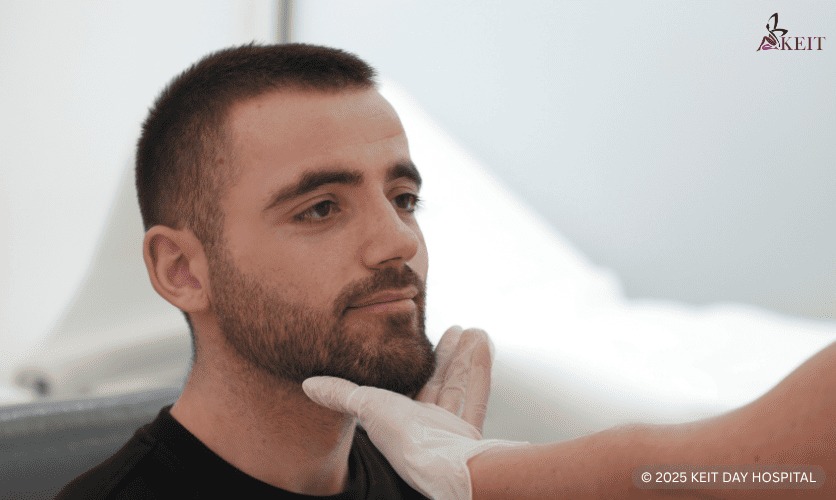
Patchy beard growth is assessed through a medical history and clinical examination to determine whether reduced beard density results from natural growth patterns, an underlying medical condition or hair follicle damage.
The assessment typically includes:
- Medical history: onset and progression of beard patchiness, family history, associated symptoms, existing medical conditions and medication use.
- Clinical examination: assessment of facial hair density, distribution and the condition of the underlying skin.
- Trichoscopy: magnified examination of the hair shafts and follicular openings to identify signs of hair loss, inflammation or scarring.
- Laboratory investigations: blood tests to assess hormonal abnormalities or nutritional deficiencies when clinically suspected.
- Additional diagnostic tests: fungal testing when infection is suspected or a skin biopsy when scarring alopecia or another unclear diagnosis requires further investigation.
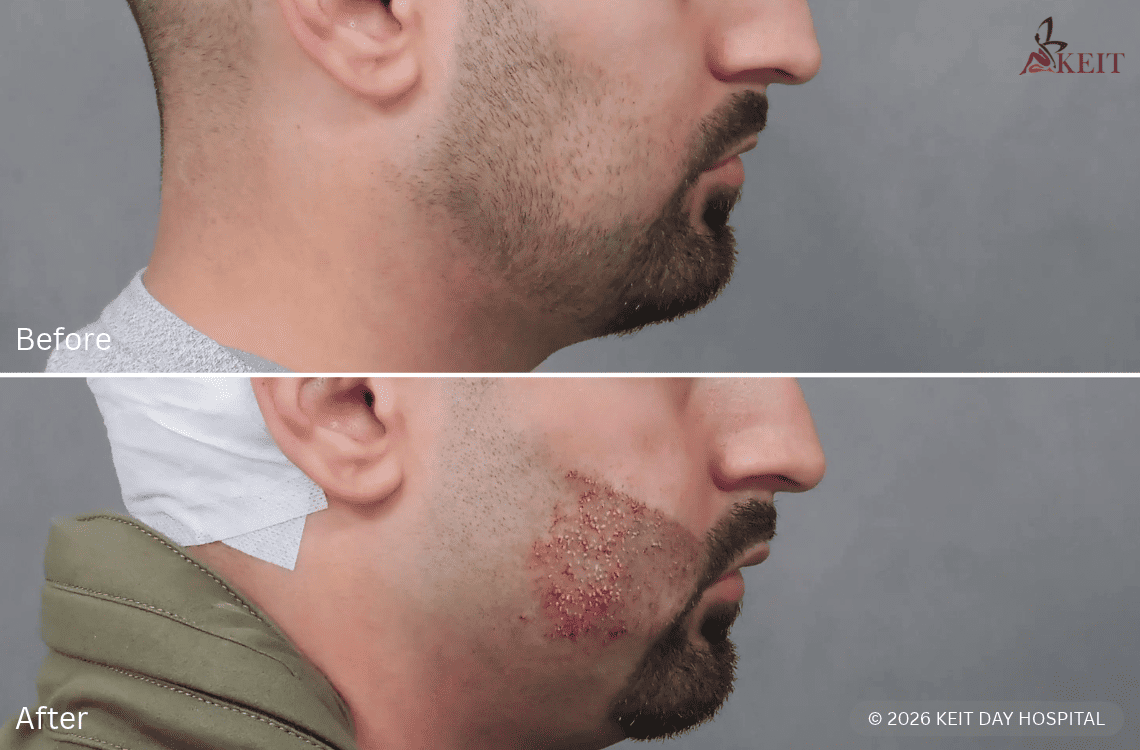
How to fix a patchy beard: main treatment options
A patchy beard can be improved through medical treatment, hair growth stimulation or beard transplantation, depending on the underlying cause and extent of facial hair loss.
The main treatment options include:
- Prescription medication: corticosteroids, antifungal medications or other anti-inflammatory treatments, depending on the underlying medical condition.
- Topical minoxidil: may stimulate facial hair growth and improve beard density. Its use for beard growth is not an approved indication and should be medically supervised.
- Beard transplantation: restores facial hair density by transferring healthy hair follicles, typically from the scalp, into areas of sparse or absent beard growth.
The appropriate treatment is determined following a medical assessment of the beard area and the underlying cause of patchiness.