Published on:
 Modified on:

 Reading Time: 6 min

 Scientific Articles
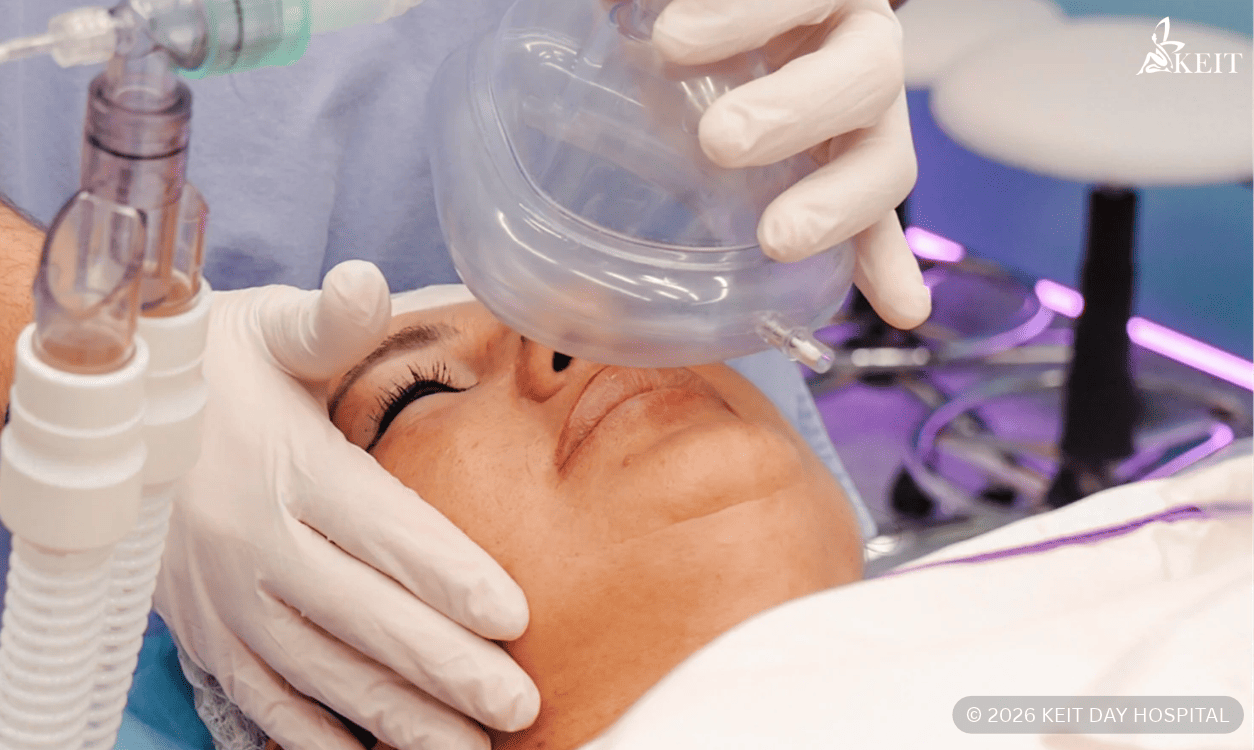
Combined aesthetic procedures include surgeries performed during the same operative session, such as abdominoplasty combined with breast surgery, lipoabdominoplasty, abdominoplasty with liposuction or combined gluteal augmentation techniques. The available PubMed evidence indicates that combined aesthetic surgery is not automatically more dangerous, but its safety profile depends on patient selection, the type of combined procedures, operative duration, surgical technique and prevention of postoperative complications.
 Table of Contents:
-
1
 How the evidence was selected: PubMed criteria for the meta-analyses
-
2
Abdominoplasty combined with breast surgery: Overall safety signal
-
3
Lipoabdominoplasty: Combining abdominoplasty and liposuction
-
4
Abdominoplasty with liposuction: Skin necrosis and revision risk
-
5
Seroma after abdominoplasty with liposuction: Prevention modifies risk
-
6
Combined techniques in gluteal augmentation: Implant and lipoplasty
-
7
Main complication patterns in combined aesthetic procedures
-
8
Patient selection: The main risk modifier
-
9
Procedure selection: Not all combinations carry the same risk
-
10
Clinical implications for counseling and risk reduction
-
11
Evidence summary on safety and complications
-
12
Bibliography: The five PubMed-indexed meta-analyses considered
How the evidence was selected: PubMed criteria for the meta-analyses
A targeted PubMed search was performed to identify systematic reviews and meta-analyses focused on safety, complication rates and risk factors in combined aesthetic procedures. Articles with pooled quantitative data and direct relevance to combined procedures in aesthetic or plastic surgery were selected.
The final set includes five PubMed-indexed meta-analyses: one on abdominoplasty combined with breast surgery, one on seroma prevention strategies in abdominoplasty with or without liposuction, one on combined gluteal augmentation techniques using implants and lipoplasty, one on the addition of partial or circumferential liposuction to abdominoplasty and one on the safety of lipoabdominoplasty compared with traditional abdominoplasty.
Abdominoplasty combined with breast surgery: Overall safety signal
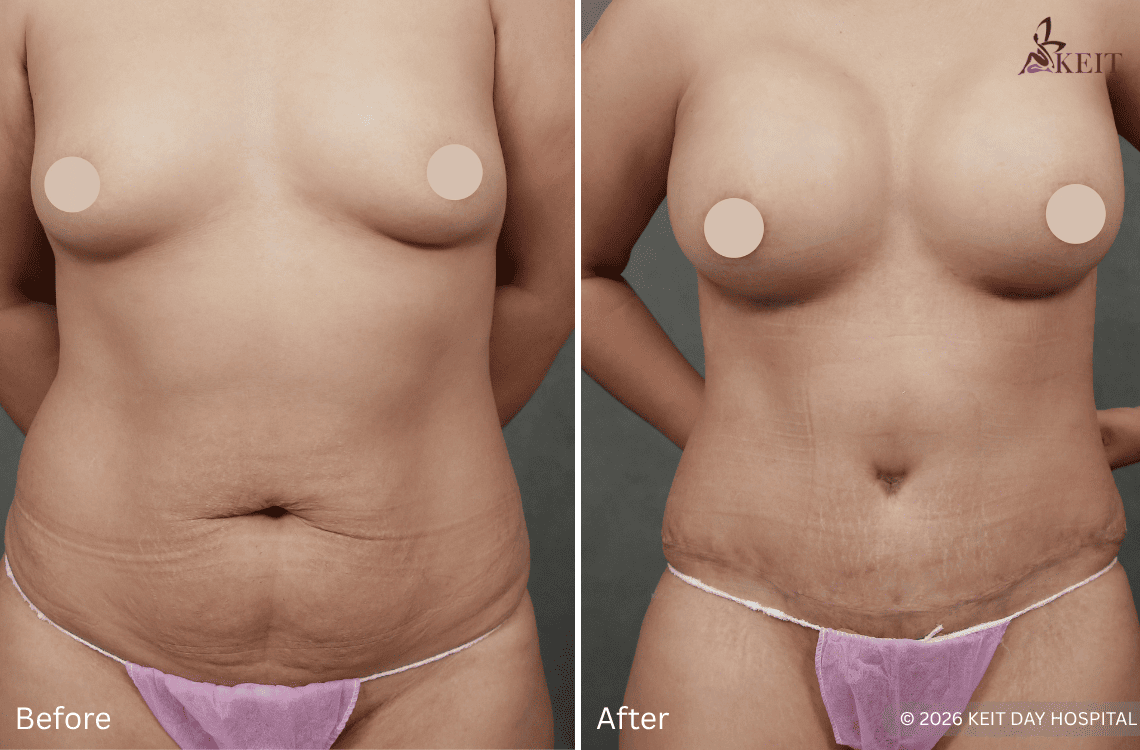
The most directly relevant meta-analysis compared abdominoplasty combined with breast surgery versus isolated procedures. This model is clinically important because it represents one of the most common aesthetic combinations, especially in post-pregnancy body contouring or after weight loss.
The pooled data suggest that combining abdominoplasty with breast surgery does not necessarily increase the overall complication rate compared with isolated procedures when patient selection is appropriate. However, risk must be interpreted according to the specific comparison: a combined procedure may be similar to isolated abdominoplasty, but more demanding than isolated breast surgery.
Lipoabdominoplasty: Combining abdominoplasty and liposuction
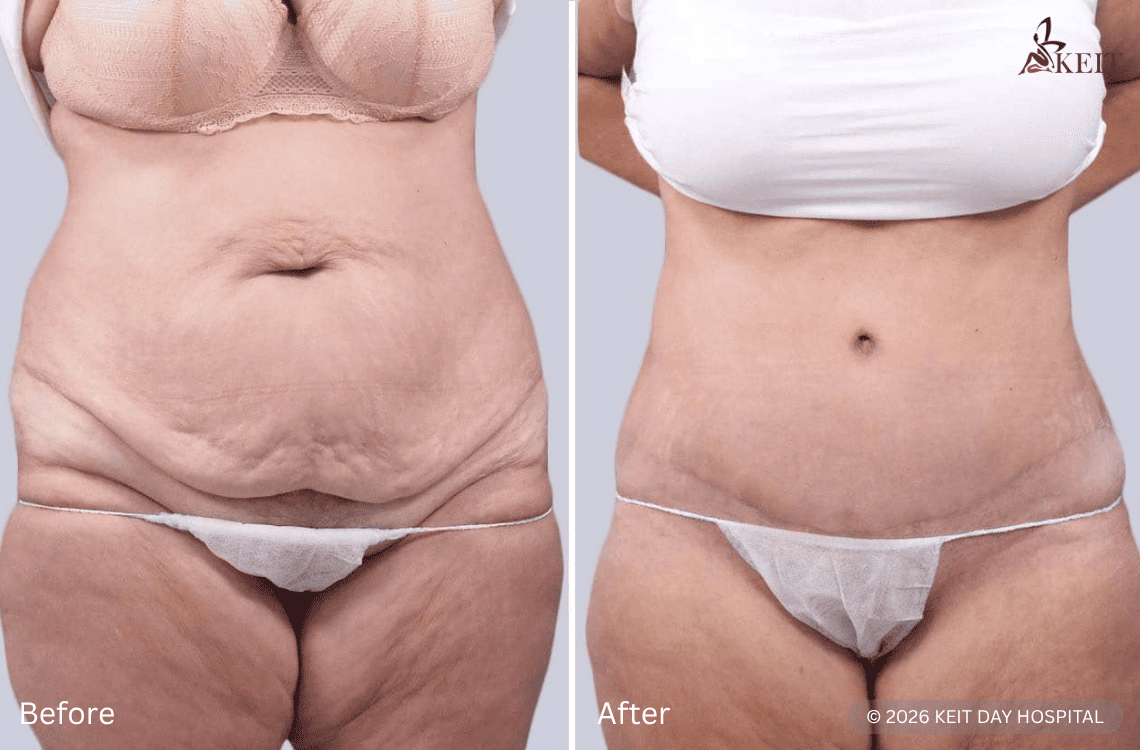
Lipoabdominoplasty is one of the most studied combined procedures. A meta-analysis compared lipoabdominoplasty and traditional abdominoplasty, including 17 studies and 14,061 adult patients. The analyzed complications included seroma, hematoma, infection or wound dehiscence, fat necrosis, deep vein thrombosis and scar alterations.
The analysis reported a lower overall complication rate in the lipoabdominoplasty group compared with traditional abdominoplasty, with a significant reduction in hematoma and seroma as well. This finding contrasts with the simplistic assumption that adding liposuction to abdominoplasty automatically increases risk.
Clinical implication: the safety of lipoabdominoplasty depends on technique. Combined liposuction may be safe when performed while preserving tissue vascularization and appropriately selecting the patient.
Abdominoplasty with liposuction: Skin necrosis and revision risk
A meta-analysis evaluated whether adding partial or circumferential liposuction to abdominoplasty increases the risk of necrotic complications. This issue is relevant because one of the main historical concerns in the abdominoplasty-liposuction combination is the potential damage to vascularization of the abdominal flap.
The results did not show an increased risk of skin necrosis or surgical revision in patients undergoing abdominoplasty with liposuction compared with isolated abdominoplasty.
Clinical implication: in combined abdominal surgery, management of surgical planes, tissue preservation and selection of liposuction volume are key factors in reducing complications.
Seroma after abdominoplasty with liposuction: Prevention modifies risk
Seroma is one of the most common complications in abdominal procedures, especially when abdominoplasty is combined with liposuction. Evidence indicates that some technical strategies may reduce seroma risk compared with conventional drainage after abdominoplasty with or without liposuction.
In particular, preservation of Scarpa’s fascia and the use of progressive tension sutures emerge as relevant elements in reducing risk, especially in settings where liposuction is associated.
Clinical implication: in combined aesthetic surgery, risk does not depend only on the number of procedures, but also on the preventive measures adopted. In abdominal combinations, seroma prevention is one of the main technical safety factors.
Combined techniques in gluteal augmentation: Implant and lipoplasty
Combined procedures are also used in gluteal augmentation, where implants and lipoplasty techniques may be associated to improve projection, contour and soft tissue coverage. A PubMed-indexed meta-analysis evaluated characteristics and complications of combined implant and lipoplasty techniques in primary gluteal augmentation.
This evidence shows that combined gluteal procedures cannot be interpreted using the same criteria as abdominal or breast combinations. Complications depend on implant placement plane, tissue management, possible use of drains and the overall technical strategy.
Main complication patterns in combined aesthetic procedures
The considered PubMed meta-analyses indicate that the most relevant complications in combined aesthetic procedures mainly include:
- Seroma, particularly in abdominal procedures.
- Hematoma, especially in cases involving extensive tissue dissection.
- Wound complications, such as dehiscence, infection, fat necrosis or delayed healing.
- Skin necrosis, especially when tissue vascularization is compromised.
- Revision or reoperation, which may depend on local complications or unsatisfactory results.
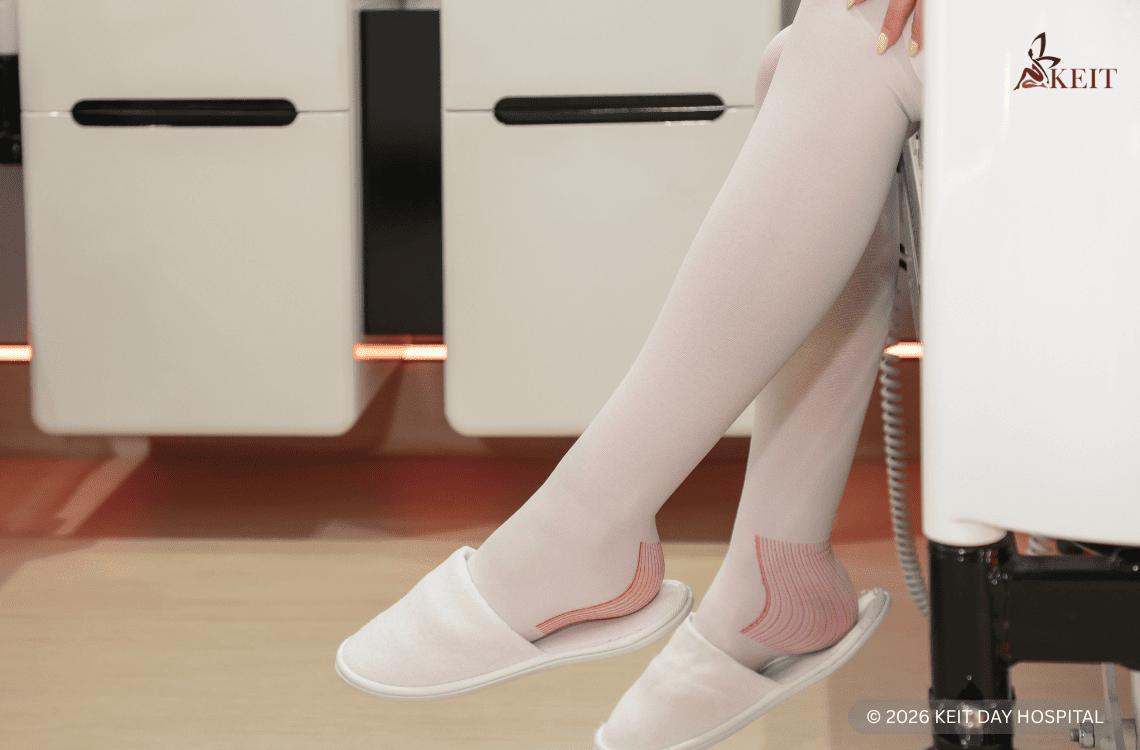
- Thromboembolic events, rare but high-impact, especially in longer procedures or at-risk patients.
The main message is that risk increases when operative duration, tissue trauma, extent of surgical surfaces, patient-specific factors and more complex postoperative recovery are combined.
Patient selection: The main risk modifier
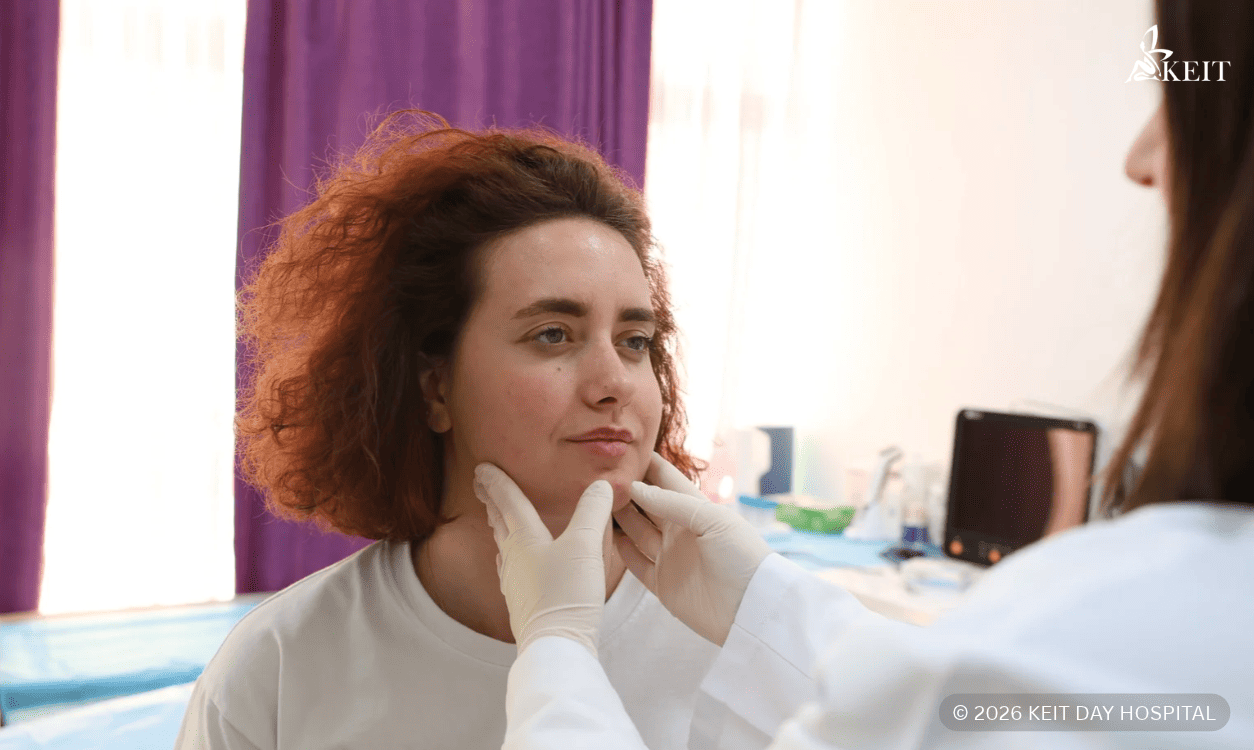
Patient selection is one of the most important factors in the safety of combined aesthetic procedures. The same combination may be reasonable in a well-selected patient and risky in a patient with multiple predisposing factors.
The main elements that should be evaluated before combined aesthetic surgery include:
- Elevated BMI;
- Smoking;
- Diabetes or impaired wound healing;
- History of thromboembolism;
- Anemia or bleeding risk;
- Tissue quality;
- Liposuction volume;
- Expected operative duration;
- Presence of implants;
- Combination of high-trauma procedures.
Procedure selection: Not all combinations carry the same risk
Evidence shows that the specific combination matters significantly. Abdominoplasty combined with breast surgery does not have the same risk profile as lipoabdominoplasty or composite gluteal augmentation.
Abdominal procedures require particular attention to seroma, wound healing and thromboembolic risk. Breast-abdomen combinations must be evaluated according to the overall operative burden. Combined gluteal techniques instead require careful control of implant plane, liposuction and soft tissue management.
Clinical implications for counseling and risk reduction
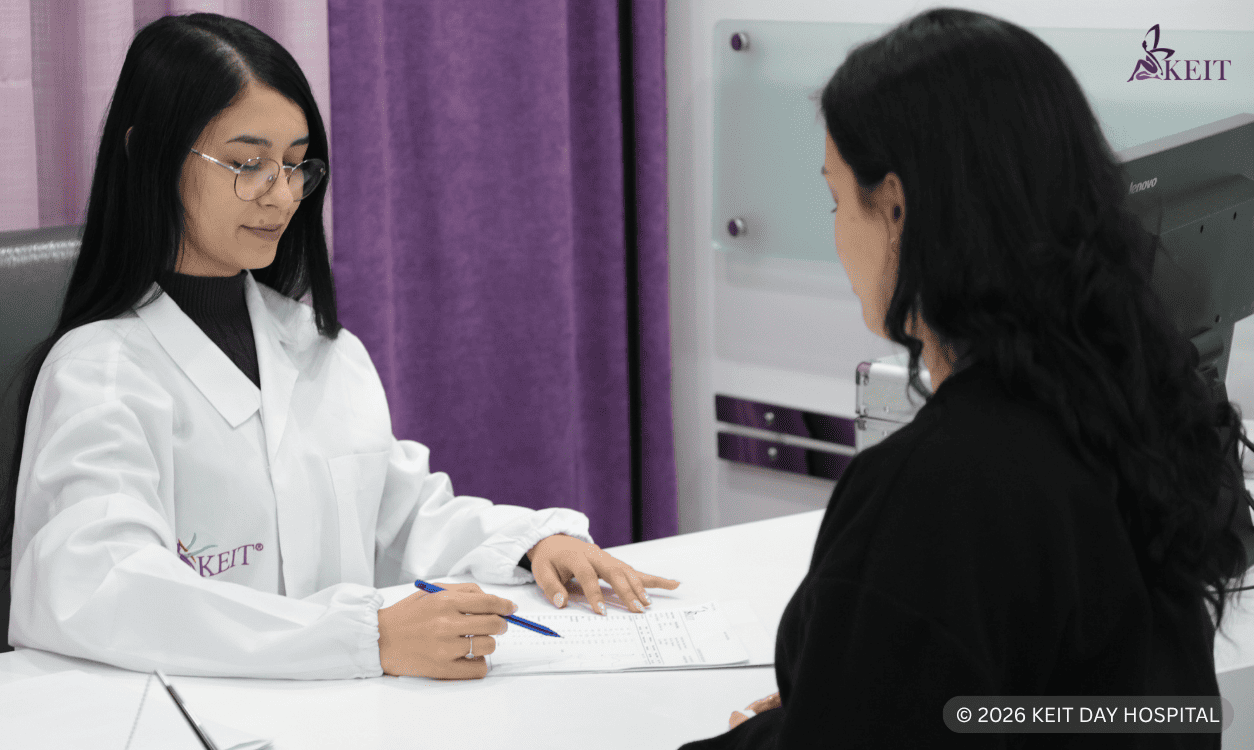
Preoperative counseling should avoid two extremes: presenting combined procedures as automatically dangerous or, conversely, as simple convenience surgeries. Evidence suggests a more precise message: some combinations may be safe, but only with appropriate selection, correct planning and risk management.
- The consultation should include discussion of:
- Why the procedures are being combined;
- Whether it would be safer to perform them separately;
- Expected operative duration;
- Risk of seroma, hematoma and infection;
- Thromboembolic risk;
- Probability of revision or reoperation;
- Postoperative recovery burden;
- Clinical signs requiring medical evaluation.
Evidence summary on safety and complications
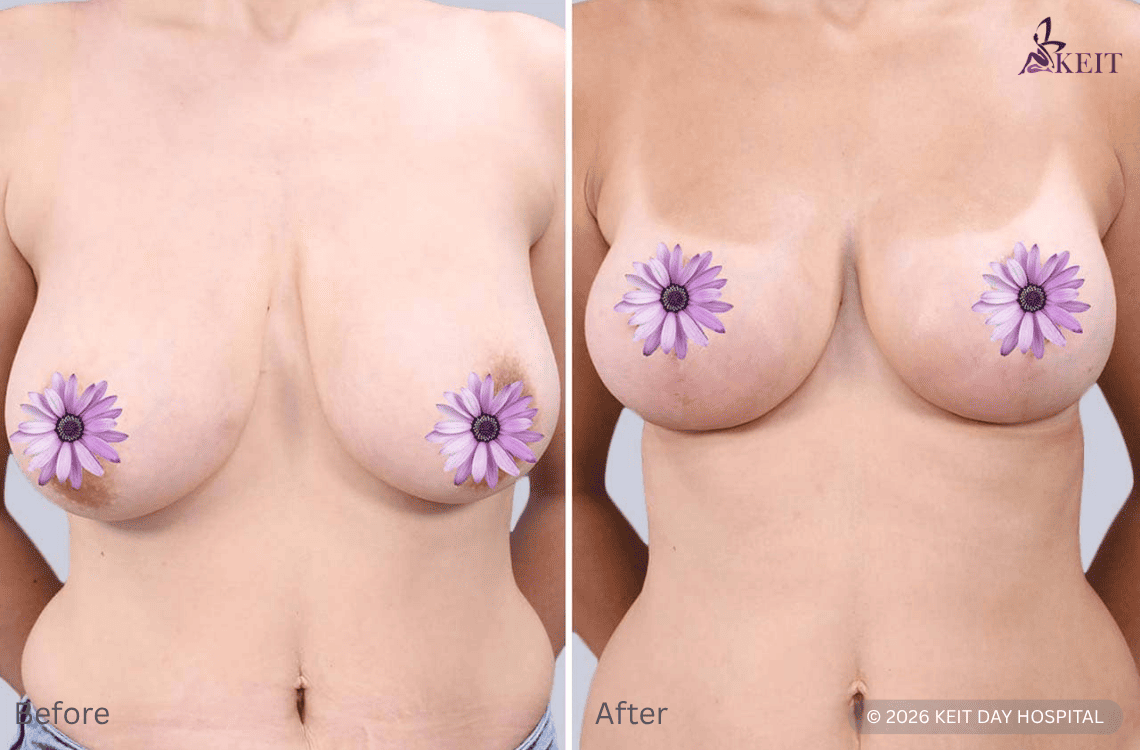
The selected PubMed meta-analyses on breast-abdomen procedures, lipoabdominoplasty, abdominoplasty with liposuction, seroma prevention and combined gluteal augmentation indicate that:
- Combined aesthetic procedures are not automatically more dangerous when the patient is appropriately selected.
- Lipoabdominoplasty and abdominoplasty with selected liposuction do not necessarily show more complications than traditional abdominoplasty.
- Breast-abdomen combinations should be evaluated according to the most invasive procedure and the total surgical burden.
- Seroma remains a central complication in abdominal combinations, especially when liposuction is included.
- Safety depends on patient selection, surgical technique, operative duration and complication prevention.
- Combined aesthetic surgery should be planned according to individual risk, not as a standard package.
Bibliography: The five PubMed-indexed meta-analyses considered
Skorochod R. Risk of Concomitant Abdominoplasty and Breast Surgery versus Isolated Procedures: A Systematic Review and Meta-analysis. Aesthetic Plastic Surgery. 2026. PMID: 42089979.
Li H. Comparative Efficacy of Seroma Prevention Strategies in Abdominoplasty with Liposuction: A Systematic Review and Bayesian Model-based Network Meta-Analysis. Aesthetic Plastic Surgery. 2026. PMID: 41857159.
Elsaftawy A. Characteristics and Complications of Combined Implant and Lipoplasty Techniques in Primary Gluteal Augmentation: A Systematic Review and Meta-Analysis. Aesthetic Surgery Journal. 2025. PMID: 41092126.
Raghuram AC. The Addition of Partial or Circumferential Liposuction to Abdominoplasty Is Not Associated With a Higher Risk of Skin Necrosis. Aesthetic Surgery Journal. 2021. PMID: 32856688.
Xia YJ. Safety of Lipoabdominoplasty Versus Abdominoplasty: A Systematic Review and Meta-analysis. Aesthetic Plastic Surgery. 2019. PMID: 30511162.