Published on:
 Modified on:

 Reading Time: 5 min
 Varicose Veins
Sclerotherapy is a minimally invasive medical procedure used to treat spider veins and small superficial varicose veins, most commonly affecting the legs. The treatment involves injecting a specialized solution directly into the affected veins, causing them to collapse, close and gradually be absorbed by the body. Rather than simply covering visible veins, sclerotherapy targets the underlying venous problem, improving both the appearance of the skin and local blood circulation when performed by experienced medical professionals.
 Table of Contents:
-
1
 What is sclerotherapy and who is it suitable for?
-
2
What causes spider veins on legs and superficial varicose veins?
-
3
Main types of sclerotherapy techniques for varicose veins treatment and spider vein treatment
-
4
Sclerotherapy explained: How the treatment works
-
5
Sclerotherapy before and after: Results timeline
-
6
Recovery after sclerotherapy and aftercare tips
-
7
Is sclerotherapy safe? Potential risks and complications of sclerotherapy
-
8
Who should avoid sclerotherapy? Contraindications explained
-
9
Sclerotherapy cost: What influences the price in the UK?
-
10
Sclerotherapy vs laser vein treatment: What’s the difference?
In this comprehensive guide, you will learn what sclerotherapy is, how the treatment works and who it is suitable for. You will also understand what causes spider veins, what results you can realistically expect, how long recovery takes, the potential risks involved, cost factors and how sclerotherapy compares with laser vein treatments.
What is sclerotherapy and who is it suitable for?
Sclerotherapy is a non-surgical vein treatment designed to eliminate spider veins and small superficial varicose veins. It is used to improve the appearance of visible veins and, in selected cases, to relieve mild symptoms associated with superficial venous insufficiency. The treatment is performed on an outpatient basis and does not require anesthesia.
Sclerotherapy is suitable for individuals who have visible superficial veins that do not improve with lifestyle changes and who are in good general health. A medical consultation is essential to confirm that the veins are appropriate for this type of treatment.
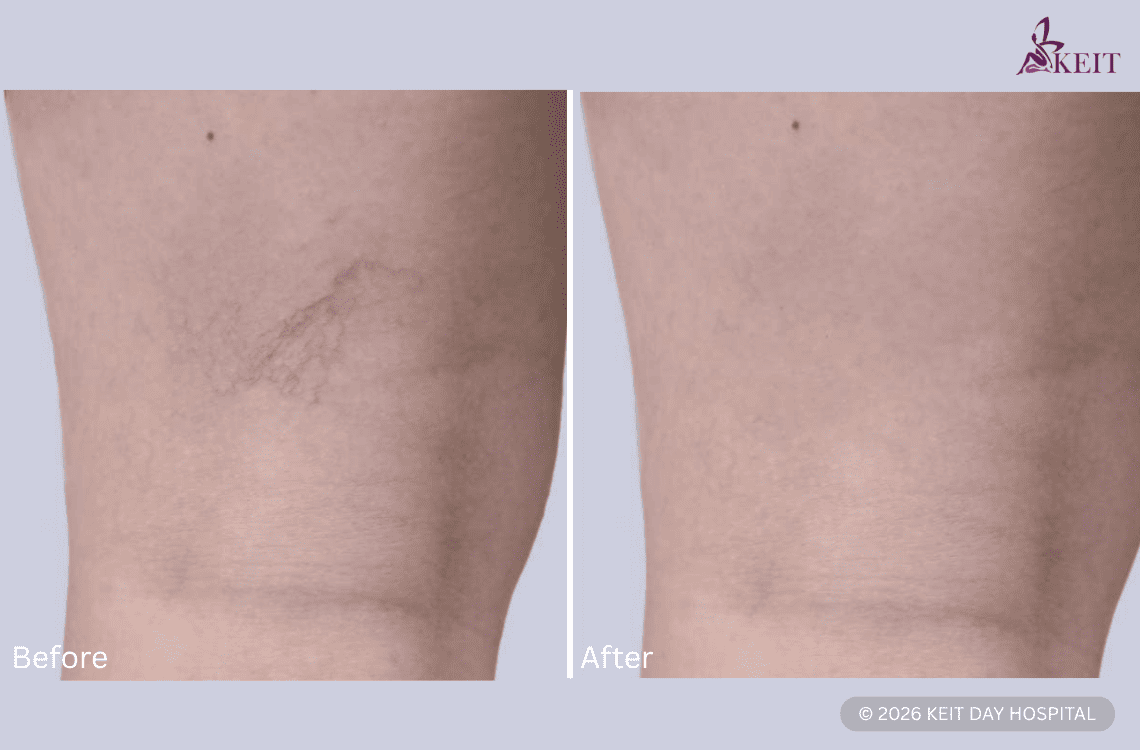
What causes spider veins on legs and superficial varicose veins?
Spider veins and superficial varicose veins develop when vein walls weaken and valves fail to function properly, allowing blood to pool instead of flowing efficiently back toward the heart. Several factors contribute to their formation:
- Genetic predisposition to venous weakness
- Hormonal changes, particularly during pregnancy or menopause
- Prolonged standing or sitting
- Age-related loss of vein elasticity
- Increased pressure on leg veins during pregnancy
- Previous vein damage or venous insufficiency.
Over time, these factors cause veins to enlarge and become visible beneath the skin surface.
Main types of sclerotherapy techniques for varicose veins treatment and spider vein treatment
Different sclerotherapy techniques are used depending on the size, depth and location of the veins:
- Liquid sclerotherapy: Best suited for fine spider veins and small superficial veins.
- Foam sclerotherapy: Used for slightly larger superficial veins, allowing better contact with vein walls.
- Ultrasound-guided sclerotherapy: Enables accurate treatment of deeper or less visible veins.
The choice of technique is based on clinical evaluation and individual vein anatomy.

Sclerotherapy explained: How the treatment works
Sclerotherapy follows a structured and medically controlled process:
- Pre-treatment evaluation: Assessment of vein type, size and distribution.
- Preparation: The treatment area is cleaned and veins are identified.
- Injection phase: The sclerosant solution is injected using very fine needles.
- Vein closure: The treated vein collapses and blood flow is redirected.
- Compression support: Compression stockings are applied to support healing.
A typical session lasts between 20 and 45 minutes, depending on the number of veins treated. Patients are encouraged to walk immediately after treatment to promote healthy circulation.
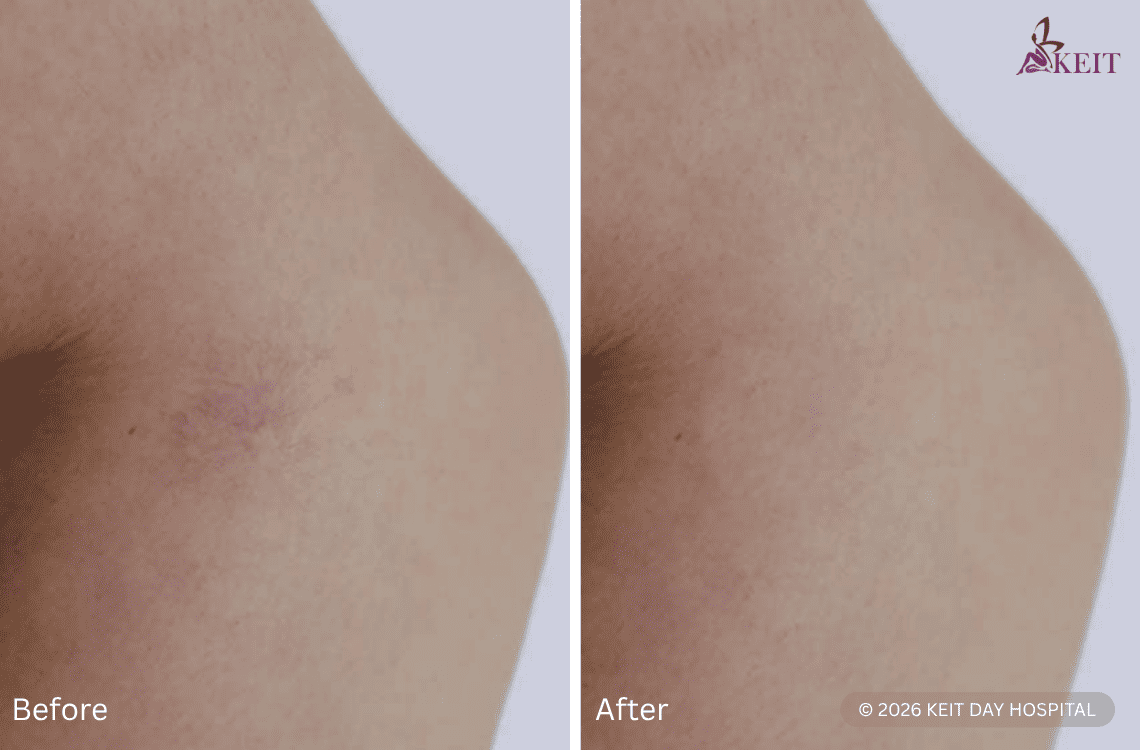
Sclerotherapy before and after: Results timeline
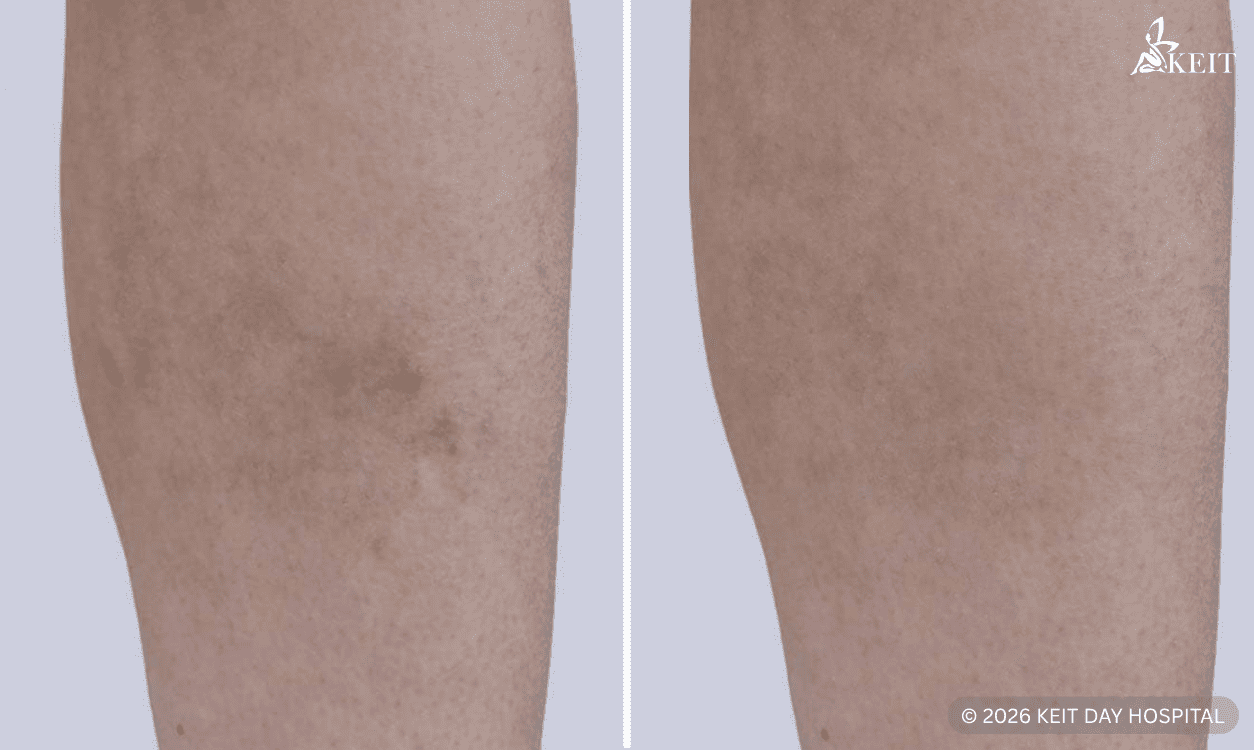
Sclerotherapy before and after results develop gradually rather than immediately. In the first days, treated veins may appear darker or slightly swollen before starting to fade. Most patients notice visible improvement within 3–6 weeks, while larger veins may take several months to fully resolve. Multiple sessions are often required to achieve optimal and even-looking results, especially when treating extensive vein networks.
Recovery after sclerotherapy and aftercare tips
Recovery after sclerotherapy is usually quick and uncomplicated:
- First 24–48 hours: Mild redness, swelling or bruising at injection sites.
- Days 3–7: Discomfort decreases and veins begin to collapse.
- Weeks 2–6: Progressive fading of treated veins.
- Months 2–3: Final aesthetic results become visible.
Patients are advised to wear compression stockings as prescribed, avoid intense physical activity for a short period and maintain light movement, such as walking, to support circulation and healing.
Is sclerotherapy safe? Potential risks and complications of sclerotherapy
When performed by experienced medical professionals, sclerotherapy is considered a safe and well-tolerated procedure. As with any medical treatment, potential risks may occur:
- Common side effects: Temporary redness, swelling, bruising, mild tenderness or itching at the injection sites.
- Procedure-related risks: Temporary skin discoloration, small lumps along treated veins or mild inflammation.
- Rare complications: Allergic reactions to the sclerosant, skin ulceration, infection or vein inflammation.
Proper technique, correct vein selection and adherence to post-treatment care significantly reduce these risks.
Who should avoid sclerotherapy? Contraindications explained
Sclerotherapy may not be suitable for individuals who:
- Are pregnant or breastfeeding
- Have active deep vein thrombosis
- Suffer from severe peripheral arterial disease
- Have known allergies to sclerosant agents
- Have active skin infections in the treatment area.
A thorough medical consultation is essential to ensure patient safety and appropriate treatment selection.
Sclerotherapy cost: What influences the price in the UK?
Sclerotherapy in the UK varies based on several factors:
- Extent of the treated area: Localized spider veins versus widespread superficial vein networks.
- Number of veins treated: Larger or multiple vein clusters may require longer sessions.
- Number of sessions required: Some patients need multiple treatments for optimal results.
- Type of sclerotherapy technique: Liquid, foam or ultrasound-guided sclerotherapy.
- Clinic standards and practitioner experience: Highly specialized clinics may charge higher fees.
In the UK, sclerotherapy prices typically range from 300 to 1,500 euro, depending on treatment complexity, number of sessions and inclusions.
Sclerotherapy vs laser vein treatment: What’s the difference?
Although both treatments aim to reduce visible veins, they differ in how they are applied and which vein types they treat best.
- Sclerotherapy: Uses injectable solutions for spider veins treatment and small superficial varicose veins, including veins that are slightly deeper or part of larger vein networks. It is usually more effective for more visible or widespread veins.
- Laser vein treatment: Uses external laser energy applied through the skin and is mainly used for very fine, superficial veins that are too small for injection.
Sclerotherapy is usually preferred for larger spider veins and superficial varicose veins, while laser treatment is reserved for very small surface vessels. In some cases, combining both treatments helps achieve more even and long-lasting results.