Published on:
 Modified on:

 Reading Time: 5 min
 Breast reduction
Areola reduction is a surgical procedure that reduces the diameter of enlarged or stretched areolas. It reduces the size of the pigmented area around the nipple to create a more proportionate nipple-areola complex while preserving a natural breast appearance.
 Table of Contents:
-
1
 What is areola reduction?
-
2
Who is a suitable candidate for areola reduction surgery?
-
3
What causes large or stretched areolas?
-
4
Areola reduction vs nipple reduction: what is the difference?
-
5
Areola reduction procedure: how is surgery performed?
-
6
Areola reduction combined with breast surgery: augmentation, lift or reduction
-
7
Areola reduction before and after: recovery, scars and expected results
-
8
Areola reduction risks: sensation, breastfeeding and complications
-
9
Areola reduction surgery cost in the UK: what affects the final price?
In this article we explain what areola reduction is, who is suitable for surgery, what causes large or stretched areolas, and how areola reduction differs from nipple reduction. We also cover how the procedure is performed, when it can be combined with breast surgery, expected results, recovery, scars, risks, and cost in the UK.
What is areola reduction?
Areola reduction is a cosmetic breast surgery that reduces the size of the areola, the pigmented skin surrounding the nipple. It is performed to make enlarged, stretched, uneven, or disproportionate areolas look smaller and more balanced in relation to the breast. It improves the appearance of the nipple-areola complex without changing breast volume.
Who is a suitable candidate for areola reduction surgery?
Areola reduction surgery is suitable for patients whose areola size, shape, or symmetry appears disproportionate to the breast. Suitability is assessed based on:
- Enlarged areolas that look too wide in relation to breast size.
- Stretched areolas after pregnancy, breastfeeding, weight change, or breast enlargement.
- Uneven areola size, shape, or position between the breasts.
- Areolas that have widened after previous breast surgery.
- Stable breast size, especially if future pregnancy or major weight changes are not planned.
- Healthy breast tissue with no active infection, inflammation, or untreated skin condition.
- Realistic expectations about areola size, scar position, and healing.
What causes large or stretched areolas?
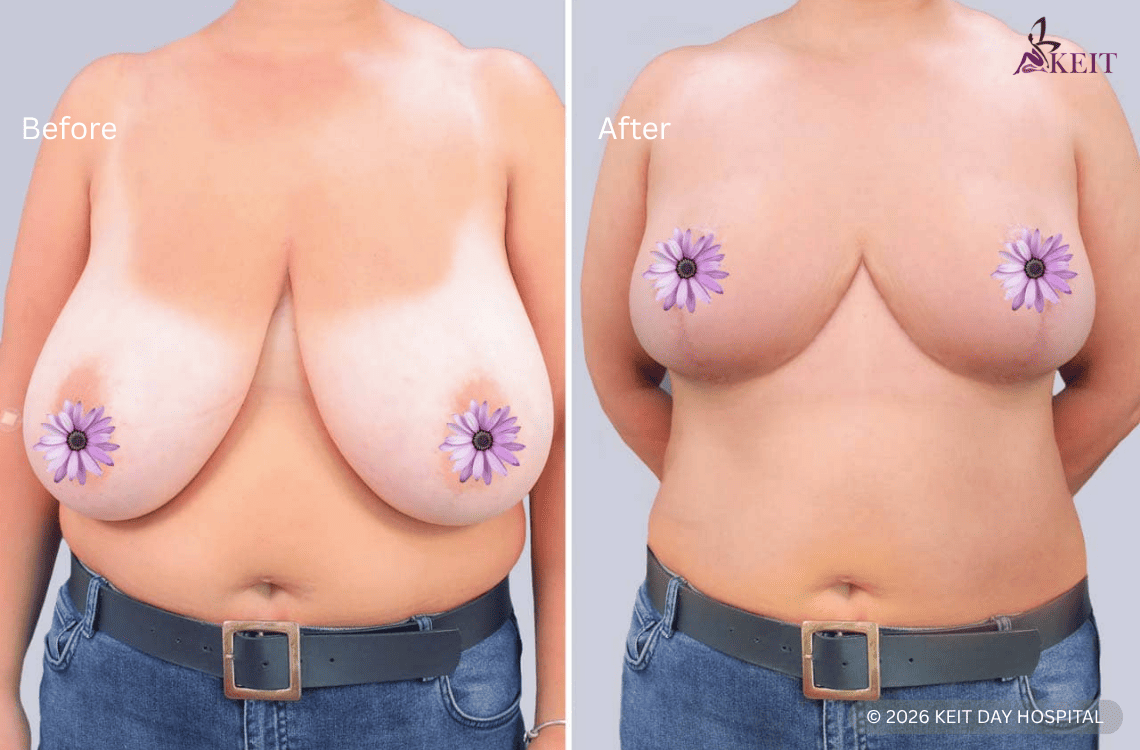
Large or stretched areolas are usually caused by natural breast development, skin stretching, or changes in breast volume over time. Common causes include:
- Genetics: The areolas may naturally enlarge during puberty as the breasts develop.
- Pregnancy and breastfeeding: Breast enlargement can stretch the areolar skin and change the size of the nipple-areola complex.
- Weight changes: Changes in breast volume can widen the areola, especially when the skin loses elasticity.
- Breast ptosis: Sagging breast tissue can pull on the areola and make it appear wider or less rounded.
- Previous breast surgery: Breast augmentation, lift, or reduction can affect areola size and tension.
- Ageing: Reduced skin elasticity can make the areola stretch further over time.

Areola reduction vs nipple reduction: what is the difference?
Areola reduction and nipple reduction are different procedures that address different parts of the nipple-areola complex.
- Areola reduction: reduces the size of the areola, the pigmented skin surrounding the nipple. It is performed when the areolas are enlarged, stretched, or disproportionate to the breast.
- Nipple reduction: reduces the size of the nipple by decreasing its height, width, or projection. It is performed when the nipples appear enlarged or prominent.
Some patients benefit from both procedures, particularly when enlarged areolas and prominent nipples are present together. A consultation determines whether areola reduction, nipple reduction, or a combination of both will provide the most balanced result.
Areola reduction procedure: how is surgery performed?
Areola reduction surgery is performed under local anaesthesia or general anaesthesia and takes about 1 hour when performed alone. The surgeon marks the new areola size, removes a circular section of excess areolar skin, and closes the incision with fine sutures around the areola border. The scar lies at the junction between the areola and surrounding skin, where it blends as it heals.
When areola reduction is combined with breast lift, reduction, or augmentation, the procedure takes longer and follows the surgical plan for the combined operation.
Areola reduction combined with breast surgery: augmentation, lift or reduction
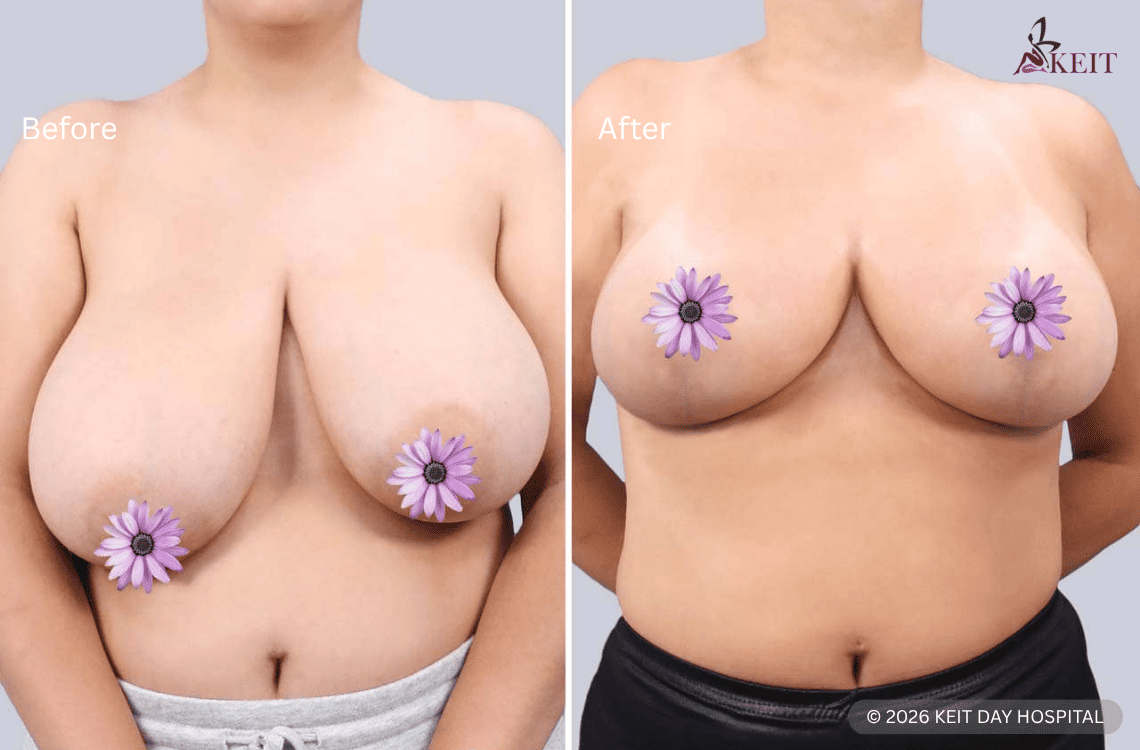
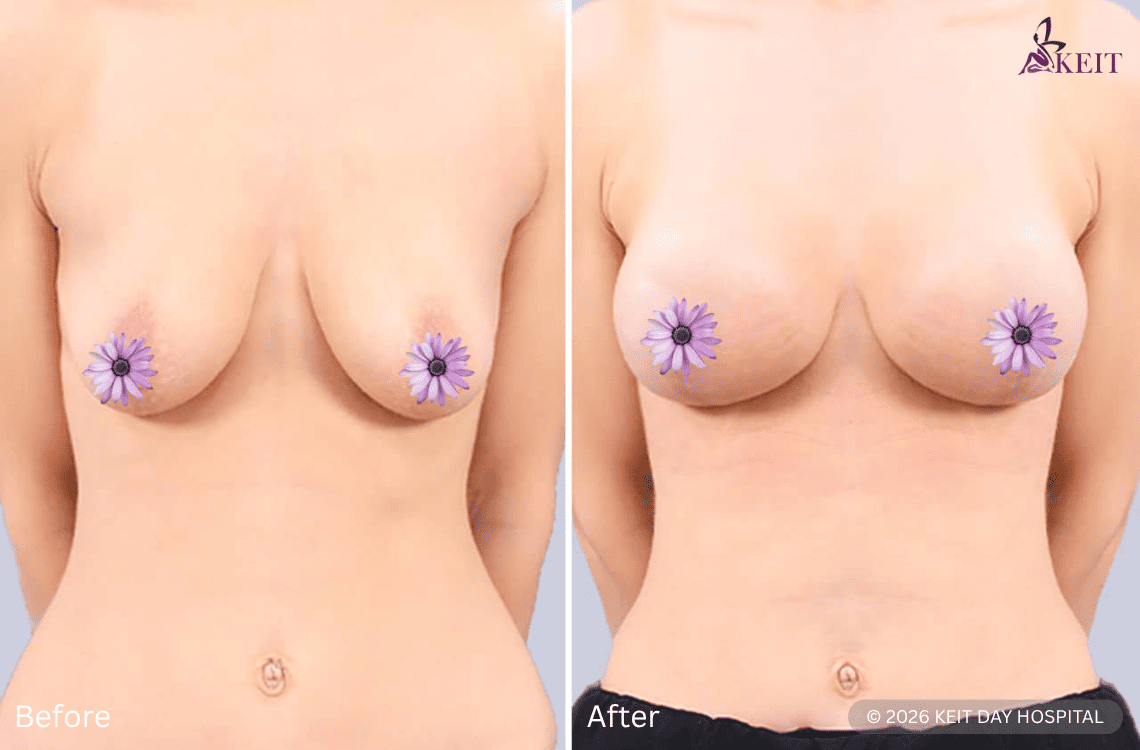
Areola reduction can be performed alone or combined with breast augmentation, lift, or reduction when areola size is part of a wider breast shape concern. It is commonly combined with:
- Breast augmentation: when improved breast proportion is desired alongside volume enhancement.
- Breast lift: when enlarged areolas are associated with sagging or low nipple position.
- Breast reduction: when areola size needs to be adjusted during breast reshaping.
The surgical plan depends on breast anatomy, skin quality, nipple position, and overall proportional balance of the breast.
Areola reduction before and after: recovery, scars and expected results
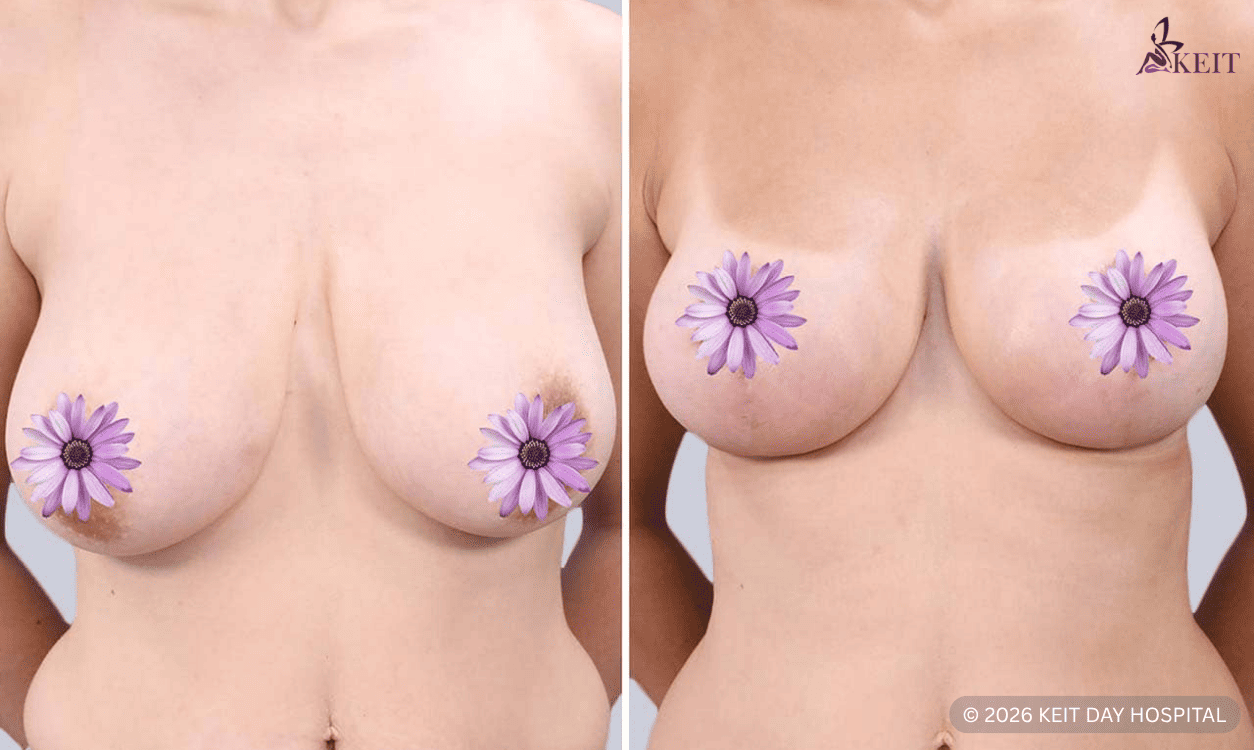
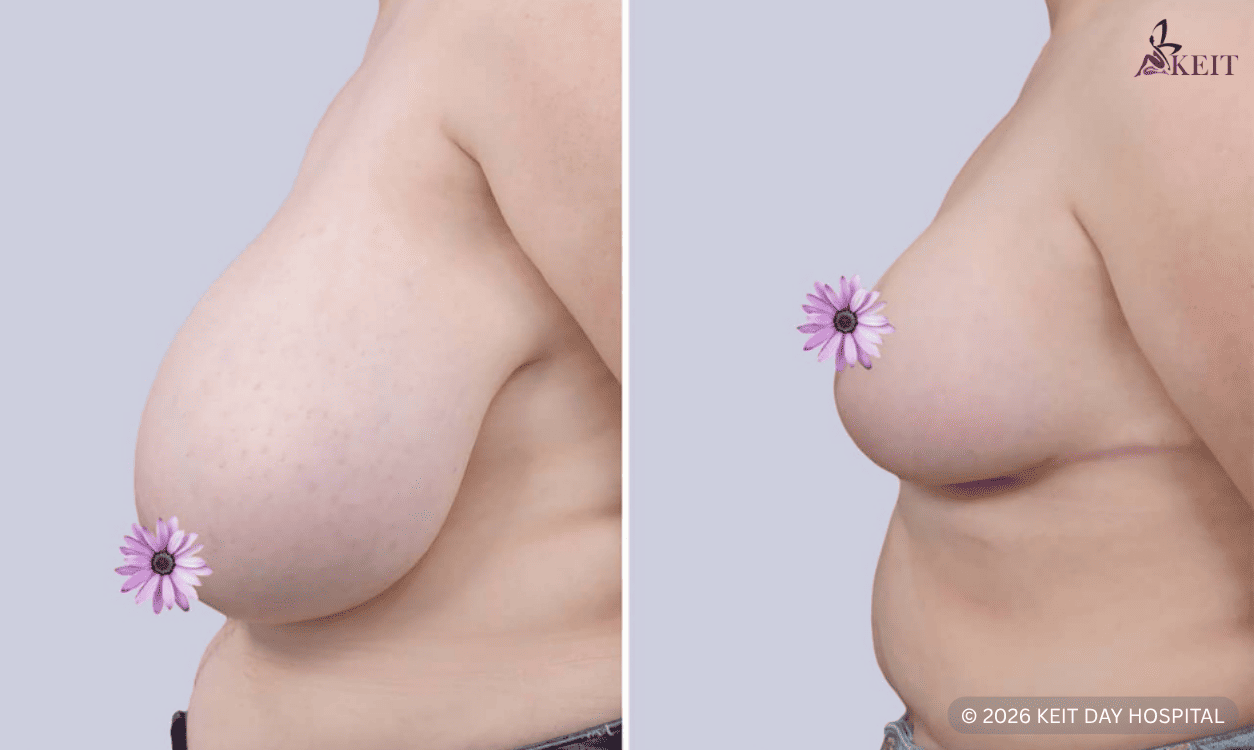
Areola reduction before and after results show a smaller, more proportionate areola with improved symmetry. Recovery follows a predictable healing course:
- Days 1–3: Swelling, tenderness, and tightness around the areola are most noticeable.
- Week 1: Early healing of the incision and gradual return to light daily activities.
- Weeks 2–4: Swelling reduces and the areola shape becomes more defined.
- Weeks 4–6: Most normal activities, including exercise, are resumed with medical clearance.
- Months 3–12: Scars gradually soften, flatten, and fade as they mature.
Areola reduction scars are placed along the areola border, where the colour transition helps conceal them. Final scar quality depends on skin type, wound tension, healing response, and post-operative care.
Areola reduction risks: sensation, breastfeeding and complications
Areola reduction is a low-risk breast procedure, but it can cause specific complications related to the nipple-areola complex. Possible risks include:
- Scarring: a circular scar around the areola that usually fades but may remain visible in some patients.
- Areola asymmetry: slight differences in size or shape between the two areolas after healing.
- Changes in sensation: temporary or permanent changes in nipple or areola sensitivity due to nerve involvement.
- Areola widening: recurrence of stretching over time, especially in patients with thin or less elastic skin.
- Wound healing issues: delayed healing or minor separation along the areola border in cases of tension or smoking.
- Pigment mismatch: uneven colour transition between areola and surrounding skin during healing.
- Breastfeeding impact: risk is low with areola reduction alone, as milk ducts are generally preserved, but may increase when combined with breast lift or breast reduction due to deeper glandular involvement.
Areola reduction surgery cost in the UK: what affects the final price?
Areola reduction surgery in the UK typically costs between 3,000 and 5,000 euro, depending on complexity and whether it is performed alone or with other breast procedures. The final cost is influenced by:
- Surgical complexity: asymmetry correction or significant size reduction requires more precision and operative time.
- One or both areolas: bilateral treatment increases overall cost.
- Combined procedures: breast lift, augmentation, or reduction increases total price.
- Surgeon expertise: specialist breast surgeons generally charge higher fees.
- Anaesthesia and facility fees: local versus general anaesthesia and hospital setting affect pricing.