Published on:
 Modified on:

 Reading Time: 5 min
 Breast reduction
Heavy breasts can affect more than appearance. They can influence posture, clothing choices, physical comfort and the way the upper body feels in everyday movement. For many patients, breast reduction creates a visible change in proportion, while also making the chest feel lighter, easier to support and more comfortable in daily life.
 Table of Contents:
-
1
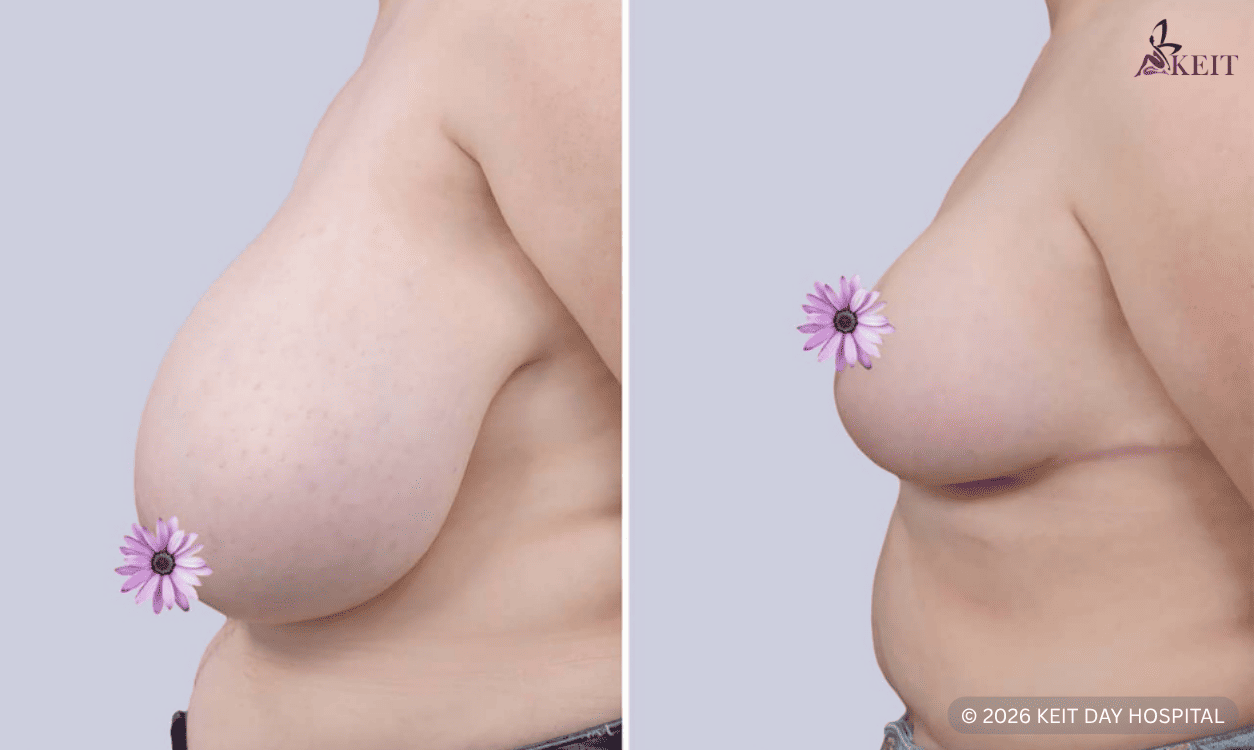
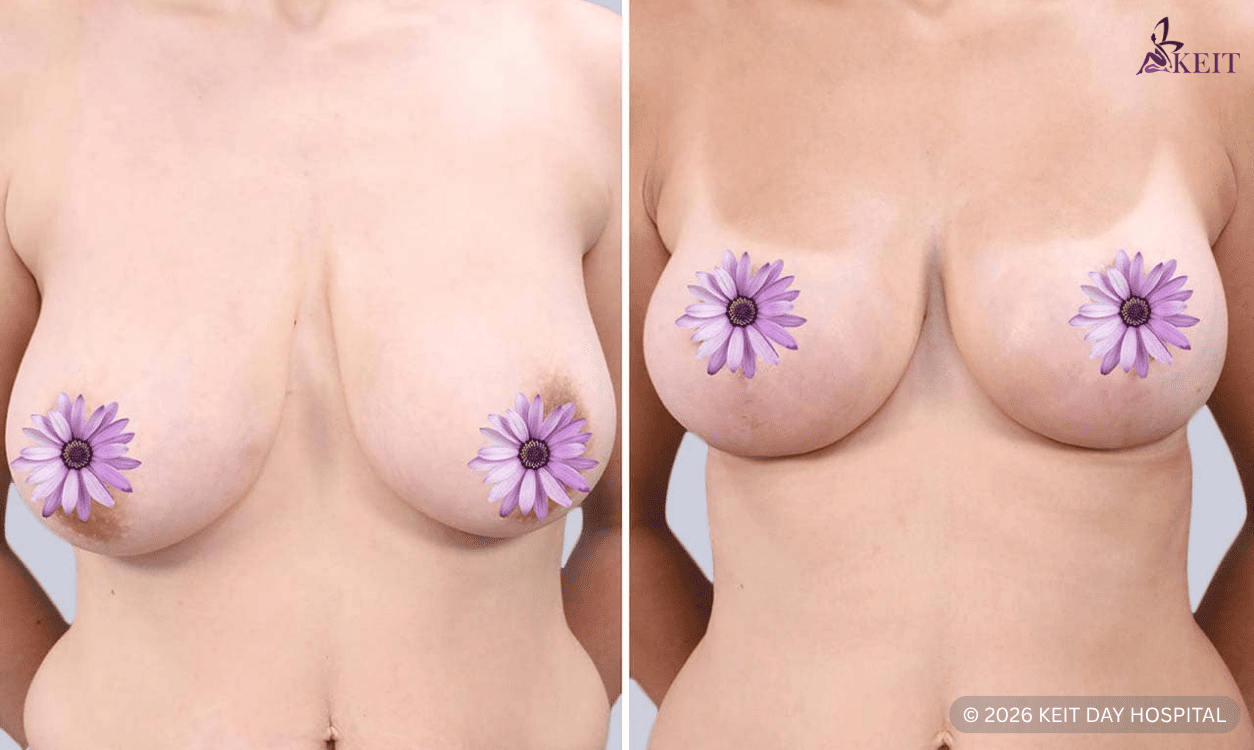
 Breast reduction before and after: size, shape and breast position
-
2
When do breast reduction results start to show?
-
3
How long after breast reduction will I know my size?
-
4
Breast reduction recovery timeline: When can you return to normal life?
-
5
Breast reduction aftercare: What to avoid during recovery
-
6
Breast reduction scars: How they look and how they heal
-
7
Can breast reduction results change over time?
-
8
When to contact your surgeon after breast reduction
In this article, we explain what breast reduction before and after results can show, how the breasts change during recovery, when the final size becomes clearer, what happens with scars, what to avoid after surgery and when normal activities can usually resume.
Breast reduction before and after: size, shape and breast position
A successful breast reduction is not measured only by how much volume is removed. The result also depends on how the remaining breast tissue is shaped, how the breasts sit on the chest and how naturally they match the patient’s body frame.
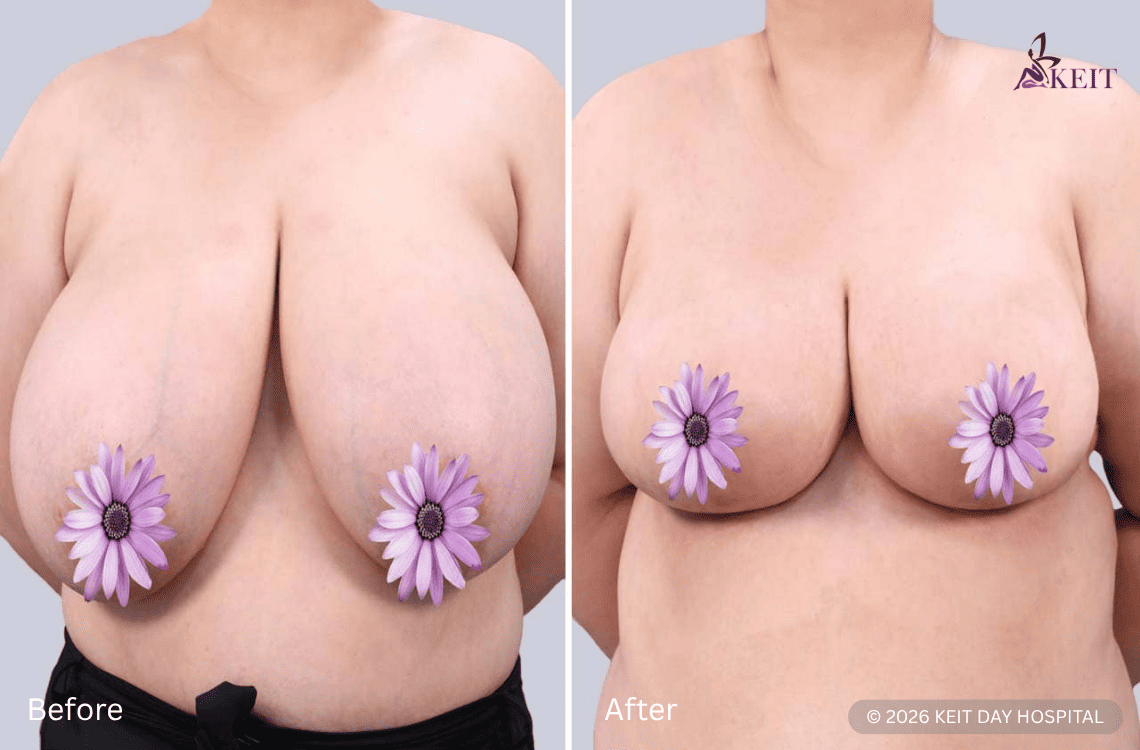
During surgery, excess breast tissue, fat and skin are removed to reduce heaviness and improve proportion. In many cases, the breast is also lifted and reshaped, with the nipple-areola complex repositioned when needed to create a more balanced breast position.
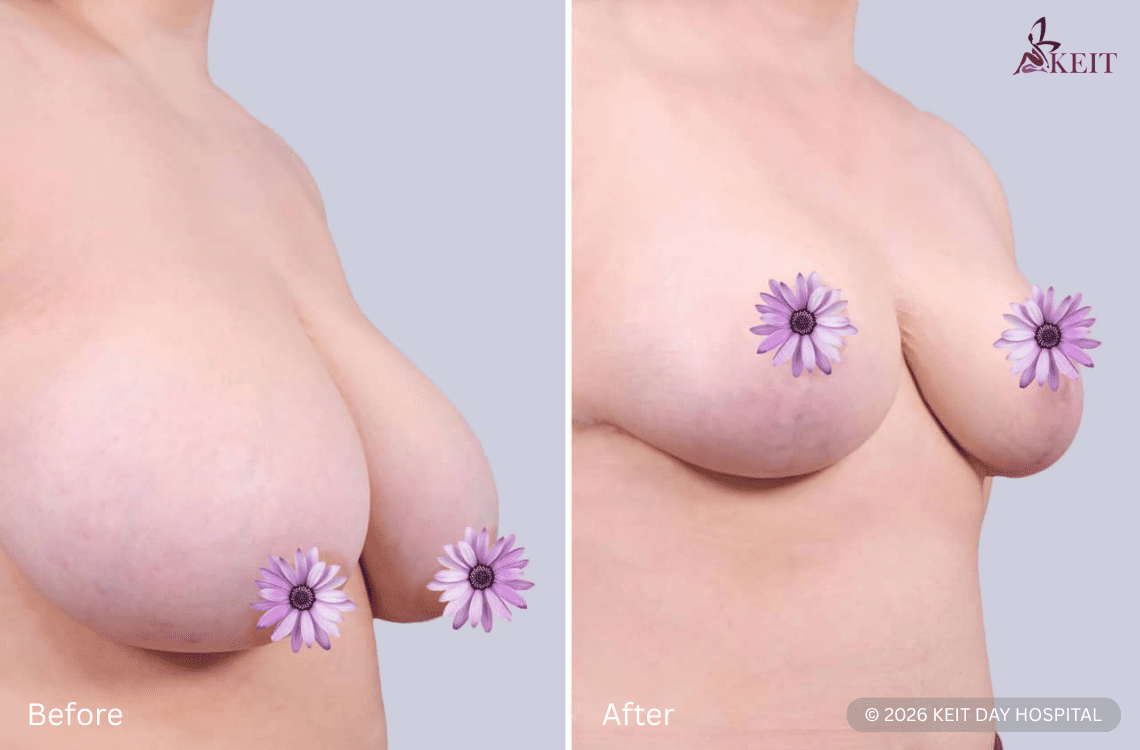
Before and after results may show a smaller breast size, a lighter upper-body contour and a more lifted breast shape. Mild asymmetry can still remain, because natural breasts are rarely identical, but the goal is a result that looks balanced, comfortable and proportionate.
When do breast reduction results start to show?
Breast reduction is visible immediately after surgery, but the early appearance is only the first stage of the result. The breasts continue to soften, settle and refine as swelling decreases and the tissues heal.
A general recovery timeline may look like this:
- Immediately after surgery: the breasts are smaller, but their shape is still affected by swelling, dressings and early firmness.
- First 2 weeks: bruising, swelling and sensitivity begin to improve, although the breasts may still feel tight.
- Weeks 4–6: the breasts start to settle into a more natural position, and the contour becomes easier to evaluate.
- After 2–3 months: breast size and shape usually look more stable.
- Following months: remaining swelling continues to fade, scars mature and the final result becomes clearer.
How long after breast reduction will I know my size?
Your final breast size cannot be judged in the first days after surgery because swelling and tissue tightness can make the breasts appear fuller or firmer than they will later be. Most patients have a clearer idea of their new size around 6–8 weeks after breast reduction, once swelling has reduced and the breast shape has become more stable.
Before surgery, the surgeon can plan the reduction based on your body proportions and desired outcome. However, the final cup size can only be confirmed after healing, as the result continues to refine over the following months.
Breast reduction recovery timeline: When can you return to normal life?
Recovery after breast reduction is gradual, and the return to normal activities depends on healing, discomfort, the type of work you do and your surgeon’s instructions. In general, light movement starts early, while exercise and heavier activity require more time.
A typical recovery timeline may look like this:
- First 24–48 hours: rest is the priority, with short gentle walks to support circulation.
- Days 3–7: light daily activities at home may resume, but lifting, stretching and sudden upper-body movements should be avoided.
- After 1–2 weeks: many patients can return to desk work or non-physical jobs if they feel comfortable and are no longer taking strong pain medication.
- Weeks 3–4: daily movement usually feels easier, but heavy lifting, intense exercise and chest pressure should still be avoided.
- Weeks 4–6: light exercise may gradually resume if healing is progressing well and the surgeon confirms it is safe.
- After 6 weeks: upper-body workouts, heavier activity and more intense exercise may be resumed gradually with medical approval.
Breast reduction aftercare: What to avoid during recovery
Aftercare helps protect the incisions, reduce tension on healing tissue and support the final breast shape. During the first weeks, patients should follow the surgeon’s instructions and avoid anything that puts pressure or strain on the chest.
This includes avoiding:
- Heavy lifting: heavy bags, children or weights until approved by the surgeon.
- Upper-body strain: chest, shoulder and arm workouts during early recovery.
- Sleeping on the stomach: direct pressure on the breasts while healing.
- Skipping the surgical bra: it should be worn as instructed.
- Swimming or soaking wounds: pools, baths and saunas until incisions are fully closed.
Smoking and alcohol may also need to be avoided during early recovery, depending on the surgeon’s instructions.
Breast reduction scars: How they look and how they heal
Scars are expected after breast reduction, but their position depends on the surgical technique and the amount of tissue removed. Incisions are often placed around the areola, vertically down to the breast fold, and sometimes along the natural crease under the breast.
During the first months, scars may look pink, red or slightly raised. With proper care and time, they usually become flatter and lighter, although they may not disappear completely.
Scar healing depends on skin type, incision tension, aftercare and the body’s natural healing response. Avoiding sun exposure, pressure and unnecessary strain on the chest can help support better healing.
Book your FREE
Online Consultation Now

Can breast reduction results change over time?
Breast reduction results are usually long-lasting, but the breasts can still change over time. Weight gain, pregnancy, hormonal changes, aging and skin elasticity can all affect breast size, shape and position.
Maintaining a stable weight helps preserve the result for longer. If the body changes significantly after surgery, the breasts may also become larger, softer or lower than they were after the initial recovery.
When to contact your surgeon after breast reduction
Mild swelling, bruising and discomfort can be normal during early recovery. However, you should contact your surgeon if symptoms become stronger, appear suddenly or do not improve as expected.
Contact your surgeon if you notice:
- Increasing pain: discomfort that worsens instead of improving.
- Sudden swelling: especially if one breast changes quickly.
- Redness or warmth: around the incision areas.
- Discharge or bleeding: fluid, pus or bleeding from the wounds.
- Fever or chills: possible signs of infection.
- Wound opening: any separation along the incision line.
Shortness of breath, chest pain or sudden weakness should be treated as urgent and requires immediate medical attention.