Published on:
 Modified on:

 Reading Time: 5 min
 Breast reduction
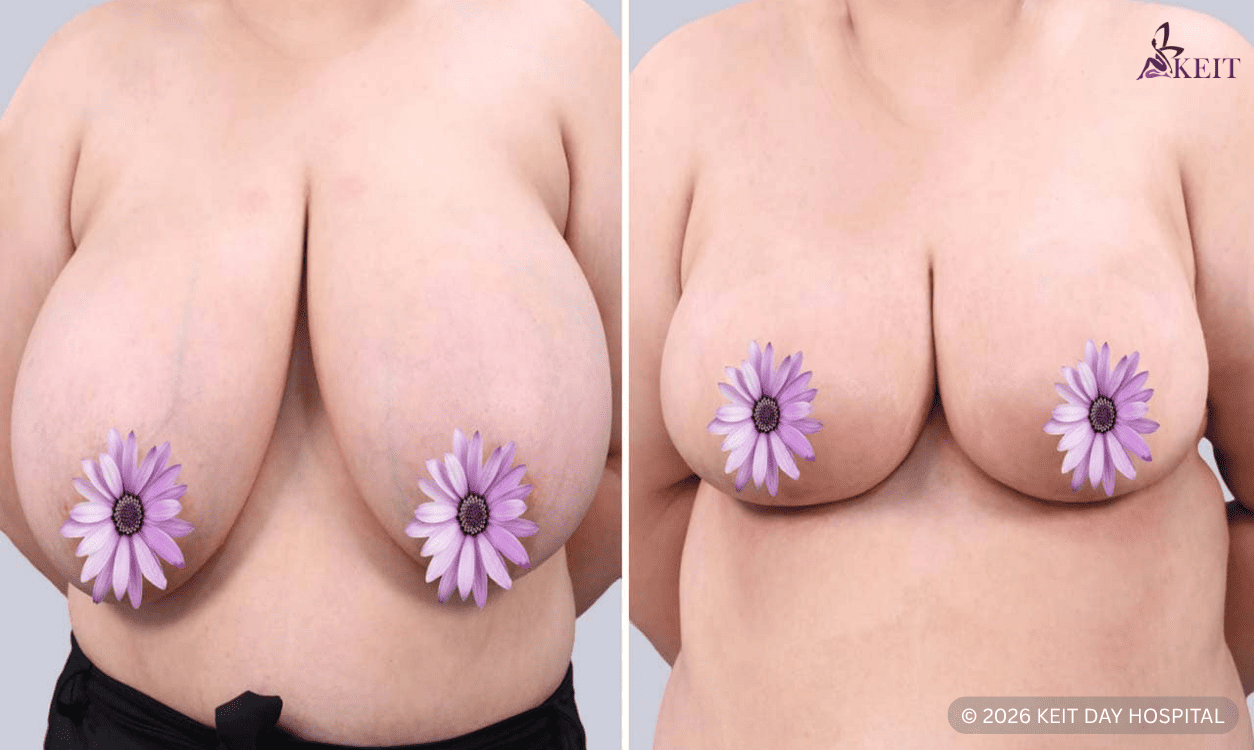
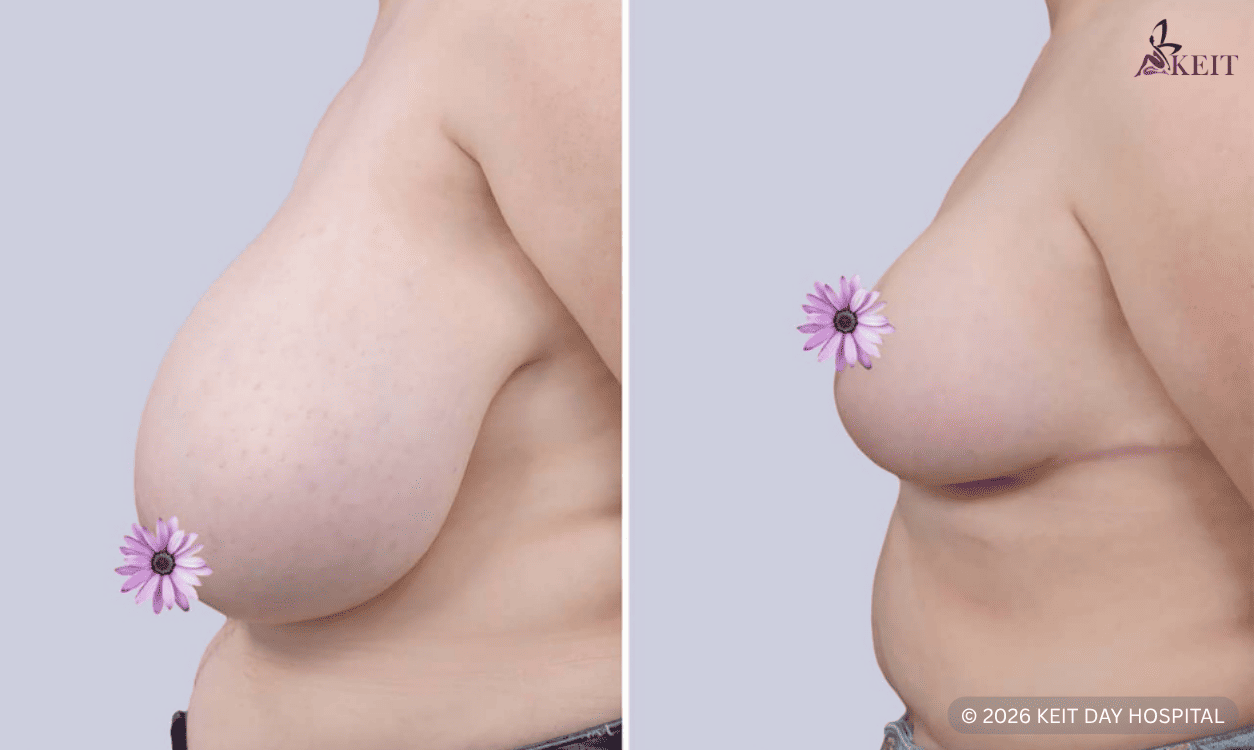
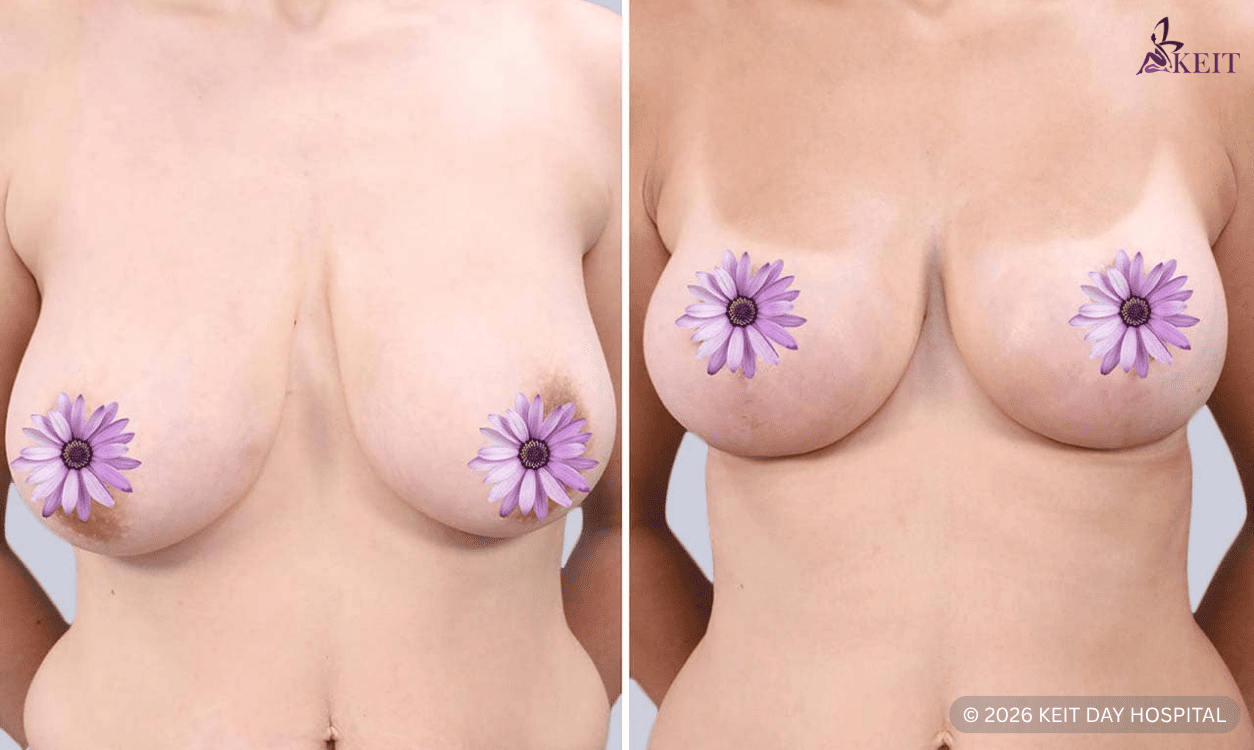
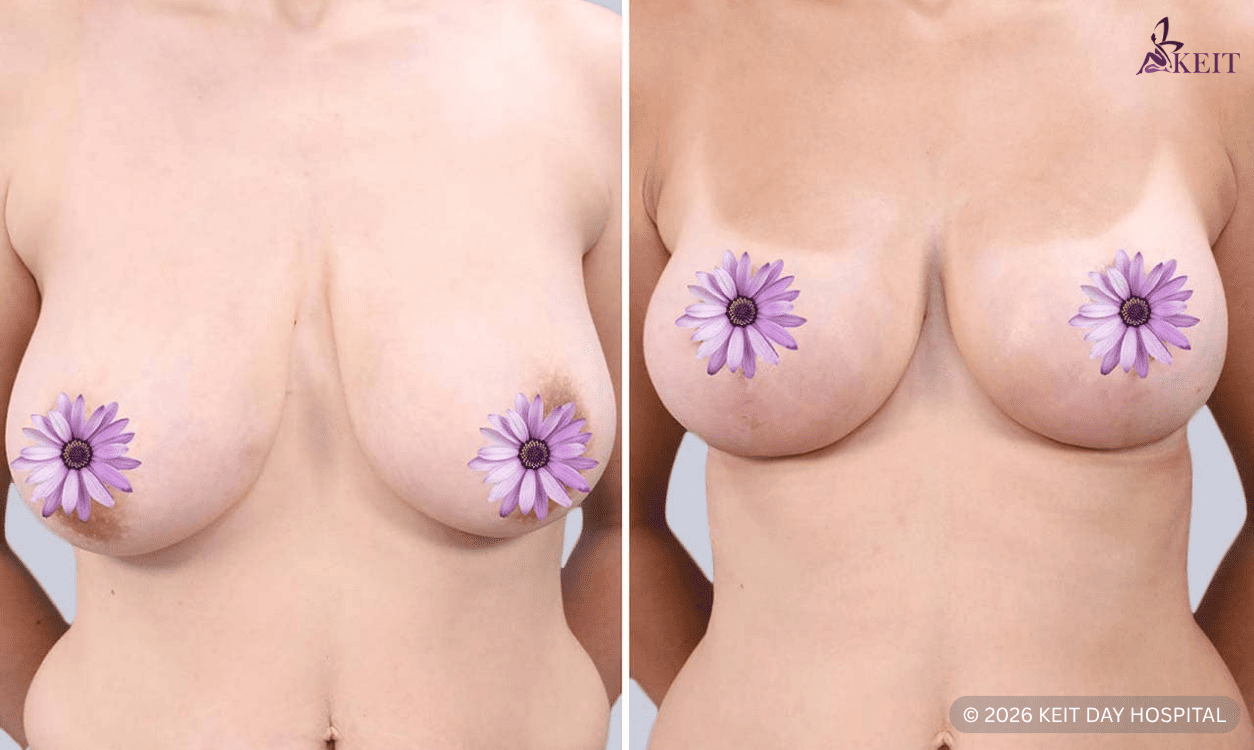
Recovery after breast reduction follows well-defined and progressive healing phases. Swelling, bruising, breast tightness and temporary discomfort are common during the first weeks as tissues heal and adjust to the new breast shape. With proper aftercare, realistic expectations and regular medical follow-up, recovery is usually smooth and safe, allowing swelling to gradually resolve and the breasts to settle into stable, long-term results.
 Table of Contents:
-
1
 How to prepare for breast reduction recovery
-
2
Breast reduction recovery time: What happens in the first hours and days?
-
3
Breast reduction recovery: Week by week
-
4
Medications, drains and pain management after breast reduction
-
5
Post-op bra and sleeping position after breast reduction surgery
-
6
Breast reduction scars: Healing, massage and skin management after surgery
-
7
Breast reduction recovery restrictions: What not to do
-
8
When to contact your surgeon during breast reduction recovery
This comprehensive guide explains how to prepare for breast reduction recovery, what happens during the first hours, days and weeks after surgery, and how pain is managed. It also covers post-operative bra use, proper sleeping position, as well as scar care during healing. In addition, it outlines the main recovery restrictions, signs that require medical attention, and answers common questions patients have during breast reduction recovery.
How to prepare for breast reduction recovery
Proper preparation before breast reduction surgery helps ensure a smoother recovery and reduces stress during the first days of healing. Before surgery, it is recommended to prepare:
- Extra pillows or wedge pillow for sleeping in an elevated position.
- Front-opening clothes and post-operative support bra.
- Prescribed medications already purchased.
- Water and easy-to-prepare light meals.
- A support person available for at least the first 24 hours after surgery.
Breast reduction recovery time: What happens in the first hours and days?
The early phase of breast reduction recovery is mainly characterized by post-operative rest, control of swelling, and gradual adaptation to the surgical changes.
- First hours: After surgery, it is normal to experience drowsiness, breast tightness, mild to moderate discomfort, and an initial feeling of swelling, while the effects of anesthesia gradually wear off and the breasts remain supported in dressings or a surgical bra.
- First 3–5 days: During the first few days, swelling and bruising usually become more evident, arm and upper-body movements remain limited, and discomfort is generally controlled with prescribed medication, rest, and proper post-operative support.
Breast reduction recovery: Week by week
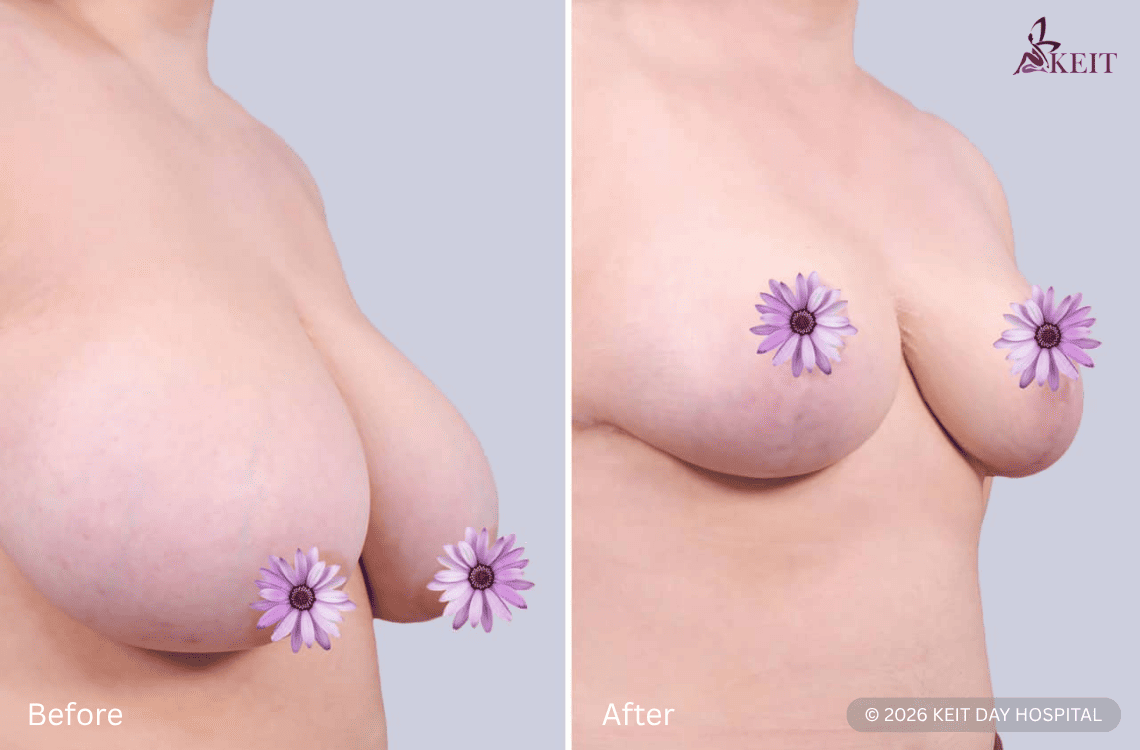
Understanding breast reduction recovery week by week helps patients anticipate the normal stages of healing as swelling decreases and breast tissues gradually settle.
- Week 1: Swelling, bruising, and breast tightness are most noticeable. Patients usually wear a surgical bra continuously, limit arm movement, and focus on rest while walking gently to support circulation.
- Week 2: Discomfort and swelling typically begin to improve. Light daily activities can usually be resumed, but lifting, pushing, or upper-body strain should still be avoided.
- Weeks 3–4: Most bruising resolves and swelling continues to decrease. Many patients return to desk-based work and normal daily routines, while the breasts begin to settle into a more natural shape.
- Weeks 5–6: Mobility and comfort improve significantly. Surgeons may allow a gradual return to light exercise, although high-impact activities and chest workouts are usually postponed.
- After 6 weeks: Most patients return to normal physical activity. Residual swelling gradually resolves over the following months as the final breast shape becomes more defined.

Medications, drains and pain management after breast reduction
Pain management after breast reduction is based on a tailored medication plan designed to control discomfort and reduce inflammation. Pain relief is usually provided with prescribed analgesics, and antibiotics may be given according to the surgeon’s post-operative protocol.
In selected cases, temporary drains may be placed to reduce fluid accumulation and are commonly removed within the first week, depending on drainage volume and the surgeon’s assessment. Proper pain control and early support of the breasts help make recovery more comfortable and allow patients to move more easily during the first days after surgery.
Post-op bra and sleeping position after breast reduction surgery
A supportive post-operative bra is essential during breast reduction recovery because it stabilizes the breasts, reduces swelling, and protects the surgical incisions while tissues heal. An ideal post-operative bra should be:
- Front-closing to avoid raising the arms.
- Made of soft, breathable fabric to reduce skin irritation.
- Equipped with wide adjustable straps for balanced support.
- Free of underwires to prevent pressure on incisions.
- Firm enough to provide gentle compression and control swelling.
Patients are advised to sleep on their back with the upper body slightly elevated during the first weeks. Sleeping on the stomach or side should be avoided until the surgeon confirms that the breasts have healed sufficiently.
Breast reduction scars: Healing, massage and skin management after surgery
Breast reduction scars are a normal part of the healing process after surgery. Once incisions are fully closed, silicone-based products are typically recommended to maintain tissue elasticity and support a smooth scar maturation. Protecting the area from UV exposure is critical, as early scar tissue is highly susceptible to permanent darkening. While massage can help soften the tissue, it should only be initiated under your surgeon’s guidance. With consistent care, scars will gradually fade, soften, and blend more naturally over time.
Breast reduction recovery restrictions: What not to do
Certain activities should be avoided during breast reduction recovery to protect the surgical results and prevent complications. During the early stages of recovery, patients are usually advised to avoid:
- Heavy lifting and carrying objects that strain the chest or upper body.
- Strenuous exercise and high-impact activities until your surgeon allows a gradual return.
- Intense arm or upper-body movements that may place tension on the healing tissues.
- Smoking or nicotine use, as it can slow wound healing and increase complication risk.
- Pressure or friction on the breasts, including tight clothing or sleeping on the stomach.
When to contact your surgeon during breast reduction recovery
Most patients experience a smooth breast reduction recovery, but certain symptoms require prompt medical evaluation. Contact your surgeon if you notice:
- Rapid or severe swelling in one breast, especially if it appears suddenly.
- Persistent or worsening pain that does not improve with prescribed medication.
- Signs of infection, such as redness, warmth, fever, or unusual discharge from the incision.
- Excessive bleeding or fluid leakage from the surgical area.
- Sudden changes in breast shape, color, or skin temperature.
- Separation of the incision or delayed wound healing.