Published on:
 Modified on:

 Reading Time: 6 min
 Arm lift
Brachioplasty, or arm lift surgery, is a cosmetic procedure that removes excess skin and tightens the upper arms to create a smoother, more toned and balanced contour. It is often chosen by individuals with sagging or loose skin caused by ageing, significant weight loss, or genetics, restoring firmness and a naturally defined arm shape.
 Table of Contents:
-
1
 What is brachioplasty and how does it work?
-
2
Ideal candidates for arm lift surgery
-
3
Main techniques of brachioplasty explained
-
4
Brachioplasty scar: Placement, healing & aftercare
-
5
Brachioplasty before and after results: Setting real expectations
-
6
Recovery after brachioplasty: Timeline and essential tips
-
7
Brachioplasty risks and complications you need to consider
-
8
Brachioplasty cost UK: Typical prices and main inclusions
In this article, we’ll explore what brachioplasty is and how it works, who makes the ideal candidate for arm lift surgery, the main techniques of brachioplasty, how scars heal, what results to expect before and after, the recovery timeline and the typical costs of arm lift surgery in the UK, helping you make an informed and confident decision.
What is brachioplasty and how does it work?
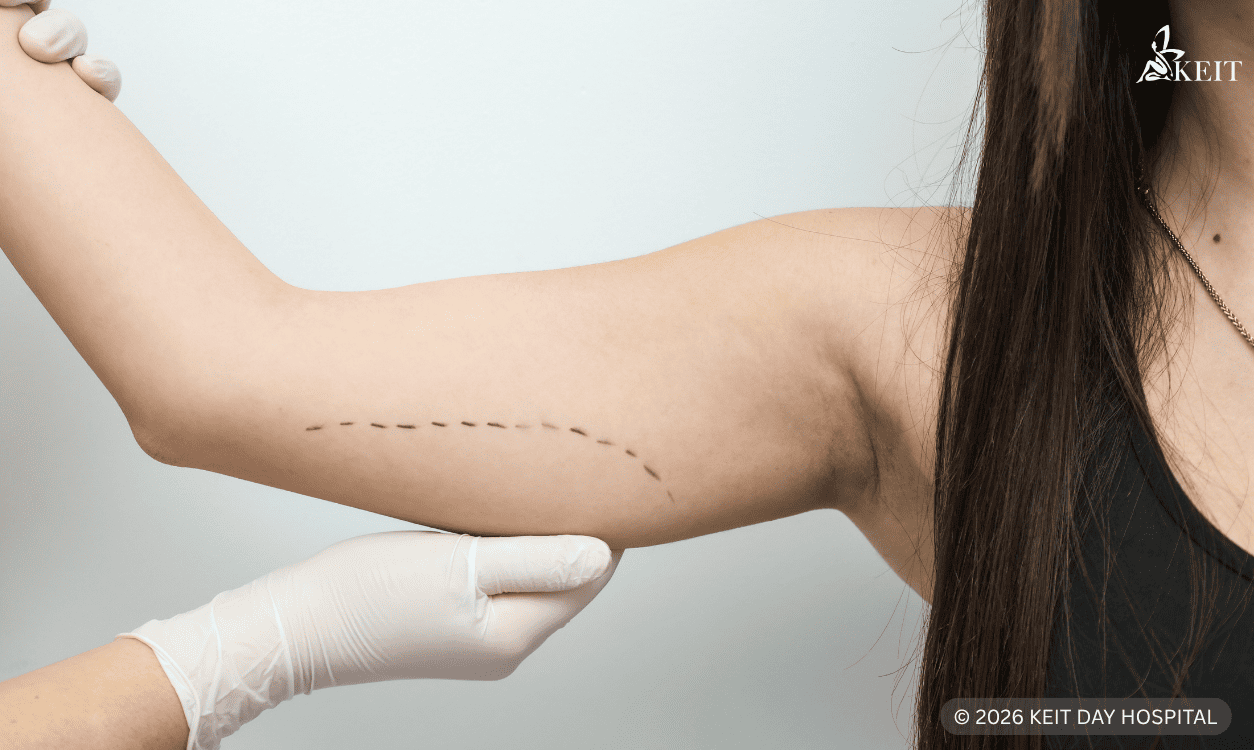
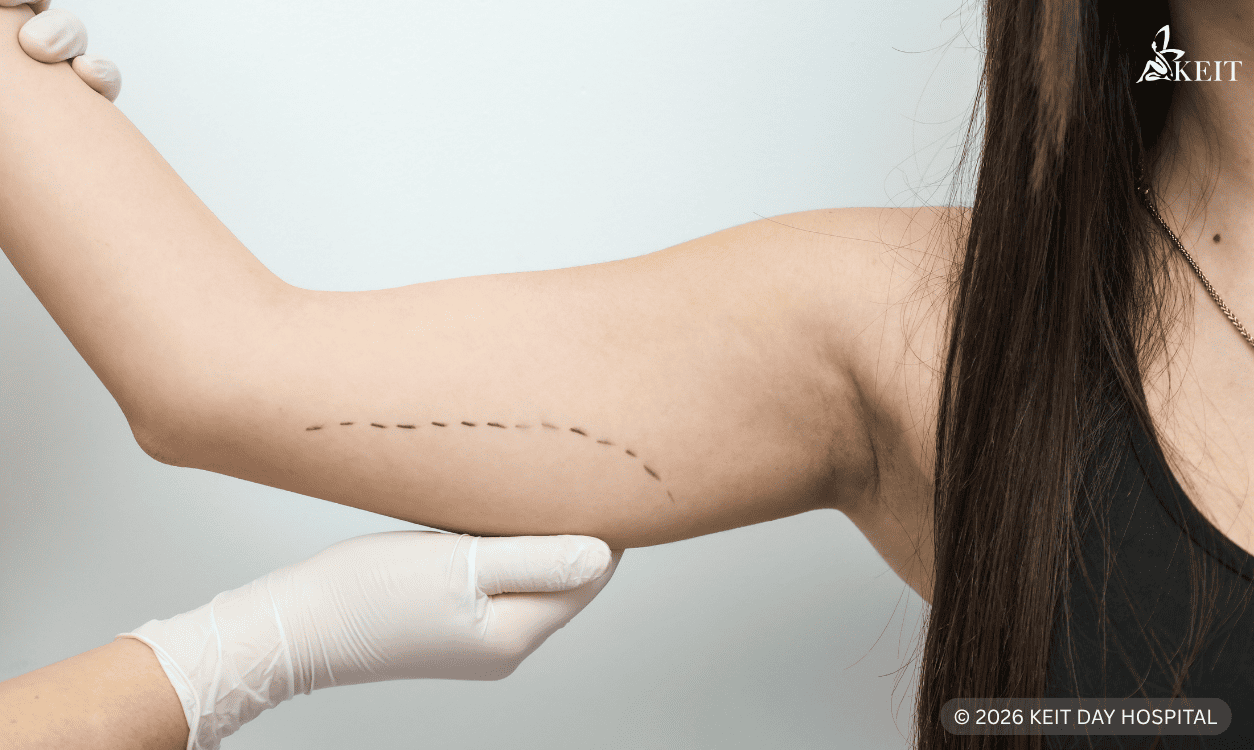
Brachioplasty is a surgical procedure that removes excess skin and tightens the upper arms to create smoother, firmer and more proportionate contours. The surgeon makes discreet incisions along the inner arm or within the armpit to remove loose skin and reshape the underlying tissue.
The arm skin removal surgery usually lasts one to two hours and is performed under local anesthesia with sedation for limited corrections, or general anesthesia for full or extended arm lifts. Most patients return home the same day, while more complex cases may require an overnight stay. After the skin is tightened and sutured, a light compression dressing is applied to minimize swelling and support the new contour.
Ideal candidates for arm lift surgery
Brachioplasty surgery is suitable for men and women who want to improve the shape of their arms and eliminate sagging skin that cannot be corrected through diet or exercise. Ideal candidates are adults in good overall health, with stable body weight and realistic expectations about their results. It is particularly beneficial for those who have lost a significant amount of weight or developed age-related skin laxity. Patients are advised to stop smoking before surgery and follow all pre- and post-operative instructions to promote safe healing and the best possible outcome.

Main techniques of brachioplasty explained
The arm lift brachioplasty technique is customized for each patient based on skin laxity, fat amount and arm shape. The goal is to achieve firmer, more defined arms, with the incision length and surgical method adapted to individual needs.
Mini brachioplasty (Short-scar arm lift)
This technique for arm lift operation, known as mini brachioplasty, is ideal for mild sagging limited to the upper arm near the armpit and is often preferred for younger patients or those with minimal skin laxity after moderate weight loss. A short incision hidden in the armpit crease allows the surgeon to remove small amounts of excess skin and tighten the remaining tissue. Scarring is minimal, recovery takes about one to two weeks and the results as seen in mini brachioplasty before and after cases, are subtle yet natural, restoring a smoother and more refined arm contour.
Standard brachioplasty (Full arm lift)
The standard brachioplasty, also known as the full arm lift, is the most frequently performed technique for moderate to severe skin laxity extending from the armpit to the elbow. A fine, discreet incision is made along the inner arm to remove excess skin and fat while tightening the deeper tissues for a firmer, smoother shape. Recovery usually takes about two to three weeks and the results are long-lasting, offering a well-defined and naturally contoured upper arm.
Extended brachioplasty (Arm and lateral chest lift)
In advanced cases where skin laxity affects both the upper arm and the lateral chest area, the extended or combined brachioplasty technique is recommended. The incision runs from the inner arm to the side of the torso, allowing correction of a wider area. Often combined with liposuction for improved contour and symmetry, this technique requires about three to four weeks of recovery and delivers a visibly smoother, more balanced upper body.
Brachioplasty scar: Placement, healing & aftercare
Scars after an arm lift depend on the chosen technique, but incisions are always placed carefully to remain discreet. In a mini arm lift, the incision is hidden in the armpit fold, while in standard or extended procedures, a fine line runs along the inner arm, where it is barely visible from the front or back.
In the first few months, scars may appear pink or slightly raised, gradually fading over 12 to 18 months. Proper aftercare helps optimize healing and scar quality. The use of silicone gels, regular moisturization and strict sun protection can improve results. In some cases, laser or microneedling treatments are recommended to refine the texture and color of the scar.
Brachioplasty before and after results: Setting real expectations
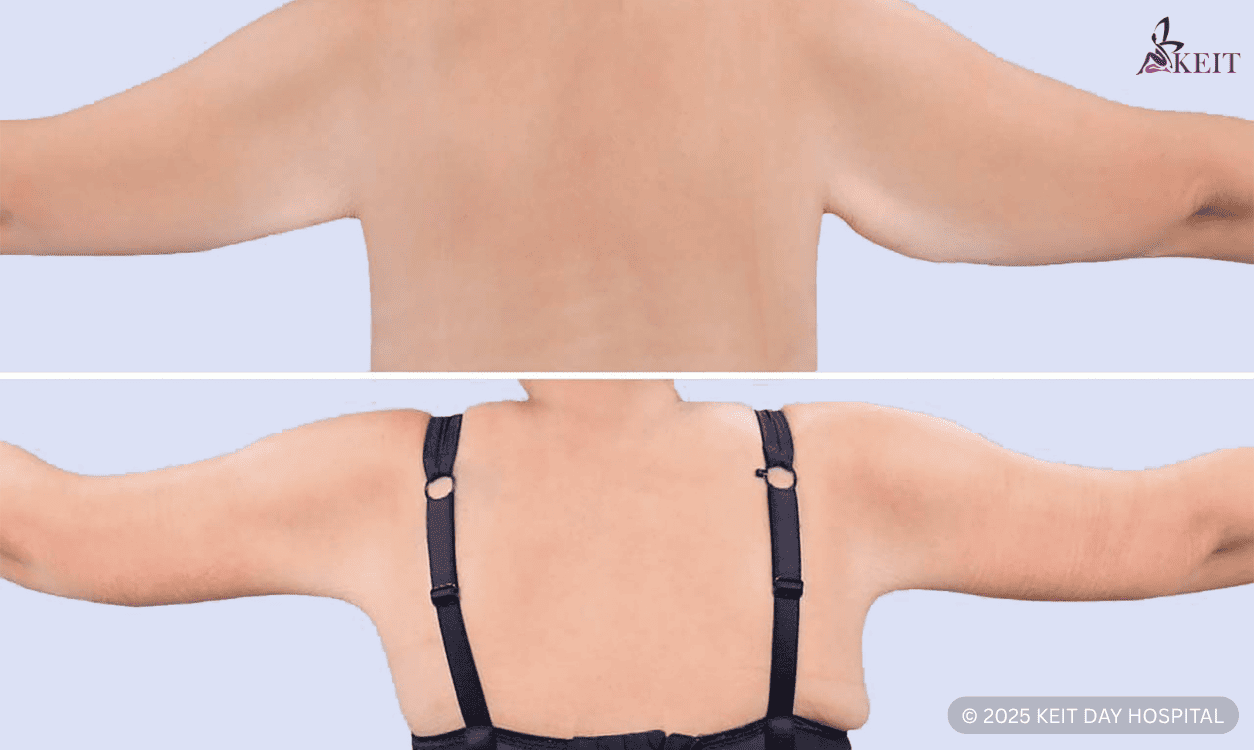
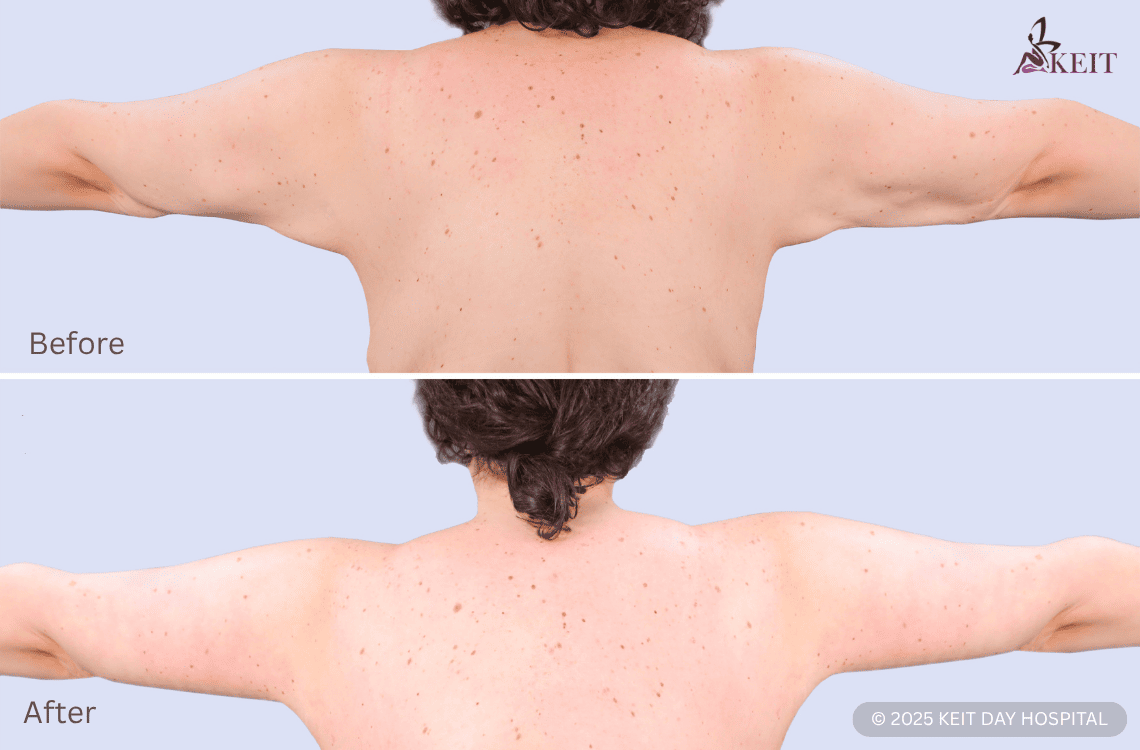
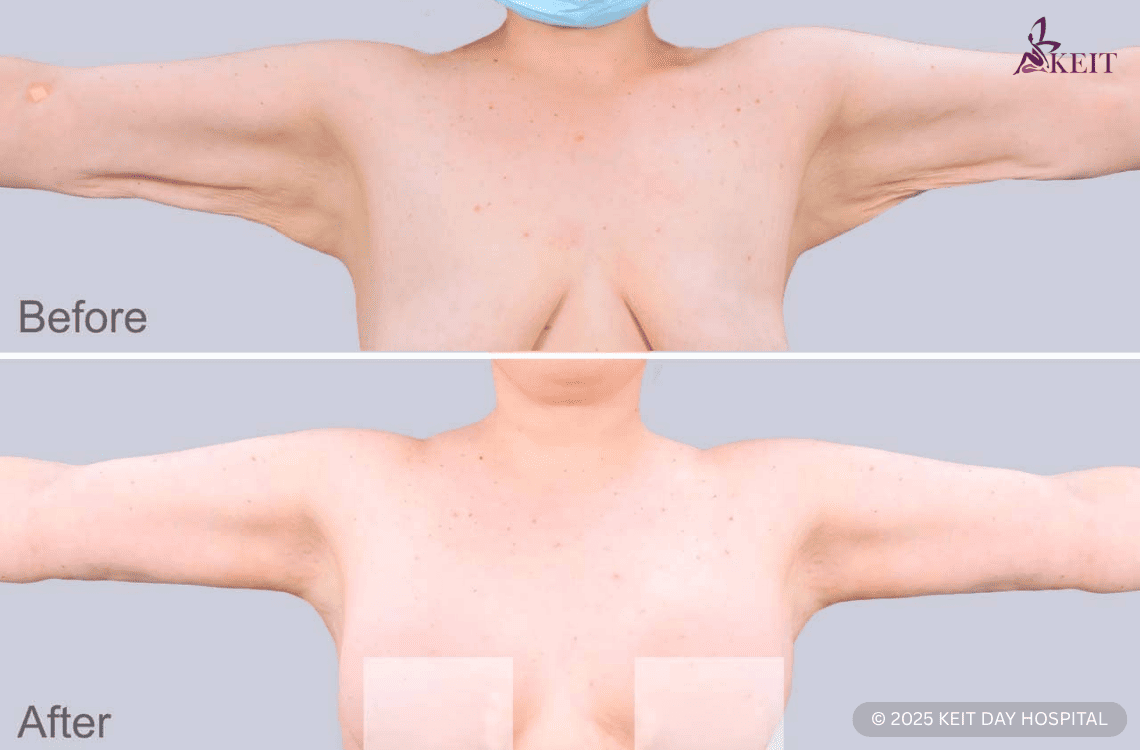
Arm lift before and after results show a visible improvement in the tone, shape and proportion of the upper arms. Once swelling subsides, the arms appear smoother and more defined, with a youthful contour that complements the body’s overall symmetry. Results after arm fat removal are noticeable within the first few weeks and continue to improve as tissues heal. The final shape is achieved within six to nine months. Maintaining a stable weight and following a healthy lifestyle are key to preserving the results long term.
Recovery after brachioplasty: Timeline and essential tips
Recovery after arm skin removal is straightforward and well tolerated. Most patients spend one night in the clinic and return home with light bandages and compression sleeves. Swelling and tightness are common during the first few days and are managed with prescribed medication and rest. The brachioplasty recovery day by day process typically starts with mild discomfort in the first 48 hours, noticeable improvement in movement by day 5 to 7 and gradual return to normal activities after two weeks, with full contour refinement visible within two months.
Brachioplasty risks and complications you need to consider
Brachioplasty is a safe and established operation, though all surgical procedures carry some level of risk. These are categorized into three groups.
- Common risks include mild swelling, bruising, temporary numbness, or tightness in the treated area. These effects usually disappear within one or two weeks.
- More serious complications include infection, delayed healing, or minor asymmetry between the arms. Some patients may develop thicker scars, which can be improved with silicone treatments or laser therapy.
- Rare complications include hematoma (a localized collection of blood), prolonged sensitivity changes, or recurrence of mild skin laxity over time. Allergic reactions to anesthesia or sutures are extremely uncommon.
Following post-surgical instructions and attending all follow-up appointments minimizes these risks and supports smooth recovery.
Brachioplasty cost UK: Typical prices and main inclusions
In the United Kingdom, the cost of brachioplasty surgery ranges between 4,800 and 8,000 euros, depending on the complexity of the procedure, the technique used and the clinic’s location. In London and other large cities, prices can reach up to 9,500 euros, particularly for extended or combined procedures.
This brachioplasty cost usually includes the surgeon’s and anesthetist’s services, use of the operating theatre, compression garments and crucial follow-up visits, although the exact inclusions may vary by clinic. When additional procedures such as liposuction or extended reshaping are performed, the total may be higher. Choosing a certified clinic and experienced surgeon ensures safety, precision and natural-looking results.