Published on:

 Reading Time: 5 min
 Abdominoplasty
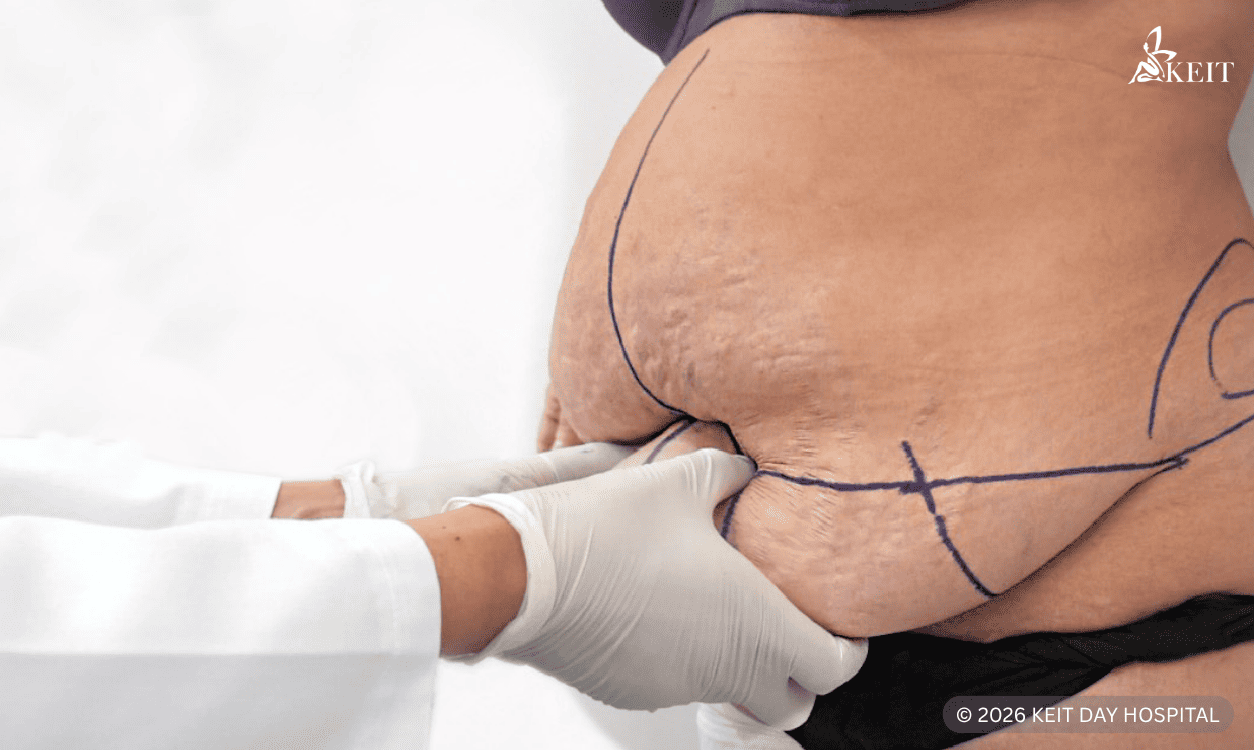
An extended tummy tuck is a body-contouring procedure that removes excess skin and fat from the abdomen and flanks, helping create a flatter abdomen and a more defined waistline. The procedure is commonly considered after significant weight loss or pregnancy, particularly when excess skin cannot be corrected through a standard abdominoplasty alone.
 Table of Contents:
-
1
 What is an extended tummy tuck?
-
2
How does an extended tummy tuck differ from a standard tummy tuck?
-
3
Who is a suitable candidate for an extended tummy tuck?
-
4
How is an extended tummy tuck performed?
-
5
Where is the extended tummy tuck scar located?
-
6
What is recovery like after an extended tummy tuck?
-
7
Extended tummy tuck before and after: what results can you expect?
-
8
What are the risks of an extended tummy tuck?
This article explains what an extended tummy tuck involves, how it differs from a standard procedure, and who may benefit from it. It also covers the surgical technique, scar placement, recovery, expected results, potential risks, and common questions about the procedure.
What is an extended tummy tuck?
An extended tummy tuck, medically known as extended abdominoplasty, is a surgical procedure that removes excess skin and underlying fat from the abdomen and flanks to create a flatter abdomen and a more defined waistline. It addresses loose skin that extends beyond the front of the abdomen toward the sides of the waist and hips.
The procedure is particularly beneficial for patients with significant skin laxity after substantial weight loss or pregnancy, when excess skin affects both the abdomen and surrounding areas.
How does an extended tummy tuck differ from a standard tummy tuck?
The main difference between an extended tummy tuck and a standard tummy tuck is the extent of skin removal and the length of the incision. A standard tummy tuck primarily addresses the front of the abdomen, while an extended tummy tuck also removes excess skin extending toward the flanks and hips.
| Characteristic | Standard tummy tuck | Extended tummy tuck |
|---|---|---|
| Treatment area | Front of the abdomen | Abdomen, flanks and lateral waist |
| Skin removal | Excess abdominal skin | Excess abdominal skin extending toward the hips |
| Incision | Across the lower abdomen | Across the lower abdomen and farther around the hips |
| Muscle repair | Performed when indicated | Performed when indicated |
| Most suitable for | Excess skin mainly on the abdomen | Excess skin affecting both the abdomen and flanks |
Both procedures can improve abdominal contour, but the choice depends on the distribution of excess skin rather than abdominal size alone.
Who is a suitable candidate for an extended tummy tuck?
An extended tummy tuck is suitable for patients with excess skin on the abdomen and flanks, particularly after significant weight loss or pregnancy.
Suitable candidates typically include individuals who:
- Have excess abdominal and flank skin: Loose skin extends toward the hips and cannot be adequately corrected with a standard tummy tuck.
- Maintain a stable weight: Significant weight fluctuations can affect surgical results.
- Are in good general health: Have no uncontrolled medical conditions that could increase surgical risks or impair healing.
- Do not smoke: Smoking and nicotine use increase the risk of wound-healing complications.
- Have realistic expectations: Understand the expected improvements in body contour and the presence of scars.
An extended tummy tuck is not a weight-loss procedure. Patients planning substantial further weight loss or pregnancy may be advised to postpone surgery.
How is an extended tummy tuck performed?
An extended tummy tuck is performed under general anesthesia to remove excess skin and fat from the abdomen and flanks, with abdominal muscle repair when necessary.
The surgeon makes a horizontal incision across the lower abdomen, extending around the hips toward the flanks. The abdominal skin and underlying fatty tissue are then lifted to access the abdominal wall. If the abdominal muscles are separated (rectus diastasis), they are tightened using internal sutures to improve abdominal contour and support. Excess skin and fat are removed from the abdomen and flanks, and the remaining skin is repositioned to create a smoother, firmer contour. The belly button is typically repositioned through a new opening, and the incisions are closed with sutures. Surgical drains may be placed to prevent fluid accumulation during early healing.
Liposuction may also be performed to refine the waistline and surrounding areas when appropriate.

Where is the extended tummy tuck scar located?
An extended tummy tuck scar runs across the lower abdomen and extends around the hips toward the flanks. Its length depends on the amount of excess skin removed.
The incision is positioned as low as possible to help conceal the scar beneath underwear or swimwear. A separate scar around the belly button is also typically present.
Scars are permanent but generally fade and flatten over 12–18 months. Their final appearance depends on skin characteristics, individual healing and postoperative scar care.
What is recovery like after an extended tummy tuck?
Recovery after an extended tummy tuck typically takes 4–6 weeks, although swelling and scar healing continue for several months.
- First few days: Swelling, discomfort and limited mobility. Gentle walking is encouraged to support circulation.
- Weeks 1–2: Pain and swelling gradually decrease. Rest and avoidance of strenuous activities are necessary.
- Weeks 3–6: Gradual return to daily activities and work, depending on individual recovery.
- After 6 weeks: Exercise and heavier physical activities may resume with the surgeon's approval.
- Following months: Residual swelling subsides, scars mature and the final contour becomes more visible.
A compression garment is recommended during early recovery. Patients should follow their surgeon's instructions regarding wound care, activity restrictions and follow-up appointments. Recovery times vary depending on the extent of surgery and individual healing.
Extended tummy tuck before and after: what results can you expect?
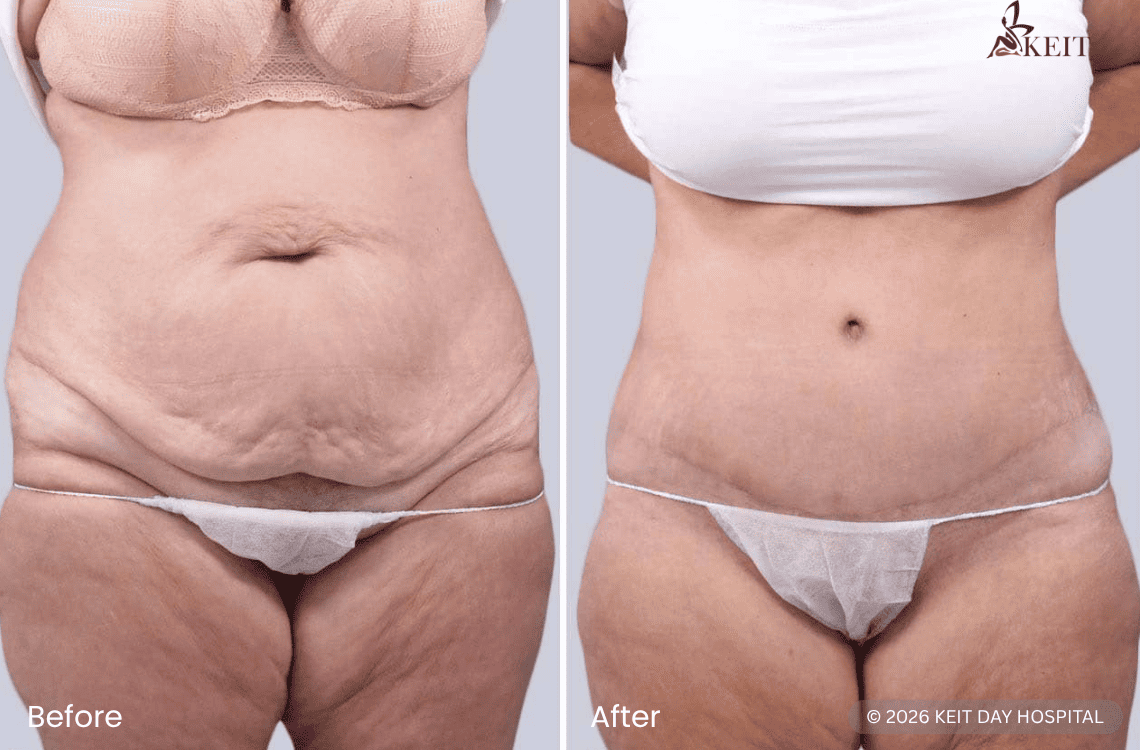
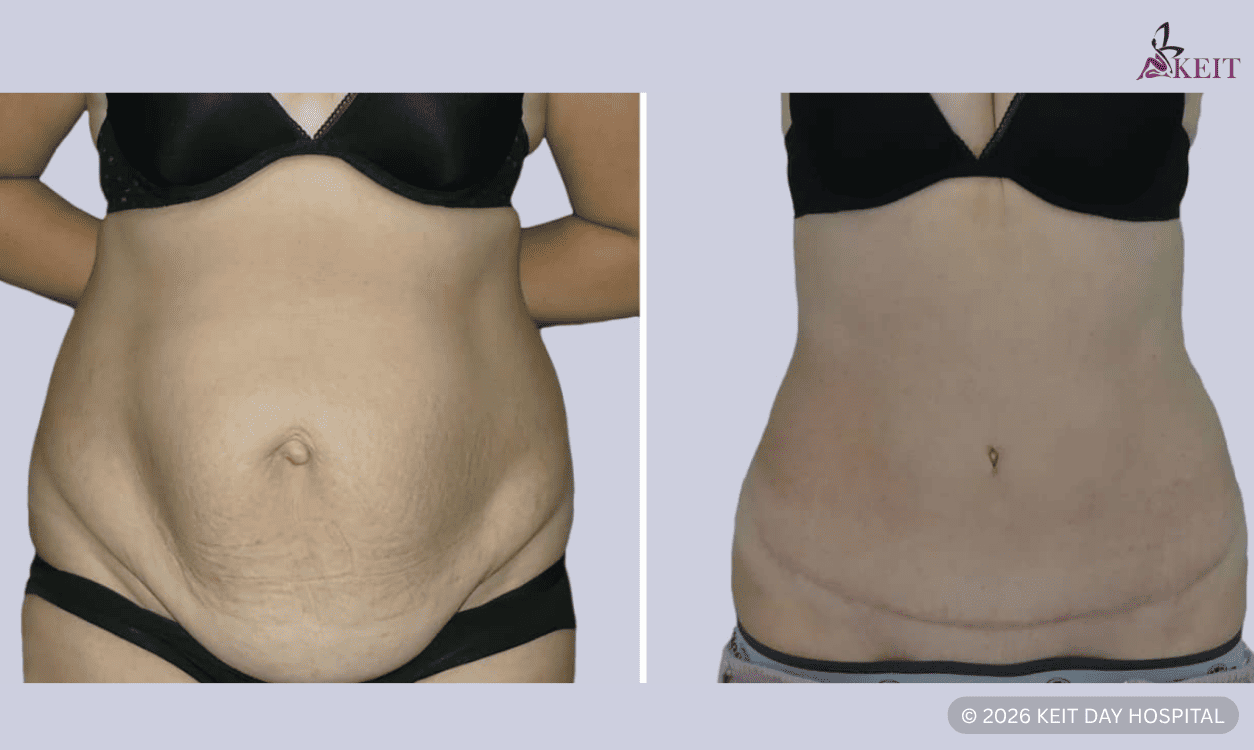
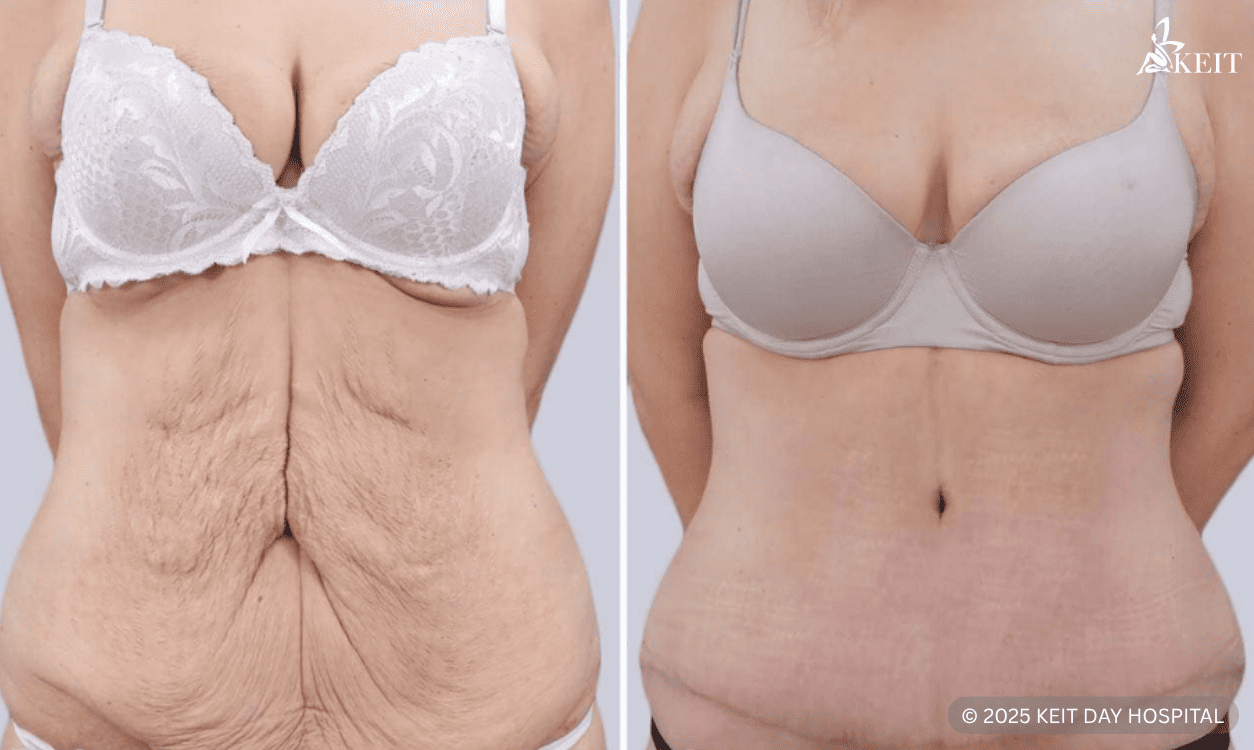
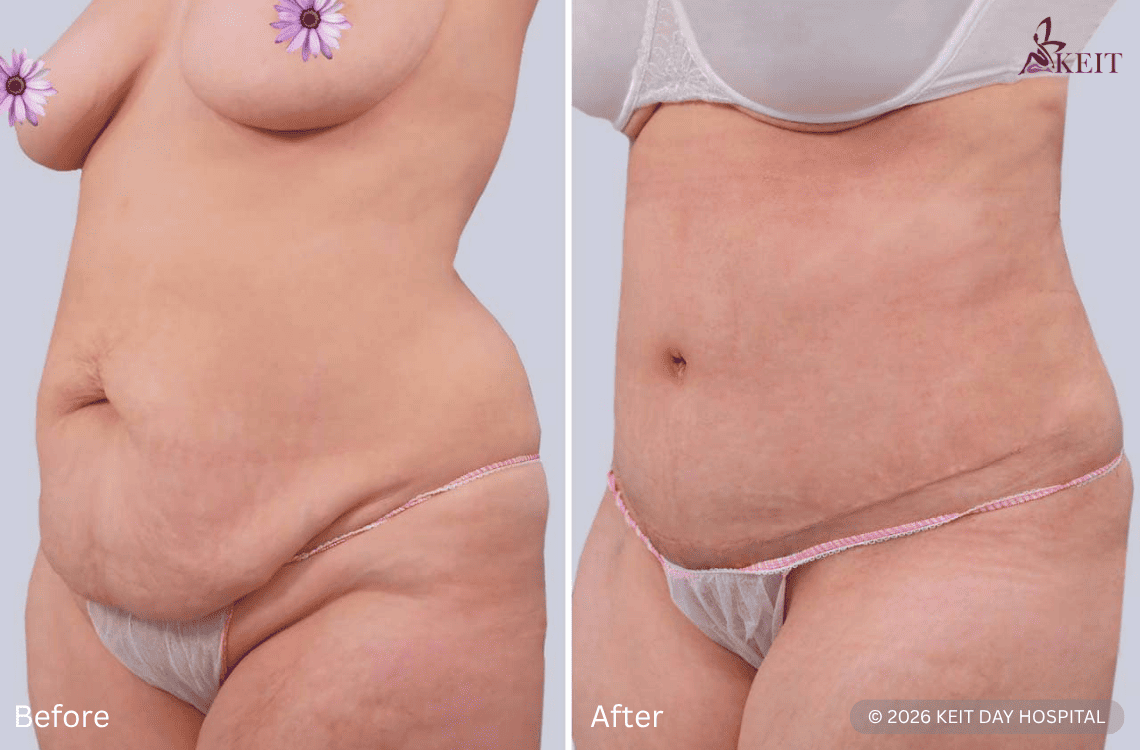
An extended tummy tuck can create a flatter abdomen, reduce excess skin around the flanks and improve waistline definition.
The main improvements include:
- Flatter abdomen: Removal of excess skin and fat creates a smoother abdominal appearance.
- Reduced flank skin laxity: Removal of loose skin around the hips improves the shape of the lateral waist.
- Improved waistline definition: Reshaping the abdomen and flanks creates a more defined waist.
- Firmer abdominal wall: Repair of rectus diastasis, when performed, can improve abdominal support and contour.
Extended tummy tuck before-and-after photos can illustrate these improvements, although individual results vary. Results can be long-lasting with stable body weight, but aging, weight fluctuations and pregnancy may affect them.
What are the risks of an extended tummy tuck?
An extended tummy tuck carries the risks associated with major abdominal surgery, including wound-healing problems, fluid accumulation and complications related to anesthesia. Potential complications include:
- Seroma: Accumulation of fluid beneath the skin that may require drainage.
- Hematoma: Collection of blood in the operated area.
- Infection: Infection affecting the incision or deeper tissues.
- Delayed wound healing: Slow healing or wound separation, particularly in areas under tension.
- Skin or fat necrosis: Loss of tissue caused by an inadequate blood supply.
- Unfavorable scarring: Widened, raised or more visible scars.
- Changes in sensation: Temporary or sometimes persistent numbness around the abdomen.
- Contour irregularities: Asymmetry or unevenness in the treated areas.
- Blood clots: Deep vein thrombosis or pulmonary embolism, which can be serious.
Risk assessment includes reviewing the patient's medical history, body weight, smoking status and other factors affecting healing. Appropriate patient selection, surgical planning and postoperative care help reduce complications but cannot eliminate them.