Published on:
 Modified on:

 Reading Time: 5 min
 Breast Lift
Inverted nipples are nipples that turn inward or lie flat against the breast instead of pointing outward. They can affect one or both breasts and may be present from puberty or develop later due to changes in breast tissue, hormones, milk ducts, or previous surgery.
 Table of Contents:
-
1
 What are inverted nipples?
-
2
What causes inverted nipples?
-
3
Are inverted nipples normal or a sign of a problem?
-
4
When should you seek medical help for an inverted nipple?
-
5
Can inverted nipples affect breastfeeding?
-
6
Treatment options for inverted nipples
-
7
Inverted nipple surgery: How does it work?
-
8
Recovery and aftercare of inverted nipple surgery
-
9
Risks and considerations of inverted nipple surgery
This article explains the main causes of inverted nipples, when they may be considered part of normal breast anatomy, and which changes should be assessed by a medical professional. It also covers breastfeeding concerns, non-surgical and surgical treatment options, recovery after inverted nipple surgery, possible risks, and common questions about nipple inversion.
What are inverted nipples?
An inverted nipple is a nipple that turns inward or lies flat against the breast instead of pointing outward. In simple terms, the nipple appears pulled into the breast rather than projected forward.
Inverted nipples, also referred to as reversed nipples, can affect one or both breasts. They may be present from puberty or develop later depending on the underlying cause.
What causes inverted nipples?
Inverted nipples can develop for a range of reasons, including natural anatomy or changes that occur over time.
Common causes include:
- Natural breast development: Some people develop inverted nipples during puberty as the breasts grow and mature.
- Short or tight milk ducts: Milk ducts connect the breast tissue to the nipple. When they are shorter or tighter than usual, they can pull the nipple inward.
- Pregnancy and breastfeeding changes: Hormonal and structural changes in the breast may sometimes affect nipple position.
- Previous breast surgery or injury: Scar tissue after surgery, trauma, or injury can pull the nipple inward.
- Infection or inflammation: Certain breast infections or inflammatory conditions may cause swelling, tenderness, or nipple changes.
- Age-related breast changes: As breast tissue changes over time, especially around or after menopause, the nipple may become flatter or more inverted.
Are inverted nipples normal or a sign of a problem?
In many cases, inverted nipples are normal, especially when they have been present since puberty and look the same over time. If one or both nipples have always been flat or turned inward, this is often simply part of a person’s breast anatomy.
However, a nipple that becomes newly inverted or changes in appearance should be assessed by a medical professional to rule out underlying causes.
When should you seek medical help for an inverted nipple?
You should seek medical advice if an inverted nipple appears suddenly, changes over time, or develops only on one side when this was not the case before. In some cases, nipple inversion can be linked to infection, inflammation, duct changes, or, more rarely, an underlying breast condition.
A medical check is especially important if nipple inversion appears together with:
- Pain or tenderness
- Nipple discharge
- Redness, swelling, or skin irritation
- A lump in the breast or underarm
- Changes in breast shape or nipple position
These symptoms do not always mean something serious, but they should be properly assessed to identify the cause and decide on the right next step.
Can inverted nipples affect breastfeeding?
Breastfeeding with inverted nipples is possible for many people, but it can sometimes be more difficult if the baby struggles to latch. This may occur when the nipple remains flat or pulled inward and does not project enough for proper attachment.
The impact depends on the degree of inversion and whether the nipple comes outward with stimulation. A doctor, midwife, or lactation consultant may suggest support such as latch positioning techniques, gentle nipple stimulation before feeding, temporary use of a nipple shield, or expressing a small amount of milk to help with latching. Similar guidance may also apply in cases of flat nipples, where projection can also affect breastfeeding.
Treatment options for inverted nipples
Treatment for inverted nipples depends on the cause, degree of inversion, and whether the concern is medical, functional, or aesthetic. If the inversion is linked to infection, inflammation, or a recent breast change, the underlying cause should be assessed and treated first.
If an inverted nipple has been present for a long time and does not cause discomfort or breastfeeding difficulties, treatment may not be required. However, some people choose correction for aesthetic reasons or personal comfort.
Such options include:
- Non-surgical techniques: In mild cases, gentle stimulation or nipple suction devices may help draw the nipple outward temporarily, although results can vary.
- Inverted nipple surgery: For persistent cases, surgery can release the tight tissue or shortened ducts pulling the nipple inward, helping improve nipple projection more permanently.
Book your FREE
Online Consultation Now

Inverted nipple surgery: How does it work?
Inverted nipple surgery, also known as nipple inversion repair, focuses on releasing the tissue or shortened ducts that keep the nipple pulled inward. The technique is chosen based on the degree of inversion, the patient’s anatomy, and whether breastfeeding preservation is important.
The procedure is usually performed under local or general anaesthesia. A small incision is made at the base of the nipple to release the restricting tissue, allowing the nipple to project outward. It may then be supported with fine internal stitches during healing. In mild to moderate cases, milk ducts may be preserved. In more severe cases, they may need to be released, which can affect future breastfeeding ability.
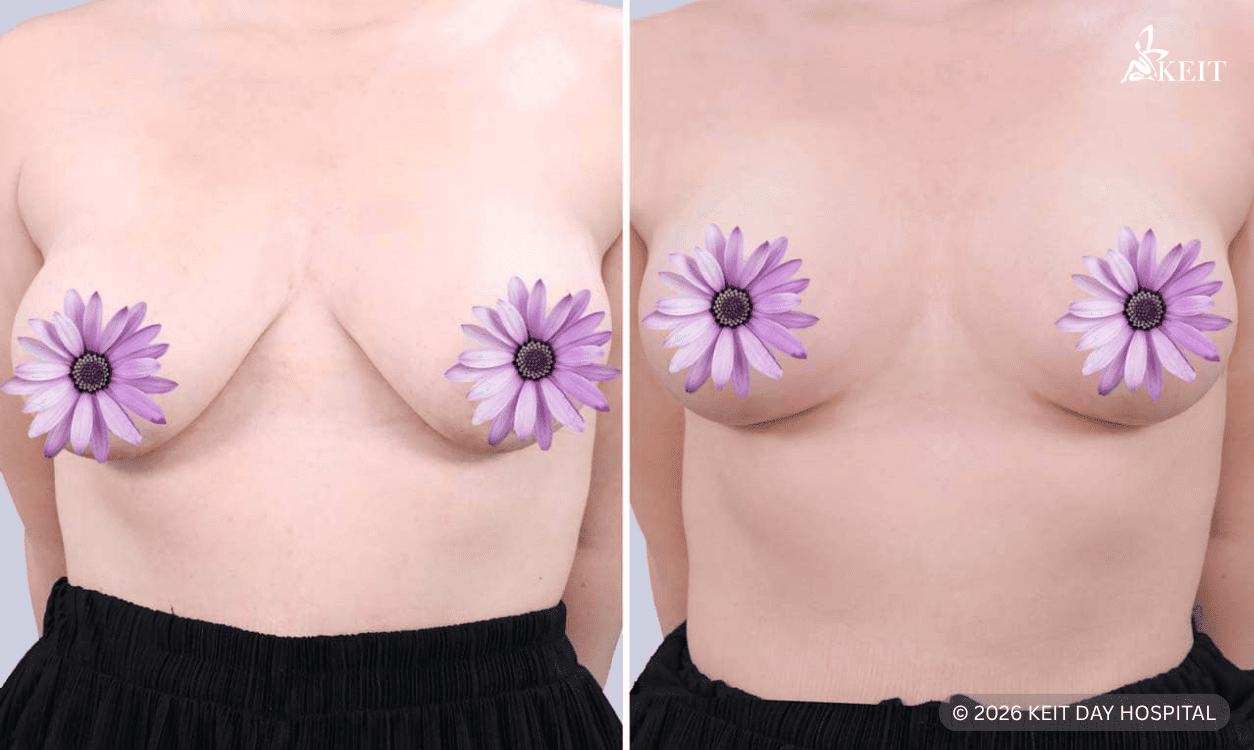
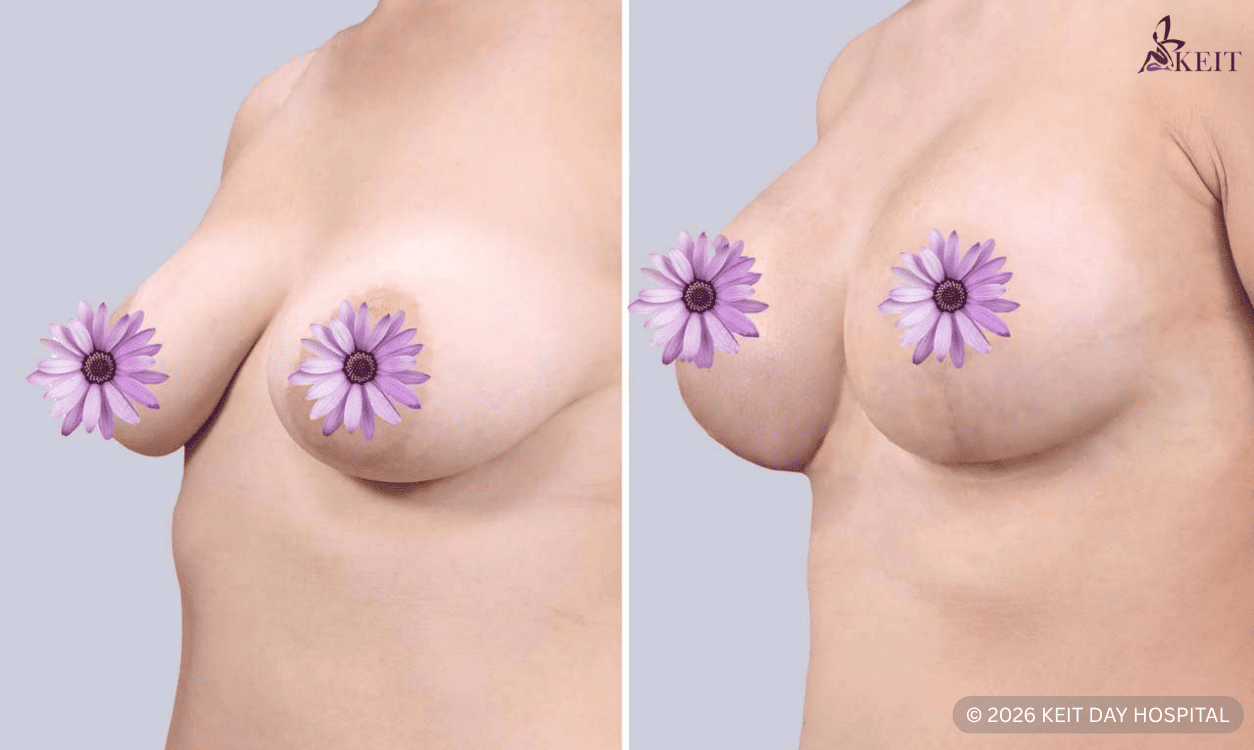
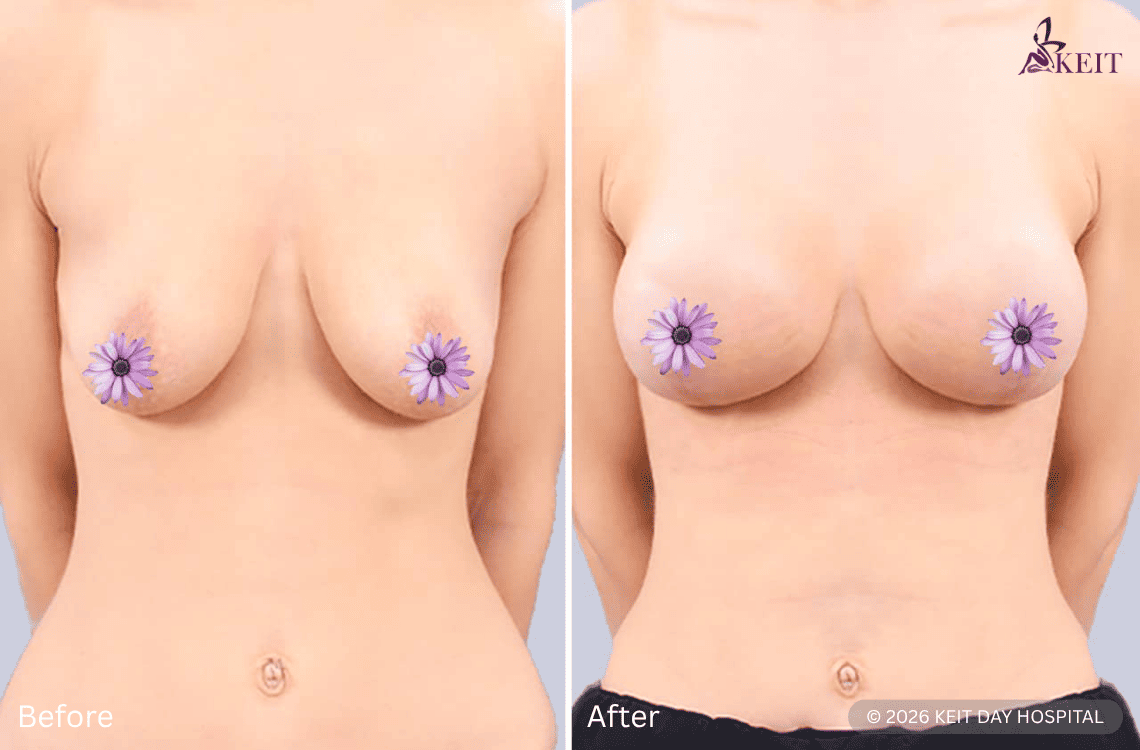
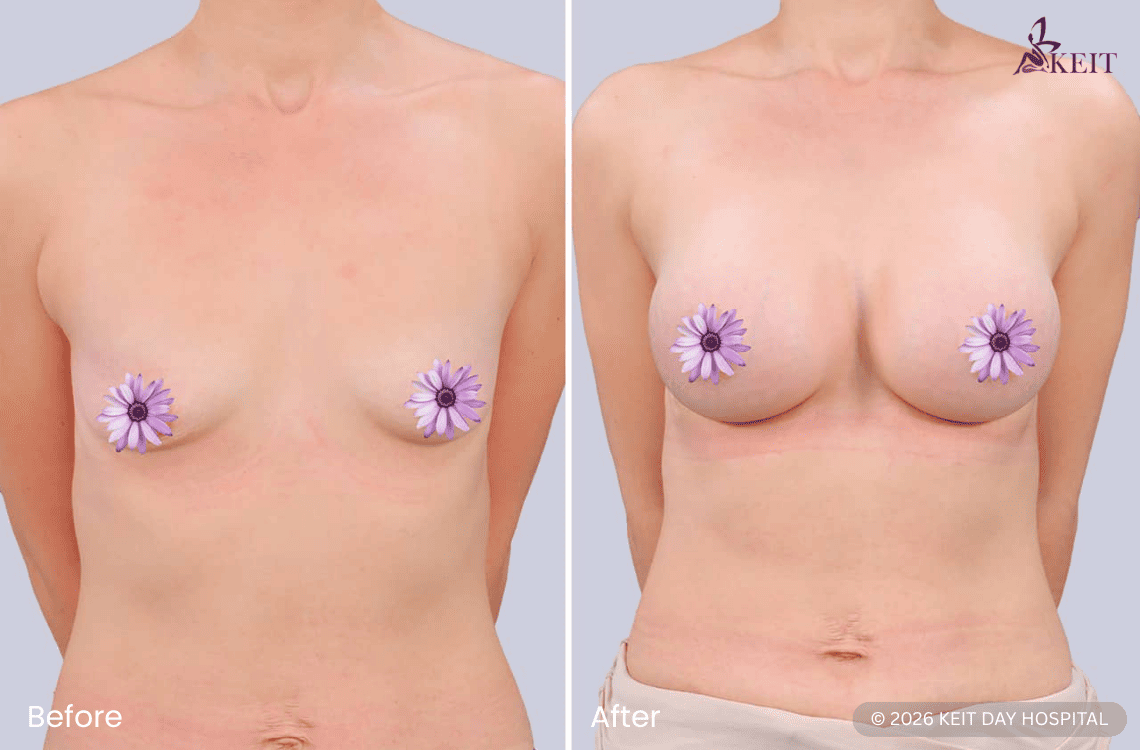
In many cases, inverted nipple surgery can also be combined with other breast procedures such as a breast lift, breast augmentation, or breast reduction. This may be considered when patients also want to improve breast shape, volume, or symmetry within the same surgical plan.
Recovery and aftercare of inverted nipple surgery
Recovery after inverted nipple surgery is usually straightforward, and many patients are able to return home the same day. Mild tightness, swelling, bruising, or tenderness can occur during the first days after the procedure.
During recovery, patients may be advised to:
- Avoid pressure on the nipple area while the tissue heals.
- Limit heavy exercise for the first few weeks, depending on the surgeon’s advice.
- Use pain relief if needed, following the clinic’s instructions.
- Attend follow-up appointments to monitor healing and nipple position.
- Follow aftercare guidance carefully to reduce the risk of complications.
Risks and considerations of inverted nipple surgery
As with any procedure, inverted nipple surgery carries some risks, although these are less likely when performed by an experienced surgeon and followed by proper aftercare.
Possible risks and considerations include:
- Scarring: Usually minimal, depending on incision placement and healing.
- Infection or delayed healing: Reduced with careful aftercare.
- Changes in nipple sensation: Usually temporary, but can sometimes last longer.
- Nipple asymmetry: The nipples may heal with slight differences in shape or projection.
- Recurrence: The nipple may become inverted again over time.
- Impact on breastfeeding: Future breastfeeding may be affected if the milk ducts are released.
A detailed consultation is essential to assess the degree of inversion, breast anatomy, medical history, aesthetic goals, and future breastfeeding plans before choosing the most suitable technique.