Published on:

 Reading Time: 5 min

 Breast Lift
A breast lift (mastopexy) raises and reshapes sagging breasts without significantly changing their size, while breast reduction surgery (reduction mammoplasty) removes excess breast tissue to create smaller, lighter breasts. The right procedure depends on whether your main concern is breast sagging, excessive breast size, physical discomfort, or a combination of these factors.
 Table of Contents:
-
1
 What is the difference between a breast lift and breast reduction?
-
2
When is a breast lift the better option?
-
3
When is breast reduction the better option?
-
4
Can a breast reduction and breast lift be performed together?
-
5
How do the results of a breast lift and breast reduction compare?
-
6
How do breast lift and breast reduction differ in scars and recovery?
-
7
What are the risks of breast lift and breast reduction surgery?
-
8
What should you consider when choosing between a breast lift and reduction?
In this article, we explain the difference between a breast lift and breast reduction, when each procedure may be more appropriate, and whether they can be performed together. We also compare their results, scars and recovery, discuss potential risks, and outline the main factors to consider when choosing between them.
What is the difference between a breast lift and breast reduction?
A breast lift raises and reshapes sagging breasts without significantly reducing their size, while breast reduction surgery removes excess breast tissue to make the breasts smaller and lighter, typically lifting them at the same time.
| Feature | Breast lift | Breast reduction |
|---|---|---|
| Main purpose | Correct breast sagging | Reduce breast size and weight |
| Breast volume | Largely preserved | Reduced |
| Breast position | Raised | Typically raised |
| Tissue removed | Primarily excess skin | Excess skin, fat, and glandular tissue |
| Main benefit | Improved breast shape and position |
Smaller, lighter breasts with potential relief from physical discomfort |
When is a breast lift the better option?
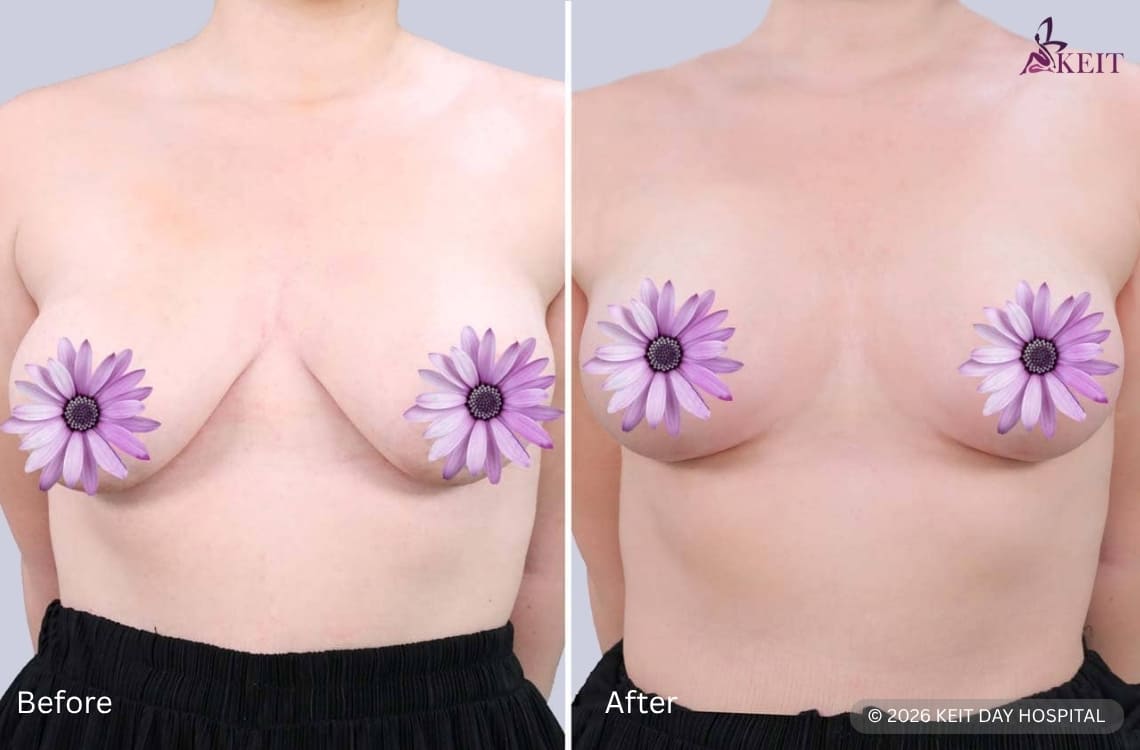
A breast lift is the better option when you are satisfied with your breast size but want to correct sagging and restore a higher, more defined breast shape. Breast lift surgery may be appropriate if you have:
- Sagging breasts (breast ptosis): Breasts that have lost their natural position and firmness.
- Downward-pointing nipples: Nipples that sit low on the breasts or below the breast crease.
- Stretched breast skin: Loss of skin elasticity following pregnancy, aging, or weight fluctuations.
- Breast asymmetry: Differences in breast position or shape that may be improved through reshaping.
When is breast reduction the better option?
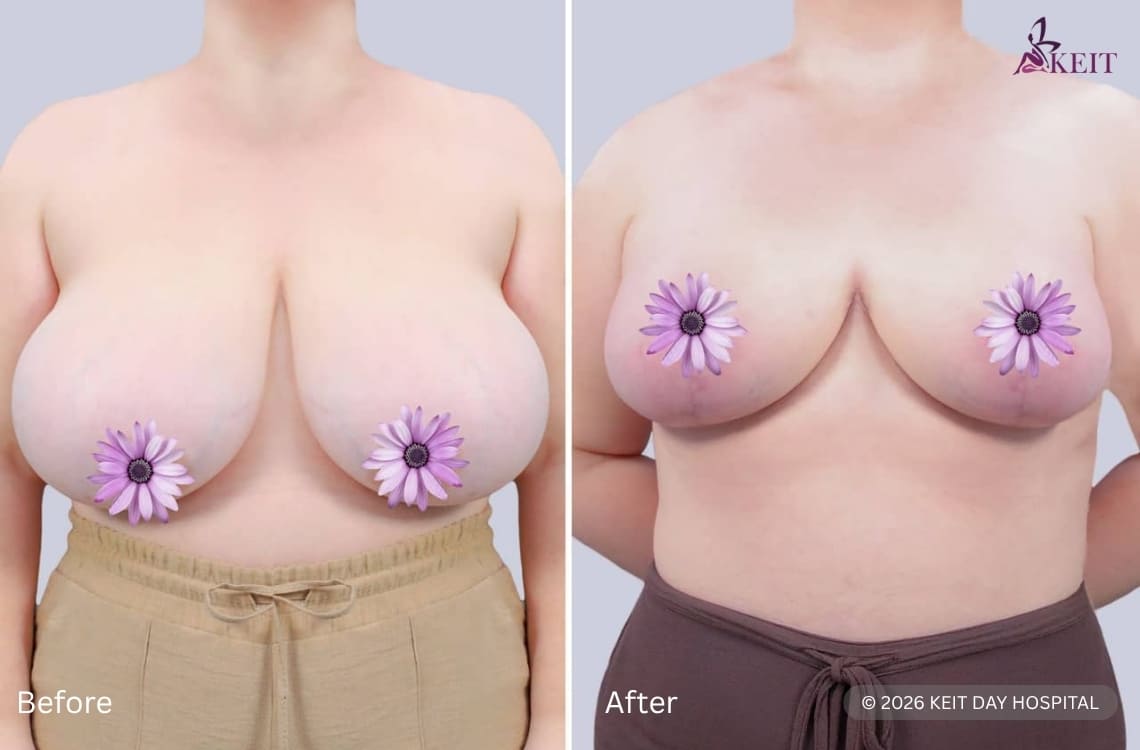
Breast reduction is the better option when the breasts are excessively large or heavy and the goal is to reduce their size as well as improve their shape and position. Breast reduction surgery may be recommended if you experience:
- Neck, back, or shoulder pain: Discomfort associated with the weight of large breasts.
- Skin irritation: Recurrent rashes or irritation beneath the breast folds.
- Bra strap grooves: Shoulder indentations caused by the weight of the breasts.
- Difficulty exercising: Discomfort or restricted movement during physical activities.
- Dissatisfaction with breast size: A desire for smaller, lighter breasts that are more proportionate to your body.
Can a breast reduction and breast lift be performed together?
Yes, but breast reduction surgery already includes a lifting and reshaping component, so a separate breast lift is not usually a distinct additional procedure. During breast reduction, excess breast tissue and skin are removed, while the remaining tissue is reshaped and the nipple-areola complex is repositioned as needed. This results in smaller and more lifted breasts. This approach may also be referred to as mastopexy with reduction, as it combines breast reduction with the lifting and reshaping techniques used in mastopexy.
How do the results of a breast lift and breast reduction compare?
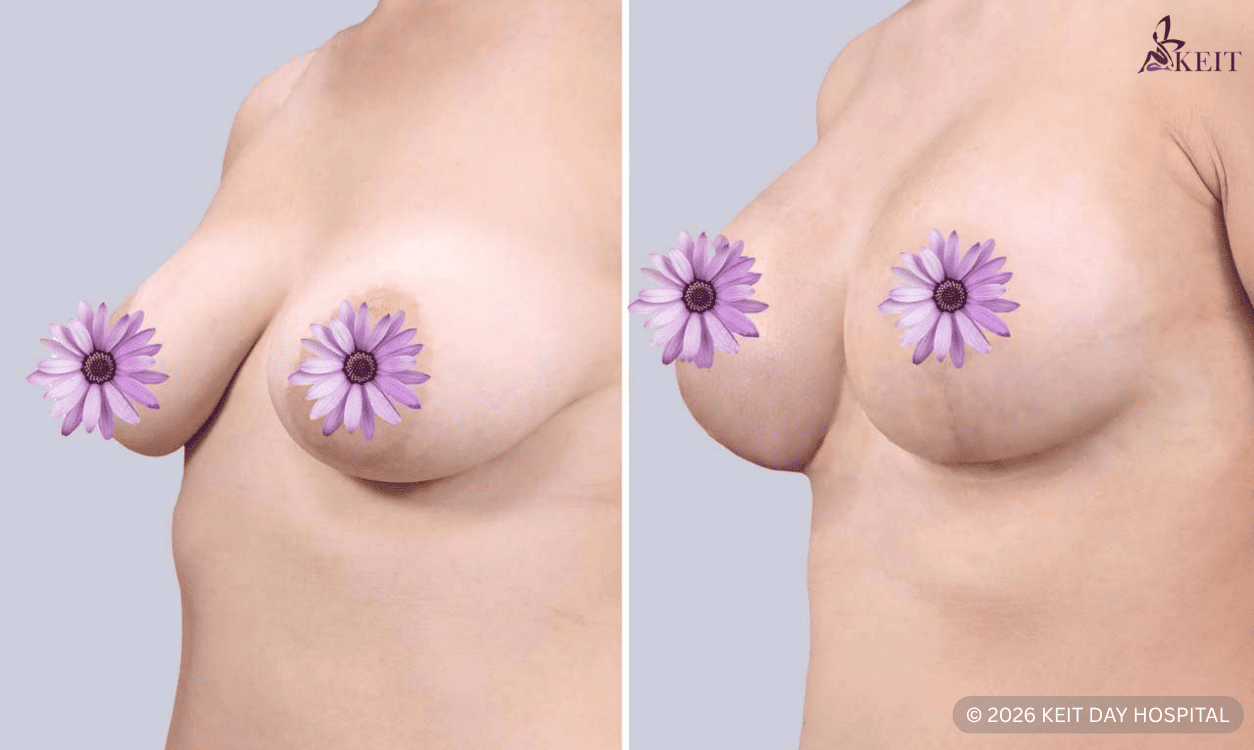
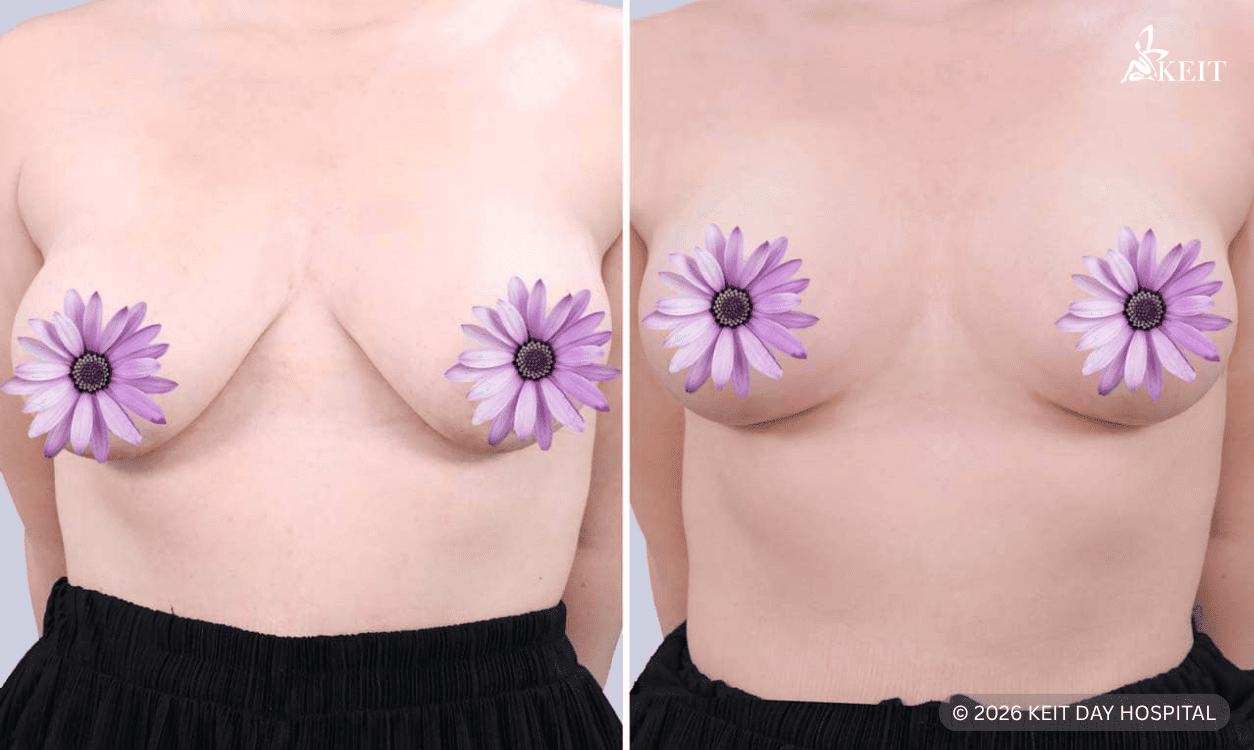
A breast lift results in higher, more reshaped breasts without significantly changing their size, while breast reduction creates smaller, lighter breasts with a lifted appearance. The main differences in results include:
- Breast lift: Improves breast position, firmness in appearance, and overall contour while largely preserving existing volume.
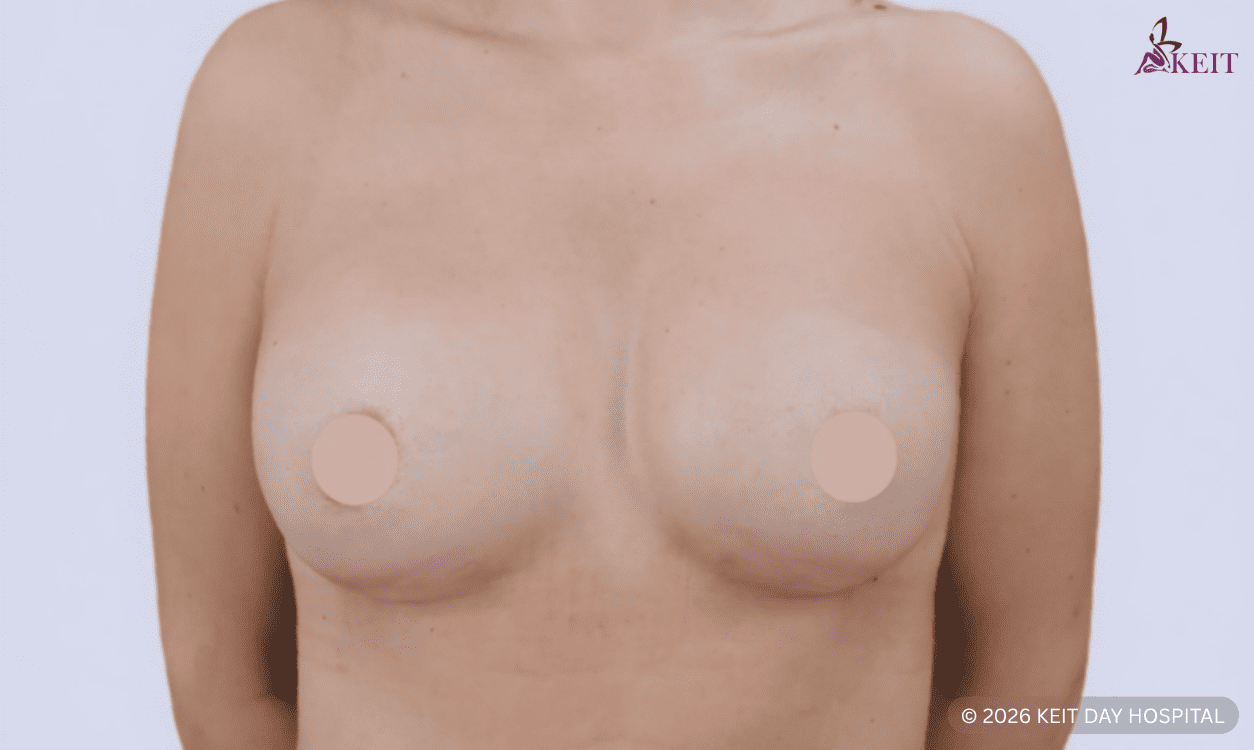
- Breast reduction: Reduces breast size and weight while improving shape, position, and proportion. It may also relieve physical discomfort associated with large breasts.
Both procedures can improve breast symmetry and provide long-lasting results. However, breast shape may continue to change over time due to aging, pregnancy, and weight fluctuations.
How do breast lift and breast reduction differ in scars and recovery?
Breast lift and reduction leave surgical scars, but breast reduction may involve more extensive tissue removal and a slightly longer recovery period, depending on the extent of surgery.
Both procedures may leave scars around the areola, vertically down to the breast crease, or along the breast fold, forming an anchor-shaped pattern. The incision pattern depends on the surgical technique and degree of correction. Scars are permanent but generally become less noticeable over time.
Recovery varies depending on the procedure and individual healing. Breast reduction may require a longer recovery than a breast lift, particularly when significant tissue removal is involved.
Most patients can resume non-strenuous activities within 1–2 weeks, although recovery may take 2–6 weeks before a broader return to normal activities. Swelling, bruising, and tenderness are common, and strenuous exercise should be avoided until cleared by the surgeon.

What are the risks of breast lift and breast reduction surgery?
Both breast lift and breast reduction are established surgical procedures, but they carry potential risks that should be discussed before treatment. Possible complications include:
- Bleeding or infection: Complications that may require additional treatment.
- Poor wound healing: Delayed healing or noticeable scarring.
- Changes in nipple sensation: Temporary or, occasionally, permanent changes in sensitivity.
- Breast asymmetry: Differences in breast shape, size, or nipple position.
- Fat necrosis: Damage to fatty tissue that may cause firmness or lumps.
- Nipple or areola tissue loss: A rare but potentially serious complication.
Breast reduction also carries the specific possibility of reduced or lost ability to breastfeed, depending on the surgical technique and how the nipple and breast tissue are managed. The individual risk profile depends on factors such as the surgical technique, breast size, amount of tissue removed, general health, smoking status and healing response.
What should you consider when choosing between a breast lift and reduction?
The choice between a breast lift and breast reduction should be based primarily on whether the main concern is breast position, breast size, or both. The main factors to consider include:
- Breast size and shape: A breast lift is generally suitable if you want to correct sagging without significantly changing breast size, while breast reduction is more appropriate if you want smaller, lighter breasts.
- Physical discomfort: Breast reduction may help relieve neck, back, or shoulder pain associated with excessively large breasts.
- Skin quality and breast position: The degree of sagging and skin elasticity influence the most suitable surgical approach.
- Future pregnancy and breastfeeding: Both procedures may affect breastfeeding, while pregnancy can alter surgical results.
- Overall health: Medical history, smoking status, and weight stability can affect surgical suitability and recovery.
A consultation with a qualified plastic surgeon is necessary to evaluate your breast anatomy, discuss the expected results, and determine which procedure best addresses your concerns.