Published on:
 Modified on:

 Reading Time: 5 min
 Scientific Articles
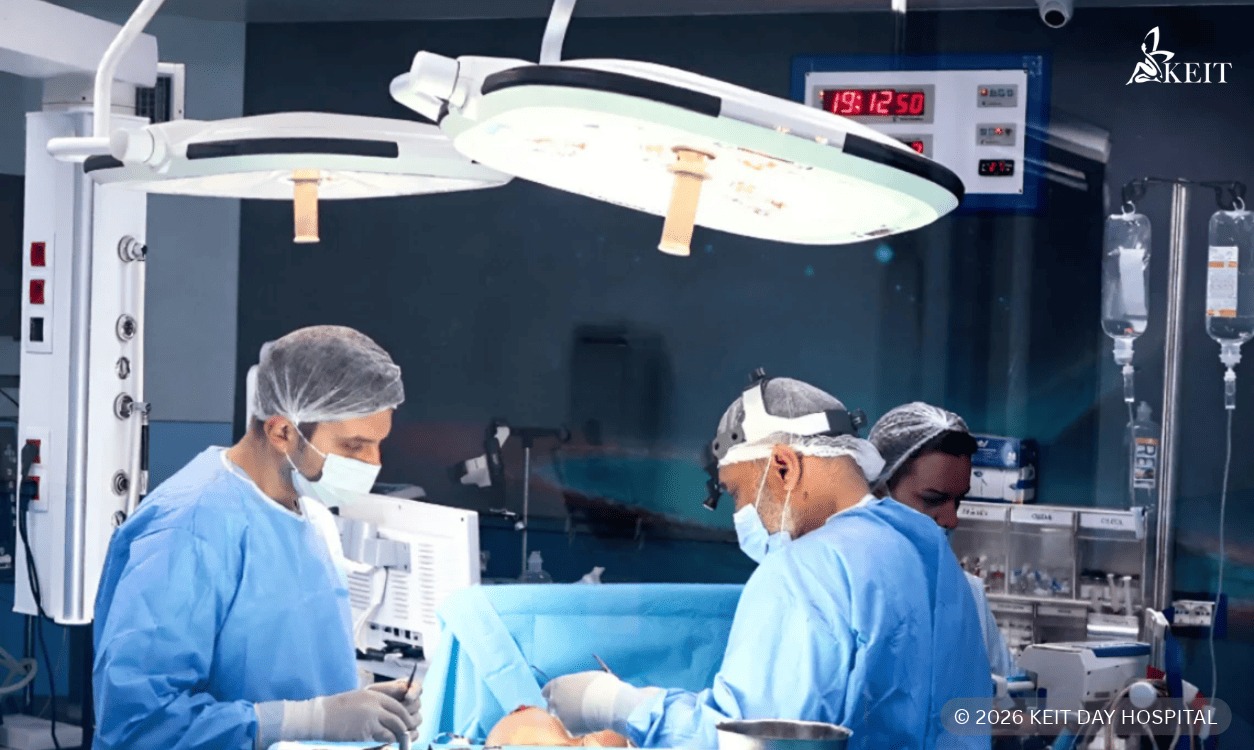
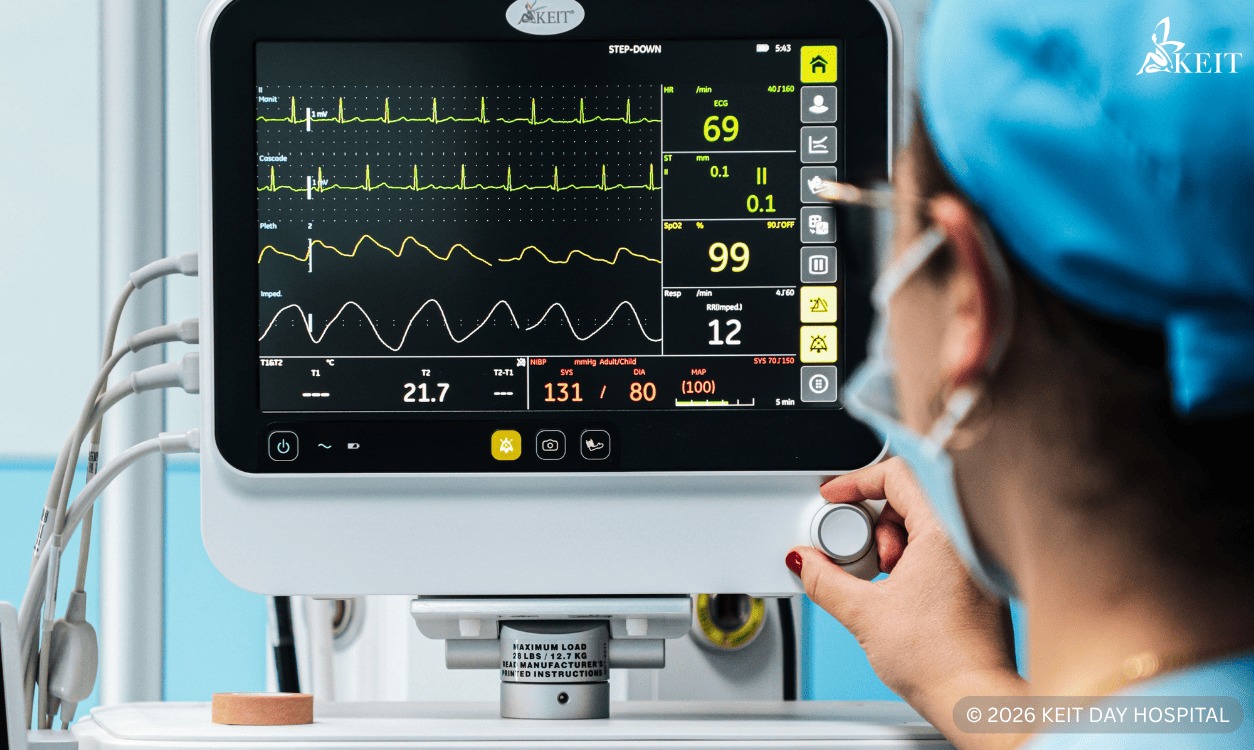
This 2023–2025 evidence review synthesizes recent PubMed-indexed meta-analyses examining anesthesia-related risks, outcomes and prevention strategies in cosmetic surgery and closely related aesthetic procedures. The selected studies focus on clinically relevant endpoints such as post-operative pain burden, opioid exposure, recovery quality and anesthesia technique selection. Together, they outline an evidence-based framework for risk stratification, showing how structured peri-operative planning can reduce avoidable morbidity and improve recovery consistency.
How the evidence was selected: Criteria for the latest meta-analyses
A targeted PubMed search identified English-language meta-analyses and network meta-analyses published between 2023 and 2025 addressing anesthesia-related outcomes relevant to cosmetic surgery. Eligible studies evaluated anesthesia or analgesia strategies with endpoints such as pain scores, opioid consumption, rescue analgesia, early recovery quality and common post-operative sequelae. Narrative reviews, single-study reports and non-meta-analytic publications were excluded. The final selection prioritizes methodologically robust evidence transferable to peri-operative risk stratification in aesthetic practice.
Incidence and nature of anesthesia-related complications in cosmetic surgery
Recent meta-analytic evidence indicates that anesthesia-related complications in cosmetic surgery are rarely catastrophic in properly selected patients treated within modern protocols, but minor and moderate adverse events remain clinically important.
These include suboptimal post-operative pain control, high rescue analgesic use, opioid-related side effects such as nausea, sedation and delayed mobilization and slower functional recovery in the first post-operative days. Importantly, current evidence supports the concept that many anesthesia-related risks in cosmetic surgery are indirect and strategy-dependent, meaning they arise from the analgesic approach rather than from anesthesia itself.
Patient-related risk factors influencing anesthesia outcomes
Anesthesia-related risk varies with patient factors that affect airway reserve, drug sensitivity, pain response and recovery capacity. Meta-analytic evidence supports stratifying patients into key risk domains, since the same anesthetic plan can yield very different recovery outcomes. Key patient-related risk factors include:
- Elevated body mass index and metabolic comorbidities that increase respiratory and thrombotic vulnerability.
- History of post-operative nausea and vomiting and heightened sensitivity to opioid-based regimens.
- Chronic analgesic exposure, higher pain sensitivity, or psychological stress factors that may amplify pain experience.
- Smoking status and reduced respiratory reserve that can worsen recovery quality and increase complication susceptibility.
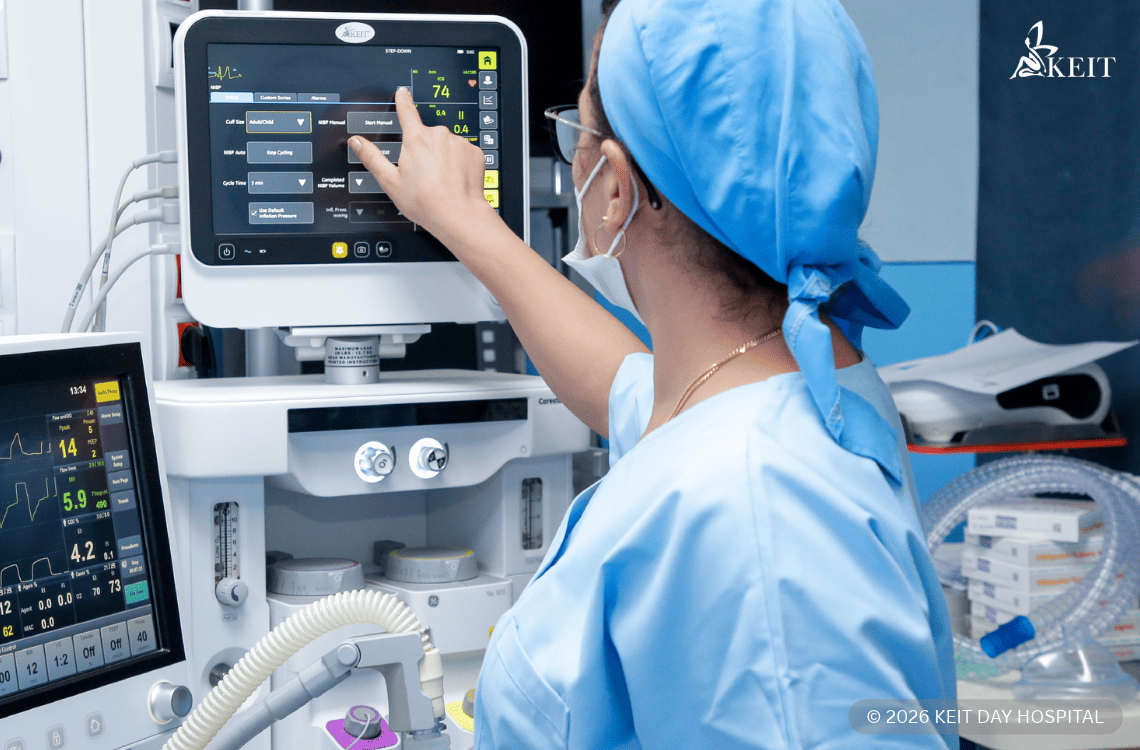
Procedure-specific anesthesia risk profiles
Recent meta-analyses support procedure-specific anesthesia planning because it targets the most predictable recovery “bottlenecks,” shifting anesthesia from a standard step to an individualized strategy matched to physiologic and analgesic demand.
Abdominoplasty and high pain-burden procedures
Abdominoplasty is consistently associated with a high post-operative pain burden due to extensive soft tissue work and, in many cases, muscle plication. A 2023 meta-analysis demonstrated that regional nerve block techniques reduce opioid consumption at 24 and 48 hours and prolong the time to first rescue analgesia. These effects are clinically relevant because they translate into fewer opioid-related adverse events and improved early mobilization, which is central to safe recovery pathways.
Breast augmentation and moderate pain procedures
Breast augmentation typically carries a moderate but meaningful post-operative pain profile, especially in the first 24–48 hours when muscle tension and implant pocket discomfort are most pronounced. A 2023 meta-analysis evaluating nerve block strategies reported improved pain scores and reduced analgesic requirements when regional techniques were used.
This is relevant for anesthesia risk stratification because lowering opioid exposure reduces nausea, sedation and recovery disruption in outpatient settings. The evidence supports integrating targeted blocks as part of multimodal analgesia rather than relying solely on systemic opioids for early post-operative control.
Nasal surgery and post-operative management
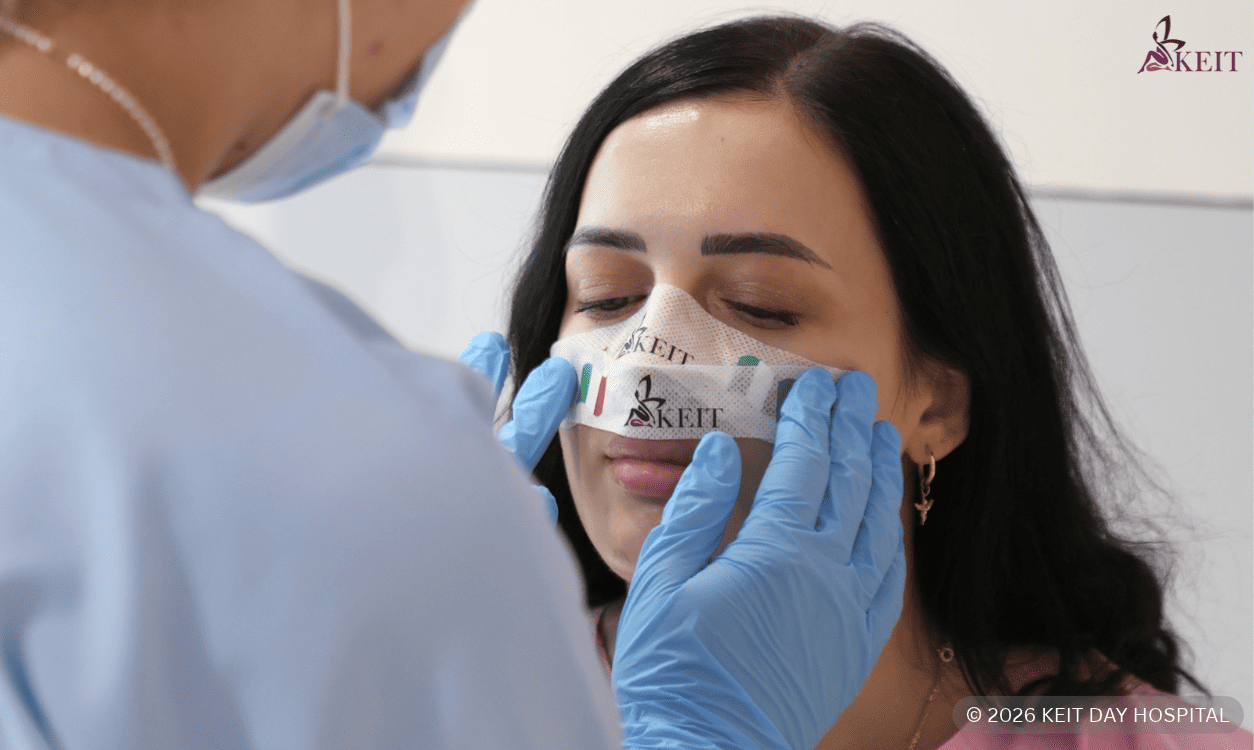
Nasal cosmetic surgery represents a different anesthesia-risk pattern because post-operative discomfort and sequelae such as pressure, swelling and functional congestion can influence recovery experience even when overall pain intensity is moderate.
Meta-analyses published between 2023 and 2025 indicate that structured local anesthetic strategies and selective nerve blocks, including infraorbital, infratrochlear and sphenopalatine ganglion techniques, can improve post-operative outcomes. From a risk stratification perspective, this suggests that anesthesia planning in rhinoplasty and septorhinoplasty should be guided by expected sequelae and patient sensitivity rather than by a generic anesthetic template.
Opioid exposure as a central modifiable anesthesia risk factor
Across the selected meta-analyses, opioid exposure emerges as a consistent driver of anesthesia-related morbidity, especially in outpatient cosmetic surgery where recovery speed and patient comfort are critical. Higher opioid requirements are repeatedly associated with increased nausea, delayed mobilization, sedation and lower early satisfaction, while opioid-sparing strategies show more stable recovery profiles. The evidence therefore supports the idea that anesthesia-related risk reduction in cosmetic surgery should prioritize minimizing opioid demand through regional anesthesia and multimodal analgesia rather than treating opioid-related symptoms after they occur.
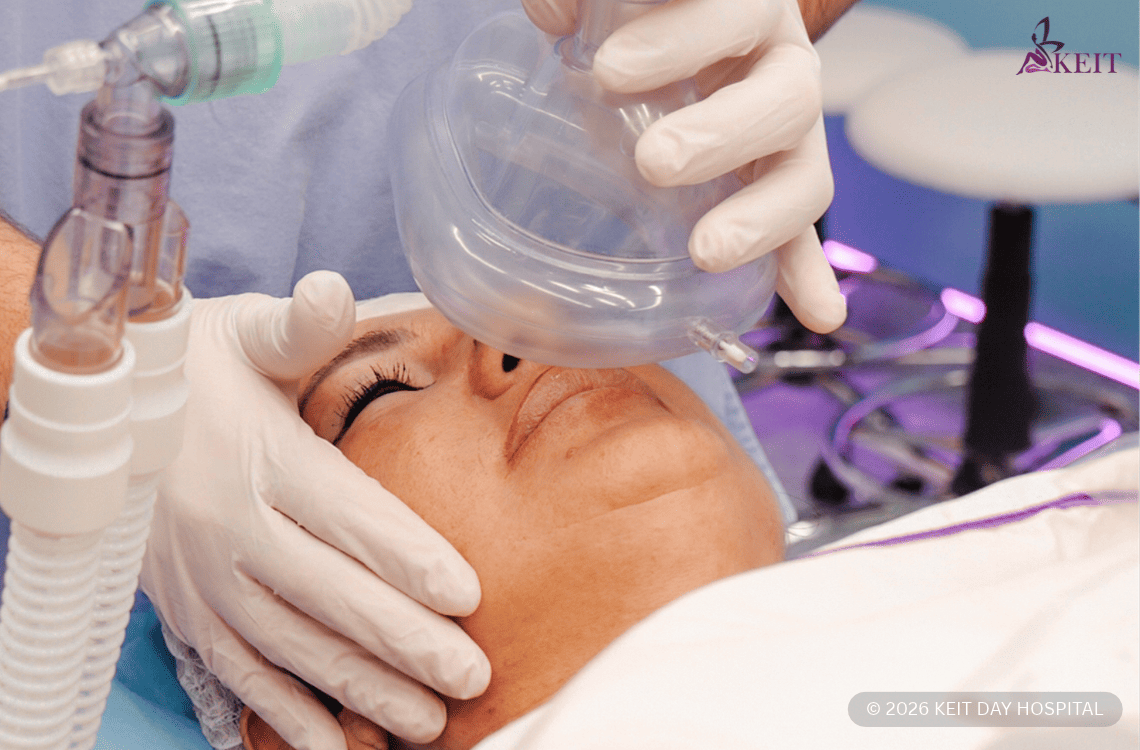
Clinical implications: Evidence-based anesthesia risk stratification in practice
Based on the aggregated evidence, several practical principles emerge for applying anesthesia risk stratification in aesthetic pathways:
- High pain-burden procedures benefit from routine integration of regional nerve blocks to reduce opioid requirements.
- Moderate pain procedures still gain meaningful safety and comfort improvements from targeted block strategies.
- Nasal surgery outcomes are influenced by local anesthetic planning and nerve block selection that addresses sequelae and recovery quality.
- Risk reduction is strongest when planned proactively through opioid minimization rather than managed reactively through rescue medications.
Final conclusions on anesthesia-related safety in cosmetic surgery
The 2023–2025 PubMed meta-analytic evidence suggests that anesthesia-related risks in cosmetic surgery are largely predictable and modifiable with modern protocols. Morbidity often reflects the peri-operative strategy chosen, especially opioid reliance and whether regional techniques are used. When planning is aligned with procedure-specific pain profiles and patient-level risk factors, recovery is more consistent and avoidable complications decrease, supporting structured, individualized anesthesia pathways as a core element of safe aesthetic practice.
Bibliography: Recent PubMed-indexed meta-analyses considered
- Seretis K. The Efficacy of Different Nerve Blocks on Post-operative Pain and Sequelae in Patients Undergoing Abdominoplasty: A Network Meta-Analysis. Aesthetic Surgery Journal. 2023. PMID: 36472239.
- Correia Duarte M. Nerve block efficacy in breast augmentation: A systematic review and meta-analysis. J Plast Reconstr Aesthet Surg. 2024. PMID: 38160590.
- Albilasi TM. Efficacy and Safety of Sphenopalatine Ganglion Block Versus Infraorbital and Infratrochlear Nerve Blocks in Nasal and Sinus Surgeries: A Systematic Review and Network Meta-analysis. Journal of Craniofacial Surgery. 2025. PMID: 41433378.
- Alaniz L. Effective Local Anesthetic Use in Nasal Surgery: Systematic Review and Meta-analysis of Randomized Controlled Studies. PRS Global Open. 2023. PMID: 37534108.
- Kim DH. Effect of Infraorbital and/or Infratrochlear Nerve Blocks on Post-operative Care in Patients with Septorhinoplasty: A Meta-analysis. Medicina (Kaunas). 2023. PMID: 37763778.