 Anaesthetic Safety
KEIT DAY HOSPITAL
Anesthetic emergency management protocol
Official Manual of Clinical, Care and Organizational Protocols
| Document Code | KEIT-SOP-15 | Version | 2.0 |
|---|---|---|---|
| Revision | 02 | Status | Official |
| Issue Date | 28/03/2026 | Next Review | 28/03/2027 |
| Prepared by | Medical Directorate / Quality | Approved by | |
| Signature and Date | Distribution | Controlled - Internal Use |
Purpose of the document. To officially define the scope, responsibilities, operating procedure, KEIT standards, records and protocol review criteria.
1. Document Control Information
| Application | All clinical, nursing, technical and organizational personnel involved in the described process. |
|---|---|
| Archiving | KEIT internal document management system and controlled copy in the relevant areas. |
| Review | At least annually or earlier in the event of regulatory, organizational or technological updates. |
2. Scope of Application
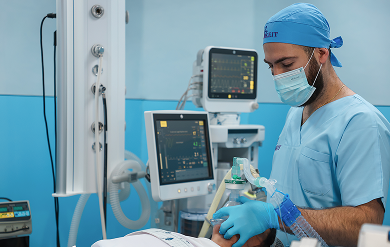
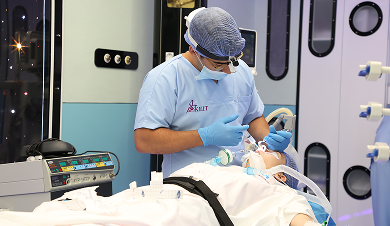
Applicable to the operating room, post-anesthesia recovery area and procedural areas where general anesthesia, sedation or locoregional anesthesia is administered.
3. Responsibilities
- Anesthesiologist: clinical leadership of the emergency.
- Operating room and recovery team: immediate support, preparation of medications and equipment, and documentation.
4. Operating Procedure
- Recognize the critical event at an early stage and formally declare the emergency.
- Activate the support team and assign clear roles for monitoring, medication administration, ventilation, vascular access and documentation.
- Follow the specific algorithm for anaphylaxis, laryngospasm, bronchospasm, severe hypotension, arrhythmias, cardiac arrest, aspiration, local anesthetic systemic toxicity, massive hemorrhage or any other identified emergency.
- Simultaneously ensure adequate oxygenation, ventilation, hemodynamic stability and venous access.
- Prepare for possible transfer to a higher level of care without interrupting patient stabilization.
- Document the timeline of the event, medications administered, clinical response and final outcome.
5. KEIT Operational Standards
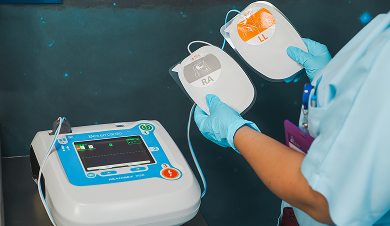
- Anesthetic emergencies are supported by a dedicated emergency cart, advanced difficult-airway devices and the availability of life-saving medications.
- Every critical event is discussed during an internal debriefing session.
6. Records and Documentation
- Critical incident report.
- Emergency medication register.
- Debriefing record.
7. Review and Updates
Periodic updates through simulation exercises and review of internal algorithms.
Implementation Note
This document is an internal operational draft. Before final adoption, review by the Medical Directorate, Clinical Directorate, Legal Advisor and the relevant department managers is recommended.
This document is an internal operational draft. Before final adoption, review by the Medical Directorate, Clinical Directorate, Legal Advisor and the relevant department managers is recommended.
8. Related Attachments and Forms
- Operational checklists, recording forms, audit sheets and maintenance registers applicable to this protocol.
- Any department-specific or equipment-specific technical attachments are referenced in the relevant local operating instructions.
9. Final Approval
| Position | Name and Signature | Date |
|---|---|---|
| Medical Directorate |
Download this protocol
Get the official PDF version of this protocol.